
Free visual inspection and a written scope of work before any mitigation begins - photos, moisture readings, and drying logs go in your claim file
The scope we write is the scope we bill. Anything new gets shown to you, in writing, before we touch it.
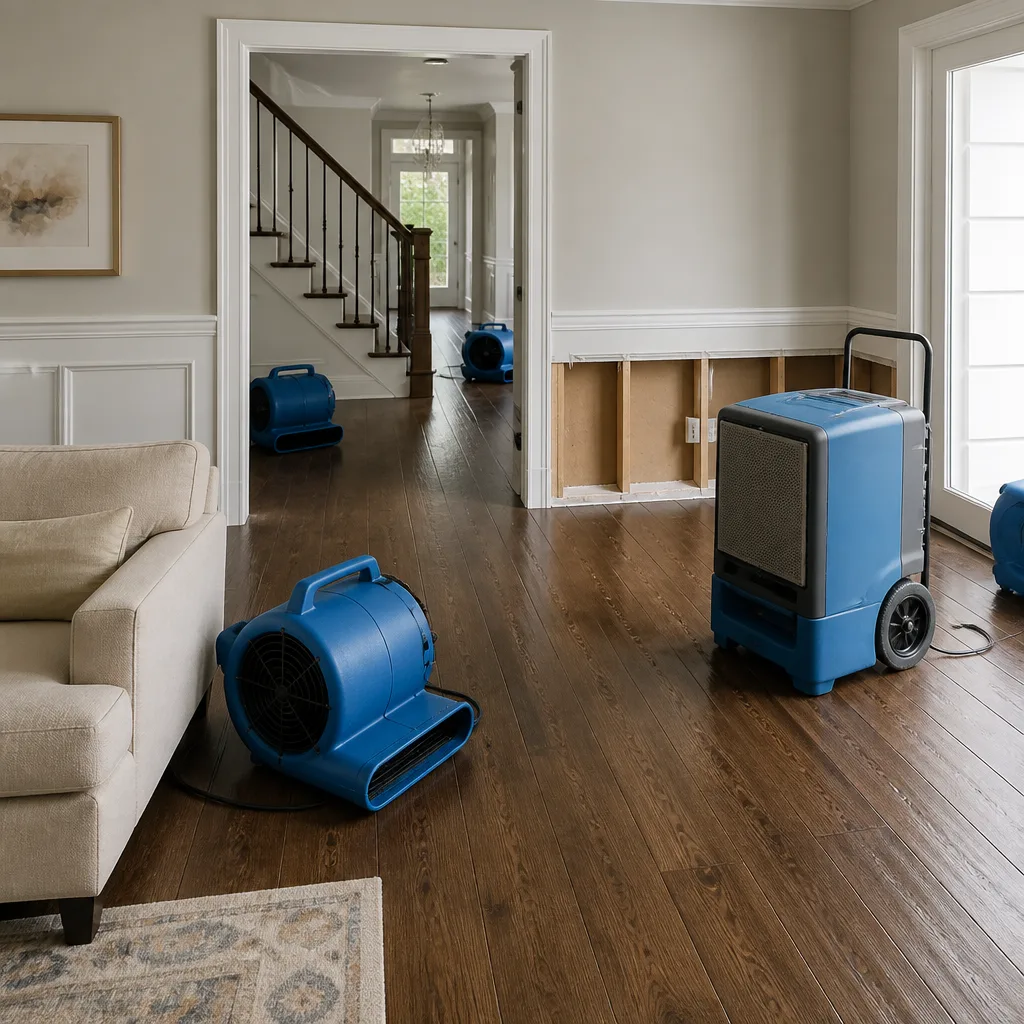
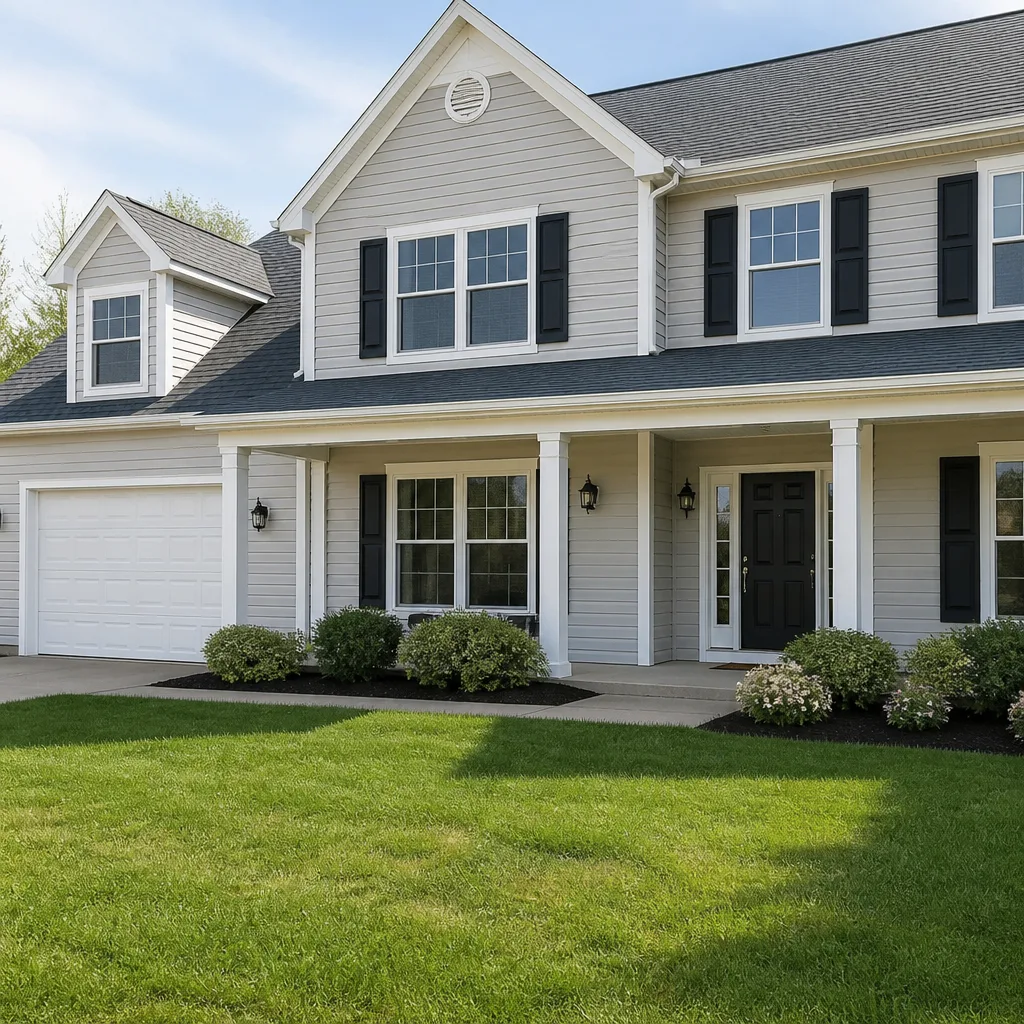
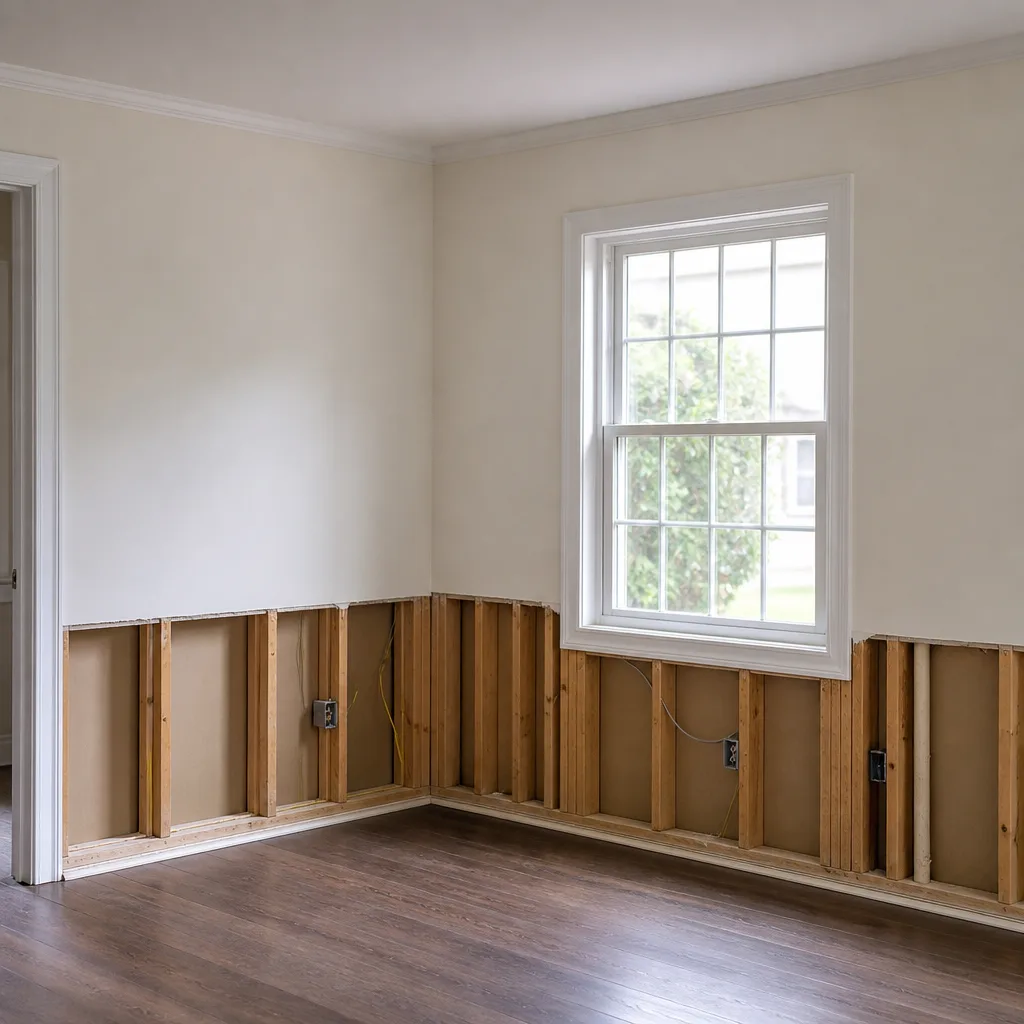
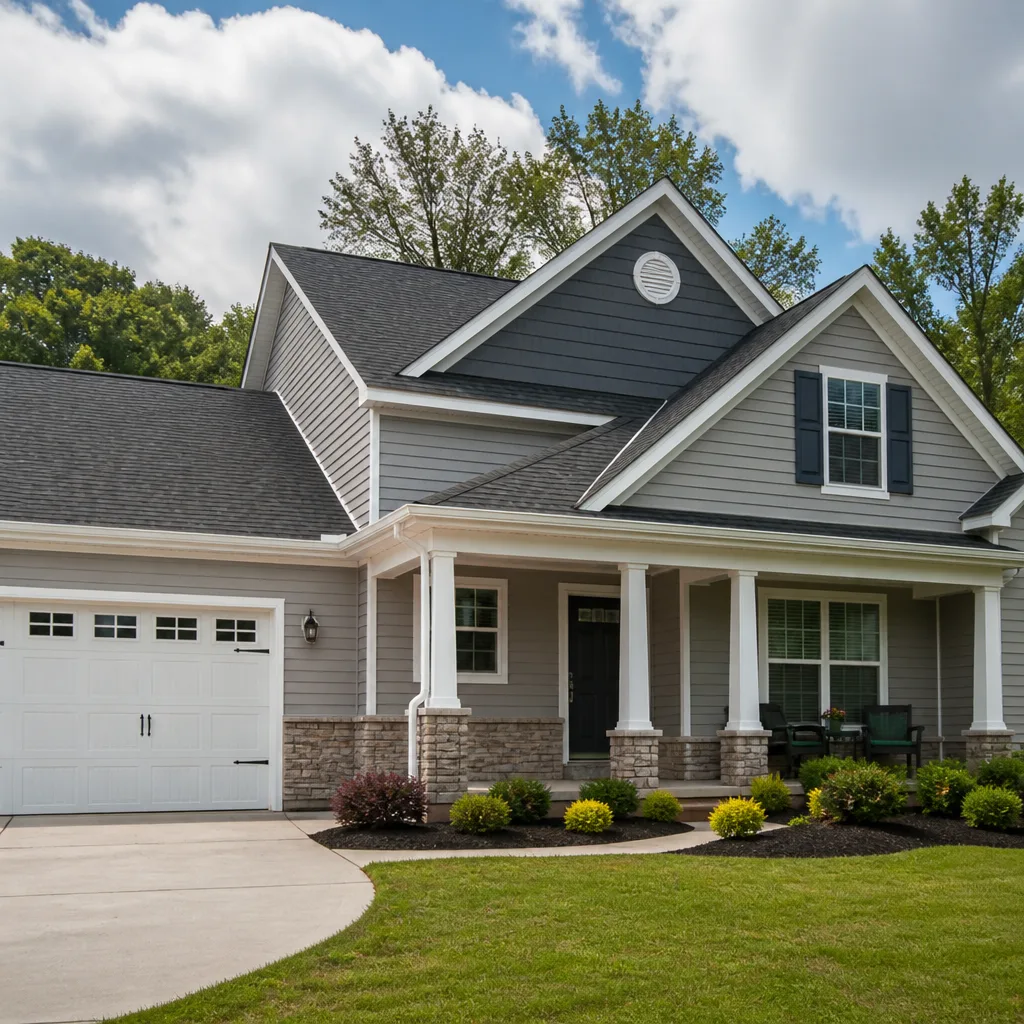
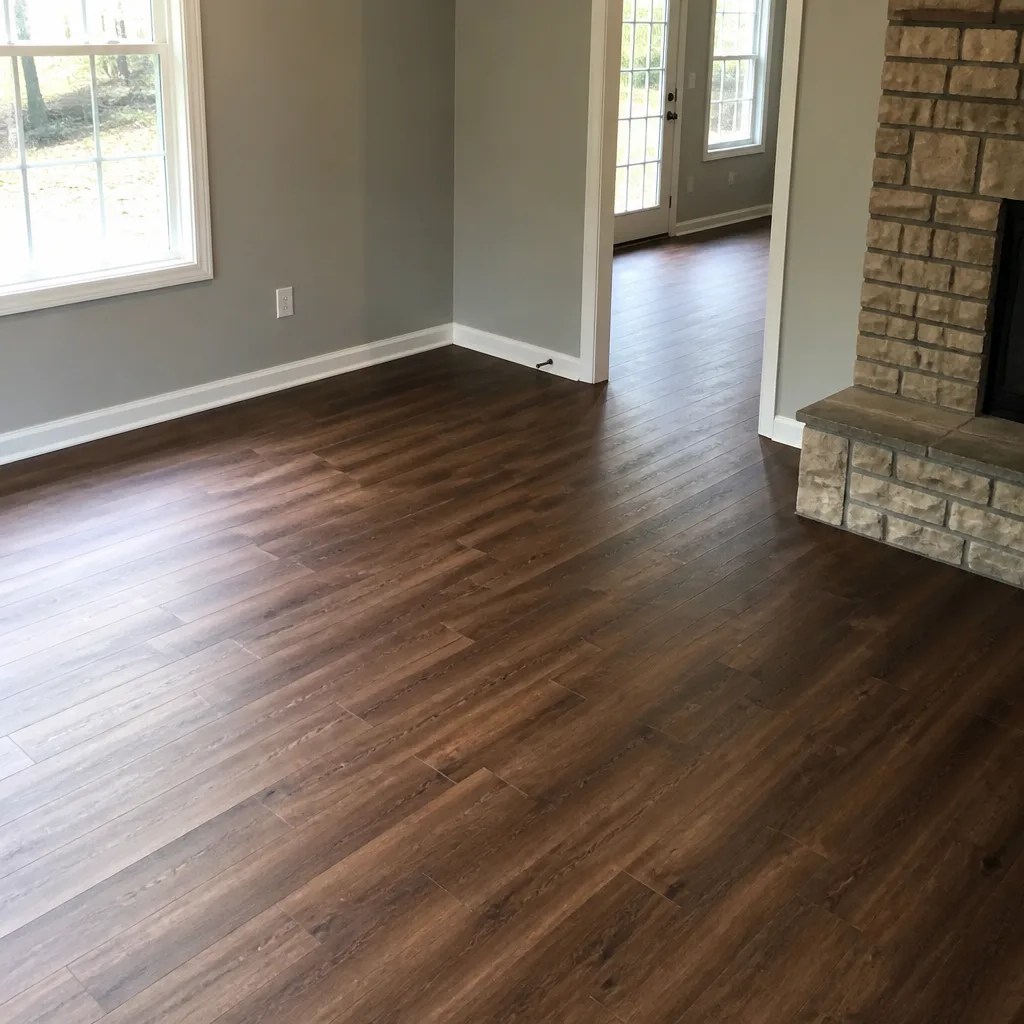
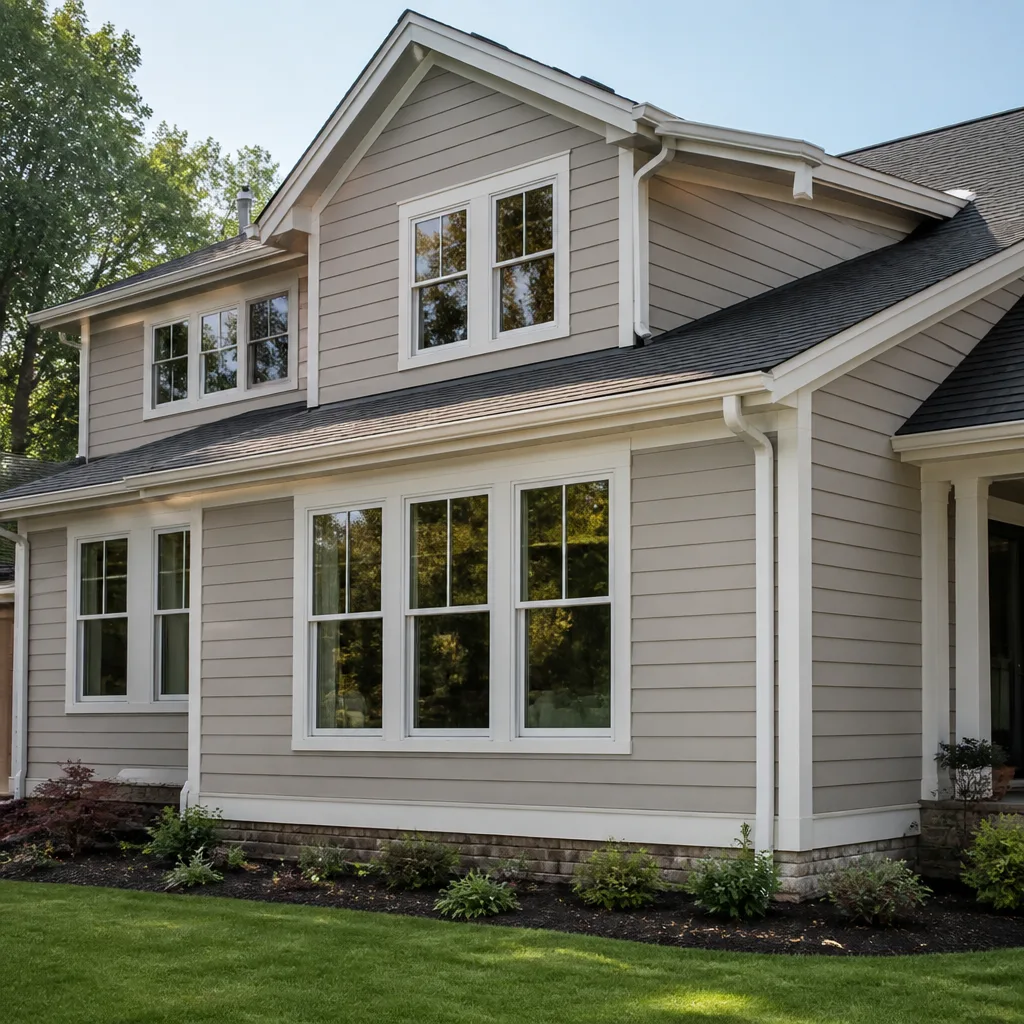
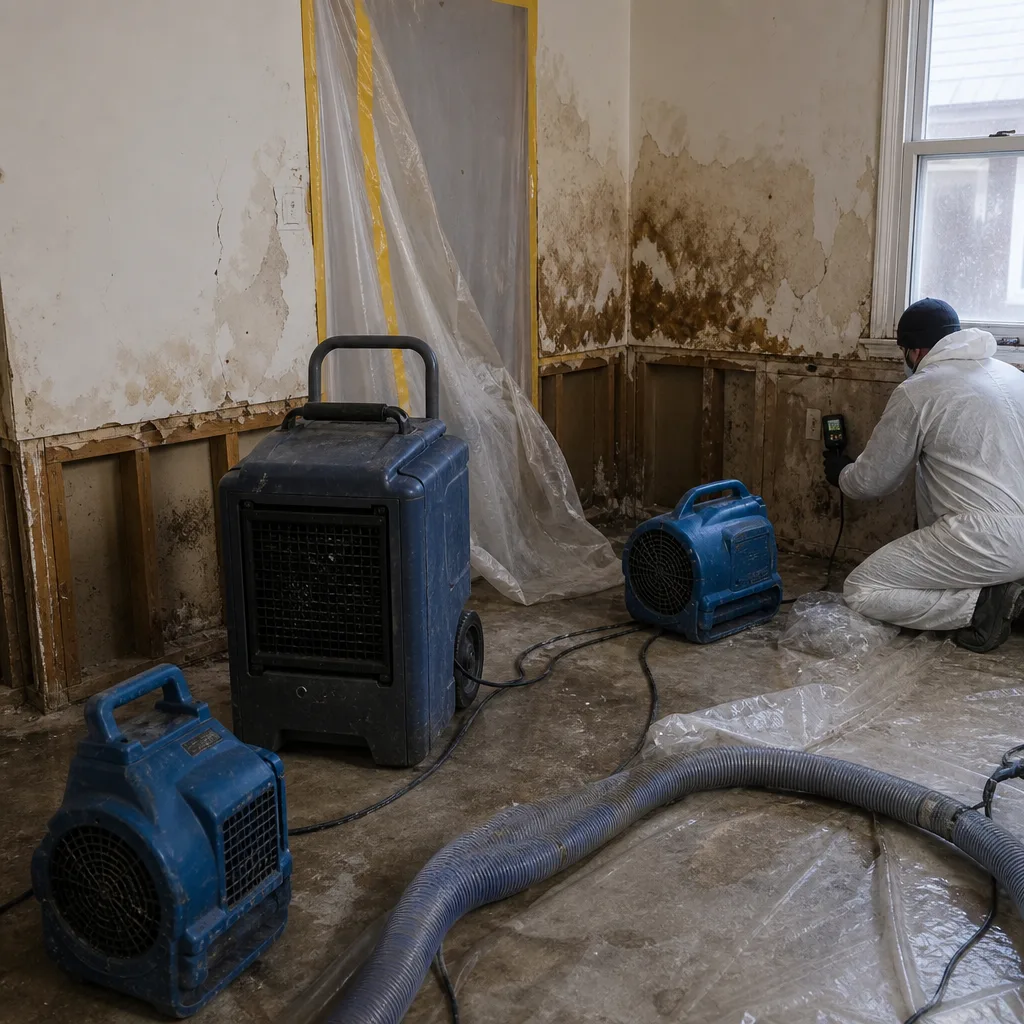 Before
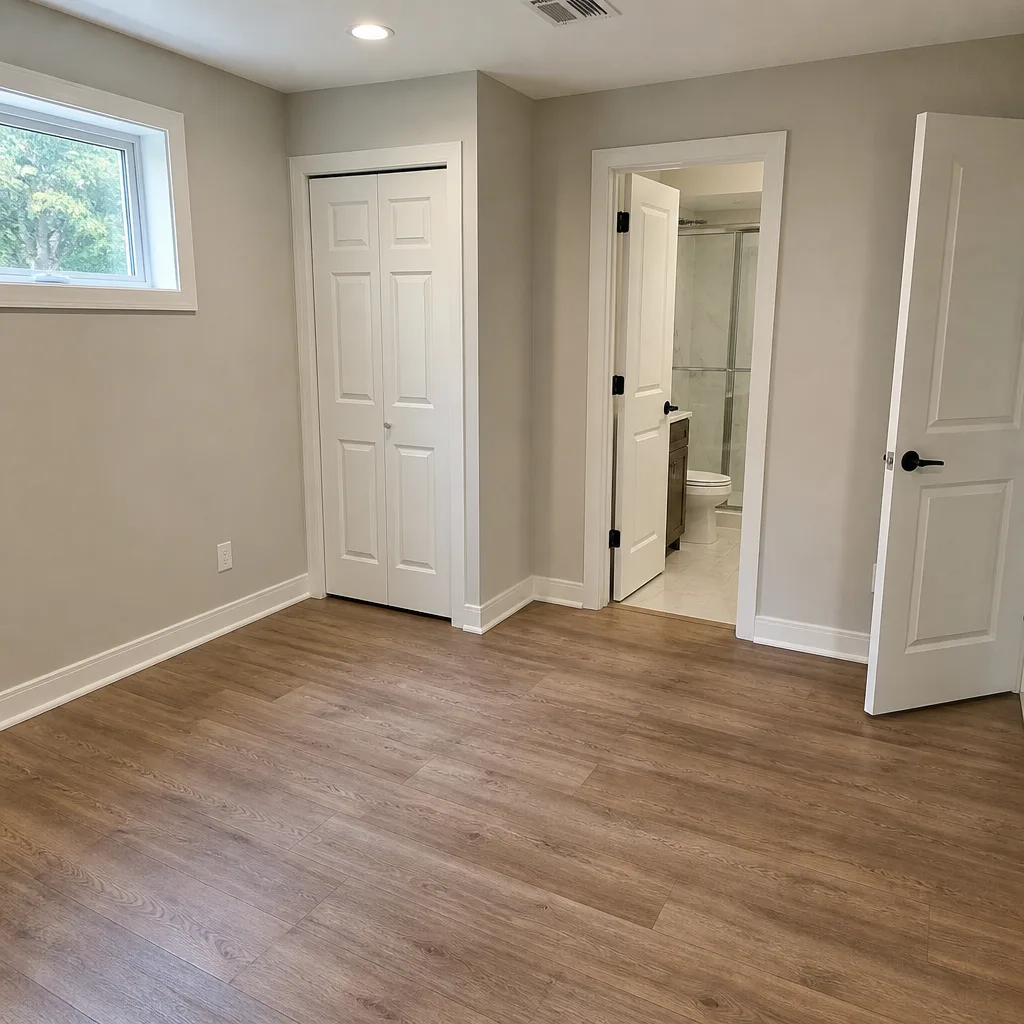 After
After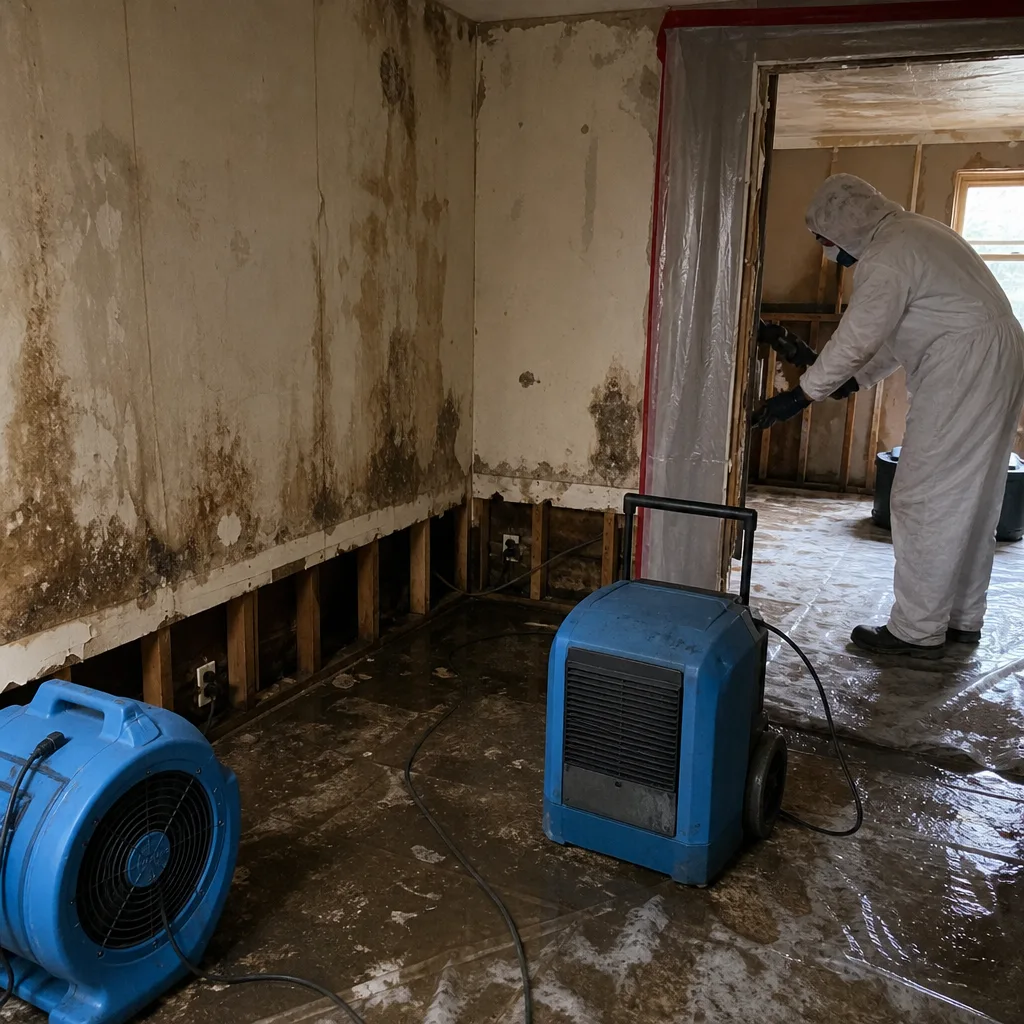 Before
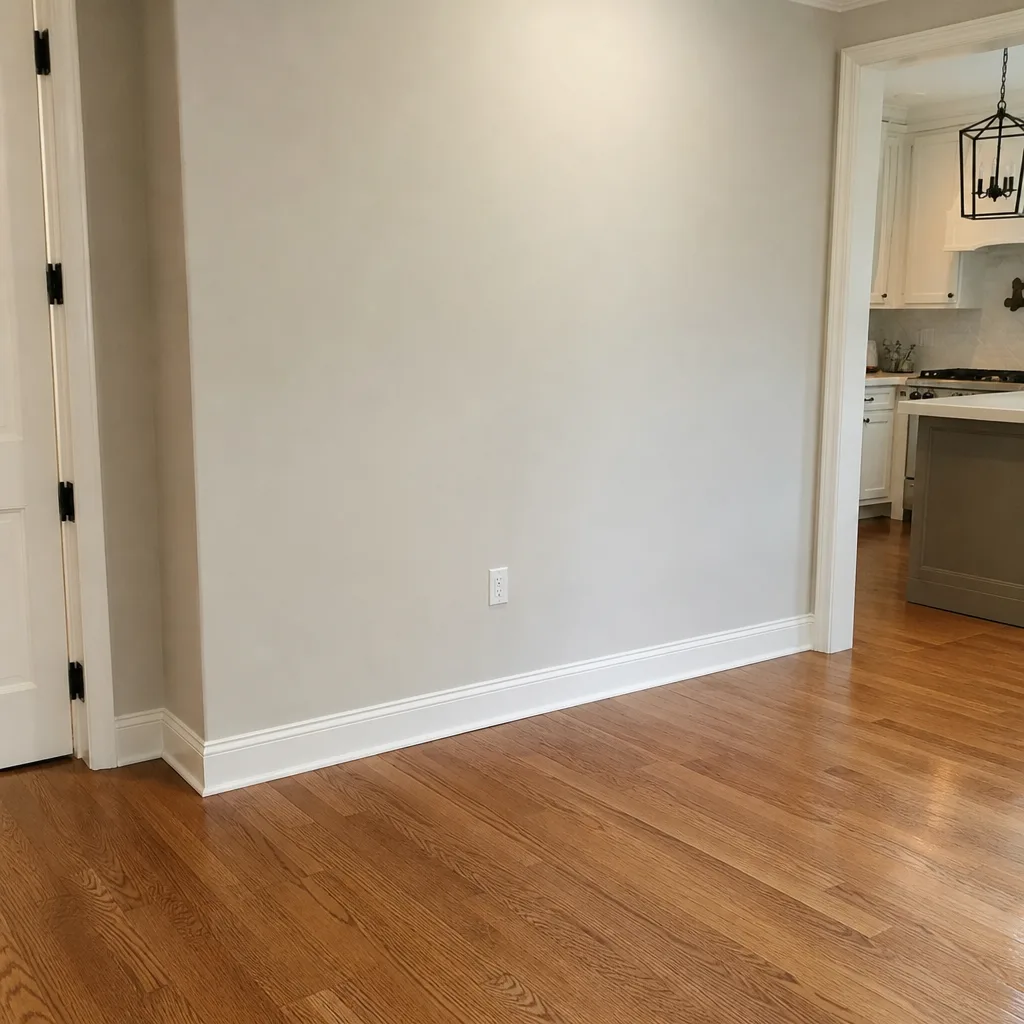 After
After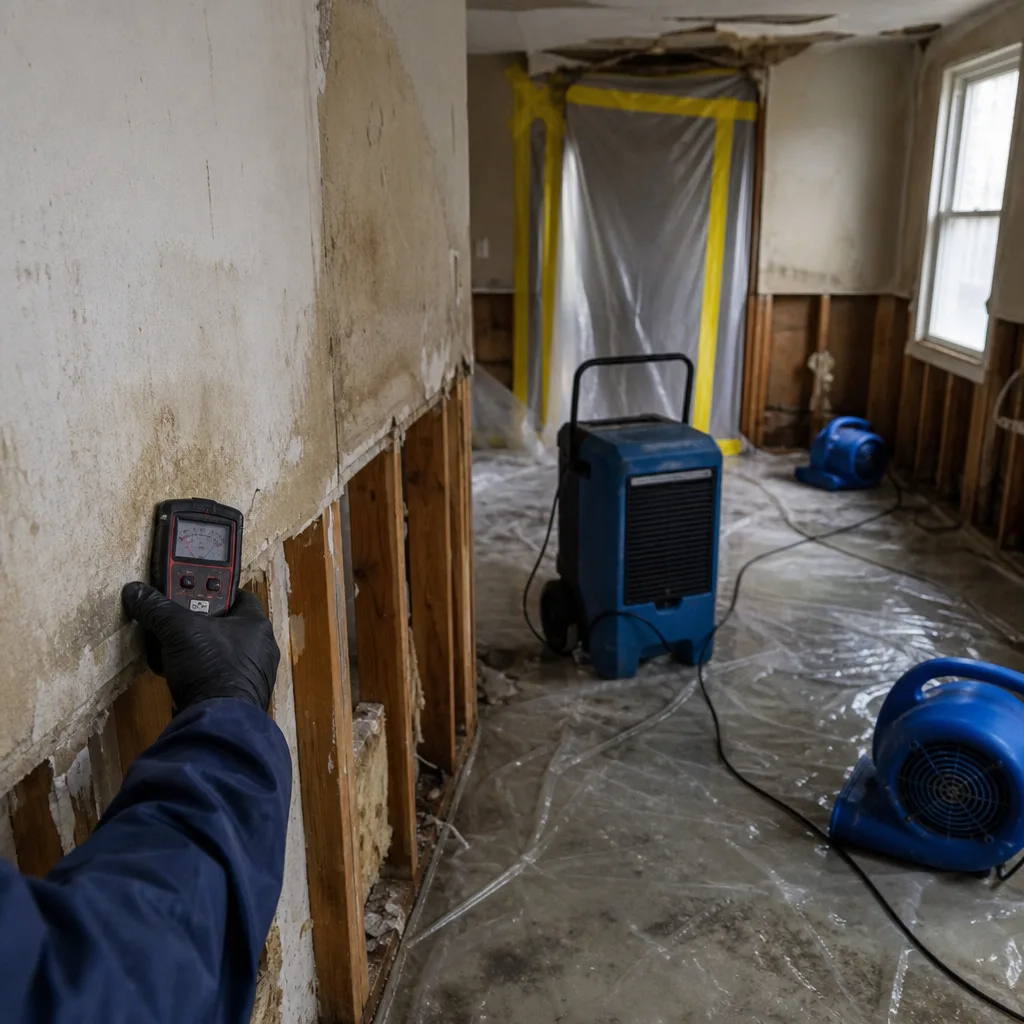 Before
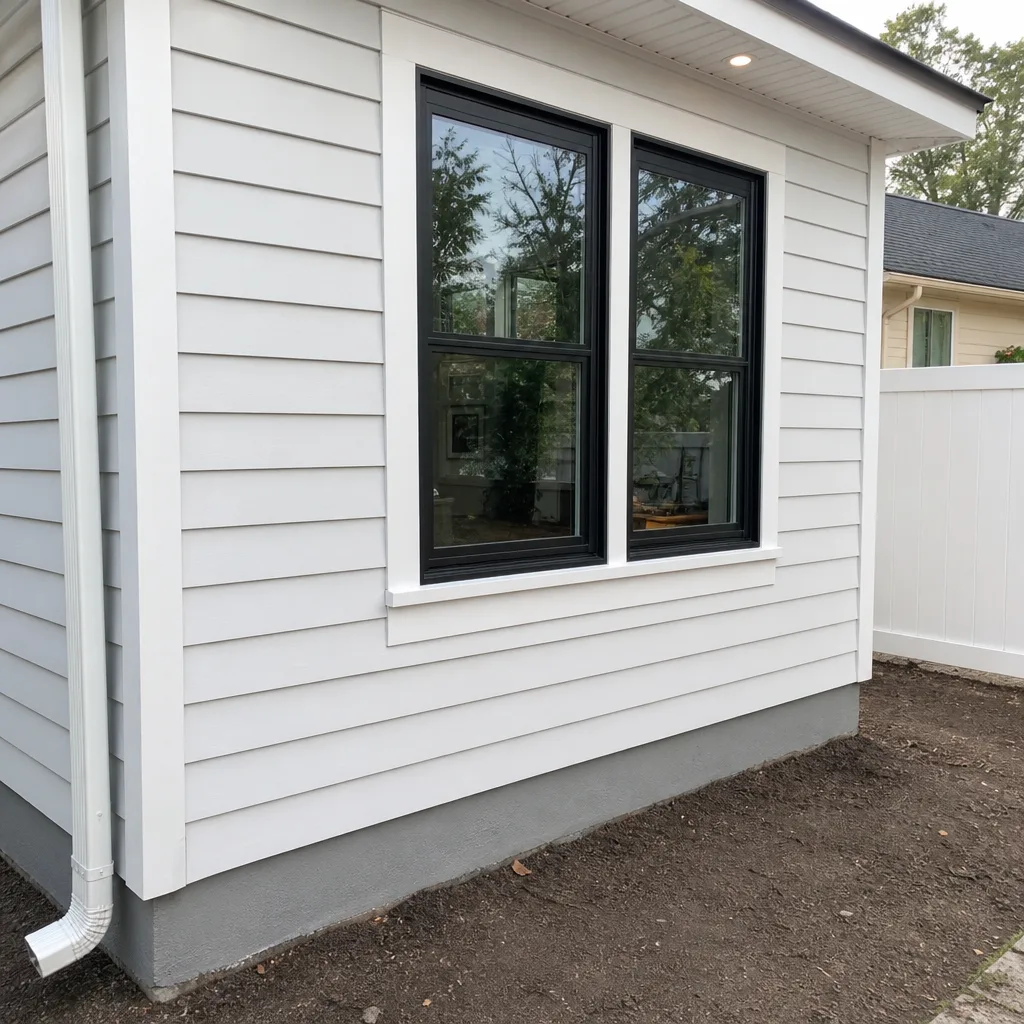 After
After24/7 Emergency Commercial Restoration in Jackson Heights
Commercial restoration in Jackson Heights moves on a faster clock than almost anywhere else in Queens. A burst cast-iron supply line in a pre-war co-op on 35th Avenue doesn’t just flood one retail space. It cascades through horsehair plaster walls and original hardwood floors into the units below, and before noon you’ve got four shareholders, a co-op board, and an insurance adjuster all waiting on the same answer: when does drying start? Our crews answer that call live, 24 hours a day, and dispatch locally so extraction begins within hours, not days. Call (363) 999-0829 the moment you suspect water, smoke, or sewage damage. A free visual inspection is the fastest way to know the scope, and in Jackson Heights the scope is rarely what it first appears to be.
Understanding Commercial Restoration Severity in Jackson Heights Properties
Severity in Jackson Heights isn’t measured in square feet of wet drywall. It’s measured in what’s behind the drywall. Most commercial spaces in this neighborhood sit inside 1910s to 1940s brick co-op and rental buildings with original cast-iron plumbing, steam-heat risers, and horsehair plaster over old-growth timber lath. A Category 2 leak from a cracked drain stack saturates that plaster slowly and holds moisture against the framing for days before the stain even shows. By the time a tenant reports it, the dry standard is weeks away, not days. We categorize every job the same way: Category 1 is clean water from supply lines; Category 2 carries contaminants from fixtures and drains; Category 3 is sewage or storm backflow and demands full containment, disposal, and antimicrobial treatment under IICRC S500 and RIA guidelines. In a building where units share walls, floors, and drain stacks, we moisture-map every adjacent space before we ever pull a baseboard. What looks like a six-unit claim is routinely a three-floor loss once the thermal imaging comes back. The age of these buildings isn’t a complication we discover mid-job. It’s the first thing we plan for.
Why Jackson Heights Property Owners Choose Floodline Restoration Co.
- 45-minute response commitment: When you call from Jackson Heights, a certified crew is dispatched immediately and typically arrives within 45 minutes to begin containment and extraction.
- 24/7 live answer, never a recording: A real dispatcher picks up at 2 a.m., takes the address, and starts the response. Nobody waits for a callback.
- IICRC-certified technicians: Our crews carry WRT (Water Damage Restoration), FSRT (Fire & Smoke Restoration), and AMRT (Applied Microbial Remediation) certifications, with RIA and IFA standards in every work plan.
- Free visual inspection: Before any work begins, we walk the loss with you, mark the damage, and give you a written scope so you know exactly what’s needed and why.
- Direct insurance billing: We work with your carrier from the first hour, submit the documentation, and bill directly so you’re not the middleman between the board, the adjuster, and the shop upstairs.
- One team, start to finish: The same uniformed, background-checked crew that extracts the water also dries the structure, replaces the plaster, and rebuilds the storefront. No mid-job handoff, no inherited crew.
Our Commercial Restoration Process
Inspection & Assessment
We arrive, walk the loss with you, and map moisture with thermal imaging and hygrometers. In a Jackson Heights pre-war building, this means checking shared walls, the drain stack, and the units below and above before we touch anything.
Extraction & Stabilization
Standing water comes out first with truck-mounted extraction, then we stabilize the envelope and remove unsalvageable material. If the building falls inside the Jackson Heights Historic District, we flag any scope that touches exterior facades or common elements for LPC review before demolition proceeds.
Drying & Dehumidification
We place Dri-Eaz and Phoenix air movers and dehumidifiers according to a written drying plan, with daily moisture readings logged until the dry standard is met. Horsehair plaster dries slower than gypsum, so our drying chambers run longer here than in newer construction.
Cleaning & Sanitization
Surfaces are cleaned, sanitized, and HEPA-vacuumed, with containment and air scrubbing where Category 2 or 3 water was present. We document every step in writing for your carrier.
Specialty Treatment
For wind-driven losses, this means assessing storefront glazing and door assemblies for hidden track or frame damage. For co-op losses, it means like-for-like lime plaster matching when LPC review requires it. We coordinate all of it.
Repairs & Restoration
We rebuild to the original profile, whether that’s a retail storefront, an office suite, or a landmarked common hallway. The job isn’t closed until the moisture log reads dry and the 90-Day Done Right Promise is in your hands in writing.
Need Emergency Commercial Restoration in Jackson Heights Now?
Crews minutes away, answering live 24 hours a day. The sooner we start, the less it costs.
Working With Your Insurance Company
In Jackson Heights commercial losses, the claim is rarely simple. You’ve got a tenant, a co-op board, maybe a shareholder upstairs, and a carrier that wants line-item justification for every dollar. We’ve been documenting losses since 2010, and we do it from the first hour: photos before anything is moved, moisture readings at every stage, and a drying log your adjuster can read without a translator. We write scopes in the language insurers accept, and we talk to your adjuster directly so you’re not relaying messages between three parties. When the LPC gets involved, we prepare the documentation the board needs and include it in the claim file. A square deal: no surprises on the bill, and nobody left holding a request for reimbursement that was never submitted.
What We Provide Your Insurer
- Thorough documentation of the loss
- Photos of all damage, room by room
- Moisture readings and drying logs
- A detailed, line-item scope of work
- Direct coordination with your carrier
Built for Jackson Heights’s Loss Calendar
Commercial damage in Jackson Heights follows the calendar as predictably as the 7 train schedule. January and February bring deep freezes that burst supply lines in unheated rear storage rooms and stairwell vestibules, especially in older co-op buildings where original copper runs through exterior-adjacent chases. Spring thaw melts snow on flat roofs and sends water through aging parapet flashing into top-floor offices on 37th Avenue and Roosevelt Avenue. Summer thunderstorms overwhelm the neighborhood’s high-impervious-surface drainage pattern and flash-flood basement commercial spaces, a lesson many owners on 82nd and 90th Streets learned during Hurricane Ida in September 2021. Nor’easters from October through December drive wind and rain against storefront door assemblies and window frames, and that’s when we see the failures that most owners ignore until it’s too late. A wind-rated door with a bent track or a failed seal doesn’t announce itself. It just lets the next storm in. We’ll be there when we say, and we start at the line the water left.
Commercial Restoration Across Jackson Heights’s Neighborhoods
Jackson Heights commercial stock isn’t uniform, and neither are its losses. Along 37th Avenue between 74th and 90th Streets, we see dense retail storefronts and professional offices on the ground floors of six-story co-ops, where a roof leak at the top of the building travels through four floors of residences before it shows up on a dentist’s ceiling. The commercial corridors of Roosevelt Avenue under the elevated 7 line deal with storm drainage from track runoff and street-level flooding that pushes Category 3 water into restaurants and small shops. Around the Jackson Heights Historic District, which covers much of the 70s and 80s Streets between Northern Boulevard and Roosevelt, any exterior-facing restoration plan crosses the LPC’s desk, and we build that timeline into the claim from day one. East of Junction Boulevard near Travers Park, we handle more converted apartments and mixed-use buildings with rear-yard drainage problems and basement office suites. On 34th and 35th Avenues, many commercial spaces sit inside garden-apartment co-ops with central courtyards, where one unit’s water loss quietly migrates through shared brick party walls into two or three neighboring storefronts. Our dispatchers know these routes, and our crews know what they’ll find when they get there.
Specialized Commercial Restoration Services We Offer in Jackson Heights
Multi-Unit & HOA Restoration
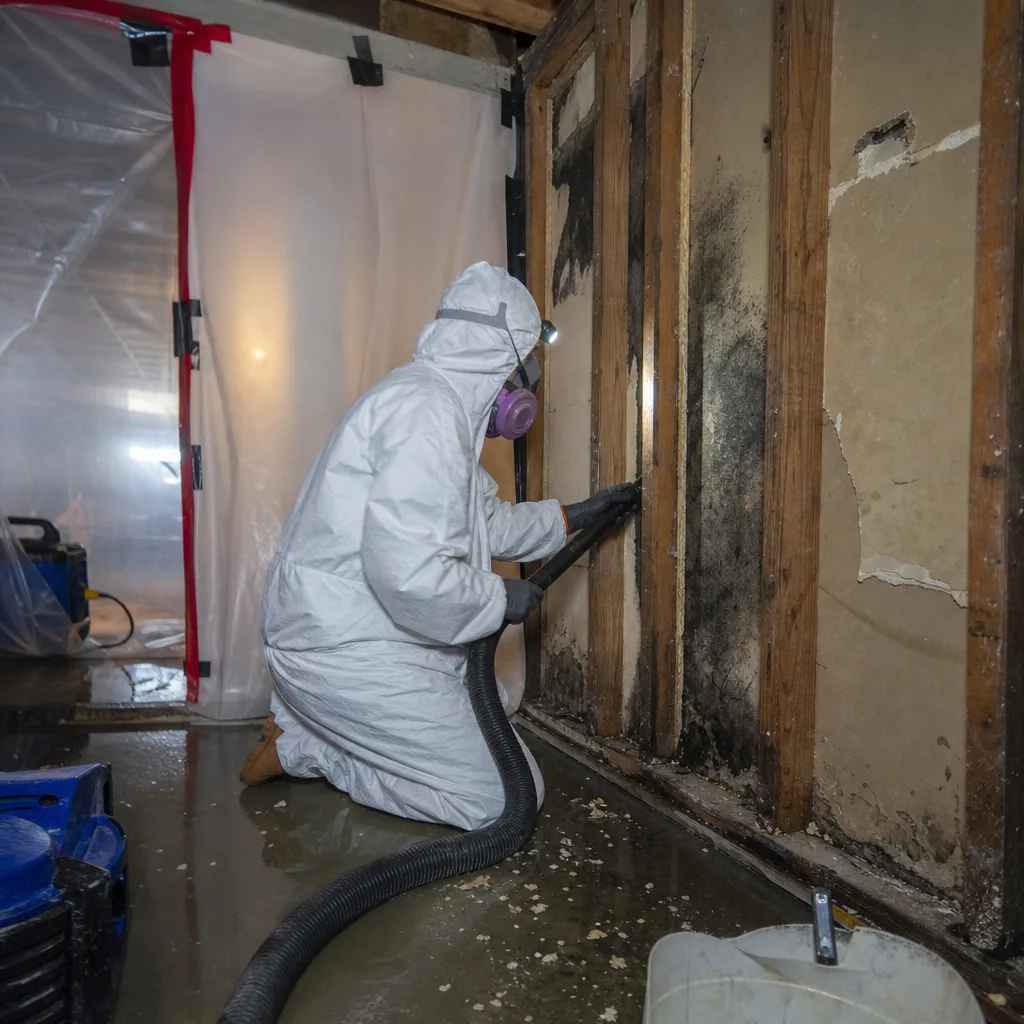
This is the bread and butter of Jackson Heights restoration. A loss in one co-op or condo unit routinely involves the board, the building’s master policy, and the individual shareholders’ policies all at once. We scoped, dried, and rebuilt a mixed-use co-op on 35th Avenue after a wind-driven storm blew out a street-level retail window and soaked the original horsehair plaster walls. Our Commercial Restoration team installed XPOWER air movers and Dri-Eaz dehumidifiers for structural drying, then coordinated with the board to file LPC paperwork for like-for-like lime plaster replacement, keeping the business interruption to just four days. That’s the standard we work to.
Business Interruption Minimization
Every day a Jackson Heights storefront is closed is a day of revenue gone and a landlord’s patience thinning. We stage containment and drying so that unaffected portions of the business can keep operating where it’s safe, and we sequence repairs so your front door opens again as soon as structurally possible. The single biggest driver of business interruption in this neighborhood is getting caught in a scope dispute between an LPC requirement and an insurance line item. We know where those disputes happen and we document to prevent them before they start.
Office & Retail Restoration
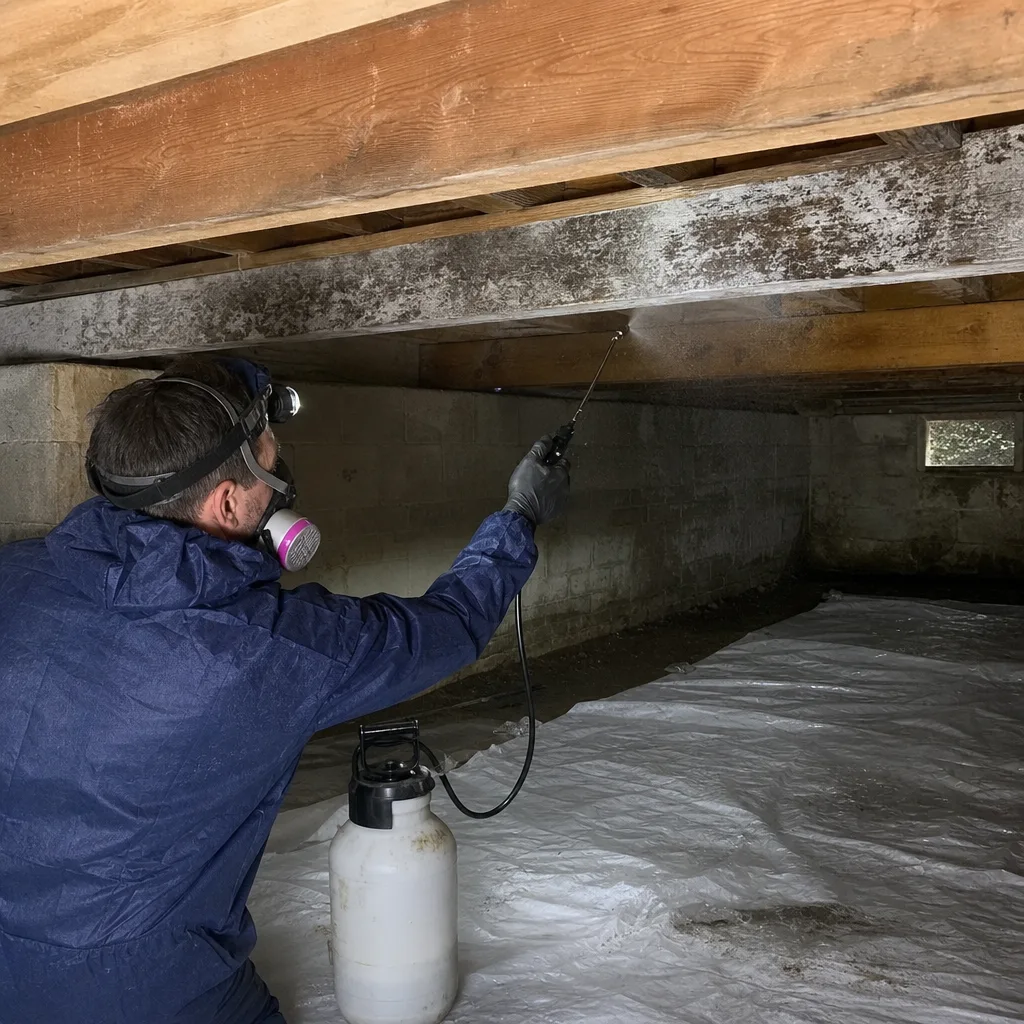
Street-level retail on 37th Avenue, professional offices above the Roosevelt corridor, and small storefronts along Broadway all share the same vulnerability: wind-rated doors and glazing that fail quietly. We inspect door tracks, frames, and seals as part of every building-envelope assessment, because a failed wind-rated door on a Jackson Heights storefront doesn’t just break the glass. It pressurizes the storefront, drives rain through the threshold, and sends water into upper-floor commercial units served by the same framing. We rebuild to spec, and when the building is landmarked, we build to LPC spec the first time.
Large-Loss Response
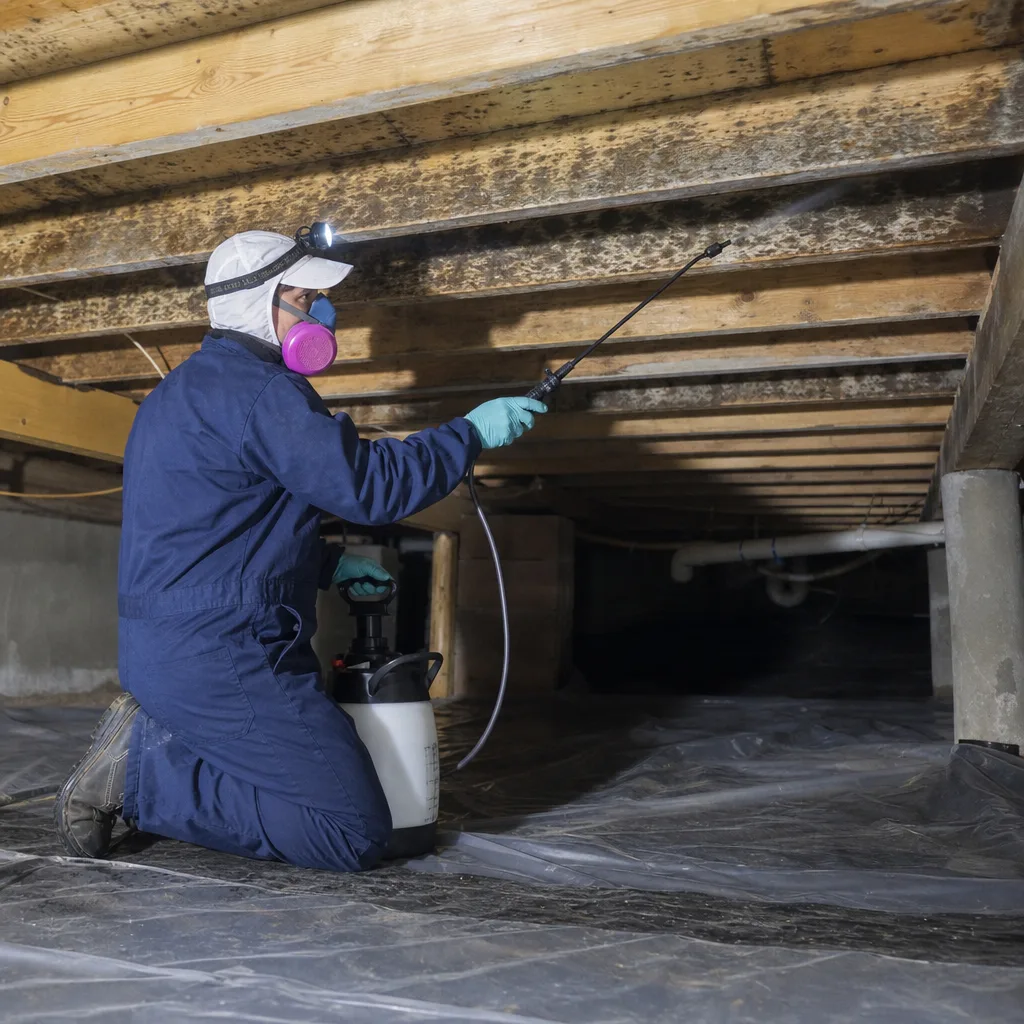
When a single event hits multiple units or an entire building, we bring full commercial drying capacity: multiple truck-mounted extraction units, dozens of air movers, and dedicated project management. Multi-floor losses in Jackson Heights pre-war buildings aren’t a bigger version of a single-room job. They’re a coordinated response across multiple stakeholders, multiple policies, and multiple interdependent drying chambers. We run them that way.
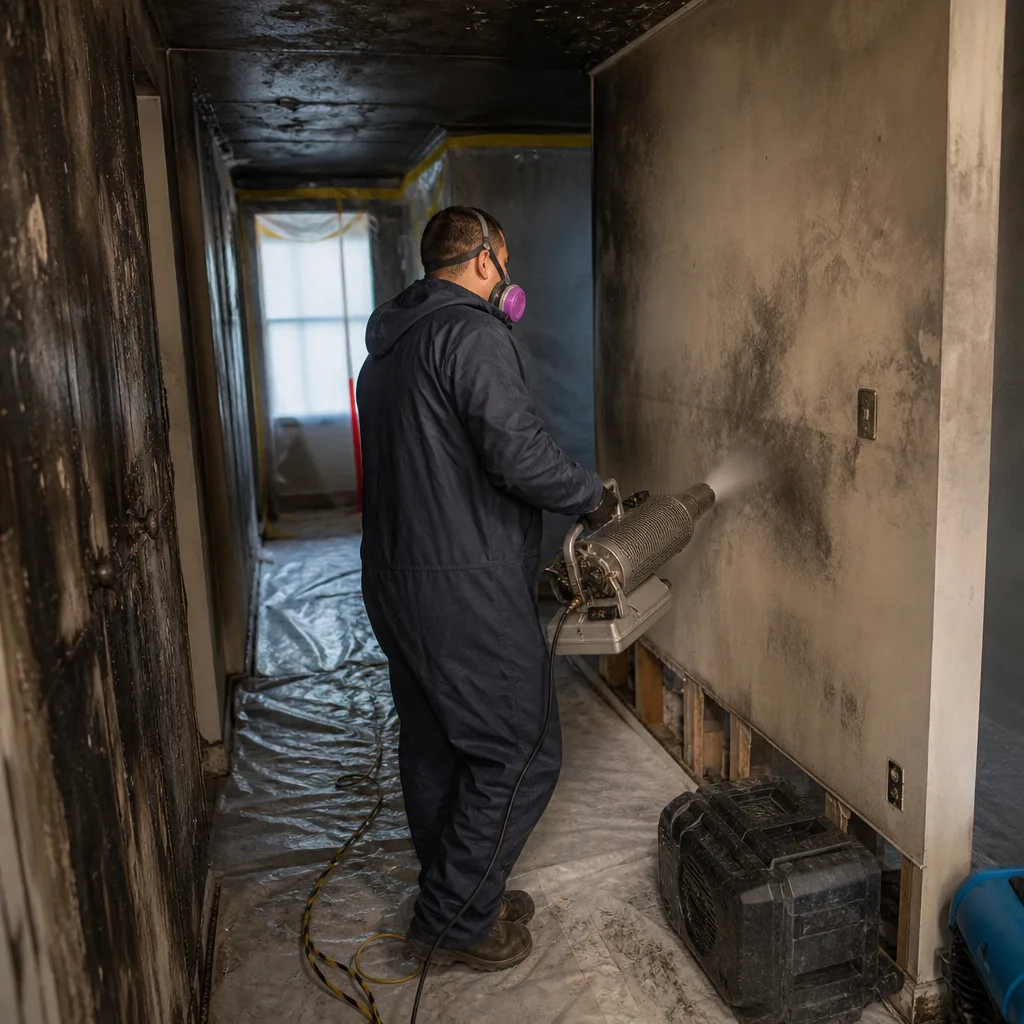
Industrial Facility Cleanup
Warehouse and light-industrial spaces along the neighborhood’s edges face different failure modes: flat-roof ponding, loading-dock seepage, and mechanical-room failures near boiler plants. Our industrial cleanup follows the same moisture-mapping and drying-log discipline we apply everywhere else, scaled to square footage. We document every reading, because the last thing an industrial tenant needs is a reopened claim three months after they thought it was closed.
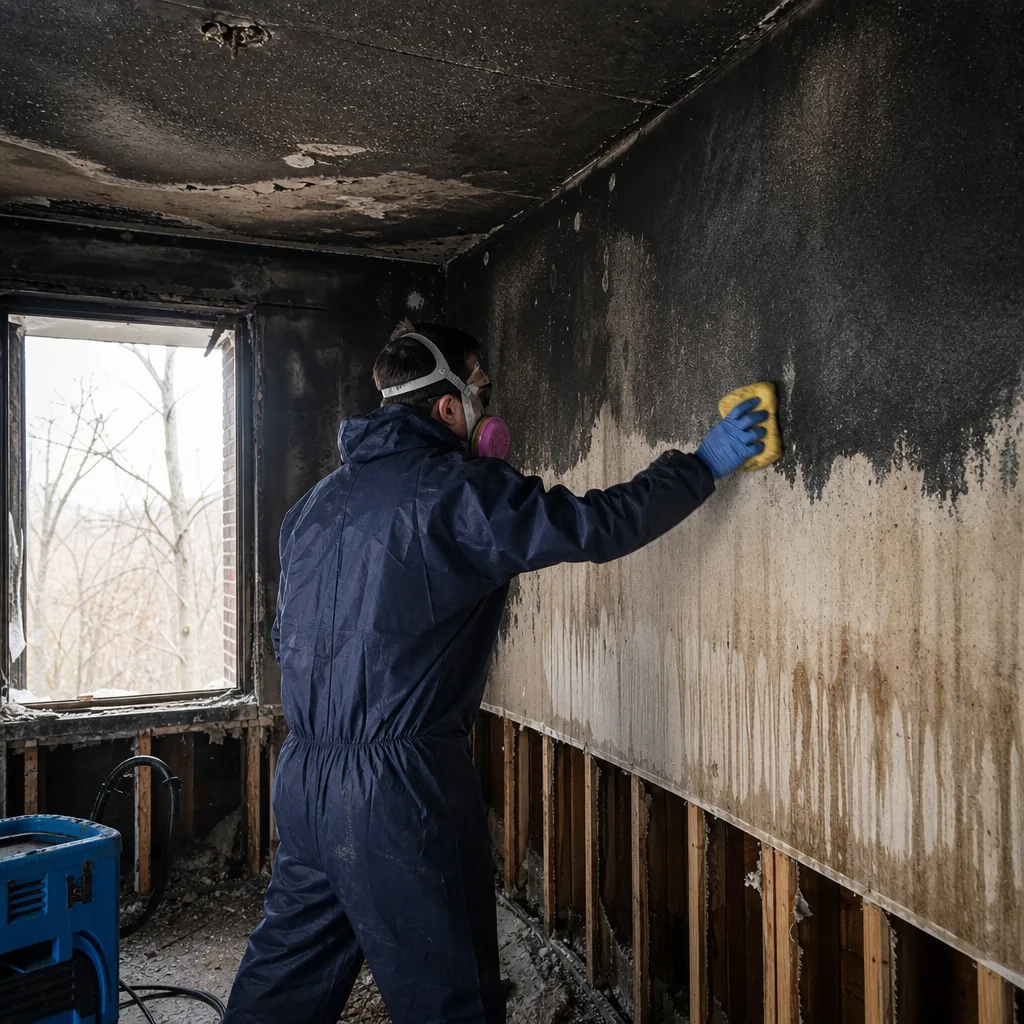
What happens when you call
- 1
A real person answersNo phone trees - you reach a local pro.
- 2
You get an upfront price rangeHonest numbers before anyone is dispatched.
- 3
A background-checked tech heads outLicensed & insured, dispatched right away.
- 4
You approve before work beginsNothing starts until you say go.
Commercial Restoration Costs in Jackson Heights, NY
Commercial water-damage restoration in Jackson Heights typically runs $4.50 to $9.00 per square foot for extraction and structural drying when the loss is contained to a single retail or office space. A street-level storefront with saturated horsehair plaster and LPC-required lime plaster replacement commonly lands between $12,000 and $28,000 depending on finish work and how many adjacent units dried out. A multi-floor co-op loss involving a burst cast-iron stack, which is one of the most common failure modes we see in this neighborhood, routinely runs $40,000 to $90,000 across all affected units. What moves the price here isn’t the water. It’s whether LPC review is triggered, whether shared walls and floors stayed dry, and how quickly extraction started. We can’t tell you the exact number over the phone, and we won’t pretend to. A free visual inspection gives you a written scope and a firm line-item estimate before any work begins. Insurance coverage depends on the policy and the origin of the water, and we walk you through that line by line with your adjuster.
We Also Serve Cities Near Jackson Heights
Floodline Restoration Co. runs commercial restoration crews throughout western Queens. We serve Jackson Heights along with East Elmhurst, Elmhurst, Corona, and Maspeth, with dispatch coordinated from our New York City office and crews stationed locally for fast arrival across the neighborhood.
Serving Jackson Heights, NY - Our Local Coverage Area
We’re based in the Jackson Heights area and know this community well. Use the map below to see our service coverage - if you’re nearby, we can almost certainly help.
Jackson Heights Commercial Restoration Questions, Answered
Do commercial restorations in Jackson Heights’s historic district require Landmarks Preservation Commission approval if the damage is only on the interior?
Interior-only work generally does not require LPC approval unless it touches common-area elements, exterior facades, or any feature the designation protects. But in practice, many Jackson Heights commercial losses start on the interior and spread into common walls, floor assemblies, or street-facing elements that do trigger review. We identify those triggers during the first inspection so the board is never surprised mid-job.
How do wind-rated door failures on Jackson Heights storefronts cause water damage that spreads to upper-floor commercial units?
A wind-rated door that fails during a storm doesn’t have to let water directly into the upstairs unit. The failed door breaks the building’s envelope seal, and wind-driven rain travels along the framing, into the floor assembly, and through shared wall cavities. In a pre-war building with original timber, that moisture moves upward and sideways across units. Call us at (363) 999-0829 after any storm that visibly moves a storefront door or window.
What makes structural drying slower in Jackson Heights commercial buildings than in postwar Queens structures?
Horsehair plaster, old-growth timber framing, and original cast-iron drain stacks all hold moisture longer than gypsum board and modern framing. Pre-war masonry walls also breathe differently, and when one unit is dried while the adjacent unit stays wet, cross-contamination re-wets the first space. Our drying plans account for that with longer chamber runtimes and daily moisture readings until the dry standard is actually met, not just approached.
Can a commercial tenant in a Jackson Heights co-op file a claim for water damage that originated in the building’s original cast-iron drain stack?
Yes, but the claim path depends on the co-op’s governing documents, the origin of the leak, and whether the damaged areas fall under the building policy or the shareholder’s individual policy. We document the entire loss and the origin with photos and moisture maps so the tenant, the board, and the carriers all have the same file on day one. Direct adjuster coordination is part of how we work.
How do Jackson Heights freeze-thaw cycles lead to commercial water damage months after the actual crack forms?
Water gets into the building envelope through a cracked mortar joint or parapet during a winter freeze-thaw cycle, but the interior damage often doesn’t show until a heavy spring rain forces the water through saturated masonry. By then the crack has been open for months and the framing is already wet. We see this pattern most on north-facing rear walls and top-floor commercial spaces, and we look for it during every inspection, not just after a storm.
How fast can a crew actually get to my Jackson Heights business?
We answer live around the clock and typically have a certified crew on site within 45 minutes of your call to Jackson Heights. Extraction starts the same visit. Call (363) 999-0829 as soon as you see water, and we’ll be there when we say.
Can we stay open during commercial restoration?
In many cases, yes. We use containment and negative air pressure to isolate the drying chamber from the rest of your space, so unaffected areas can continue operating where it’s safe and permitted. We sequence the work to keep your front door open as much as the structure allows.
What should I do in the first 30 minutes after discovering water damage?
Call us first. Then shut off the water supply if you can find the main without entering standing water. Don’t touch electrical panels near the water, and don’t start moving wet inventory into dry areas unless it’s safe to do so. In a Jackson Heights building with shared walls, the damage is already spreading, and every minute before extraction starts makes the eventual scope larger.
Written by Curt Bowman, Owner at Floodline Restoration Co., serving Jackson Heights and surrounding Queens communities since 2010. Done right, and backed in writing.