
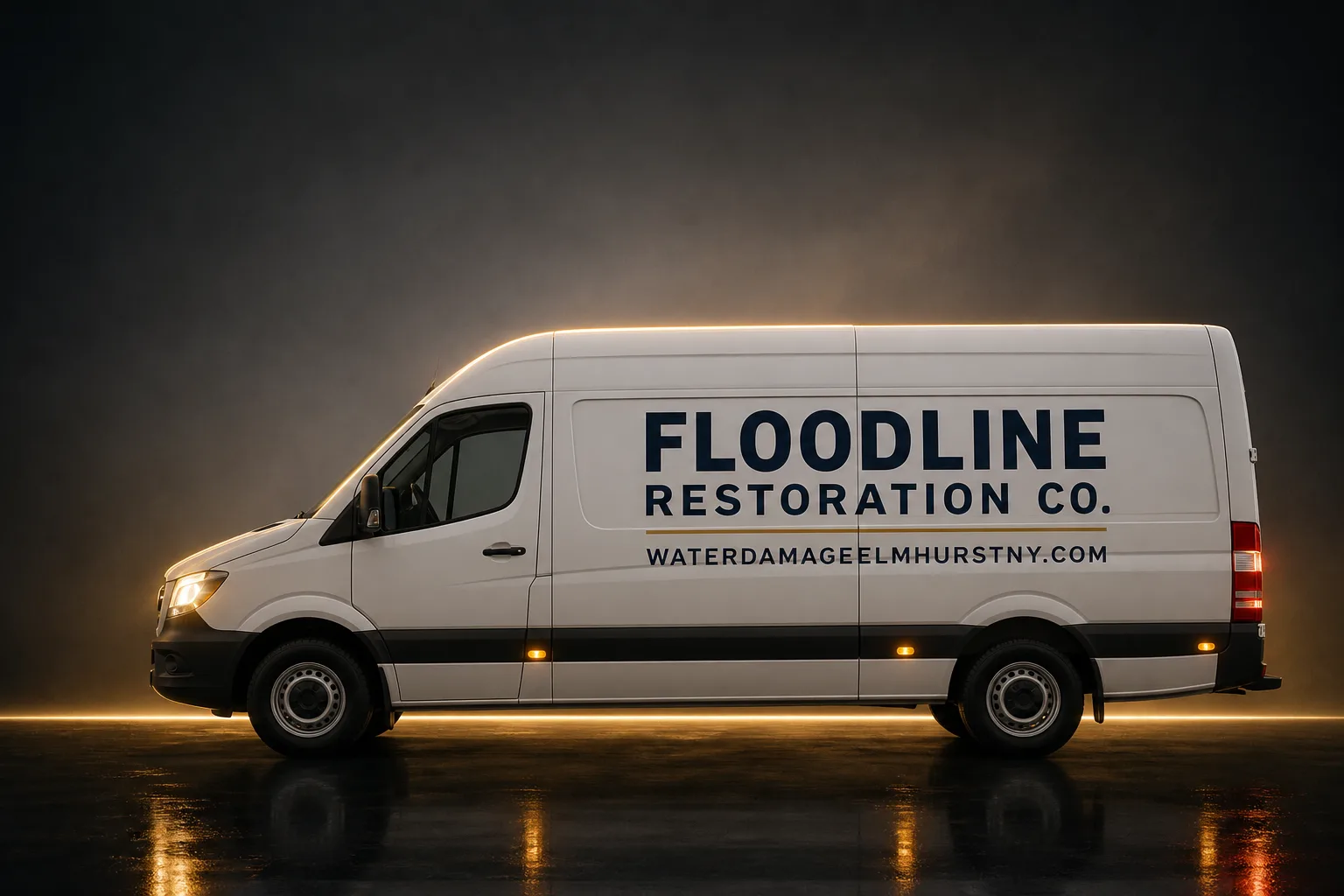
Free visual inspection and a written scope of work before any mitigation begins - photos, moisture readings, and drying logs go in your claim file
The scope we write is the scope we bill. Anything new gets shown to you, in writing, before we touch it.
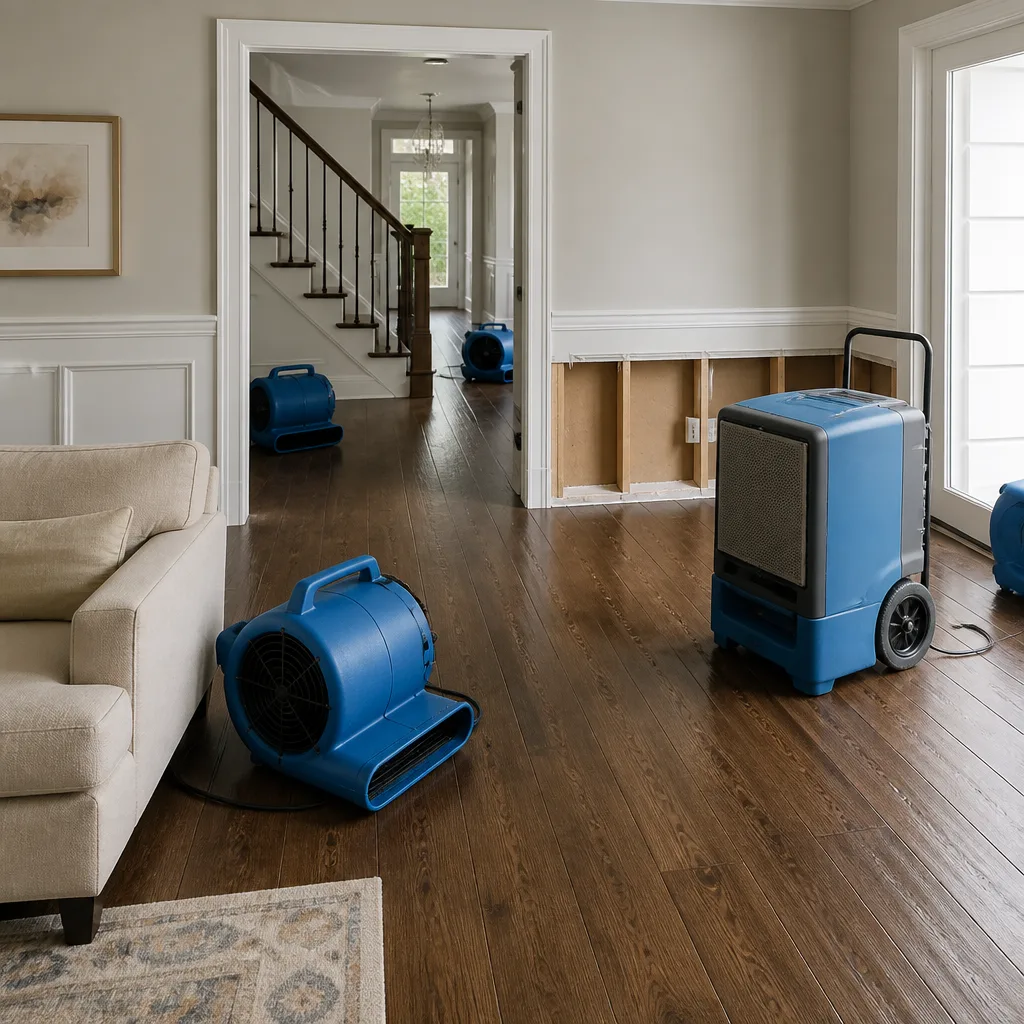
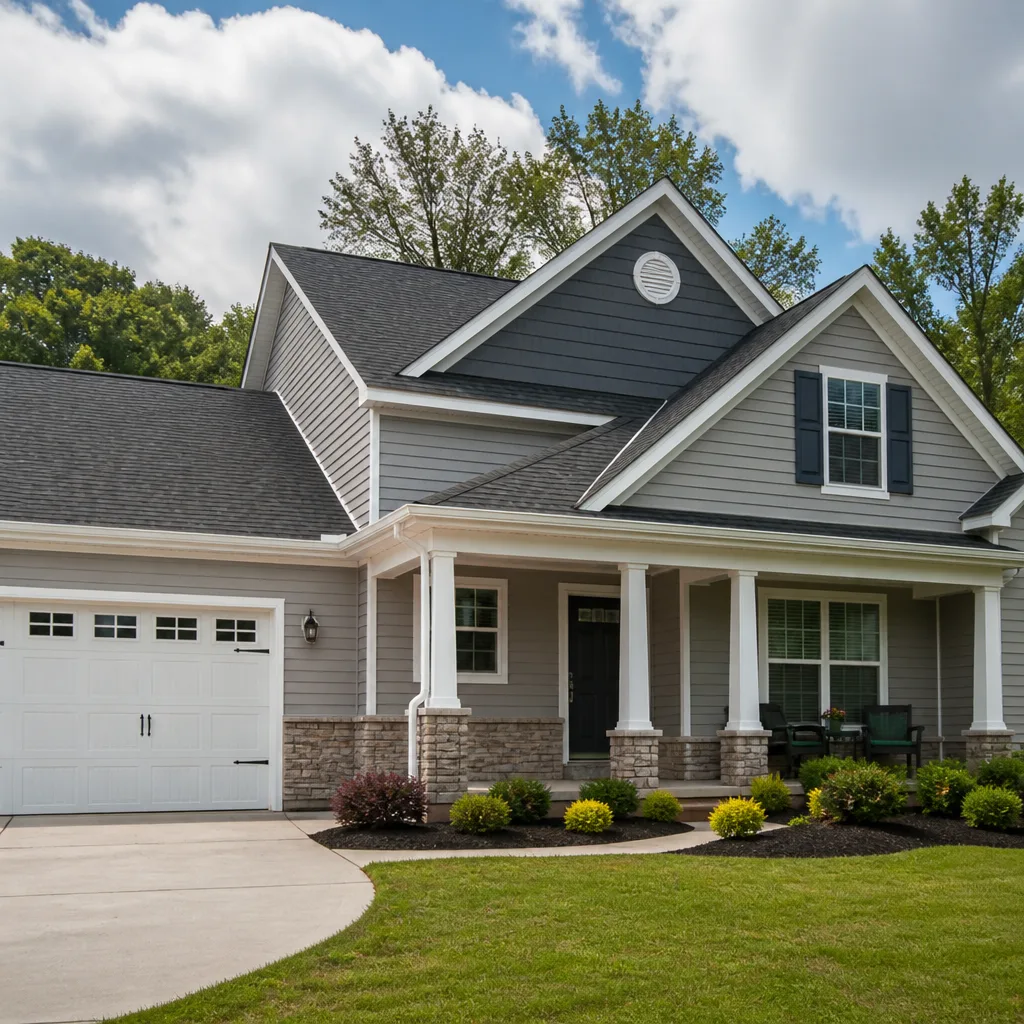
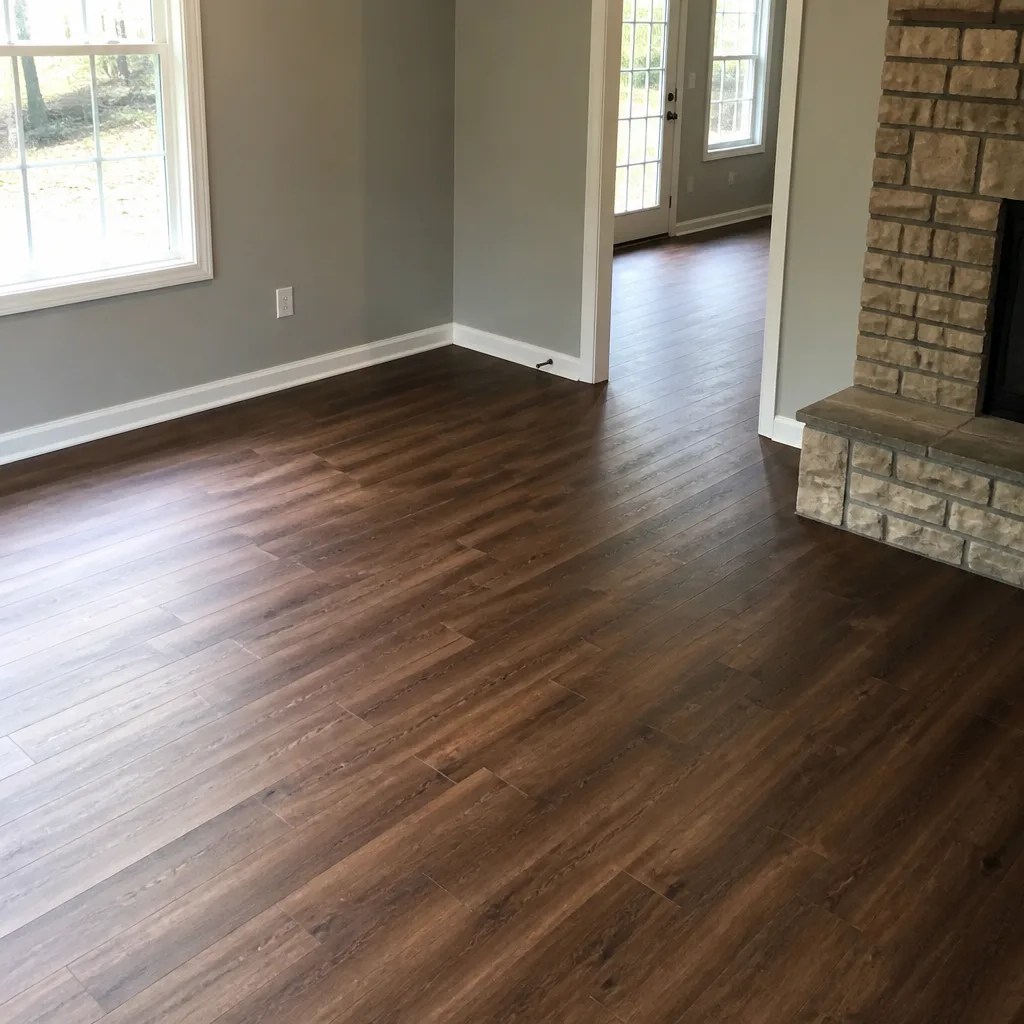
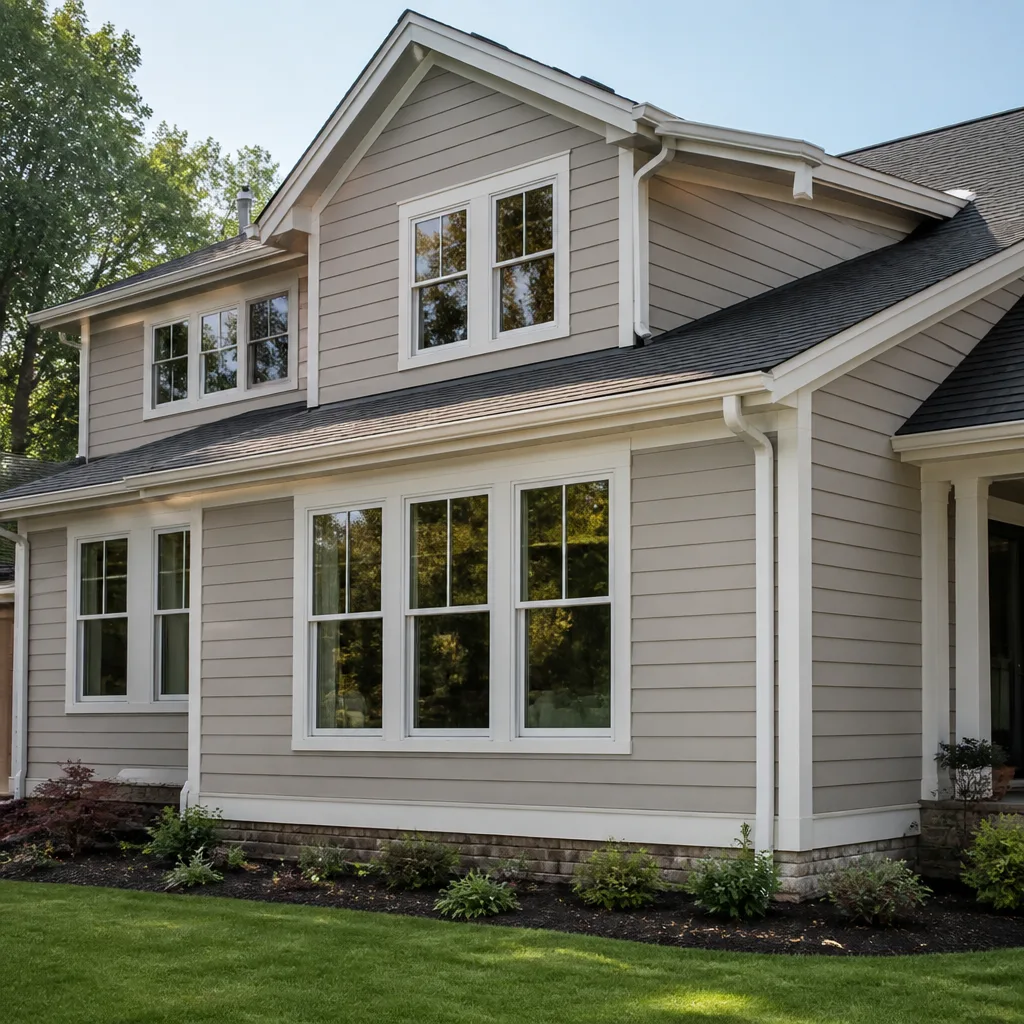
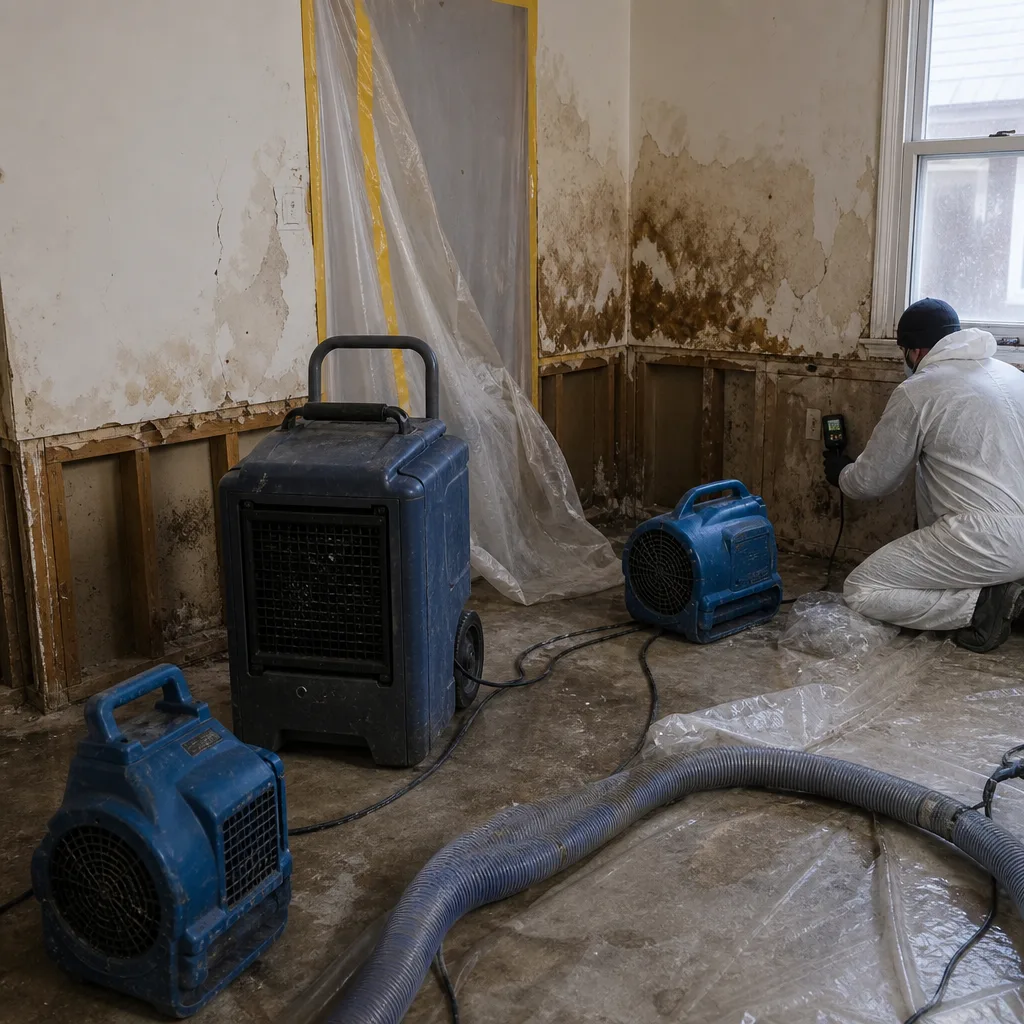 Before
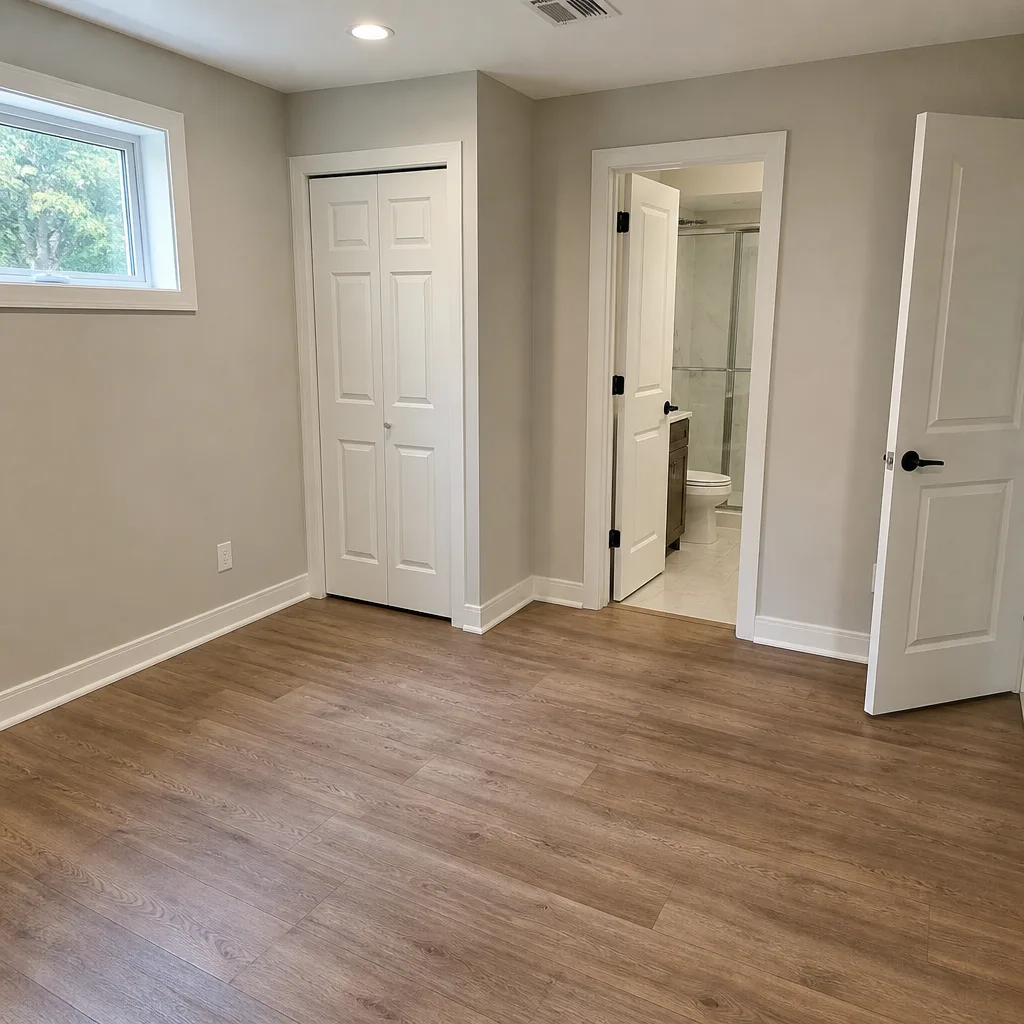 After
After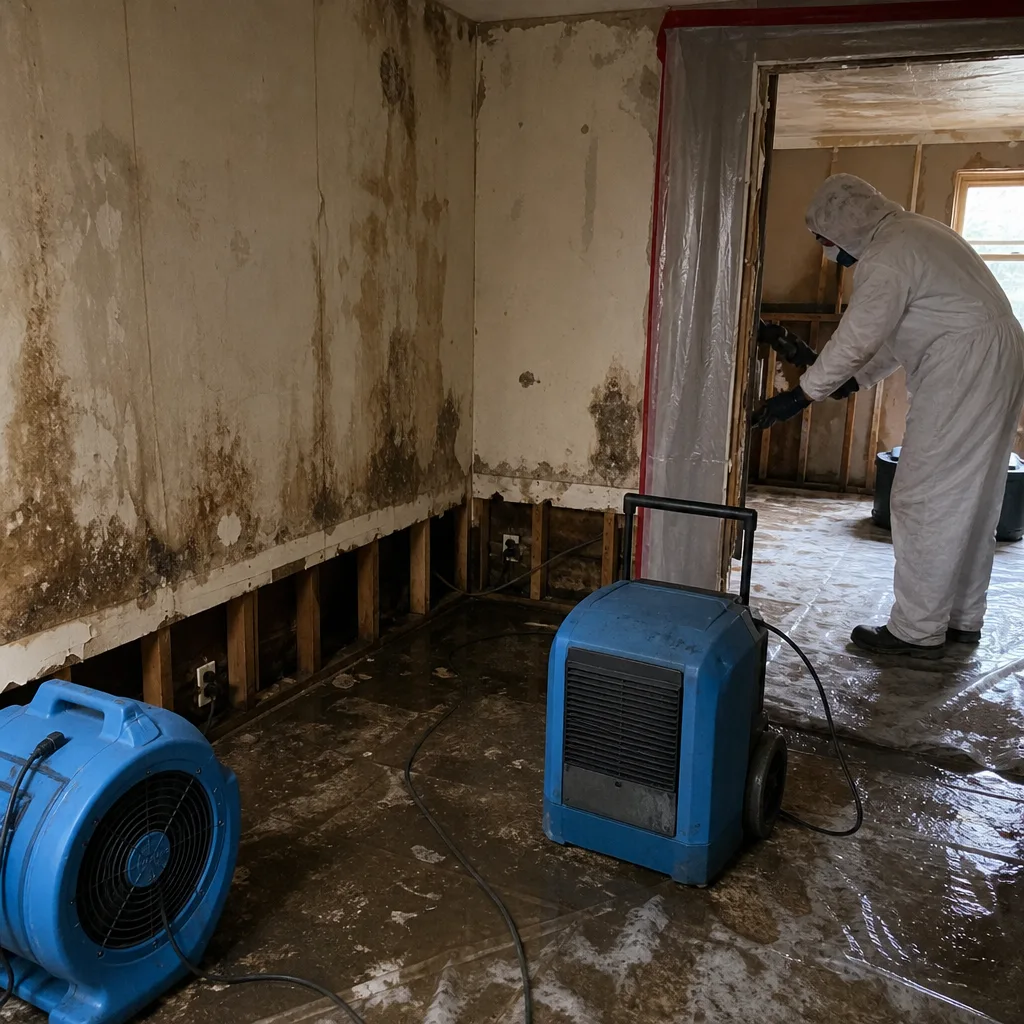 Before
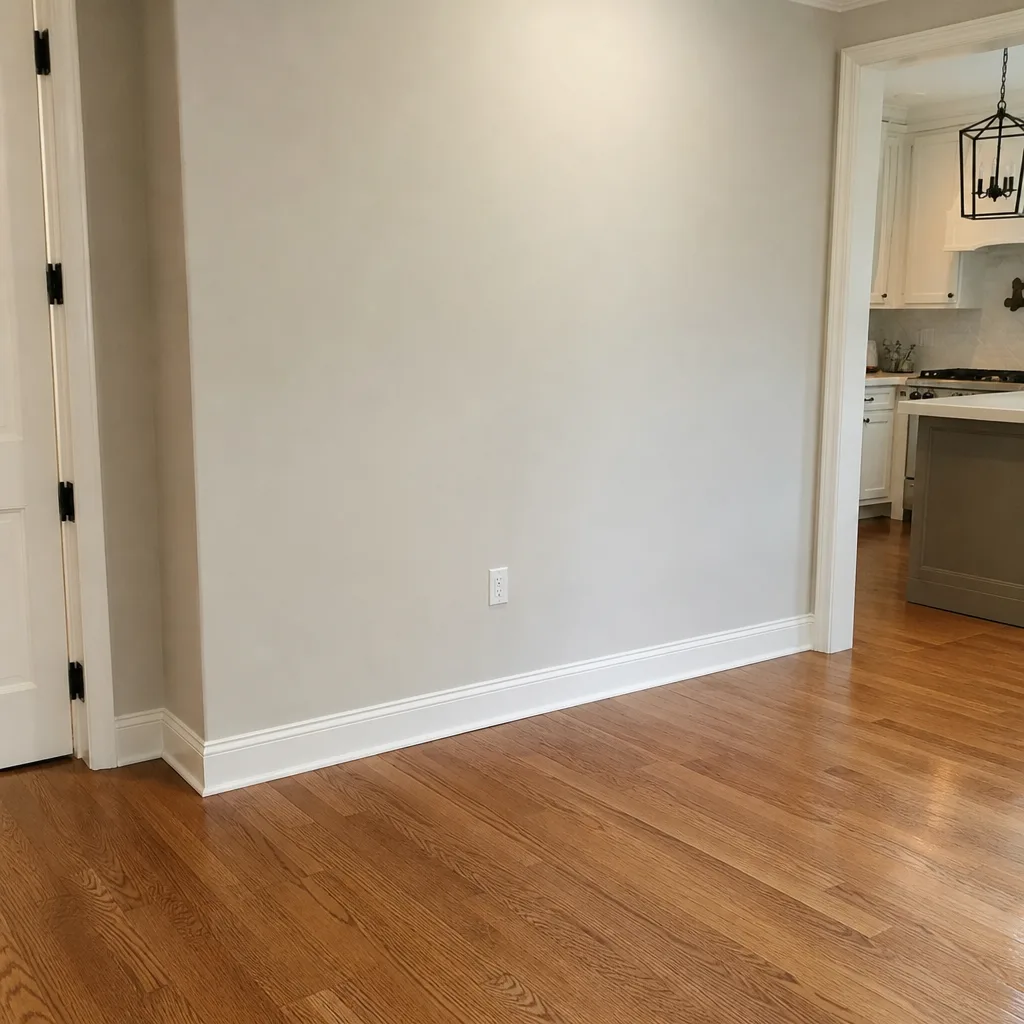 After
After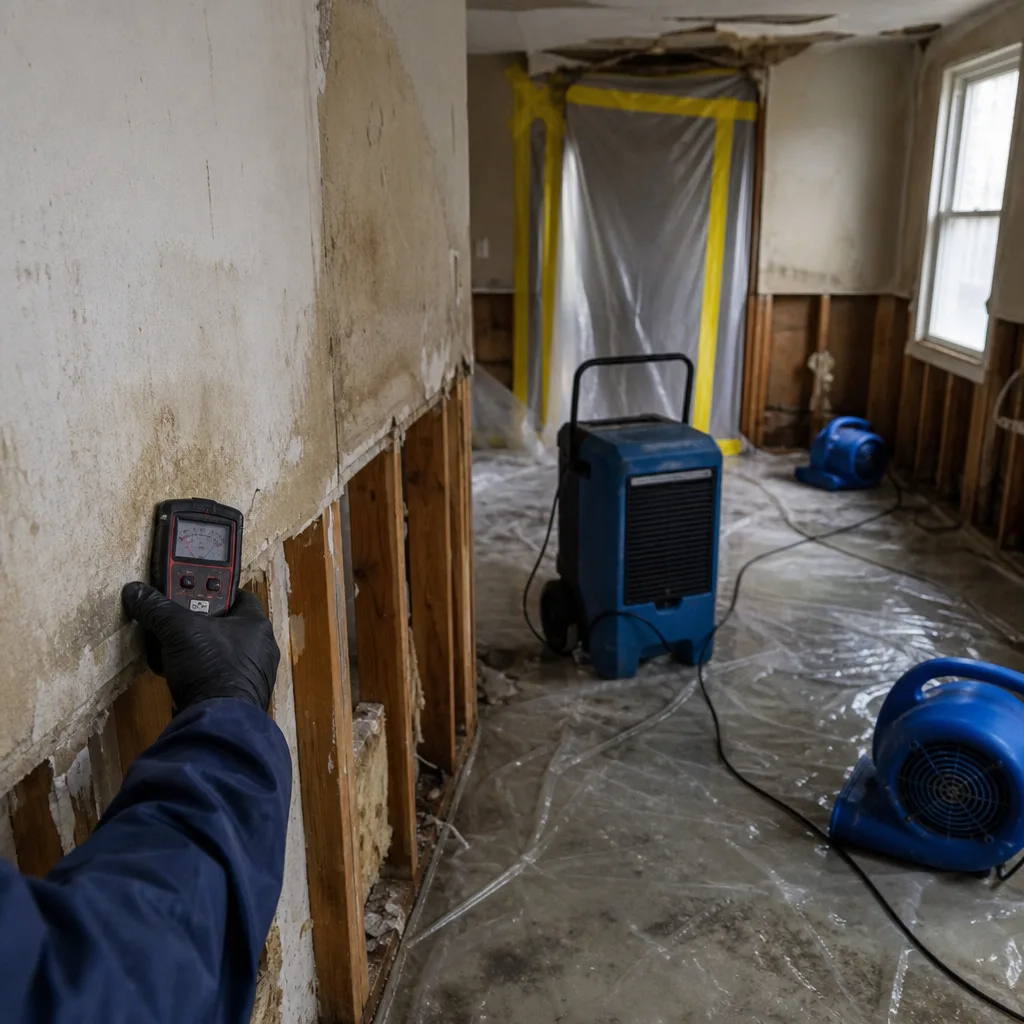 Before
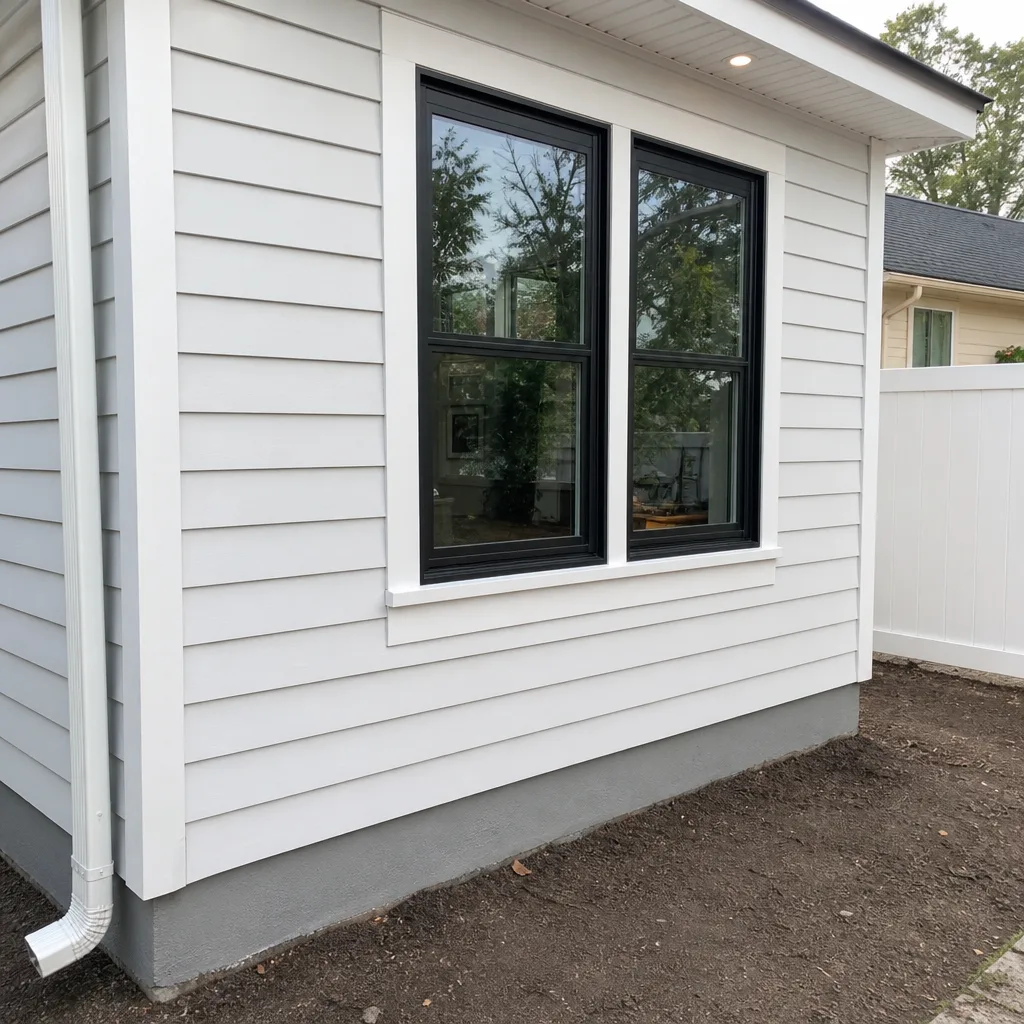 After
After24/7 Emergency Sewage Cleanup in Greenpoint
Sewage backup in a Greenpoint basement or garden-level unit is a category 3 biological emergency that gets worse by the hour. Standing black water wicks into plaster-over-lath walls, saturates original joists, and breeds pathogens that no household cleaner will touch. Call (363) 999-0829 any hour, day or night, and a live dispatcher answers. We don’t use answering services, and we don’t route calls to voicemail at 2 a.m. A Floodline Restoration Co. crew reaches Greenpoint addresses inside 45 minutes, performs a free visual inspection, and starts extraction the same visit when you approve the scope.
The first hour matters because Greenpoint’s pre-war housing stock holds water differently than newer construction. Brick party walls and lime mortar absorb sewage-laden moisture deep into the building envelope. What starts as a toilet overflow on India Street can become a wall-to-wall remediation job on Manhattan Avenue by the next morning. We start containment immediately, stop the source, and map moisture before demolition begins. Done right, and backed in writing.
Understanding Sewage Cleanup Severity in Greenpoint Properties
Sewage cleanup isn’t one job with one price. It’s governed by water category, the building’s anatomy, and what the water has touched since it left the drain. Category 3 water is the classification technicians use for black water: sewage, floodwater, toilet backflow, or any water carrying fecal matter, bacteria, and pathogens. In Greenpoint, there’s a local complication most crews never learn about. Basement floodwater near the Newtown Creek corridor can carry petroleum constituents from the Meeker Avenue Plume, invisible to the naked eye but present in the water column. That changes the job from sewage remediation to a hazmat-informed cleanup requiring NYSDEC spill reporting and specific waste-disposal protocols.
Greenpoint’s housing stock compounds the problem. Four- and five-story brick tenements on streets like Nassau Avenue and Greenpoint Avenue retain original plaster-over-lath walls. Those walls are moisture sponges. When sewage backs up through a cellar floor drain and sits for even a few hours, the lath and brown coat pull contaminated water upward through capillary action. Daily moisture readings aren’t optional here. A crew that tears out the wet floor but leaves the walls alone signs off on a dry basement while mold colonies establish themselves behind untouched plaster. We use thermal imaging and penetrating moisture meters on every job, and we log readings daily until the dry standard is met.
Why Greenpoint Property Owners Choose Floodline Restoration Co.
- 45-minute response commitment: Our Greenpoint crews are minutes away, not a franchise van dispatched from another borough. We’re there when we say.
- 24/7 live answer: A real dispatcher picks up the phone at (363) 999-0829, every hour of every day. No menus, no hold music, no recorded promise to call back.
- IICRC-certified crews: Our technicians carry WRT and ASD certifications and train to RIA and IFA standards. They understand what sewage does to pre-war masonry and how to stop it.
- Free visual inspection: We assess the damage, identify the water source, and explain what needs to happen before any work is approved. No obligation, no pressure.
- Direct insurance billing: We prepare the documentation, meet with your adjuster if needed, and bill the carrier directly. You never play messenger between Floodline and your insurance company.
- One team from extraction to reconstruction: We do not hand the job off to a third-party contractor. The same certified crew that extracts the water rebuilds what needed removing, with a moisture log and the 90-Day Done Right Promise in your hands at the end.
Our Sewage Cleanup Process
Inspection & Assessment
We arrive in uniform, walk the property, and identify the source immediately. Thermal imaging and penetrating moisture meters show us what’s wet behind walls, under floors, and inside the building cavities. We check for petroleum sheen or hydrocarbon odor near the Newtown Creek corridor, because that’s a hazmat trigger most Greenpoint crews miss.
Extraction & Stabilization
We stop the source first: a failed check valve, a surcharged combined sewer line, a toilet wax ring, or a collapsed sewer pipe. Then we extract standing black water using truck-mounted and portable extractors. The goal is to remove every gallon before it migrates into plaster, mortar, or neighboring rooms.
Drying & Dehumidification
We set up professional-grade air movers and dehumidifiers from Dri-Eaz and Phoenix, sized to the cubic footage of the affected space. Daily moisture readings track progress against the dry standard. In Greenpoint’s masonry buildings, this phase often takes longer than drywall construction, because brick and mortar release moisture slowly.
Cleaning & Sanitization
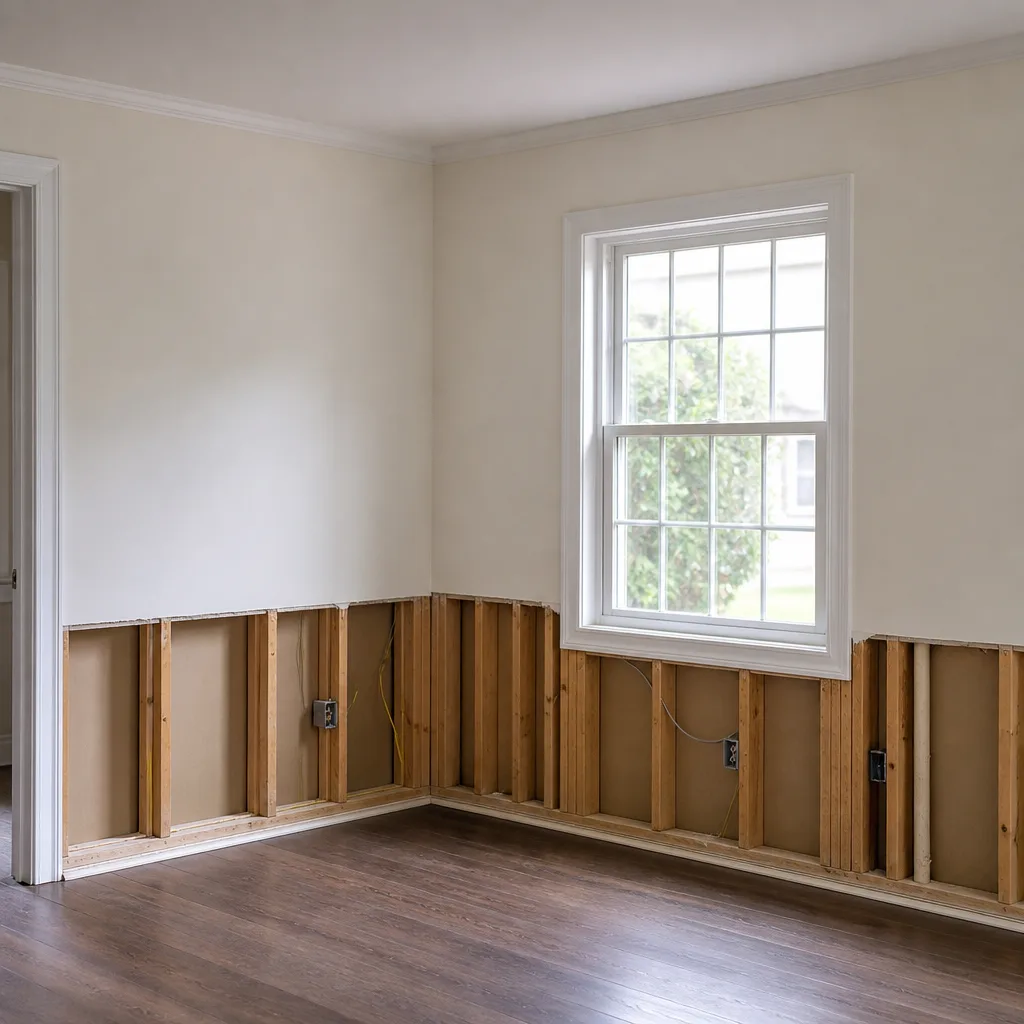
Category 3 water demands removal, not just drying. Contaminated drywall, insulation, carpet pad, and baseboard are cut out and bagged for medical-waste disposal. We apply EPA-registered antimicrobials to remaining surfaces and run HEPA air scrubbers during the entire process to keep airborne spores and droplets from spreading through the house.
Hazmat & Plume-Specific Treatment
If moisture mapping or visual inspection shows petroleum constituents consistent with the Meeker Avenue Plume, we stop structural drying and escalate. The scope changes to include NYSDEC spill reporting, hazardous-waste segregation, and disposal paperwork that standard sewage crews don’t carry. This is a Greenpoint-specific step that protects you from liability down the road.
Repairs & Restoration
We rebuild what was removed: drywall, insulation, flooring, millwork, and any compromised framing. Because the same crew handled extraction, they know exactly what was wet and what was removed. You get one point of accountability and one written 90-Day Done Right Promise covering the entire job.
Need Emergency Sewage Cleanup in Greenpoint Now?
Crews minutes away, answering live 24 hours a day. The sooner we start, the less it costs.
Working With Your Insurance Company
Sewage backup coverage in Greenpoint depends on your policy language. Most standard homeowners policies exclude damage from sewer line backups unless you’ve purchased a specific rider. Flood damage from street flooding or combined sewer surcharge is typically excluded from standard policies and falls under FEMA’s National Flood Insurance Program if you carry it. What’s rarely in dispute is the labor and documentation quality behind the claim. We’ve handled hundreds of sewage losses across the five boroughs, and we know what adjusters need to approve a claim the first time. Photographs of every affected area, room by room, taken before demolition begins. Moisture readings logged daily, with names and times. A line-item scope of work written in the format carriers expect, not a handwritten invoice with “sewage cleanup” as the only description. We bill your carrier directly and communicate with your adjuster so you don’t spend three weeks going in circles.
What We Provide Your Insurer
- Thorough documentation of the loss
- Photos of all damage, room by room
- Moisture readings and drying logs
- A detailed, line-item scope of work
- Direct coordination with your carrier
Built for Greenpoint’s Loss Calendar
Greenpoint’s sewage losses follow a predictable rhythm through the year. January and February bring deep freezes that snap aging cast-iron waste lines in cellars, especially in the pre-war rowhouses around Huron Street and Java Street where original plumbing predates the subway. When a frozen waste line thaws, the break doesn’t announce itself until sewage starts backing up through the floor drain. Spring brings heavy rain against saturated soil, and Greenpoint’s combined sewer system – the same aging infrastructure that runs beneath McGuinness Boulevard – surcharges under load. That means rainwater and raw sewage share the same pipe, and when capacity runs out, the pipe releases the combined flow into the lowest opening: your basement drain. Summer thunderstorms deliver the same pattern in a sudden burst. Autumn nor’easters push the East River up against the bulkheads and keep runoff from draining, forcing street-level flooding that enters garden units and cellars through doorways and window wells. Greenpoint’s geography, between the river and Newtown Creek, makes it one of the most flood-vulnerable neighborhoods in Brooklyn. When the water recedes, what’s left is rarely clean.
Sewage Cleanup Across Greenpoint’s Neighborhoods
The response changes depending on which side of the neighborhood you call from. In the historic district around Kent Street and Milton Street, you’re dealing with original-timber rowhouses where floor joists run directly into party walls. Sewage saturated in one house can transmit moisture to the adjoining wall, so containment and drying need to account for your neighbor’s side of the masonry. Around McCarren Park, many buildings have raised basements with concrete slabs, which dry faster but still hide moisture under the slab’s capillary break if water sat for more than a day. Along the Franklin Street corridor, the commercial-over-residential buildings have shared waste stacks, and a backup in a first-floor restaurant can push up into apartment kitchens on the floor above. We’ve worked them all, and our crews know the building typologies and typical failure modes for each block. The Berger Street and Box Street area, close to Newtown Creek, carries the highest risk we see: basement floodwater there can carry an invisible petroleum signature from the Meeker Avenue Plume, and we treat every sewage backup in that corridor as a potential hazmat event until moisture mapping says otherwise.
Specialized Sewage Cleanup Services We Offer in Greenpoint
Sewage Backup Cleanup
Basement floor drains backing up with black water is the most common call we field in Greenpoint, especially along streets with combined sewer laterals. We find the source, stop the flow, extract the standing water, and remove contaminated materials before drying begins. A written scope of work is agreed before any demolition starts. No surprises on the bill.
Toilet Overflow Cleanup
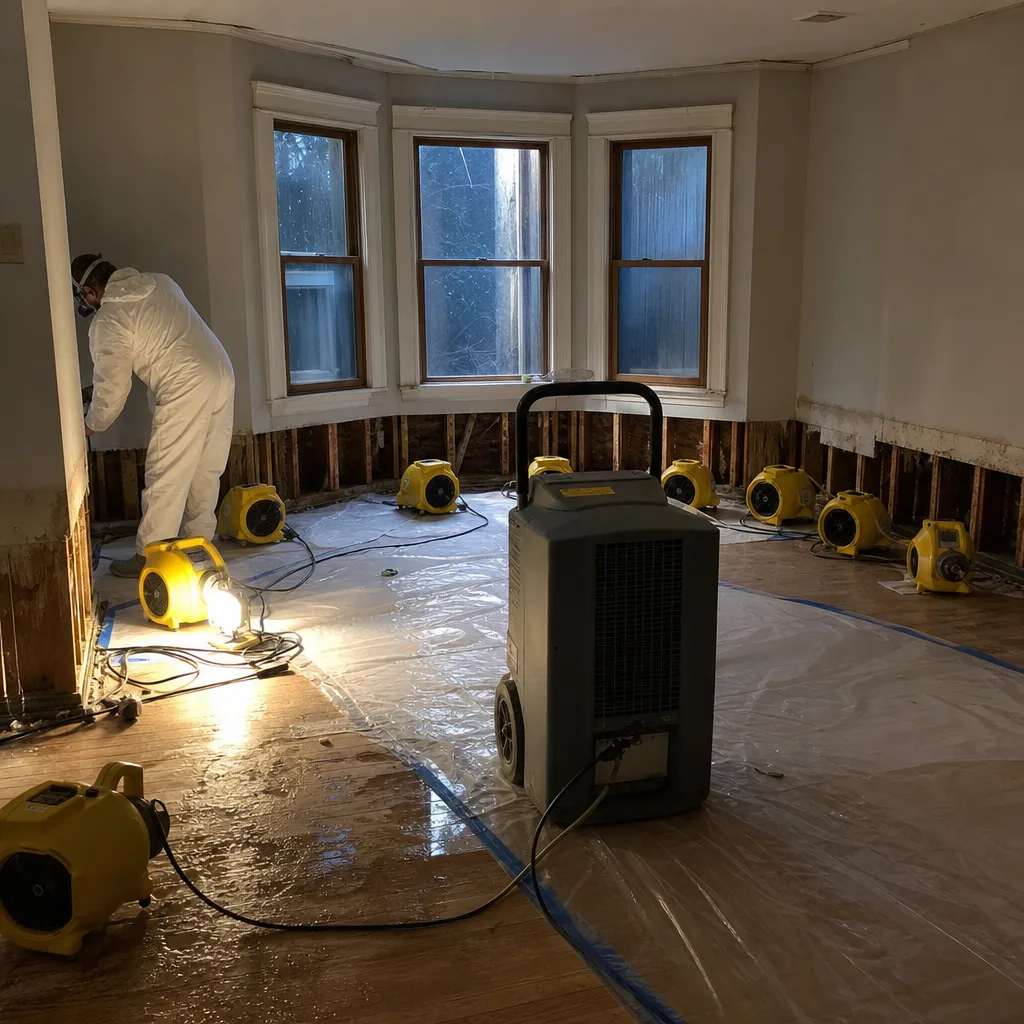
Overflowing toilets in garden-level apartments and first-floor units can saturate subfloor and wick into adjoining walls within hours. We contain the affected area first, remove contaminated flooring and baseboard as needed, and sanitize every surface the water touched. If you’re in a pre-war rowhouse with plaster walls, we check the wall cavities before we call the job done.
Septic Failure Cleanup
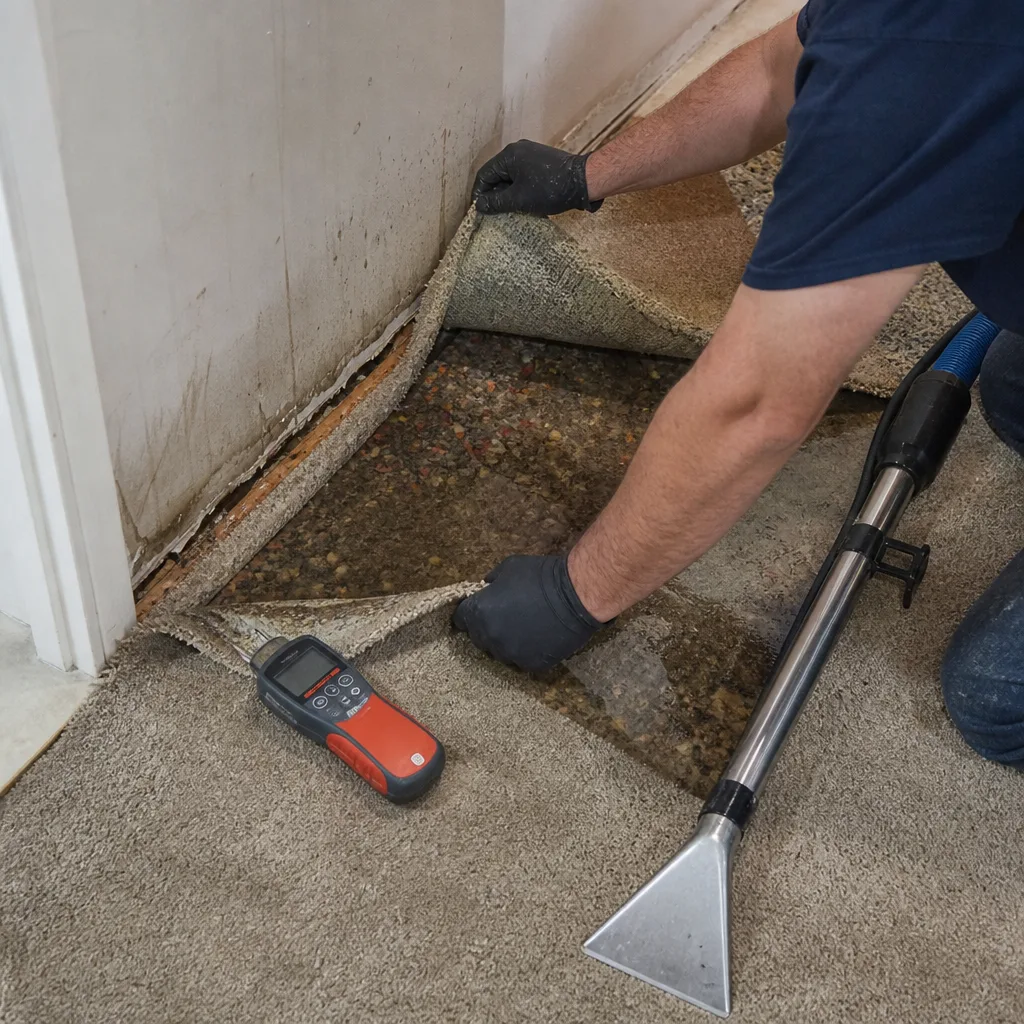
If a private or shared septic system fails on a Greenpoint property, we coordinate pumping, excavation, and the indoor cleanup as one job. We hold the scope together so you’re not hiring three different contractors and explaining the situation four times. The cleanup phase includes full removal of contaminated materials, sanitation, and structural drying.
Black Water Extraction
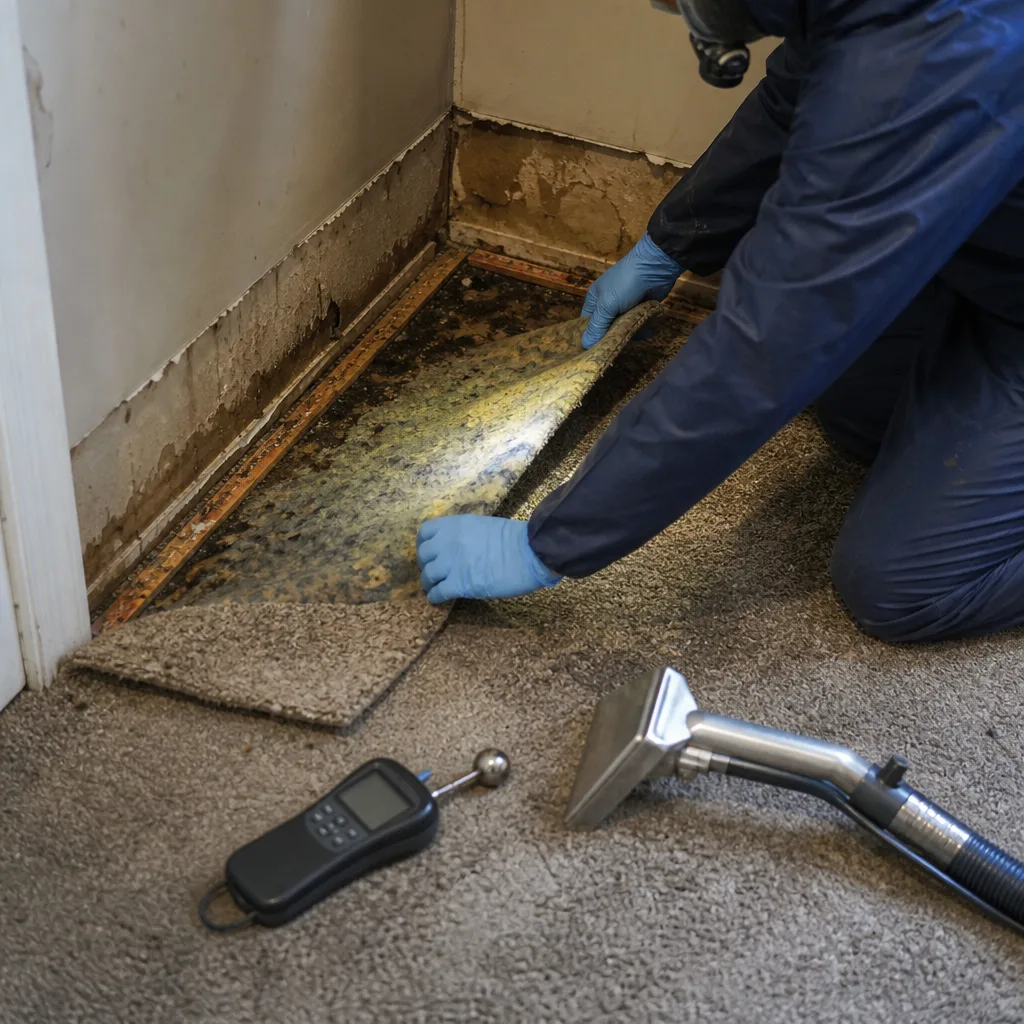
Black water – Category 3 water containing sewage or floodwater – requires extraction methods and personal protective equipment that standard water-damage crews don’t carry. Our technicians arrive in full PPE, use powered extractors to pull the water, and bag all contaminated material for medical-waste or hazmat disposal as the classification requires. Near Newtown Creek, we also screen for petroleum sheen as a standard part of the extraction step.
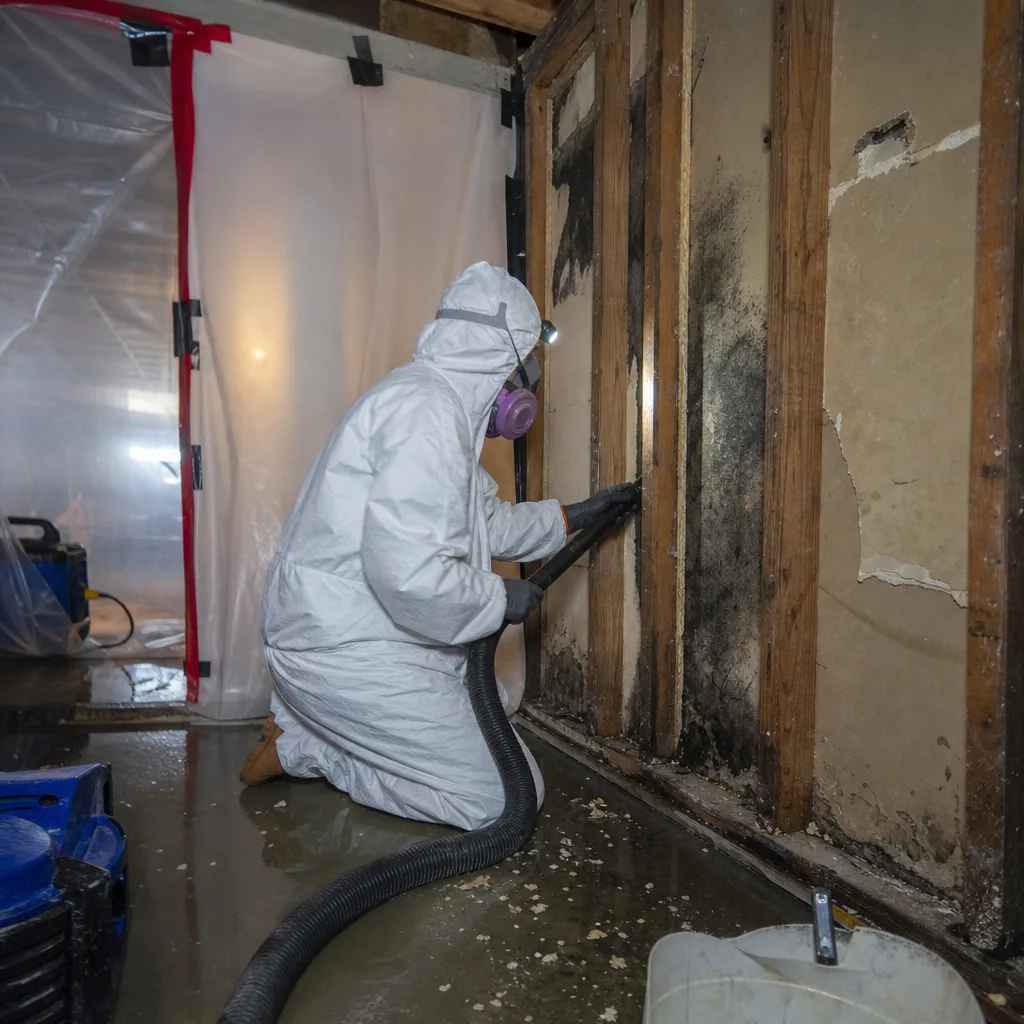
Sanitization & Disinfection
After removal and drying, every affected surface gets treated with EPA-registered antimicrobials. In Greenpoint’s brick buildings, this step matters more than in drywall construction, because porous masonry holds biological contaminants that surface drying never reaches. We run HEPA air scrubbers throughout the sanitation phase and keep running them until clearance readings come back clean.
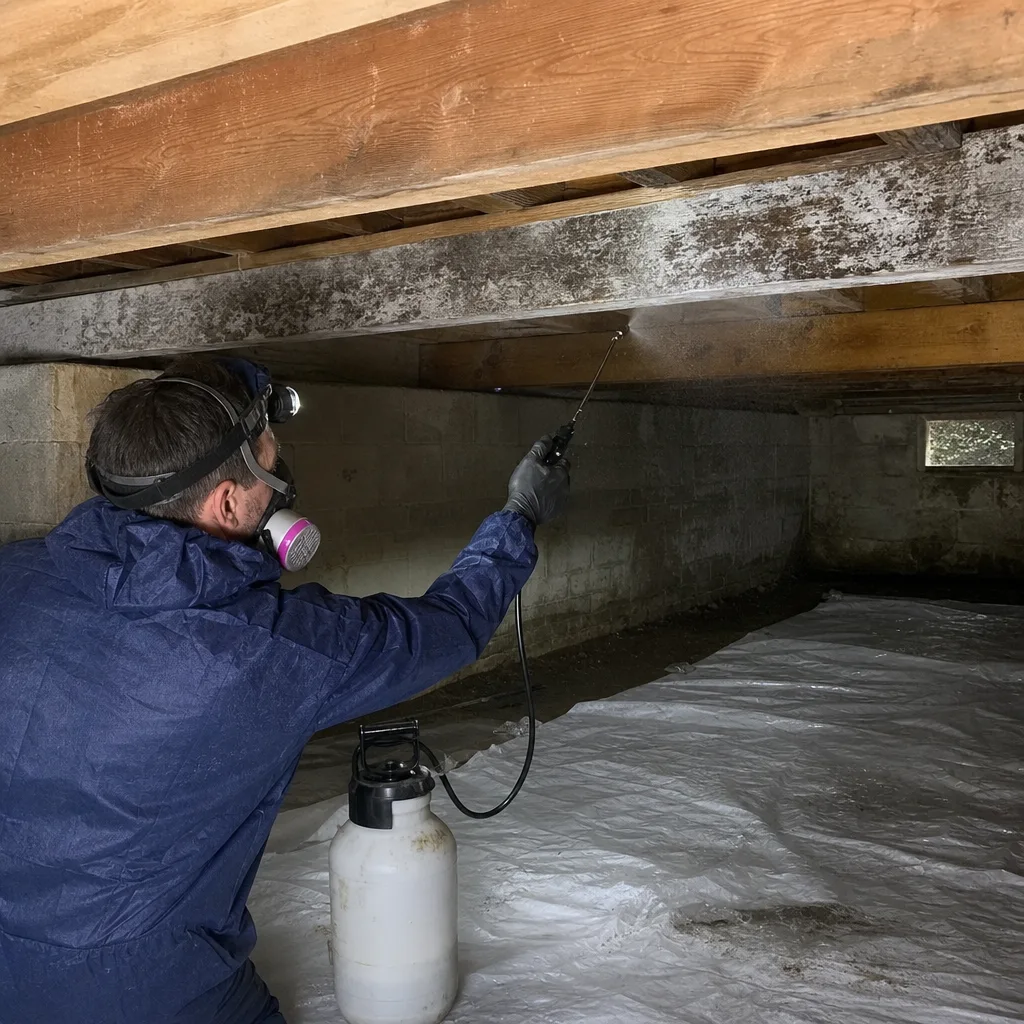
Crawl Space Sewage Removal
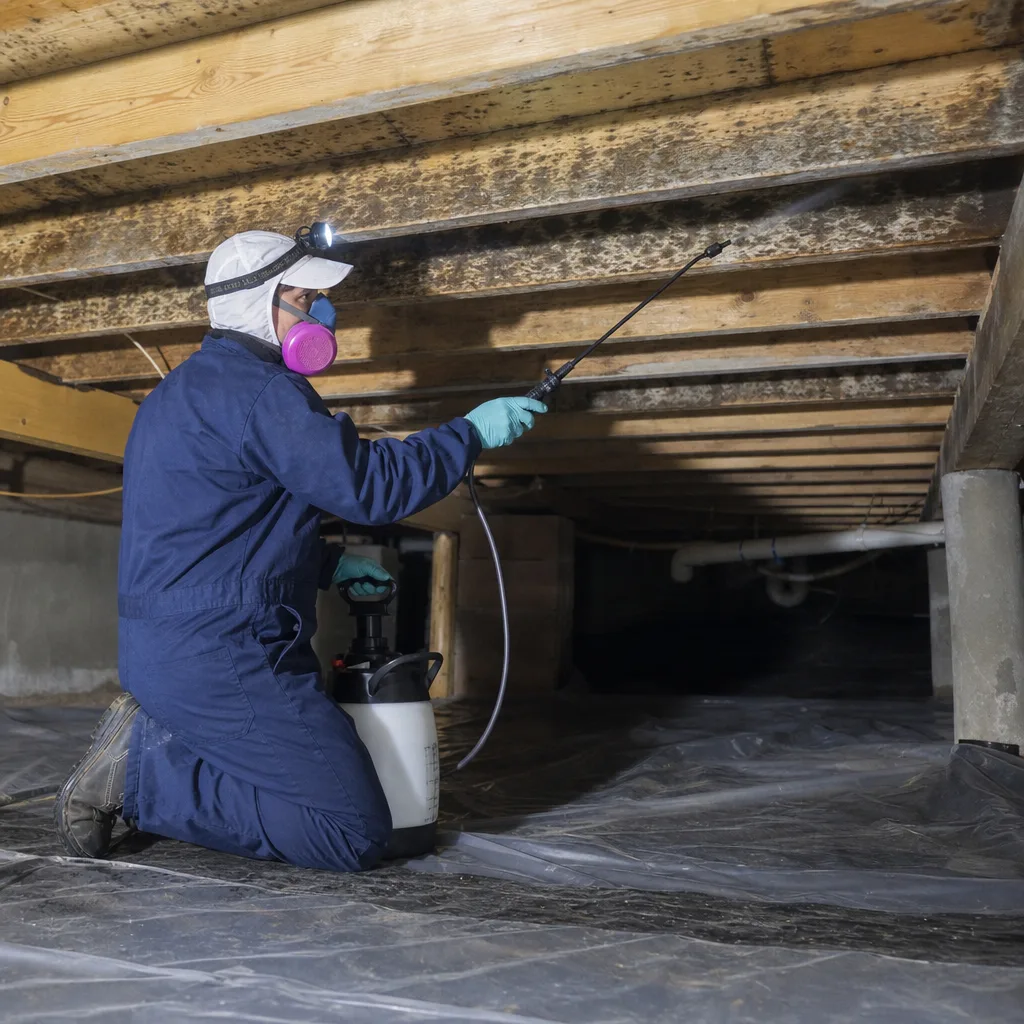
Greenpoint rowhouses with crawl spaces under the front parlor are common on streets like Guernsey Street and Dupont Street. Sewage in a crawl space means working in confined, wet conditions with limited access. We use remote moisture sensors, crawl space dehumidification with Phoenix equipment, and full removal of contaminated soil where the depth requires it. Done once, done right.
What happens when you call
- 1
A real person answersNo phone trees - you reach a local pro.
- 2
You get an upfront price rangeHonest numbers before anyone is dispatched.
- 3
A background-checked tech heads outLicensed & insured, dispatched right away.
- 4
You approve before work beginsNothing starts until you say go.
Sewage Cleanup Costs in Greenpoint, NY
A typical toilet overflow cleanup in a Greenpoint garden unit runs $850 to $1,900 when we catch it early and the water hasn’t penetrated walls. A basement sewage backup with contaminated drywall, insulation, and flooring in a pre-war rowhouse typically runs $3,200 to $7,500 depending on square footage and how long the water sat. A full crawl space sewage removal with soil excavation and hazmat disposal can run $8,000 to $15,000 or more, especially near the Newtown Creek corridor where plume screening and NYSDEC reporting add a required step. What moves the price is depth of water, materials affected, building access, and whether the water carried petroleum constituents. The free inspection we perform on arrival gives you a firm scope of work with a line-item price before you commit to anything. If your policy covers the loss, we bill the carrier directly. If you’re paying out of pocket, we’ll tell you what’s required and what can wait. A square deal, in writing, every time.
We Also Serve Cities Near Greenpoint
Floodline Restoration Co. dispatches crews to Elmhurst, Corona, Forest Hills, and Jackson Heights for sewage cleanup, water damage, and full restoration. If you’re a property owner in any of those areas with a backup or flood, call (363) 999-0829 and we’ll route a crew to you.
Greenpoint Sewage Cleanup Questions, Answered
How do I know if my Greenpoint basement flood is contaminated by the Meeker Avenue Plume?
You can’t tell by looking. Petroleum constituents from the plume are often invisible in the water column, and a visible sheen only appears in concentrated cases. Any basement floodwater in Greenpoint, especially on blocks near Newtown Creek, should be professionally screened by a restoration crew with hazmat awareness. Floodline Restoration Co. checks for sheen, odor, and moisture-mapped contamination signatures as a standard step on every Greenpoint sewage job. If we find evidence of plume contamination, we stop work, escalate to NYSDEC reporting, and reclassify the waste stream before drying begins. Call (363) 999-0829 for a free inspection.
My Greenpoint street flooded during heavy rain but the water went down fast. Do I still need sewage cleanup?
Yes, in most cases. Greenpoint’s combined sewer system means that street floodwater is mixed with raw sewage by the time it enters your basement or garden unit. The fact that the water receded doesn’t change its category: it’s Category 3 black water, not clean stormwater. Any porous material it touched – drywall, insulation, carpet, baseboard, wooden cabinetry – should be removed and the remaining structure sanitized and dried with professional equipment. Left alone, the water stays in the walls and the biology starts growing. Call Floodline for a free assessment and we’ll tell you what’s wet and what needs to come out.
What makes sewage cleanup in Greenpoint more complex than in Williamsburg or Long Island City?
Three things. First, the Meeker Avenue Plume sits directly beneath the northern and waterfront blocks of Greenpoint, and basement floodwater there can carry petroleum constituents that require NYSDEC spill reporting and hazardous-waste disposal. Crews in Williamsburg or Long Island City don’t have that trigger. Second, Greenpoint’s housing stock is older and more porous: plaster-over-lath walls, unreinforced brick foundations, shared party walls that wick moisture laterally. Third, the combined sewer surcharge pattern is more severe here because both the East River and Newtown Creek restrict drainage outflow. Any one of those factors changes the scope of work. All three together are why Greenpoint sewage jobs require a local crew that knows what’s under the street.
I have a garden-level apartment in a pre-war brick rowhouse. What’s the first step after a toilet overflow?
Turn off water to the toilet, contain the spill with towels or barriers, and call (363) 999-0829. Don’t run a fan, don’t use a household wet vac, and don’t assume it’s clean water. In a pre-war rowhouse, overflow water migrates into the original floor system and wicks up into plaster walls within hours. The longer it sits, the more material comes out and the more expensive the job becomes. We arrive within 45 minutes, run thermal imaging to see what’s wet behind the walls, and give you a written scope before any demolition starts.
Do I need to report a sewage backup in my Greenpoint basement to any city or state agency?
Not for a standard sewage backup from a plumbing failure or a combined sewer surcharge. That’s a restoration and insurance matter. But if your basement floodwater shows any sign of petroleum sheen or hydrocarbon odor – a known issue near the Newtown Creek corridor – that may trigger NYSDEC spill reporting and specific hazardous-waste disposal requirements under the state’s petroleum spill program. Floodline Restoration Co. handles that determination and files the paperwork as part of the job. Our crews know the trigger points and won’t sign off on a drying job that should have been a hazmat escalation.
How fast can you actually get to my Greenpoint building?
We commit to a 45-minute response for Greenpoint addresses. Our dispatch is live 24/7, and the person who answers at (363) 999-0829 is reading a real dispatch board, not taking a message. In most cases, a uniformed crew arrives sooner than 45 minutes depending on where you are in the neighborhood and current traffic. The inspection is free. The first extraction step happens on the same visit when you approve the scope.
Will my insurance cover sewage cleanup in Greenpoint?
It depends on your policy. A toilet overflow or interior waste-line backup is covered under most standard policies if you’ve added a sewer backup endorsement. A combined sewer surcharge from street flooding is typically not covered under standard homeowners insurance and requires separate flood coverage through the NFIP. We prepare all documentation in the format your carrier expects, bill them directly, and coordinate with your adjuster so you don’t have to manage the claim. If you have questions about your specific policy, call us and we’ll walk you through what to ask your agent.
What should I do in the first 30 minutes after a sewage backup in Greenpoint?
Stop the source if you can do so safely. Turn off water to the affected fixture, close the supply valve to the building if needed, and keep people and pets away from the water. Don’t flush toilets, don’t run the washing machine, and don’t pour anything down drains. Call (363) 999-0829. Take photos of the standing water, the affected room, and any visible source. Do not attempt to remove the water yourself. Category 3 sewage carries hepatitis, E. coli, and other pathogens, and Greenpoint’s floodwater near Newtown Creek carries an additional chemical risk. Wait for a professional crew in full PPE.
Serving Greenpoint, NY - Our Local Coverage Area
We’re based in the Greenpoint area and know this community well. Use the map below to see our service coverage - if you’re nearby, we can almost certainly help.
Contact Floodline Restoration Co. for Sewage Cleanup in Greenpoint
If you’ve got sewage standing in a Greenpoint basement or garden unit, don’t wait for it to dry or for a busy signal to timeout. Call (363) 999-0829 for a free visual inspection and a written scope of work. We’re available every hour, every day, with live dispatch and local crews who know this neighborhood’s buildings and its underground. Curt Bowman built Floodline Restoration Co. in 2010 around a dispatch board, not a sales desk. Forty-two years of serving local communities stands behind the crew that shows up at your door. We handle sewage cleanup in Greenpoint – and our Sewage Cleanup team covers the full restoration, from extraction to reconstruction, under one roof and one 90-Day Done Right Promise. If you’re a property owner anywhere in Greenpoint, keep this number where you can find it. We’ll be there when we say.
Written by Curt Bowman, Owner at Floodline Restoration Co., serving Greenpoint, NY and the surrounding boroughs since 2010.