
Quick Summary
Securing insurance coverage for water damage requires prompt emergency mitigation, immediate evidence preservation, and a clear understanding of the policy terms that separate covered sudden losses from excluded gradual deterioration. Partnering with an emergency mitigation specialist like Floodline Restoration Co. helps satisfy strict carrier requirements through rapid water extraction, IICRC-certified structural drying, and detailed claim documentation such as moisture mapping and line-item scopes. After reading this guide, policyholders will know how to effectively navigate the claims process, avoid common denial pitfalls, and contact Floodline Restoration Co. for 24/7 emergency response and claims documentation assistance.
Disclaimer: This article provides general information only and does not constitute legal advice or a formal coverage determination. Insurance policy terms, conditions, and coverages vary widely. Policyholders should review their specific policy wording and consult their insurance company, agent, or state insurance regulator regarding coverage questions or claim disputes.
How to Get Insurance to Pay for Water Damage Fast
Getting an insurance company to pay for water damage requires prompt action, clear documentation, and an understanding of how claims are evaluated. Coverage eligibility depends on the specific policy wording, exclusions, endorsements, deductibles, coverage limits, the cause of the loss, and applicable law. While policyholders must provide truthful documentation and cooperate with the insurer’s investigation, knowing how to document damage properly can help avoid unnecessary delays.[2]
According to National Association of Insurance Commissioners (NAIC) data, the NAIC collects paid-claim and paid-loss data for water damage and freezing. Policyholders can encounter delays if they fail to document losses or report claims promptly. Establishing a clear record of the incident as soon as reasonably possible helps streamline the claim process.[4]
Understanding policy terms and knowing how to document physical damage with photographs, video, and receipts will help you navigate the claims process effectively.
How to Get Insurance to Pay for Water Damage: Step-by-Step Claim Approval
Step-by-step claim guidance in brief: Stop the water source when safe to do so, document damage with photographs and video, report the loss promptly to your insurance company, keep receipts for mitigation expenses, preserve damaged items when safe, and maintain detailed records. Coverage for any water loss depends on your specific policy terms, exclusions, deductible, and cause of loss.
Property insurance policies may cover water damage resulting from sudden and accidental events, subject to policy terms, exclusions, deductibles, limits, and applicable law. Policies often exclude damage caused by deferred maintenance, gradual seepage, or long-term wear and tear. To support your claim, you should document the damage thoroughly and show that you took prompt, reasonable steps to mitigate secondary damage.
Immediate Actions to Satisfy Your Policyholder Duty to Mitigate
- Stop the water source: Shut off the main water shut-off valve or isolate the fixture supply line when safe to prevent further water release.
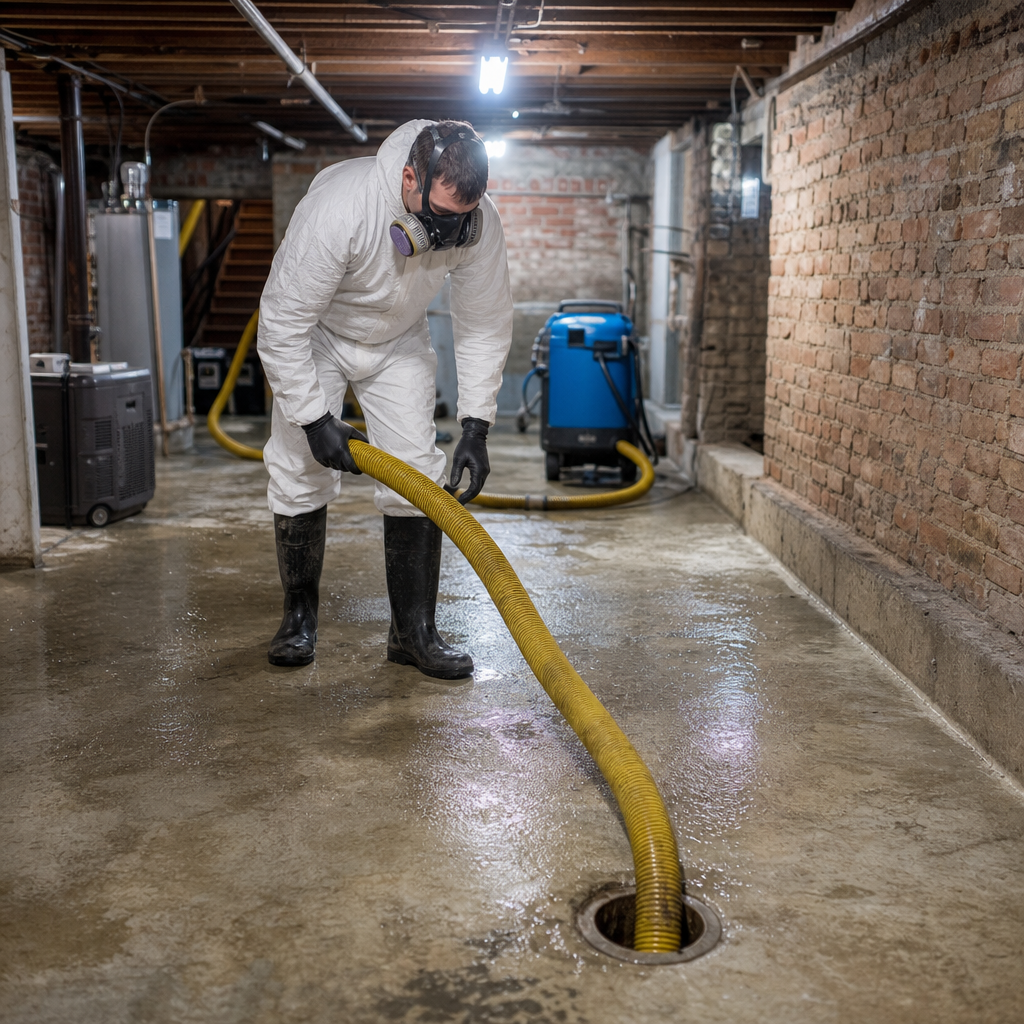
- Protect the structure from secondary damage: Most property policies require policyholders to take reasonable measures to protect property from further damage. Extract standing water and begin drying when reasonably possible.
- Catalog the loss before removal: Take clear photographs and video of all damaged building materials and personal belongings. Preserve damaged items safely until the insurance representative has had an opportunity to inspect them, unless doing so poses a safety hazard.
- Track every expense: Save all receipts, invoices, and temporary living expense records to submit as part of your claim documentation, subject to policy terms and limits.
Documenting Damage and Preserving Evidence
Documenting damage with comprehensive photographs and video provides essential support for your claim. Capture wide-angle views of affected areas as well as close-up details of structural components, flooring, baseboards, and damaged personal property.
Retain all relevant records, including contractor invoices from specialists like Floodline Restoration Co., equipment rental receipts, and repair estimates. Providing organized, factual records helps your insurer evaluate the scope and cost of necessary drying and repairs.
Avoiding Common Claim Issues and Gradual Leak Exclusions
Property policies frequently exclude gradual or ongoing damage. When reporting a claim, provide clear, factual descriptions of the event. Avoid speculating about how long a condition may have existed if you do not know.
Stick to verified facts: report the date and time you discovered the water, where the water accumulated, and the immediate steps taken to stop the leak and protect the property.
Emergency Water Damage Restoration and Structural Drying
Prompt mitigation helps stabilize the property and minimize secondary damage to framing, drywall, and flooring.
Rapid Extraction and Drying Practices
Federal Emergency Management Agency (FEMA) statistics indicate that one inch of floodwater can cause approximately $25,000 in damage, though this statistic concerns floodwater and does not establish insurance coverage. Proper drying practices generally involve:[5]
- Bulk water extraction: Removing standing water from floors and building materials as promptly as possible.
- Targeted airflow: Using air movers to promote evaporation of moisture from wet materials.
- Dehumidification: Operating dehumidifiers to remove moisture from the air and maintain effective drying conditions.
- Moisture monitoring: Checking affected materials until appropriate dryness is achieved.
Documenting Mitigation for Carrier Review
Insurers require clear documentation to review mitigation and repair costs. Keep detailed receipts, itemized invoices, drying records, and photographic evidence. Providing clear documentation allows the adjuster to review the mitigation work in accordance with your policy’s coverage terms.
Flood Damage vs. Sudden Plumbing Disasters
Standard homeowners insurance policies distinguish between flood damage and internal water events. Sudden and accidental events, such as a burst pipe, may be covered under a standard policy, subject to policy wording, exclusions, deductibles, and limits. Conversely, damage from rising surface water or external overland flooding is typically excluded under standard property forms and generally requires separate flood insurance coverage, such as through the National Flood Insurance Program (NFIP) or a private flood insurer.[3]
Homeowners Insurance vs. Flood Insurance Coverage
If water accumulates on the ground outside and enters through doors, windows, or foundation walls, it is generally considered floodwater and evaluated under a flood policy if one is in place. Internal plumbing failures, such as a ruptured supply line, are evaluated under standard property coverage, though actual coverage depends on the specific cause of loss, policy terms, and applicable endorsements.
Evaluating Floodwater Damage
When flood insurance applies, building and contents coverages are typically subject to separate coverage limits and deductibles. Detailed room-by-room inventories, photographs, and repair estimates help adjusters assess the scope of necessary structural and personal property repairs.
Mold Considerations and Policy Terms
Need how to get insurance to pay for water damage?
We’re available now - call for a fast, free estimate.
Mold may develop following water intrusion if materials remain damp. Insurance coverage for mold cleanup is often limited, subject to specific sub-limits, or excluded entirely depending on the policy language and applicable endorsements.
Documenting Water-Related Mold Damage
Whether mold remediation is covered depends on the policy terms and whether the mold resulted directly from a covered peril. Policyholders should report water damage promptly and document all mitigation efforts to demonstrate that reasonable steps were taken to prevent secondary microbial growth.
Drain Backups and Policy Endorsements
Standard property insurance policies often exclude water that backs up through sewers or drains unless the policy includes a specific endorsement, such as a water backup or sump overflow rider. Coverage for drain or sewer backups depends on the presence of these endorsements, specified limits, and policy terms.
Documenting Backup Losses
If your policy includes backup coverage, document the source of the backup with photographs and keep receipts for professional cleaning and disinfection. Note the specific drain, fixture, or pump involved when reporting the claim.
Fire Suppression Water Damage
Water damage resulting from fire extinguishing efforts is generally evaluated under the fire peril of a property policy, subject to policy terms, exclusions, limits, and deductibles.
Documenting Combined Losses
When fire suppression causes water damage alongside fire or smoke impacts, document all affected areas together. Retain detailed scopes of work and contractor invoices covering both water removal and smoke remediation for insurer review.
Burst and Frozen Pipe Claims
Water damage resulting from frozen or burst pipes may be covered if the freeze was sudden and accidental, subject to policy terms, exclusions, deductibles, and limits.
Policy Requirements for Heating and Maintenance
Some property policies include provisions requiring the policyholder to maintain heat in the building or drain the water system when the property is vacant. Retaining records of utility service or heating maintenance can help demonstrate compliance with policy conditions if questioned.
Plumbing Repair vs. Resulting Damage
Depending on policy language, an insurer may cover the resulting water damage to walls, floors, and personal property while excluding the cost of repairing or replacing the plumbing pipe or fixture itself. Review your policy language to understand how plumbing repairs and resulting damage are treated.
Roof Leaks, Storm Damage, and Exterior Water Intrusion
Need how to get insurance to pay for water damage?
We’re available now - call for a fast, free estimate.
Interior water damage caused by roof leaks may be covered if a covered storm peril created an opening in the roof or building envelope, subject to policy wording, exclusions, deductibles, and limits. Insurers may exclude damage resulting from wear and tear, age, or lack of maintenance.
Storm Validation and Documentation
To support a storm-related water claim, photograph exterior roof damage, missing shingles, or storm debris alongside interior water stains. Retain weather records or reports from the date of the loss when available.
Emergency Tarping and Mitigation
Taking reasonable steps to secure a damaged roof with tarps helps prevent additional water intrusion. Keep receipts and photos of temporary repairs, as reasonable emergency mitigation expenses may be considered under your claim, subject to policy terms.
Preventing Secondary Damage
Prompt water extraction and drying, as noted by mitigation providers like Floodline Restoration Co., help prevent secondary structural issues such as wood warping, drywall deterioration, and mold growth.
Reporting Promptly
Insurers expect policyholders to report water losses promptly and take reasonable steps to mitigate damage. Undue delays in reporting or mitigating water intrusion can complicate claims if secondary damage occurs that could have been avoided.
Maintaining Documentation
Keep clear records of when drying started, what equipment was used, and when materials reached acceptable dryness. These records serve as evidence of prompt mitigation.
Mitigation Costs and Claim Evaluation
Out-of-pocket costs for a water damage claim depend on your policy deductible, coverage limits, specific endorsements, and whether the cause of loss is covered. Contractors may provide itemized estimates for water extraction, drying, and structural repairs.
While some contractors offer direct billing options, coverage determinations and claim payments are made by the insurer based on the policy, and policyholders remain responsible for deductibles and any non-covered costs.
| Documentation Element | Recommended Approach | Inadequate Approach |
|---|---|---|
| Visual Evidence | Clear, date-stamped photographs and video of all damaged areas | No photographic record prior to cleanup |
| Expense Records | Itemized receipts, contractor invoices, and mitigation records | Unitemized or missing receipts |
| Damaged Items | Items preserved safely on-site for inspection when possible | Damaged items discarded without documentation |
| Claim Reporting | Prompt, factual reporting of the discovery and source | Delayed reporting or speculative statements |
Frequently Asked Questions About Water Damage Insurance Claims
Common Claim Approval and Policy Coverage Inquiries
Does standard homeowners insurance cover sudden water damage?
Sudden and accidental water damage, such as from a burst pipe or appliance rupture, may be covered under standard property policies, subject to policy wording, exclusions, deductibles, limits, cause of loss, and applicable law. Gradual leaks, maintenance issues, and overland flood damage are generally excluded unless covered by specific endorsements or separate policies.
What evidence and documentation should I provide for a water damage claim?
You should provide clear photographs and video of all damaged structural elements and personal belongings, keep all mitigation and repair receipts, preserve damaged property safely when possible, and retain relevant contractor invoices and drying records.
What should I tell the insurance adjuster?
Provide factual, truthful information regarding the date and time you discovered the water, the location of the damage, and the reasonable steps you took to stop the water and mitigate further loss. Avoid speculating about the cause or duration of the issue.
What is the difference between sudden water damage and gradual leak damage?
Sudden water damage occurs unexpectedly and abruptly, and may be covered depending on the policy. Gradual damage occurs over an extended period from continuous seepage, deterioration, or deferred maintenance, and is commonly excluded under standard property insurance policies.
Why do insurance companies deny water damage claims?
Claims are commonly denied due to policy exclusions (such as gradual damage or maintenance neglect), lack of applicable endorsements (such as flood or sewer backup coverage), failure to take reasonable mitigation steps, or because the cause of loss is not covered under the policy terms.[1]
Can a water restoration company bill my insurance company directly?
Some restoration companies, including Floodline Restoration Co., submit itemized invoices and documentation directly to the insurance carrier. However, policyholders remain responsible for deductibles and any costs or items not covered under the insurance policy.
How quickly do I need to report water damage to my insurance provider?
You should notify your insurance company promptly after securing the water source and initiating reasonable mitigation. Prompt reporting helps ensure timely inspection and avoids questions regarding secondary damage.
Need how to get insurance to pay for water damage?
We’re available now - call for a fast, free estimate.
Sources
- FEMA Exercises Borrowing Authority for National Flood … – fema.gov (2025)
- Hurricane Milton – floir.gov (2025)
- Climate Change, Disaster Risk, and Homeowner's Insurance – cbo.gov (2023)
- View PDF – fema.gov (2022)
- Indiana Flood Insurance: Home – IN.gov – in.gov
Frequently Asked Questions
How does moisture mapping help get a water damage claim approved?
Moisture mapping provides scientific, time-stamped proof of water migration behind walls and subfloors that cannot be verified by visual photos alone. Floodline Restoration Co. uses IICRC-certified moisture mapping and daily psychrometric logs to justify equipment placement and ensure adjusters approve drying scopes without dispute.
Will insurance pay for both the broken pipe and the resulting water damage?
Standard homeowners policies generally cover resulting damage to drywall, framing, and flooring, but often exclude the direct cost of repairing the failed pipe or fixture. Floodline Restoration Co. helps policyholders navigate this distinction by providing detailed line-item scopes that clearly isolate emergency mitigation from separate plumbing repairs.
How do you prove water damage was sudden and not an excluded gradual leak?
Policyholders must supply objective proof such as date-stamped pre-mitigation photos, utility bills, and immediate records of the sudden failure event. Through its Straight Claim Program, Floodline Restoration Co. gathers critical structural evidence upon arrival to verify sudden loss and refute common gradual deterioration exclusions.
About the author
 |
Christopher Vance Christopher Vance brings over 12 years of hands-on experience in water mitigation and structural drying, holding multiple certifications from the Institute of Inspection, Cleaning and Restoration Certification (IICRC). Before shifting his focus to consumer education, he managed large-loss commercial and residential recovery operations throughout the New York metropolitan area. He specializes in breaking down complex restoration processes and pricing models to help property owners make informed decisions during high-stress situations. |
Water damage, flood, or mold emergency?
We’re available now - call for a fast, free estimate.
Call Now - Free Estimate