
Quick Summary
The true ceiling water damage repair cost typically ranges from $450 to $1,600 for standard surface patching, but extensive structural drying and framing repairs can quickly push total restoration expenses into thousands of dollars. Floodline Restoration Co. explains that total project pricing depends heavily on the water contamination category, the depth of moisture saturation across joists and insulation, and the specific building materials involved. After reading this guide, property owners will understand the critical difference between mitigation and reconstruction costs, enabling them to navigate insurance claims effectively and request transparent, itemized quotes.
Ceiling Water Damage Repair Cost: Price Guide ($311 to $1,718+)
If you have water dripping through your ceiling, standard repair costs typically fall between $450 and $1,600 based on industry figures from Angi, with broader ceiling repairs averaging $438 to $1,718 according to HomeAdvisor data. A minor drywall patch can run as low as $311 to $472, while major structural drying and water damage restoration can easily reach several thousand dollars.
Water pooling overhead is an immediate safety concern. Moisture soaks through insulation, weakens joists, and ruins drywall or historic plaster. According to Floodline Restoration Co., proper restoration involves two phases: extracting the water and drying the cavity, followed by structural and cosmetic repairs. See also Water Damage Repair Pricing | Call Now-10% Off | On-Site in 60 Minutes | Free Estimate.
This pricing guide breaks down typical line-item costs, real-world variables, and the reasons standard per-square-foot calculators fall short in older or multi-unit buildings.
Ceiling Water Damage Repair Cost: Quick Breakdown and Summary
Quick Summary: Most property owners pay between $450 and $1,600 for typical ceiling water damage repairs. Minor drywall patches average around $350 to $500, but costs increase substantially when joist drying, insulation replacement, or contaminated water (like a sewage backup or drain line leak) is involved. The total price depends on the source of the water, the size of the room, and how deeply moisture penetrated the framing above.
When dealing with an overhead leak, you are paying for two distinct phases: emergency mitigation (drying out the structure) and rebuild (hanging new drywall or plaster, taping, and painting). While minor patches stay in the lower hundreds, extensive structural drying across multiple rooms or joist bays will push total project costs higher.
What to Expect on Your Final Bill
Generic cost calculators often mislead homeowners because they assume a basic patch on a single drywall sheet. In pre-war row houses, brownstones, and multi-family buildings, water travels horizontally along joist bays and masonry party walls. Your final invoice covers moisture detection, industrial dehumidification time, drywall or plaster removal, and finish carpentry.
Key Takeaways for Property Owners
- Minor surface patching: Small, clean-water drywall repairs usually cost between $311 and $472.
- Full cavity drying and rebuild: When water saturates subflooring and framing overhead, water mitigation and structural reconstruction typically range from $3,000 to $6,000 or more.
- Insurance considerations: Sudden events (like a ruptured copper supply pipe) are generally covered, whereas slow, ongoing roof leaks or neglected maintenance are not.
- Water category matters: Category 3 black water (such as an upstairs toilet overflow or drain backup) requires strict containment and sanitization, which increases labor costs.
What Does Ceiling Water Damage Repair Cost?
Need ceiling water damage repair cost?
We’re available now - call for a fast, free estimate.
Surface-level repairs for clean-water incidents average roughly $45 to $55 per square foot, or between $450 and $1,600 total. When structural framing is soaked, mold has formed, or contaminated water is present, total restoration expenses frequently range from $3,000 to $15,000 depending on the scope of work.
Itemized Restoration and Repair Cost Table
The table below outlines common restoration expenses based on the source and contamination level of the water:
| Feature | Category 1 (Clean Water) | Category 2 (Gray Water) | Category 3 (Black / Sewage) |
|---|---|---|---|
| Water Extraction Cost | $1,200 – $2,500 | $1,800 – $3,500 | $2,500 – $5,000 |
| Cavity Sanitization | Air drying only | Targeted biocide wash | Full antimicrobial strip |
| Porous Material Tear-out | Rare (if caught quickly) | Wet insulation & drywall | All porous contact materials |
| Typical Overall Project | $3,000 – $6,000 | $4,500 – $8,500 | $5,000 – $15,000+ |
Typical itemized line items across water mitigation and reconstruction include:
- Moisture inspection & thermal imaging: $150 – $500
- Structural drying & dehumidification (per room): $1,200 – $4,500
- Mold remediation: $1,500 – $6,000
- Sewage and drain cleanup: $2,000 – $10,000
- Full claim-level water damage restoration: $3,000 – $15,000
Key Factors That Drive Overall Pricing
The water source dictates the safety measures, equipment, and disposal protocols needed. Category 1 water from a clean supply line requires high-velocity drying equipment. Category 2 water from a dishwasher or washing machine overflow requires antimicrobial treatment. Category 3 water from drain lines or sewage contains hazardous pathogens and demands full personal protective gear, negative air pressure containment, and proper disposal of all contaminated materials.
Online square-foot calculators fail to capture real-world conditions in older homes. They assume modern, hollow drywall construction and miss the hidden moisture sitting in subfloors, insulation, and plaster. When framing must be dried over multiple days, firms like Floodline Restoration Co. note that total costs reflect that technician time and specialized equipment.
Why Standard Drywall Estimates Fail in Pre-War and Multi-Unit Properties
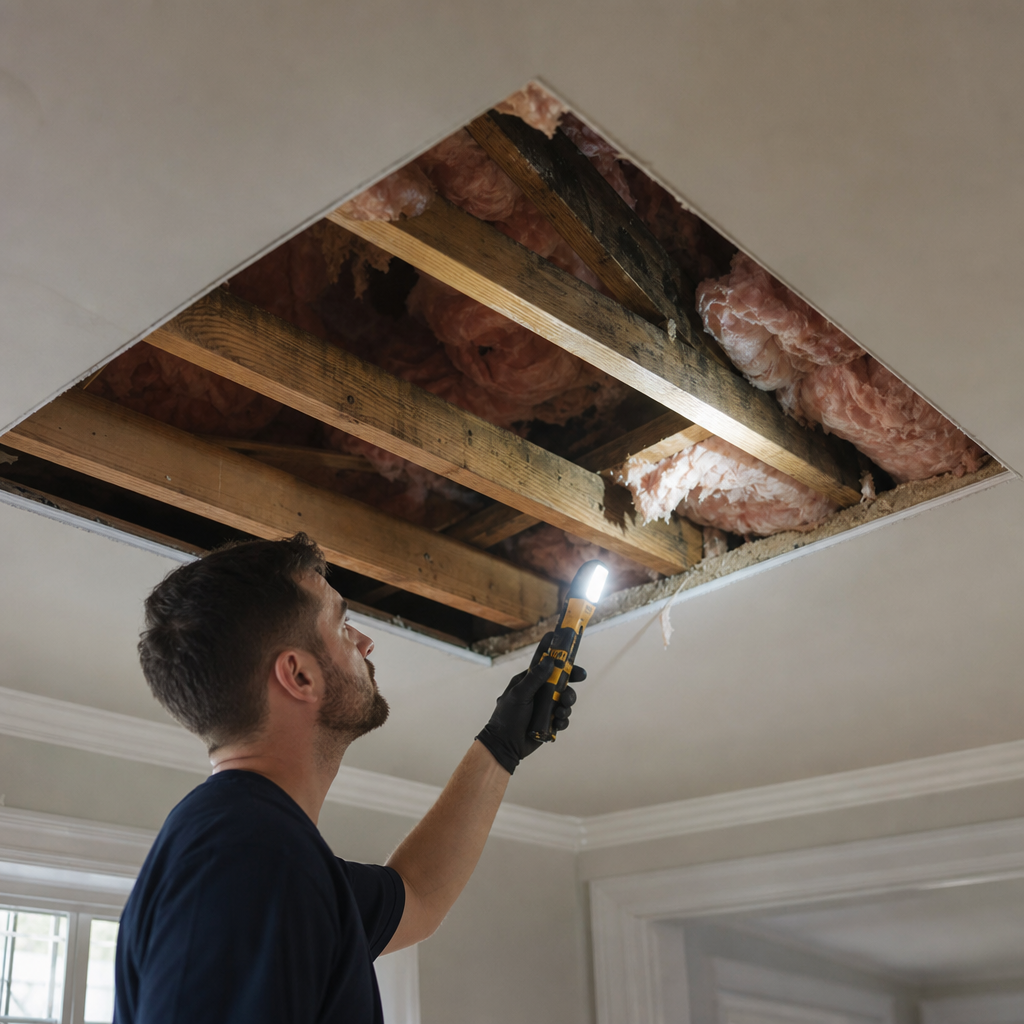
Generic drywall calculators do not account for historic building materials. In attached brick row houses, pre-war apartments, and co-op buildings, construction methods differ dramatically from modern suburban homes. Thick plaster, tongue-and-groove subfloors, and shared brick party walls hold large volumes of water out of sight.
The Weight Dynamics of Wet Lath and Plaster
Traditional lath-and-plaster ceilings absorb gallons of water without immediately sagging. Drywall softens and drops quickly when soaked, but plaster holds water until the keys (the plaster pressed between the wood lath strips) break under extreme weight. Saturated plaster can quietly hold hundreds of pounds of dead-load weight before falling without warning. Simply skimming spackle over a wet plaster ceiling creates a serious hazard. Technicians, such as those at Floodline Restoration Co., must check joist deflection and core moisture levels before deciding whether to stabilize or pull down the plaster.
Hidden Interstitial Cavity Moisture Traps
In multi-unit properties, an upstairs leak rarely stays contained in one spot. Water flows along joist channels, pooling across subflooring and seeping into shared masonry walls. If a contractor patches or paints drywall before the cavity is fully dried, that trapped moisture causes wood rot and mold growth inside the ceiling. A proper repair requires mapping moisture paths and placing commercial air movers directly into the joist spaces.
Ceiling Components Breakdown: Drywall, Joists, and Insulation Repair
Need ceiling water damage repair cost?
We’re available now - call for a fast, free estimate.
Fixing an overhead leak requires evaluating three separate components: the finished ceiling surface, the structural joists, and the insulation layer above.
Drywall and Ceiling Panels: Repair vs. Replace Criteria
If a clean-water leak caused only light surface discoloration, the drywall can often be dried, treated with a stain-blocking primer, and repainted. However, if the drywall is sagging, soft to the touch, or deteriorating at screw points, the damaged sections must be cut out and replaced. Fastener integrity must always be checked to ensure the surrounding panels remain secure.
Subfloor, Joists, and Framing Integrity
When water sits on top of ceiling joists and under the subfloor above, the wood absorbs moisture, which can cause swelling, warping, and rot over time. As recommended by Floodline Restoration Co., commercial dehumidifiers and directed heat systems bring the moisture content of the wood back below 15% before any new drywall is installed.
Blown-In and Batt Insulation Replacement
Wet insulation must always be removed. Fiberglass batts compress and lose their R-value when soaked, while cellulose insulation packs down into a dense, soggy layer that traps moisture against the joists. Removing wet insulation allows the cavity to dry properly and protects the framing.
Does Homeowners Insurance Cover Ceiling Water Damage Restoration?
Most standard homeowners policies cover ceiling repairs if the damage is sudden and accidental, such as a burst copper pipe, a failed water heater, or a broken supply line. Insurance typically denies claims caused by gradual leaks, deferred maintenance, or long-standing roof deterioration.
Covered Perils vs. Excluded Maintenance Issues
To secure coverage, you need clear documentation showing the sudden cause of the loss. If an upstairs pipe freezes and bursts, both the water extraction and the ceiling reconstruction are generally covered minus your deductible. If a slow shower pan leak has been dripping for six months, the adjuster may deny the claim due to long-term wear and tear.
Navigating Co-op and Multi-Unit Insurance Claims
In co-op, condo, and multi-family buildings, assigning responsibility between the building’s master policy and an individual unit owner’s policy can be complex. To streamline the claims process:
- Keep Moisture Logs: Document initial moisture readings, relative humidity, and infrared images to prove when and where the water traveled.
- Use Industry-Standard Invoicing: Submit itemized, line-item estimates formatted in programs like Xactimate that insurance adjusters use.
- Document the Origin: Take clear photos of the failed fitting, ruptured pipe, or clean break to prove the loss was sudden and accidental.
Frequently Asked Questions About Ceiling Water Damage
Addressing ceiling water damage quickly protects your property’s framing and reduces overall restoration expenses.
How much does ceiling water damage repair cost?
Most surface-level ceiling repairs range from $450 to $1,600. Small drywall patches can cost between $311 and $500, while major jobs involving structural drying, joist treatment, and multi-room rebuilding can exceed $3,000 to $5,000.
How quickly does ceiling water damage need to be addressed?
You should act immediately. Within 24 to 48 hours, trapped moisture can cause mold growth, weaken drywall fasteners, and compromise wood framing. Shut off the water source, contain any active drips, and start structural drying right away.
Can I just repaint a water-stained ceiling?
No. Painting over a water stain hides the discoloration but traps moisture inside the joist bay. This trapped water can rot the framing and foster mold growth. The cavity must be completely dry before applying a stain-blocking primer and paint.
What should a property owner look for in a ceiling restoration contractor?
Look for a contractor certified in structural drying, such as Floodline Restoration Co., who uses moisture meters and thermal imaging tools. Make sure they provide upfront, itemized estimates and have direct experience handling the specific building materials in your property, such as pre-war plaster or multi-unit framing assemblies.
Need ceiling water damage repair cost?
We’re available now - call for a fast, free estimate.
Frequently Asked Questions
What are the warning signs that a water-damaged ceiling is about to collapse?
Key warning signs include noticeable sagging, visible bubbling or blistered paint pockets, cracking along plaster seams, and dripping that suddenly stops while the ceiling continues to bow. Saturated plaster can quietly hold hundreds of pounds of water weight before failing without warning, which is why Floodline Restoration Co. recommends calling for emergency water extraction immediately to relieve overhead pressure safely.
How long does it take to dry out structural ceiling joists before reconstruction can begin?
Structural drying of ceiling cavities and joists typically takes between 3 to 5 days using commercial dehumidification and directed airflow equipment. Technicians from Floodline Restoration Co. continuously monitor interstitial moisture levels with thermal imaging to verify framing is under 15% moisture content before hanging new drywall.
How does Floodline Restoration Co. prevent surprise costs during insurance claims for ceiling repairs?
Floodline Restoration Co. acts as a single-source partner, providing upfront, line-item estimates using industry-standard Xactimate software that matches insurance carrier guidelines. They document the loss with moisture logs, cause-of-origin photos, and thermal scans, ensuring both the emergency mitigation and rebuild phases are fully accounted for without surprise billing.
About the author
 |
Christopher Vance Christopher Vance brings over 12 years of hands-on experience in water mitigation and structural drying, holding multiple certifications from the Institute of Inspection, Cleaning and Restoration Certification (IICRC). Before shifting his focus to consumer education, he managed large-loss commercial and residential recovery operations throughout the New York metropolitan area. He specializes in breaking down complex restoration processes and pricing models to help property owners make informed decisions during high-stress situations. |
Water damage, flood, or mold emergency?
We’re available now - call for a fast, free estimate.
Call Now - Free Estimate