
Free visual inspection and a written scope of work before any mitigation begins - photos, moisture readings, and drying logs go in your claim file
The scope we write is the scope we bill. Anything new gets shown to you, in writing, before we touch it.
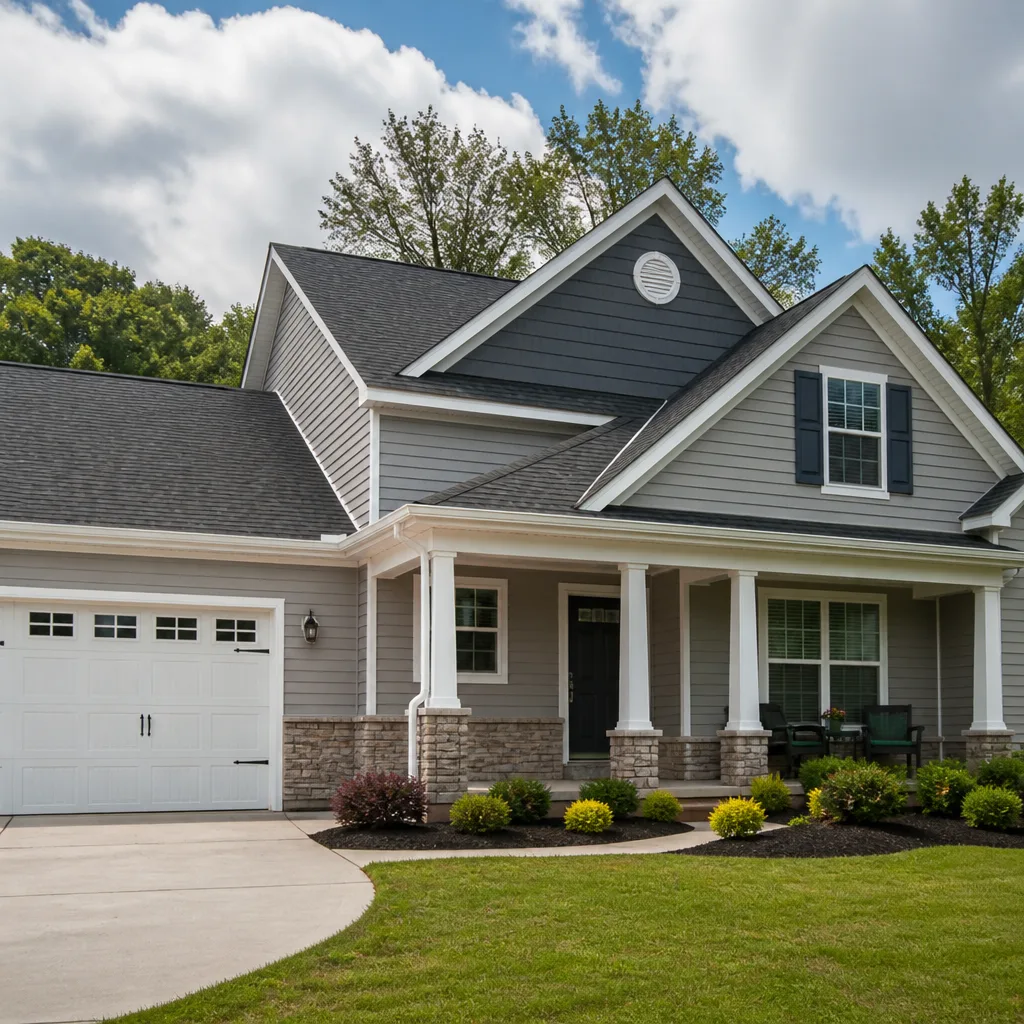
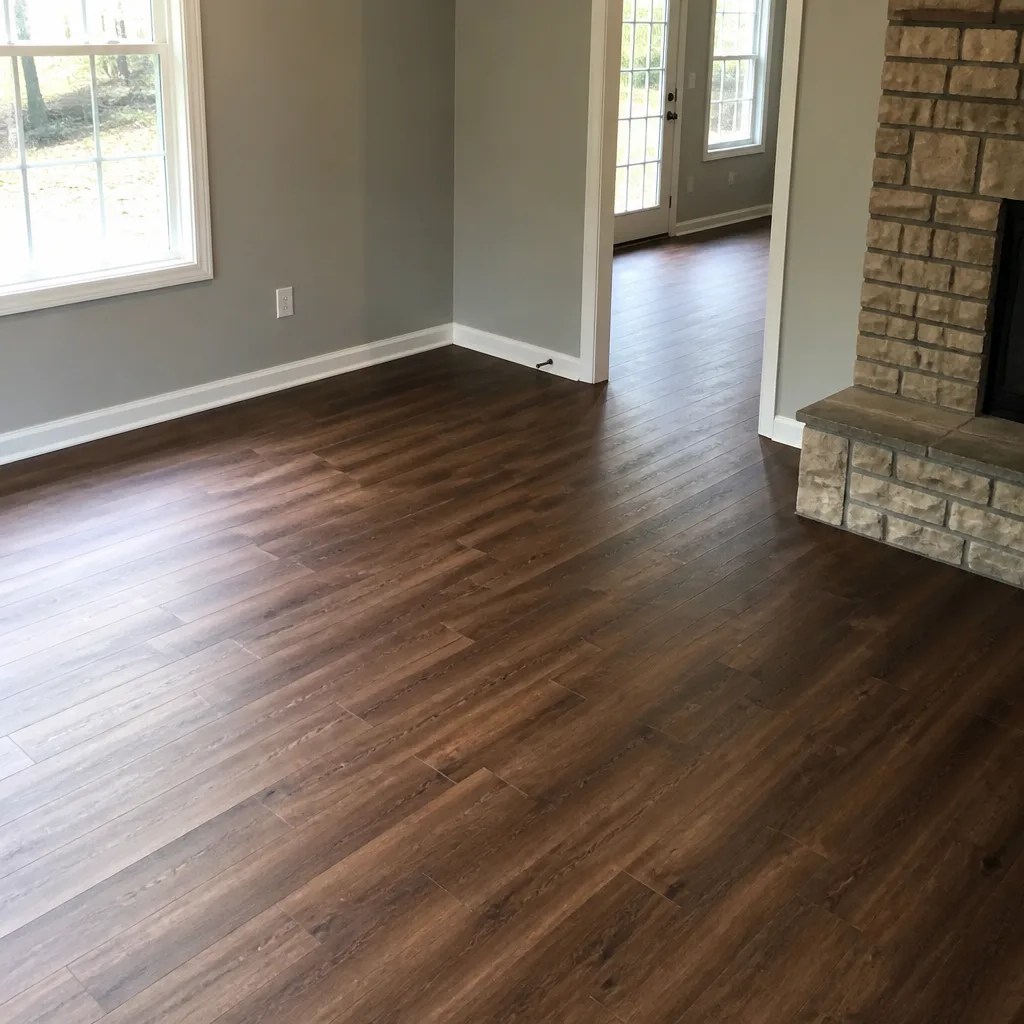
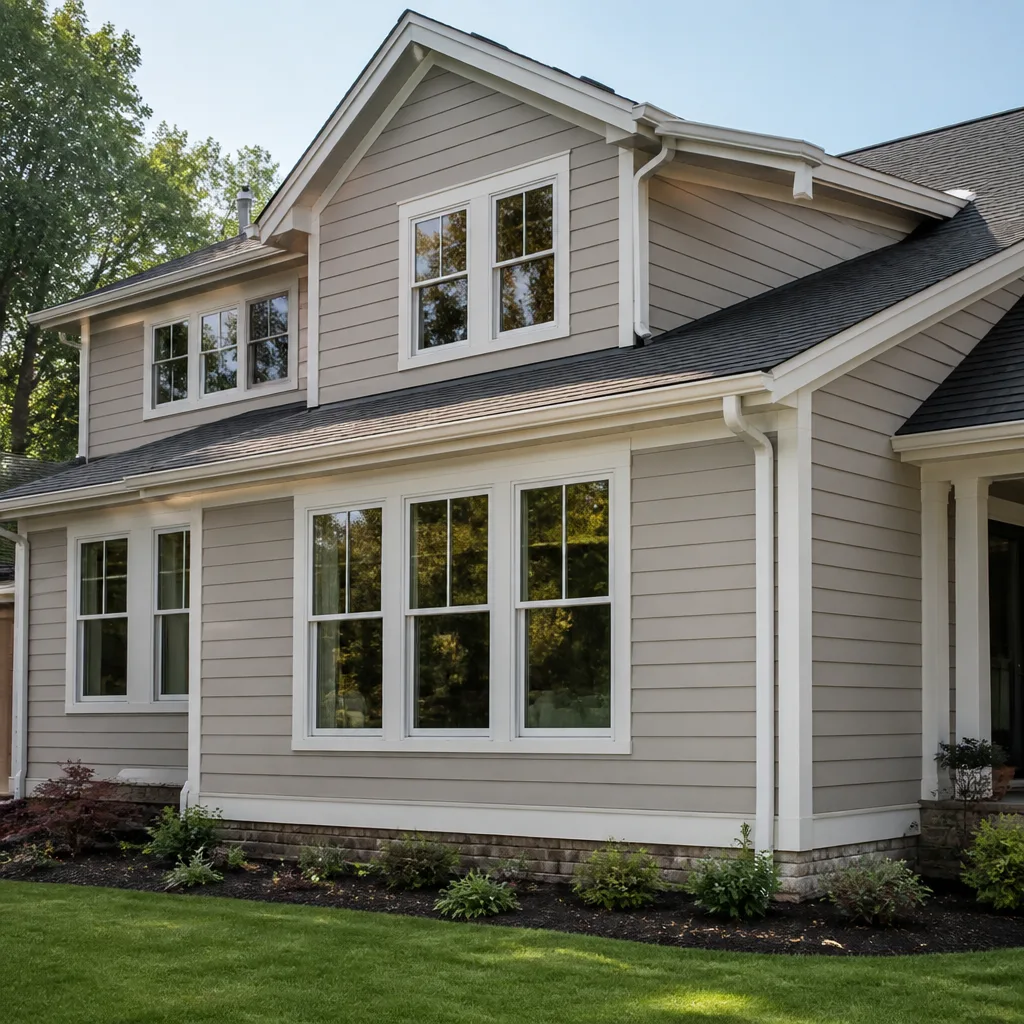
 Before
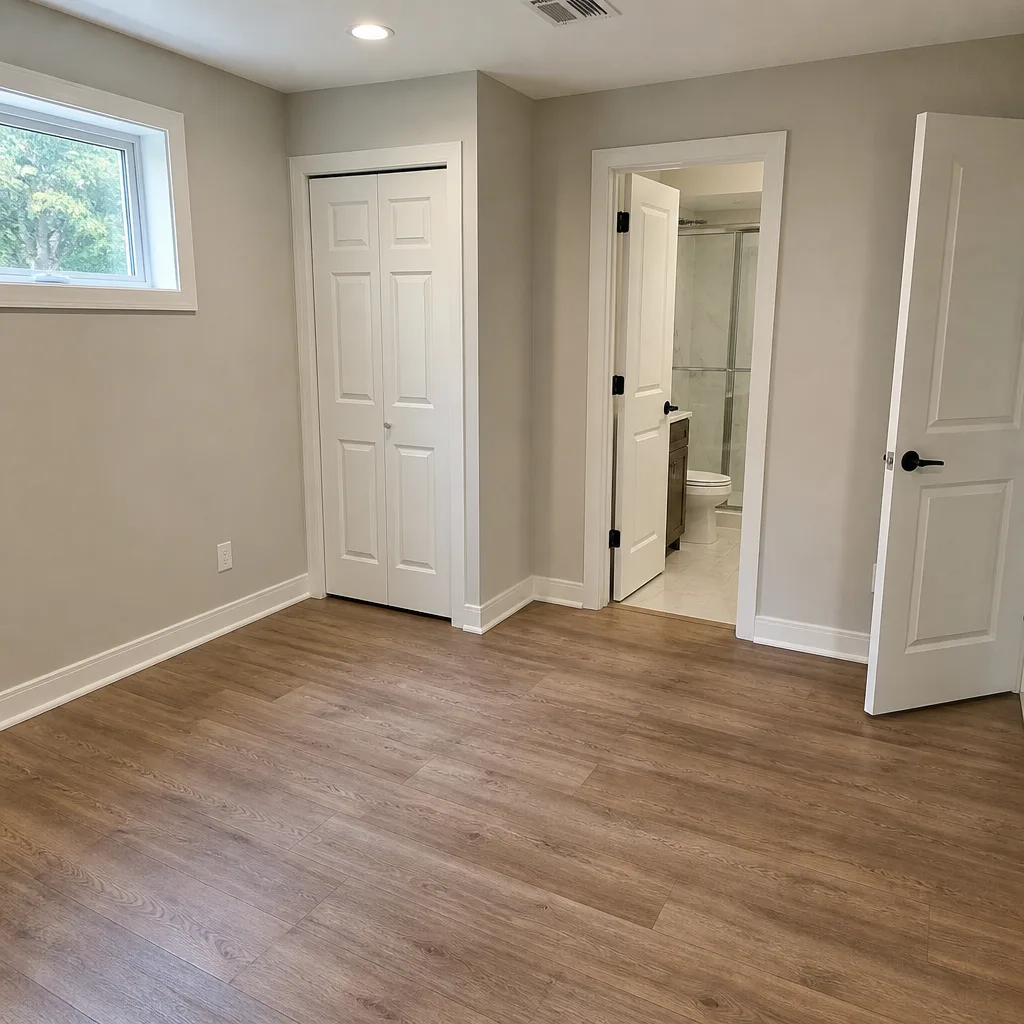 After
After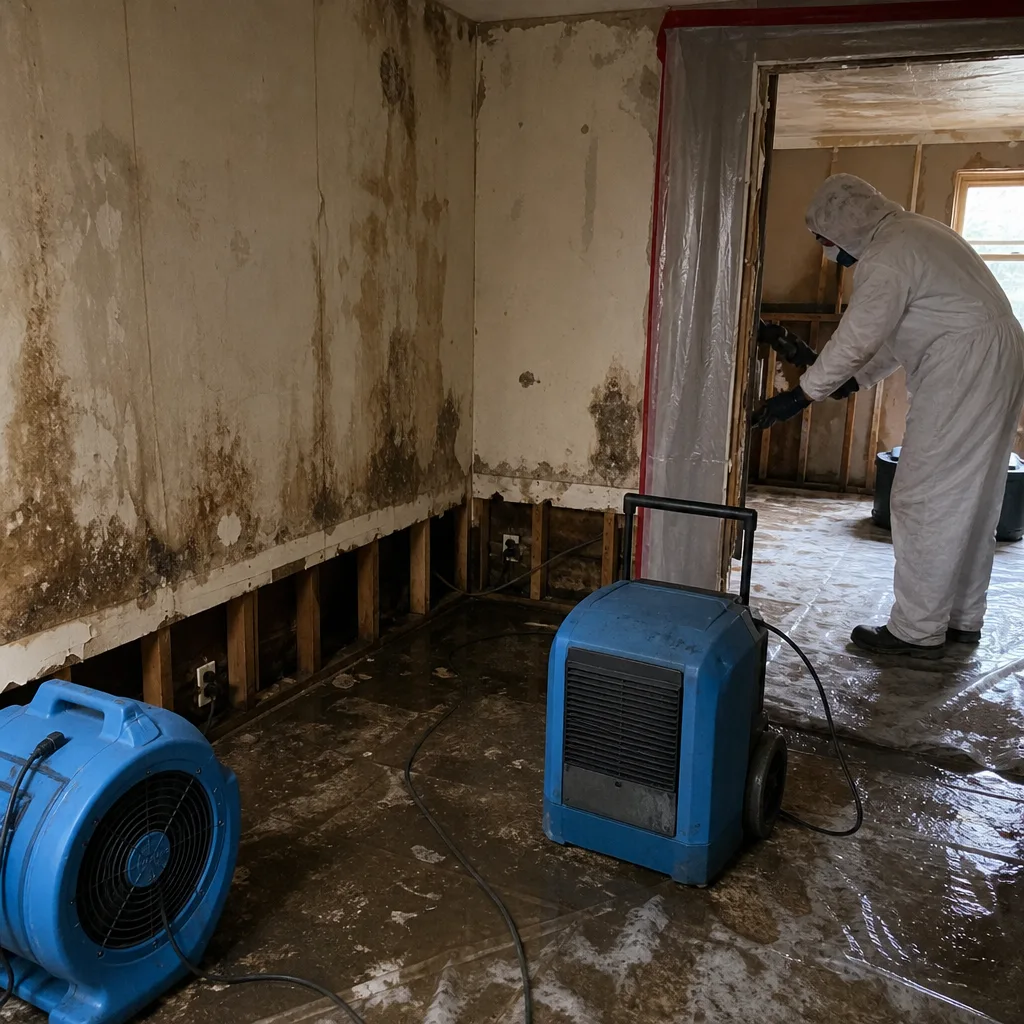 Before
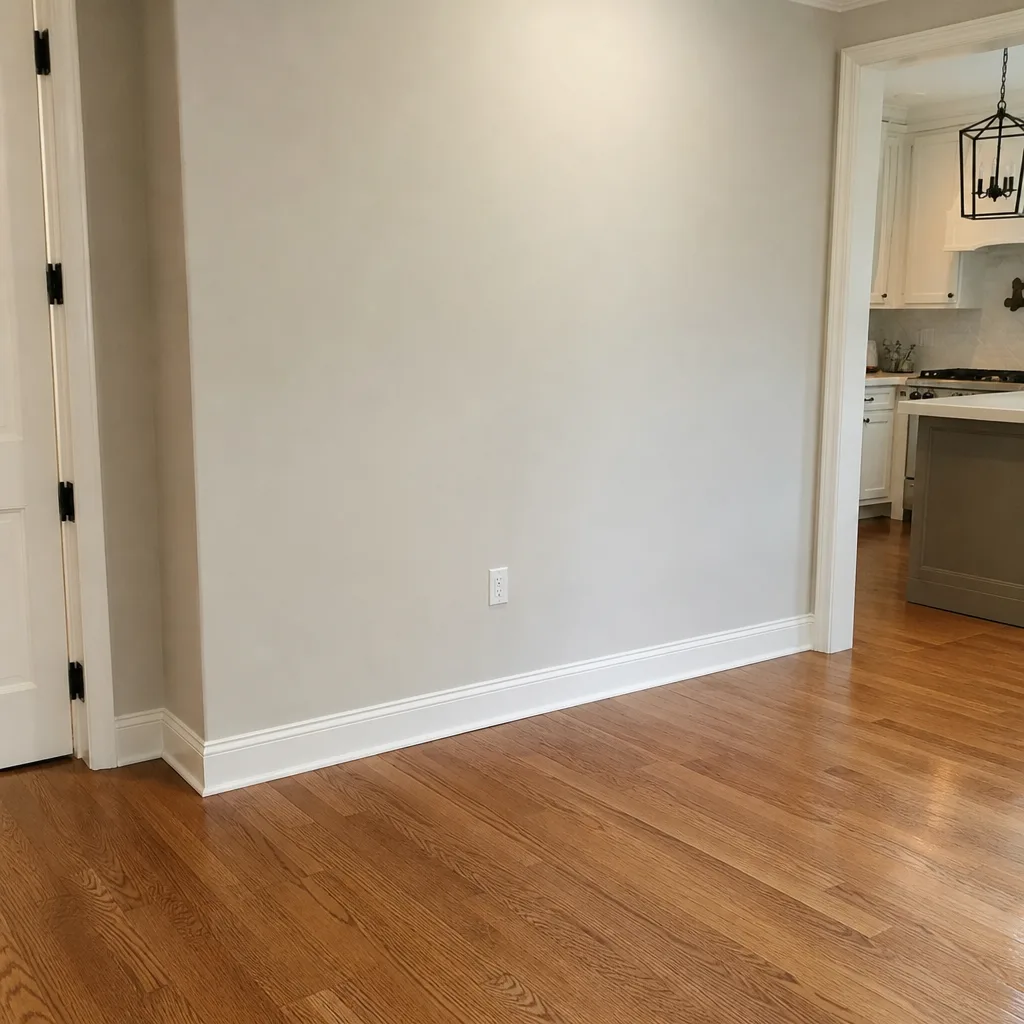 After
After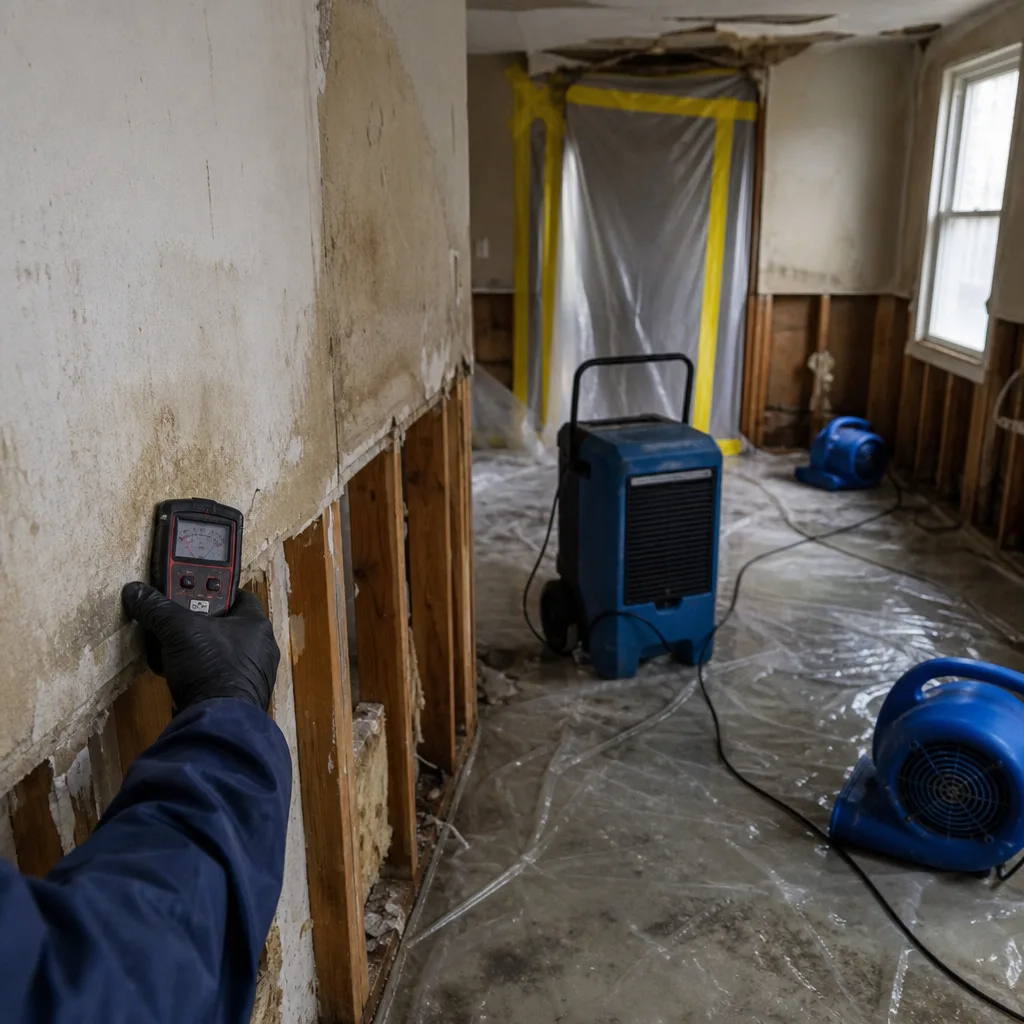 Before
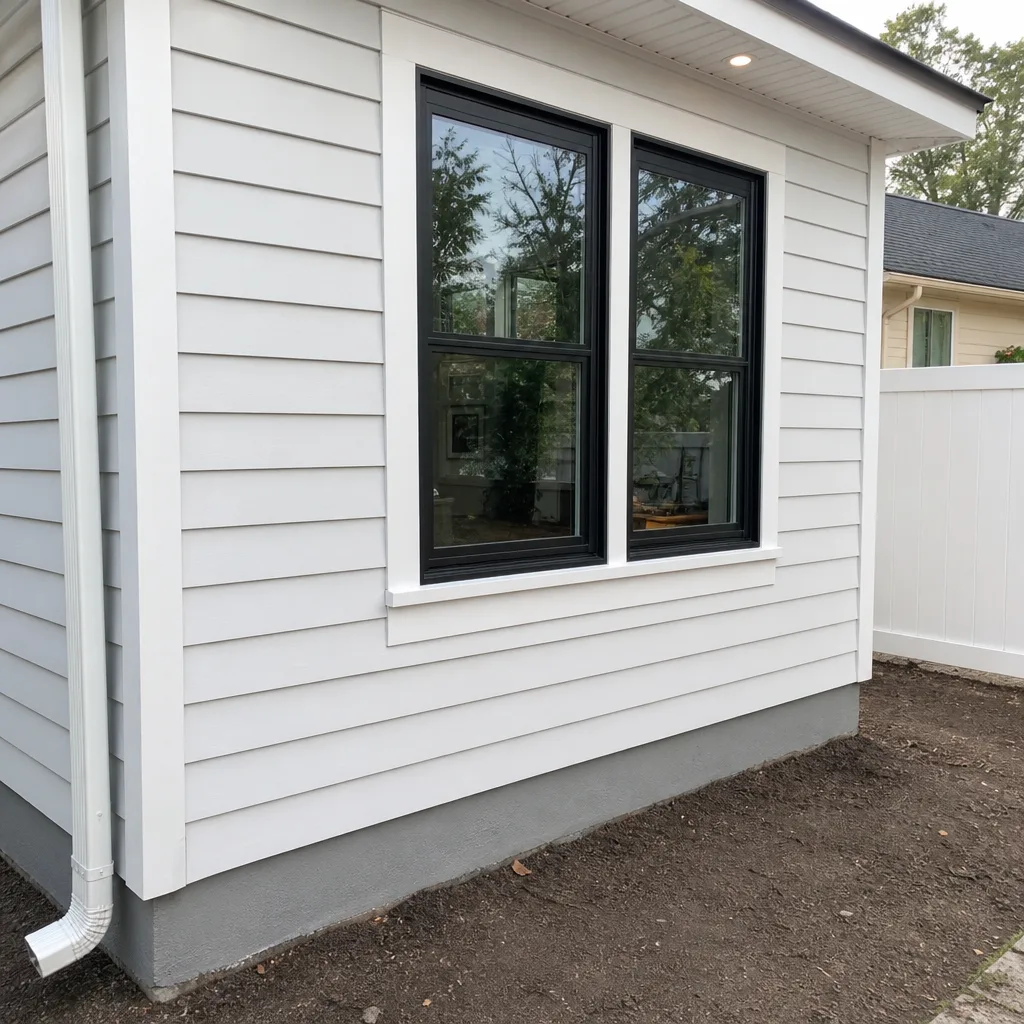 After
After24/7 Emergency Fire & Smoke Damage Restoration in Glendale
A working kitchen fire or an electrical short in a Glendale row house spreads smoke through shared walls in minutes, not hours. Soot pushes into horsehair plaster, into the neighbor’s hallway, into closets two floors up. We answer the phone live at (363) 999-0829 at any hour, day or night, and dispatch a crew to Glendale without making you leave a voicemail or wait for a call back. The first hour after a fire is when smoke odor sets into porous surfaces and soot etches into painted trim. Getting air scrubbers running and containment sealed early means the difference between a cleanup and a full gut. We’ve worked enough 1920s and 1930s attached brick homes in this neighborhood to know what that first hour costs.
Understanding Fire & Smoke Damage Restoration Severity in Glendale Properties
Fire damage is never just the burned room. Smoke migrates along wiring chases, plumbing penetrations, and the hollow spaces between floors. In Glendale’s pre-WWII attached row houses and two-family dwellings, that migration path includes the shared party wall and often the common attic, which means the damage is structural, not cosmetic. Soot residue falls into three main types: dry soot from fast-burning paper and wood, oily soot from kitchen grease fires, and protein-based residue from burned food that is nearly invisible but produces some of the most persistent odor. Each requires a different cleaning chemistry and a different HEPA air scrubbing protocol. Wet or oily soot left on original plaster and 1920s millwork can etch within 48 hours. In a Glendale two-family, that clock runs on both units at once. We assess the home as one interconnected shell, not a single unit with a fire in it.
Why Glendale Property Owners Choose Floodline Restoration Co.
- 45-minute response commitment. We dispatch crews from our New York City office with Glendale as a first-ring service area. A live person confirms the address, the fire department’s status, and the nearest cross streets, then the crew rolls.
- A real person answers, 24/7. No phone tree, no answering service that takes a message. You get a dispatcher who can send a certified technician to Glendale at 2 a.m. if the fire department has just cleared the property.
- IICRC-certified crews. Our technicians hold FSRT and OCT certifications, which means they’re trained in fire and smoke restoration and odor control, not just water extraction. They work in uniform and carry ID.
- Free visual inspection. Before any scope is written, we walk the damage with you. You’ll know what we see, what we recommend, and what can wait. No charge, no obligation.
- Direct insurance billing. We document from the first hour, bill the carrier directly, and speak with the adjuster ourselves. You don’t play messenger.
- One team from board-up to rebuild. The same Floodline crew that seals the broken window at 3 a.m. handles the structural repair, the trim work, and the final coat of paint. No handoff to a subcontractor you’ve never met.
Our Fire & Smoke Damage Restoration Process
Inspection & Assessment
We map the fire’s path room by room, including the shared walls and attic access in your Glendale home. Thermal imaging shows us where heat penetrated cavities that look untouched. A moisture map goes on file before drying starts.
Stabilization
We board up windows, tarp the roof, and seal the party wall if the fire has compromised it. For attached row houses, we confirm the neighboring property is protected before any demolition begins. We’ll also coordinate the required NYC DOB permit on both parcels where the structural work crosses the lot line.
Drying & Dehumidification
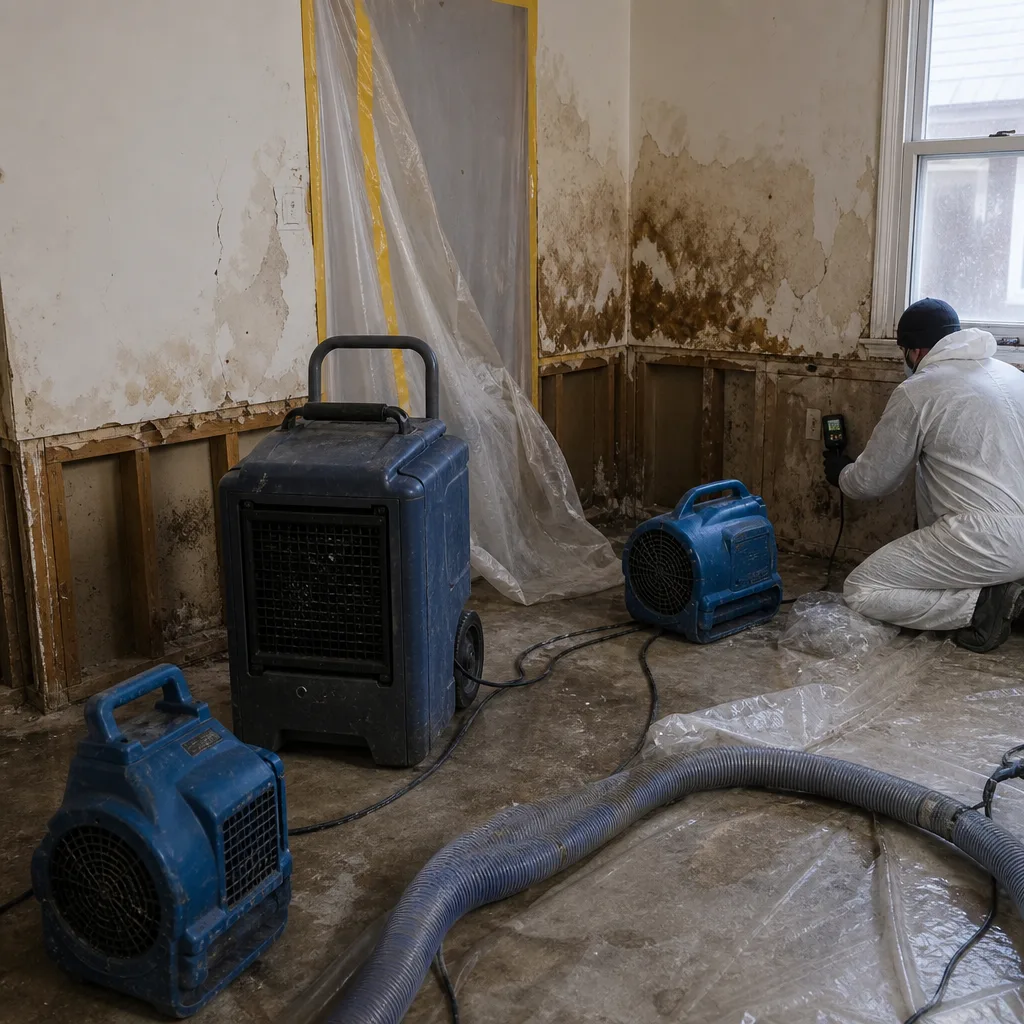
Firefighting water ends up in floors, walls, and the basement. We run Dri-Eaz dehumidifiers and Phoenix air movers with daily readings logged until the dry standard is met. In a Glendale basement with original concrete, that often means more days than a contractor’s estimate suggests.
Cleaning & Sanitization
HEPA air scrubbers run continuously while we clean soot from surfaces, contents, and the structure. We use the right chemistry for each residue type: dry soot, oily kitchen soot, or protein residue. Everything gets sanitized before finishes are replaced.
Odor Removal & Deodorization
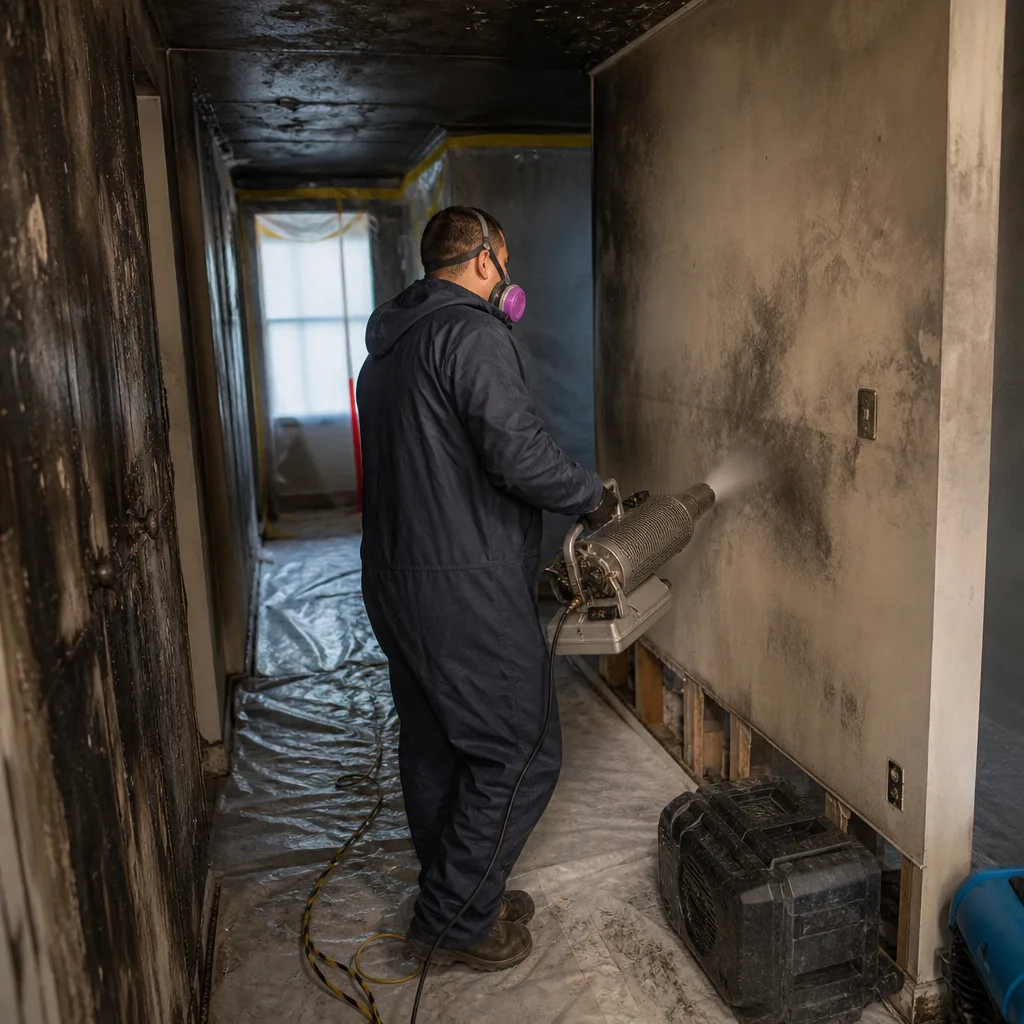
Smoke odor in horsehair plaster and original wood trim does not respond to a coat of paint. We use thermal fogging and hydroxyl generators to neutralize odor at the source, not mask it. The neighbor’s unit gets the same treatment if smoke crossed the party wall.
Repairs & Restoration
We rebuild what was removed. New drywall, trim, flooring, paint. The same certified crew that did the demolition and drying finishes the job, so the person who signs off on the dry standard is the same person who hangs the drywall.
Need Emergency Fire & Smoke Damage Restoration in Glendale Now?
Crews minutes away, answering live 24 hours a day. The sooner we start, the less it costs.
Working With Your Insurance Company
Fire claims in Glendale’s attached housing stock are rarely single-insurer claims. If smoke crossed into the adjoining unit, the neighbor’s carrier is now at the table, and the two adjusters will need the same set of facts. We produce those facts. From the first hour, we photograph every affected surface, log moisture readings on shared walls, and write a line-item scope that every adjuster can read. Then we talk to the carrier directly. You get a copy of everything. If asbestos abatement or lead-paint protocols come into play, which they do on most pre-WWII Glendale homes, we document that too because it is part of the claim. Our job is to make sure the claim is approved based on the actual loss, not a hand-written estimate that undercounts the neighbor’s wall.
What We Provide Your Insurer
- Thorough documentation of the loss
- Photos of all damage, room by room
- Moisture readings and drying logs
- A detailed, line-item scope of work
- Direct coordination with your carrier
Built for Glendale’s Loss Calendar
Glendale has a fire season, and it isn’t just winter. January and February bring space heaters, overworked extension cords, and frozen pipes that crack near the same original galvanized supply lines that run through half this neighborhood. When a burst pipe kills the power in a finished basement, homeowners plug in temporary heat, and that’s where electrical fires start. Spring brings thunderstorm flooding that overloads sump pumps and shorts out washers and dryers in semi-finished basements. Summer kitchen fires spike during holiday weekends. Fall means furnaces lighting for the first time, and a 90-year-old steam heat system with original wiring is a known ignition source. On top of that, Queens’ combined sewer system surcharges during heavy storms, so a fire in a deep basement is often followed by raw sewage backup: a category 3 black water contamination that has to be treated as a second, separate loss. This is not a town where fire damage happens once and never again. It is a town where the House history and the utilities are old, and the crews who work here see the same patterns on the same blocks year after year.
Fire & Smoke Damage Restoration Across Glendale’s Neighborhoods
Response routes in Glendale depend on which side of Myrtle Avenue you live on. The blocks south of Myrtle, down around Cypress Hills Street and 88th Street, are dense attached brick row houses with narrow alley access and parking limits that make equipment staging an actual challenge. We’ve learned to send a smaller first response van to those addresses and bring the larger equipment on the second dispatch. Up near Cooper Avenue and the Forest Park side, there are more semi-detached two-family homes with slightly wider lots, but the basements are deeper and the finished space is more common, so firefighting water tends to pool there. Near Atlas Park, the commercial mix changes the call pattern: restaurant grease fires that send oily soot into the apartments above. And along the industrial edge near the freight tracks, older converted homes sit beside active warehouses, which changes the dispatch route and the noise tolerance for nighttime board-up work. Every one of these blocks shares the same pre-war bones: horsehair plaster, original steam heat, and floor joists that have been drying for ninety years and now have to dry again.
Specialized Fire & Smoke Damage Restoration Services We Offer in Glendale
Fire Damage Cleanup
We remove charred building material, damaged drywall, and unsalvageable contents from the affected rooms, then clean every surface the fire touched. In Glendale’s attached homes, that means checking the shared wall cavity before we open anything. A wall that looks solid from the burned side may have absorbed enough heat to compromise the mortar and lath on the other side.
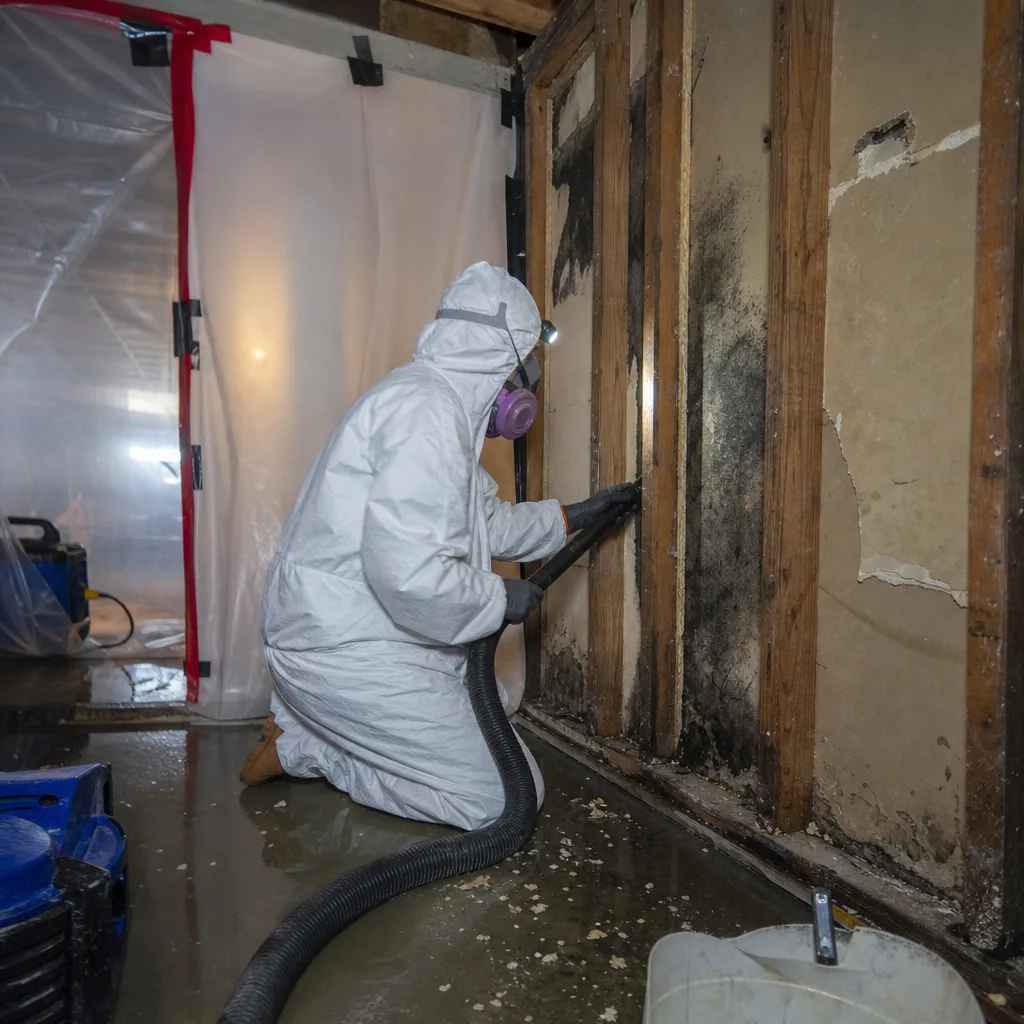
Smoke & Soot Removal
Dry soot, oily soot, or protein residue: each needs a different cleaner, and the wrong one sets the stain deeper. We clean walls, ceilings, original trim, fixtures, and the duct runs. In a row house, the ducts are often shared or running inside the party wall, so we check where they actually go before we push air through them.
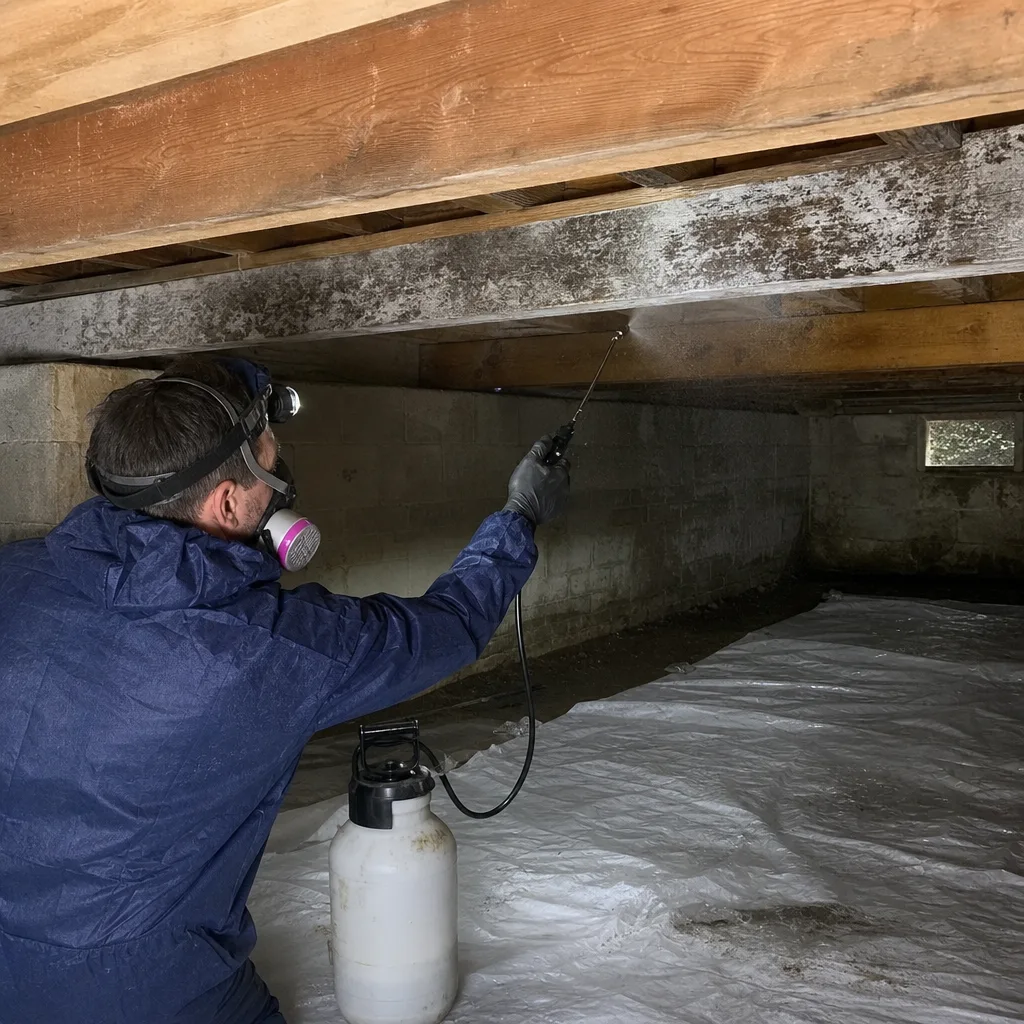
Odor Removal & Deodorization
Smoke odor settles into porous materials: plaster, wood, fabrics, insulation. Masking it with a sprayed fragrance fails. We use thermal fogging and hydroxyl generators, run them while the home is empty or occupied, and keep them running until the odor is gone, not just faint. We have done this on 88th Street near Myrtle Avenue, where the smoke from a neighbor’s kitchen fire had soaked into the adjacent unit’s horsehair plaster. Both sides had to be treated, and both owners had to sign the scope.
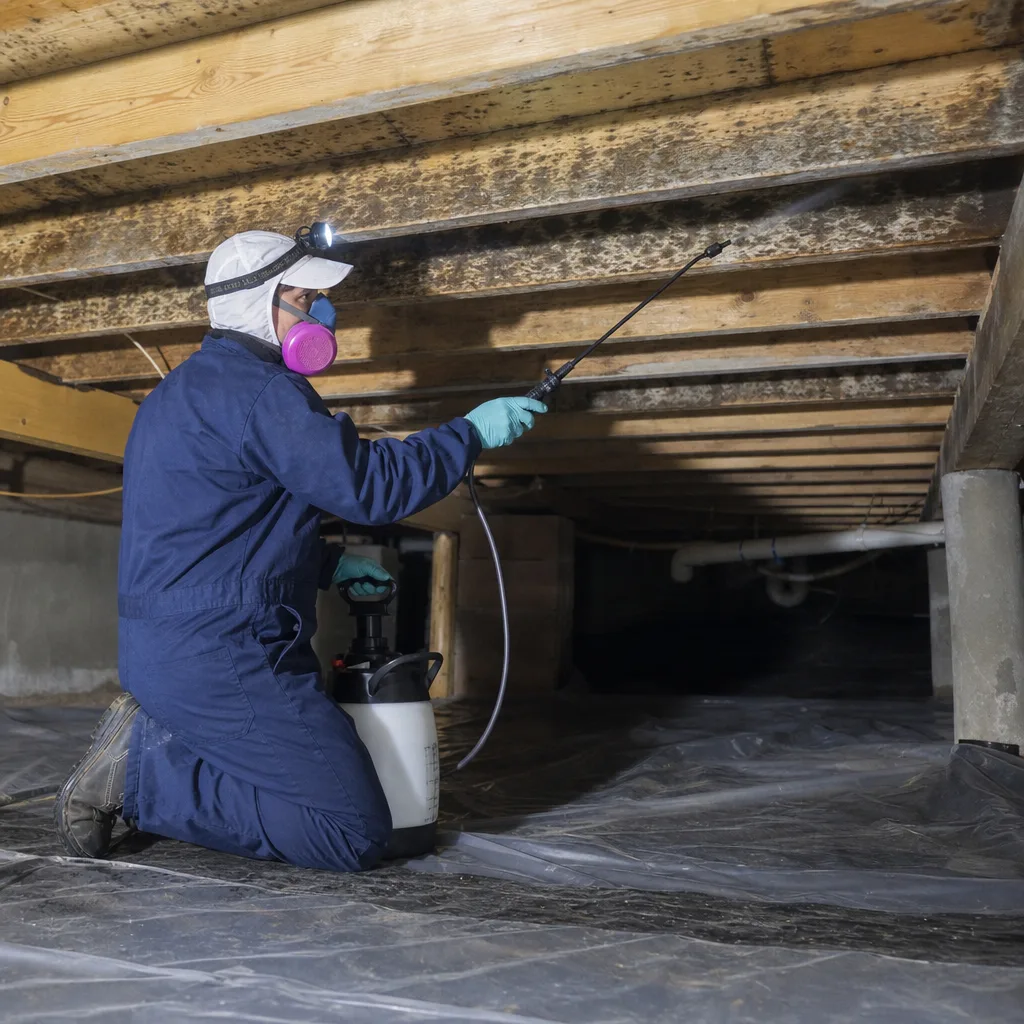
Contents Cleaning & Pack-Out
What can be cleaned is cleaned. What cannot be cleaned is documented for the adjuster, then removed. We pack out contents to a secure facility, run them through our cleaning line, and store them until the structure is ready. For Glendale homeowners with original furniture and decades of photographs, that documentation matters. We photograph everything before it moves.
Emergency Board-Up & Tarping
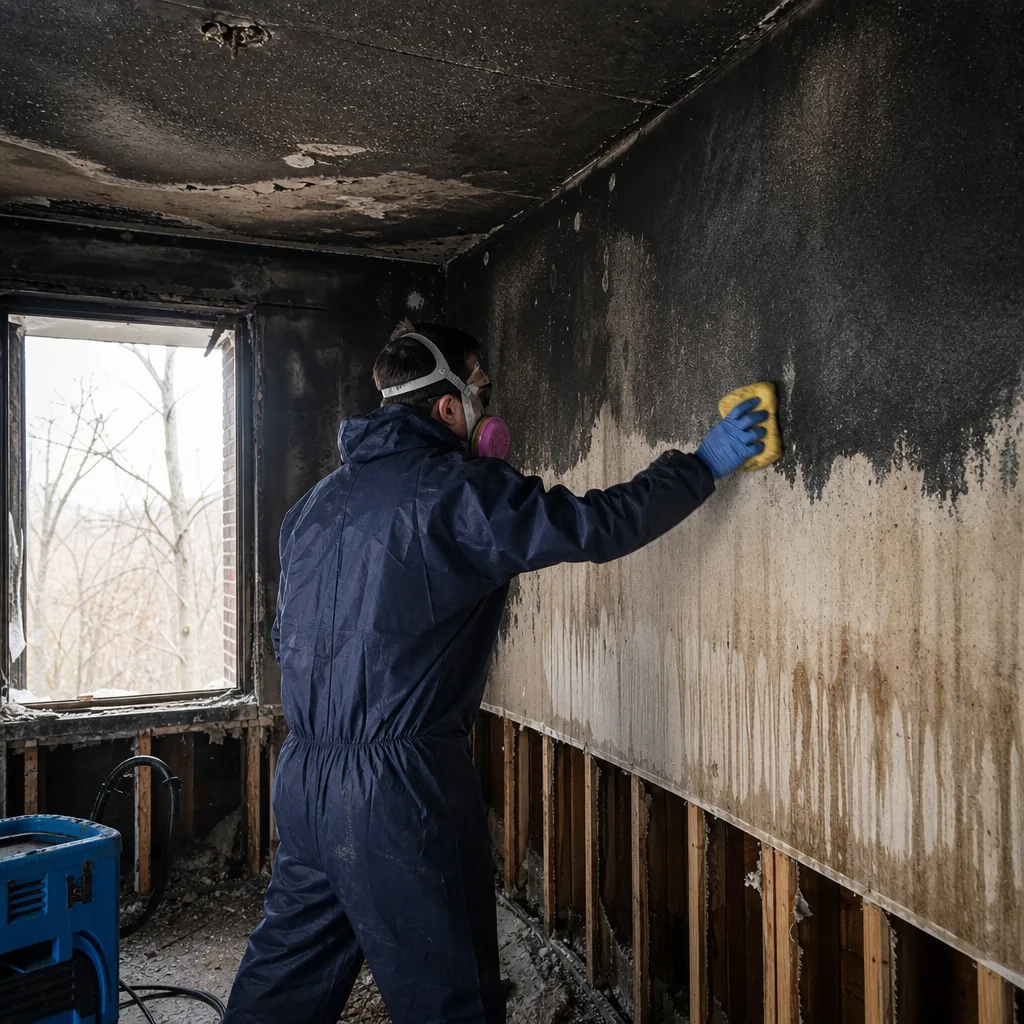
After the fire department leaves, the house is open. Windows are broken, the roof may be vented, and the door is often off its hinges. We board up the opening with plywood and secure the property so no one walks into a burned structure. In Glendale’s attached row houses, we also close any opening between your unit and the neighbor’s, because an unsealed shared attic lets smoke and soot keep off-gassing into their living space all weekend.
Structural Fire Repair
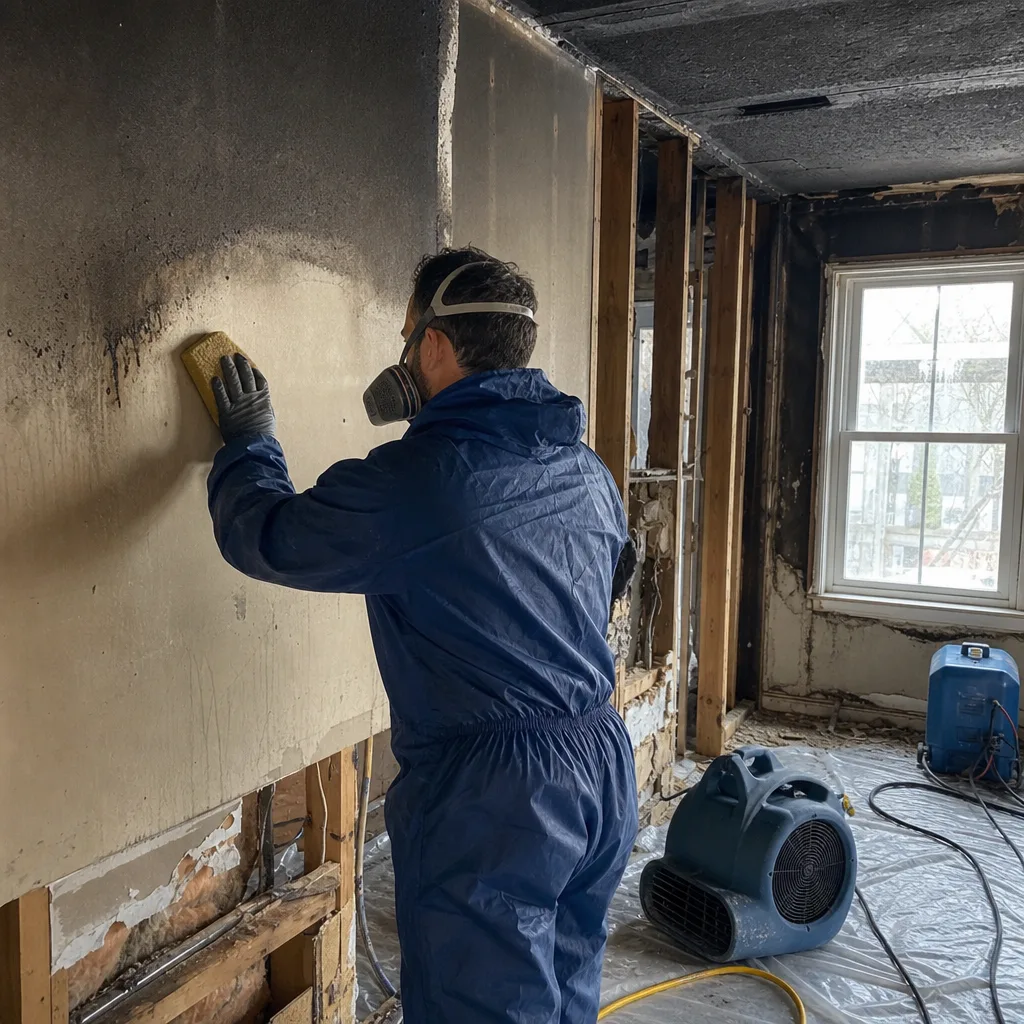
We rebuild what the fire destroyed: floor systems, wall framing, ceilings, stairwells. The 90-Day Done Right Promise applies here like everywhere else. If the work is not done right, we make it right, in writing, with no argument. That is the standard for a home you plan to stay in for another twenty years.
What happens when you call
- 1
A real person answersNo phone trees - you reach a local pro.
- 2
You get an upfront price rangeHonest numbers before anyone is dispatched.
- 3
A background-checked tech heads outLicensed & insured, dispatched right away.
- 4
You approve before work beginsNothing starts until you say go.
Fire & Smoke Damage Restoration Costs in Glendale, NY
Fire restoration costs in Glendale run higher than the Long Island suburbs, mostly because of the housing stock. A straightforward smoke and soot cleanup in a single room starts around $1,200 to $2,800. Full odor removal with thermal fogging and HEPA air scrubbing across a two-family row house typically runs $4,000 to $9,000. Emergency board-up and tarping runs $400 to $900 depending on the number of openings. A full gut and rebuild of a fire-damaged kitchen in a 1930s Glendale home with original trim and asbestos abatement on the pipe insulation can run from $35,000 to $70,000. If the fire crossed a party wall and the neighbor’s carrier is involved, the combined claim usually lands between $50,000 and $120,000 because both units are in scope. The free visual inspection gives you a firm number before anything begins. Call (363) 999-0829 and we’ll walk the damage with you.
We Also Serve Cities Near Glendale
Our crews regularly work in Elmhurst, Corona, Forest Hills, and Jackson Heights. Many of those homes share the same pre-war construction and the same party-wall issues as Glendale, which means the same documentation standards and the same crew.
Serving Glendale, NY - Our Local Coverage Area
We’re based in the Glendale area and know this community well. Use the map below to see our service coverage - if you’re nearby, we can almost certainly help.
Glendale Fire & Smoke Damage Restoration Questions, Answered
How do you handle smoke damage that has crossed into my Glendale neighbor’s attached row house?
We treat it as part of the same loss. We document the shared wall with thermal imaging and moisture mapping, then set containment and run HEPA air scrubbers on both sides. Before structural work begins, both owners and both insurance adjusters sign the scope of work for the common wall. The neighbor’s unit does not get cleaned halfway. Call (363) 999-0829 and we’ll coordinate the two-owner authorization directly.
Do I need a DOB permit for fire damage restoration in a Glendale two-family house?
Yes, when structural work crosses the lot line or the shared party wall. NYC Department of Buildings permits are required for demolition, structural framing, and any work that affects the fire separation between units. We pull the permits ourselves and coordinate with the DOB, because a job without a permit in place becomes a stop-work order and a stalled claim. Call (363) 999-0829 for a free inspection and a permit read on your specific fire.
What does asbestos have to do with my fire damage claim in a 1930s Glendale home?
Most pre-WWII Glendale homes have original pipe insulation and flooring that contains asbestos. Fire and firefighting water disturb those materials, which triggers mandatory asbestos abatement under NYC and NYS Department of Environmental Labor rules before standard demolition or drywall work can proceed. We include abatement and disposal in the scope and in the insurance claim. It is not an add-on. Call (363) 999-0829 to talk through what your home likely has.
Can you dry out a finished basement in Glendale that has both fire and black water damage?
Yes. It is a two-loss job: the fire damage plus category 3 water contamination from the firefight or a sewer surcharge. We run Dri-Eaz dehumidifiers and air movers on the structure, install containment, treat the black water as a biohazard, and log every reading daily until the dry standard is met. The antimicrobial treatment and NYC DEP documentation go into the same claim package. Call (363) 999-0829 for an assessment.
How fast can you secure a fire-damaged row house in Glendale so the neighbor isn’t exposed?
Board-up and tarping happens on the first visit, often within 45 minutes of the call. We close every opening between your unit and the attached neighbor, including the shared attic and the party wall if the fire reached it. The neighbor is not left with smoke off-gassing into their living space over the weekend. Call (363) 999-0829 and a live dispatcher sends the crew now.
How long does fire and smoke restoration take in a Glendale row house?
A smoke-only cleanup in one unit often takes three to seven days. A fire that crossed a party wall, triggered asbestos abatement, and requires structural repair typically runs four to eight weeks. The drying phase alone adds time when firefighting water soaked a finished basement with original concrete. We give you a written schedule before work begins. Call (363) 999-0829 for a realistic timeline, not a sales pitch.
Will my insurance cover the neighbor’s fire damage to my attached property?
Usually, yes, if your policy covers fire and the neighbor’s fire is a covered peril under your own dwelling policy. But the claim has to show the damage originated from a covered event and that the shared wall is in your insurable interest. We document everything needed for that proof. Call (363) 999-0829 and we’ll help you open the claim correctly.
What should I do in the first 30 minutes after a fire in my Glendale home?
Get everyone out and call 911 first. Once the fire department has cleared the scene, call (363) 999-0829. Do not walk through the property without respirators, do not turn on the HVAC, and do not wipe soot off walls: wiping pushes it deeper. The sooner we can set containment and air scrubbers, the less damage you are fighting. Call us while the fire department is still on site; we coordinate with them.
Written by Curt Bowman, Owner at Floodline Restoration Co., serving Glendale since we founded the company in 2010.