
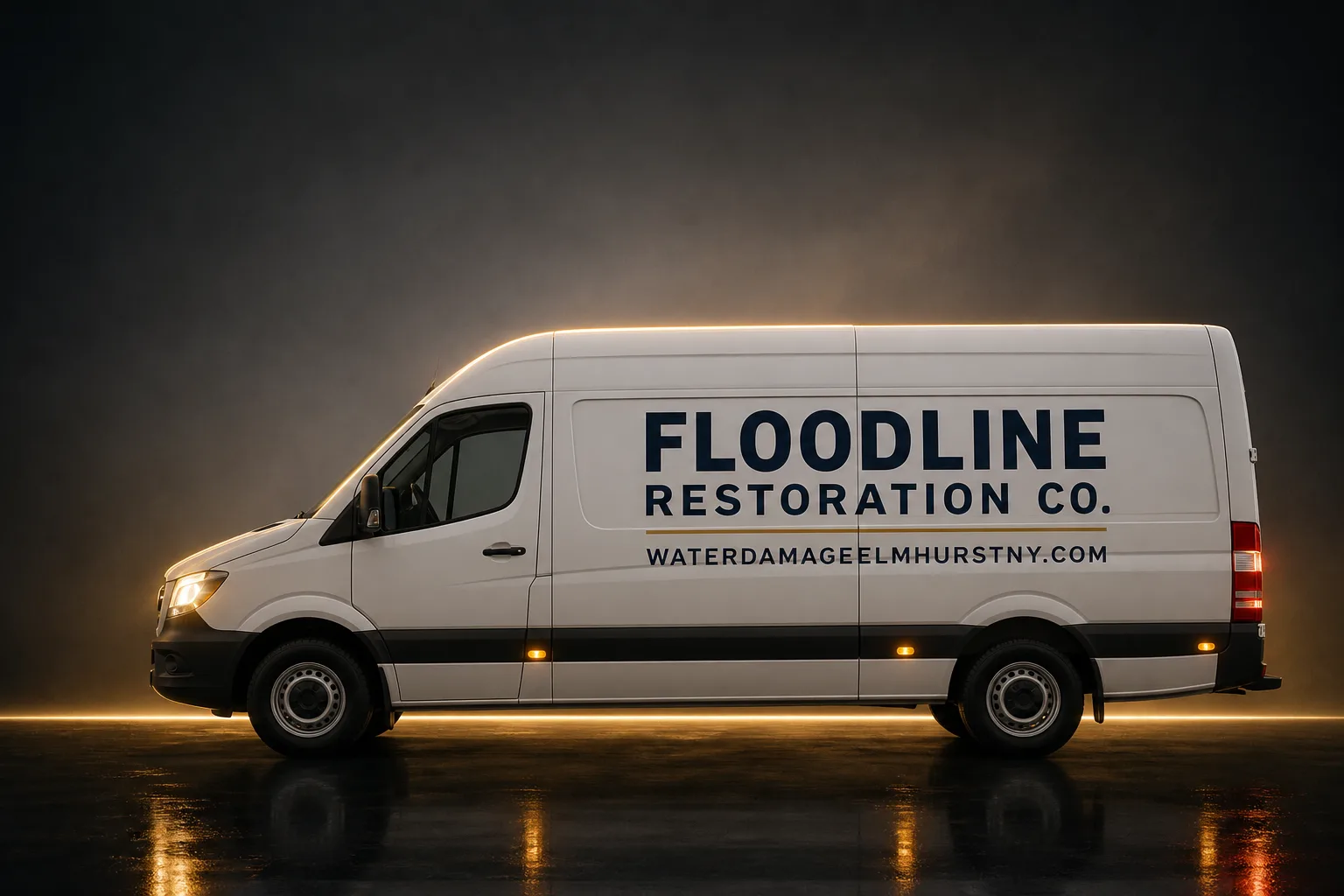
Free visual inspection and a written scope of work before any mitigation begins - photos, moisture readings, and drying logs go in your claim file
The scope we write is the scope we bill. Anything new gets shown to you, in writing, before we touch it.
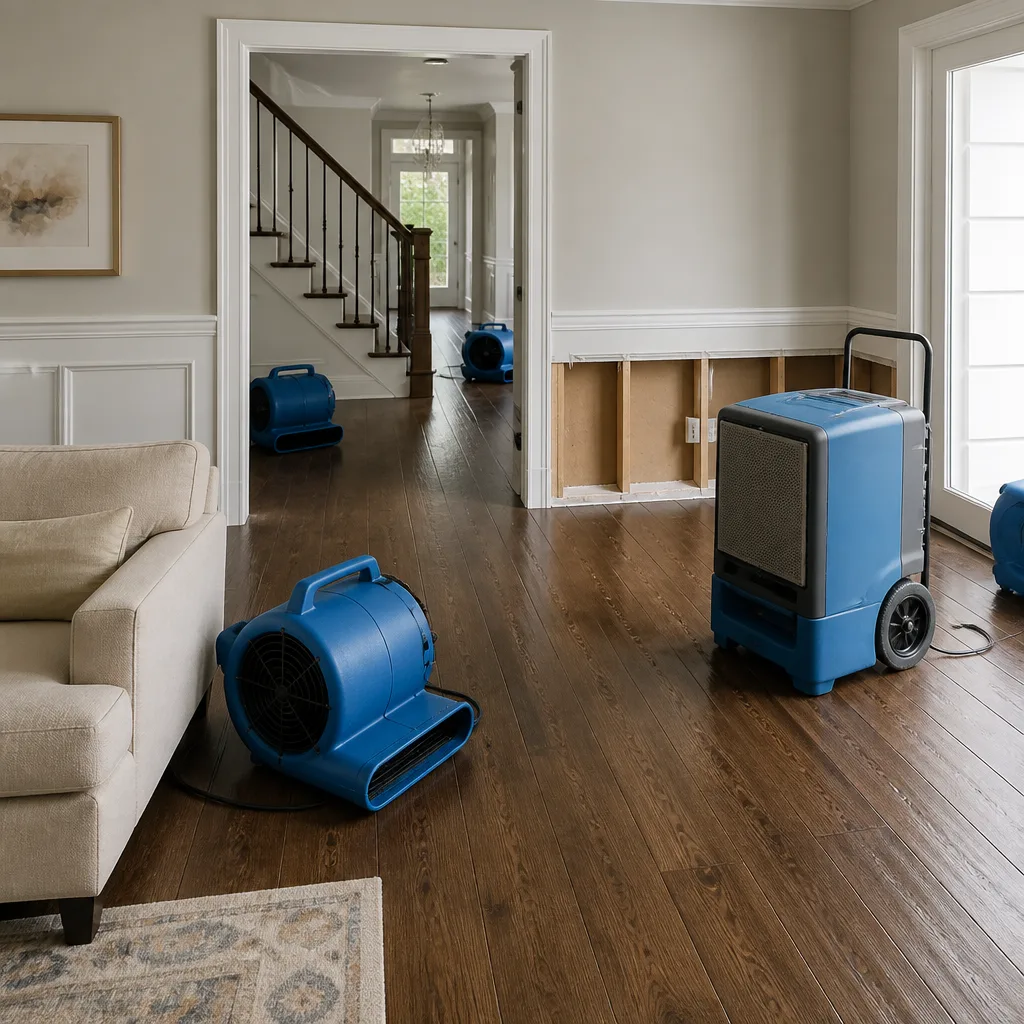
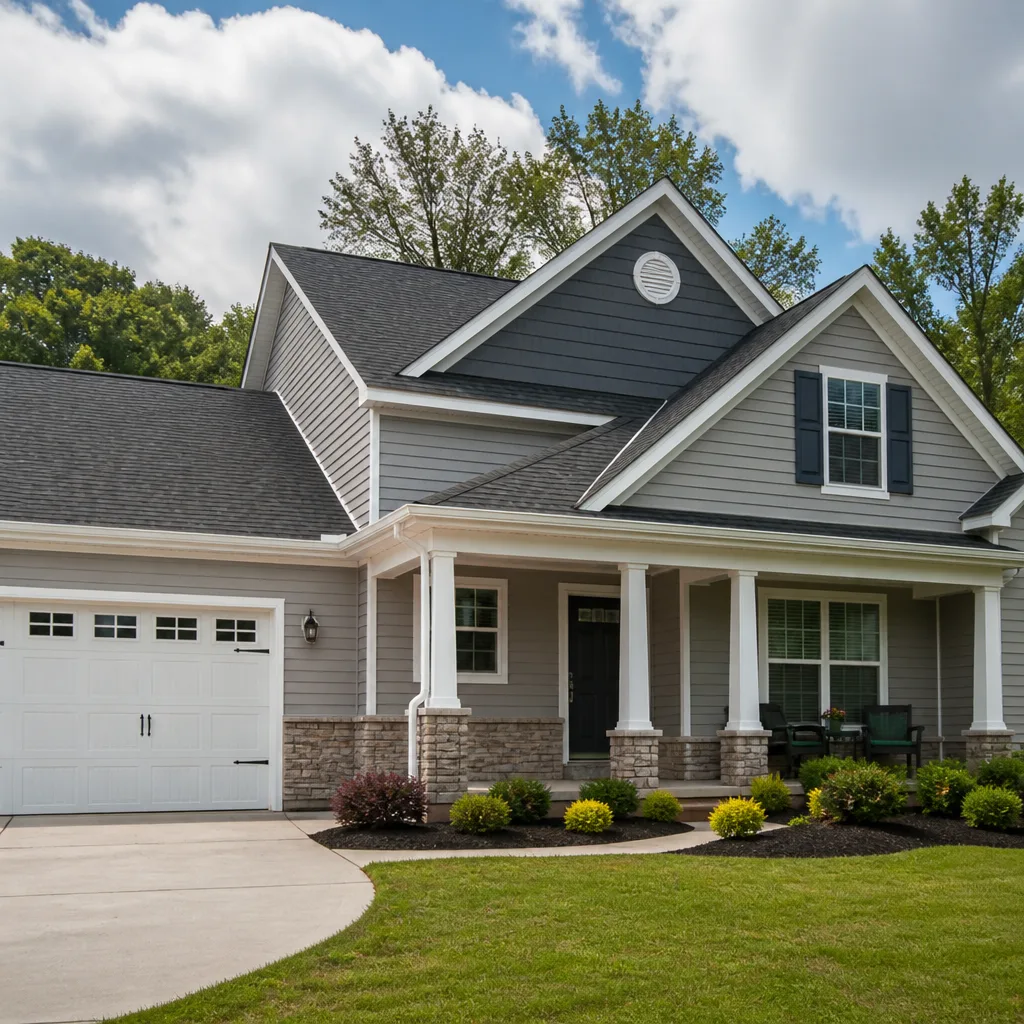
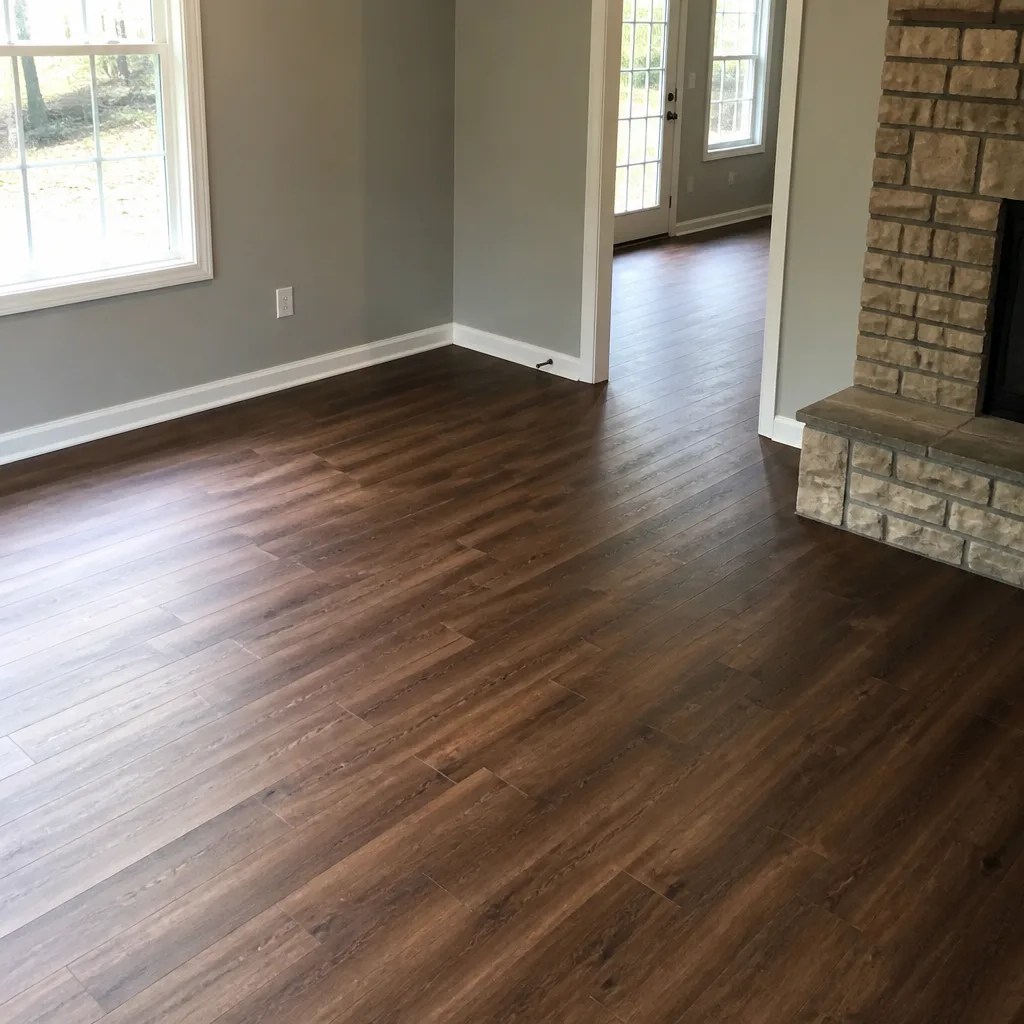
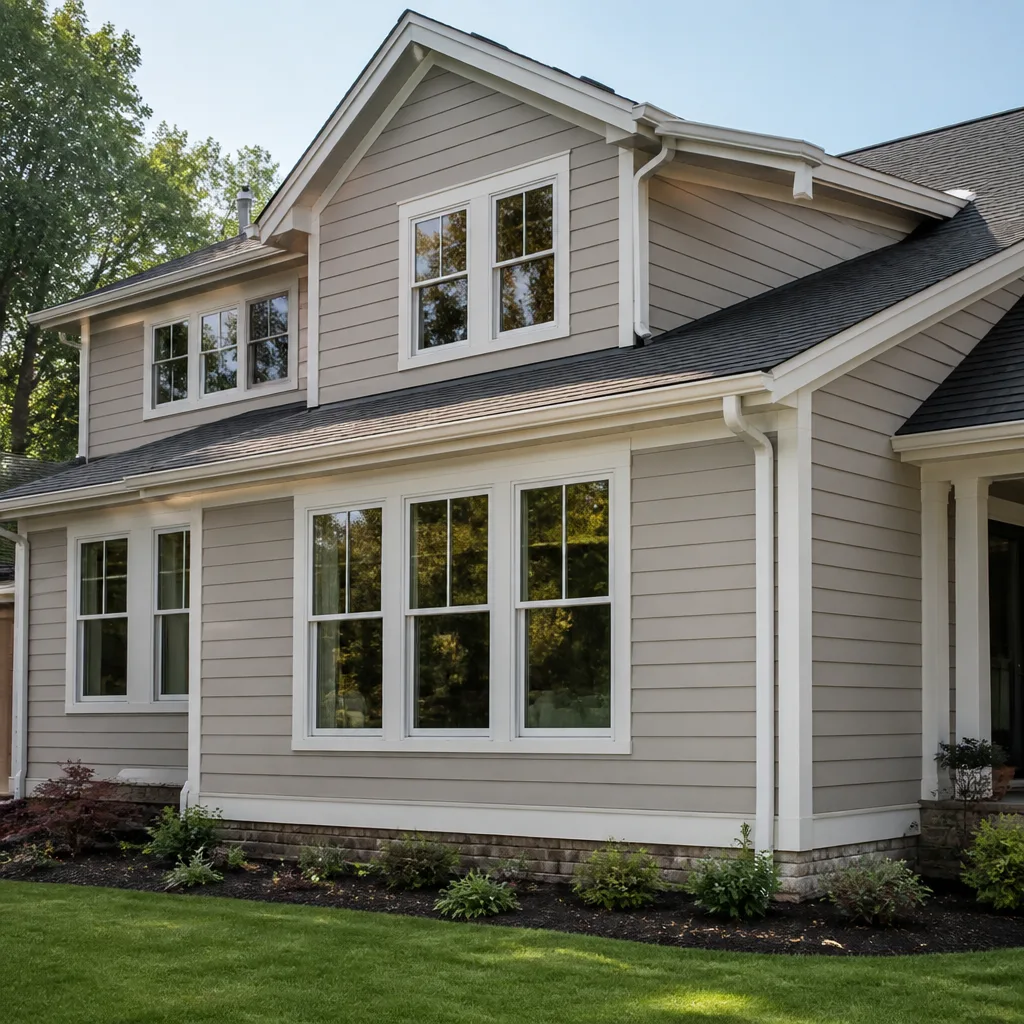
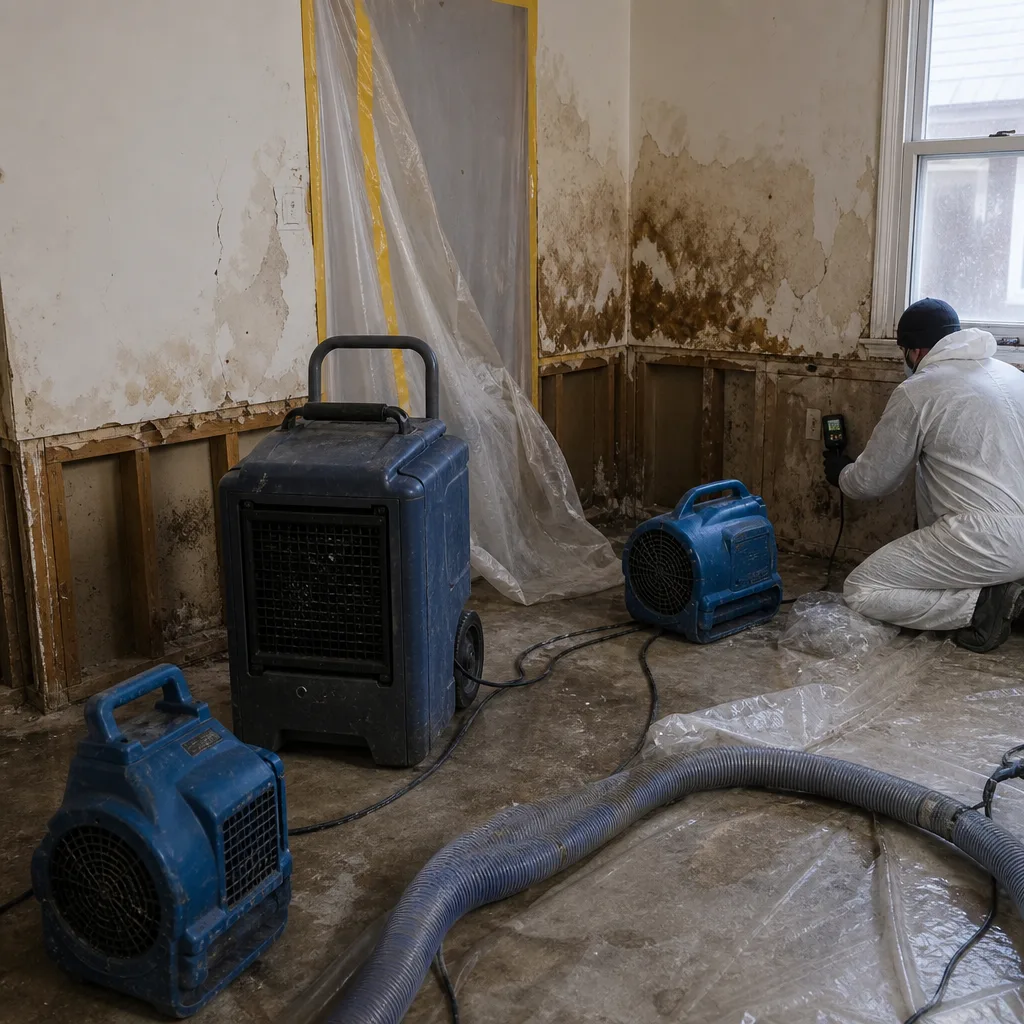 Before
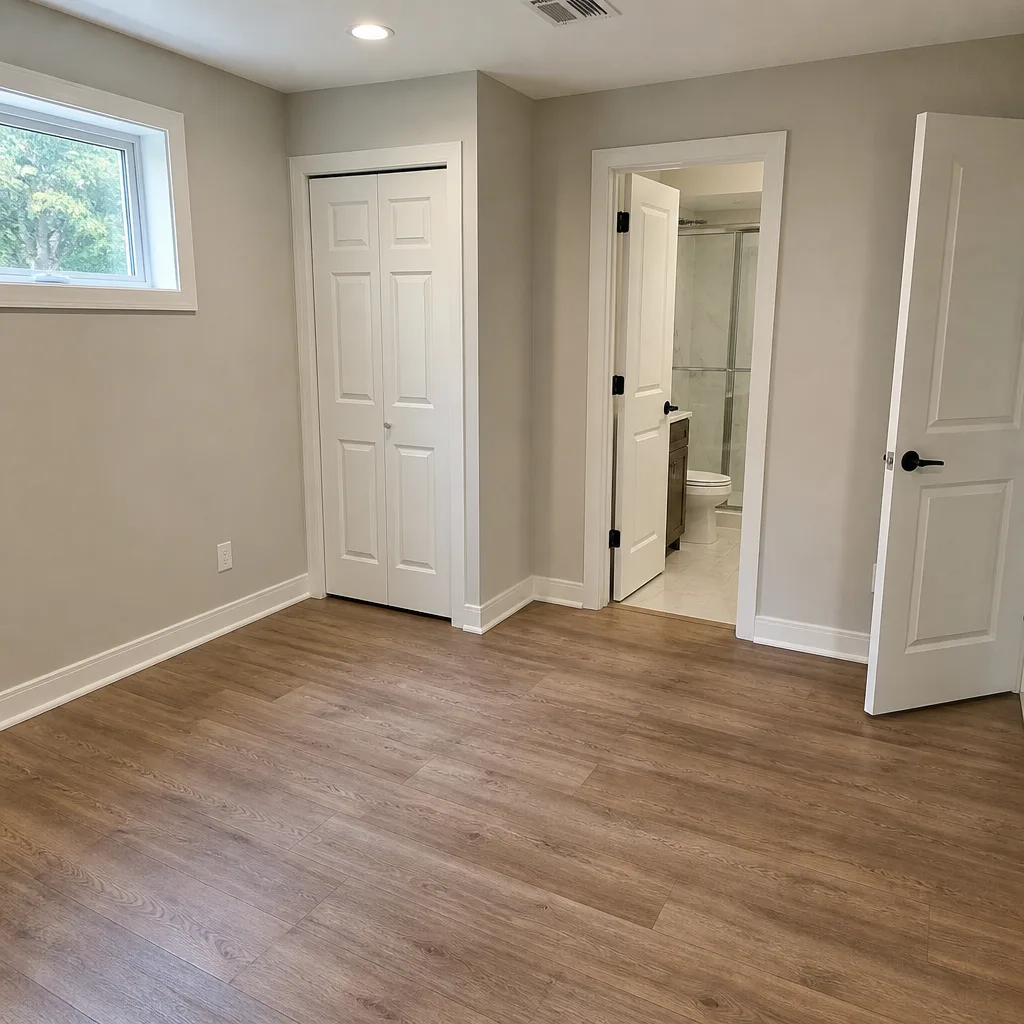 After
After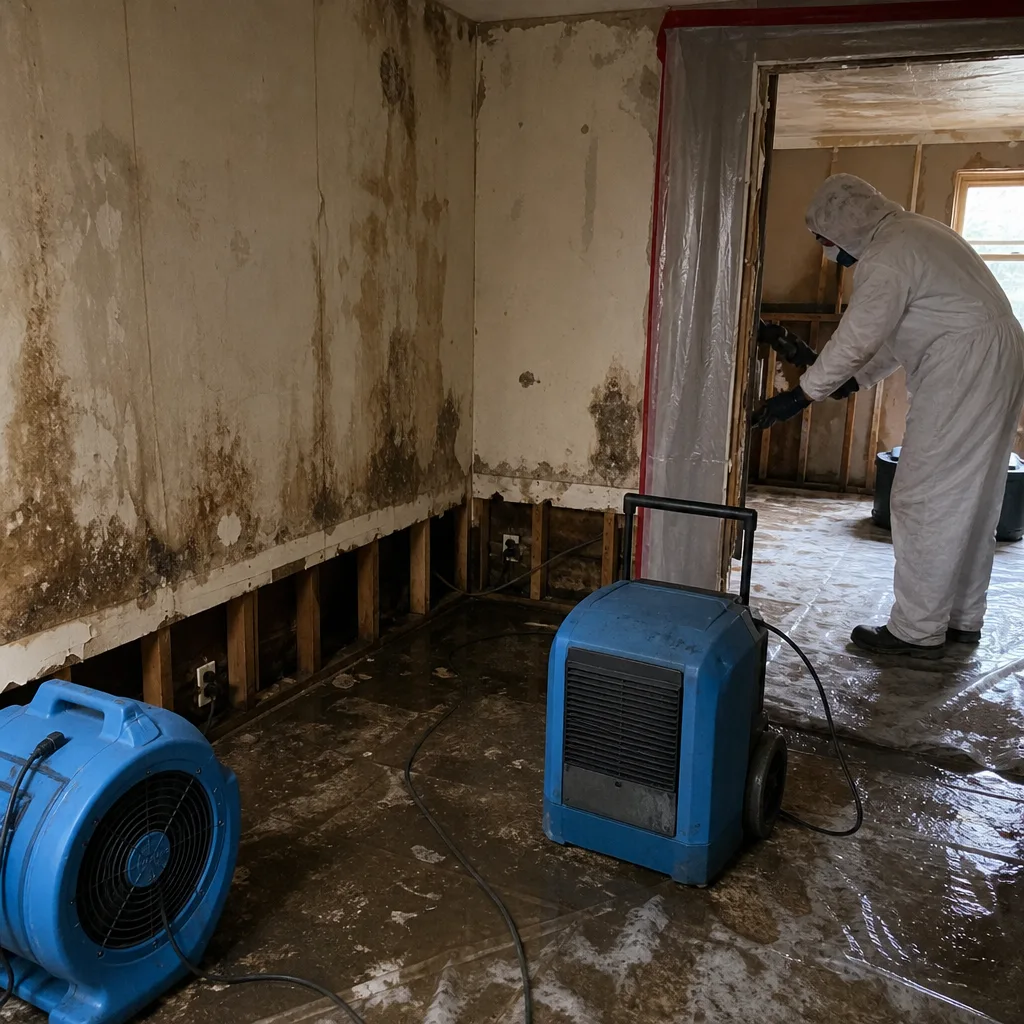 Before
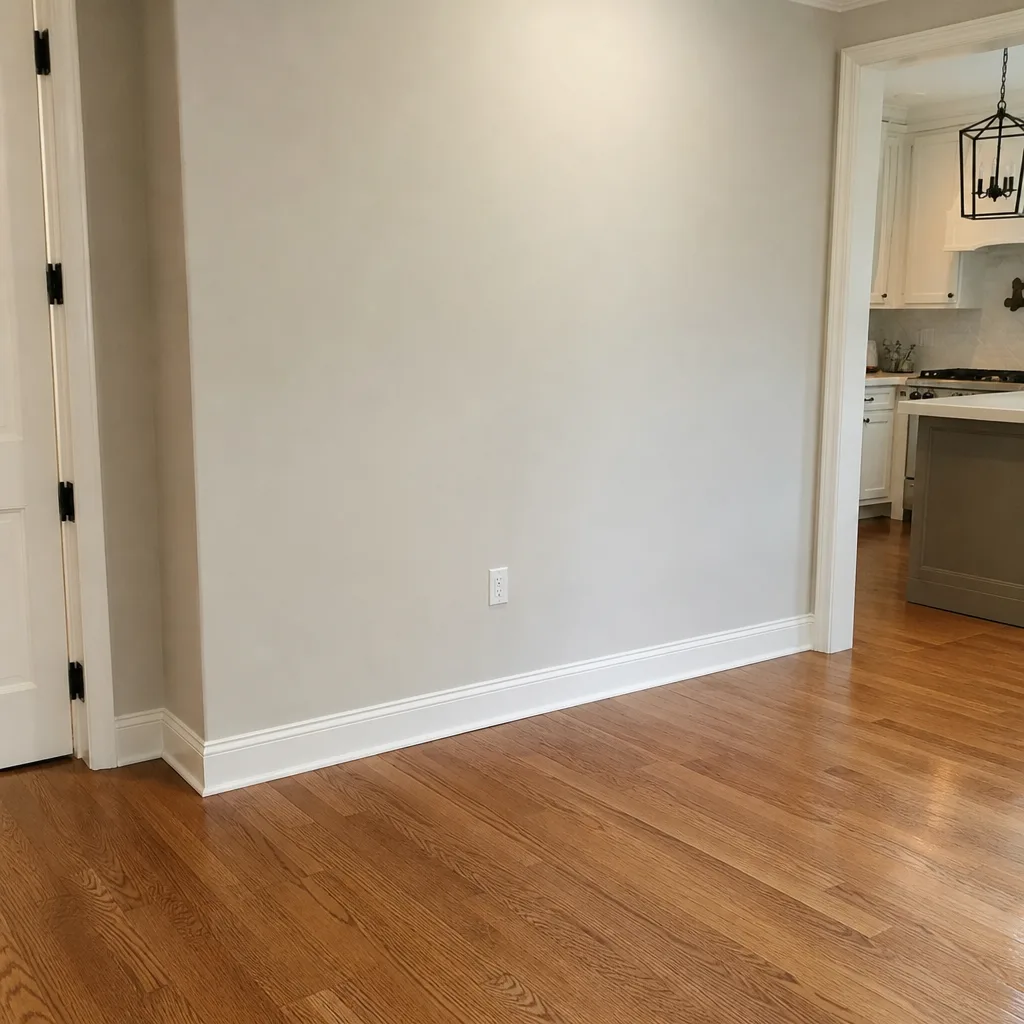 After
After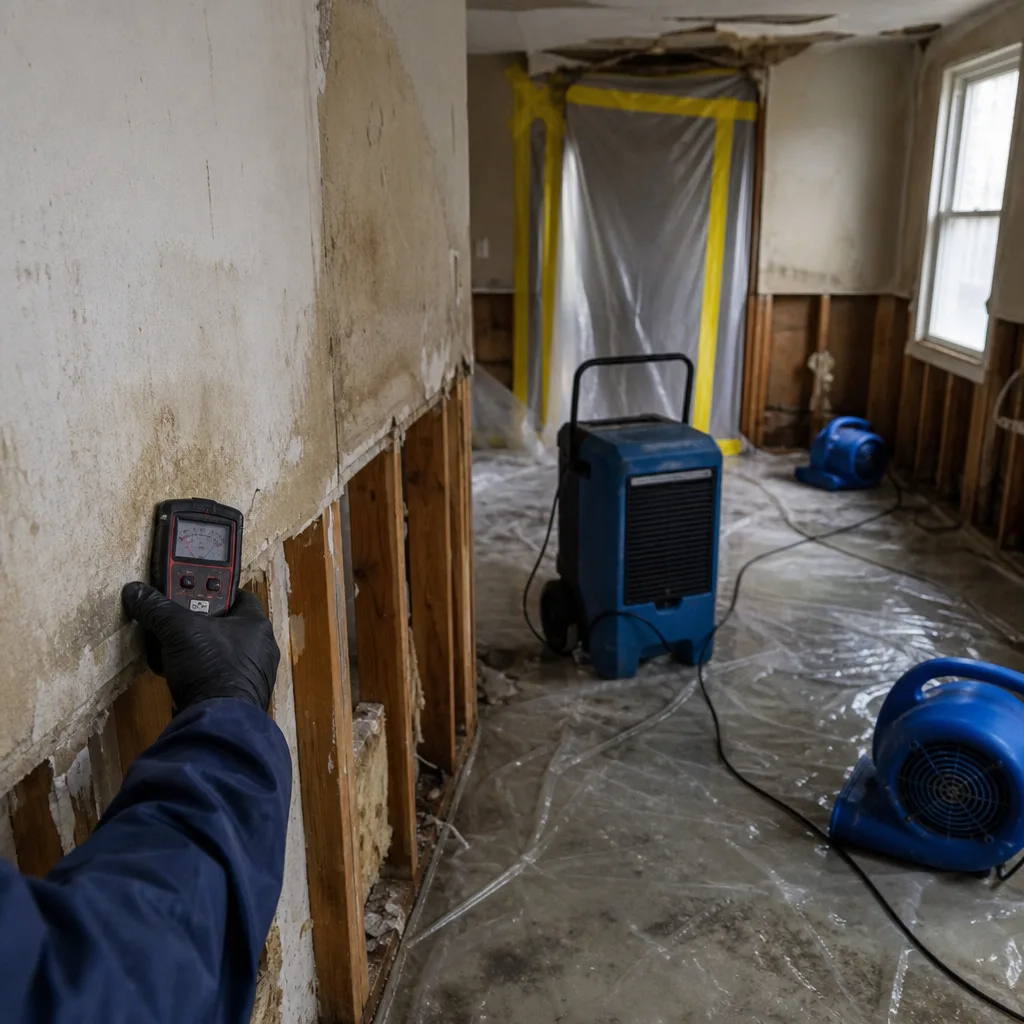 Before
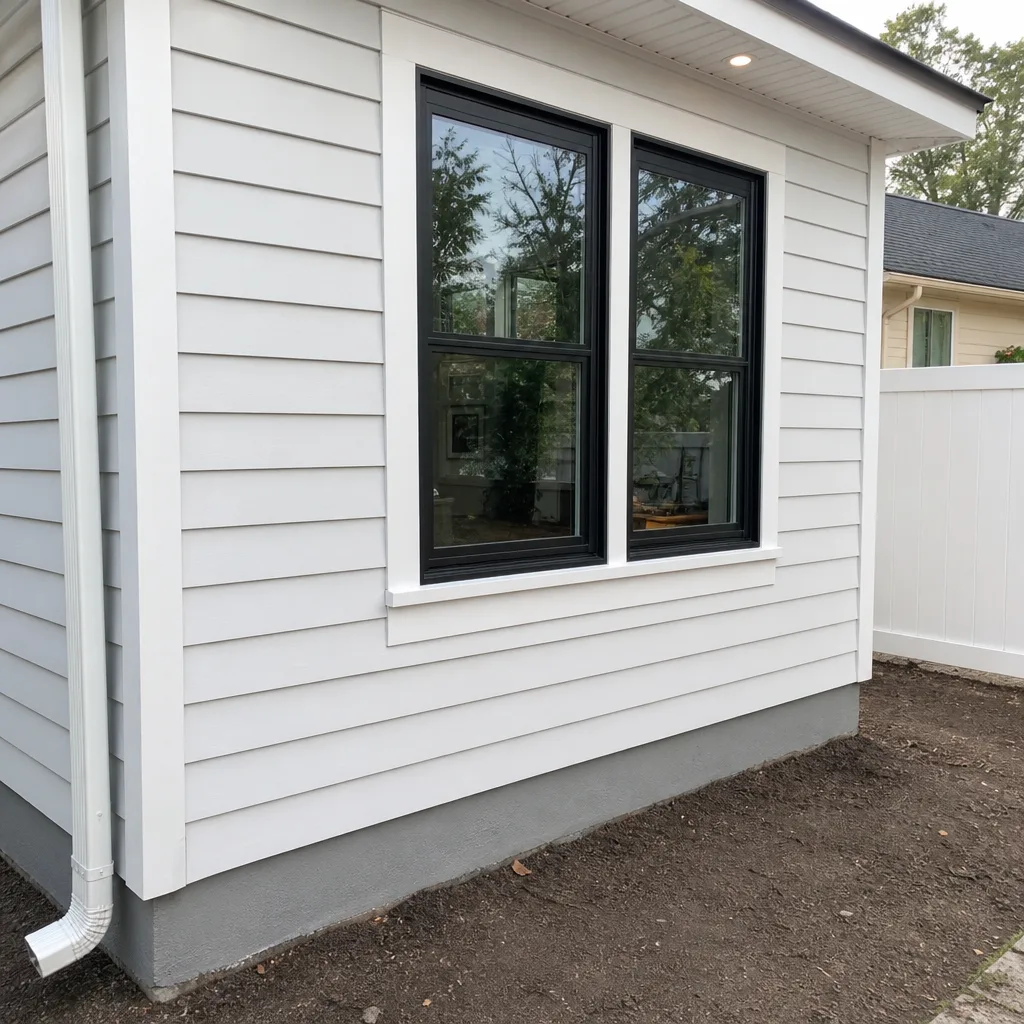 After
After24/7 Emergency Mold Remediation in Corona
Mold remediation in Corona, NY typically costs between $1,800 and $6,500 depending on how far the contamination has spread and whether sewage-contaminated water started the problem. Most jobs we handle in Corona begin with a free visual inspection, and crews can be on site the same day you call. The first hour matters because mold colonies double every 24 to 48 hours once moisture is present, especially in the warm, humid basement air that sits heavy in Corona’s 1920s-era brick homes during July and August.
If you see black staining on baseboards, smell a musty odor that won’t fade, or had water back up through a floor drain during the last storm, call (363) 999-0829 right now. A live dispatcher answers at all hours. We’ll send a certified crew to your address in Corona, put eyes on the problem, and give you a written scope before any work starts. You won’t get a recording, and you won’t wait until Monday.
This is Mold Remediation done the way it should be done in a neighborhood like Corona: fast, thorough, and backed in writing by our 90-Day Done Right Promise. If it’s not done right, we make it right. No arguing.
Understanding Mold Remediation Severity in Corona Properties
Not every mold job is the same, and the difference usually comes down to water category. Category 1 water is clean, like a burst supply pipe. Category 2 is dirty water, like washing machine overflow or sump pump discharge. Category 3 is the one that defines Corona: water carrying sewage, bacteria, and pathogens from the combined sewer system. When the sewer on Roosevelt Avenue surcharges during a hard rain, the water that pushes into basements along 104th Street, 108th Street, and Junction Boulevard is Category 3 by default. That means mold remediation here rarely starts as a simple drying job. It starts with biohazard containment.
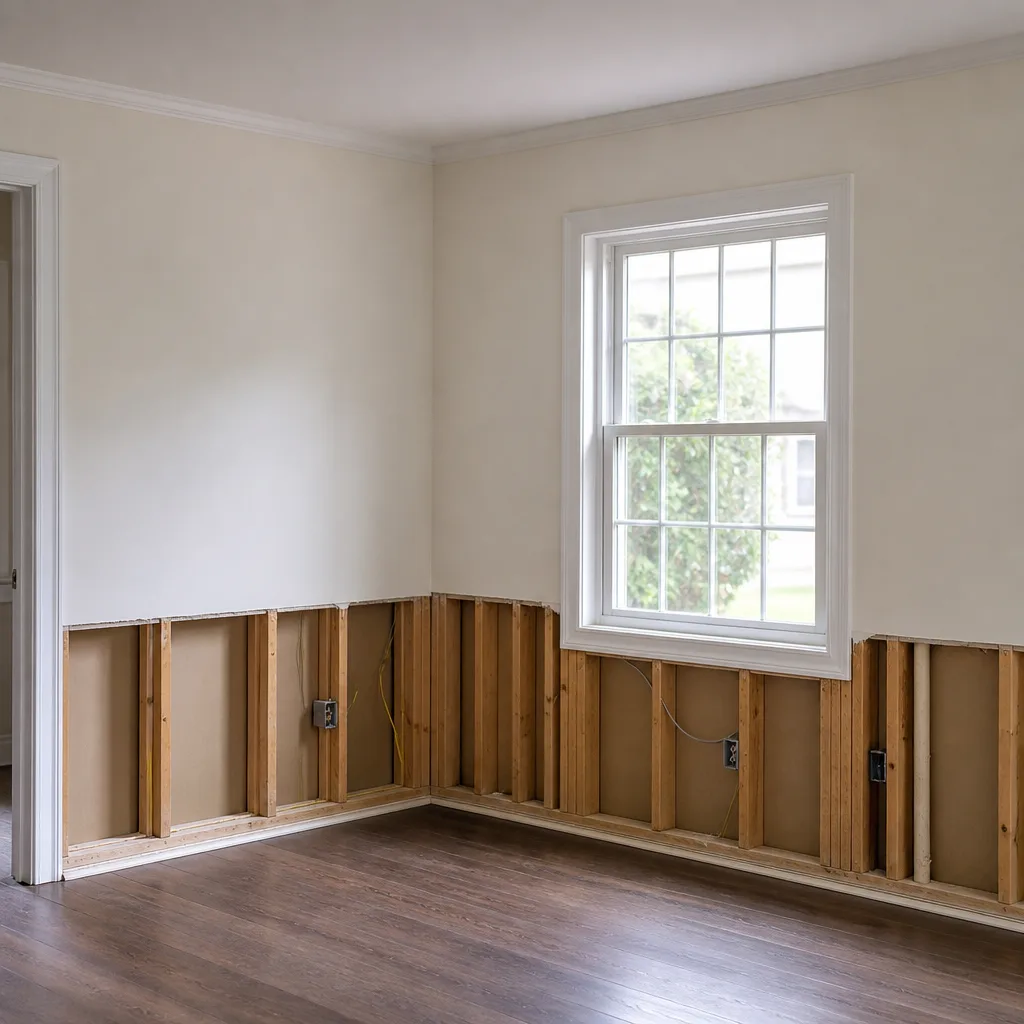
Corona’s housing stock makes the problem more complicated. Most homes are semi-detached or fully attached two-family brick row houses built between 1920 and 1950. Brick wicks moisture. Shared party walls wick moisture. A damp basement in one unit feeds humidity into the neighbor’s wall cavity, which is why moisture mapping has to cover more than the visible staining. We regularly find mold colonies behind finished drywall where a previous flood was mopped up but never dried out. The wall looks fine. The framing behind it is saturated. That’s the hidden job.
Mold remediation in these houses requires containment, negative air pressure, HEPA air scrubbing, and controlled demolition of any porous material that can’t be dried. Drywall, insulation, and carpet come out. Hard surfaces get antimicrobial treatment. The air gets scrubbed until particle counts return to normal. And none of that is optional when the source moisture is Category 3.
Why Corona Property Owners Choose Floodline Restoration Co.
- 45-minute response commitment - When you call with active water or visible mold in Corona, we commit to having a crew dispatched within 45 minutes. Not a salesperson. A restoration crew.
- 24/7 live answer, every time - A real person picks up at 2 a.m. on a Sunday. No automated phone tree, no “leave a message.” You tell us what happened, and we move.
- IICRC-certified crews - Our technicians hold certifications in Water Damage Restoration (WRT), Applied Microbial Remediation (AMRT), and Fire & Smoke Restoration (FSRT). They show up uniformed, background-checked, and trained to handle Category 3 water the right way.
- Free visual inspection - We walk the basement, take moisture readings, and show you exactly what we found before you sign anything. If you don’t need full remediation, we’ll say so.
- Direct insurance billing - We bill your carrier directly, and we handle the adjuster communication. You never play messenger between us and the insurance company.
- One team from start to finish - The same crew that sets containment removes the mold, dries the structure, and rebuilds what was torn out. No mid-job handoff, no inherited crew you’ve never met.
Our Mold Remediation Process
Inspection & Assessment
We start with moisture mapping across the affected area, including the party walls that separate attached Corona homes. Thermal imaging and hygrometers help us find hidden saturation behind drywall. We give you a written scope and a firm plan before any demolition starts.
Containment & Stabilization
Because Corona sewer backups carry Category 3 contamination, we set up full containment with 6-mil poly sheeting and establish negative air pressure using HEPA-filtered air scrubbers. This prevents mold spores from spreading into clean rooms and up the stairwell.
Removal & Demolition
Porous materials that have absorbed Category 3 water or show visible mold growth are removed under containment. This includes drywall, insulation, carpet, and any saturated baseboard or trim. We bag and dispose of contaminated material following IICRC protocols.
Cleaning & Antimicrobial Treatment
Structural wood, concrete slabs, and any salvageable hard surfaces get scrubbed and treated with EPA-registered antimicrobial products. The goal is a surface that won’t support regrowth even if future moisture intrusions happen.
Drying & Air Scrubbing
We run professional-grade Dri-Eaz dehumidifiers, Phoenix axial air movers, and XPOWER ventilation equipment until moisture readings on all surfaces fall below the dry standard. Daily readings are logged and shared with you and your insurer. HEPA air scrubbers run continuously during this phase to clear airborne spores.
Repairs & Restoration
Once the structure is dry and the air is clean, we rebuild. New drywall, insulation, flooring, and trim as needed. The same crew handles it, so there’s no gap between remediation and reconstruction. Every job carries our 90-Day Done Right Promise in writing.
Need Emergency Mold Remediation in Corona Now?
Crews minutes away, answering live 24 hours a day. The sooner we start, the less it costs.
Working With Your Insurance Company
If a sewer backup or storm flood started the mold problem, your homeowner’s policy or a flood rider may cover remediation. The key is documentation from the first hour. We photograph every affected surface before demolition starts. We log moisture readings daily. We write a line-item scope of work your adjuster can review without guesswork. And we speak to the carrier directly, so you’re not stuck relaying questions between a claims office and a restoration crew.
Insurance adjusters respond faster when they see industry-standard documentation. That’s what we hand them: containment logs, drying charts, photo packets, and a scope built on IICRC drying standards. If your claim is denied or partially covered, we’ll tell you what we found and what it costs to fix. You decide from there. No pressure, no upsell.
What We Provide Your Insurer
- Thorough documentation of the loss
- Photos of all damage, room by room
- Moisture readings and drying logs
- A detailed, line-item scope of work
- Direct coordination with your carrier
Built for Corona’s Loss Calendar
Corona has a mold calendar, whether you realize it or not. The pattern repeats year after year.
In winter, January deep freezes can burst supply lines in uninsulated basement walls, especially in those 1920s brick houses where the original galvanized piping is still in place. The freeze releases clean water. The problem is that clean water sits for days in a dark, warm basement before the homeowner finds it. By March, what started as a plumbing fix is a mold job.
Spring brings the thaw and the first heavy rains. Corona’s combined sewer system, built for a smaller city, backs up into basement apartments near Flushing Meadows-Corona Park, where the elevation is lowest. June through September delivers the afternoon thunderstorms that leave standing water on streets like 37th Avenue and Northern Boulevard while the drains catch up. If water pushes through a floor drain, a below-grade window, or a cracked foundation wall, the moisture is Category 3. Mold starts inside 24 to 36 hours.
Nor’easters in October and November can do the same thing at a larger scale. We respond to more basement microbial contamination calls from Corona between March and November than any other stretch of the year. The pattern is predictable. So is the right response. Fast extraction, full containment, complete drying, and air quality verification before anyone moves back in.
Mold Remediation Across Corona’s Neighborhoods
Corona stretches from Flushing Meadows-Corona Park on its east edge to the Elmhurst border, and from Roosevelt Avenue down to the Long Island Expressway. The older brick row houses clustered around 104th Street and 108th Street are the ones we’re in most often. These are attached homes, sharing side walls, sharing drain lines, sharing humidity. A wet basement on one side of the party wall nearly always means elevated moisture on the other side.
The blocks near Junction Boulevard and Roosevelt Avenue carry the heaviest traffic and the oldest sewer infrastructure. When the combined sewer surcharges, the basements here back up first because the lines are deepest and most overloaded. Homes around the south end of Flushing Meadows-Corona Park, near 45th Avenue and 111th Street, sit on some of the lowest terrain in the neighborhood, so standing water after summer thunderstorms is common. We’ve worked mold jobs within sight of the park’s famous Unisphere, where lawn-level runoff finds its way toward foundations.
Up near Northern Boulevard, the building stock shifts slightly newer, but basements remain common, and basement apartments even more so. Converted units under the main floors are everywhere in Corona, below grade, with limited ventilation, and chronically damp from late spring through early fall. If a unit smells musty, the mold is already there. It’s just a question of how deep it goes.
Specialized Mold Remediation Services We Offer in Corona
Black Mold Remediation
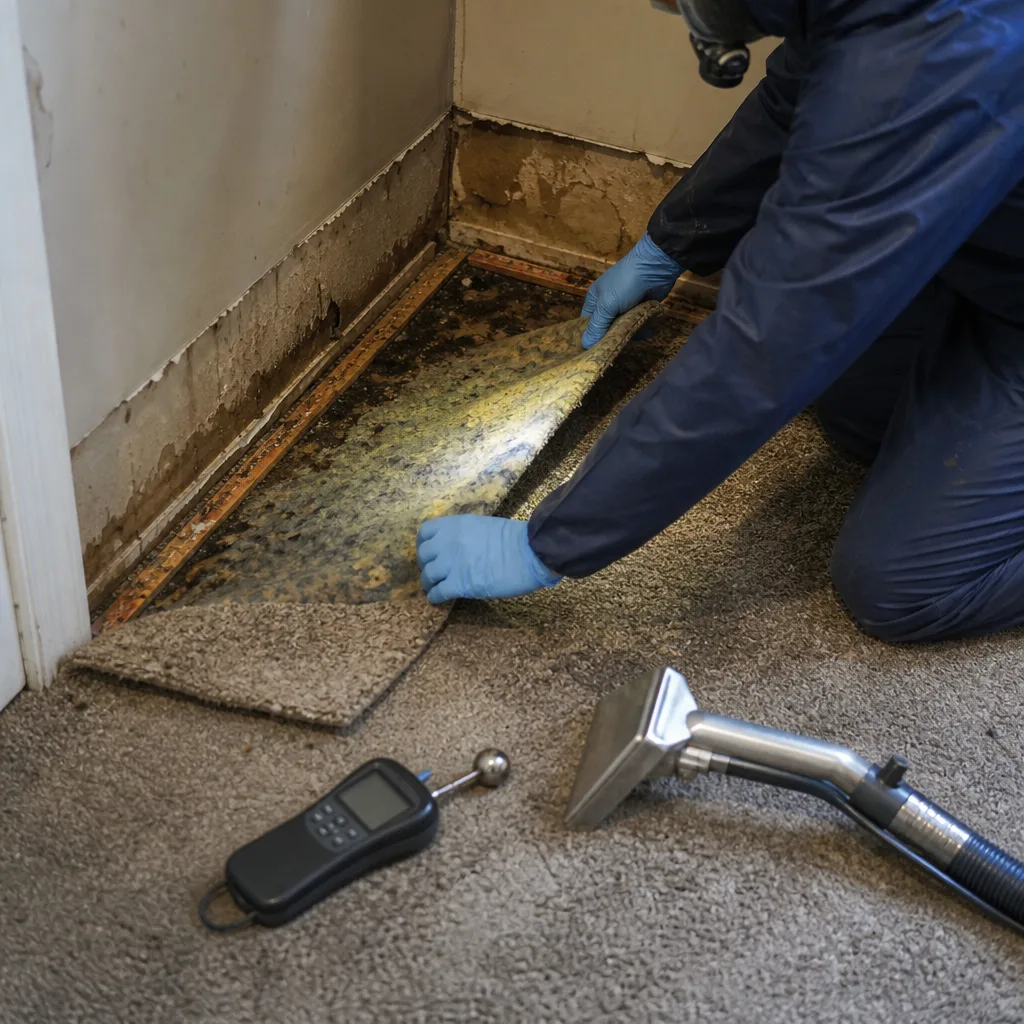
Black mold, or stachybotrys, grows on materials that have been wet for extended periods, especially drywall, paper-backed insulation, and any ceiling tile that’s absorbed water. In Corona, we find it most often in basements that flooded weeks before the homeowner called. Remediation requires full containment, negative air, and careful removal of the contaminated material. Surface spray doesn’t solve it. Pulling the wet material out does.
Moisture & Humidity Control
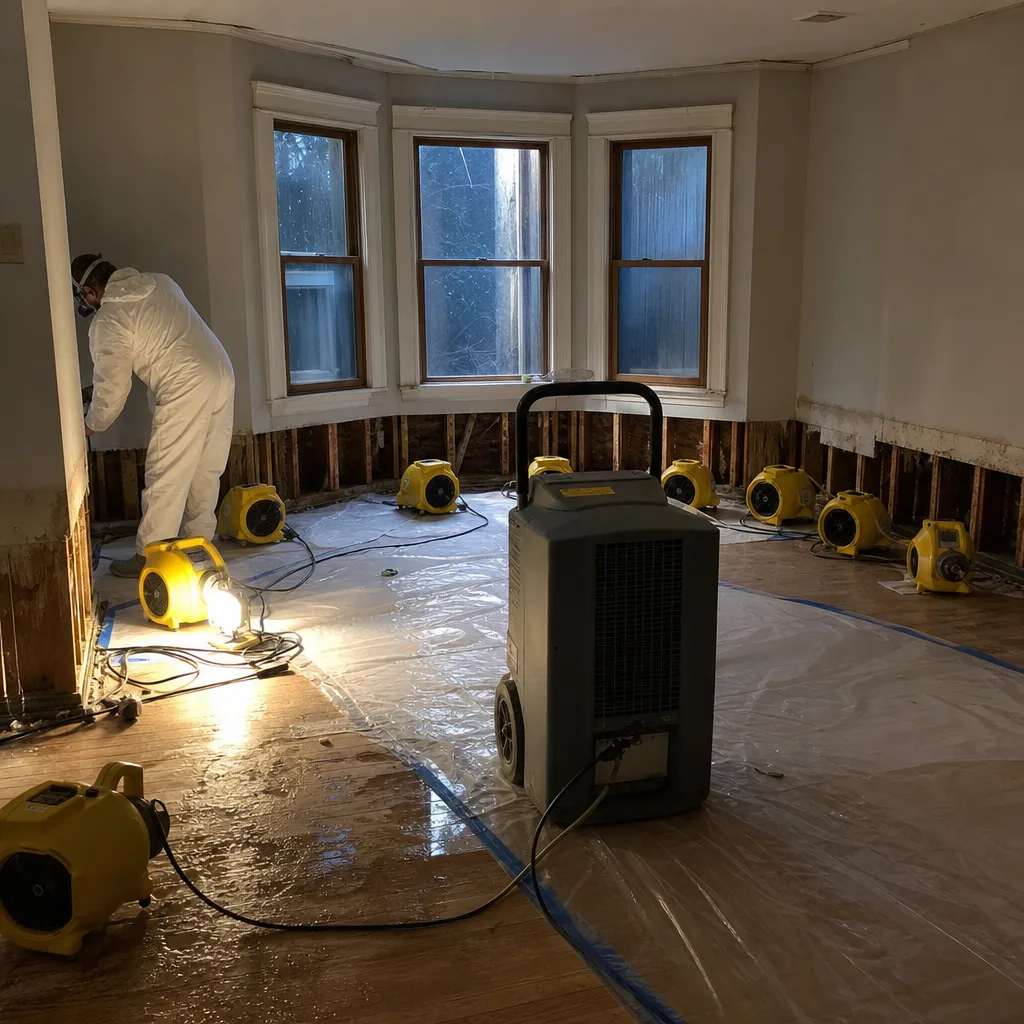
Basement air in Corona’s brick homes sits humid all summer. If you’re running a dehumidifier and still smelling earth, the moisture source is probably structural. We can identify it with moisture mapping, then recommend real fixes: perimeter drainage, sump pump installation, vapor barriers, or ventilation. Mold remediation that doesn’t address the ongoing moisture source is a temporary fix.
Air Quality Restoration
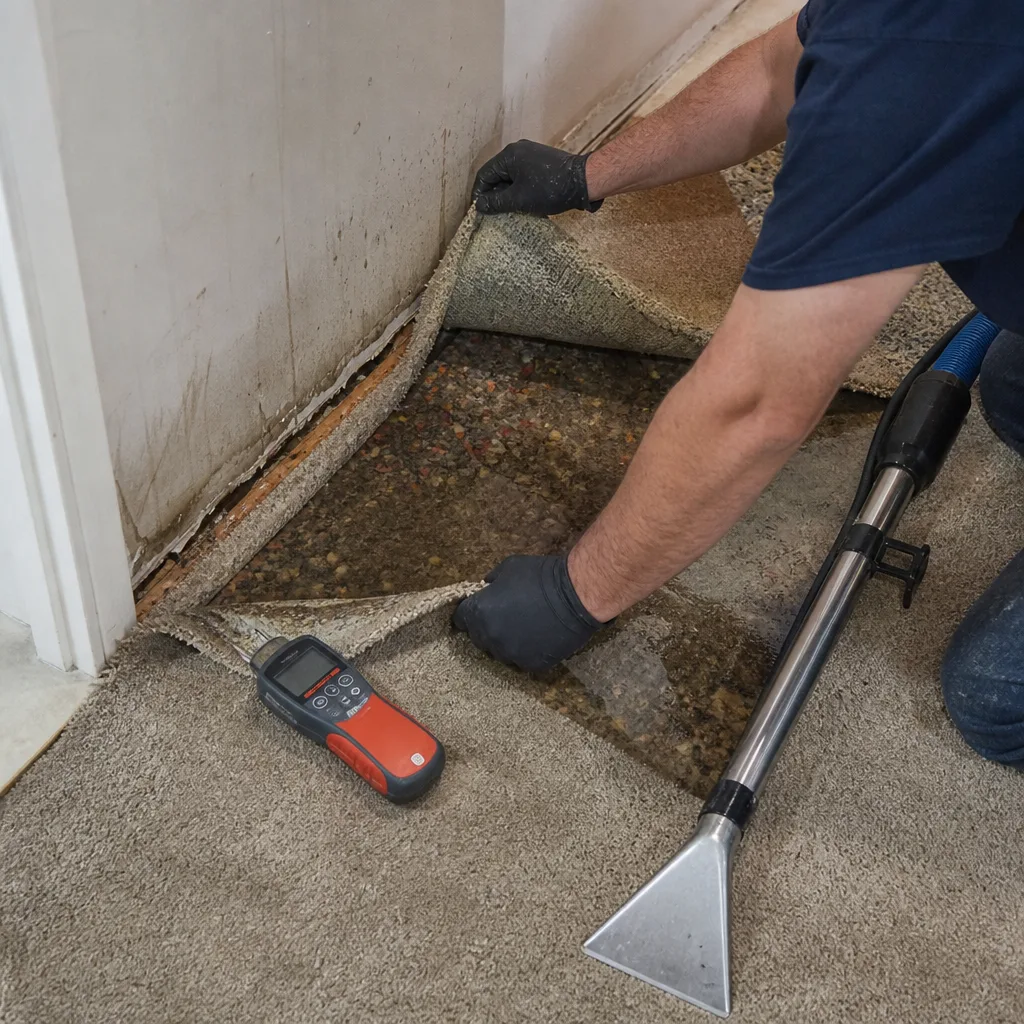
After mold removal and structural drying, we run professional HEPA air scrubbers until the airborne particle count matches outdoor levels. We can also perform post-remediation verification testing if you need documentation before renting a basement unit to a new tenant. The air should be safe to breathe. We test it, log the numbers, and hand you the record.
What happens when you call
- 1
A real person answersNo phone trees - you reach a local pro.
- 2
You get an upfront price rangeHonest numbers before anyone is dispatched.
- 3
A background-checked tech heads outLicensed & insured, dispatched right away.
- 4
You approve before work beginsNothing starts until you say go.
Mold Remediation Costs in Corona, NY
A small, contained mold problem, like a bathroom ceiling or a single closet, typically runs $1,800 to $3,200 in Corona. A full basement with drywall removal, containment, and air scrubbing runs $4,000 to $6,500. Jobs that involve structural drying lasting more than four days, or rebuild work on top of remediation, can go higher. The free visual inspection tells you exactly where your job falls.
What moves the price? The size of the affected area, the water category, whether the ceiling or drywall has to come out, and whether asbestos tile or pipe insulation needs licensed abatement before remediation can proceed. We walk you through every line before work begins, in writing, so there are no surprises on the bill. Insurance may cover part or all of it, depending on your policy. Call (363) 999-0829 for a free inspection and a straight answer on cost.
We Also Serve Cities Near Corona
If you live in Elmhurst, Jackson Heights, Flushing, or East Elmhurst, we handle mold remediation there too. Same-day dispatch, same live 24/7 phone answer, same written guarantee. Call (363) 999-0829 from anywhere in northern Queens and you’ll get a crew, not a call center.
Serving Corona, NY - Our Local Coverage Area
We’re based in the Corona area and know this community well. Use the map below to see our service coverage - if you’re nearby, we can almost certainly help.
Corona Mold Remediation Questions, Answered
If my Corona basement flooded from the sewer during a rainstorm, is the water Category 3 and does that change mold remediation?
Yes. Sewer water is Category 3, which means it contains pathogens and demands full containment, full removal of porous materials, and antimicrobial treatment before drying begins. In Corona, where the combined sewer surcharges regularly, we treat any basement backup as Category 3 by default, even if the water looks clear. Call (363) 999-0829 and we’ll tell you exactly what that means for your basement.
Why do I need moisture mapping and drying logs for my Corona basement mold problem, not just a spray treatment?
Mold grows behind walls and under floors where you can’t see it. Moisture mapping with thermal imaging and pin meters finds those hidden pockets of saturation. Drying logs prove the framing reached the dry standard before we rebuild. A spray treatment without those steps misses the colony behind the drywall. That’s the #1 cause of recurring mold in Corona basements, and it’s why we don’t skip the mapping.
The previous tenant cleaned up a basement flood but never reported it. Now mold is behind the walls. How do you handle that?
This is common in Corona, especially in converted basement apartments where tenants didn’t want to make trouble. We remove the finished drywall under containment, treat the saturated framing behind it, dry the structure fully, and document everything for you. A hidden flood behind walls is a mold factory. We find it, strip it out, and give you a clean, documented surface. Call (363) 999-0829 and we’ll inspect before you rebuild.
My Corona row house has asbestos floor tiles and pipe insulation in the basement. Does that stop you from doing mold remediation?
Asbestos doesn’t stop the job. It just means licensed abatement has to happen before or alongside remediation. Many of Corona’s 1920s and 1930s homes have asbestos materials in the basement. We’ll identify it during inspection, bring in a licensed abatement contractor if needed, and keep the project moving without cutting corners. The mold still comes out. The asbestos gets handled by the book.
After you finish mold remediation in my Corona basement, will the air quality be safe enough to rent the unit again?
Yes. We run HEPA air scrubbers throughout containment and drying, then we perform post-remediation verification to confirm airborne particle counts meet clean-room criteria. You’ll get the documentation. If you’re renting the unit out, that record protects you. If you’re living in it, the air is safe to breathe. That’s what the verification confirms.
How fast can a mold crew actually get to my Corona home?
We commit to dispatch within 45 minutes of your call, day or night. Depending on where you are in Corona, a crew usually arrives within 60 to 90 minutes of that call. The sooner you call, the sooner containment stops the spread. Every hour of delay lets spores migrate further into the house. Call (363) 999-0829 now.
Will my homeowner’s insurance cover mold remediation in Corona?
It depends on your policy and the origin of the water. If the cause was a covered peril, like a burst pipe or a storm-related backup, remediation may be covered. If the water sat for weeks before you called, the carrier may argue neglect. We document from the first hour, work directly with your adjuster, and write scopes that meet insurance standards. You’ll know where you stand before work starts.
What should I do in the first 30 minutes after I find mold in my Corona home?
Stop trying to clean it. Don’t run fans that spread spores. Don’t touch the affected area without gloves and a mask. If there’s standing water, shut off electricity to that area if you can do so safely. Then call (363) 999-0829. A live person answers, and a crew gets moving. The faster we contain it, the smaller the job.
We’ve spent more than a decade working in basements across Corona, Queens, and we’ve seen what Category 3 sewage water does to these old brick homes. One storm can soak a dozen basements on the same block. The line the water left is where we start. Don’t wait for the smell to fade or the stain to spread. Call (363) 999-0829 now. A live person answers, and help is on the way.
Written by Curt Bowman, Owner at Floodline Restoration Co., serving New York City since 2010.