
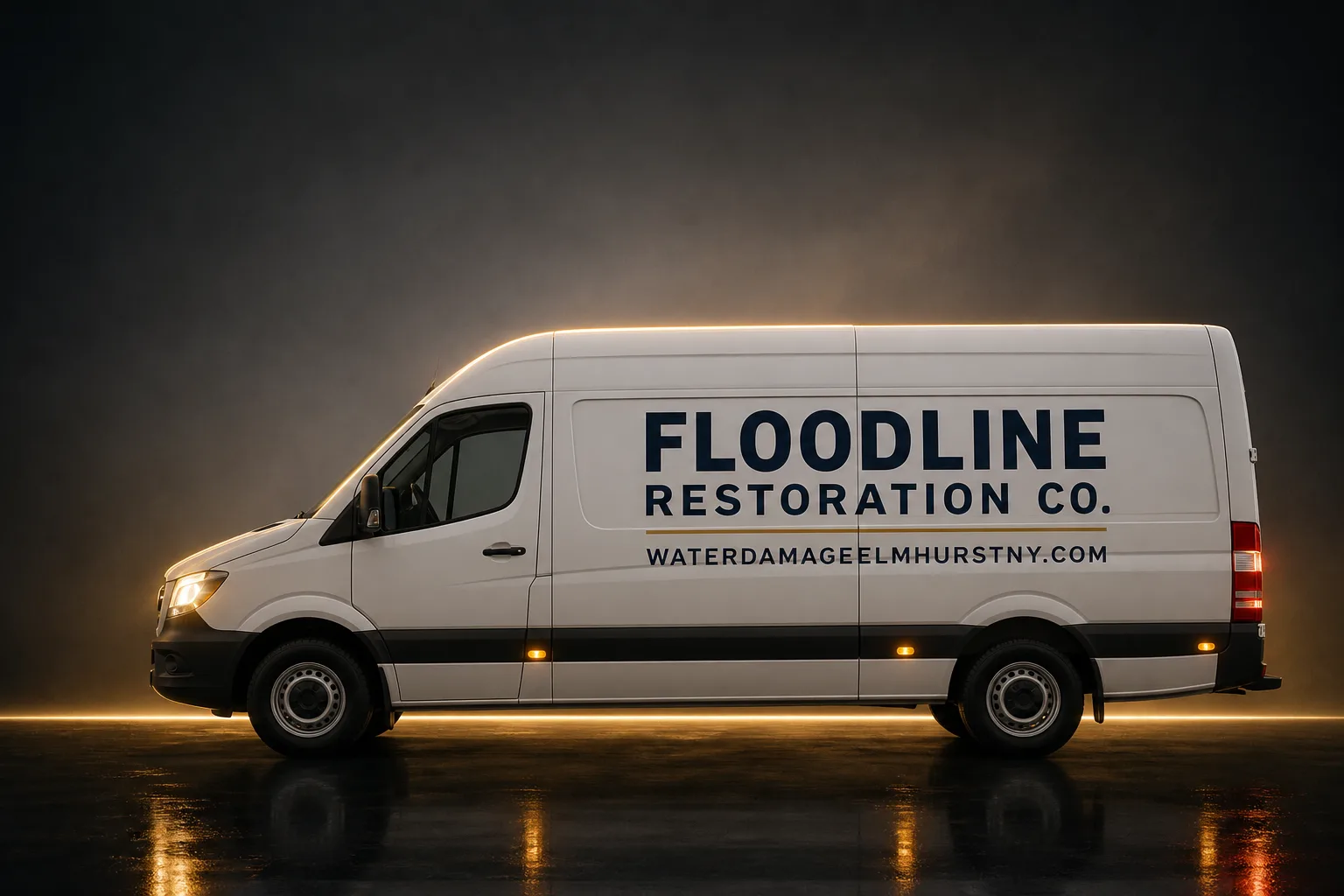
Free visual inspection and a written scope of work before any mitigation begins - photos, moisture readings, and drying logs go in your claim file
The scope we write is the scope we bill. Anything new gets shown to you, in writing, before we touch it.
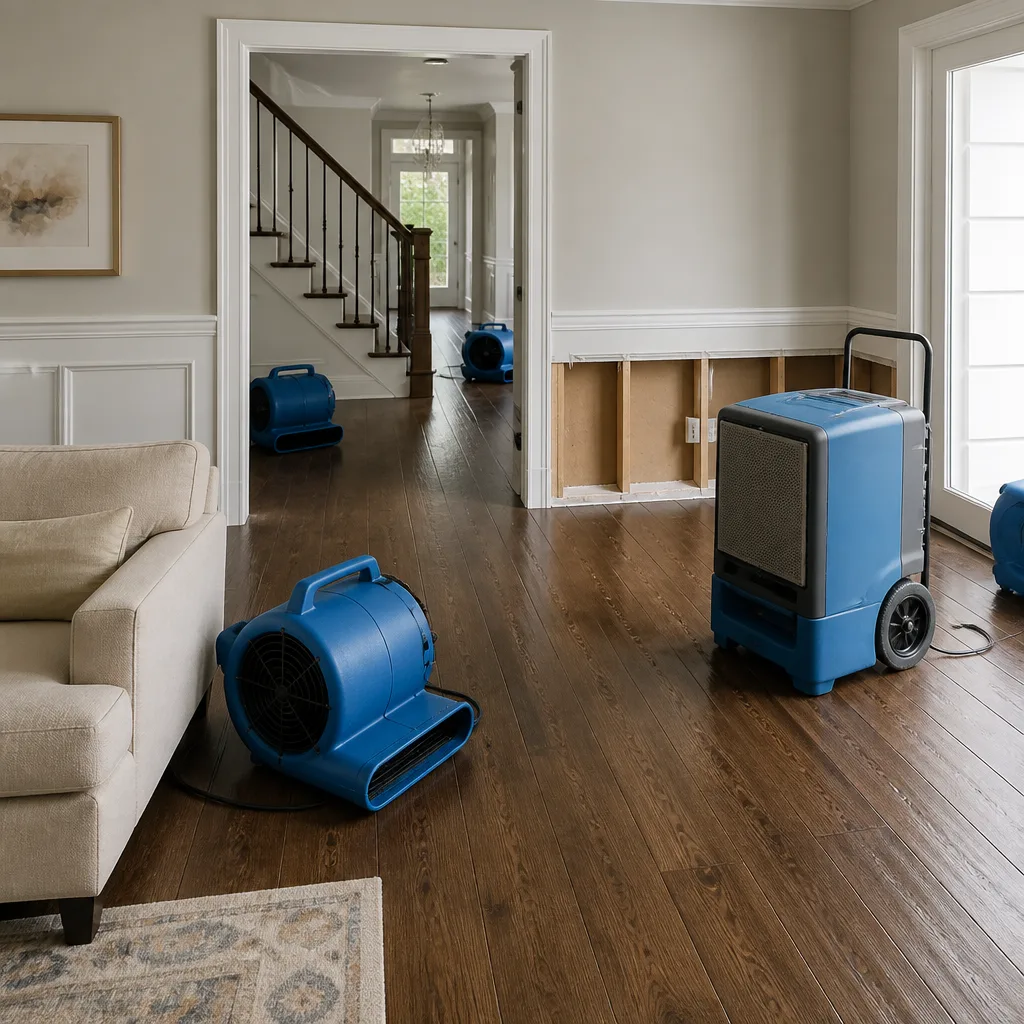
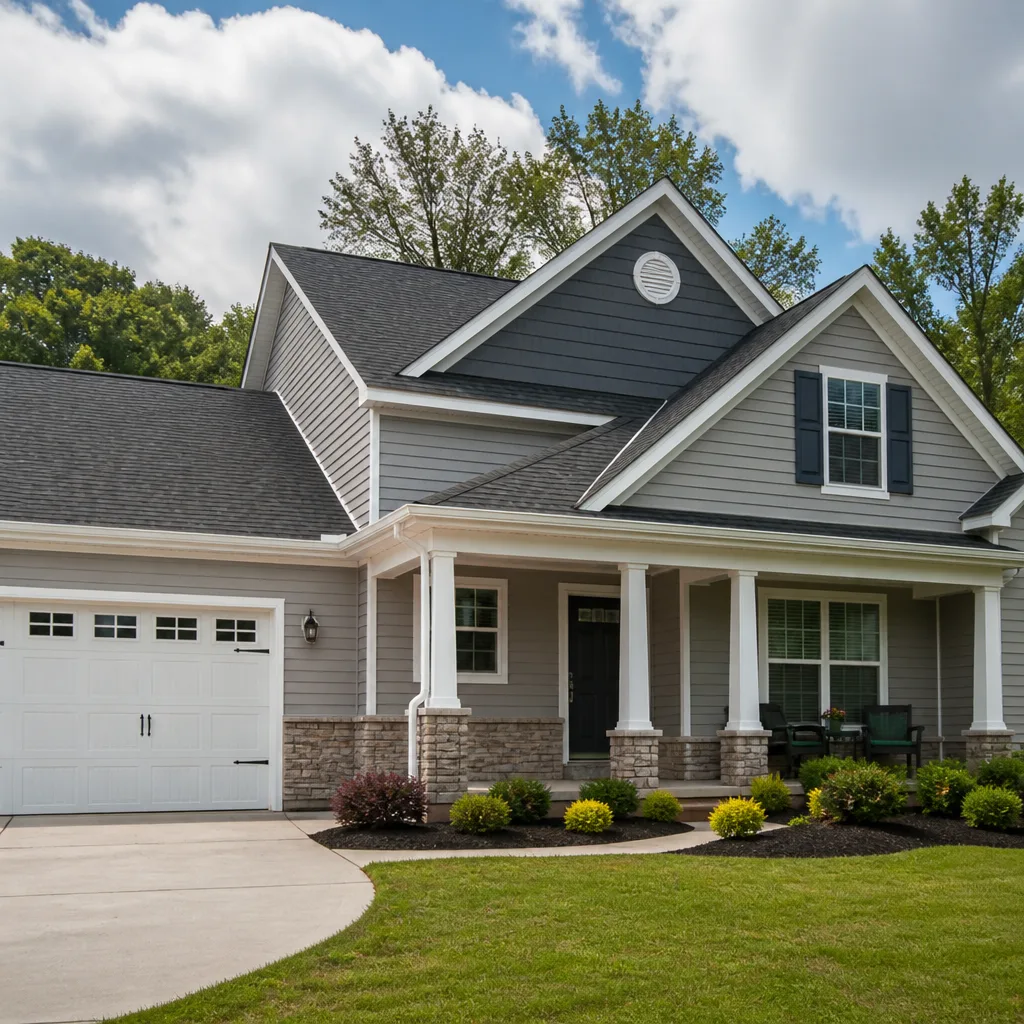
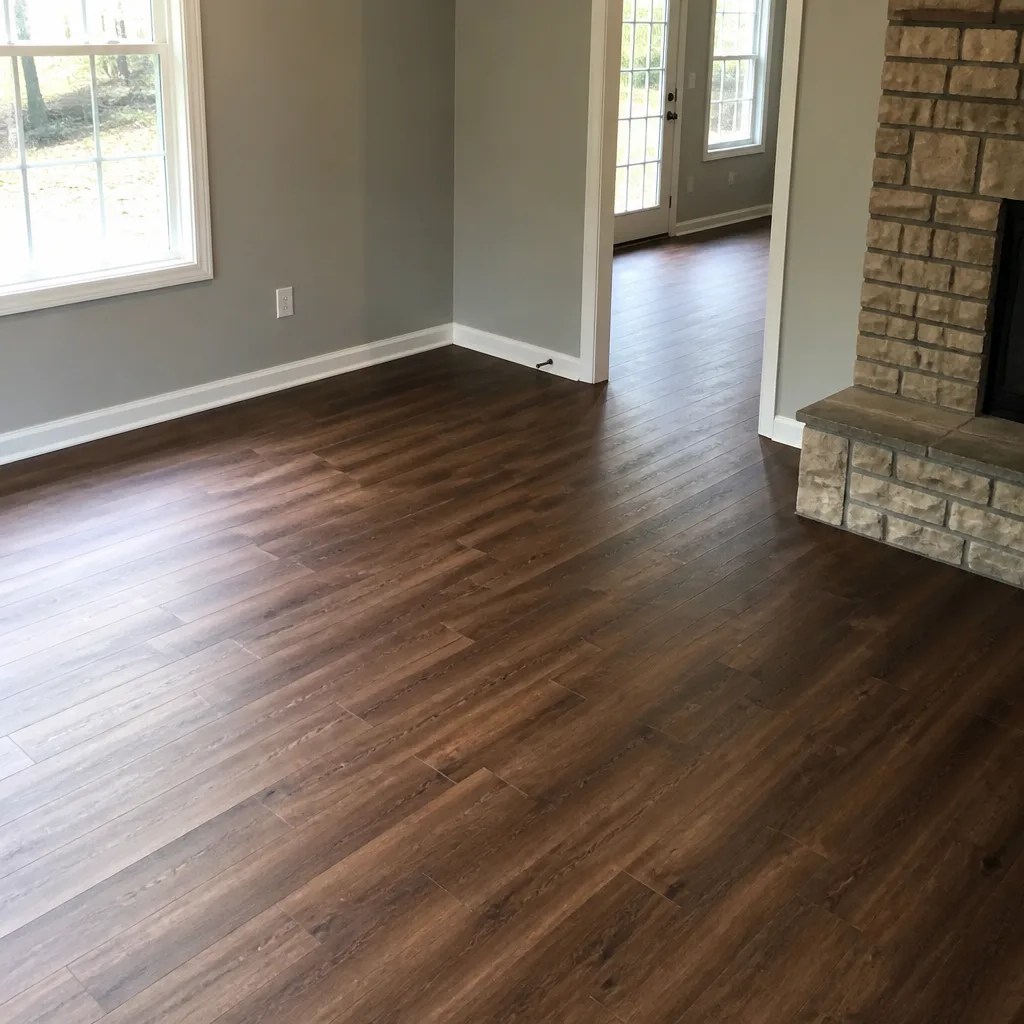
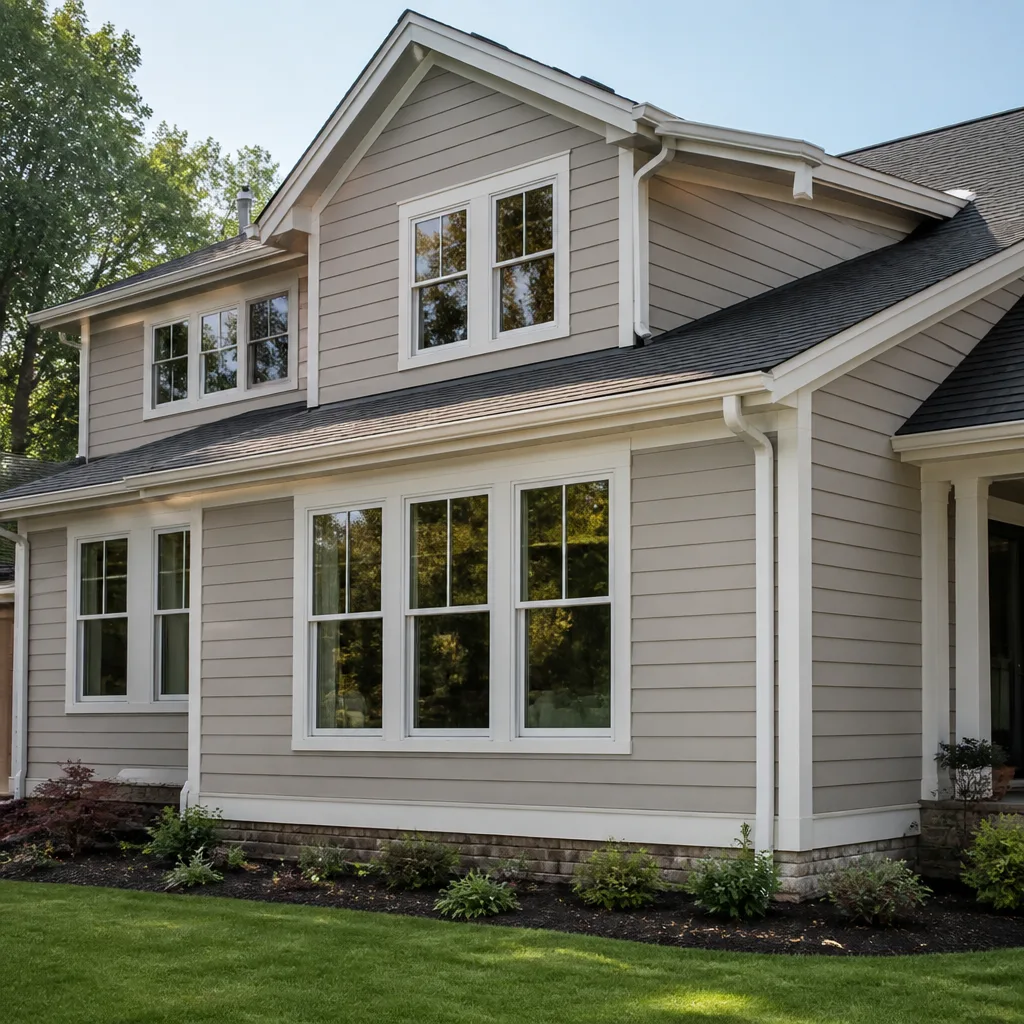
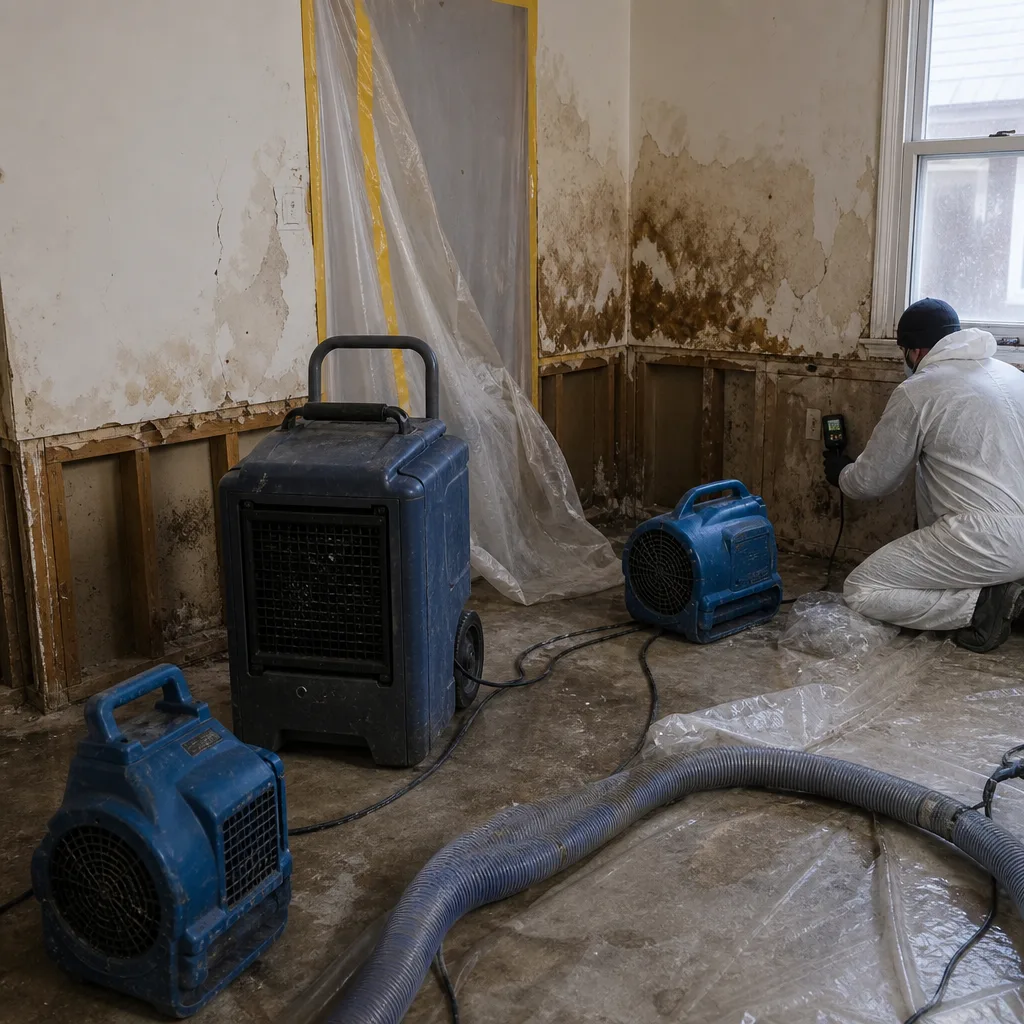 Before
 After
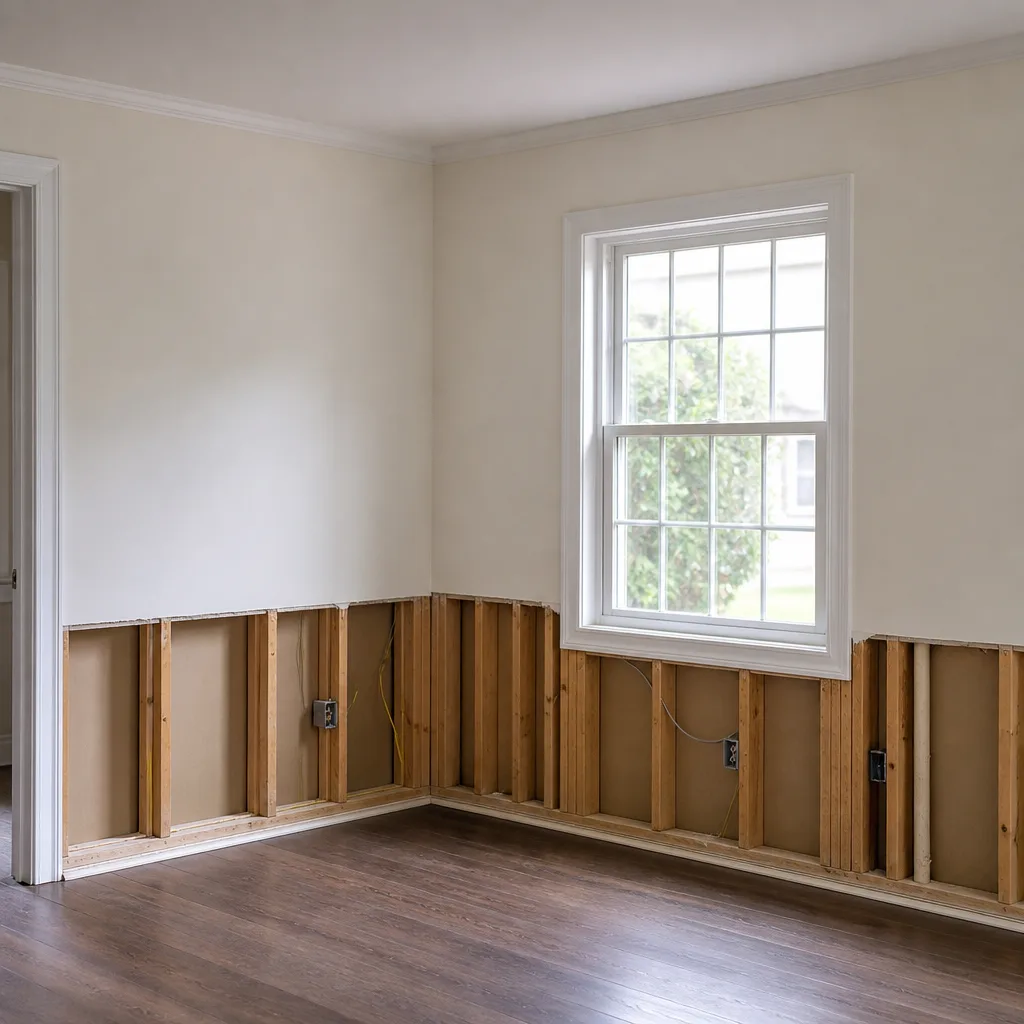
After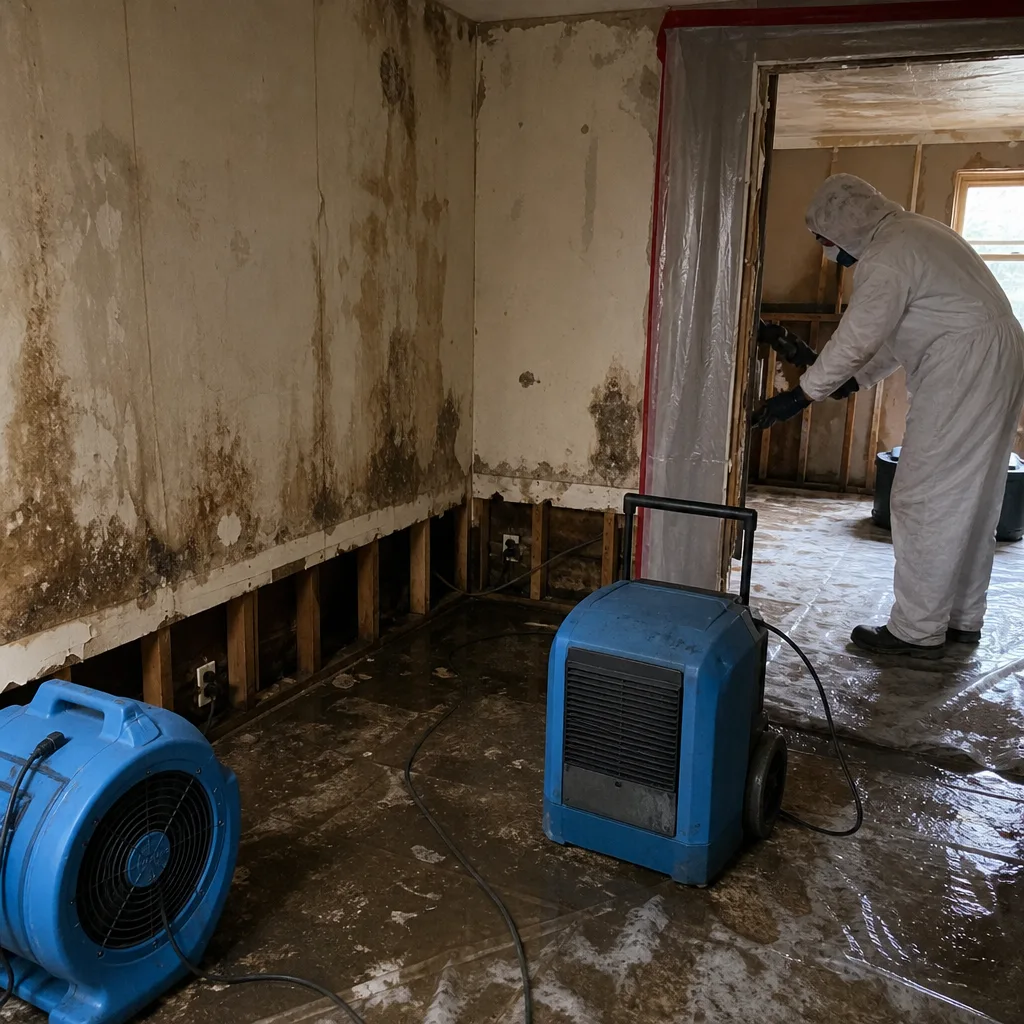 Before
 After
After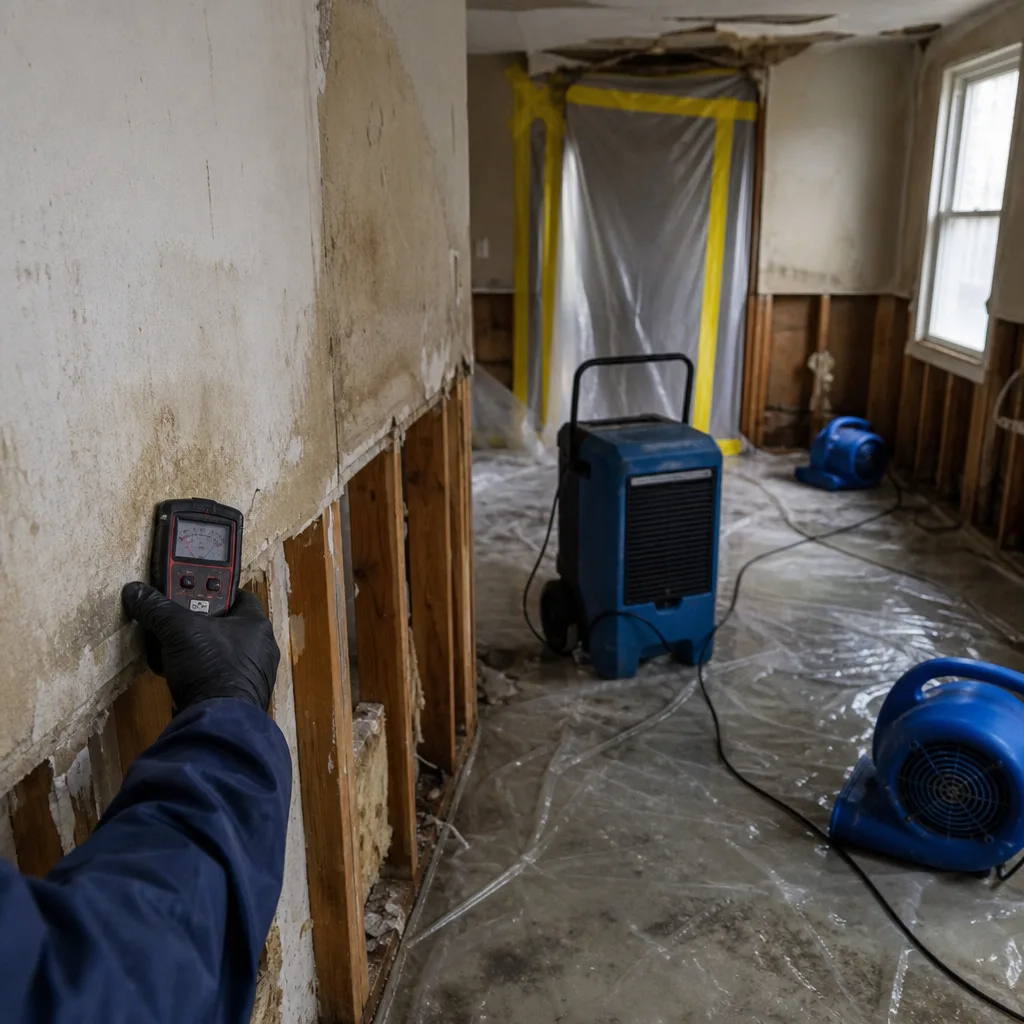 Before
 After
After24/7 Emergency Reconstruction & Cleanup in Flushing
When a finished basement in Flushing floods from a sewer backup or a failed cast-iron drain line, the rebuild starts with one phone call: (363) 999-0829. Our crews answer live around the clock and dispatch into Flushing’s 11351, 11352, and 11354 ZIP codes day or night, because the first hour after water hits a rowhouse basement decides how much of the drywall, flooring, and framing can be saved. Waiting even a few hours lets water wick up wall cavities and migrate through shared party walls into the attached unit next door, turning a single-home cleanup into a multi-owner claim. We arrive with professional-grade Dri-Eaz and Phoenix equipment, give you a free visual inspection, and start extraction the same visit. Done right, and backed in writing.
Understanding Reconstruction & Cleanup Severity in Flushing Properties
Not every flood damage call in Flushing means the same scope of work. Restoration crews classify water into categories that dictate what gets cleaned and what gets cut out. Category 1 water comes from a clean supply line and, if caught within 48 hours, often allows for drying in place with air movers and dehumidifiers. Category 2 water from failed drains, sump-pump overflows, or washing machines carries contaminants and usually means cutting wet drywall to the studs, removing baseboards, and treating the affected framing. Category 3 water is sewer backup and storm-related flooding from the Flushing Creek system: black water that requires full containment, disposal of saturated porous materials, antimicrobial treatment, and clearance testing before rebuild begins.
In Flushing’s attached brick rowhouses built between the 1920s and 1950s, severity is structural as much as microbial. The same water event that saturates one owner’s below-grade slab often presses through mortar joints and party-wall cavities into the adjacent unit. That means proper moisture mapping with thermal imaging and hygrometers is not a luxury; it is the difference between a finished rebuild and a repeat mold problem six months later. A technician who skips the party-wall reading leaves the neighbor’s side wet and the original owner’s job incomplete by definition.
Why Flushing Property Owners Choose Floodline Restoration Co.
- 45-minute response commitment to Flushing addresses, with crews staged to reach Northern Boulevard, Union Street, Main Street, and College Point Boulevard fast.
- 24/7 live answer, every time. A real dispatcher picks up at two in the morning; no recordings, no answering service holding the message overnight.
- IICRC-certified crews trained to WRT and ASD standards for water damage and structural drying, with RIA and IFA protocols followed on every job.
- Free visual inspection before any work begins, so you get a written scope and a firm price, not a surprise after the walls are open.
- Direct insurance billing handled by our documentation team, with adjusters updated from the first moisture reading to the final rebuild.
- One team from extraction to reconstruction. No mid-job handoff to a different crew, no subcontractor you have never met walking your hallways.
Our Reconstruction & Cleanup Process
Inspection & Assessment
We walk the full property with a thermal imaging camera and moisture meters, mapping the extent of water migration, including any movement toward adjacent party walls. The visual inspection is free, and the written scope comes with line-item pricing before demolition starts.
Extraction / Stabilization
Standing water comes out first, using truck-mounted and portable extraction units sized for Flushing’s narrow alley-load basements and tight doorways. We remove unsalvageable drywall, flooring, and baseboards the same visit to stop capillary wicking.
Drying & Dehumidification
Dri-Eaz dehumidifiers, XPOWER air movers, and Injectidry wall-cavity drying systems are placed on a moisture map and run to the dry standard set by IICRC protocols. Daily readings get logged and handed to you and your carrier.
Cleaning & Sanitization
Affected framing, studs, and concrete receive antimicrobial treatment. HEPA air scrubbers run during cleanup to control dust and airborne mold spores, especially in tenant-occupied below-grade spaces where clearance matters for re-entry.
Contents Restoration & Pack-Out
Furniture, documents, and personal items affected by water or contamination are documented, packed out, cleaned, dried, and stored until the rebuild is complete. Photographic documentation supports both owner and tenant insurance claims separately.
Repairs & Restoration
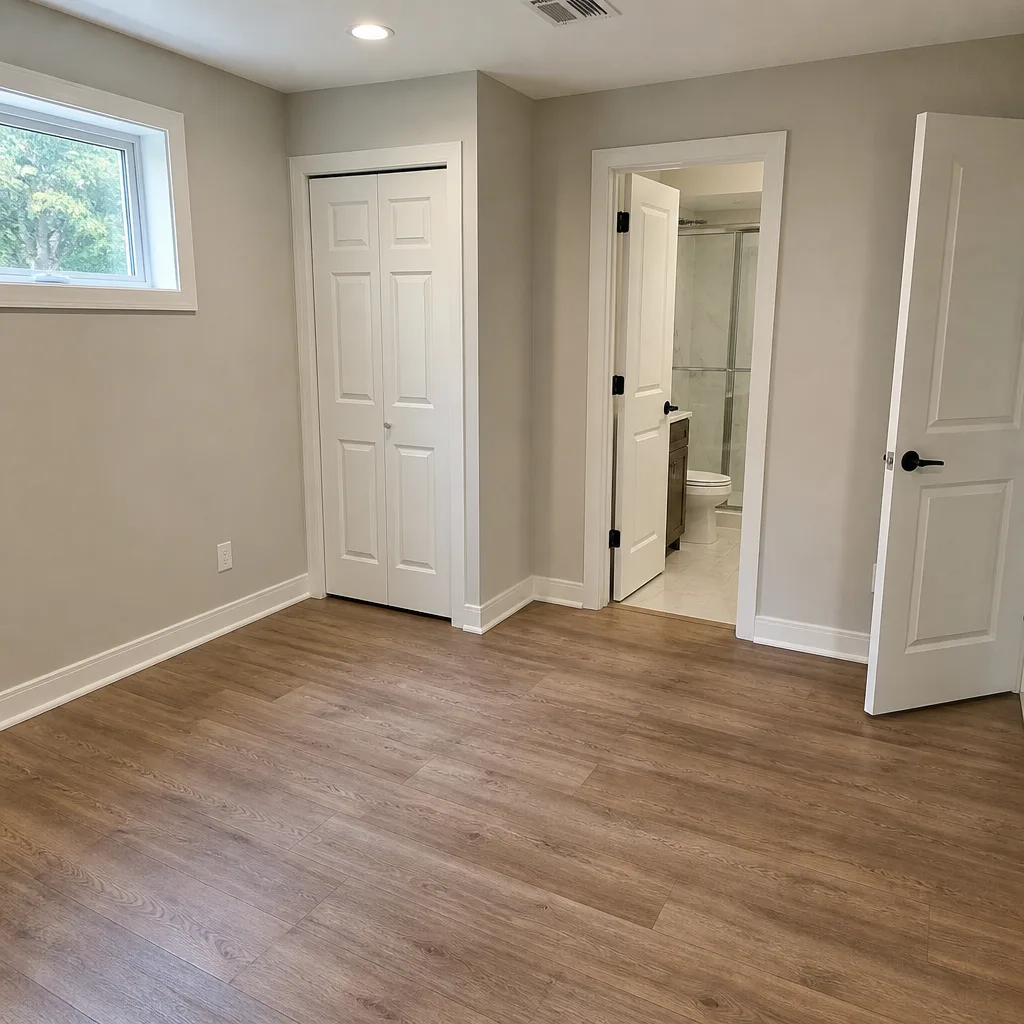
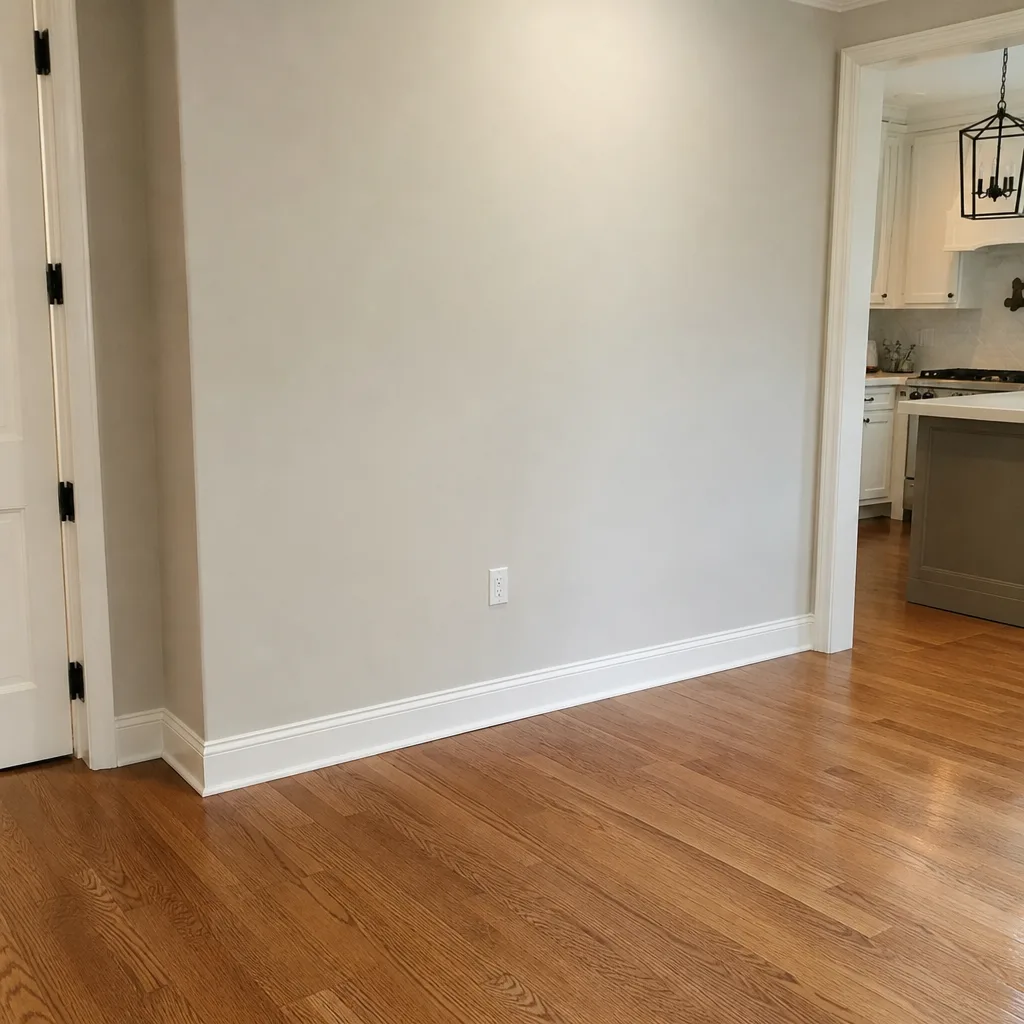
New drywall hangs, taping and finishing, flooring replacement, paint, trim, and full-service reconstruction bring the space back to pre-loss condition. The same crew that did the extraction does the finish work, and the 90-Day Done Right Promise covers it in writing.
Need Emergency Reconstruction & Cleanup in Flushing Now?
Crews minutes away, answering live 24 hours a day. The sooner we start, the less it costs.
Working With Your Insurance Company
Most Flushing homeowners and rowhouse owners carry insurance that covers much of the reconstruction and cleanup work after a covered loss, but the claim lives or dies on documentation from the first hour. We photograph every affected area room by room before demolition, take moisture readings that show the water’s path, and log drying progress daily until the dry standard is met. Our line-item scope of work matches the format adjusters expect, which keeps the estimate moving. Where both a landlord and a tenant file claims on the same below-grade unit, we split the documentation so each party’s carrier sees the correct scope and the shared damage is attributed accurately.
What We Provide Your Insurer
- Thorough documentation of the loss
- Photos of all damage, room by room
- Moisture readings and drying logs
- A detailed, line-item scope of work
- Direct coordination with your carrier
Built for Flushing’s Loss Calendar
Flushing’s damage pattern follows the calendar in ways that are specific to this corner of Queens. January and February bring deep freezes that burst original galvanized supply lines in pre-war rowhouses, flooding finished basements while homeowners sleep. March and April thaw cycles stress the flat and low-slope roofs common on 1920s-through-1950s brick buildings, sending water down interior wall cavities before anyone sees a stain. Summer thunderstorms overwhelm the city’s combined sewer system, and because Flushing sits at the head of the tidal Flushing Creek and Bay watershed, heavy rain backs sewage up through basement floor drains across low-lying blocks. Nor’easter season from September through November brings the added variable of tidal surge: ground-floor and below-grade spaces along the creek corridor flood even when the rain itself is moderate. Our crew calendars in Flushing have looked this way for years, which is why we keep Dri-Eaz and Phoenix drying trailers staged within the five boroughs and dispatch crews who know which streets pond first.
Reconstruction & Cleanup Across Flushing’s Neighborhoods
Flushing’s response map is not uniform. Work concentrated along Northern Boulevard and the blocks immediately north of downtown, where the buried path of Flushing Creek runs beneath the roadway toward Flushing Bay, generates the most repeat seepage calls we see anywhere in Queens. Those 1920s and 1930s brick rowhouses sit over the old creekbed, and even moderate rain triggers sump-pump failures and foundation seepage that would not happen two blocks east. Over in the Murray Hill section and along Union Street toward 11354, we see more tenant-occupied finished basements, which means pack-out and contents restoration need to move fast while both landlord and tenant carriers review the claim. The Kissena Corridor and the blocks south of downtown around Franklin Avenue have a mix of pre-war attached homes and newer renovations, where post-construction cleanup after a water loss or mold remediation often reveals older plumbing that should be quoted for replacement while the walls are open. College Point Boulevard and Main Street bring their own access constraints: narrow alleys, restricted parking, and tight basement stairwells that make compact equipment staging and careful debris management the difference between a seven-day dryout and a twelve-day one.
Specialized Reconstruction & Cleanup Services We Offer in Flushing
Full-Service Reconstruction
When a Flushing basement needs drywall, framing, flooring, and finish work after a water or mold loss, our Reconstruction & Cleanup crew handles every phase and hands you the keys only when the space is ready to live in again. The 90-Day Done Right Promise covers the work in writing, including the trim work and the paint.
Moisture Mapping & Structural Drying
We run thermal imaging and probe moisture readings across the entire below-grade footprint, including the party-wall side, before a single piece of drywall comes out. Readings get logged daily and shared with your adjuster, and drying continues until the IICRC dry standard is confirmed, not just until the visible water is gone.
Drywall & Flooring Repair
Cutting wet drywall to the studs in a Flushing rowhouse basement is precision work, because the stud cavities you open often reveal original wiring, cast-iron waste lines, and the neighbor’s wall cavity eight inches away. We rebuild to pre-loss condition and leave the space painted, trimmed, and ready for occupants.
Contents Restoration & Pack-Out
For tenant-occupied below-grade units in Flushing’s rowhouse stock, we photograph, inventory, pack out, and restore contents while both the landlord and the tenant handle their separate claims. Every item gets a photo and a line on the inventory before it leaves the property.
Carpet & Upholstery Cleaning
Where carpeting and furniture are salvageable after a Category 1 or 2 water event, we clean and deodorize on site with professional extraction equipment. Where the material is contaminated or beyond restoration, we document the loss for your carrier and handle the disposal.
Post-Construction Cleanup
After rebuild work in a Flushing finished basement, we run HEPA air scrubbers through final surface cleaning and HEPA vacuum detail, so the space is ready for occupancy without construction dust settling into ductwork or onto fresh paint. This matters doubly in attached rowhouses where dust migrates through shared walls.
What happens when you call
- 1
A real person answersNo phone trees - you reach a local pro.
- 2
You get an upfront price rangeHonest numbers before anyone is dispatched.
- 3
A background-checked tech heads outLicensed & insured, dispatched right away.
- 4
You approve before work beginsNothing starts until you say go.
Reconstruction & Cleanup Costs in Flushing, NY
A modest Category 1 water loss in a Flushing finished basement with basic drywall repair and drying typically runs $2,800 to $5,600. A Category 2 or 3 event in a below-grade rowhouse, requiring full drywall removal to the studs, antimicrobial treatment, structural drying, and rebuild, usually lands between $8,000 and $22,000 depending on square footage, flooring type, and contents restoration. A full sewer-backup cleanup and rebuild of a 600-square-foot finished basement in Flushing commonly falls in the $14,000 to $28,000 range once you account for disposal of contaminated materials, drying equipment logs, and finish carpentry. What moves the price in this borough more than square footage is access: alley-load basements with narrow stairwells take longer to stage and air-move, and rowhouses with shared party walls require moisture verification on both sides before we close out. Most Flushing homeowners have insurance covering the bulk of this work, and our team handles the paperwork directly with the carrier. Call (363) 999-0829 for a free visual inspection and a written line-item scope before you commit to anything.
We Also Serve Cities Near Flushing
Beyond Flushing proper, our Reconstruction & Cleanup crews cover Flushing area properties in Forest Hills, Corona, Elmhurst, and Middle Village. The same 24/7 dispatch, the same certified crews, and the same written guarantee follow us into every one of those neighborhoods.
Serving Flushing, NY - Our Local Coverage Area
We’re based in the Flushing area and know this community well. Use the map below to see our service coverage - if you’re nearby, we can almost certainly help.
Flushing Reconstruction & Cleanup Questions, Answered
How quickly can your crew start a reconstruction job in a Flushing attached brick rowhouse basement without accessible street parking?
We can typically have a crew on site in Flushing within 45 minutes, and we stage compact drying equipment that will fit through rowhouse basement doorways and narrow alley entrances. Our dispatch team knows which Flushing streets have parking restrictions and plans vehicle staging accordingly, often running equipment through an alley-load entrance rather than the front door.
If my finished basement floods from a combined sewer backup, do you handle the Category 3 water cleanup and full rebuild in one contract?
Yes, we handle the entire Category 3 scope from extraction and contaminated material removal through antimicrobial treatment, structural drying, and complete reconstruction under one contract. You are not handed off to a separate rebuild crew and you do not chase multiple vendors.
Does living above the buried Flushing Creek path change how you scope reconstruction after a sump-pump failure?
It does. On the blocks above the historic creekbed roughly under Northern Boulevard toward the bay, we routinely quote preventive waterproofing and backwater-valve installation alongside standard dryout work, because those addresses see repeat seepage even in moderate rain. A standard dryout alone leaves you likely to call us again after the next storm.
Can you pack out and restore contents from a tenant-occupied basement while the landlord and tenant both file insurance claims?
Yes. We photograph every item before it leaves the unit, maintain separate inventories for owner and tenant property, and document the loss so each carrier receives the correct scope. Both claims move forward without either party having to act as messenger.
What happens when water migrates through the shared party wall from my neighbor’s unit into mine?
We moisture-map both sides of the party wall before the dryout starts, and we document the source and spread path for your carriers. In many Flushing rowhouses, completing your side of the dryout without addressing the neighbor’s wet wall cavity means the mold comes back, so we coordinate access and readings across both units where possible.
How long does drying and full reconstruction take for a Flushing below-grade basement?
Drying alone typically runs three to five days for a Category 1 loss and five to seven for Category 2 or 3, with daily moisture readings until the dry standard is met. Full reconstruction including drywall, painting, flooring, and trim usually adds one to three weeks depending on scope and material availability.
Can we stay in our rowhouse while you rebuild the basement?
In most cases, yes. We seal off the work area with containment barriers and run HEPA air scrubbers, keeping dust and airborne particles out of the upper floors and living spaces. We will tell you up front if the scope requires temporary relocation, but that is rare for below-grade reconstruction work.
What should we do in the first 30 minutes after discovering water in our Flushing basement?
Call Floodline Restoration Co. at (363) 999-0829, and if you can do so safely, turn off power to the affected area and move small items up off the floor. Do not enter standing water that could be sewer backup; wait for our crew to assess the category and begin extraction safely.
Written by Curt Bowman, Owner at Floodline Restoration Co., serving Flushing and the surrounding Queens neighborhoods.