
Free visual inspection and a written scope of work before any mitigation begins - photos, moisture readings, and drying logs go in your claim file
The scope we write is the scope we bill. Anything new gets shown to you, in writing, before we touch it.
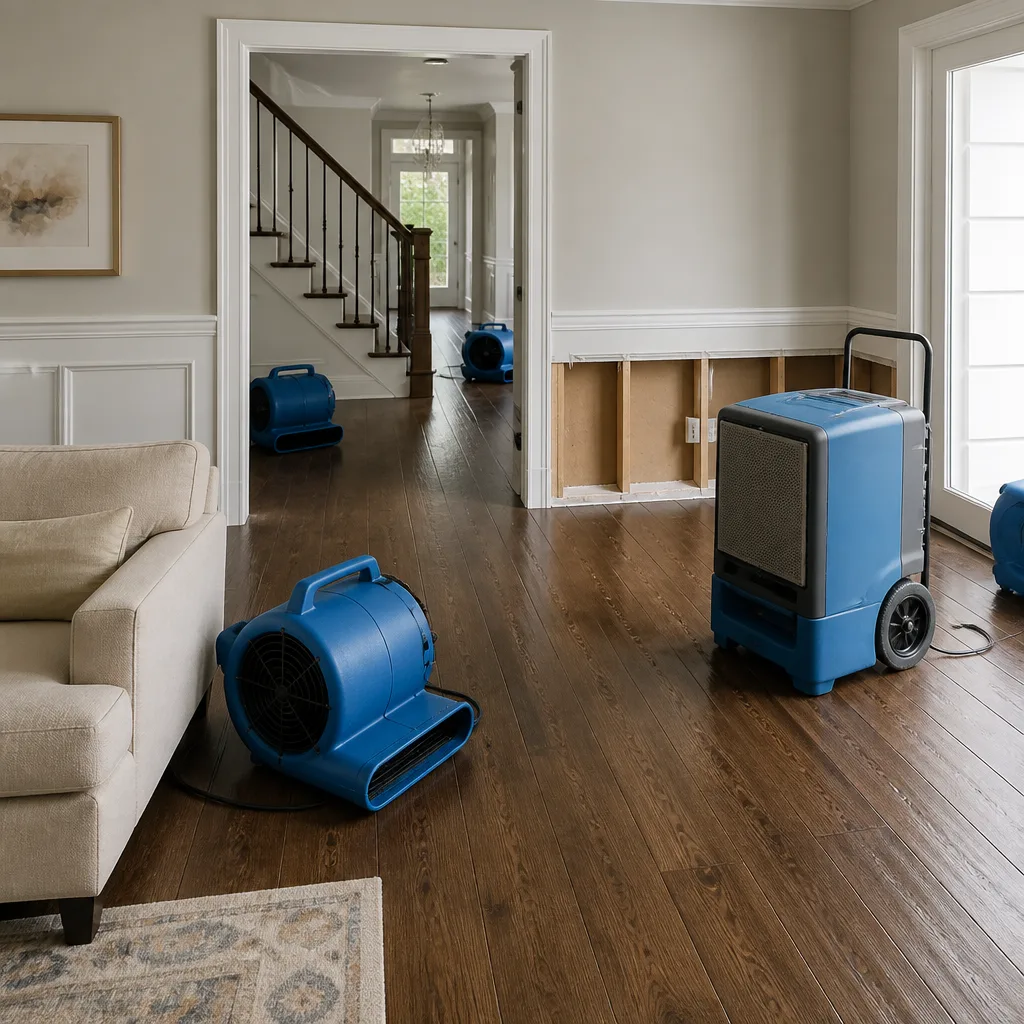
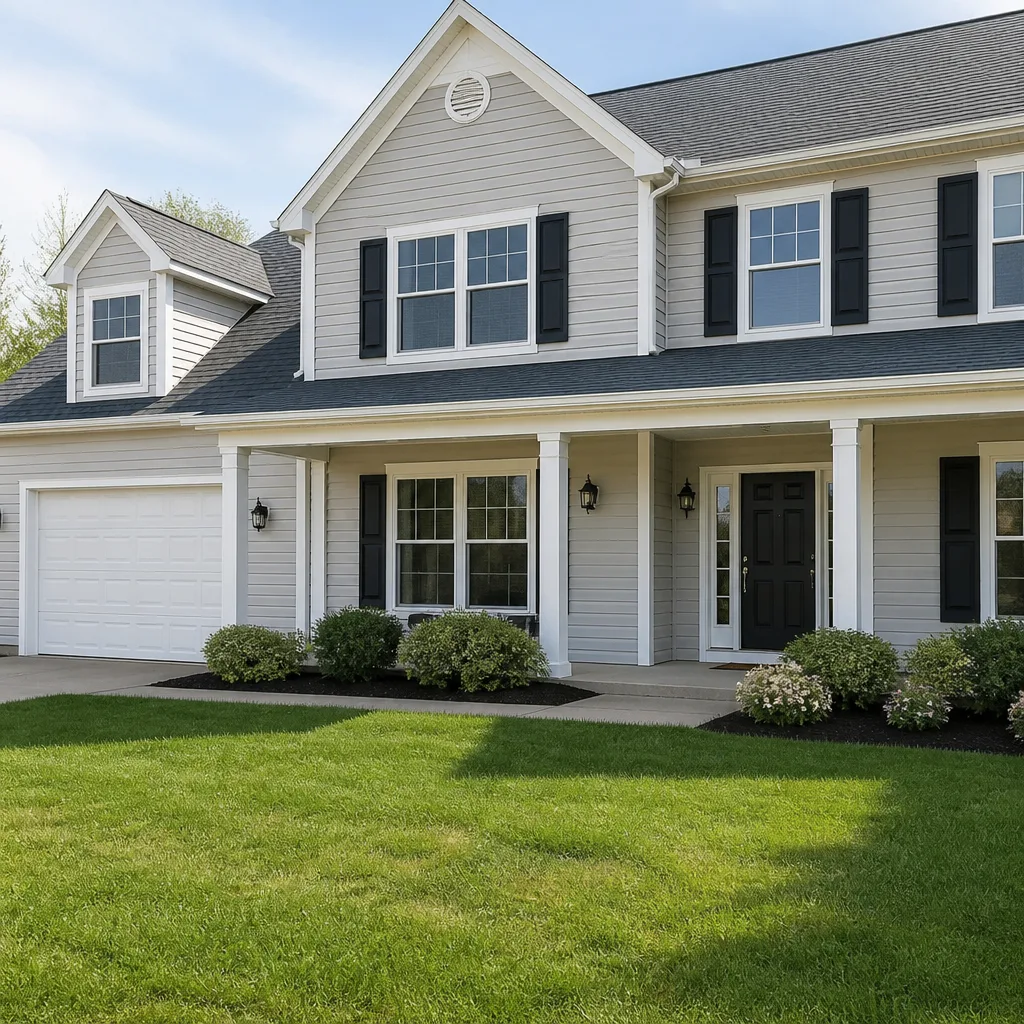
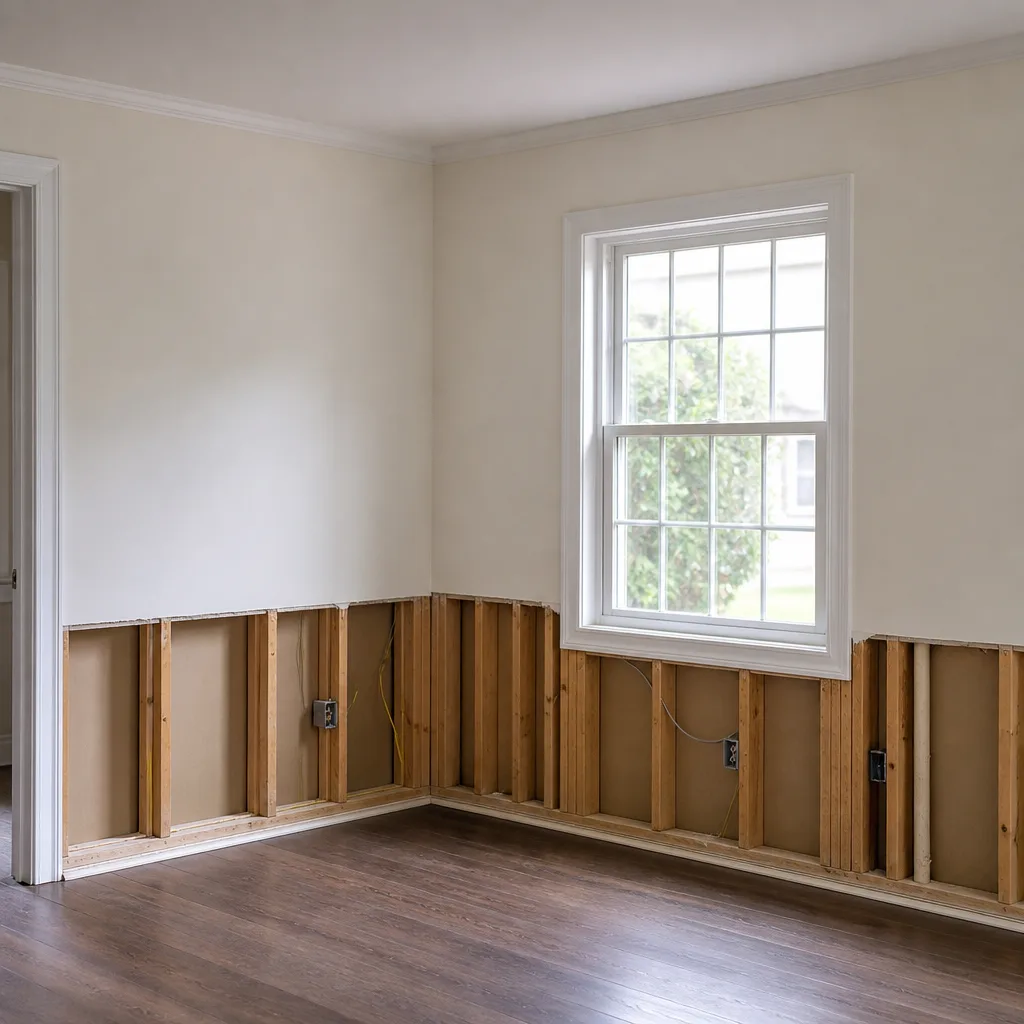
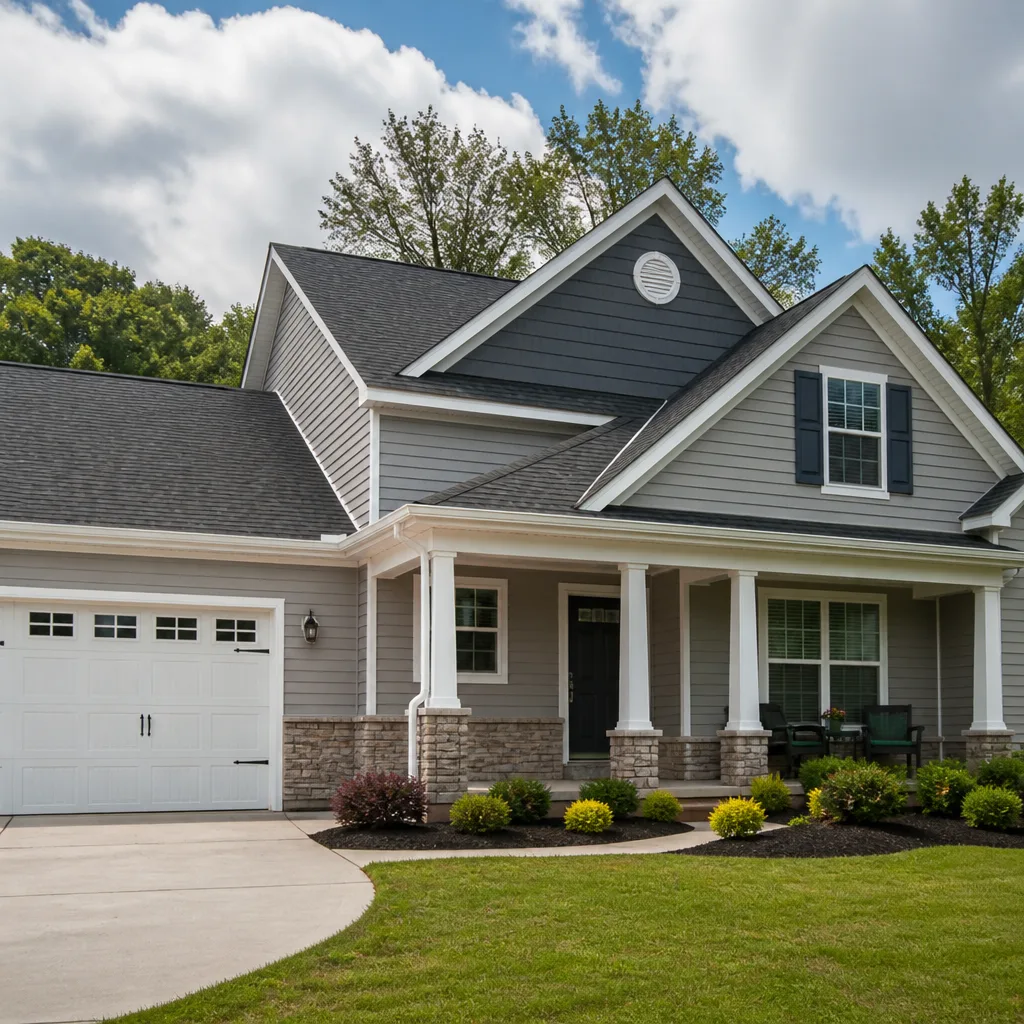
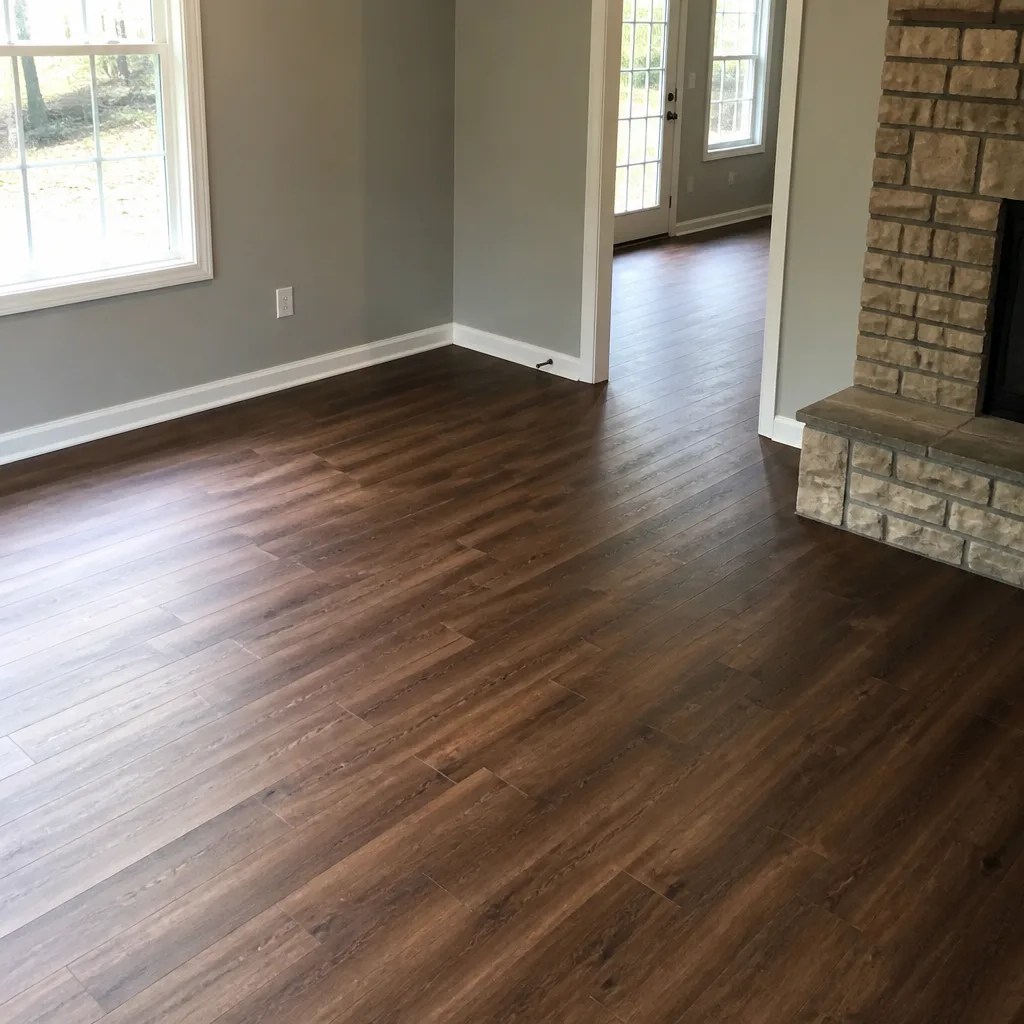
 Before
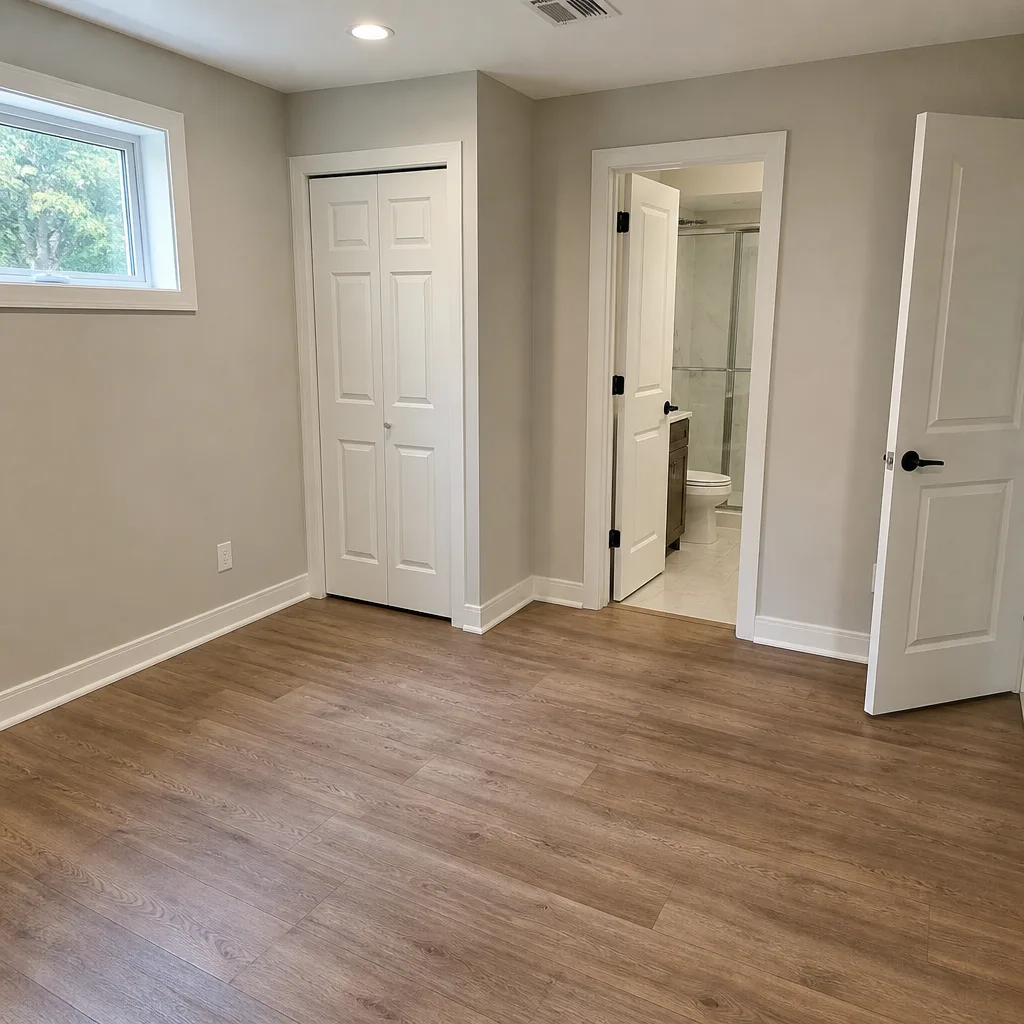 After
After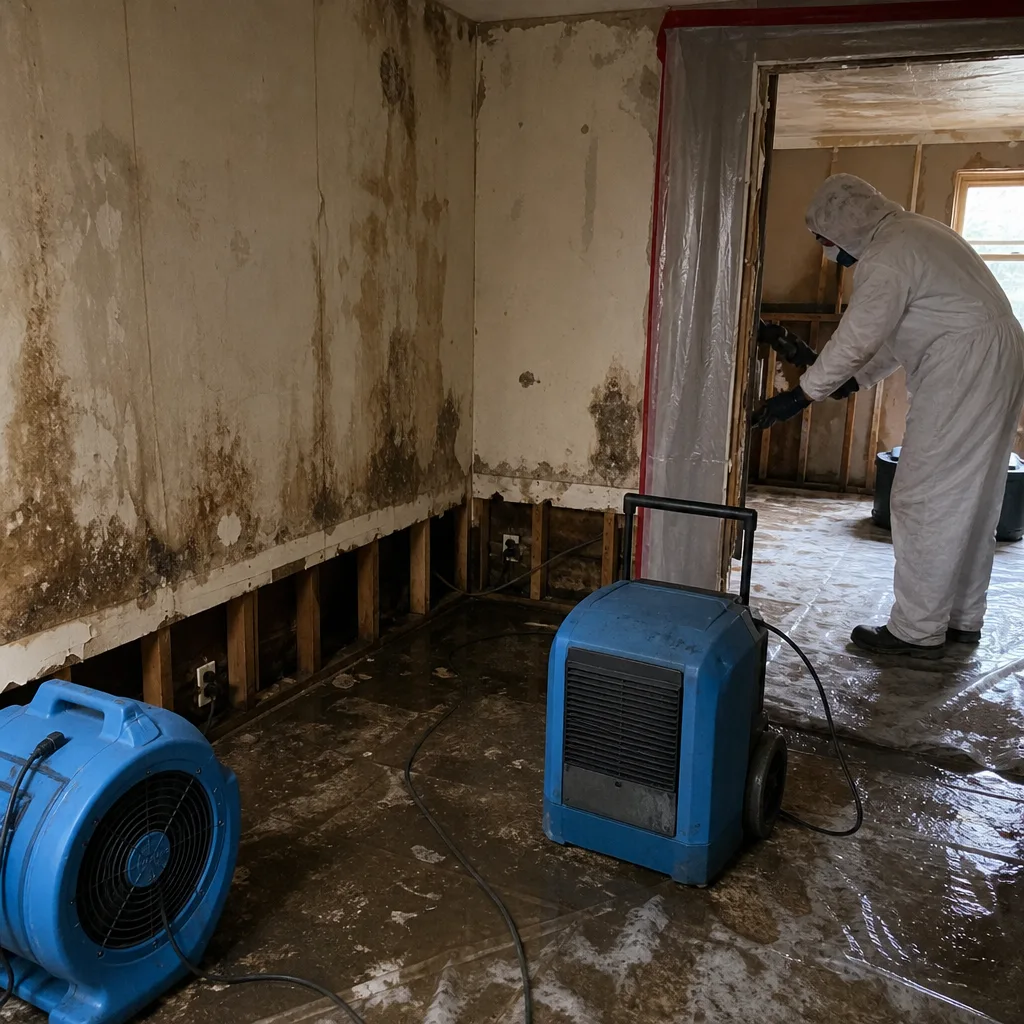 Before
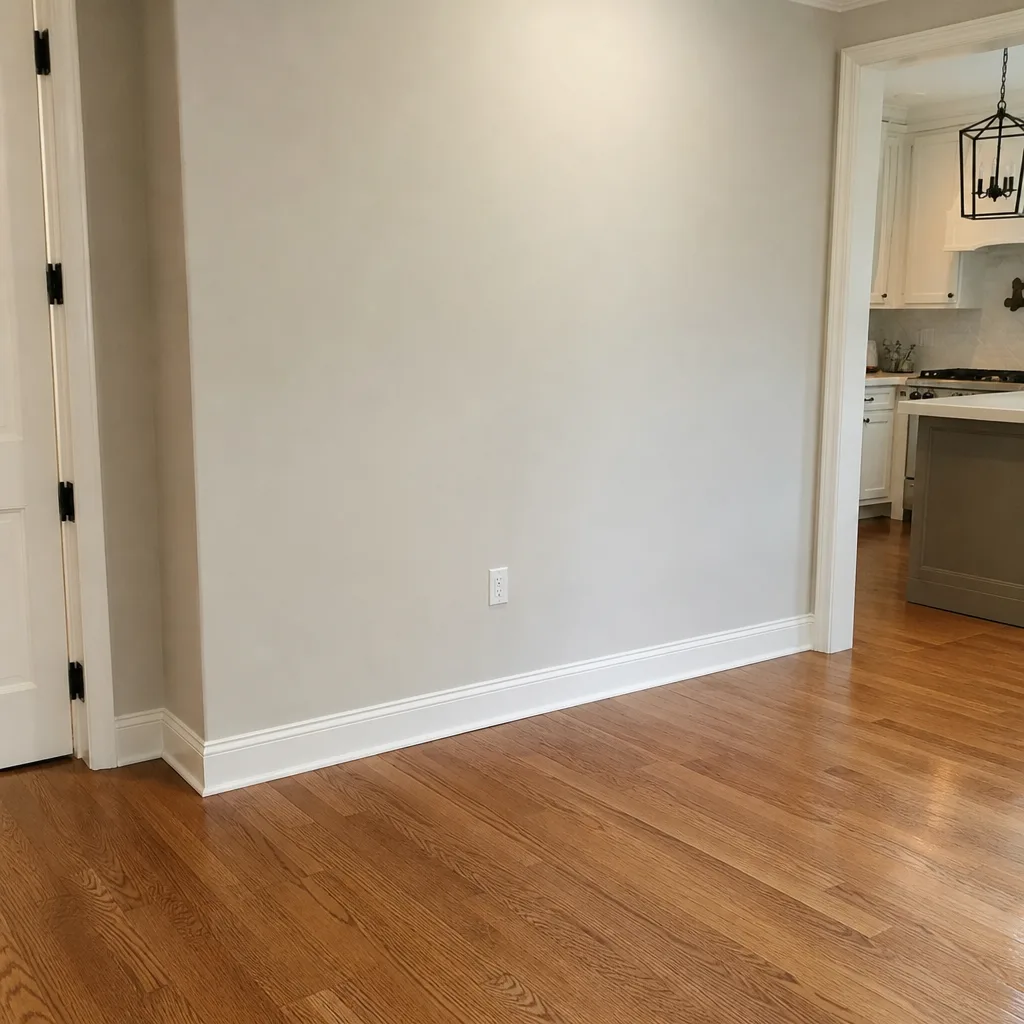 After
After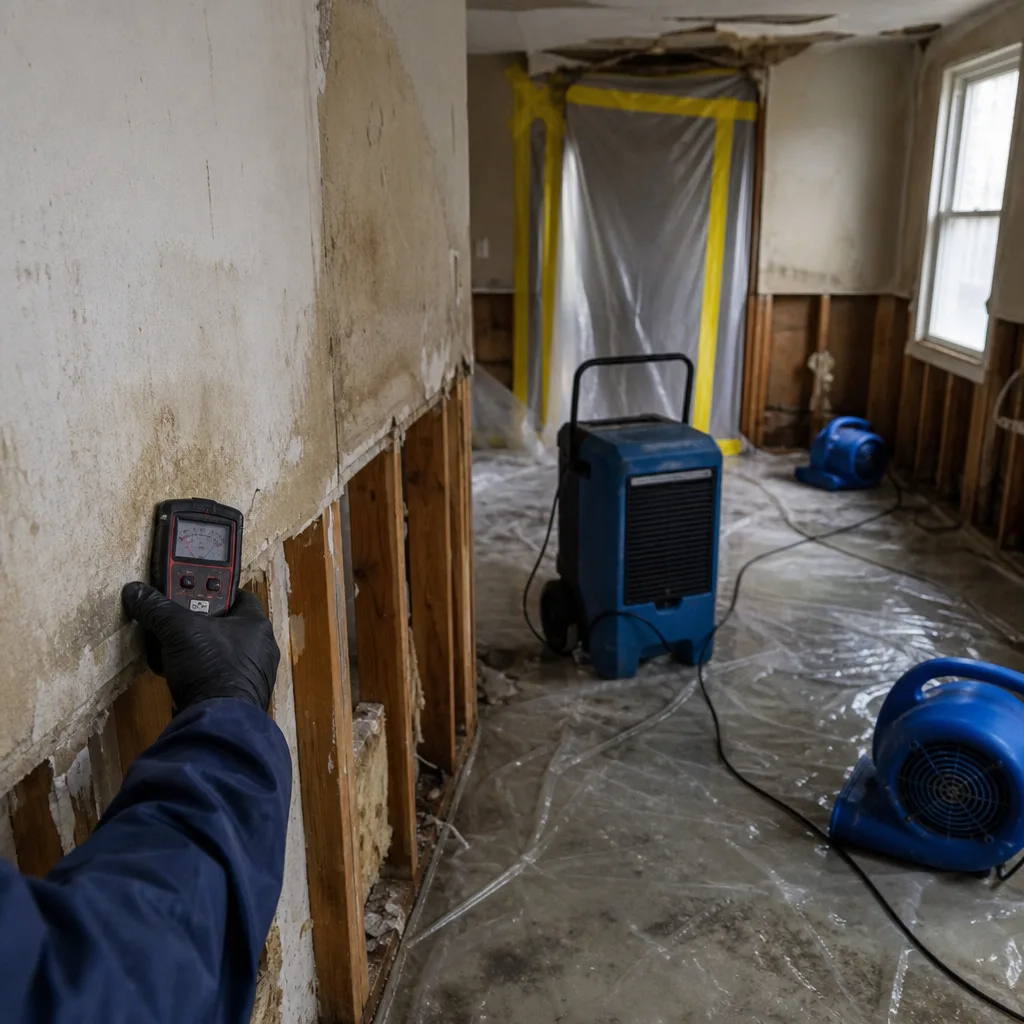 Before
 After
After24/7 Emergency Sewage Cleanup in Corona
Sewage backup in a Corona basement is a Category 3 biohazard emergency, and the first hour determines how much of the structure can be saved. Our crews reach most Corona addresses within 45 minutes of your call, because a live dispatcher answers at (363) 999-0829 at any hour and routes the nearest certified team directly. We start extraction on the same visit, set containment so sewage aerosols don’t spread into living space, and document everything for your carrier from the first photo.
Most sewage jobs in Corona involve attached brick homes where a backup on one side of a shared waste line means the neighbor’s basement is already compromised. We treat both sides of the party wall as a single loss because failing to do so lets category 3 water re-enter within days. You call, we answer, and we’re on the block before the water migrates further.
Understanding Sewage Cleanup Severity in Corona Properties
Sewage damage is classified as Category 3 water: grossly contaminated, carrying pathogens, parasites, and toxins that require full PPE, containment, and sanitization protocols. It is not a mop-and-dry situation. In Corona specifically, the severity compounds fast because most of the housing stock is attached or semi-detached brick from the 1920s through 1940s, where original cast-iron waste lines have bellied or corroded after nearly a century in service. When one of those lines backs up, category 3 water moves through shared drains and party-wall voids into adjacent basements and converted cellar apartments.
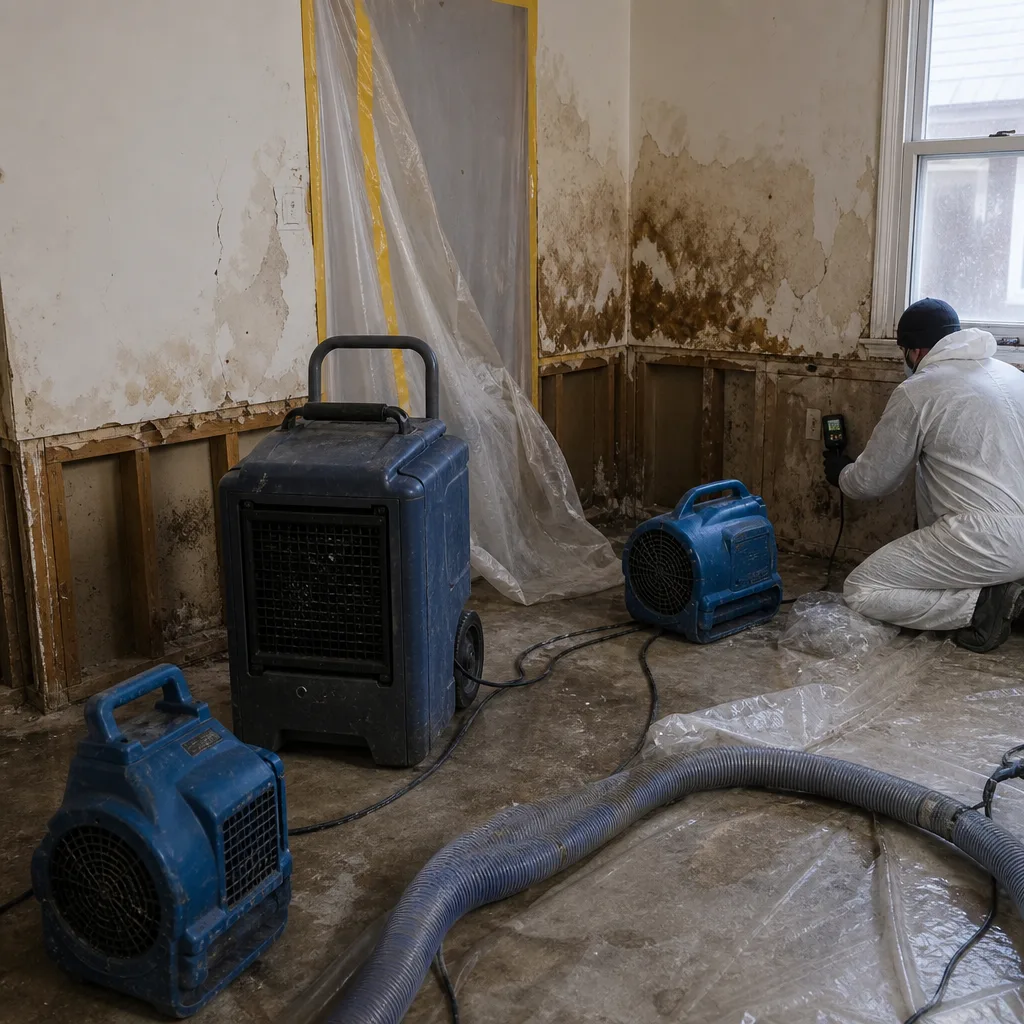
We moisture-map every affected area before and during drying, because sewage saturation travels behind finished walls and under vinyl tile faster than it shows on the surface. In Corona basement conversions, that hidden saturation is usually not the first event. Undocumented prior backups leave established mold colonies behind sheetrock, which means the “first-time” flood a homeowner reports is often the second or third time that wall system has been wet. Treating only what you can see leaves a structural liability in place.
Why Corona Property Owners Choose Floodline Restoration Co.
- 45-minute response commitment. For sewage, speed is mitigation. Our nearest certified crew is dispatched the moment you hang up, with containment and extraction equipment in the truck.
- A live person answers, 24/7. No automated system, no callback queue. At 2 a.m. during a March nor’easter, a real dispatcher picks up and moves a crew toward Corona.
- IICRC-certified technicians. Our crews train to IICRC WRT and ASD standards, meaning water damage restoration and applied structural drying protocols are done correctly, not guessed at.
- Free visual inspection. Before any dollar figure is quoted, we walk the loss with you, take readings, and explain exactly what happened and what it will take to fix it.
- Direct insurance billing. We handle the carrier correspondence, the adjuster walkthrough, and the line-item estimate so you don’t play messenger.
- One team from extraction to reconstruction. The same background-checked, uniformed crew that pulls the sewage out is the crew that rebuilds the wall. No mid-job handoff, no inherited strangers.
Our Sewage Cleanup Process
Inspection & Assessment
We trace the source, map affected areas with moisture meters and thermal imaging, and identify what category of water we’re handling. Clearance access, adjacent units, and the age of the waste line all go into the initial scope.
Extraction & Stabilization
Black water is removed with truck-mounted extraction equipment. In tight Corona basements, we use portable XPOWER units for narrow access. We stop the active spread before anything else.
Drying & Dehumidification
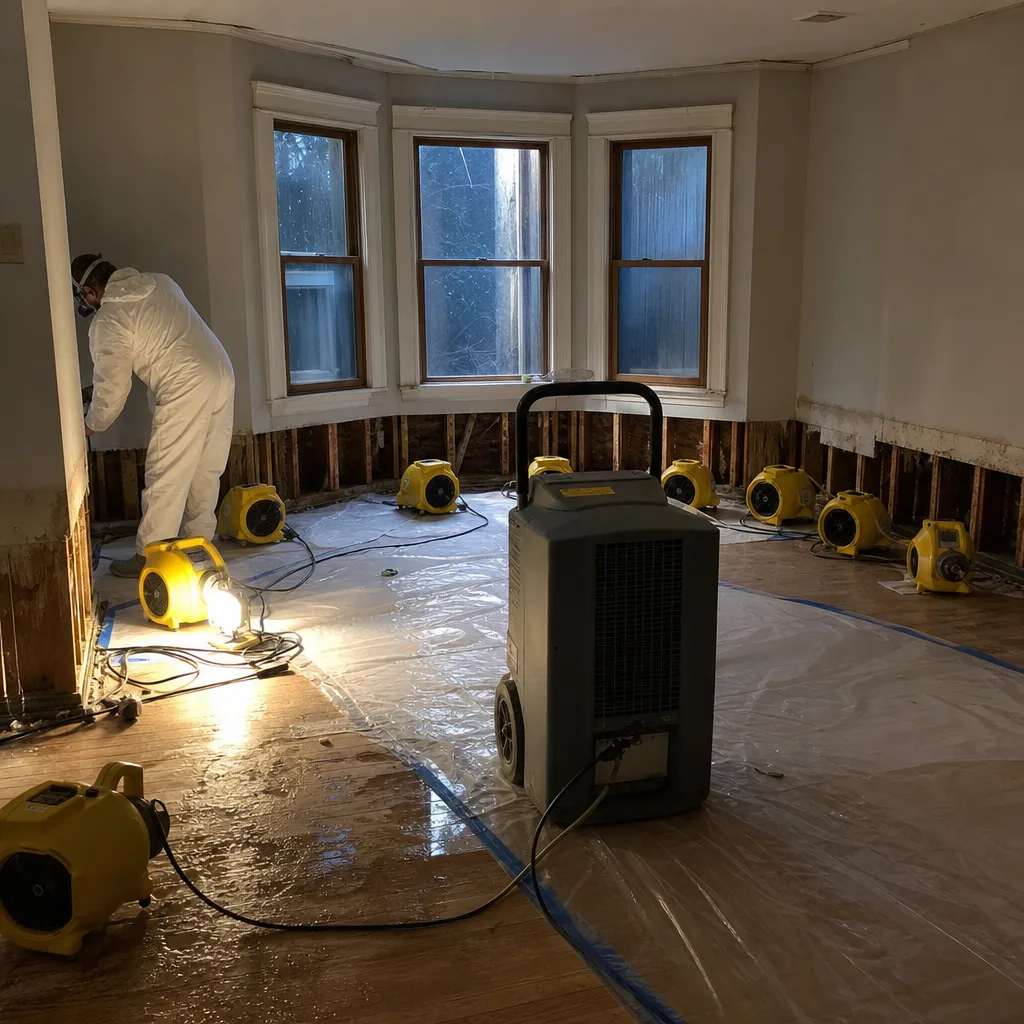
Dri-Eaz dehumidifiers and air movers are placed according to the moisture map, and readings are taken daily until the dry standard is met. We hand you the log. Your carrier gets it too.
Cleaning & Sanitization
All affected surfaces are cleaned, treated with antimicrobial agents, and sanitized for post-sewage occupancy. This includes wall cavities, framing, and subfloor, not just visible finishes.
Specialty Treatment
In Corona, this often means cutting out original asbestos vinyl tile under containment barriers, removing saturated 1920s plaster, and addressing cast-iron pipe corrosion that caused the backup in the first place.
Repairs & Restoration
We rebuild what we removed: framing, drywall, flooring, paint. The same crew that did the extraction does the finish work. It’s all under the same written guarantee.
Need Emergency Sewage Cleanup in Corona Now?
Crews minutes away, answering live 24 hours a day. The sooner we start, the less it costs.
Working With Your Insurance Company
Sewage backup claims in Corona move faster when the documentation is complete from the first hour. We photograph the loss room by room, log moisture readings daily, and write a line-item scope that the adjuster can actually verify. Our Sewage Cleanup team has worked with carriers on hundreds of these claims, and we speak their language: standard industry pricing, defensible classifications, documented cause of loss. We communicate directly with your adjuster and billing coordinator. You get a copy of everything. No surprises on the bill, because the number in the written scope is the number you approve before work begins.
What We Provide Your Insurer
- Thorough documentation of the loss
- Photos of all damage, room by room
- Moisture readings and drying logs
- A detailed, line-item scope of work
- Direct coordination with your carrier
Built for Corona’s Loss Calendar
Sewage backups in Corona follow a seasonal rhythm. Summer thunderstorms dump intense convective rainfall onto dense impervious surface, and the combined sewer system surcharges within minutes, pushing water and sewage up through basement floor drains. Winter brings a different failure: cast-iron waste lines in unheated crawl spaces contract, bellies concrete, and blockages form. Spring snowmelt and nor’easters saturate the ground around shallow foundations, and hydrostatic pressure finds every crack in the original footing. Fall is quieter, but we see a spike of backup discoveries as converted basement apartments turn over tenants and hidden damage gets noticed for the first time. None of this is unpredictable. It’s why we keep live dispatch and fully stocked trucks positioned around Corona year-round.
Floodline Restoration Co. has been restoring water and sewage losses for over 42 years, and the founding principle hasn’t changed: a square deal, a written guarantee, and a live person on the phone. Curt Bowman founded this company on that principle, and every job still carries the 90-Day Done Right Promise in writing. If it’s not done right, we make it right. No arguing, no paperwork battles.
Sewage Cleanup Across Corona’s Neighborhoods
The response routes through Corona change by block. Around 104th Street and 43rd Avenue, we’re navigating narrow alley-load entrances where homes share a single 4-inch cast-iron waste line between two addresses. A backup on one side of the party wall means the neighbor’s basement is already getting wet, so we set containment on both sides before extraction begins. Near Junction Boulevard and Roosevelt Avenue, the mix shifts to attached brick row houses with converted storefronts on the ground floor; sewage events there often back up through commercial floor drains into residential units behind the shop.
Up by Northern Boulevard, semi-detached two-family homes sit closer to the Flushing Meadows-Corona Park drainage basin, and storm-driven backups arrive fast after heavy rain. Along 37th Avenue, basement apartments sit below grade with low clearance ceilings and original cast-iron traps. We run portable extraction because truck-mounted lines won’t reach some of those cellar doorways. All of it gets the same treatment: source identification, containment, category 3 extraction, daily moisture logs, and a written scope before rebuild starts. Serving Corona means knowing which blocks share which waste lines and how fast the storm drains saturate on each side of the park.
Specialized Sewage Cleanup Services We Offer in Corona
Sewage Backup Cleanup
When a floor drain in a Corona basement starts spitting category 3 water, the cause is almost always a surcharged sewer main or a bellied waste line. We extract, sanitize, and trace the actual failure point so it doesn’t repeat on the next rain event.
Crawl Space Sewage Removal
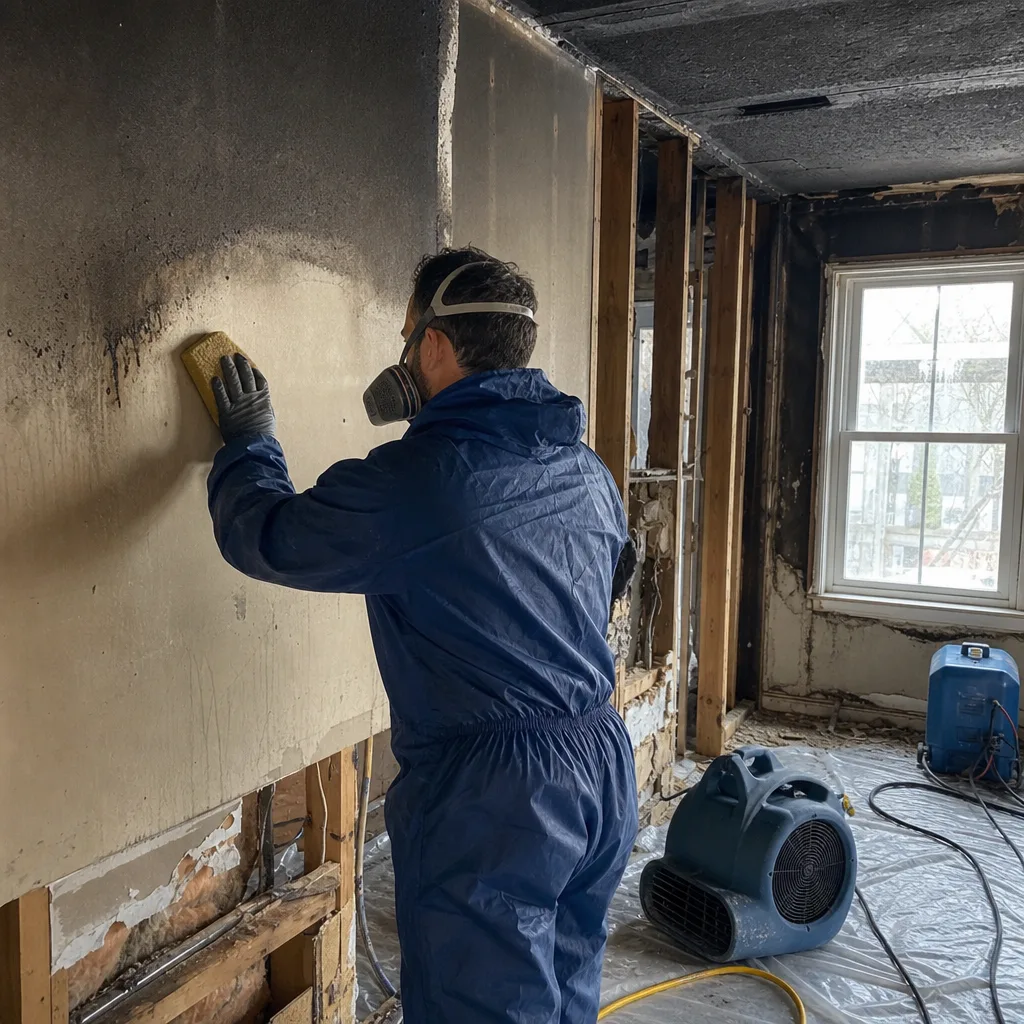
Some of the older Corona homes have tight crawl spaces under the first floor, often no more than 30 inches of clearance. Sewage in those spaces saturates subflooring fast. We send in certified techs with proper respiratory protection, remove the contamination, and dry the structural members to standard.
Toilet Overflow Cleanup
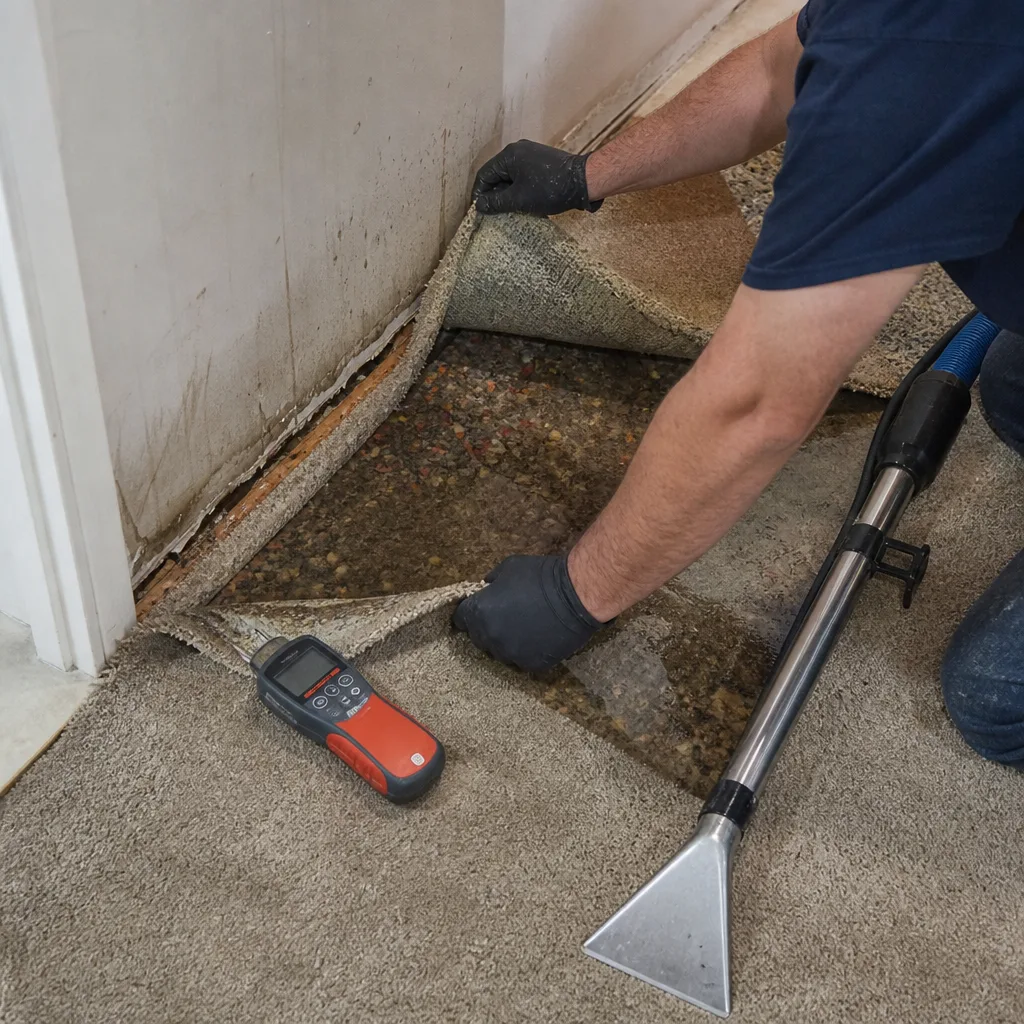
A toilet overflow in a converted basement apartment off Roosevelt Avenue is rarely just a clogged fixture. If the water is black and smells like the street, the line is likely shared and partially collapsed. We treat it as a sewer event until proven otherwise.
Septic Failure Cleanup
Most Corona addresses are on municipal sewer, but a handful of older properties still operate with private leach fields or modified systems. When a septic system fails, the raw sewage that surfaces in the yard or under the home requires the same category 3 protocols as any interior backup, plus source repair coordination.
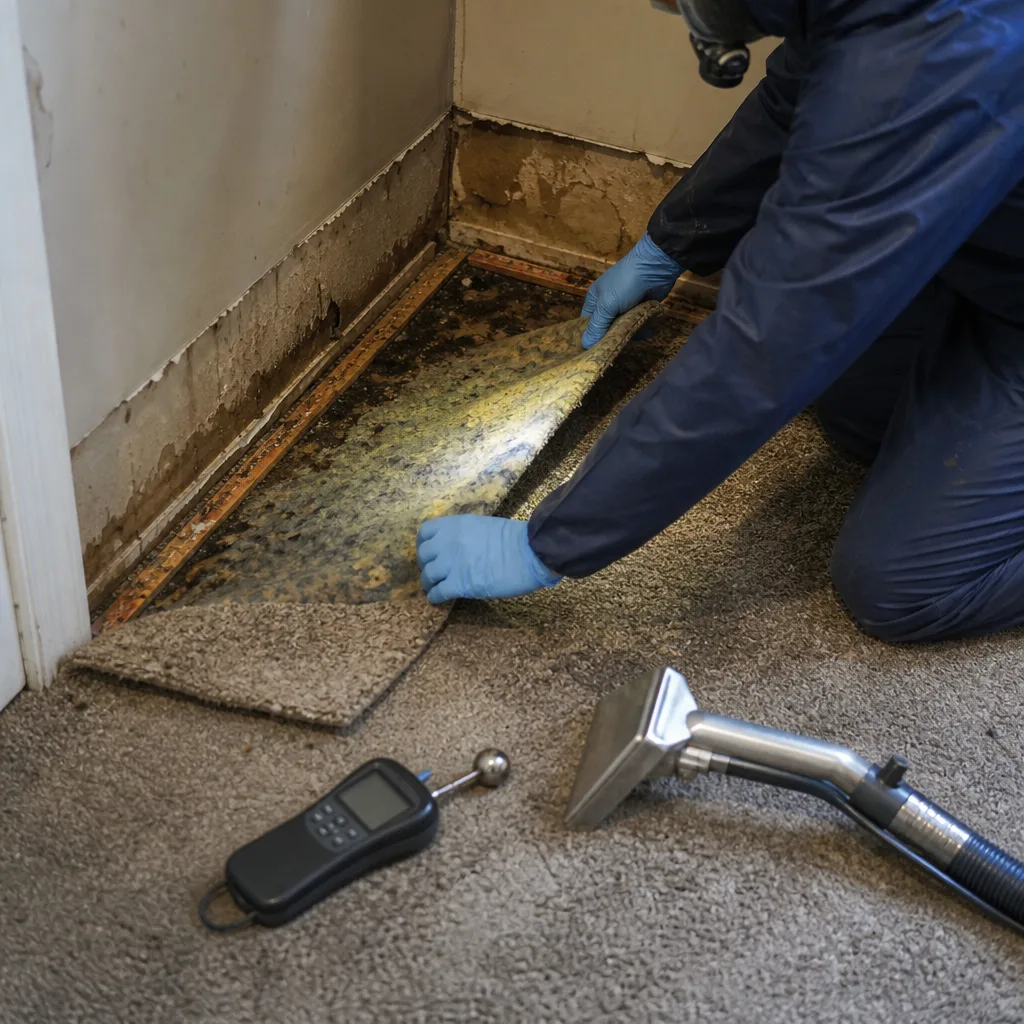
Black Water Extraction
This is the immediate, time-sensitive removal of grossly contaminated water. In Corona basements with original concrete floors and no floor drain, extraction has to happen entirely through portable equipment. We carry XPOWER and B-Air units sized for tight clearance.
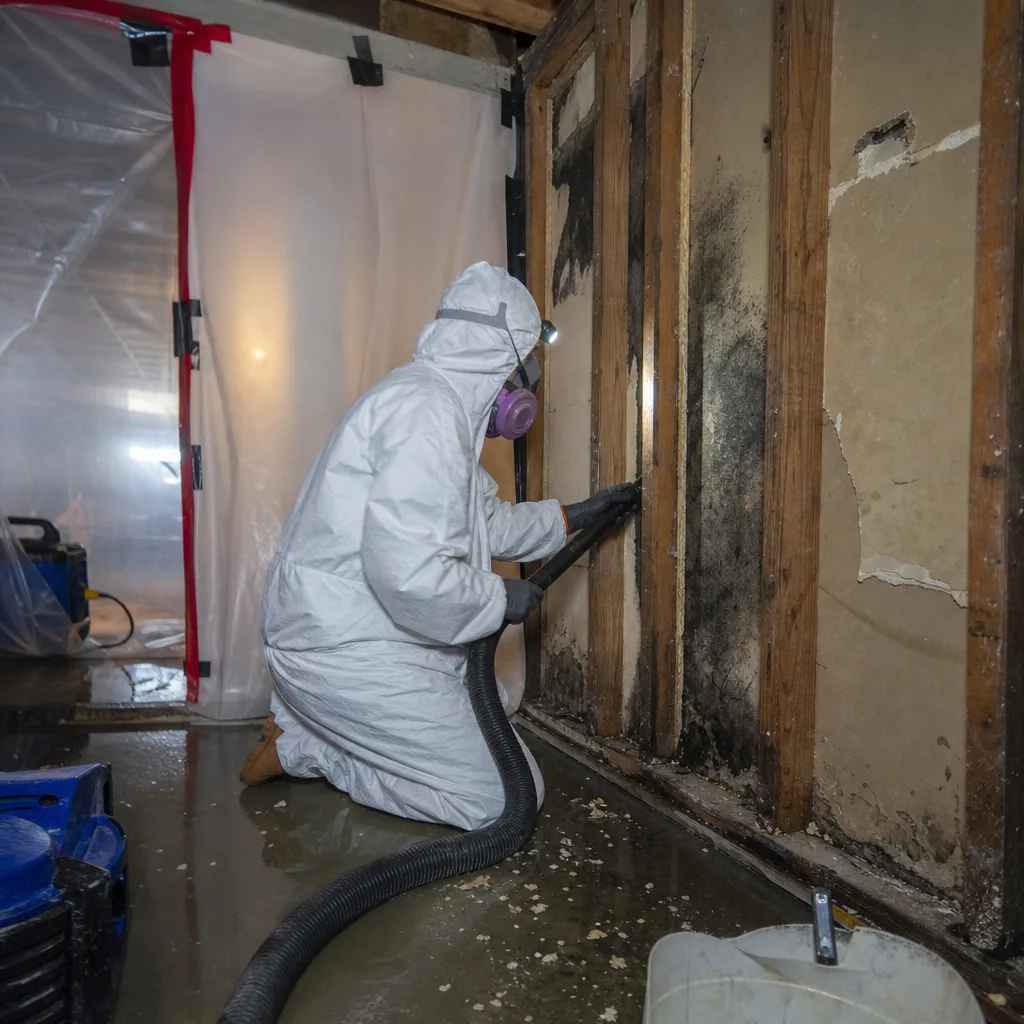
Sanitization & Disinfection
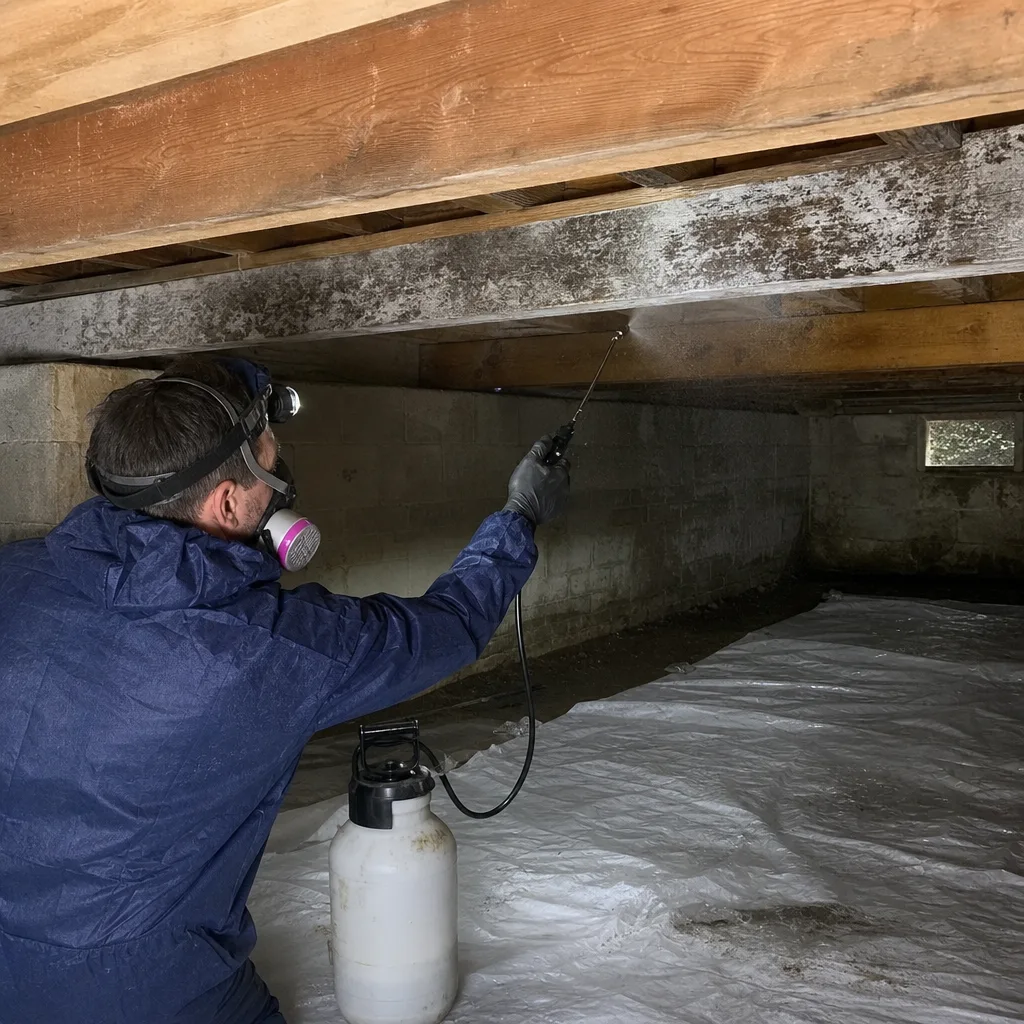
After sewage is removed and the affected area dries, we treat every exposed surface with EPA-registered antimicrobials. That includes wall cavities, subfloor framing, and the underside of the flooring finish. Your family should not be breathing what came up through that drain.
What happens when you call
- 1
A real person answersNo phone trees - you reach a local pro.
- 2
You get an upfront price rangeHonest numbers before anyone is dispatched.
- 3
A background-checked tech heads outLicensed & insured, dispatched right away.
- 4
You approve before work beginsNothing starts until you say go.
Sewage Cleanup Costs in Corona, NY
Sewage cleanup pricing in Corona falls into predictable bands, and we quote a written scope before work starts so there is no open-ended billing. A straightforward toilet overflow contained to a bathroom runs $850 to $1,800 including extraction and sanitization. A full basement sewage backup with water across the floor, wall saturation, and containment typically runs $2,400 to $5,500 depending on square footage and how far the water traveled. When original asbestos tile or saturated cast-iron pipe requires removal and replacement, the total goes higher, usually $6,000 to $12,000, and that work is coordinated with proper abatement protocols. Crawl space sewage removal runs $1,900 to $4,200 depending on access and how much structural drying is required.
Insurance covers most sudden and accidental sewage backups under a standard homeowners policy, though some Corona policies carry a separate water backup endorsement that is not automatic. We handle the adjuster coordination directly, and our free visual inspection gives you a firm number before you decide anything. Call (363) 999-0829 and we’ll walk it together.
We Also Serve Cities Near Corona
Our emergency sewage cleanup coverage extends from Corona into Elmhurst, Jackson Heights, Flushing, and East Elmhurst, with the same 45-minute response commitment and the same live dispatch at every hour.
Serving Corona, NY - Our Local Coverage Area
We’re based in the Corona area and know this community well. Use the map below to see our service coverage - if you’re nearby, we can almost certainly help.
Corona Sewage Cleanup Questions, Answered
How does a sewage backup in one Corona townhouse affect the attached neighbor’s basement?
In Corona’s attached brick homes, two addresses often share a single 4-inch cast-iron waste line. When one side backs up, category 3 water travels through the shared drain and party-wall voids into the adjacent basement, and by the time one owner notices a smell or wet floor, both sides are already compromised. That’s why we always assess both sides of a shared wall when we respond to a sewage event on an attached block. Treating only the address that called just invites the water back in from the neighbor’s side within days. Call (363) 999-0829 and we’ll check both basements while we’re on the block.
Why do basement sewage backups happen during rainstorms in Corona even when no upstream flooding is reported?
Corona sits in one of the lowest-lying pockets of Queens, with dense impervious surface and limited storm-drain capacity. The combined sewer system surcharges during heavy rain, meaning stormwater and sewage mix in the same pipeline and back up through the lowest available opening, which is usually a basement floor drain. This happens at rain totals that do not flood Jackson Heights or Elmhurst, because Corona’s topography and drainage infrastructure are simply different. When the street sewers are overwhelmed, the water has to go somewhere, and in Corona, that somewhere is often your basement.
Can you remove sewage from a crawl space under a Corona home without moving the tenants out of the basement apartment above?
In most cases, yes. We set containment at the crawl space access, run negative air with HEPA filtration to keep sewage aerosols from migrating into the living unit above, and work in full PPE with proper ventilation. Tenants typically stay in the apartment while we extract and dry the crawl space below. If the subfloor is so saturated that structural integrity is compromised, we’ll section off the affected area and recommend temporary relocation for safety. The written scope we give you before work starts addresses exactly where tenants can and cannot be during the job.
What are the signs that a ‘toilet overflow’ in a Corona basement apartment is actually a sewer line failure?
You should suspect a sewer line failure rather than a fixture clog when the water coming up is black, smells like the street, and shows up in multiple fixtures at once, when flushing the upstairs toilet makes the basement toilet gurgle, or when water rises out of a floor drain while no fixture is running. Those are all indicators of a main line backup, often from a bellied or collapsed section of original cast-iron waste pipe. A toilet overflow that is clean water is a plumbing issue. A toilet overflow that is black water is a sewer event needing category 3 protocols. We can tell you which one you’re dealing with on the free inspection.
How quickly can you respond to a sewage backup in Corona when parking and alley access are tight?
Live dispatch puts a crew on the road the moment you call (363) 999-0829, and most Corona addresses are reached within 45 minutes. Our techs know the alley-load blocks and the double-park realities near Roosevelt Avenue. We carry portable extraction equipment sized for tight basement access when a truck-mounted line won’t reach the cellar door. Parking is our problem to solve, not yours. You call, we get there.
Will insurance cover sewage cleanup in Corona?
Sudden and accidental sewage backups are covered under most standard homeowners policies, though the water backup endorsement that many carriers require in New York is not always part of the base policy. Flooding from a rising river or overflowing lake is different, but a sewer surcharge that backs up into your basement during a storm is typically a covered water backup loss. Our team documents everything from the first hour and coordinates directly with your adjuster so the claim is filed correctly the first time.
How long does sewage remediation and drying take in a typical Corona basement?
Extraction and sanitization happen on the first day. Structural drying typically takes 3 to 5 days in a Corona basement, depending on the age of the concrete, the amount of finished wall material, and the humidity load. We take daily moisture readings and hand you the log. Repairs and rebuild run longer, often 1 to 2 weeks, depending on scope. Every day of that timeline is documented and in writing before we cut anything out.
What should I do in the first 30 minutes after discovering a sewage backup in Corona?
Do not enter the affected area without protective footwear and gloves. Do not run a standard fan or open windows thinking you’re airing it out; you’re blowing sewage aerosols through the house. Shut off the water to any running fixtures. Keep children and pets out entirely. Then call (363) 999-0829. A live dispatcher answers and a crew is rolling toward Corona while you’re still on the line. The first 30 minutes determine what can be saved.
We scoped a sewage backup in a basement apartment off 104th Street near 43rd Avenue, where a 1928 cast-iron drain line had bellied and sent category 3 water up through a floor drain during a heavy rain. Our crew set containment at the narrow alley-load entrance, used moisture mapping to track saturation behind finished sheetrock, and ran two Dri-Eaz dehumidifiers with XPOWER air movers around the clock. We cut out the original asbestos vinyl tile under a containment barrier and had the space at pre-loss condition before the tenants returned from a hotel. That job wasn’t a rarity in Corona. It was a Tuesday.
Written by Curt Bowman, Owner at Floodline Restoration Co., serving Corona and the surrounding Queens communities with full-cycle restoration since 2010.