
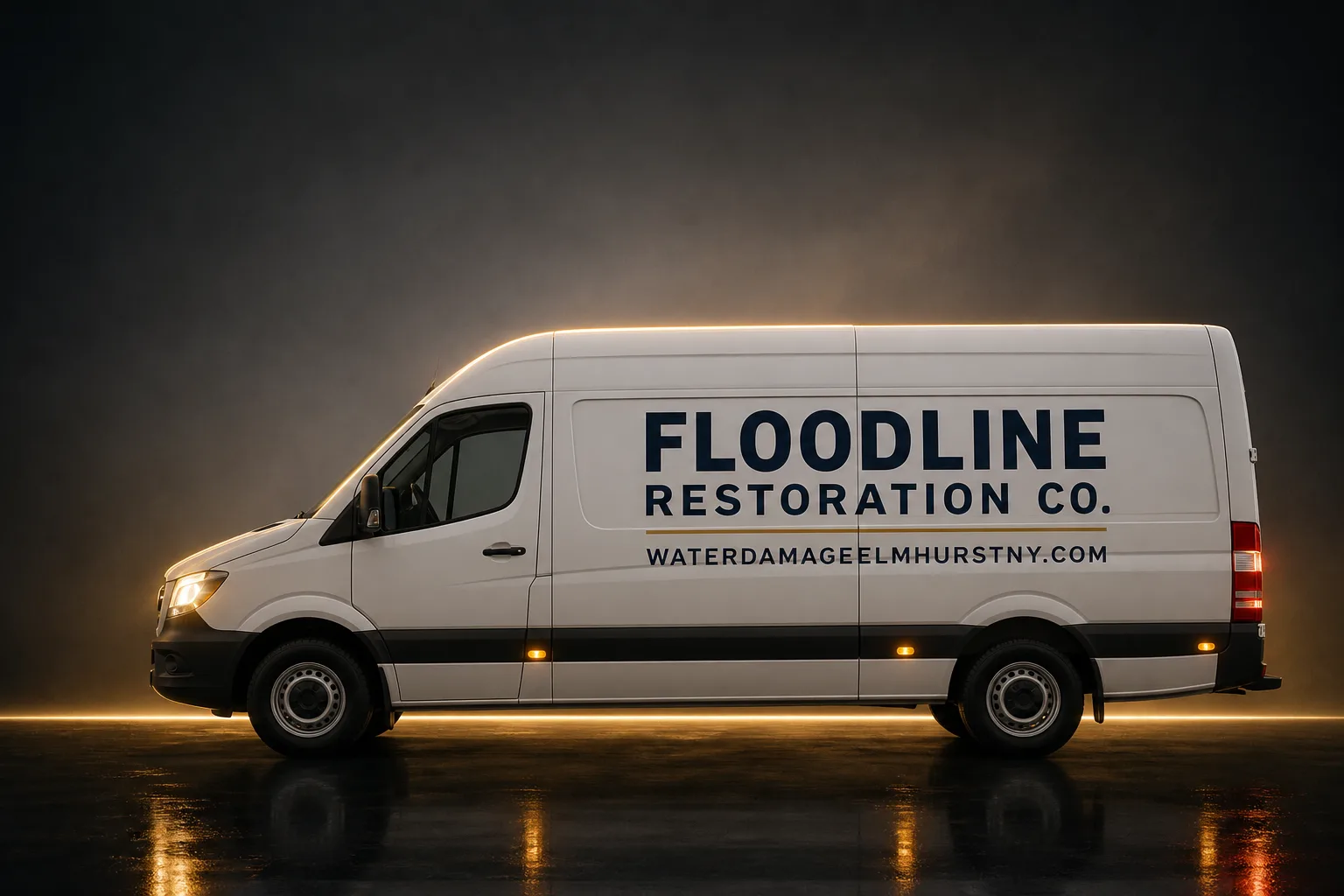
Free visual inspection and a written scope of work before any mitigation begins - photos, moisture readings, and drying logs go in your claim file
The scope we write is the scope we bill. Anything new gets shown to you, in writing, before we touch it.
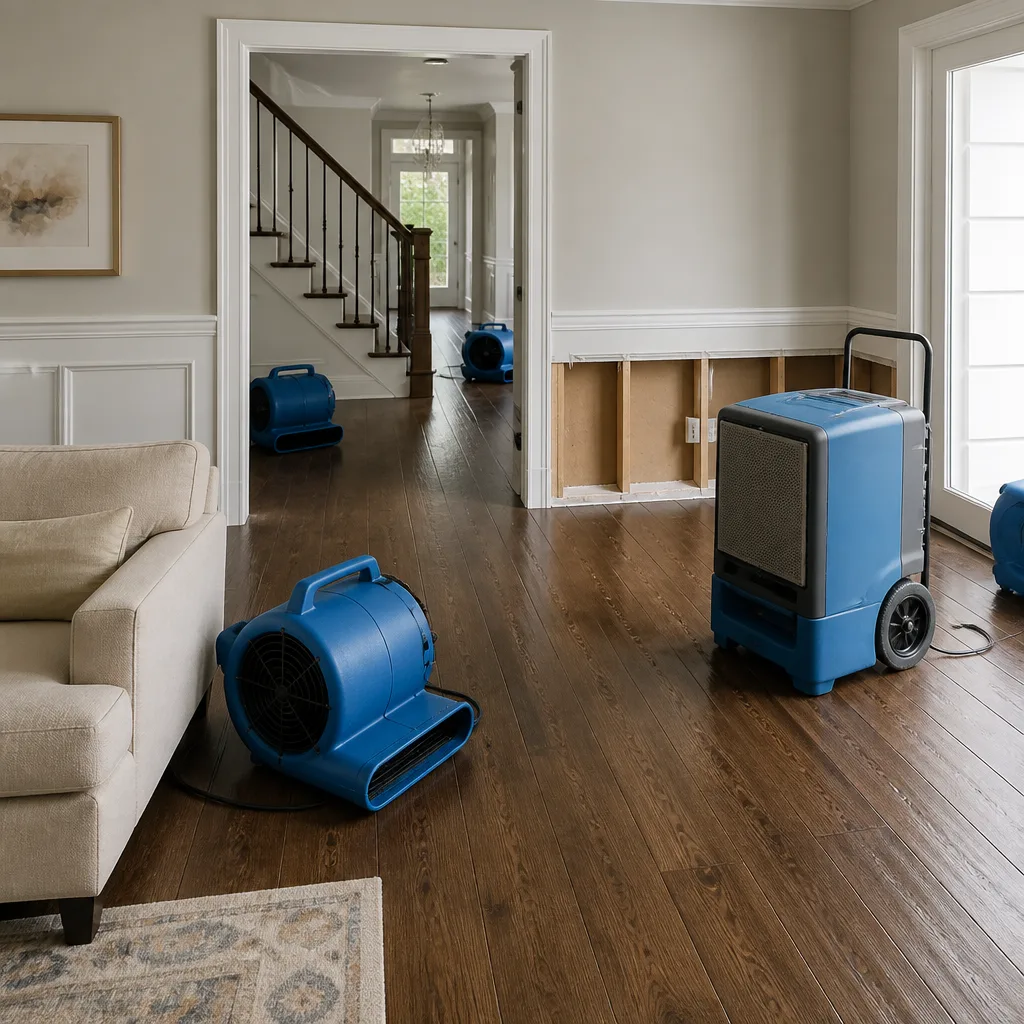
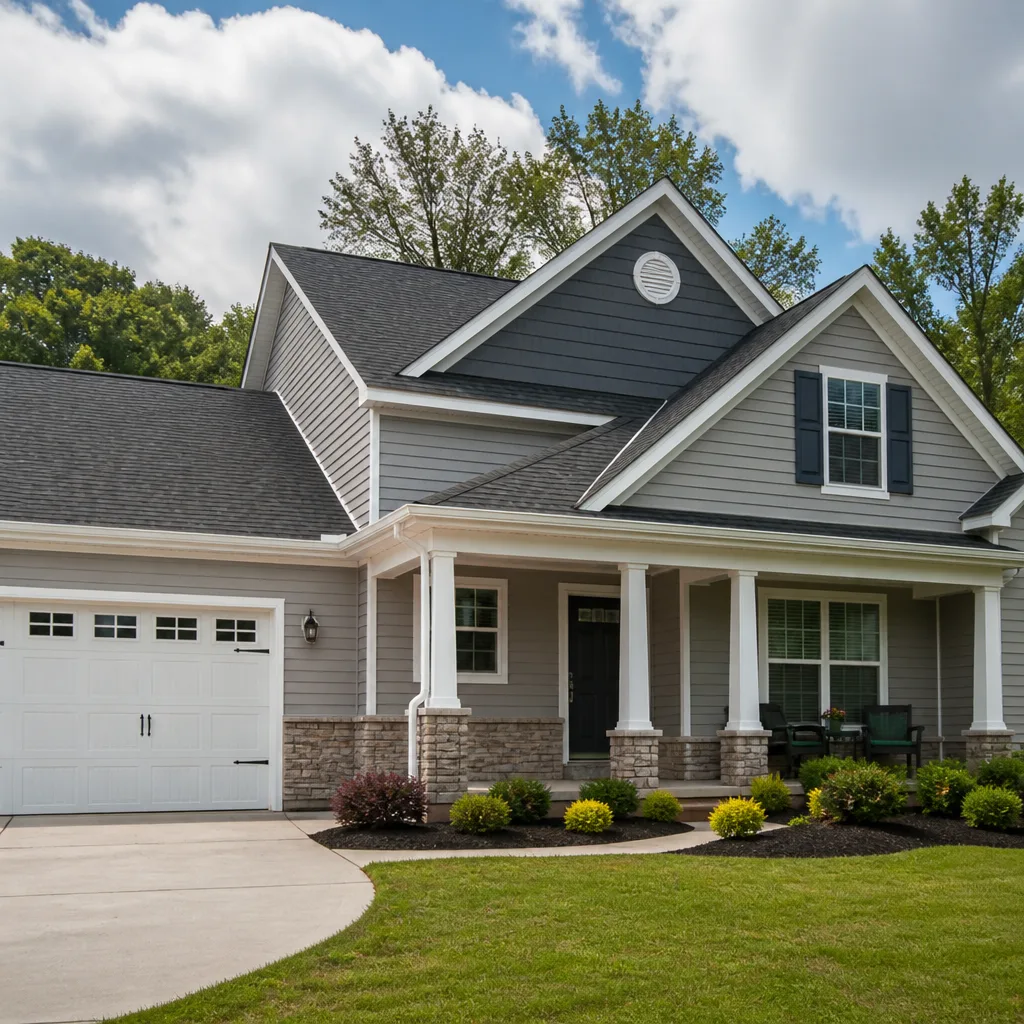
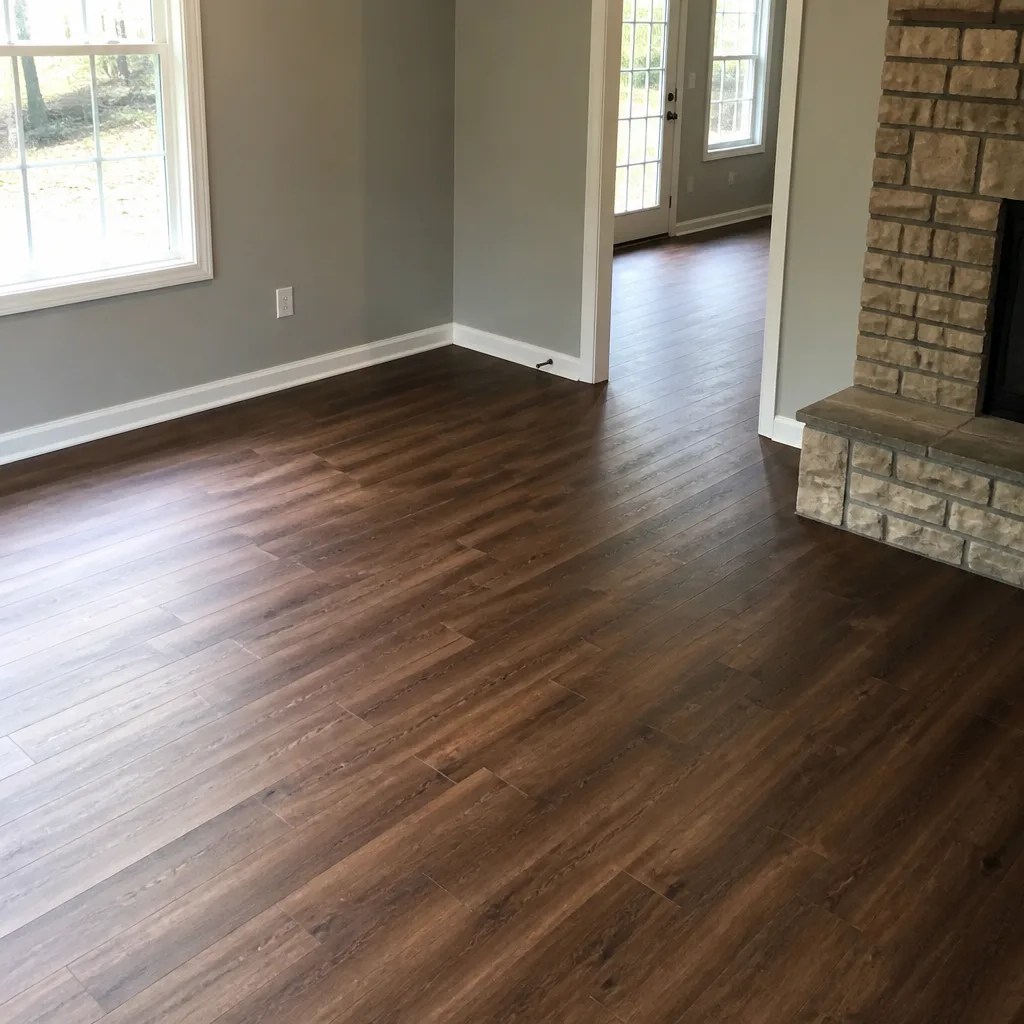
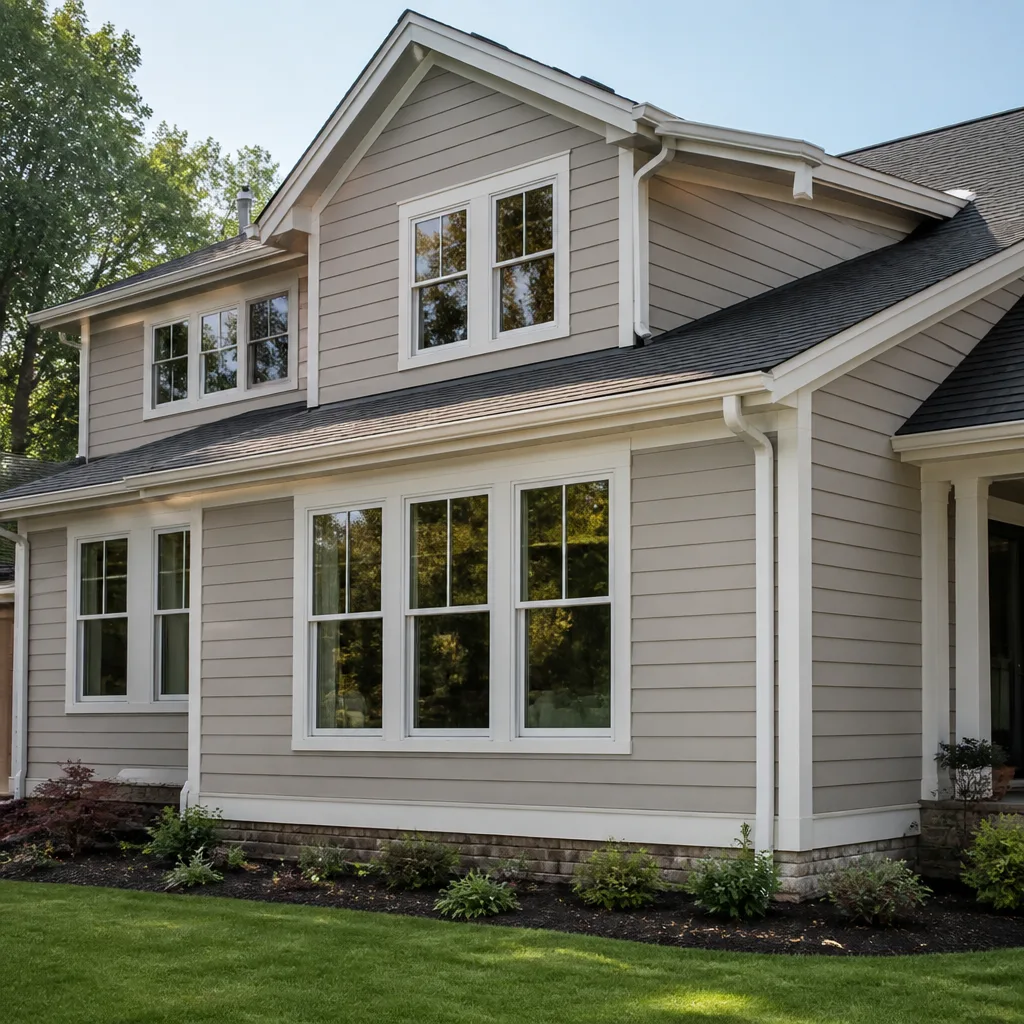
 Before
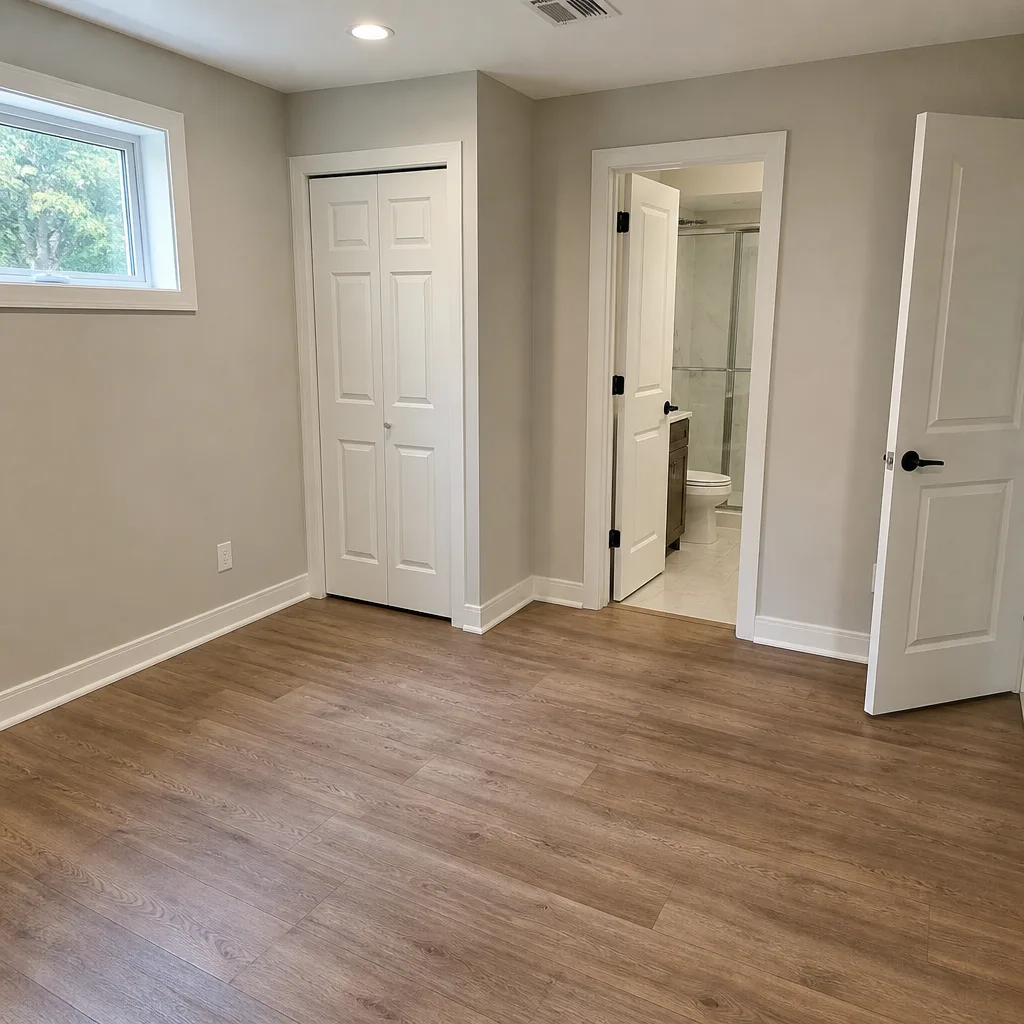 After
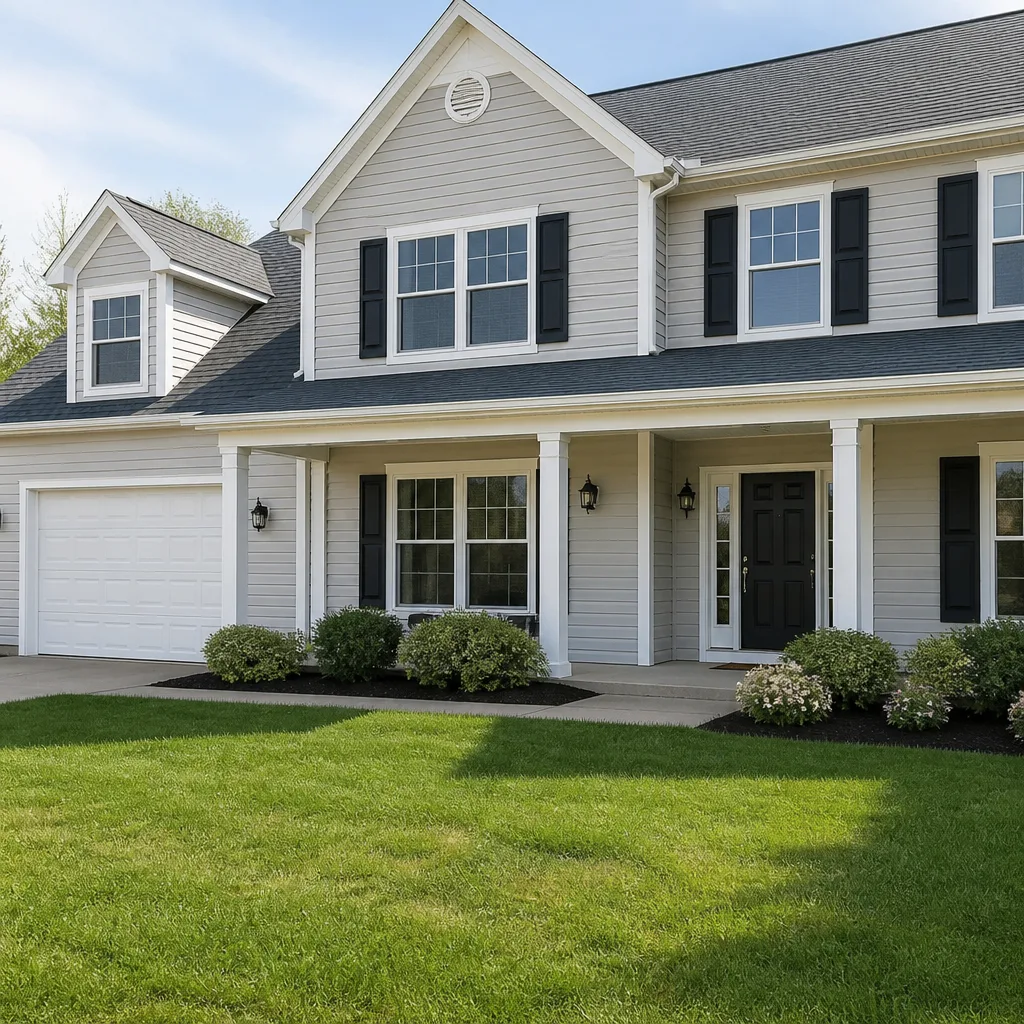
After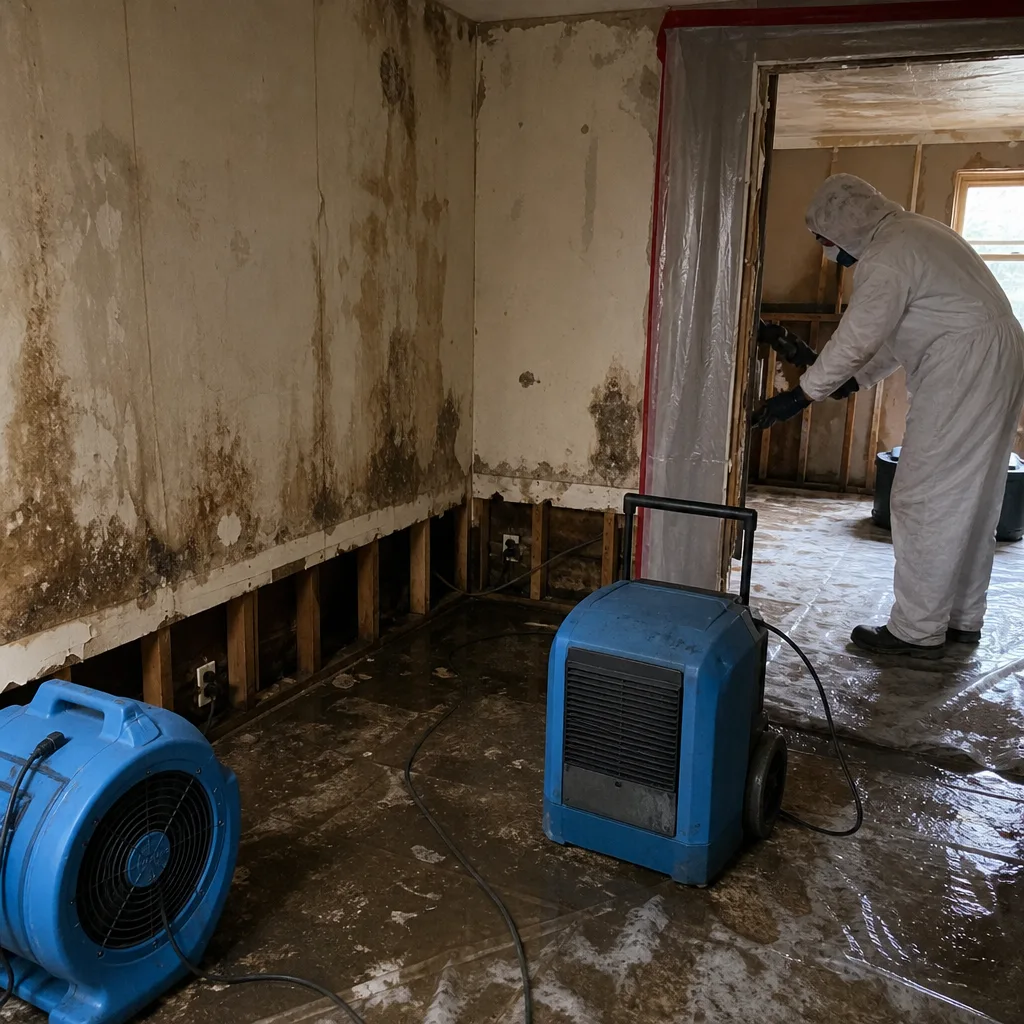 Before
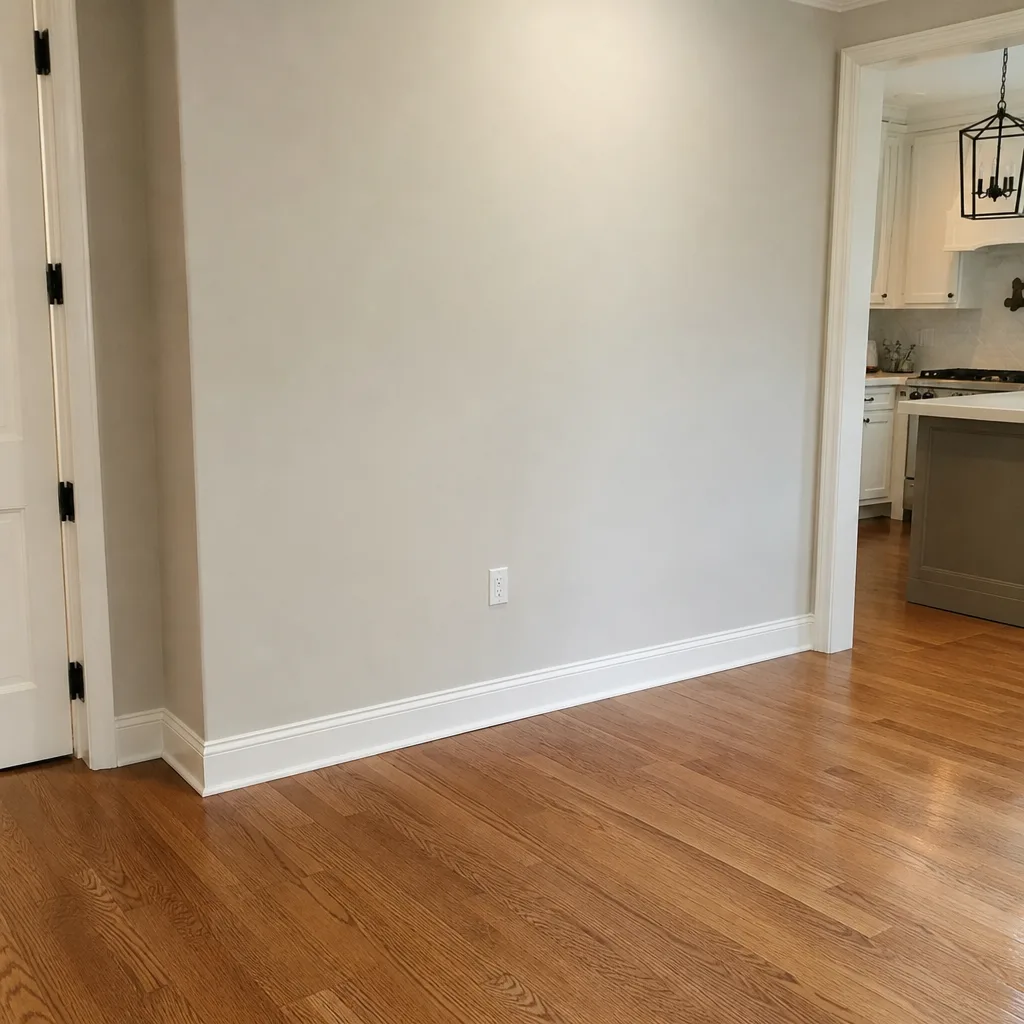 After
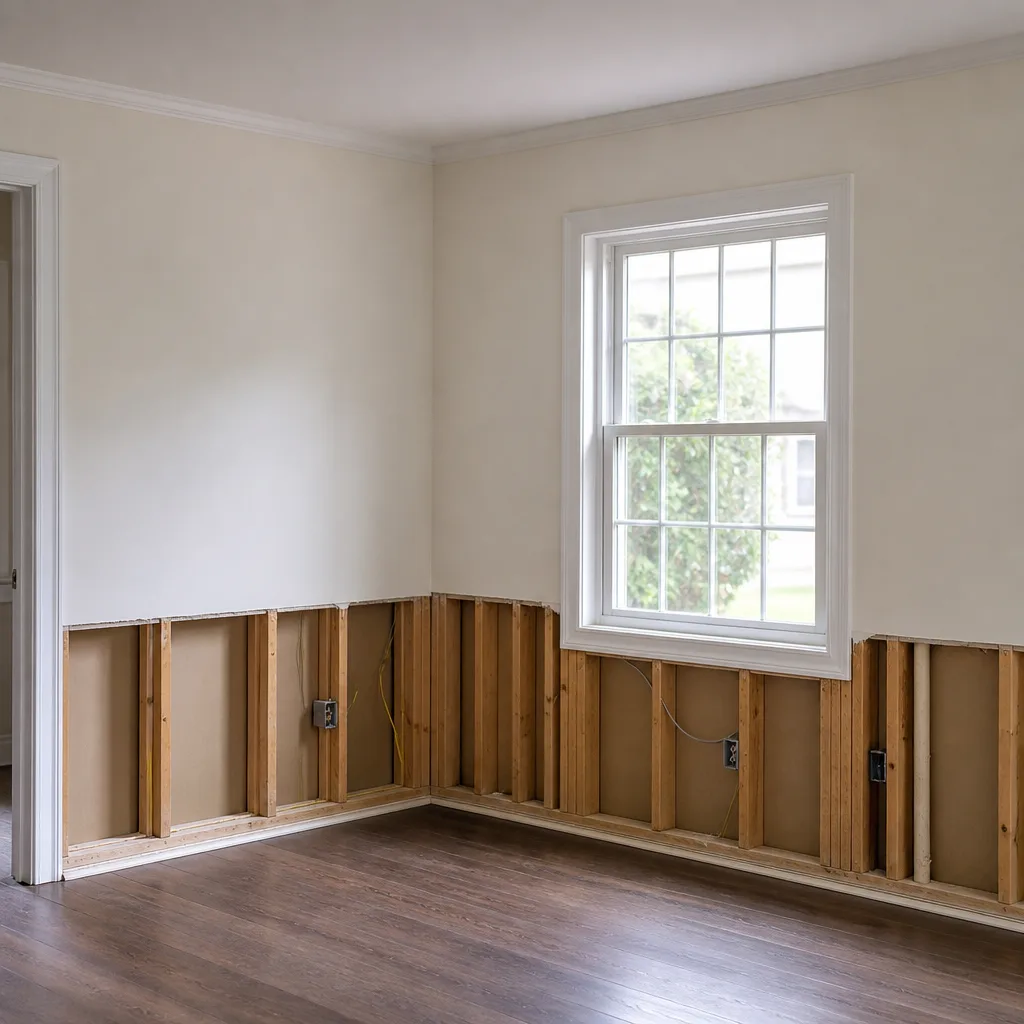
After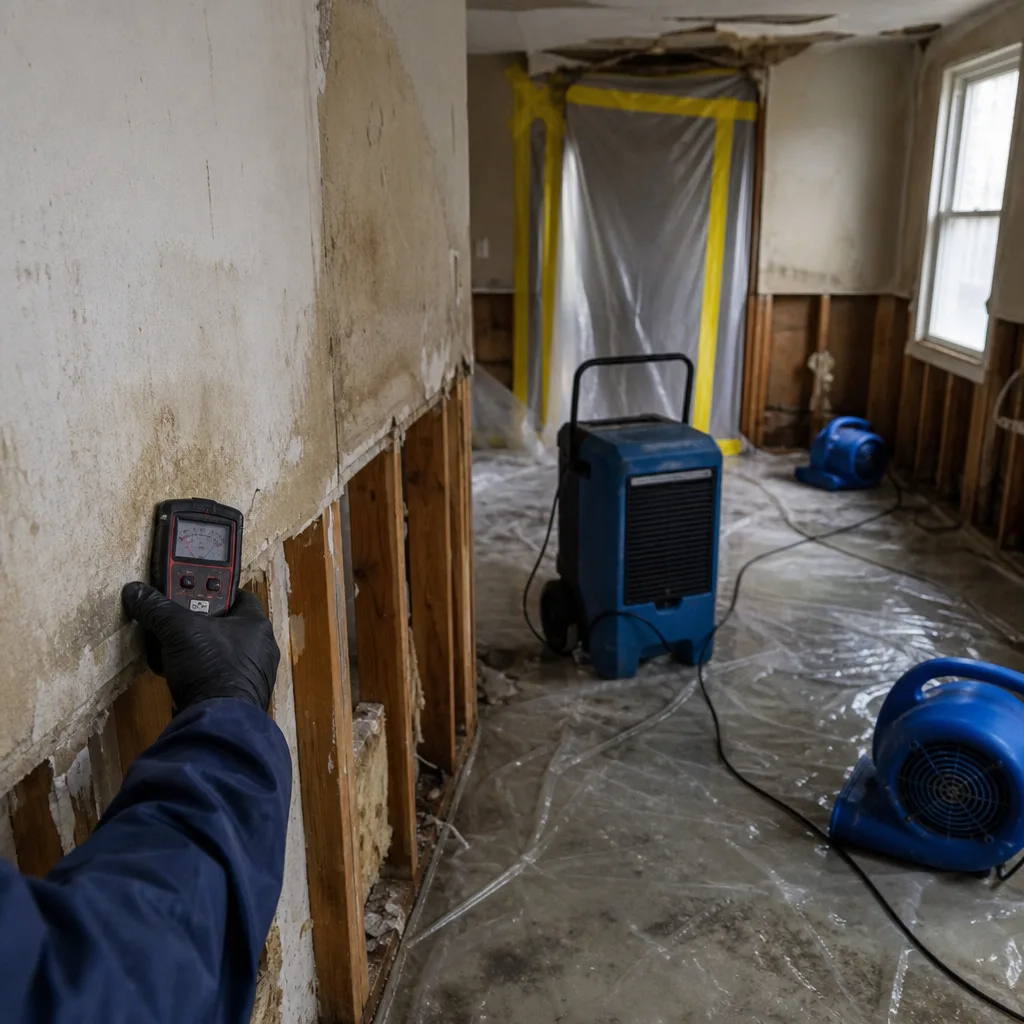 Before
 After
After24/7 Emergency Sewage Cleanup in Middle Village
When a sewer line backs up into a finished basement in Middle Village, the clock starts immediately. Category 3 water, what we call black water, carries bacteria, viruses, and raw waste that saturate drywall, carpet pad, and anything porous within hours. Floodline Restoration Co. answers the phone with a live dispatcher at 2 a.m., not a recording. Call (363) 999-0829 and a certified crew is dispatched to Middle Village from our New York City office, arriving with extraction equipment, containment materials, and a clear plan to stop the spread before it reaches your shared party wall or your neighbor’s side of the structure.
Understanding Sewage Cleanup Severity in Middle Village Properties
Sewage cleanup is not a mop-and-call-it-done job. The Sewage Cleanup team at Floodline classifies water by category, and a sewer backup is always Category 3, the most hazardous classification. It contains pathogens, parasites, and toxins that require full containment, antimicrobial treatment, and disposal of affected porous materials. In Middle Village, the severity compounds because so many of the brick semi-detached homes built between 1940 and 1965 have finished basement spaces that serve as primary living areas. What would be a simple pump-out in an unfinished cellar becomes a full gut on a block of 11379 homes where the basement is a family room, a home office, or both.
Moisture mapping matters here more than in most Queens neighborhoods. Middle Village sits on the glacial moraine with a high water table, and the humidity in summer regularly exceeds 70%. That means a sewage backup can begin colonizing mold inside wall cavities within 48 hours, especially when contaminated water wicks into the shared party wall between semi-detached units. We use thermal imaging and hygrometers to find moisture that is not visible to the eye, because hidden pockets are where the real damage compunds.
Why Middle Village Property Owners Choose Floodline Restoration Co.
- A 45-minute response commitment. When you call from Middle Village, we dispatch immediately and our crews know the local streets from Juniper Valley Park to Lutheran Cemetery to 75th Street, so they do not waste time figuring out the route.
- A live person answers the phone, 24/7. No phone tree, no automated system, no “press 2 for emergencies.” A dispatcher who knows the difference between a toilet overflow and a sewer main backup picks up on the first ring, every time.
- IICRC-certified crews, trained to WRT and AMRT standards. Our technicians carry current certifications and follow the same protocols on every job: contain, extract, evaluate, dry, sanitize, and document each step.
- A free visual inspection, no obligation. We walk the damage with you, explain what we are seeing in plain language, and hand you a written scope before any work starts. You approve every phase.
- Direct insurance billing. We bill your carrier directly and communicate with your adjuster from day one, so you are not playing messenger between the insurance company and the restoration crew.
- One team from extraction to reconstruction. We take the job from the first pump-out through the final piece of baseboard, so no new crew inherits a half-finished project and no one blames the previous contractor.
Our Sewage Cleanup Process
Inspection & Assessment
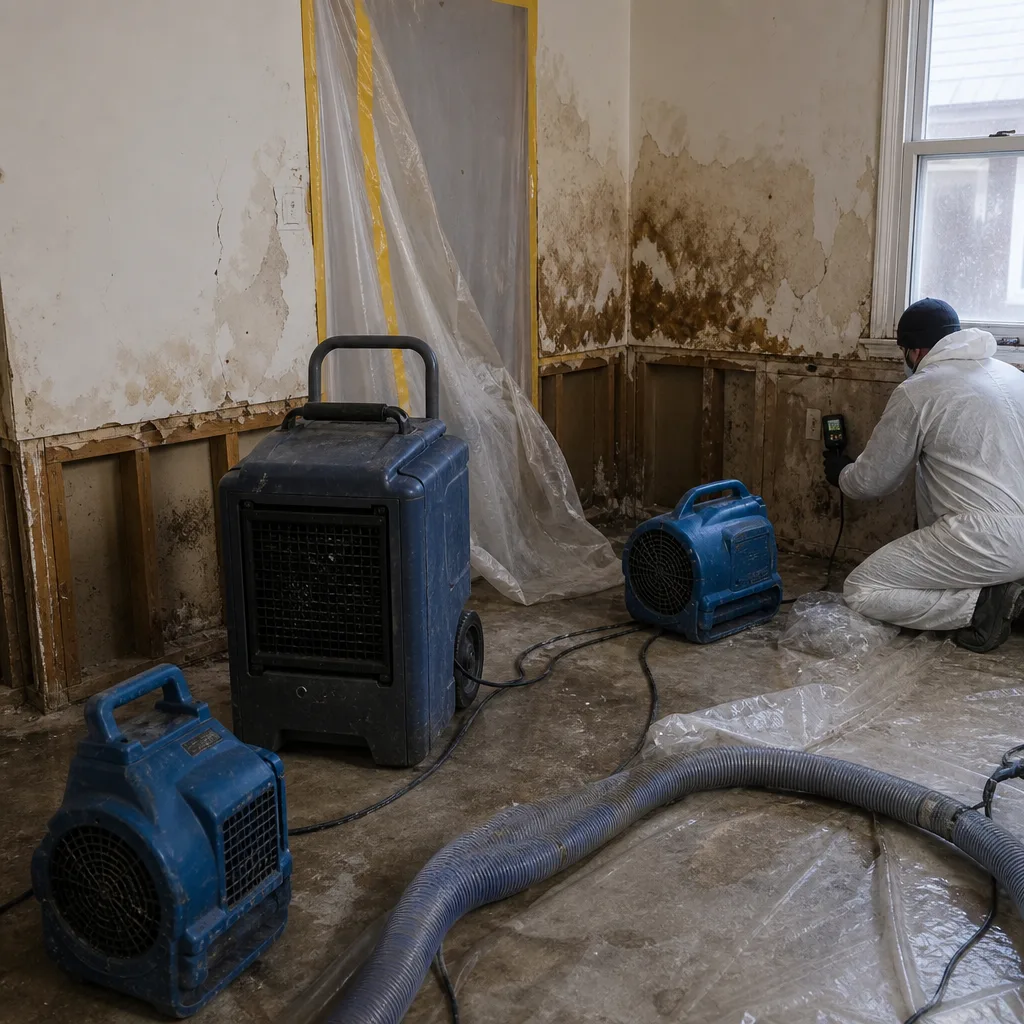
We arrive, identify the point of failure, and map the extent of the contamination. In Middle Village homes with finished basements, this includes checking the shared party wall for wicking, inspecting under cabinetry with moisture probes, and testing humidity in enclosed cavities. We document everything with photos before we move anything.
Extraction & Stabilization
We remove standing black water using truck-mounted extraction units and submersible pumps. Porous materials that cannot be sanitized, such as carpet pad, saturated drywall, and particleboard cabinetry, are cut out and removed under containment. The goal in the first hour is to stop the contamination from spreading.
Drying & Dehumidification
We set professional-grade Phoenix air movers and B-Air dehumidifiers to begin structural drying. Daily moisture readings are logged against a drying standard, and the log is handed to you and your carrier. In Middle Village’s humid summers, this phase requires close monitoring; we do not guess, we measure.
Cleaning & Sanitization
Every surface in the affected area is cleaned with hospital-grade antimicrobial and disinfectant agents. Non-porous surfaces are scrubbed, fogged, and wiped down. Framing that survived is treated to prevent microbial growth. We also address any remaining odor through air scrubbing and, where needed, hydroxyl technology.
Crawl Space & Hidden Cavity Treatment
In Middle Village semi-detached homes, we inspect crawl spaces, utility chases, and the narrow gaps behind the shared party wall. These areas trap contaminated moisture and need direct drying and antimicrobial application just as much as the open floor does.
Repairs & Restoration
Once the structure is dry and verified clean, we rebuild: drywall, flooring, trim, paint, and any electrical or plumbing repairs. This is our Sewage Cleanup in Middle Village specialty because we hold the job from start to finish and handle the NYC DOB permits that party-wall work requires on semi-detached blocks.
Need Emergency Sewage Cleanup in Middle Village Now?
Crews minutes away, answering live 24 hours a day. The sooner we start, the less it costs.
Working With Your Insurance Company
We know what adjusters need to see, and we give it to them from the first hour. The photo you take on your phone is not enough. The carrier wants a documented chain: initial damage photos, moisture readings on arrival, daily drying logs, and a line-item scope of work that matches the restoration industry’s standard estimating software. Floodline Restoration Co. does this every day. Curt Bowman, our founder, built the company on the principle that the homeowner should not be the go-between when the insurance company and the restoration contractor are trying to figure out who pays for what. We bill your insurer directly and talk to your adjuster on your behalf.
What We Provide Your Insurer
- Thorough documentation of the loss
- Photos of all damage, room by room
- Moisture readings and drying logs
- A detailed, line-item scope of work
- Direct coordination with your carrier
Built for Middle Village’s Loss Calendar
Middle Village has a predictable rhythm to sewage losses. Summer cloudbursts and nor’easters overload the neighborhood’s aging combined sewer system, pushing stormwater and raw sewage back up through basement floor drains. That is when we see the worst finished-basement damage, because the water arrives fast and often sits unnoticed overnight. July and August heat then accelerates mold response: wet framing inside a closed basement on an 85-degree day starts colonizing within 36 hours. This is not theoretical. It is the pattern we have documented across ZIP code 11379, from the blocks around Juniper Valley Park to the streets bordering the Lutheran Cemetery.
Fall brings a quieter period, but it is also when homeowners finally inspect the basement and find the slow leak from a cracked cast-iron drain stack that has been saturating drywall for weeks. Winter deep freezes burst older galvanized supply lines inside finished walls, and the thaw in March reveals what the freeze did. Floodline is built for this calendar, because the same crew that reads the moisture map in July returns for the rebuild in August, with the 90-Day Done Right Promise in your hand.
Sewage Cleanup Across Middle Village’s Neighborhoods
Middle Village’s streets each carry their own quirks. Around Juniper Valley Park, the homes are larger detached colonials with deeper basements, often fully finished with recessed lighting and built-in bars, which means a backup hits expensive finishes and custom cabinetry. The blocks of 75th Street and the surrounding semi-detached brick homes built in the 1950s have shared party walls where contaminated water travels laterally into the neighbor’s side, turning a single-home backup into a two-home claim. Near Lutheran Cemetery, development is packed tight on residential streets, and many of the basements serve as home offices or in-law suites, so a cleanup that requires a full pack-out also disrupts someone’s livelihood. Over toward Woodhaven Boulevard, the commercial stretches and mixed-use buildings have their own access challenges, with basement-level businesses that cannot afford a long closure. Wherever the job is in 11379, our crews know the route and the building type before they arrive.
Specialized Sewage Cleanup Services We Offer in Middle Village
Sewage Backup Cleanup
A sewer main backup in Middle Village usually announces itself through the lowest drain in the house: a basement floor drain, a laundry sink, or a toilet. By the time you see it, the contamination has already saturated whatever it touched. We extract, remove the affected materials, and build a containment barrier so the contaminated air does not travel up through the house.
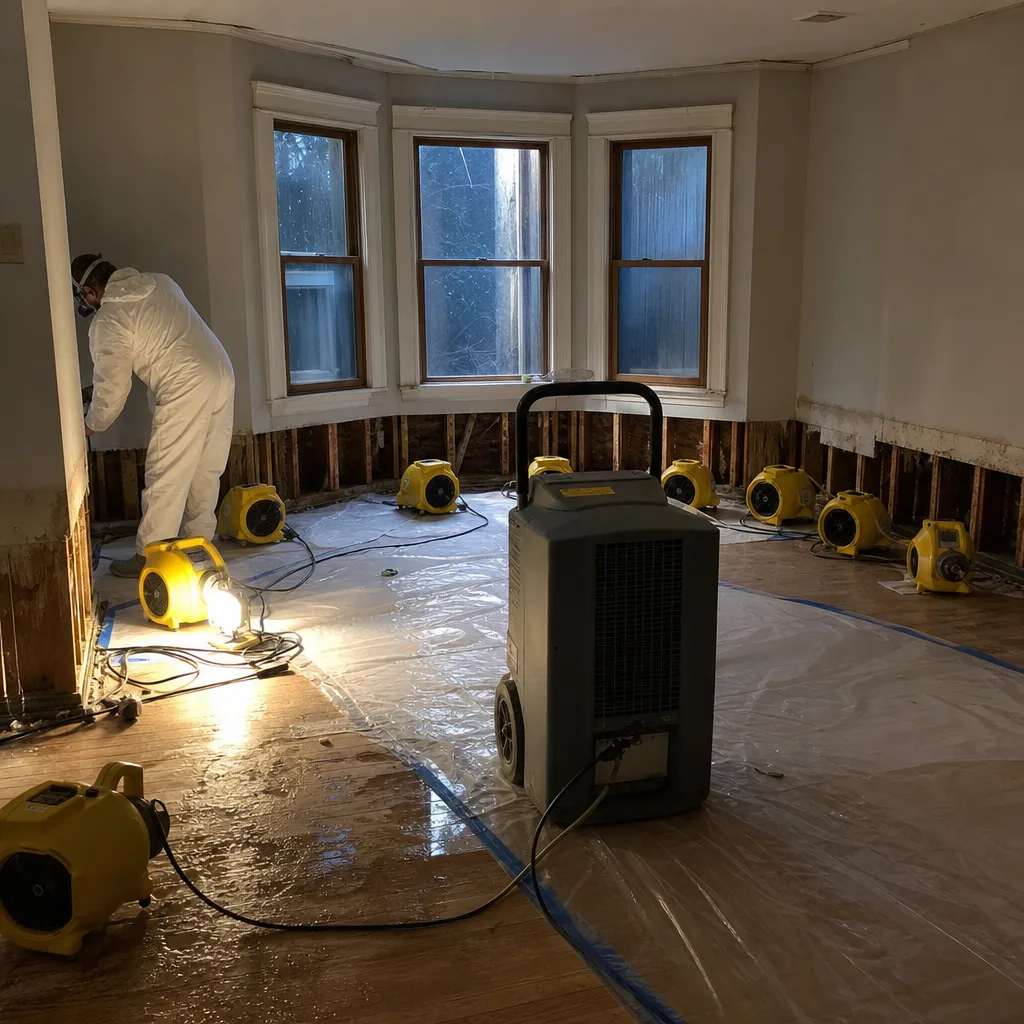
Black Water Extraction
Black water extraction is not a job for a shop vac. Category 3 water from a sewer line requires pump systems that can move hundreds of gallons per hour, and the operator needs the training to know where the contamination stops. In a finished Middle Village basement with a home office, we extract under containment and then test the surrounding materials before deciding what stays and what gets cut out.
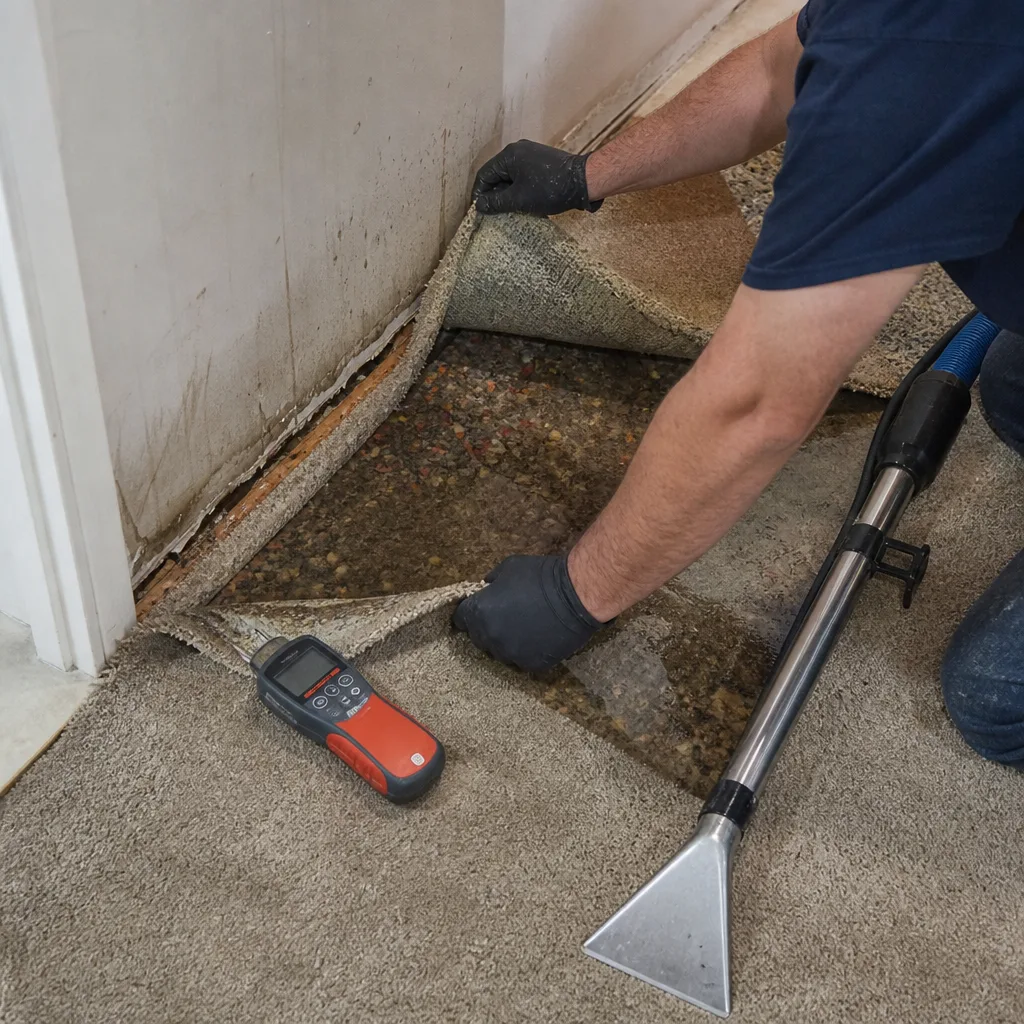
Sanitization & Disinfection
After the water is gone, the bacteria are still there. We apply EPA-registered antimicrobial agents to all affected framing, subfloor, and the backside of surviving drywall. In Middle Village homes with party walls, this step is critical, because the framing inside that shared wall will be exposed during the rebuild, and if it is not treated, the odor and the health risk linger behind fresh drywall.
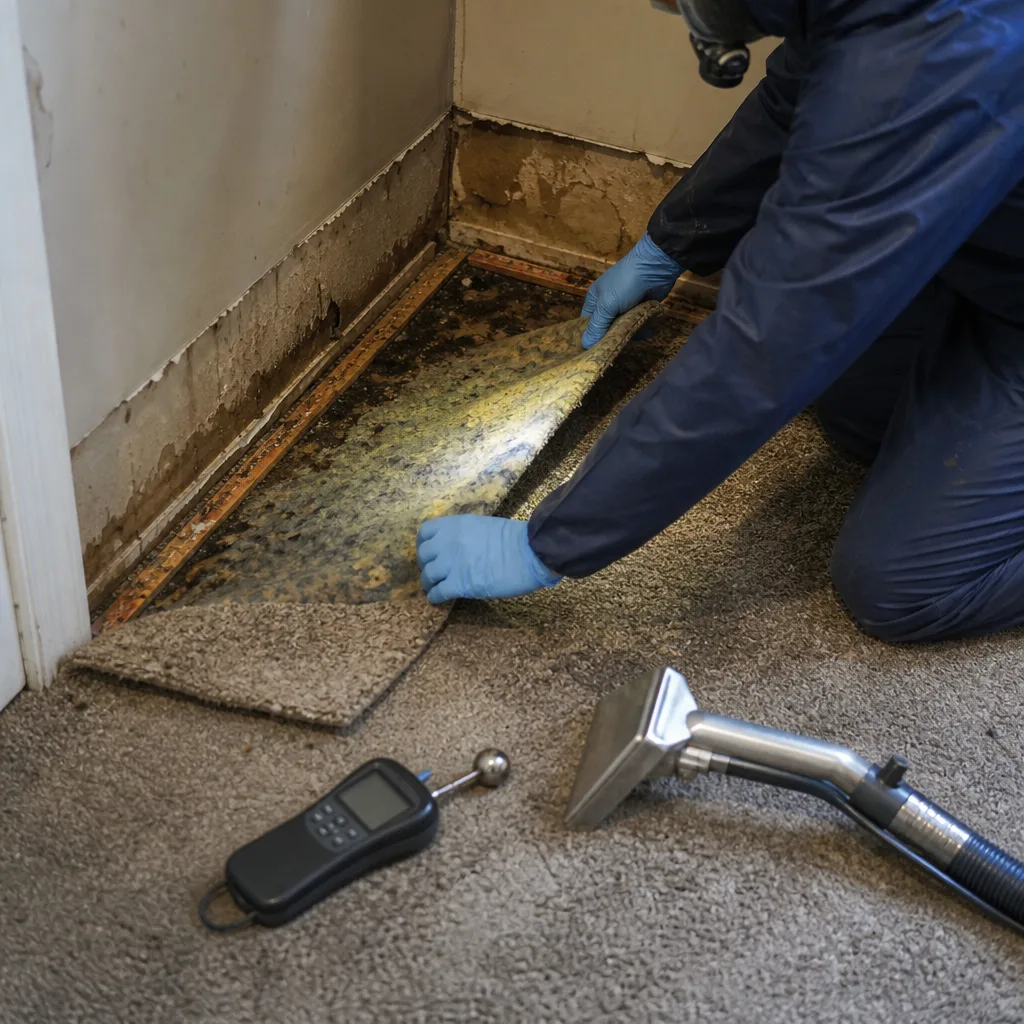
Toilet Overflow Cleanup
A single toilet overflow on a humid Middle Village afternoon can ruin a bathroom and the ceiling below within hours. We remove the contaminated water, cut out the saturated drywall, and dry the cavity before mold can take hold. The job is small compared to a sewer main backup, but the same protocols apply: containment, sanitization, and documentation.
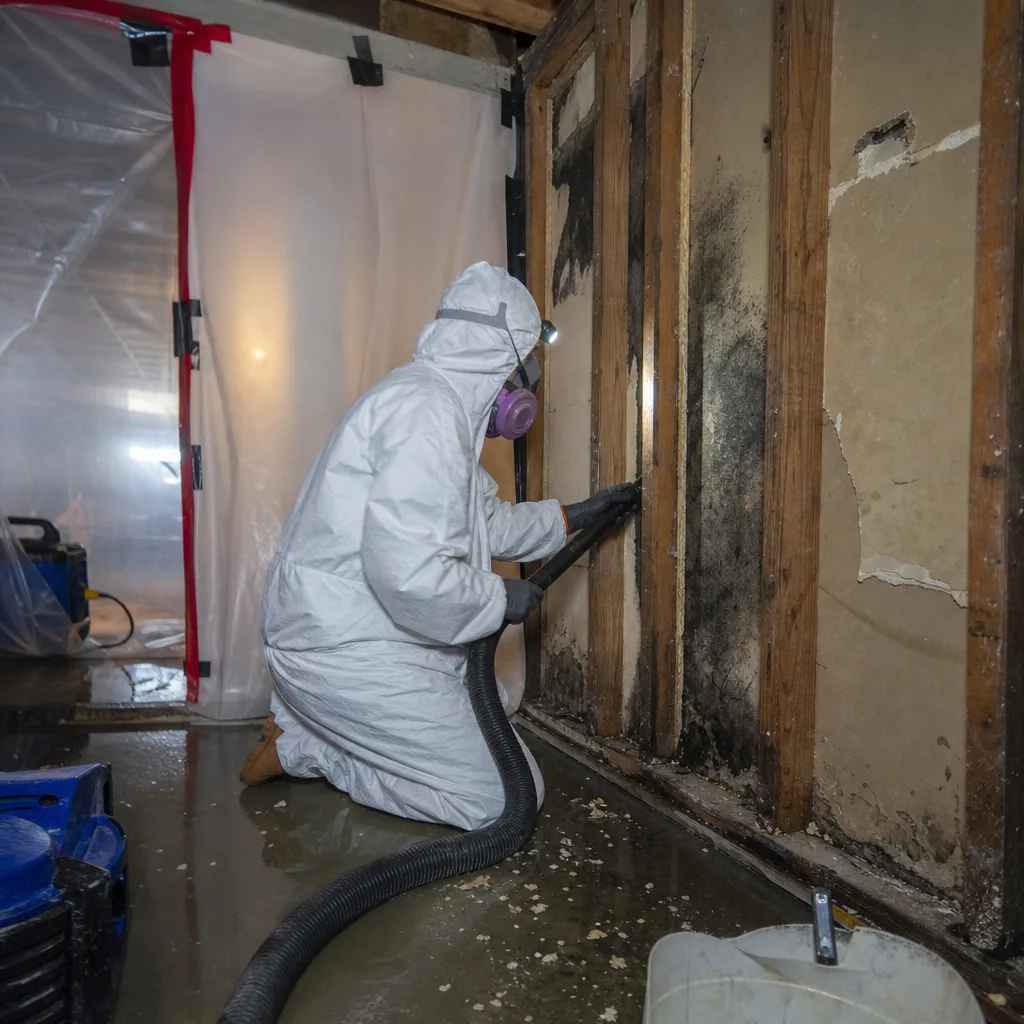
Septic Failure Cleanup
Though less common in the 11379 sewer grid, some older Middle Village properties still have private septic systems or cesspools that date back decades. When those fail, the effluent surfaces in the yard or backs into the basement. We handle the cleanup and the structural drying, and we coordinate with a licensed plumber for the system repair.
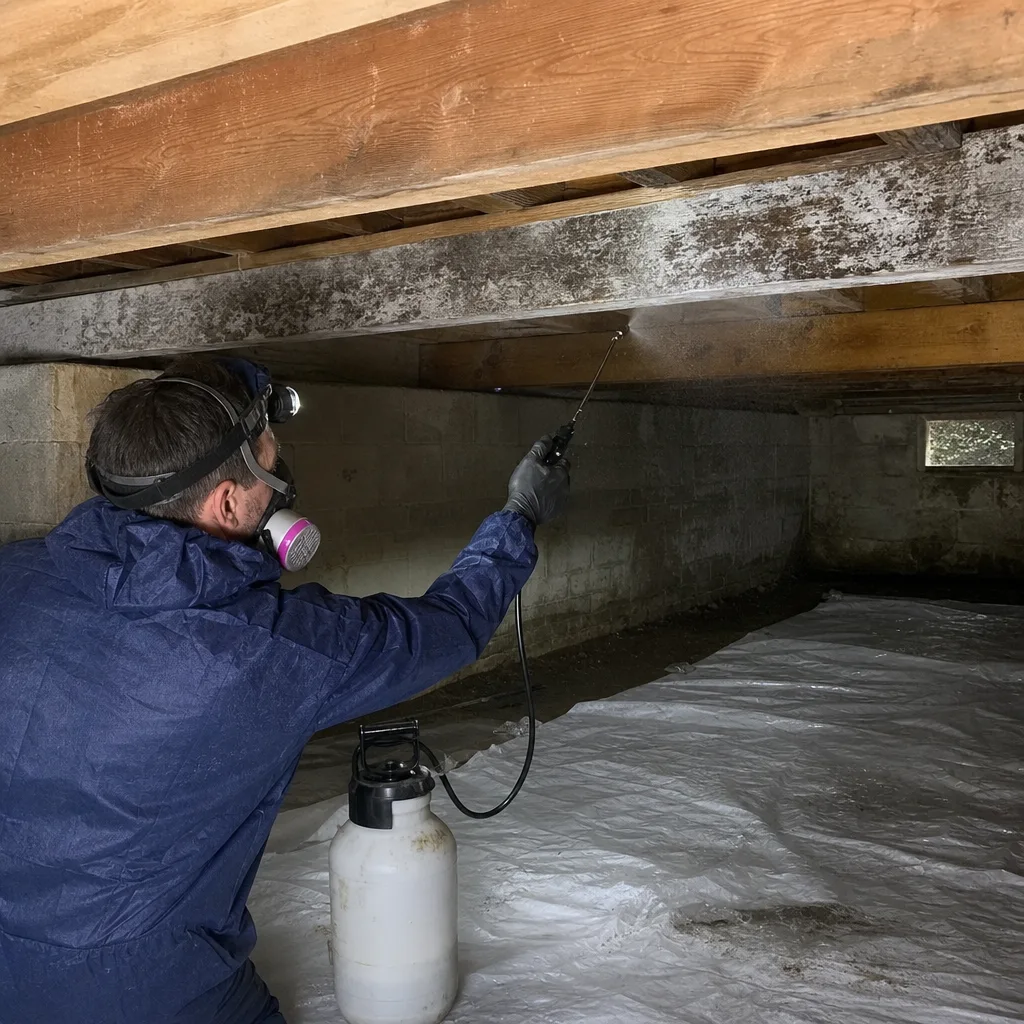
Crawl Space Sewage Removal
Crawl spaces in Middle Village semi-detached homes are often tight, dark, and poorly ventilated. When sewage lines running through a crawl space break, the contamination spreads under the entire first floor. We extract, remove the contaminated soil and vapor barrier, and treat the framing from below. This is miserable work, and we do it thoroughly, because a crawl space left wet is a mold factory for the whole house.
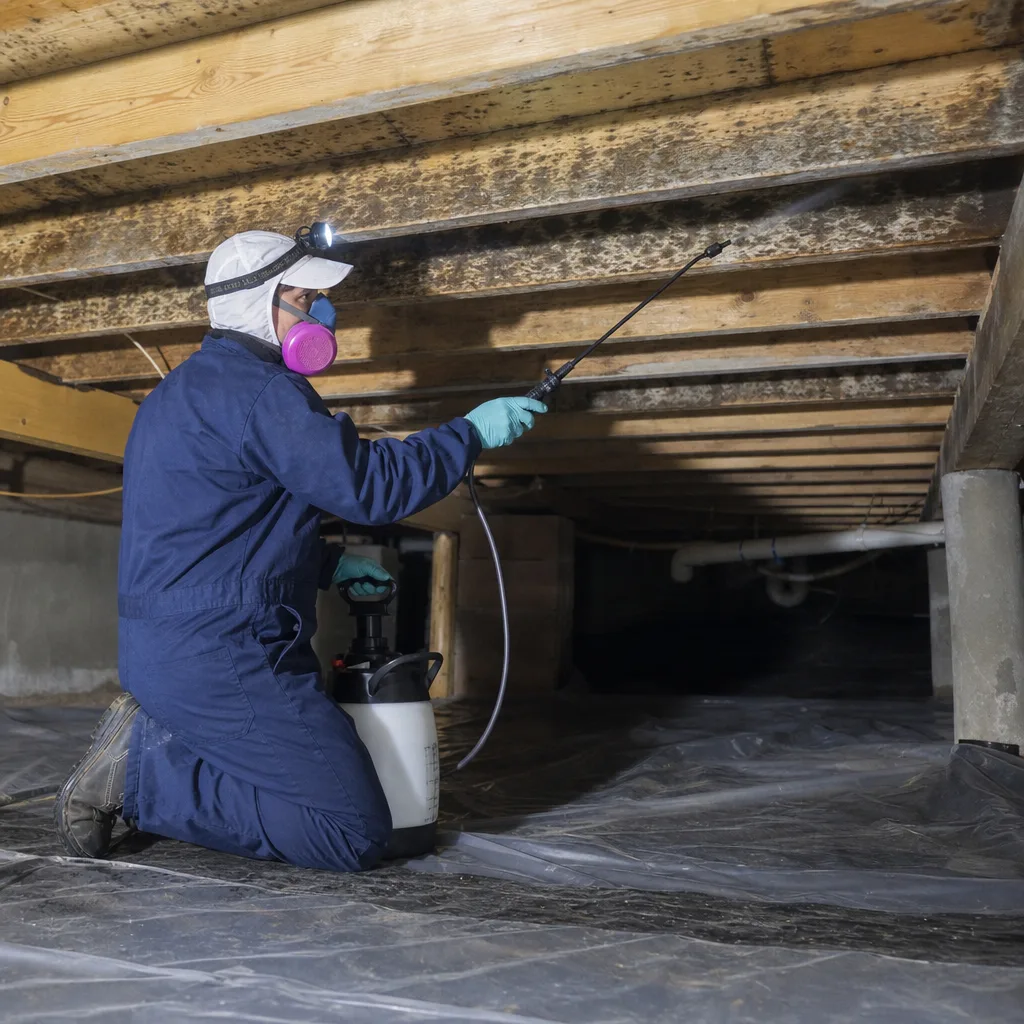
What happens when you call
- 1
A real person answersNo phone trees - you reach a local pro.
- 2
You get an upfront price rangeHonest numbers before anyone is dispatched.
- 3
A background-checked tech heads outLicensed & insured, dispatched right away.
- 4
You approve before work beginsNothing starts until you say go.
Sewage Cleanup Costs in Middle Village, NY
Sewage cleanup in Middle Village runs higher than in neighborhoods with unfinished basements, for one reason: finished space costs more to restore. A basic toilet overflow cleanup that stays in a powder room might run $700 to $1,200. A full sewer backup in a finished basement, with extraction, demolition of wet drywall and flooring, drying, sanitization, and basic rebuild, typically falls between $4,500 and $9,000. When the contamination wicks into a shared party wall and requires a DOB permit for structural work, the total can reach $12,000 to $18,000, because both the mitigation and the rebuild are documented, permitted, and inspected. Insurance often covers the mitigation and the direct repair, but the policy language matters. We walk you through what your policy covers before any work begins, so you never approve a dollar you did not expect. Call (363) 999-0829 for a free visual inspection and a written line-item scope.
We Also Serve Cities Near Middle Village
Our crews serve the entire Queens area. If you are in Maspeth, Elmhurst, Ridgewood, or Forest Hills, the same certified team and the same written guarantee applies. One phone call, one live dispatcher, one crew from start to finish.
Serving Middle Village, NY - Our Local Coverage Area
We’re based in the Middle Village area and know this community well. Use the map below to see our service coverage - if you’re nearby, we can almost certainly help.
Middle Village Sewage Cleanup Questions, Answered
How does Middle Village’s finished-basement norm change what gets torn out after a sewer backup?
It changes everything. In an unfinished basement, we pump out the water, dry the concrete, and treat the exposed framing. In a finished Middle Village basement, the sewage saturates drywall, carpet pad, laminate flooring, and often the bottom two feet of any wall cavity. That material cannot be sanitized, so it gets cut out and replaced. The finished space means more demolition, more drying time, and a real rebuild, not just mitigation.
What category of water is a sewer backup in Middle Village, and does that affect what I can keep?
A sewer backup is always Category 3 water, or black water. It contains pathogens and raw waste. Anything porous that absorbed that water, such as carpet, pad, upholstered furniture, and paper-faced drywall, is disposed of. Hard, non-porous surfaces can be cleaned and disinfected, but we do not promise to save porous materials that have been saturated with sewage, because doing so would put your family at risk. Call (363) 999-0829 and we will tell you straight what stays and what goes.
Do I need a permit just to dry out a basement on a semi-detached block in 11379?
Drying and mitigation work alone does not require a DOB permit. But if the contamination has wicked into the shared party wall, or if structural members need replacement, the rebuild phase requires a NYC Department of Buildings permit. We handle that paperwork as part of the restoration scope, so you are not filing forms while your basement is torn open.
How fast can mold start after a toilet overflow in a Middle Village basement on a humid summer day?
In summer, when Middle Village humidity sits above 70%, mold can begin colonizing wet drywall and organic materials within 36 to 48 hours. That is why we do not wait. The same visit that extracts the water starts the drying equipment, and we take baseline moisture readings so you and your insurer can see that mitigation started immediately.
Will my dense block’s street drainage problem make my finished basement re-flood every time it rains hard?
Street drainage on dense Middle Village blocks is a real recurring issue, especially during cloudbursts. What we do on the cleanout does not fix the municipal sewer line, but we can identify where the water is entering your basement and recommend drainage improvements, backwater valves, or regrading that reduce the chance of a repeat. We have seen homes on 75th Street and nearby blocks flood multiple times before a backwater valve was installed, and after that, the basement stays dry even when the street drains back up.
Written by the team at Floodline Restoration Co., led by Curt Bowman, serving Middle Valley and all of Queens since 2010.