
Free visual inspection and a written scope of work before any mitigation begins - photos, moisture readings, and drying logs go in your claim file
The scope we write is the scope we bill. Anything new gets shown to you, in writing, before we touch it.
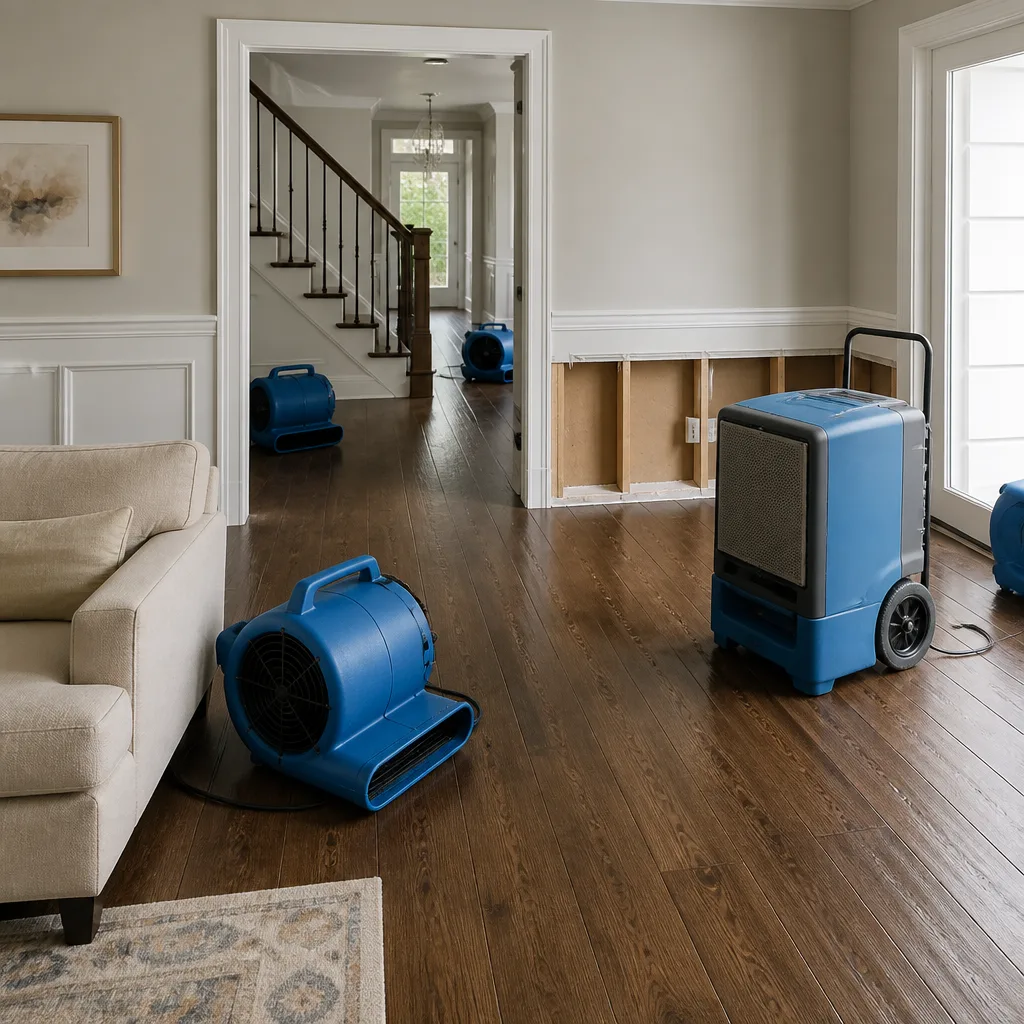
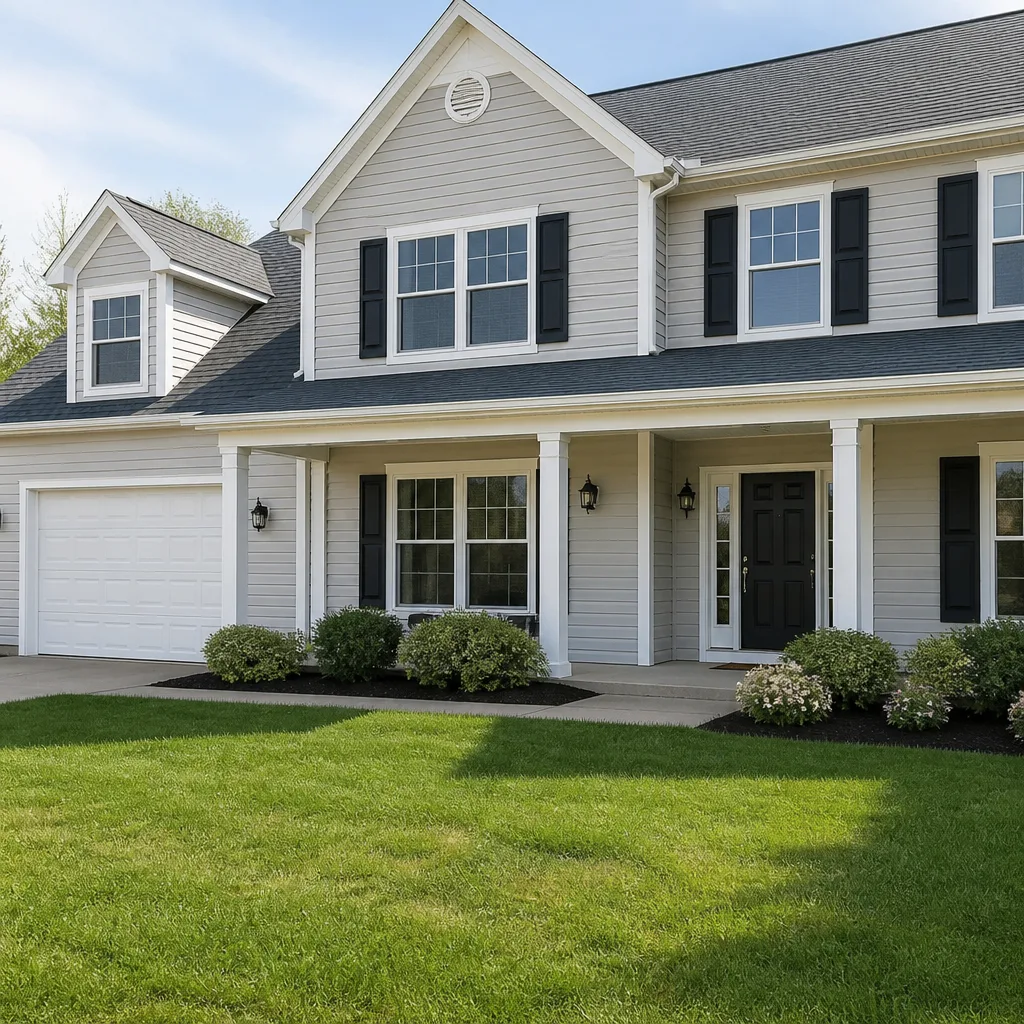
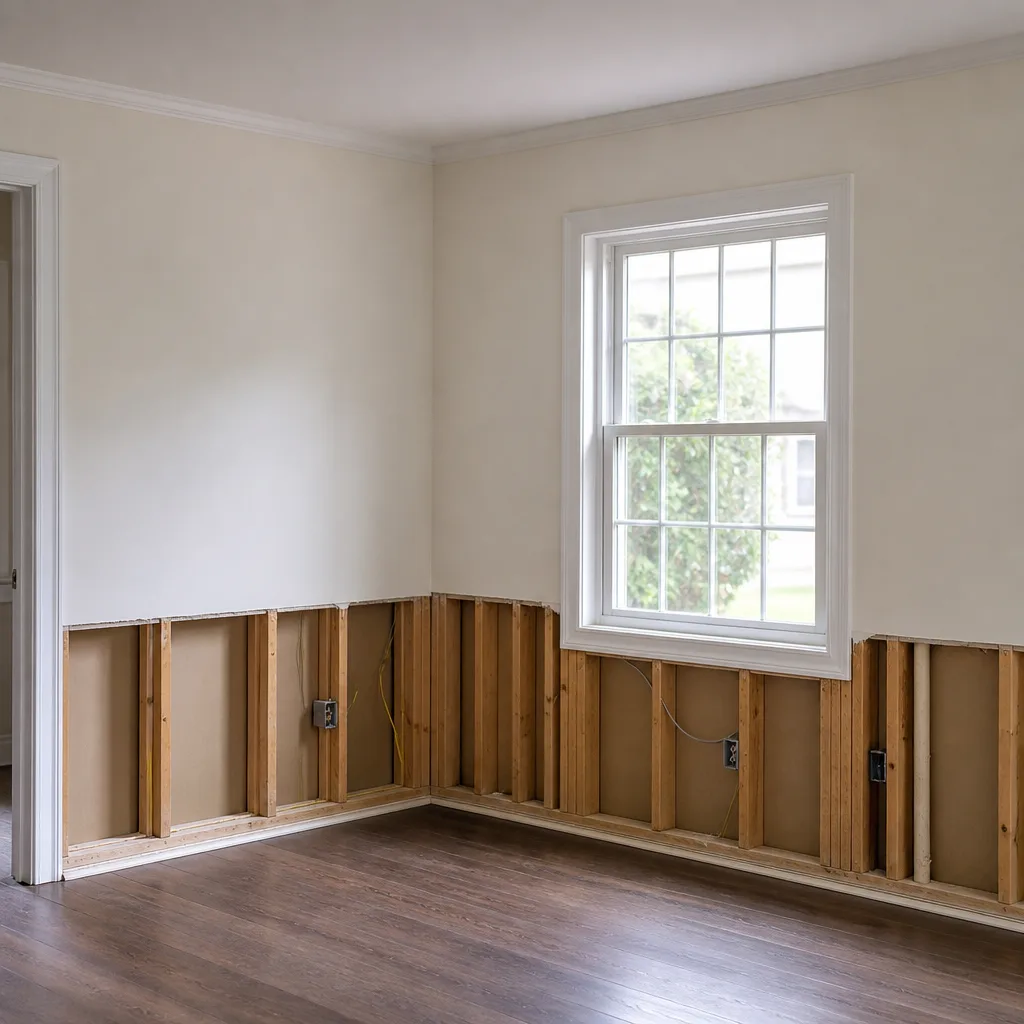
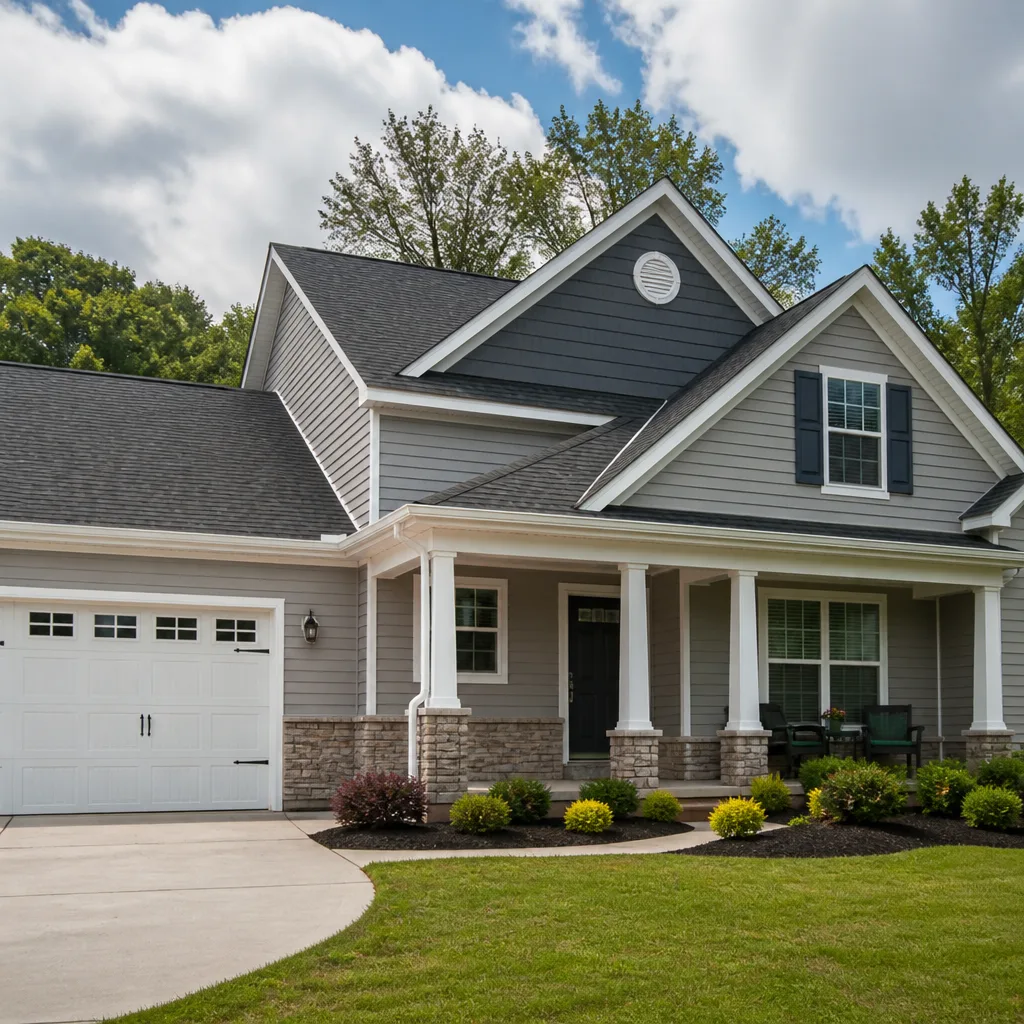
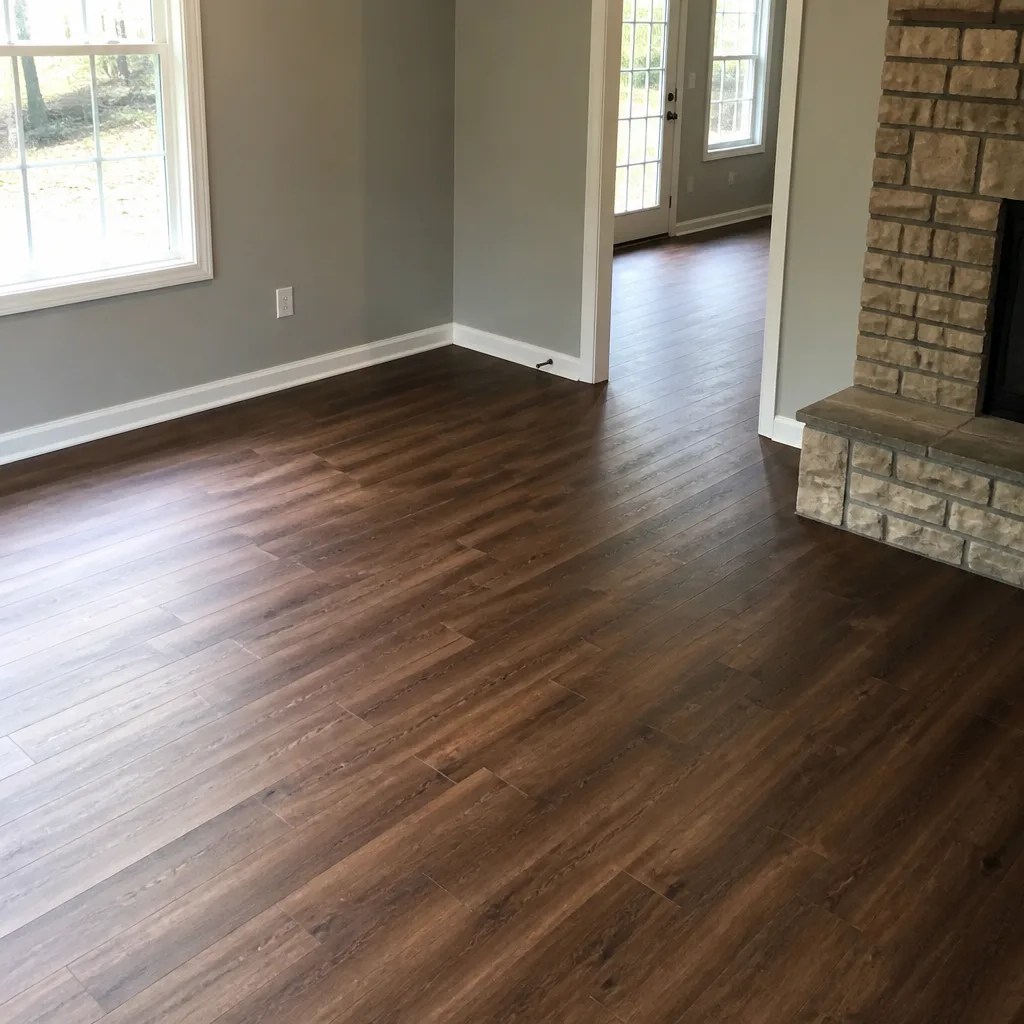
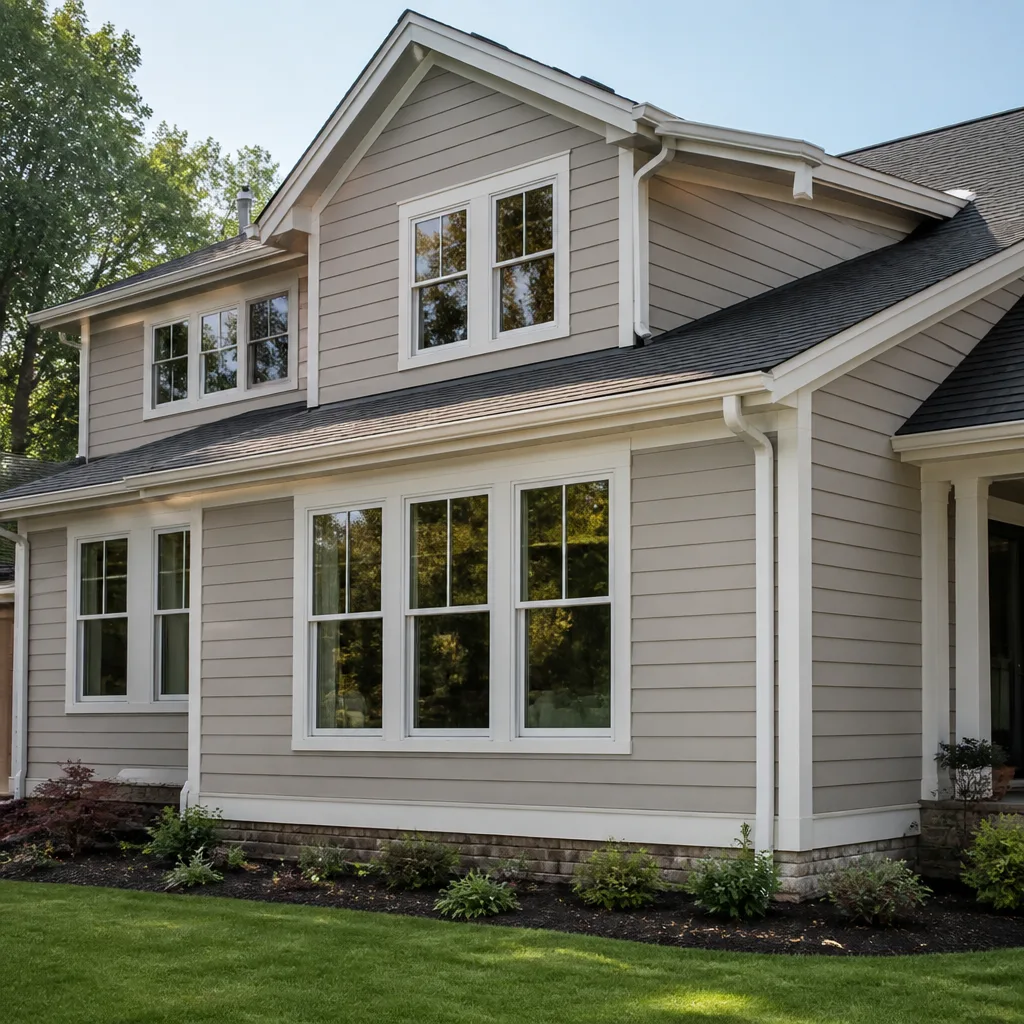
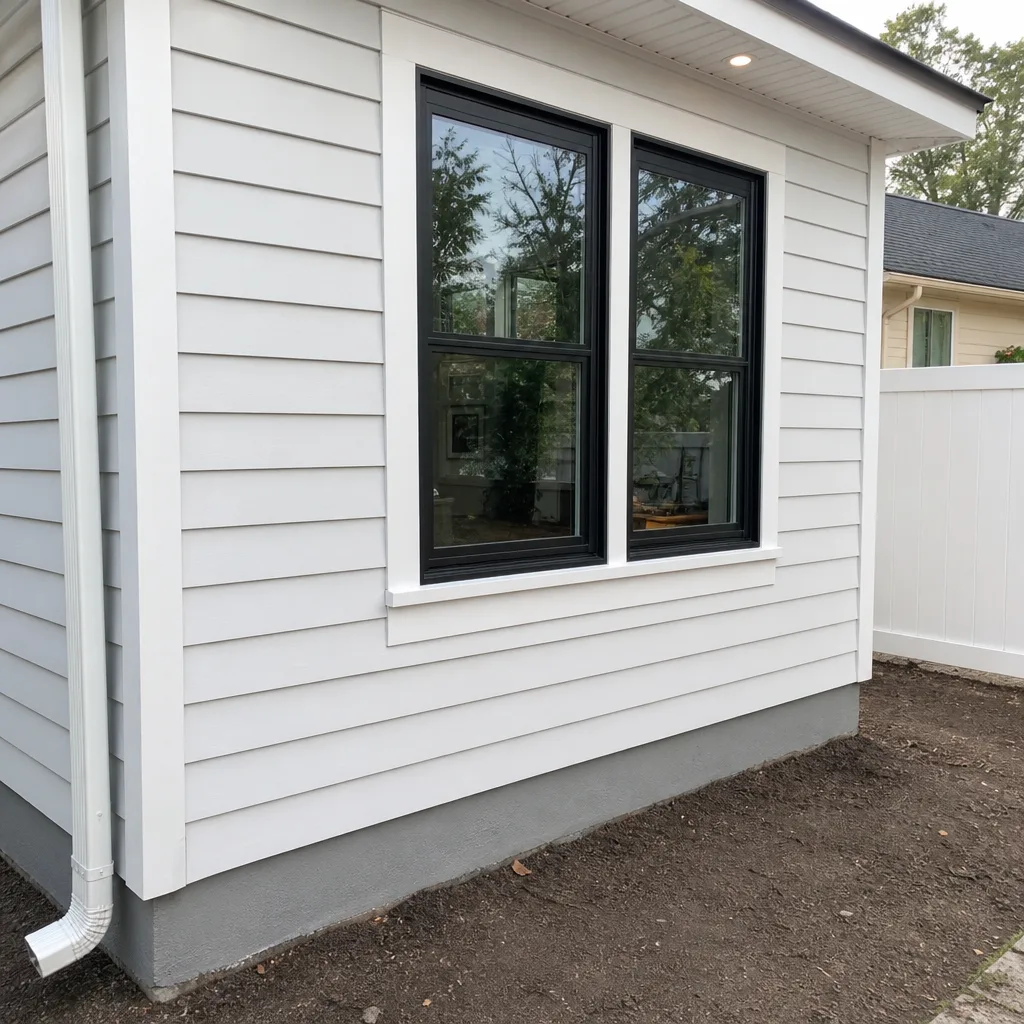
 Before
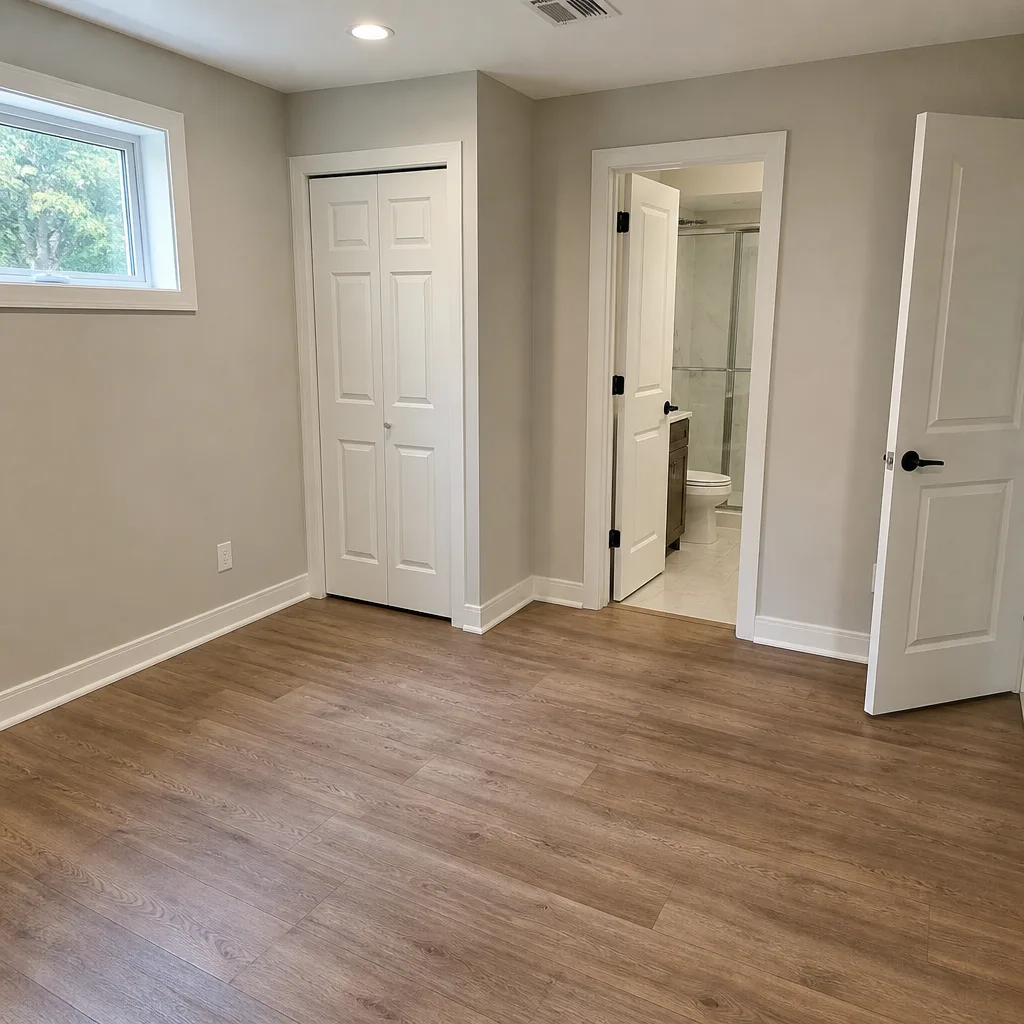 After
After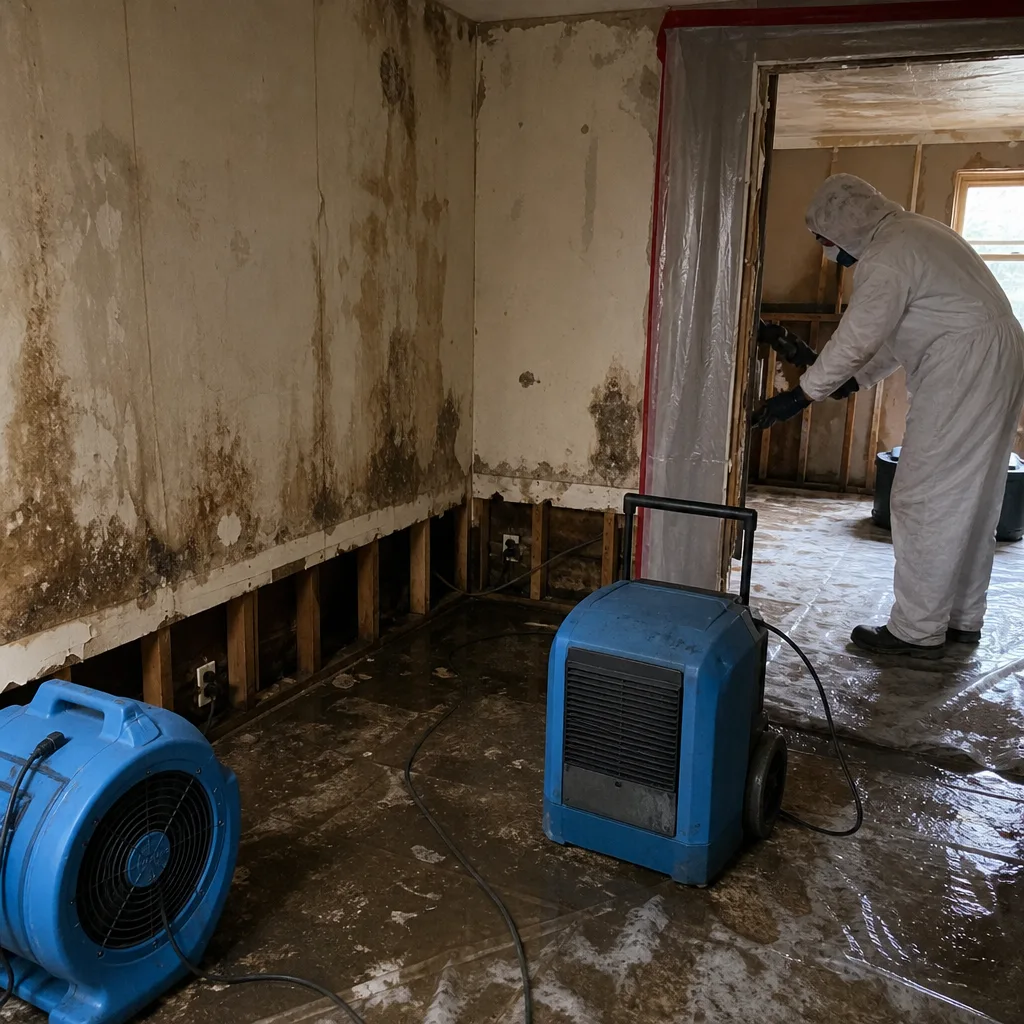 Before
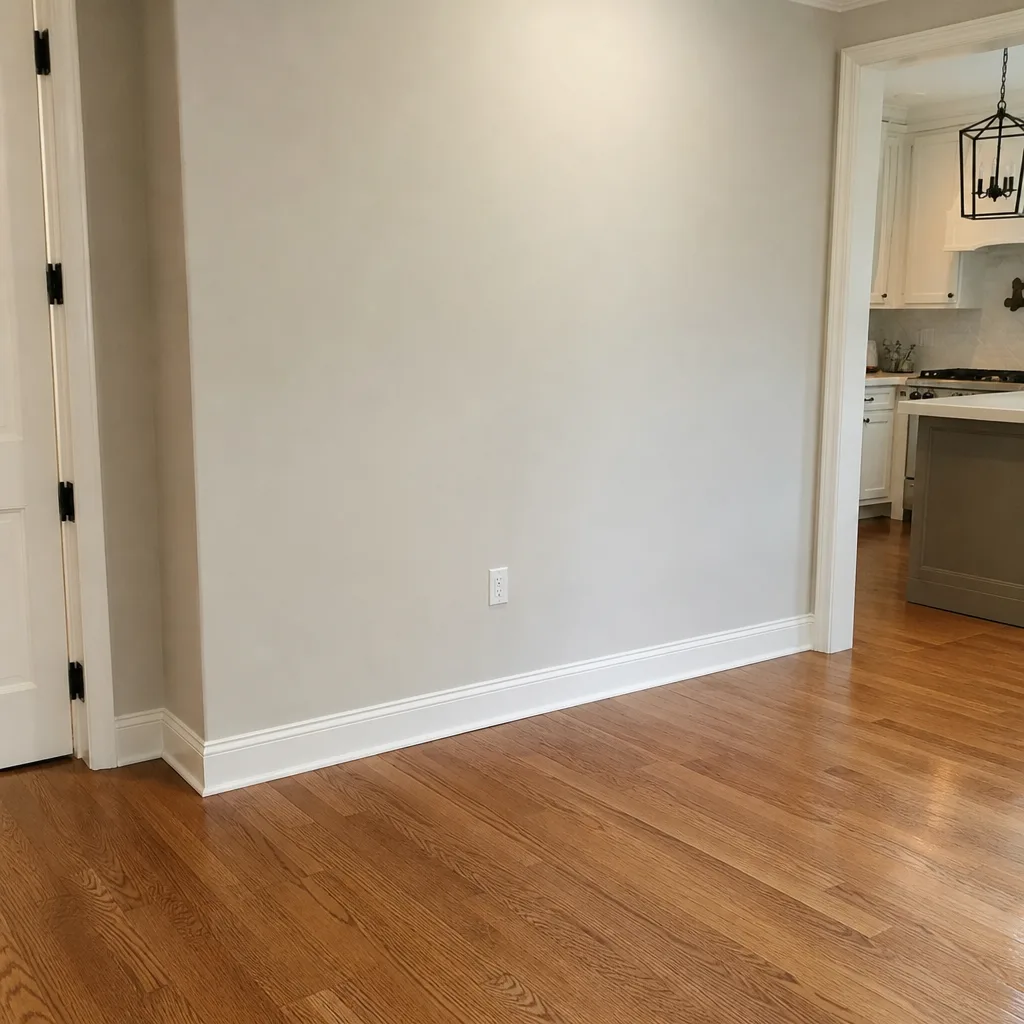 After
After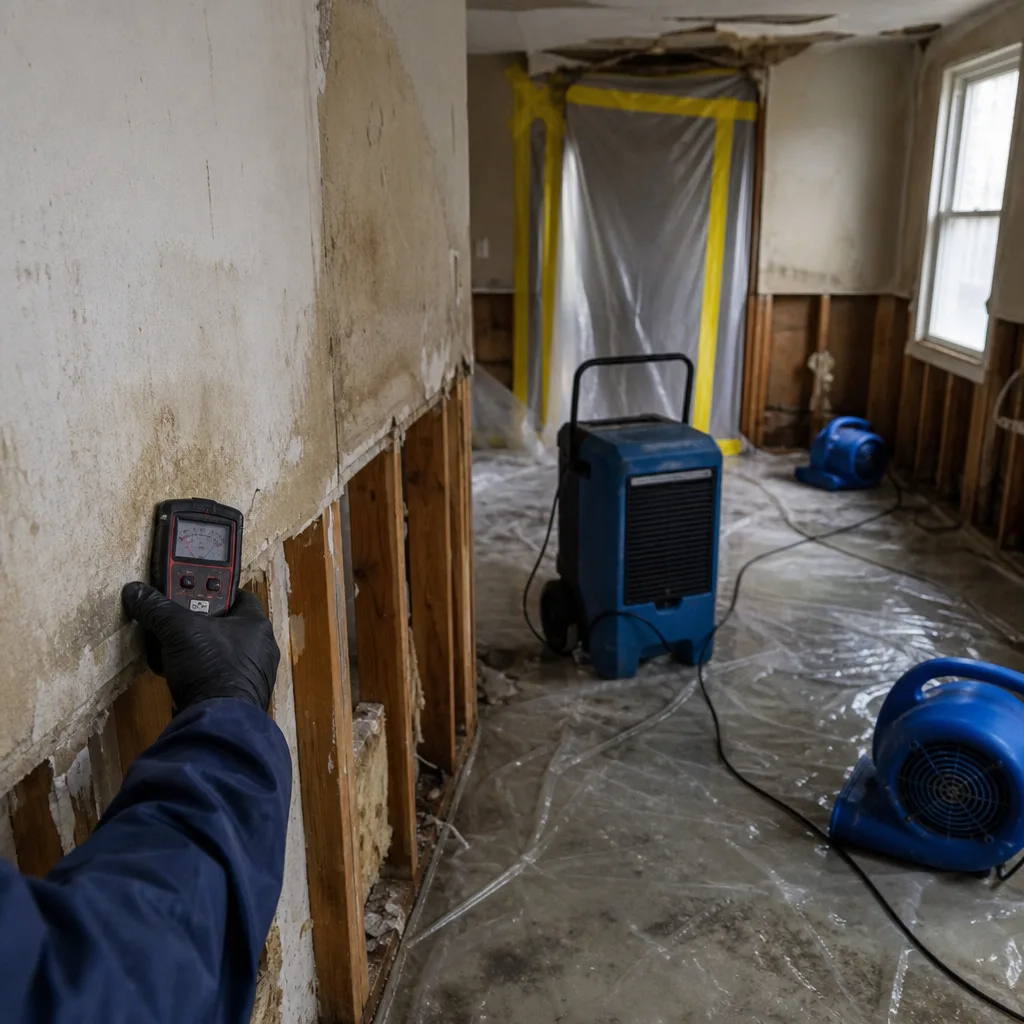 Before
 After
After24/7 Emergency Storm & Disaster Restoration in Glendale
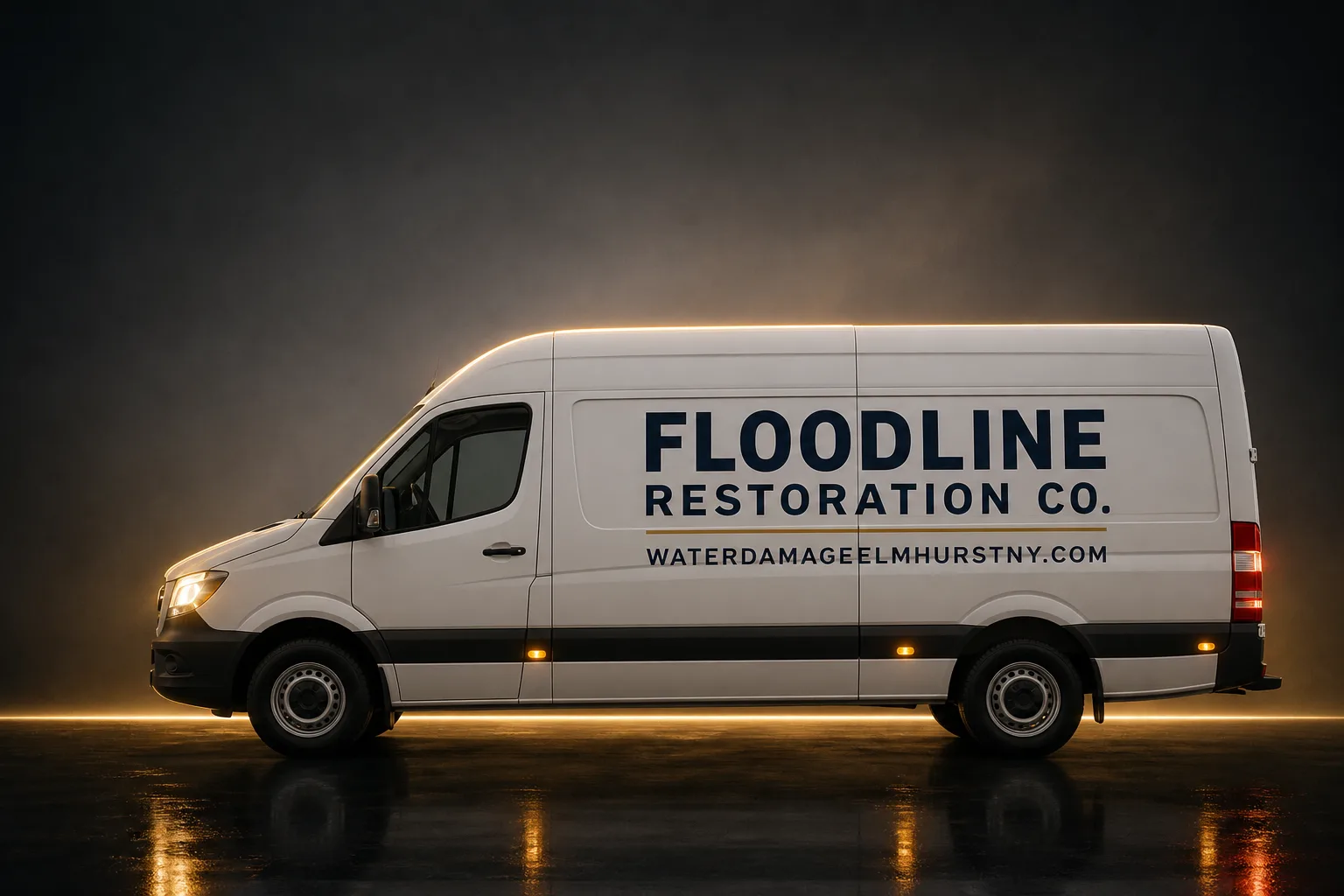
Storm and disaster restoration in Glendale means getting category 3 water out of a pre-war basement before it soaks through a shared party wall, and it means tarping a roof on a 1930s brick two-family before the next band of a nor’easter hits. We answer live at (363) 999-0829 around the clock, and a Floodline Restoration Co. crew can be on your block in Glendale within 45 minutes of your call. The first hour after a storm breach matters because water in Glendale’s attached homes doesn’t stay put. It migrates through horsehair plaster, under original oak flooring, and into the adjacent unit’s joist bays faster than most homeowners expect. Our crews arrive with moisture meters, thermal imaging, and professional-grade extraction equipment already loaded. You’ll get a straight visual inspection of the damage, a plain-spoken explanation of what you’re looking at, and a plan to stop it before it spreads.
Understanding Storm & Disaster Restoration Severity in Glendale Properties
Storm damage in Glendale lands on a spectrum that most suburban contractors never see. A simple roof leak from wind-driven rain is manageable when caught early. A combined sewer surcharge backing category 3 black water through a basement floor drain is an entirely different animal. That water carries sewage, bacteria, and whatever else the Queens combined system pushed back up. It requires full containment, antimicrobial treatment, and structural drying with professional-grade equipment, not just a shop vac and a fan. Glendale’s housing stock compounds the problem. Most homes here are 1920s to 1940s attached brick row houses and semi-detached two-families with shared party walls. When one unit floods, moisture wicks through the wall assembly and shows up in the neighboring home’s plaster within hours. We’ve moisture-mapped shared walls in Glendale reading 99% relative humidity on the dry side of the party line while the source unit was still being extracted. That’s the difference between a one-owner water claim and a three-owner coordinated restoration with NYC DOB permits on both properties. Severity here isn’t just about how much water came in. It’s about how many homes it touched and how fast it got into the plaster and the flooring.
Why Glendale Property Owners Choose Floodline Restoration Co.
- 45-minute response commitment - We dispatch from our New York City office and crews reach Glendale fast. When you call, a live person answers. When we say we’re coming, we’re coming.
- 24/7 live answer, every time - No recordings, no answering service that takes a message. A real dispatcher picks up at 2 a.m. and starts the response.
- IICRC-certified crews - Our technicians hold WRT, FSRT, and AMRT certifications and train to RIA and IFA standards. They read moisture maps, not guesses.
- Free visual inspection - We’ll look at the damage and tell you honestly what needs doing. No charge for the assessment, and no pressure to sign anything on the spot.
- Direct insurance billing - We document everything, photograph everything, and work directly with your carrier. You don’t play messenger between us and the adjuster.
- One team from extraction to reconstruction - The same certified crew that pulls the water out also puts the walls back. No mid-job handoff to a subcontractor you’ve never met.
Our Storm & Disaster Restoration Process
Inspection & Assessment
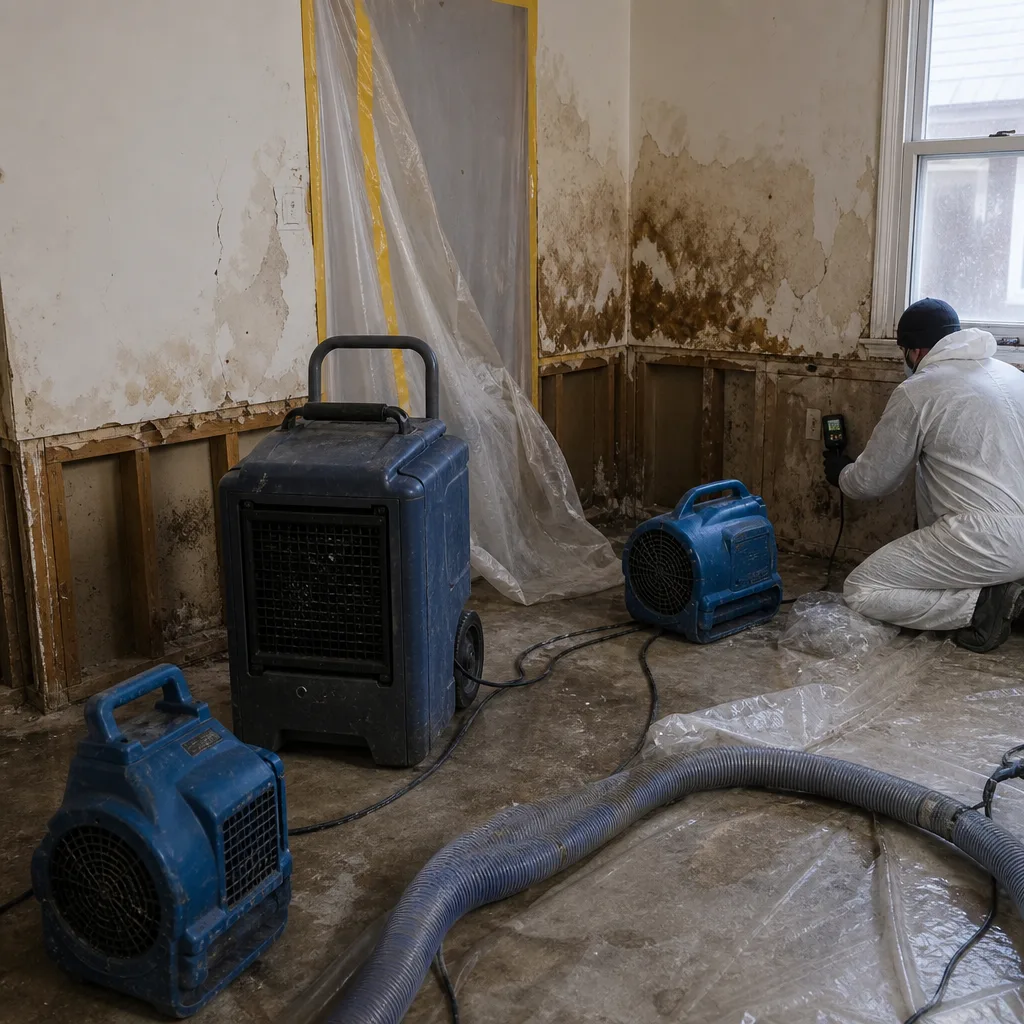
We map the moisture across every affected surface, including the shared party walls that make Glendale jobs different. Thermal imaging and hygrometers tell us where the water went, not just where it pooled. You get a written scope of work before anything gets torn open.
Extraction & Stabilization
Our team runs Dri-Eaz and XPOWER extraction units to pull standing water out fast. On storm backups where sewage is present, we set containment immediately and follow category 3 protocols from the first minute. We also handle emergency board-up and roof tarping to stop additional water from coming in while we work.
Drying & Dehumidification
Professional-grade air movers and dehumidifiers go in, sized to the actual cubic footage and the moisture load. On Glendale row houses, we place Injectidry mats inside wall cavities and monitor daily until the dry standard is met, not until the equipment has been running a set number of days.
Cleaning & Sanitization
Every affected surface gets cleaned and treated. For black water losses, we apply antimicrobial treatments to the framing and subfloor after demolition. For wind-driven rain and clean water losses, the protocol is adjusted to what the contamination level actually requires.
Specialty Treatment
Storm work in Glendale regularly triggers asbestos and lead-paint abatement because of the age of the housing stock. Original flooring, pipe insulation, and plaster in pre-1940 homes frequently test positive. We coordinate abatement and NYC DEP documentation before finish work begins.
Repairs & Restoration
Rebuild happens after the dry standard is met and the containment comes down. The same Floodline Restoration Co. crew handles drywall, trim, flooring, and paint. No subcontracted handoff. When the job’s done, you get a moisture log and the 90-Day Done Right Promise in writing.
Need Emergency Storm & Disaster Restoration in Glendale Now?
Crews minutes away, answering live 24 hours a day. The sooner we start, the less it costs.
Working With Your Insurance Company
Insurance claims after a Glendale storm loss get complicated fast when multiple units are involved. Our team documents from the first hour: photos of the damage room by room, moisture readings from the first day, drying logs updated daily, and a line-item scope of work that uses industry-standard estimating software your carrier recognizes. We coordinate directly with your adjuster so you’re not the one making three phone calls to explain why the neighbor’s wall has to be opened too. The documentation we provide tells the carrier exactly what happened, what’s wet, what’s contaminated, and what it takes to dry it and rebuild it. When the bill comes, we bill the carrier directly for covered work. You get a straight summary of what insurance is handling and what, if anything, falls to you.
What We Provide Your Insurer
- Thorough documentation of the loss
- Photos of all damage, room by room
- Moisture readings and drying logs
- A detailed, line-item scope of work
- Direct coordination with your carrier
Built for Glendale’s Loss Calendar
Glendale’s storm season isn’t one season. It’s a rolling calendar of distinct failure modes that hit the same pre-war housing stock in different ways. January and February bring deep freezes that burst galvanized supply lines in uninsulated exterior walls. A single burst pipe on a 73rd Street two-family can soak the horsehair plaster in the adjacent unit’s shared wall within hours, turning a one-owner claim into a three-owner coordination problem overnight. Spring thaw saturates the ground around foundations set before modern waterproofing existed, and basement seepage follows. Summer cloudbursts overpower Queens’ combined sewer system, and raw sewage backs up through floor drains in finished and semi-finished basements across Glendale. Fall and winter nor’easters push wind-driven rain through aging rooflines and brick parapets that haven’t been repointed in decades. We plan our equipment loads and crew schedules around these patterns because every one of them shows up in Glendale, year after year, on the same blocks and the same building types.
Storm & Disaster Restoration Across Glendale’s Neighborhoods
Glendale isn’t one uniform block. The homes along Myrtle Avenue’s commercial corridor sit on tighter lots and present different access problems than the residential streets running north toward the cemetery ridge. We respond to storm losses off Cypress Hills Street where attached brick row houses share party walls on both sides, meaning a single water intrusion moves laterally through the block rather than vertically through one building. The two-family homes near the Atlas Park shopping center often have finished basements that flood with category 3 water during sewer surcharges, and the finished space holds that contamination against framing and drywall until it’s properly torn out. Over by the Glendale war memorial and down toward 69th Street, semi-detached homes with narrow side alleys create a different challenge: equipment staging happens in the street, and every air mover and dehumidifier gets carried through a 28-inch doorway, up a flight of stairs, and into tight rooms with original plaster walls. Response routes along Cooper Avenue and Central Avenue stay passable during most storms, but heavy nor’easters can slow access off Woodhaven Boulevard, and we build that into our dispatch decisions. The point is that we know these blocks. We know which basements take water first, which alleys a box truck can’t fit down, and which intersections flood before the city closes them.
Specialized Storm & Disaster Restoration Services We Offer in Glendale
Storm Damage Cleanup
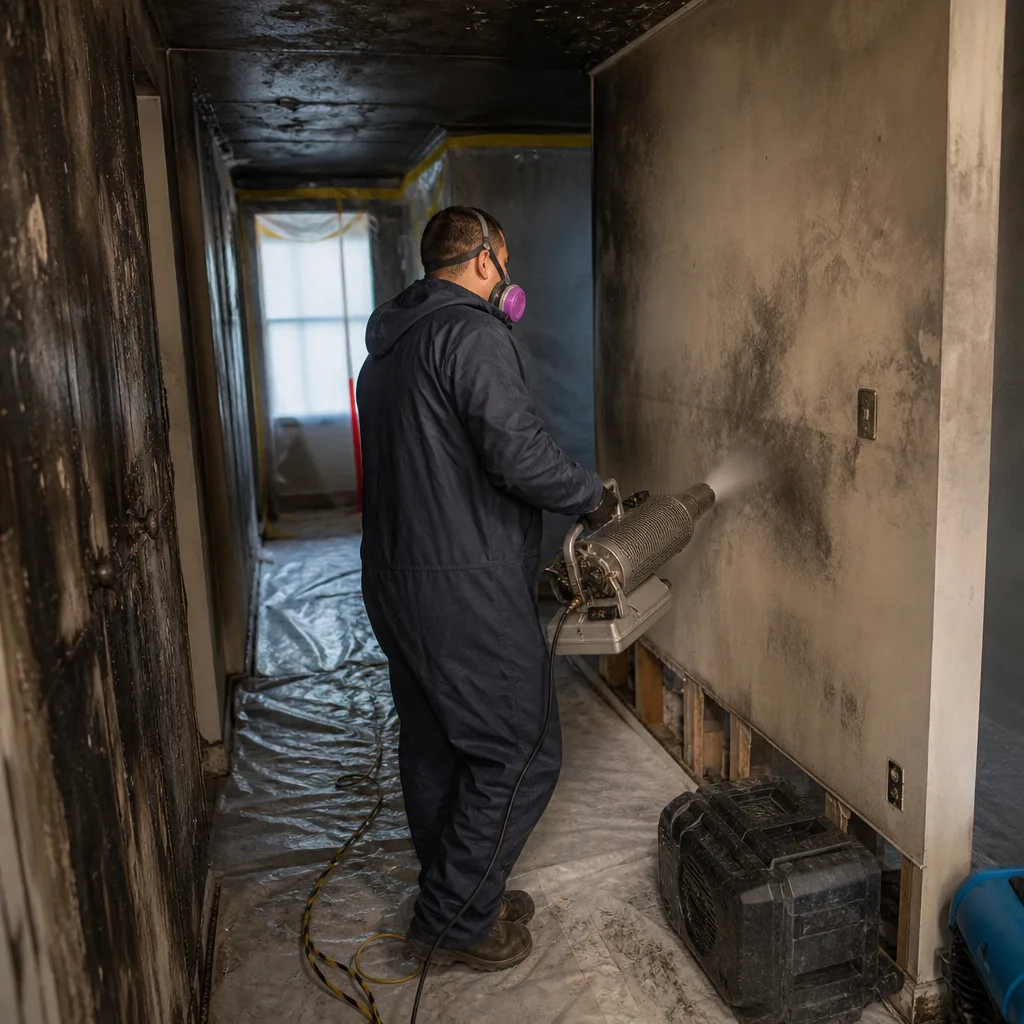
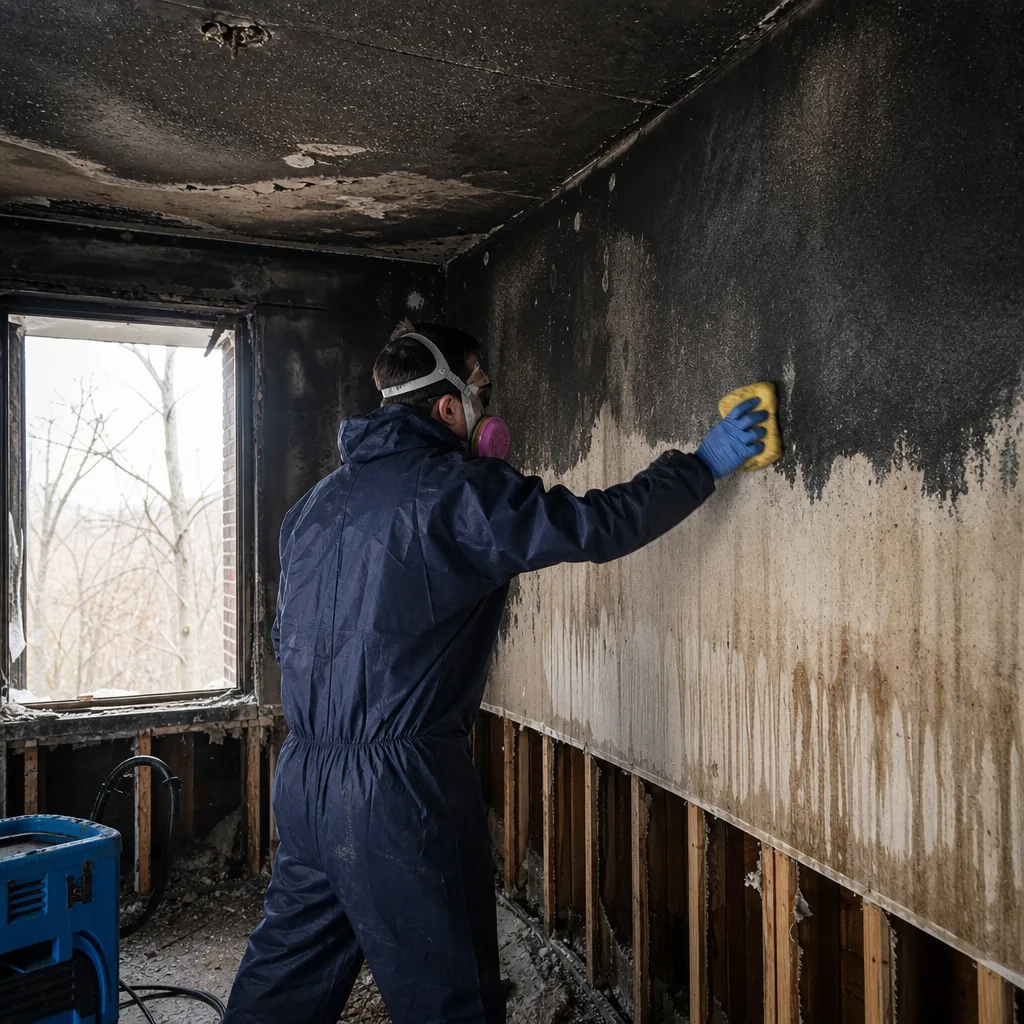
Storm cleanup after a Glendale nor’easter usually means more than mopping up. Wind blows water through gaps in old mortar joints, around window frames set in brick, and down through roof penetrations that haven’t been touched since the house was built. We remove wet insulation, damaged ceiling tiles, and waterlogged drywall, then treat the framing to prevent mold before rebuilding starts. Our team works around the original features worth saving when we can, because the old growth timber in pre-war framing is often stronger than anything you’d replace it with.
Flood Damage Restoration
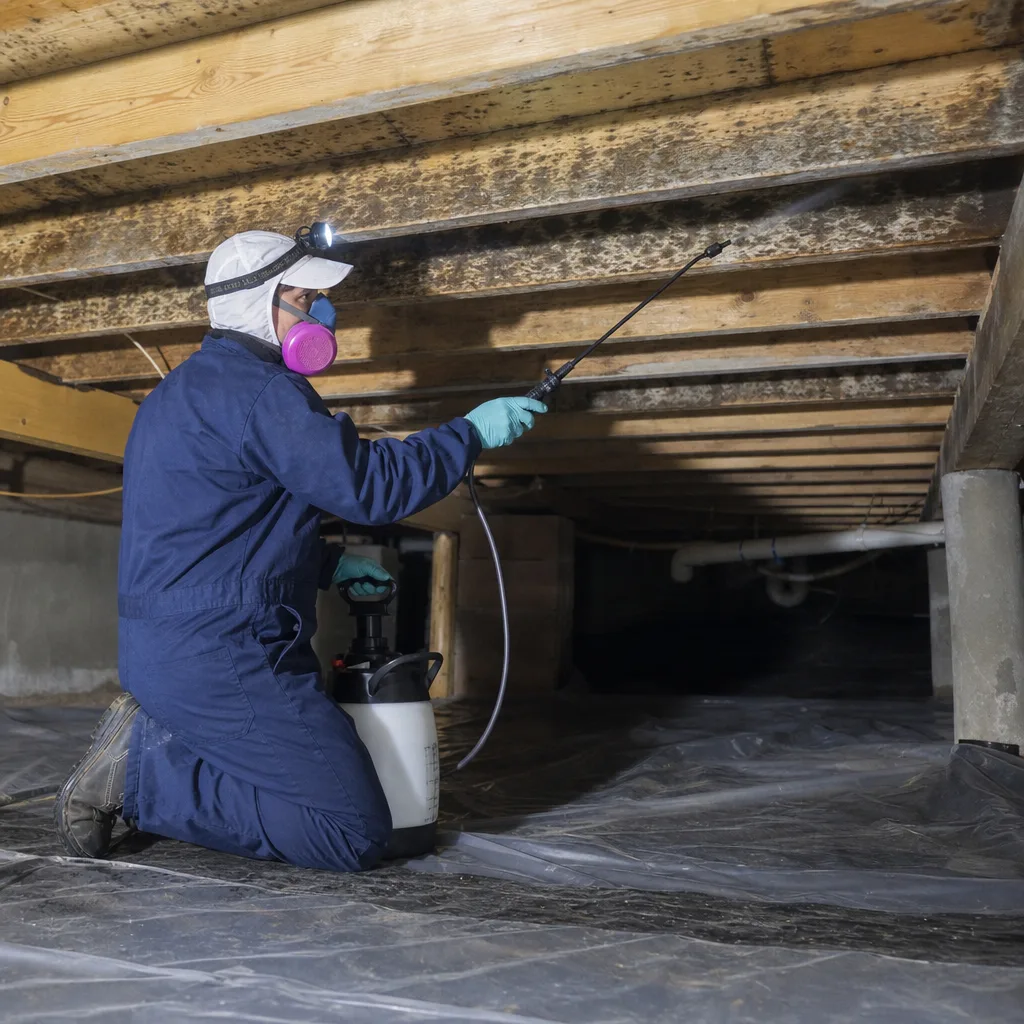
Flood damage in Glendale hits basements hardest, and basements here are rarely just storage. They’re finished rooms, laundry spaces, mechanical rooms, half-baths. When a combined sewer surcharge pushes black water up through a floor drain, the contamination isn’t on the surface. It soaks into the bottom plates of stud walls, under vinyl plank, and into fiberglass insulation. Full structural drying requires opening walls, pulling flooring, and running Injectidry mats and professional-grade air movers until the dry standard is met. Our Storm & Disaster Restoration team handles that from first extraction to finished rebuild.
Roof Tarping
Roof tarping on Glendale’s attached brick homes requires more than throwing a tarp over a hole. When parapet walls and party-wall roof intersections fail, water enters at the membrane seams and runs inside the wall assembly, sometimes two floors down before it shows up on a ceiling. We secure tarps to prevent further water intrusion, fasten them properly against wind lift, and document the damage for your carrier. From there we assess whether a temporary patch buys you time or a full roof system repair is the only honest answer. No overselling. A written scope before anything gets signed.
What happens when you call
- 1
A real person answersNo phone trees - you reach a local pro.
- 2
You get an upfront price rangeHonest numbers before anyone is dispatched.
- 3
A background-checked tech heads outLicensed & insured, dispatched right away.
- 4
You approve before work beginsNothing starts until you say go.
Storm & Disaster Restoration Costs in Glendale, NY
Storm and disaster restoration in Glendale runs a real range, and it’s better to know the honest numbers before you’re standing in water. Storm damage cleanup typically lands between $900 and $4,500 for a single-room loss with wet drywall removal, antimicrobial treatment, and drying. Flood damage restoration in a finished basement with category 3 water usually runs $4,000 to $18,000 depending on how many rooms are finished, how much flooring has to come out, and whether asbestos or lead abatement is triggered. Emergency board-up on a Glendale two-family runs $350 to $900, and roof tarping runs $450 to $1,200 for attached brick homes where secure anchoring matters. Debris removal from a fallen tree or collapsed ceiling typically adds $600 to $2,500. What moves the price in Glendale more than anything is the multi-owner reality: if water has moved through a shared party wall, the scope expands to two or three units, and that means coordination, permits, and neighbor sign-offs. We give free visual inspections and a written scope before work starts. Estimate is free, no pressure to sign. Call (363) 999-0829 and we’ll tell you what you’re actually looking at.
We Also Serve Cities Near Glendale
Floodline Restoration Co. serves Storm & Disaster Restoration in Glendale and the surrounding Queens neighborhoods. Our crews regularly respond in Elmhurst, Corona, Forest Hills, and Jackson Heights, where the housing stock and storm failure modes are similar but each neighborhood has its own access and coordination pattern. If you’re in one of those areas and water is coming in, call the same number. Same live answer, same response commitment.
Serving Glendale, NY - Our Local Coverage Area
We’re based in the Glendale area and know this community well. Use the map below to see our service coverage - if you’re nearby, we can almost certainly help.
Glendale Storm & Disaster Restoration Questions, Answered
How quickly can moisture spread through a shared party wall in a Glendale row house after a storm?
Moisture can wick through a shared party wall in a Glendale row house within two to six hours of a significant water release, depending on the plaster condition and the saturation level. Early moisture mapping at the source unit will show whether the adjacent unit’s wall cavity is already wet before visible signs appear on the neighbor’s plaster. That’s why we recommend starting structural drying within the first 24 hours, which means all affected owners need to sign the scope of work as soon as the readings confirm the spread.
Does the NYC DEP require any documentation after a sewage backup in Glendale?
Yes, the NYC DEP expects that category 3 sewage backups are handled by a licensed restoration firm that can document the contamination and the cleanup. For Glendale properties, that means keeping records of the source, the affected area, the drying logs, and the antimicrobial treatment. Floodline Restoration Co. provides that documentation to your carrier and to the city as needed, so you’re never guessing what to file or whether you’re covered.
Why do Glendale restoration jobs need asbestos and lead-paint abatement before we can even start rebuilding?
Most Glendale homes were built between 1920 and 1940, which means the original plaster, pipe insulation, flooring, and even some drywall compounds frequently contain asbestos. Lead paint is standard on window frames, trim, and sometimes the plaster itself. NYC and NYS DEL rules require testing and, when positive, abatement by certified professionals before any demolition or finish work proceeds on affected materials. We coordinate that testing and abatement as part of the scope, so the rebuild doesn’t stall on a permit or a compliance issue.
Can you tarp a roof on a Glendale attached brick house without a full scaffold?
Yes. On attached brick row houses, we typically access the roof from a ladder and secure the tarp directly along the parapet and the party-wall seam, anchoring it with batten strips and tarp screws. A full scaffold is only needed if the damage extends to the facade or a steep mansard section. Our team does roof tarping on Glendale homes regularly, including during active storm conditions when safe access is part of the job.
What does ‘pack-out’ mean and when do we really need it in Glendale?
Pack-out means removing your belongings, typically from affected rooms or basements, cleaning them if needed, and storing them off-site until the restoration is finished. In Glendale, pack-out is often necessary when a finished basement floods with category 3 water and the contents, furniture, rugs, family photos, are contaminated. We photograph and inventory everything, coordinate the cleaning or disposal with your adjuster, and store it until your space is ready. If your belongings were in an unfinished utility basement and never touched the water, you might skip pack-out entirely and save the cost.
How fast can someone actually get to my Glendale home in an emergency?
Our commitment is 45 minutes for emergency water extraction and storm response in Glendale, and our average is often faster because our crews are dispatched from a central New York City office. The exact time depends on traffic and which part of Glendale you’re in, but a live person answers immediately and the truck is moving when you hang up. If water is actively coming in, call (363) 999-0829 and we’ll tell you what to do while we’re on the way.
Will insurance cover storm and flood damage in Glendale?
Most homeowner policies cover storm damage from wind, rain, falling trees, and sewer backups if you have the right endorsements. Flood damage from rising groundwater or a river overflow usually requires a separate NFIP flood policy, which most Glendale homeowners don’t carry. We document every loss with photos, moisture readings, and a line-item scope, and we bill your carrier directly for covered work. You’ll know early what’s covered and what isn’t, before reconstruction starts.
Can my family stay in the home during storm restoration?
It depends on the severity and the category of water. For a clean water loss limited to one room, yes, with proper containment and safe access. For category 3 sewage backups, especially where demolition is ongoing and air scrubbers are running, we recommend staying elsewhere until the affected area is dried, cleaned, and cleared. In attached Glendale homes, airborne dust and possible asbestos fibers are a real concern during structural drying and demolition. We’ll give you a straight answer based on the actual conditions, not a blanket policy.
Written by Curt Bowman, Owner at Floodline Restoration Co., serving Glendale since 2010.