
Free visual inspection and a written scope of work before any mitigation begins - photos, moisture readings, and drying logs go in your claim file
The scope we write is the scope we bill. Anything new gets shown to you, in writing, before we touch it.
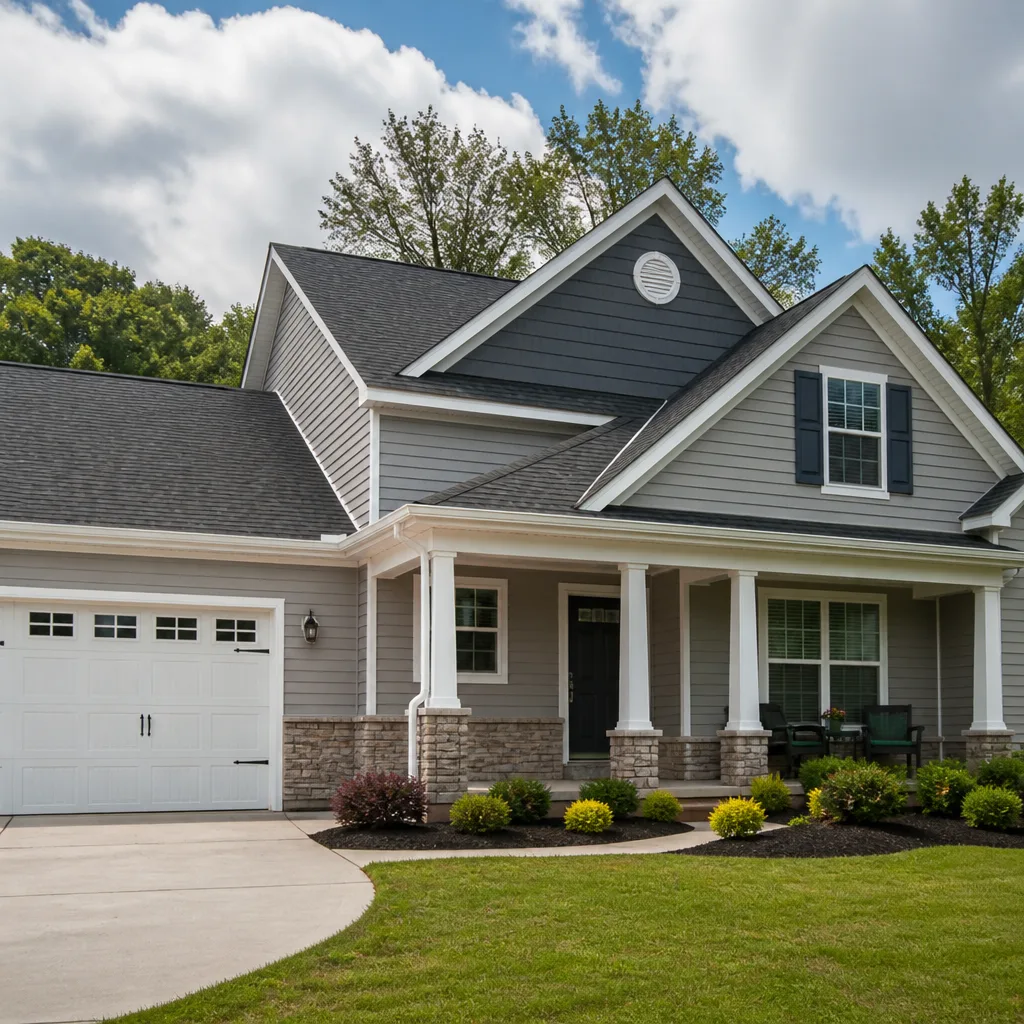
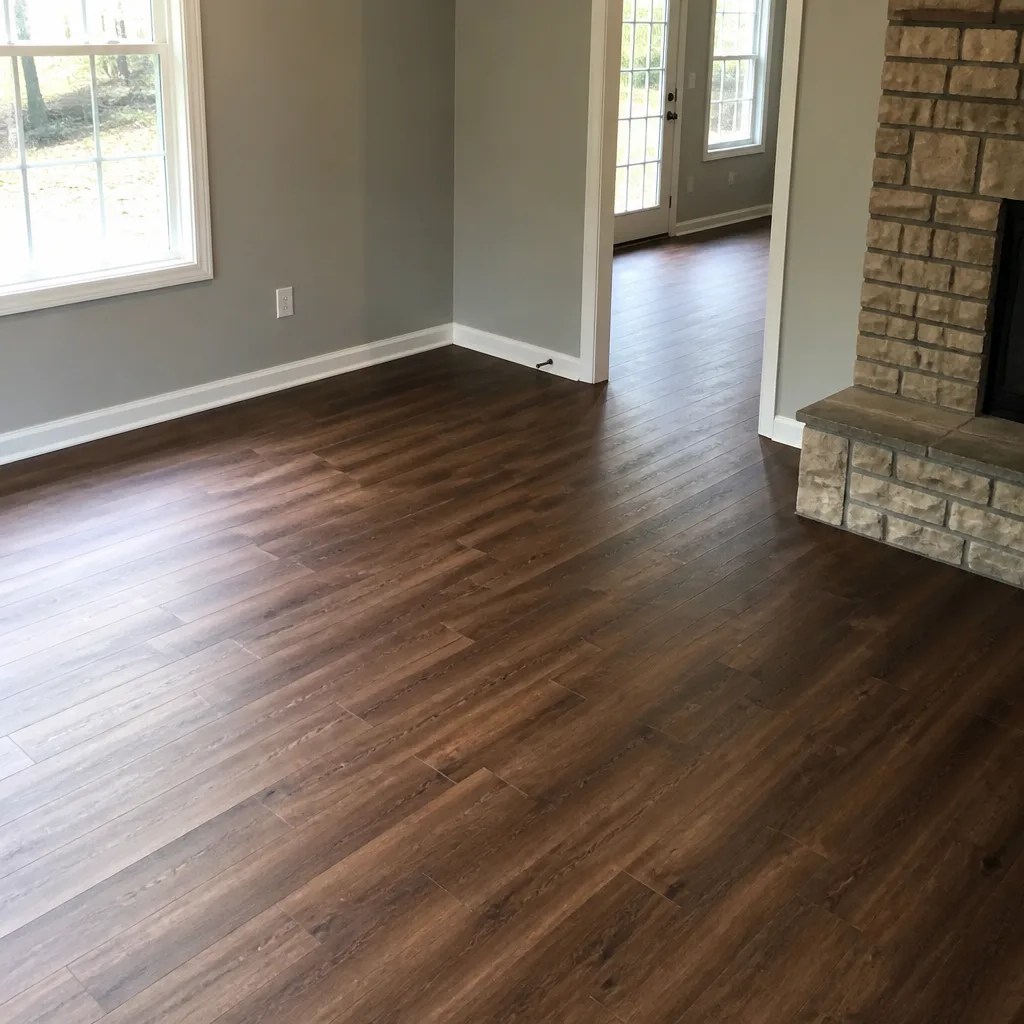
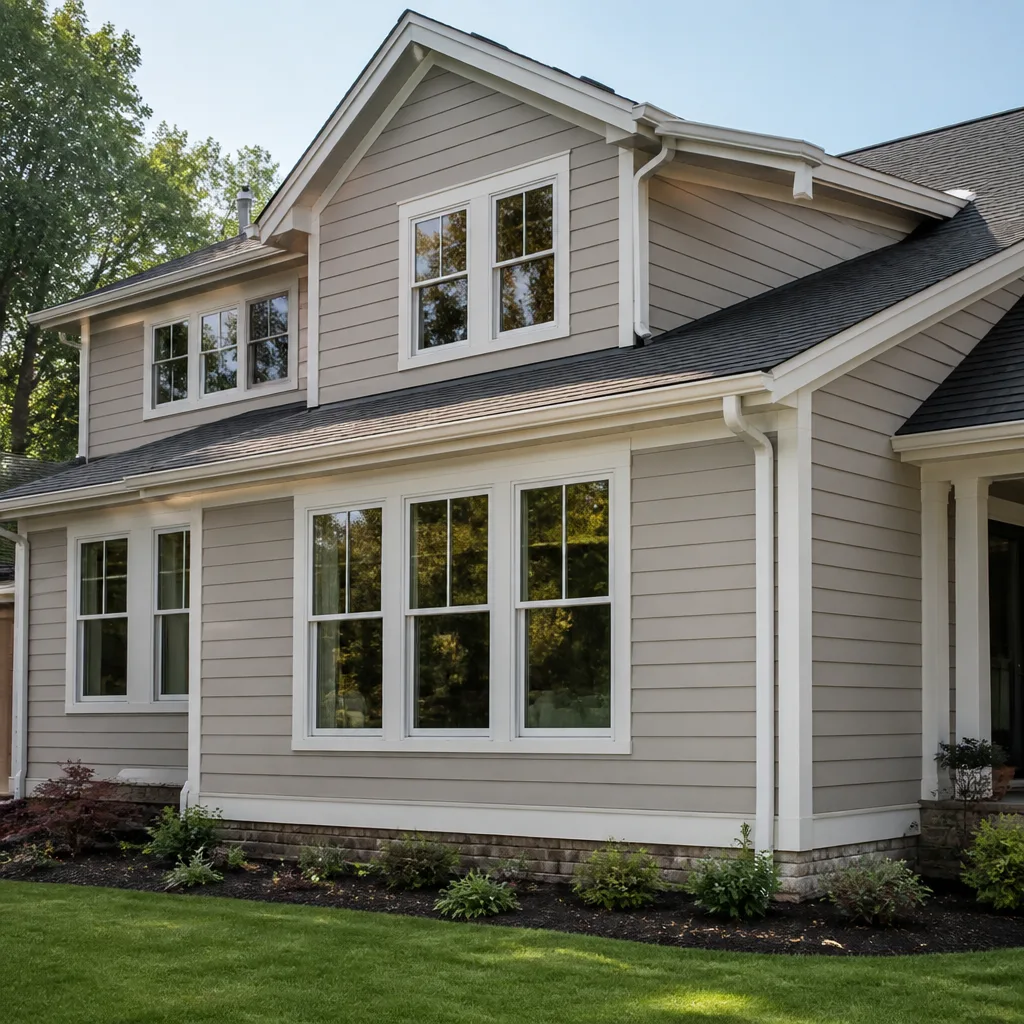
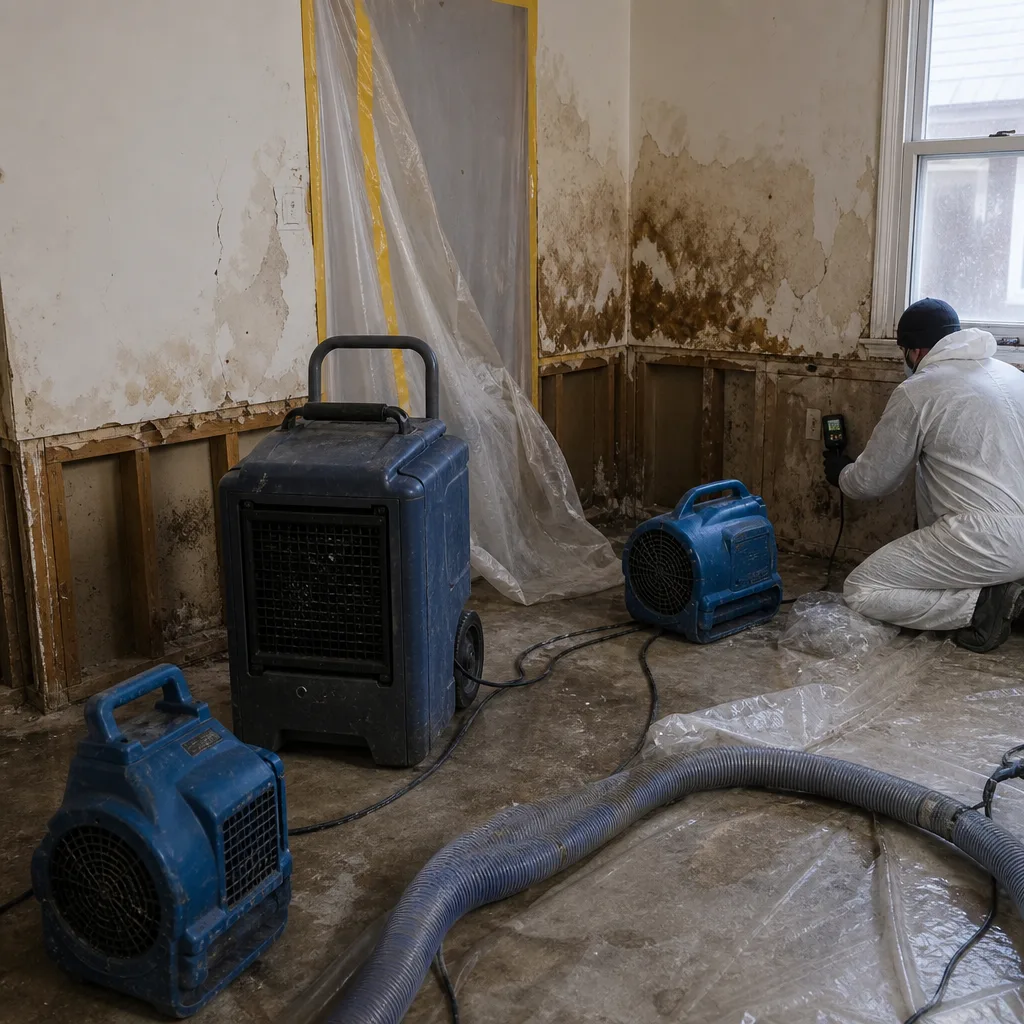 Before
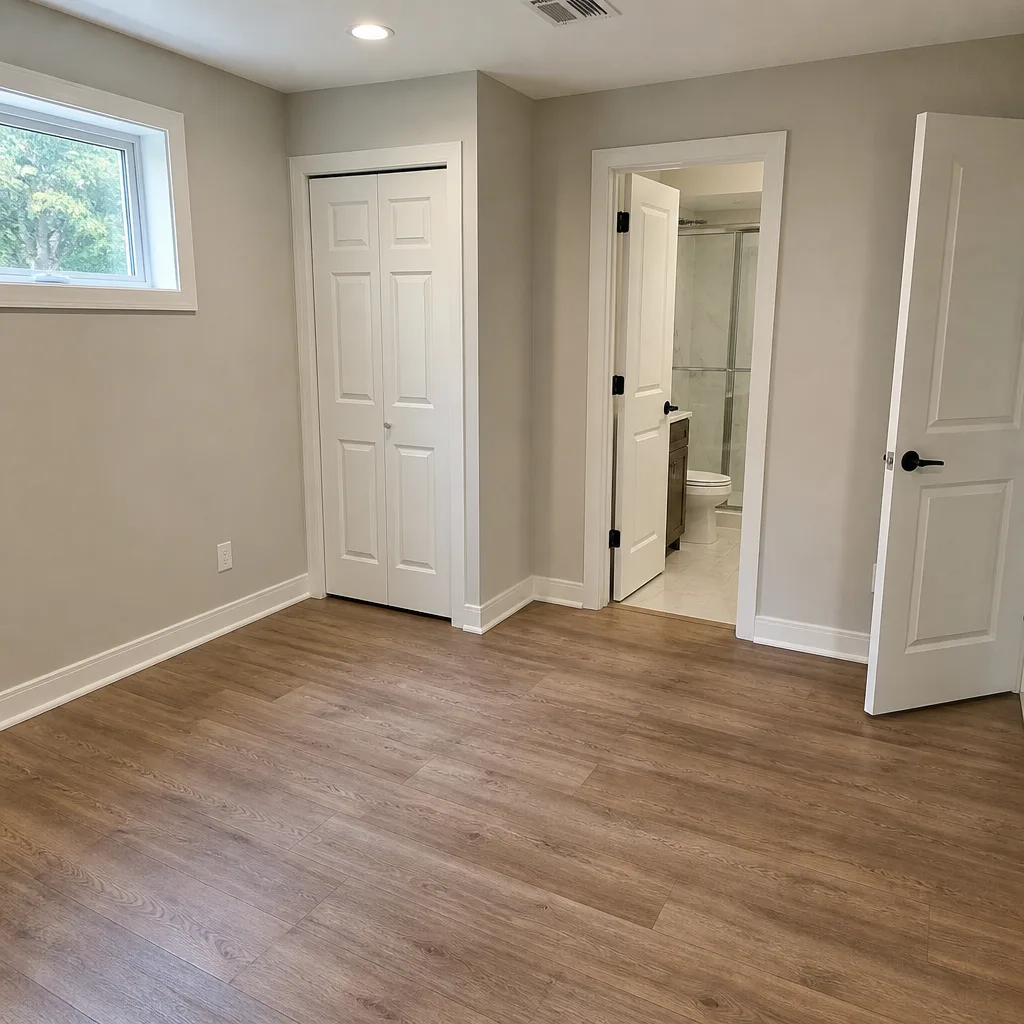 After
After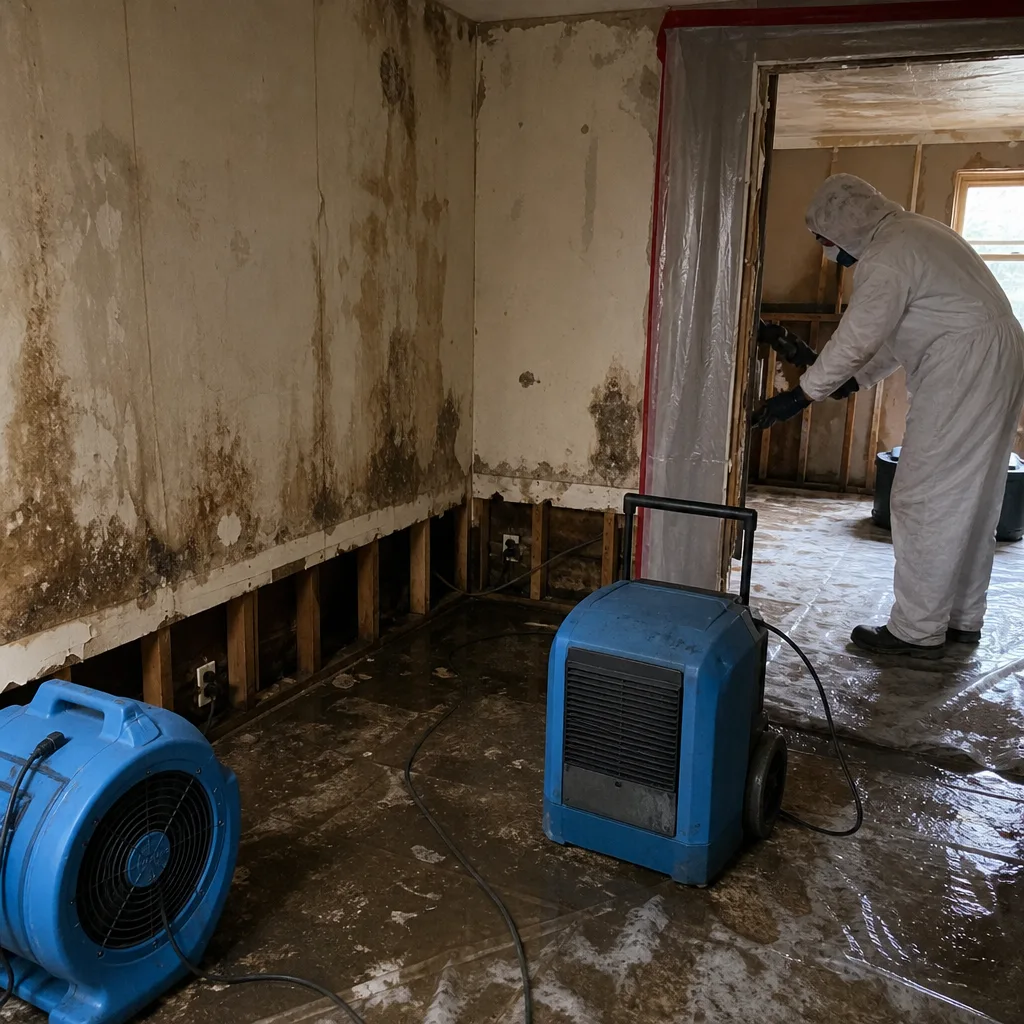 Before
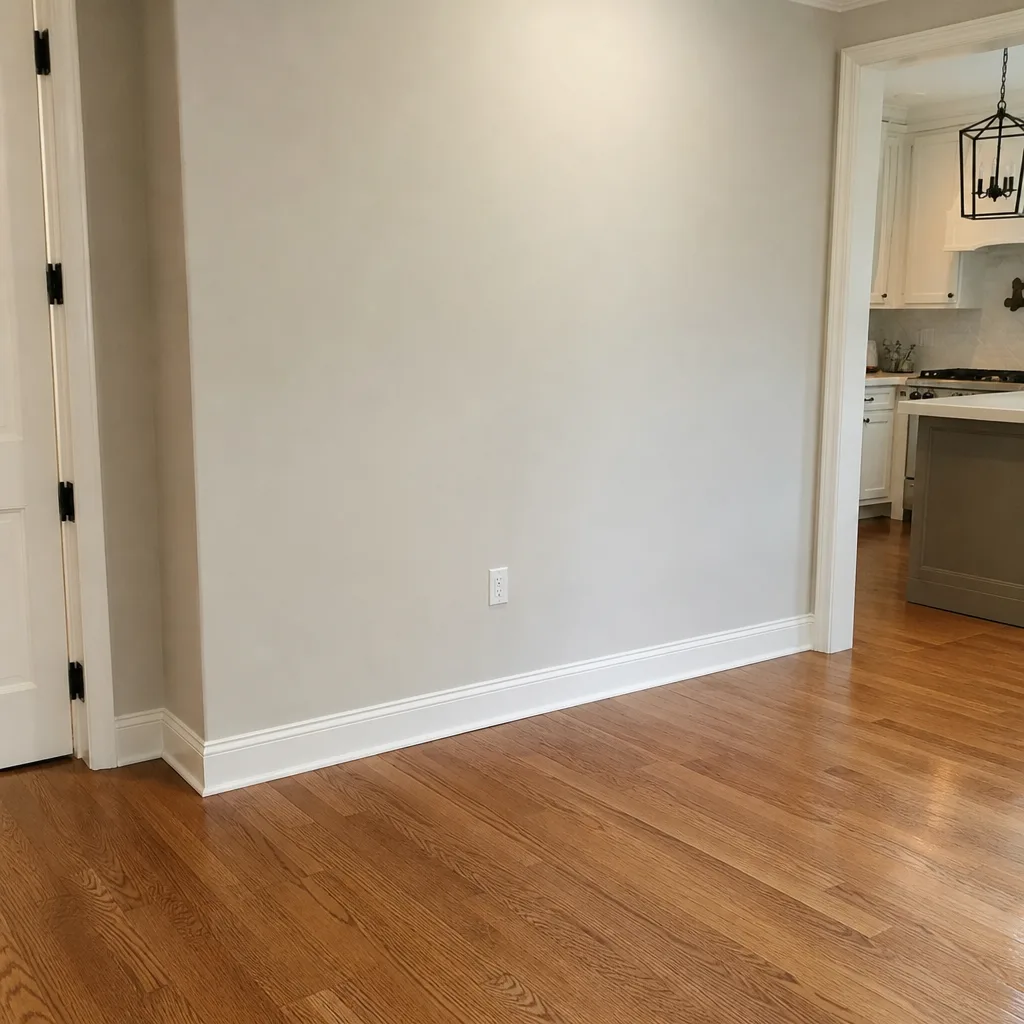 After
After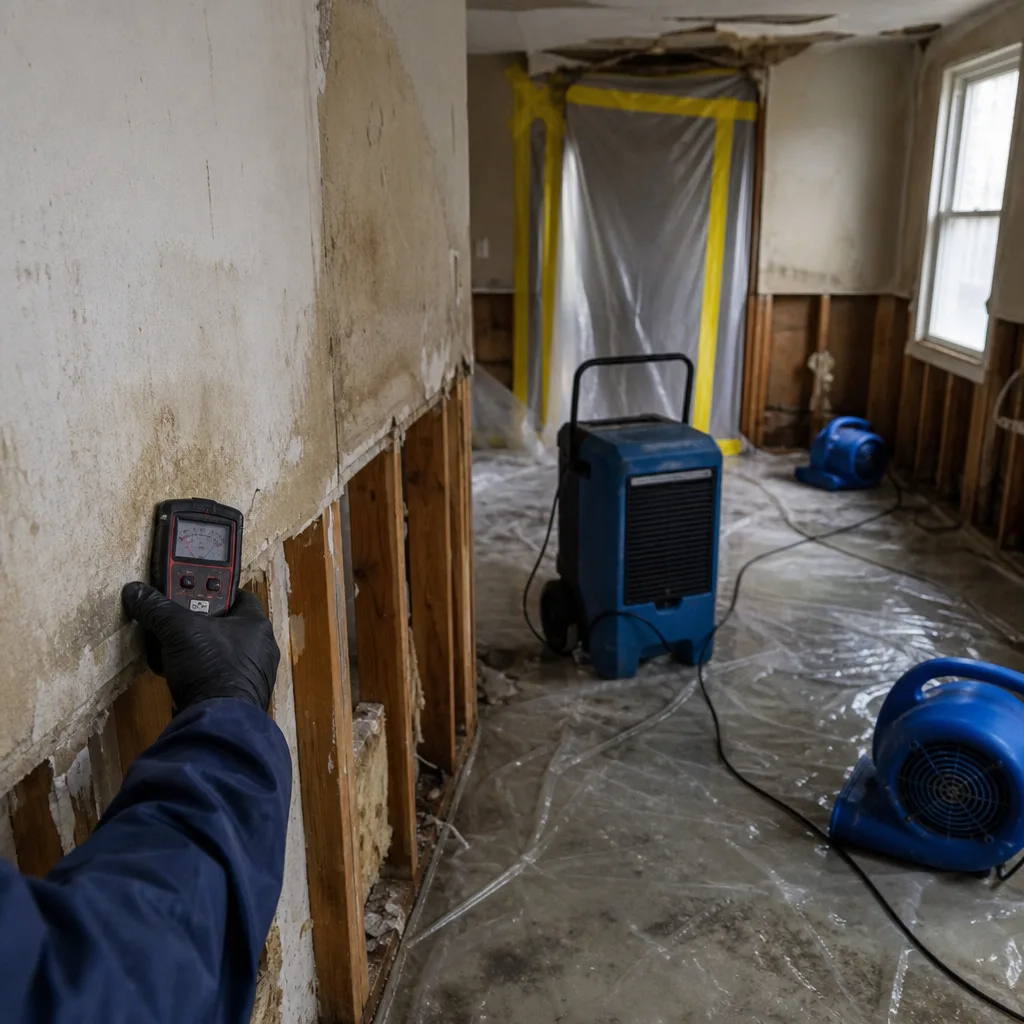 Before
 After
After24/7 Emergency Reconstruction & Cleanup in Kew Gardens Hills
When water pours through a ceiling or fire tears through a Kew Gardens Hills kitchen, the first call should get a live person, not a recording. Floodline Restoration Co. answers at (363) 999-0829 around the clock, every day of the year, and dispatches certified crews into Kew Gardens Hills within 45 minutes. A free visual inspection tells us what we’re walking into before any paperwork gets signed. In this neighborhood of attached brick houses, the first hour matters because water doesn’t stay in one unit. It moves through shared party walls and into the next house before the source unit even reports the loss.
Our Reconstruction & Cleanup team handles the full cycle: extraction, drying, tear-out, rebuild, and the written scope that keeps your insurance claim moving. One crew from first response to final coat of paint. No mid-job handoff, no inherited strangers walking through your door.
Understanding Reconstruction & Cleanup Severity in Kew Gardens Hills Properties
The postwar brick row houses that define Kew Gardens Hills present specific challenges when water or fire damage strikes. Most were built between the 1940s and 1960s with original cast-iron and galvanized plumbing that has been corroding for seventy years. When a supply line lets go on the second floor, gravity does the rest: Category 1 clean water becomes Category 2 gray water as it picks up drywall dust and subfloor residue, then Category 3 black water if it reaches the finished basement and sits. Moisture mapping with thermal imaging and hygrometers tells us how far laterally the water has migrated inside shared party walls, not just how deep it soaked the visible surfaces. In attached and semi-detached homes, that lateral movement is what we map first, because the neighbor’s side of the wall is part of the same structural assembly.
Converting a finished basement back to dry standard takes longer here than in neighborhoods with detached homes on larger lots. The clay-heavy Queens soil around the foundation holds water for days after a storm, and the slab sits only inches above it. Cutting dehumidification early is the single most common way homeowners end up with mold inside finished basement walls forty-eight hours after we leave. We don’t cut it early.
Why Kew Gardens Hills Property Owners Choose Floodline Restoration Co.
- 45-minute response commitment in Kew Gardens Hills. Live dispatch sends the nearest certified crew immediately, not after a callback.
- 24/7 live answer, always a person. At 2 a.m. you get a dispatcher, not a voicemail tree. That’s been true since Curt Bowman founded this company in 2010.
- IICRC-certified crews. Water damage technicians hold WRT and ASD certifications; fire work follows FSRT standards; mold jobs run under AMRT protocols. Background-checked and uniformed on every job.
- Free visual inspection. We assess before we write the scope, so you know what’s actually needed, not what pads a bill.
- Direct insurance billing. We work with your adjuster and carrier directly. You never play messenger.
- One team from extraction to reconstruction. The same technicians who run the air movers day one set the trim on day thirty.
Every job comes with the 90-Day Done Right Promise, the Keystone Standard, in writing. If it’s not done right, we make it right. No paperwork battle, no arguing. We stand behind it.
Our Reconstruction & Cleanup Process
Inspection & Assessment
We arrive, walk the property, and build a moisture map with thermal imaging and hygrometers. The assessment includes the neighbor’s side of any shared party wall when water loss is involved, because half the claim may be in the adjoining unit.
Extraction/Stabilization
Standing water comes out with truck-mounted extraction units. We shut off compromised electrical circuits, tarp damaged roof penetrations, and board up openings so the house doesn’t take on more damage overnight.
Drying & Dehumidification
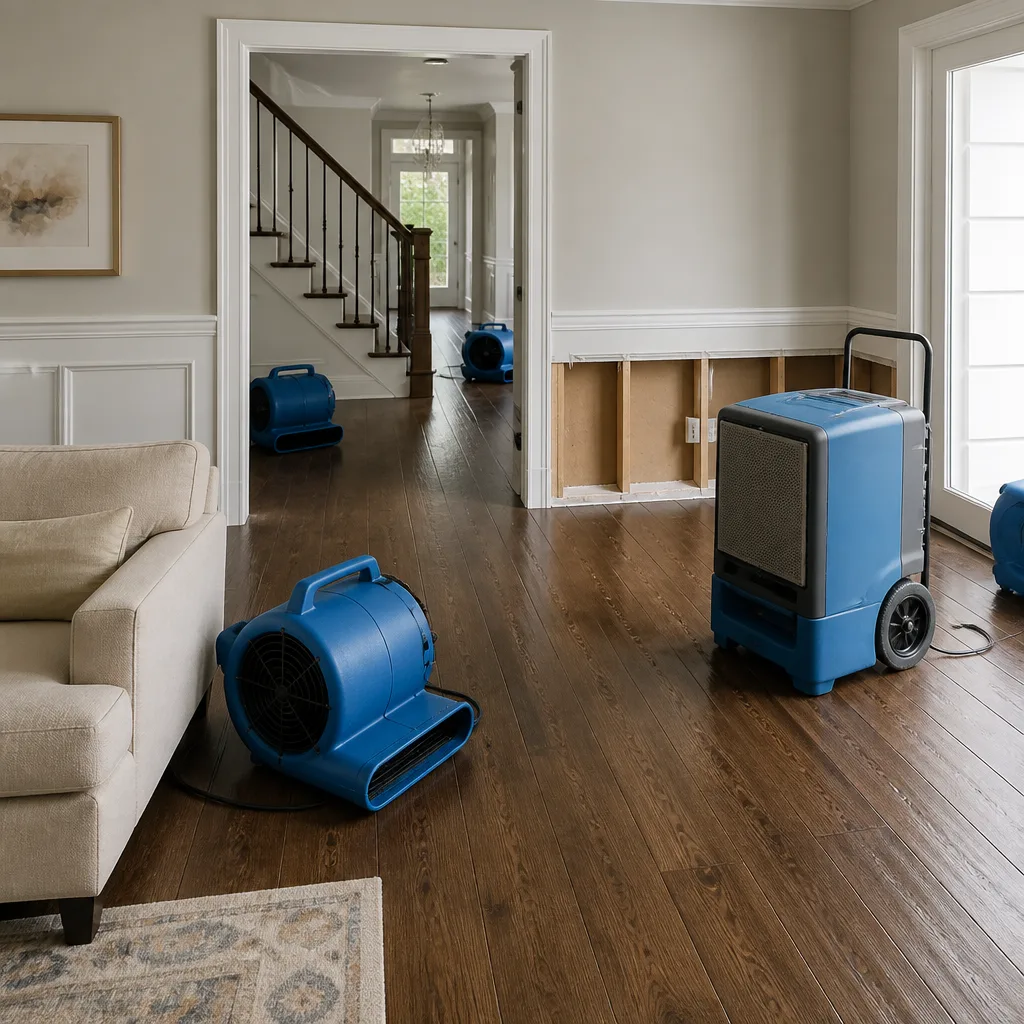
Professional-grade Dri-Eaz dehumidifiers and Phoenix air movers run on a calculated layout, not guesswork. Daily moisture readings get logged until the dry standard is met. In Kew Gardens Hills basements, that typically means several days longer than above-grade spaces.
Cleaning & Sanitization
HEPA air scrubbers run during tear-out and reconstruction. Surfaces get antimicrobial treatment where water category or contamination warrants it. Carpet and upholstery cleaning happens here, before rebuild starts.
Contents Restoration & Pack-Out
Salvageable contents get inventoried, packed, and cleaned off-site or in a contained area. We photograph everything against your claim. Nothing moves without documentation.
Repairs & Restoration
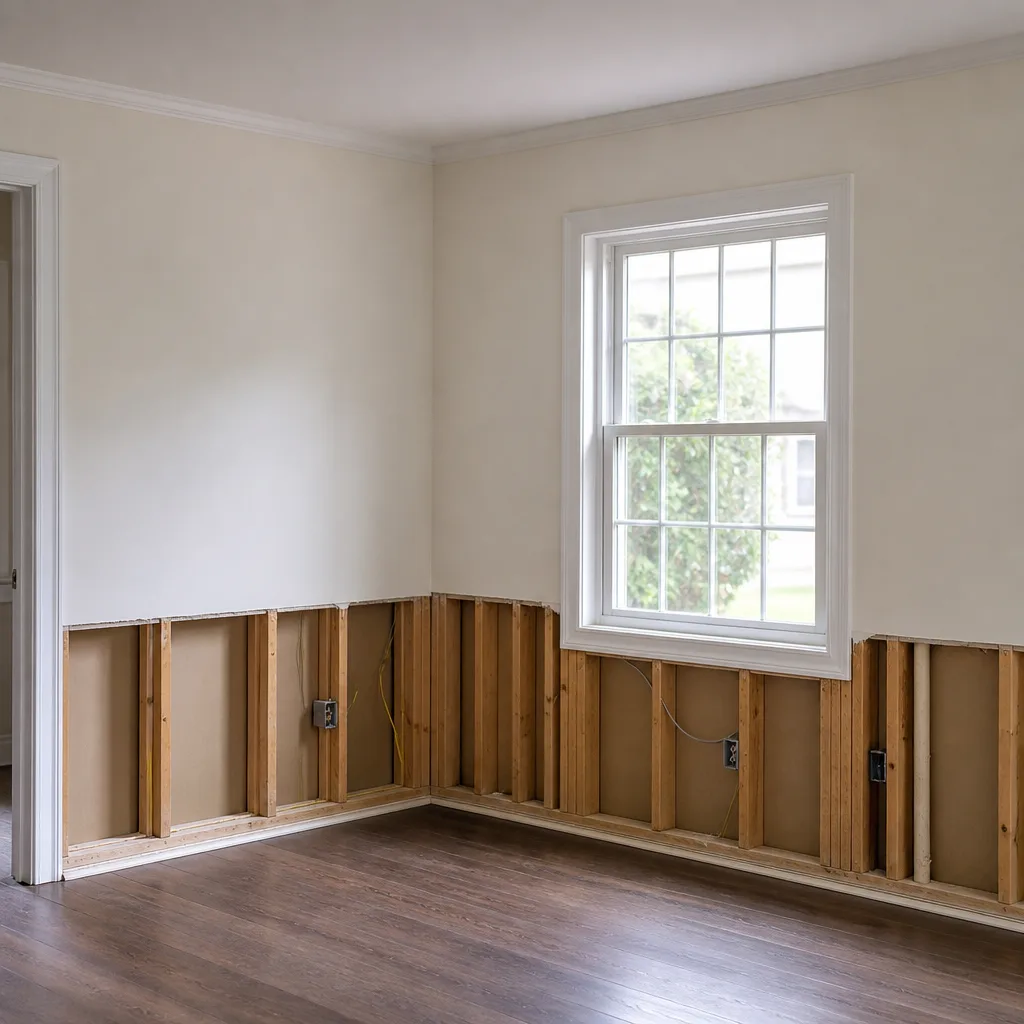
Drywall, flooring, trim, paint, doors. The same crew that mapped the water on day one rebuilds the space to finished condition. Your written scope covers everything before a single wall comes down.
Need Emergency Reconstruction & Cleanup in Kew Gardens Hills Now?
Crews minutes away, answering live 24 hours a day. The sooner we start, the less it costs.
Working With Your Insurance Company
Most Reconstruction & Cleanup claims in Kew Gardens Hills are covered losses, but the carrier needs documentation from the first hour to pay the full scope. We photograph every room before we touch anything, log moisture readings daily, and write line-item estimates that match industry-standard pricing the adjuster already recognizes. When the loss crosses a shared party wall into an adjoining unit, we document that separately, so each property’s claim stands on its own evidence. Our team talks to the adjuster directly, answers their questions, and handles revisions so you don’t spend weeks on hold.
What We Provide Your Insurer
- Thorough documentation of the loss
- Photos of all damage, room by room
- Moisture readings and drying logs
- A detailed, line-item scope of work
- Direct coordination with your carrier
Built for Kew Gardens Hills’s Loss Calendar
Kew Gardens Hills takes its worst hits on a predictable calendar. January deep freezes burst supply lines in the original plumbing of these 1940s and 1950s brick houses, and the water runs through finished basements before anyone notices. Spring thaw saturates the clay-heavy soil around foundations, and converted basement apartments flood before street-level drains even back up. Summer thunderstorms overwhelm the flat and low-slope roof sections common on postwar brick construction, driving water through parapet walls and roof penetrations into the ceiling assemblies below. Nor’easters in the fall and early winter push wind-driven rain into entryways and window frames that were never rated for lateral rain. Each season has a signature failure mode in these houses, and our crews have seen every one of them up on Kew Gardens Hills streets like Main Street, Vleigh Place, and 73rd Avenue.
Reconstruction & Cleanup Across Kew Gardens Hills’s Neighborhoods
The housing stock shifts block by block across Kew Gardens Hills, which changes how we approach each job. Around Main Street and 72nd Avenue, the attached brick rows date to the early postwar period, and shared party walls mean water migration is always on the table. Between Vleigh Place and Kissena Boulevard, converted basement apartments sit closer to the saturated clay soil, so drying cycles run longer. The blocks near Parsons Boulevard hold more semi-detached two-family homes, where a single roof penetration can put water into two kitchens and two claims at once. Up by Jewel Avenue, the three-story brick buildings carry the original plumbing from the 1960s, and a burst riser can run through three floors before the shutoff gets found. None of this is theoretical. It’s the pattern we see week after week across the 11367 and 11366 ZIP codes.
Specialized Reconstruction & Cleanup Services We Offer in Kew Gardens Hills
Full-Service Reconstruction
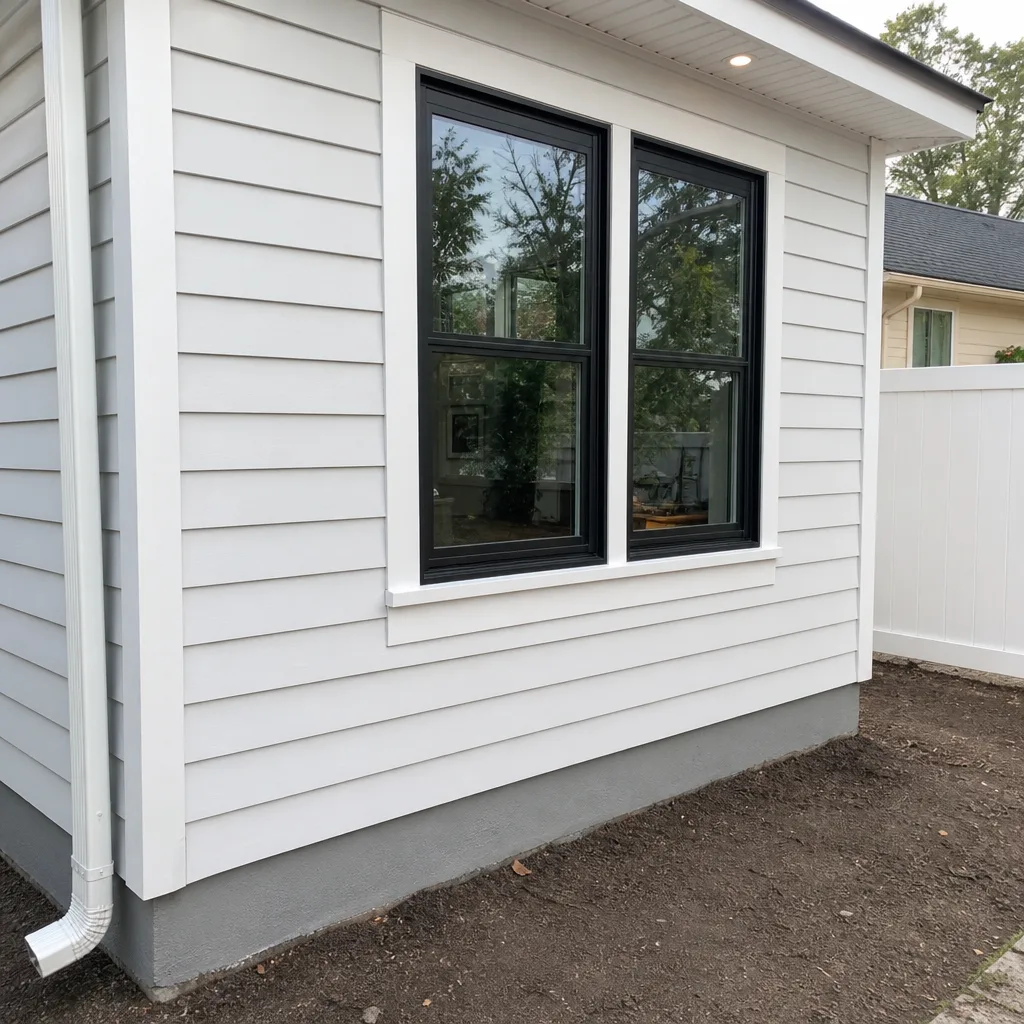
We rebuild what the water or fire destroyed: framing, drywall, insulation, flooring, trim, paint, doors. The same crew that extracted the water on day one sets the final threshold on the last day. You never brief a new contractor on what happened. We already know.
Drywall & Flooring Repair
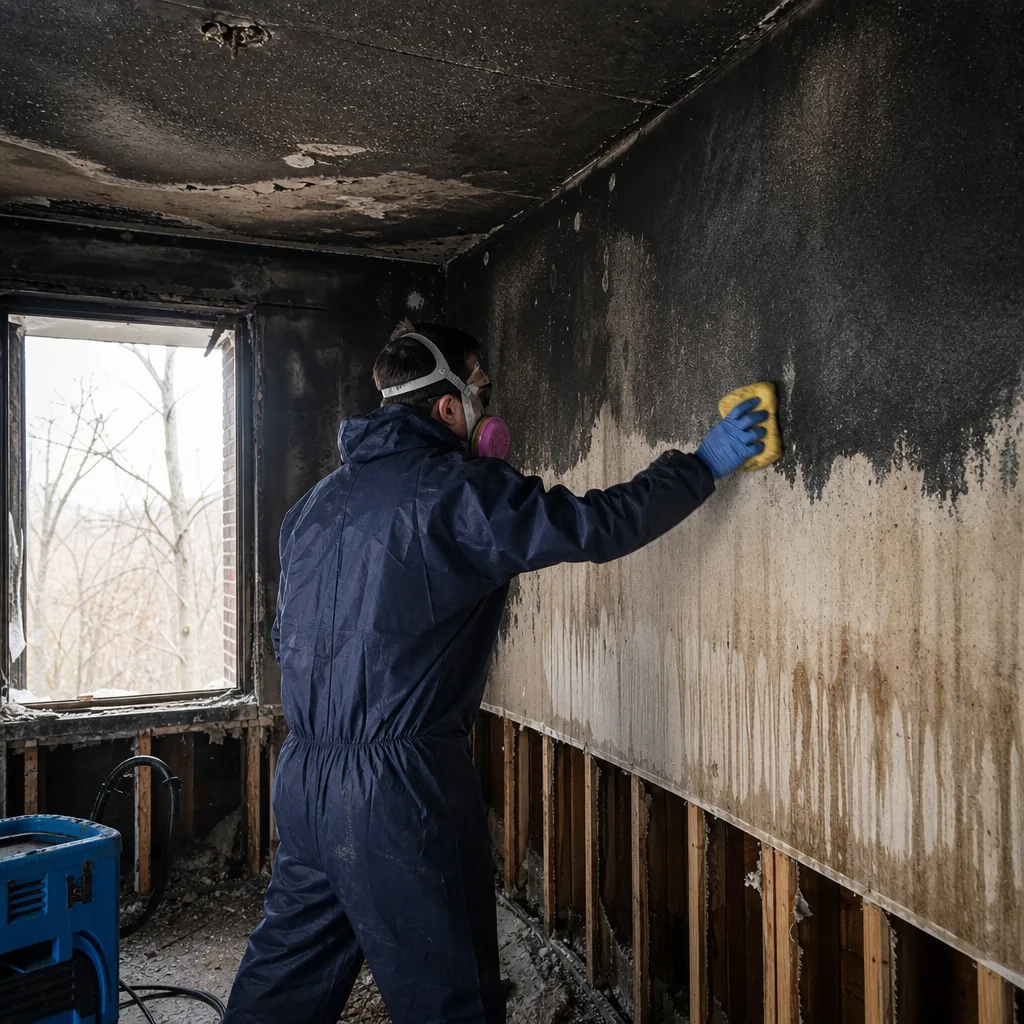
Kew Gardens Hills homes from the 1950s often have original hardwood under layers of later flooring. We match the existing profile where possible and document what goes back in. If plaster walls over brick need patching, we do that too, with care for the lath-and-plaster assemblies these houses still carry in places.
Contents Restoration & Pack-Out
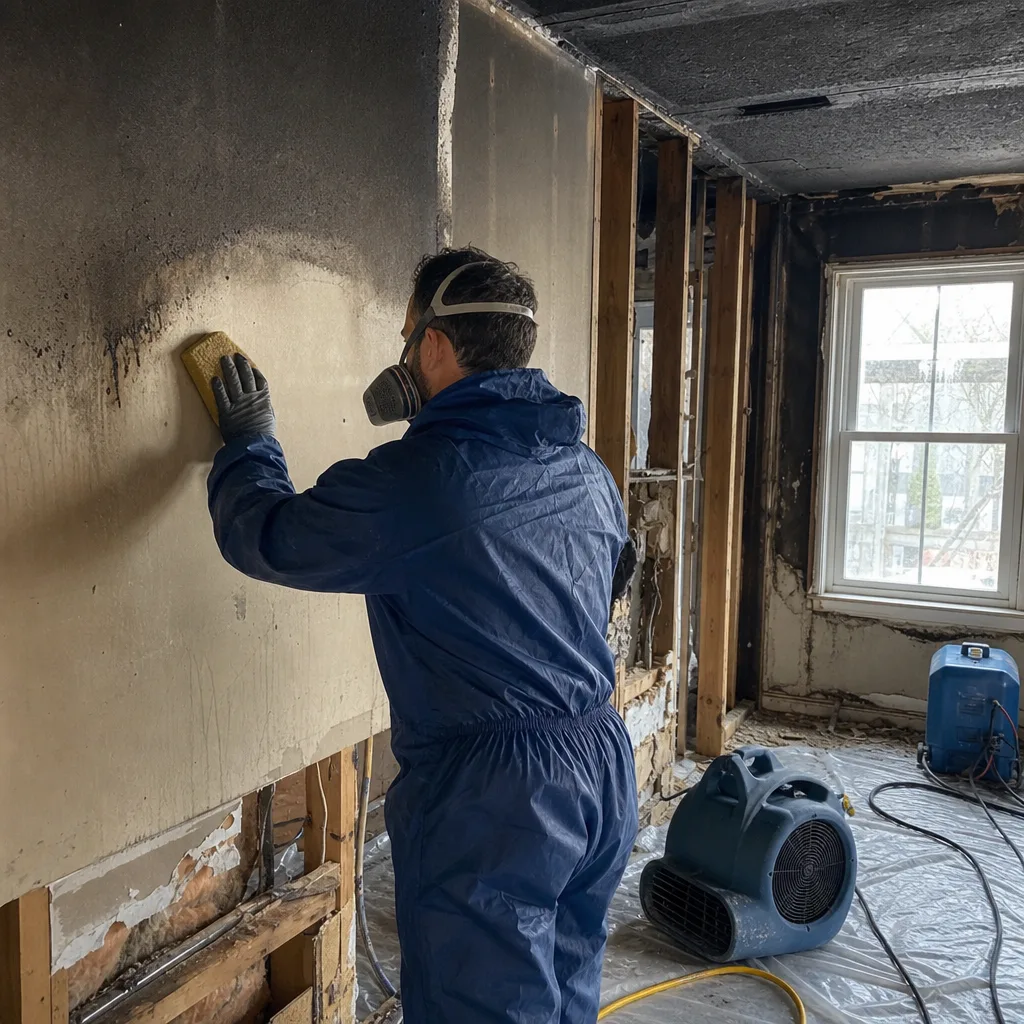
Books, furniture, clothing, appliances. We inventory everything, photograph it against your claim, pack it, and clean what can be saved. In houses with finished basements used as living space, the pack-out is often the biggest line item, and we handle it without losing a single item.
Carpet & Upholstery Cleaning
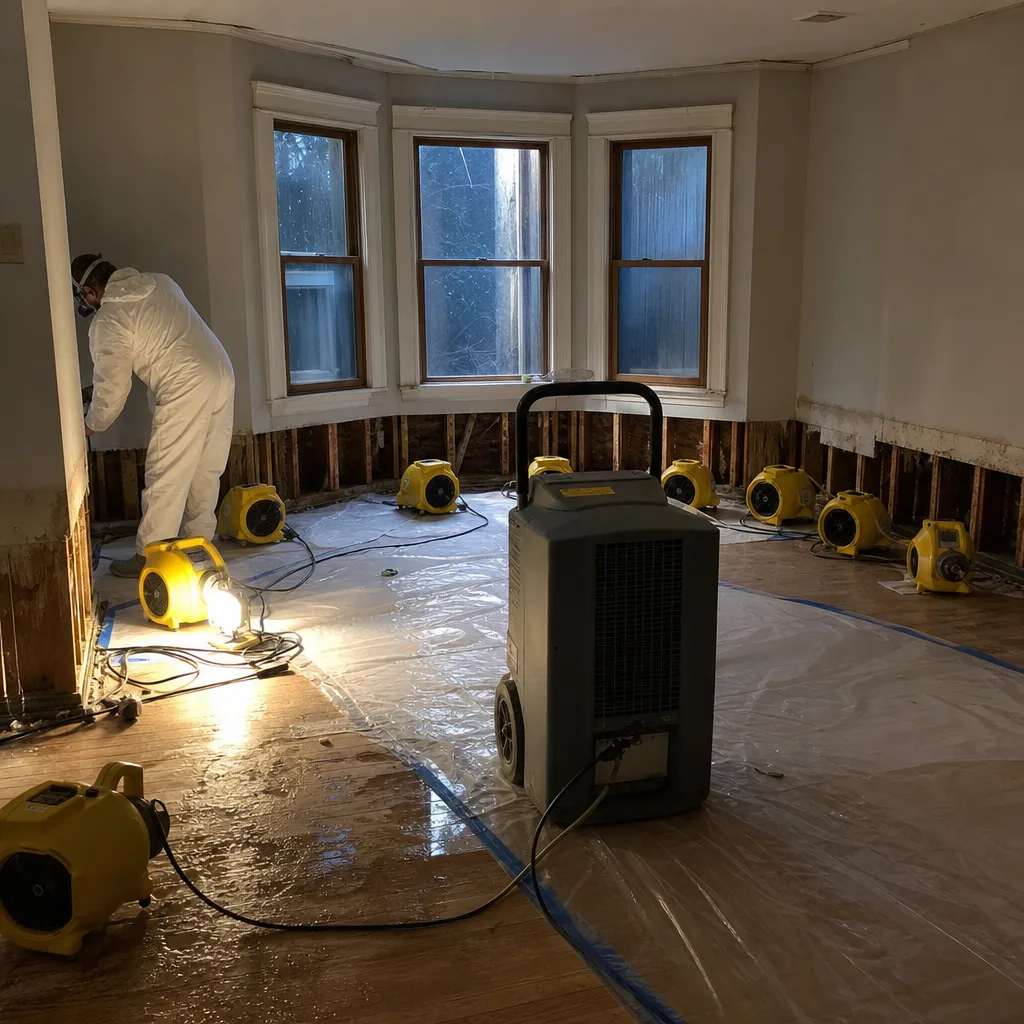
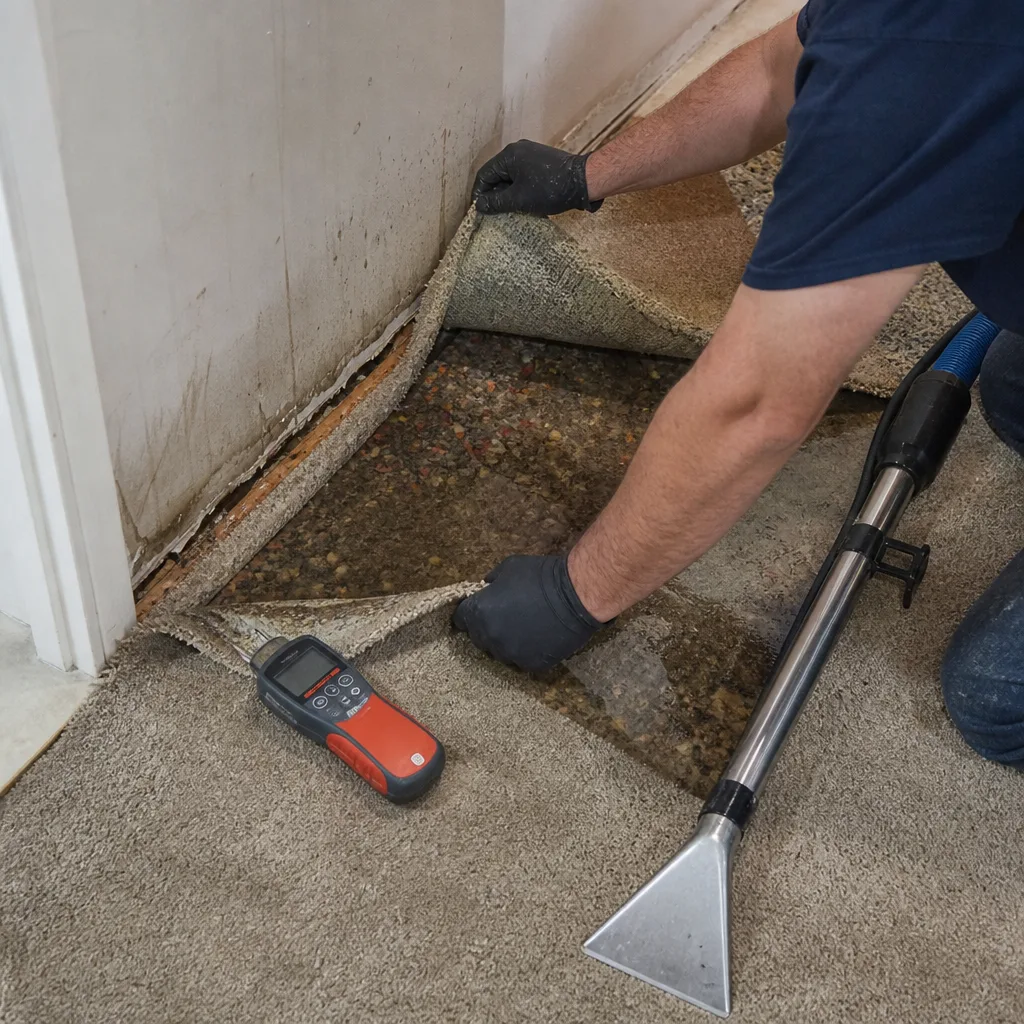
After Category 1 water losses, carpet can often be restored rather than replaced. We run hot water extraction and dry it under the same daily logging protocol as the structure. Upholstery gets cleaned in containment where necessary to prevent cross-contamination.
Post-Construction Cleanup
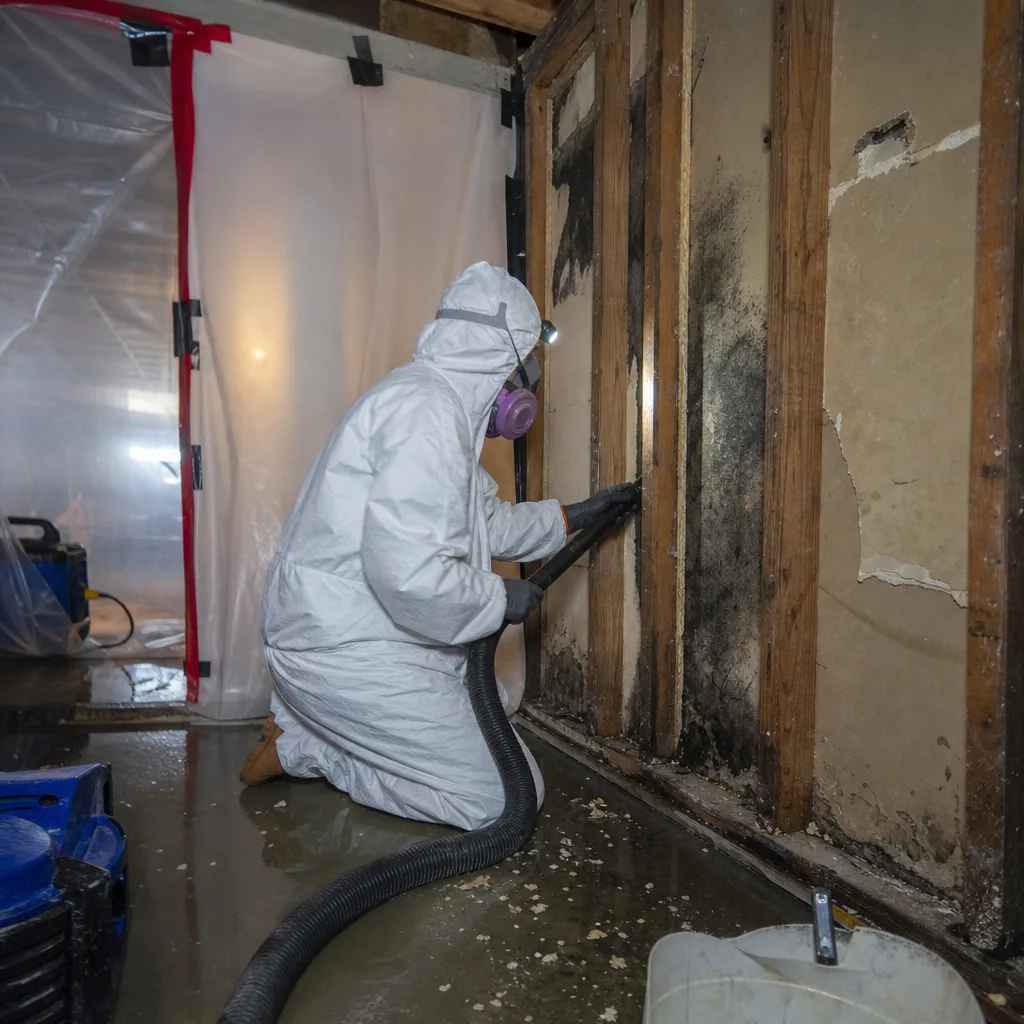
Dust from drywall sanding gets into everything. We run HEPA air scrubbers during the work and do a full post-construction clean before we call the job done: surfaces, floors, vents, and the fine dust that settles inside cabinets and closets.
Insurance Claim Documentation
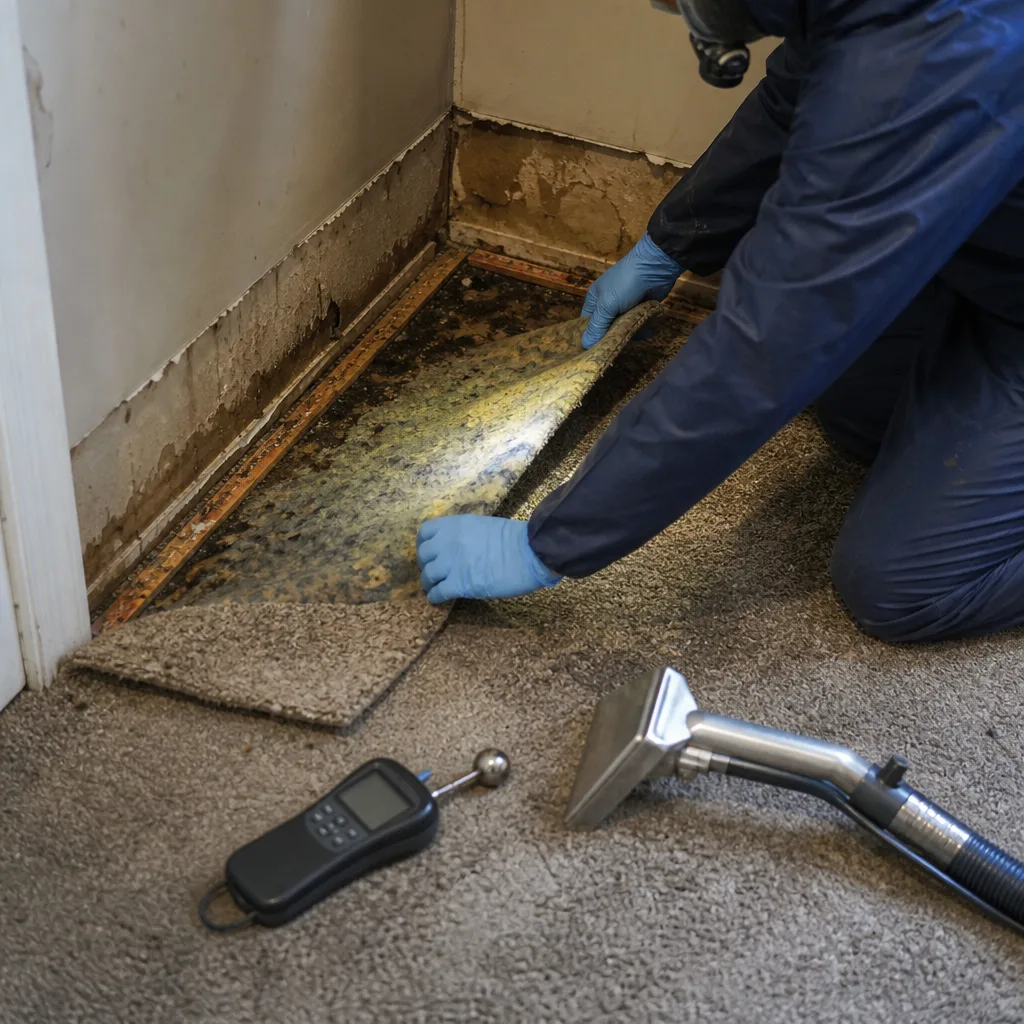
This is where the claim is won or lost. We write the scope in the carrier’s language, photograph room by room, log moisture daily, and coordinate directly with your adjuster. When multiple units are involved, each claim file stands on its own.
What happens when you call
- 1
A real person answersNo phone trees - you reach a local pro.
- 2
You get an upfront price rangeHonest numbers before anyone is dispatched.
- 3
A background-checked tech heads outLicensed & insured, dispatched right away.
- 4
You approve before work beginsNothing starts until you say go.
Reconstruction & Cleanup Costs in Kew Gardens Hills, NY
What you’ll pay depends on what actually happened, not what a phone quote says before anyone sees the house. That said, Kew Gardens Hills ranges are predictable once we walk the loss. Water extraction and drying for a finished basement typically runs $2,800 to $5,500 depending on square footage and how far the water migrated into walls and under flooring. Full kitchen reconstruction after a fire runs $18,000 to $45,000 here, with kosher re-certification coordination built into the scope, not added as an afterthought. Drywall and flooring repair for a single room lands between $1,800 and $4,200. Contents pack-out and cleaning adds $1,500 to $4,000 depending on volume. Most of these jobs are covered losses, and we bill your carrier directly. The free inspection is how you get a firm number in writing before any work starts. Call (363) 999-0829 and we’ll walk the property.
We Also Serve Cities Near Kew Gardens Hills
Floodline Restoration Co. runs crews throughout Queens. We regularly work in Elmhurst, Corona, Forest Hills, and Jackson Heights, handling the same full-cycle reconstruction and cleanup with the same written guarantee.
Serving Kew Gardens Hills, NY - Our Local Coverage Area
We’re based in the Kew Gardens Hills area and know this community well. Use the map below to see our service coverage - if you’re nearby, we can almost certainly help.
Kew Gardens Hills Reconstruction & Cleanup Questions, Answered
Why does kitchen reconstruction in Kew Gardens Hills need a rabbi before we can cook again?
Because a kosher kitchen is re-certified as kosher only after a rabbi inspects the rebuilt space, and our crews know this from years of working in Kew Gardens Hills’s Orthodox Jewish community. We coordinate the rabbi’s visit into the reconstruction schedule so the kitchen is finished, inspected, and certified before we pack out. This step is routine for us here and essentially unknown to contractors from outside the neighborhood. Call (363) 999-0829 and ask for the kosher re-certification workflow; we know what to do.
How does a shared party wall affect a water loss in a Kew Gardens Hills semi-detached home?
Water from one unit moves through the shared wall cavity into the adjoining house, which means two properties, two claims, and two insurance files from a single leak. We map the moisture on both sides of the wall with thermal imaging and log separate drying records for each unit, so each carrier gets evidence for its own property. If you rush drying on your side, the neighbor’s side keeps feeding moisture back across the wall. Call us before the adjusters arrive, and we’ll have documentation ready.
Do Kew Gardens Hills basement apartments need longer drying cycles than a typical above-grade room?
Yes, and it’s because of the clay-heavy Queens soil under the slab. Converted basement apartments in Kew Gardens Hills sit a few inches above soil that holds water for days after rain or a plumbing leak. Drying those spaces properly means running Dri-Eaz dehumidifiers and Phoenix air movers for several days longer than an above-grade room of the same square footage. Cut it early and mold colonizes inside the walls within forty-eight hours. We keep the daily readings until the dry standard is met, every time.
What wind rating should a new entry door have for my postwar Kew Gardens Hills home?
For the original 1940s and 1950s entryways still on many Kew Gardens Hills brick houses, we recommend a door rated for at least 50 pounds per square foot of wind load, which covers most Nor’easter-driven rain events that hit these attached rows. The key is the frame and jamb reinforcement, not just the door panel. A reinforced frame keeps wind-blown rain out of the entryway and stops a single storm from turning into a multi-party loss across a shared wall. We’ll spec the door and set it during reconstruction.
How do you document a multi-unit water loss from a single Kew Gardens Hills address for my insurance claim?
We create a separate documentation file for each affected unit: photographs, moisture readings, drying logs, and a line-item scope for that property, even when the water started at one address. Each file goes to the respective carrier with its own evidence so neither claim depends on the other being approved first. Our team talks to both adjusters directly. No homeowner plays messenger between carriers.
How fast can a crew reach my house in Kew Gardens Hills?
Typically within 45 minutes of your call to (363) 999-0829. Live dispatch sends the nearest certified crew from our New York City office, and in Kew Gardens Hills the drive times are short. The speed matters because water in a shared wall doesn’t wait, and neither does a fire-damaged kitchen that needs board-up before nightfall.
Will my insurance cover reconstruction and cleanup in Kew Gardens Hills?
Most water, fire, and storm losses in Kew Gardens Hills are covered under standard homeowner policies, but the carrier pays based on documentation. That’s why we photograph everything before we touch it, log moisture daily, and write the scope in the carrier’s language. We bill the carrier directly for covered losses, and you get a written scope before work starts so there are no surprises on the bill.
What should I do in the first 30 minutes after a water loss in Kew Gardens Hills?
Shut off the water if you can reach the valve safely. Kill power to the affected area at the breaker. Move anything you can lift out of the water. Then call (363) 999-0829. Don’t open walls, don’t use a household fan on the wet area, and don’t wait to see if it dries on its own. In Kew Gardens Hills attached houses, every hour the water sits in a shared wall makes the neighbor’s claim bigger too.
Written by Curt Bowman, Owner at Floodline Restoration Co., serving Kew Gardens Hills and greater Queens.