
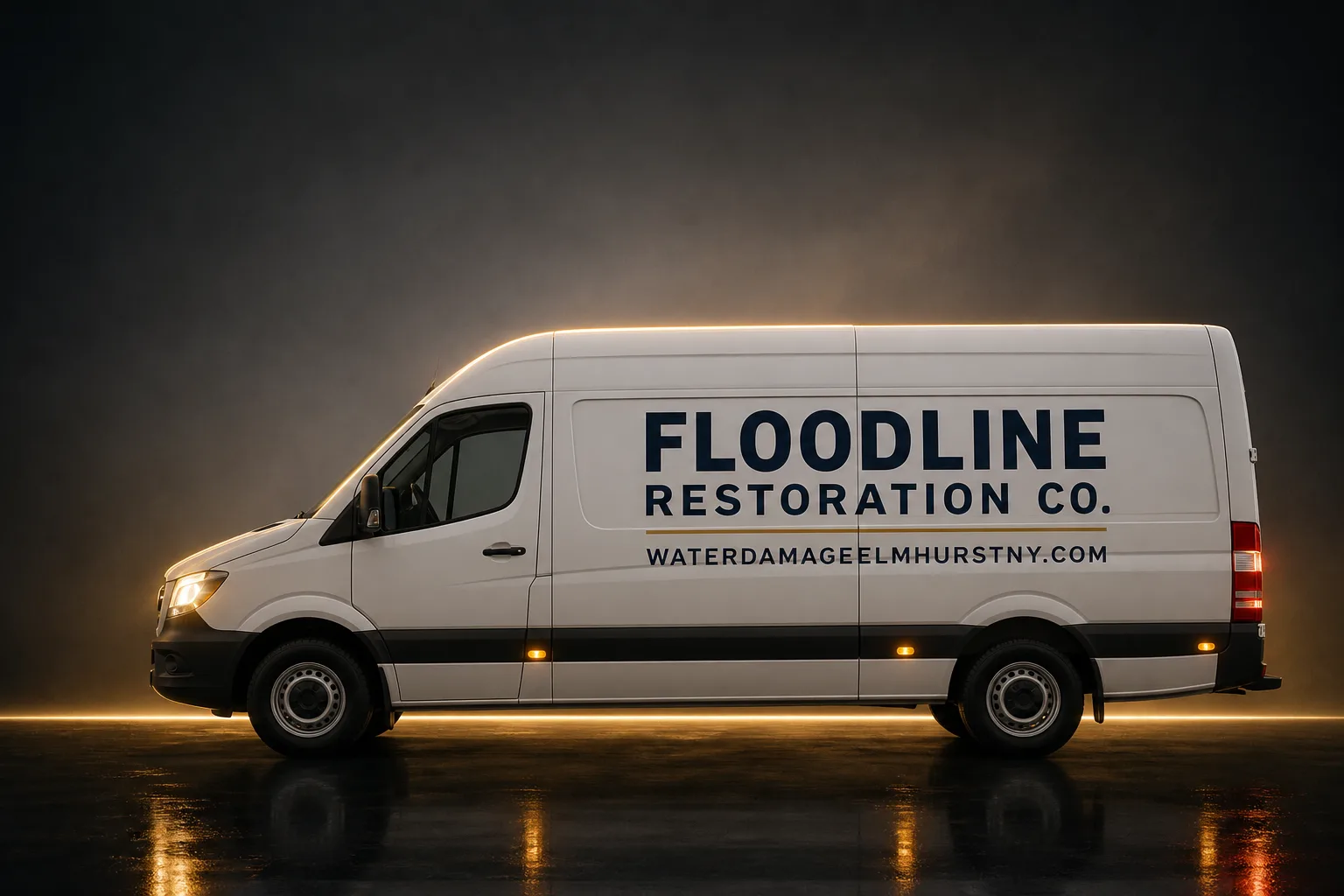
Free visual inspection and a written scope of work before any mitigation begins - photos, moisture readings, and drying logs go in your claim file
The scope we write is the scope we bill. Anything new gets shown to you, in writing, before we touch it.
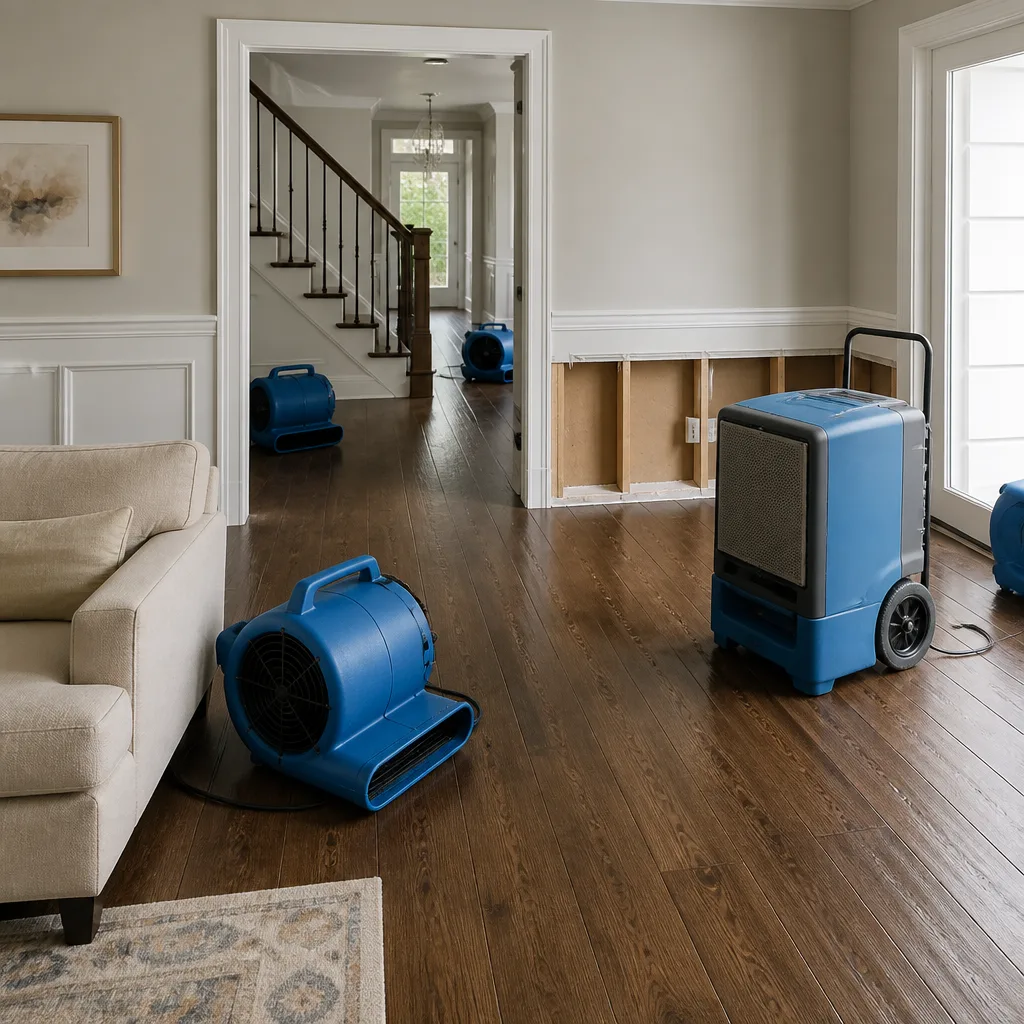
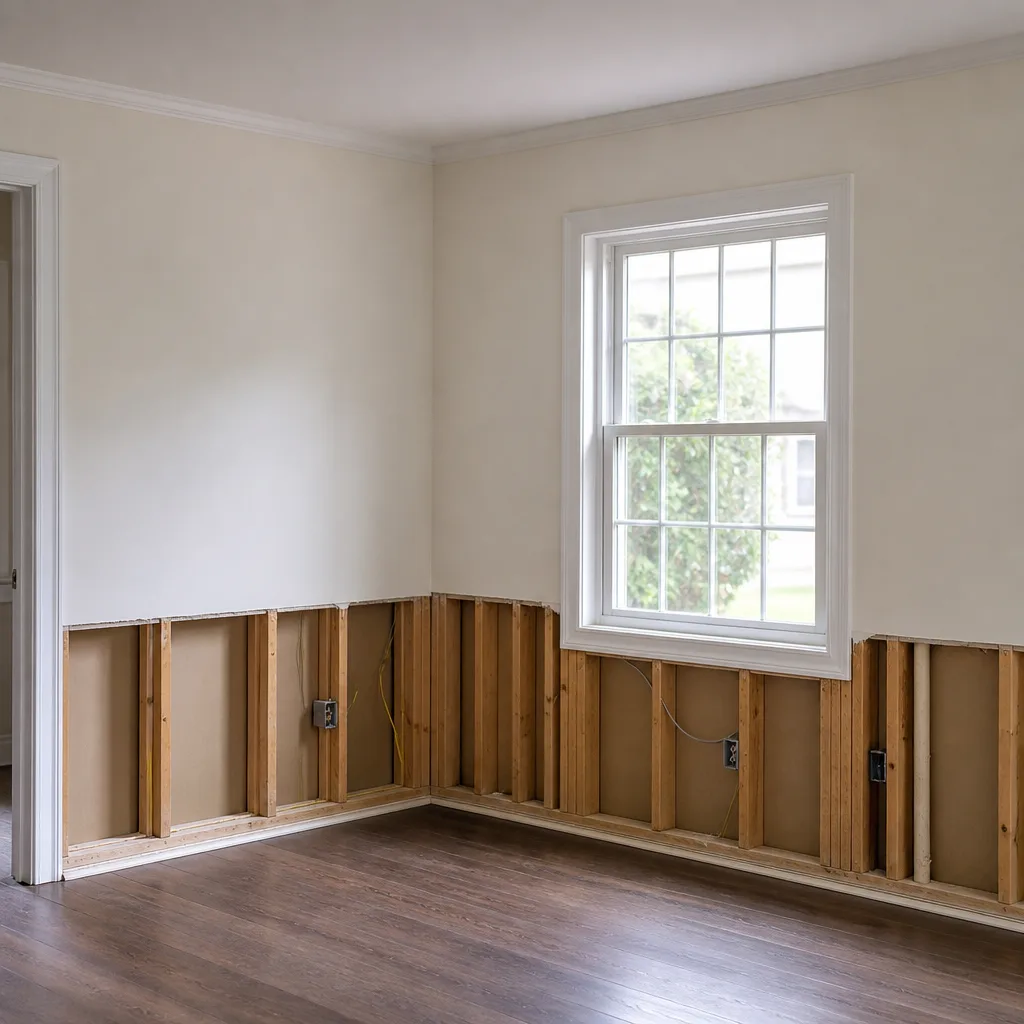
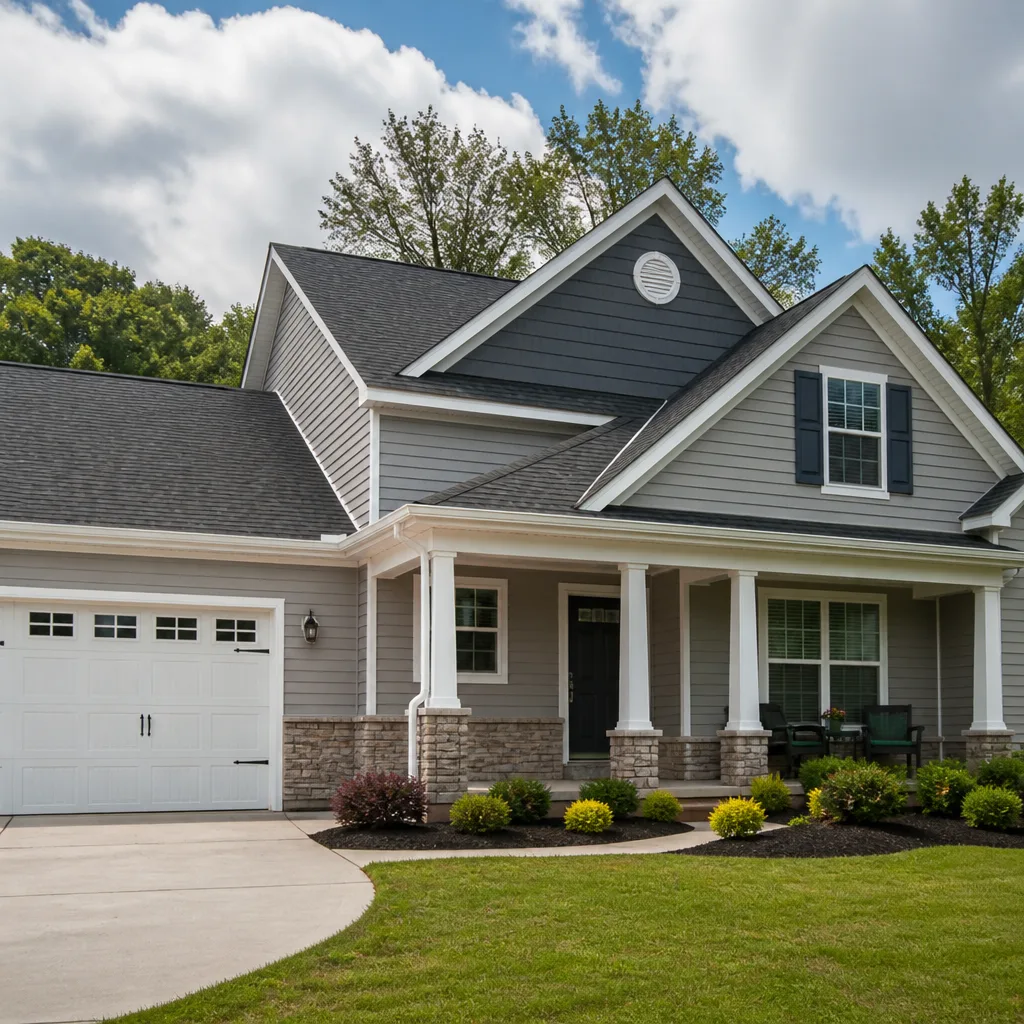
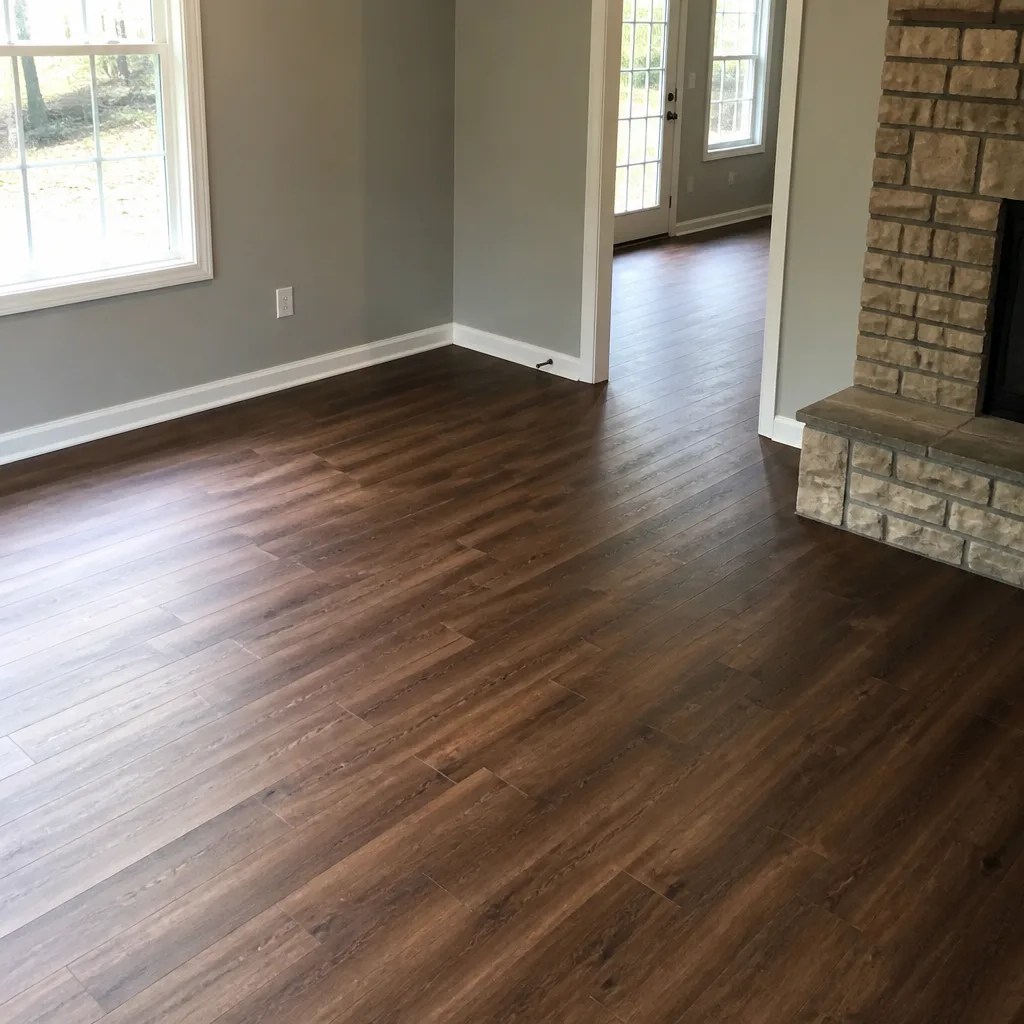
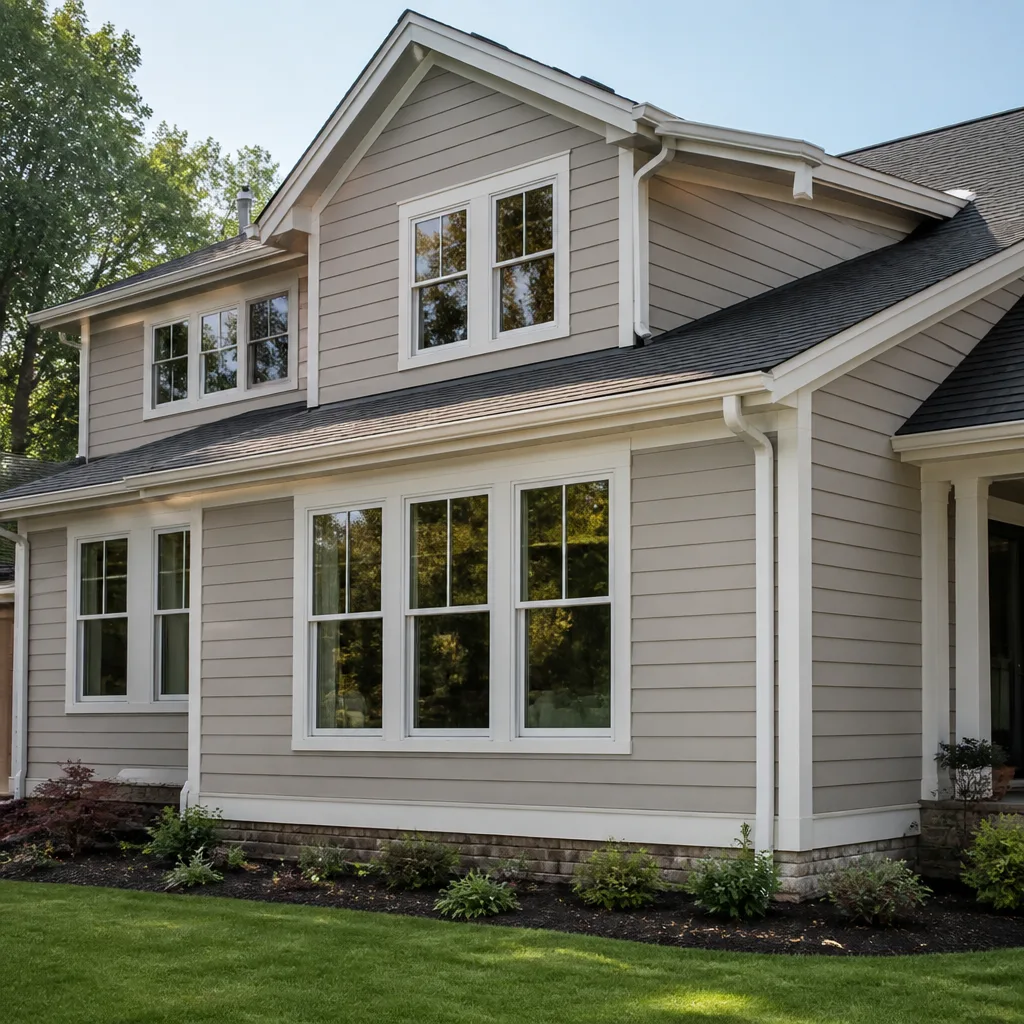
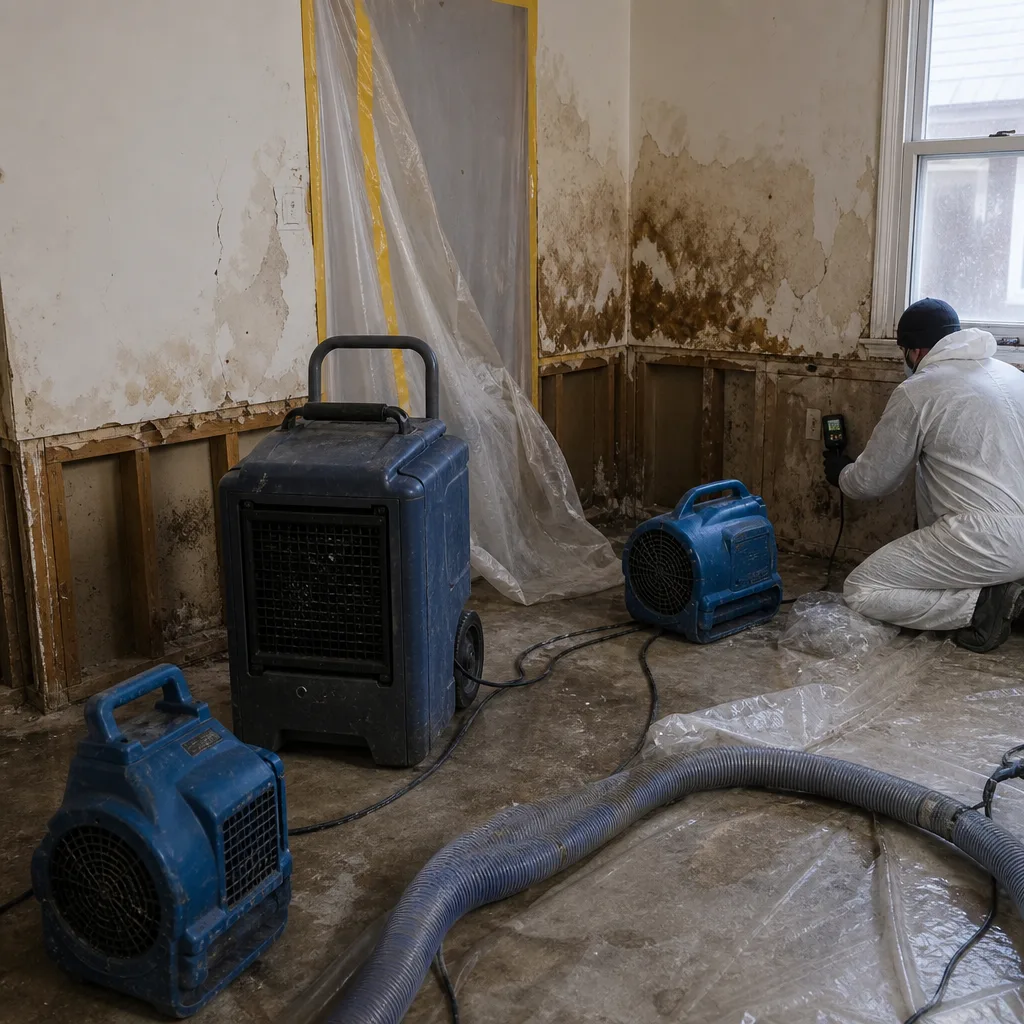 Before
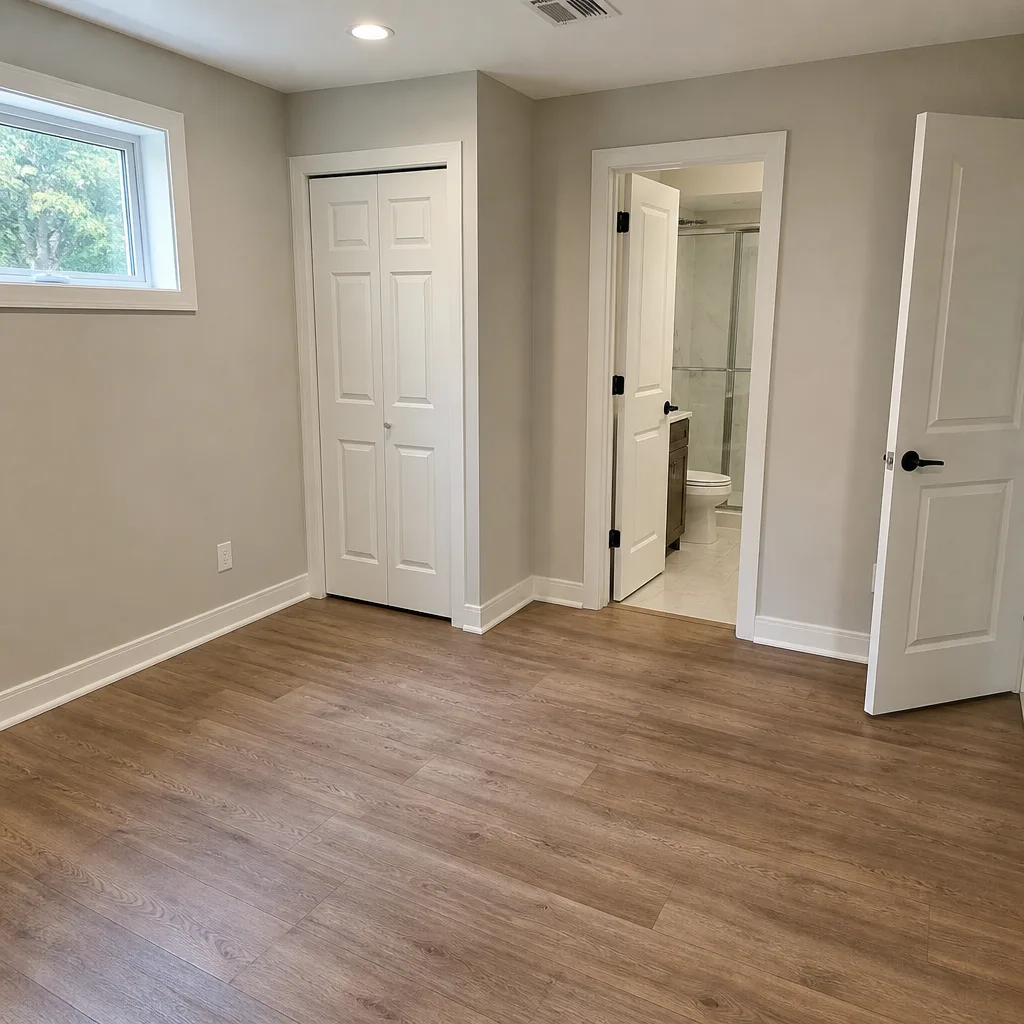 After
After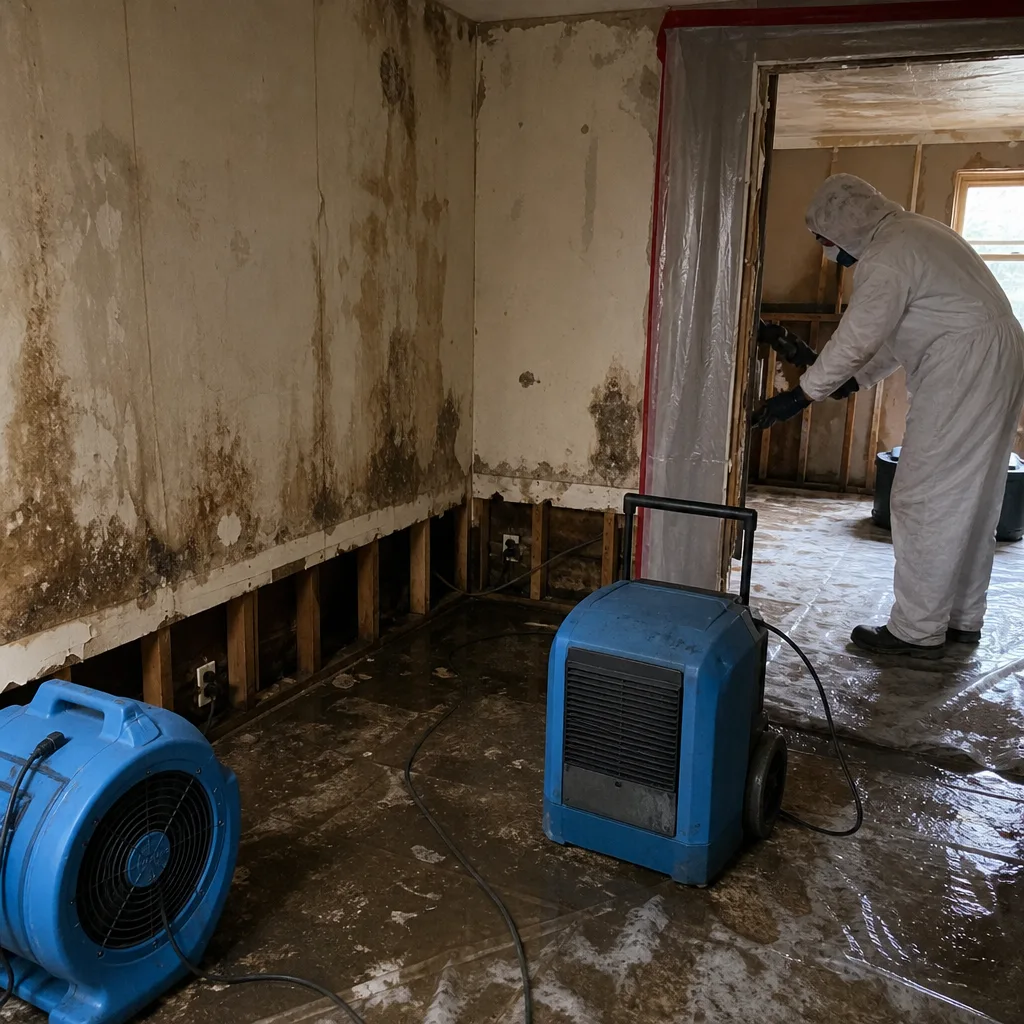 Before
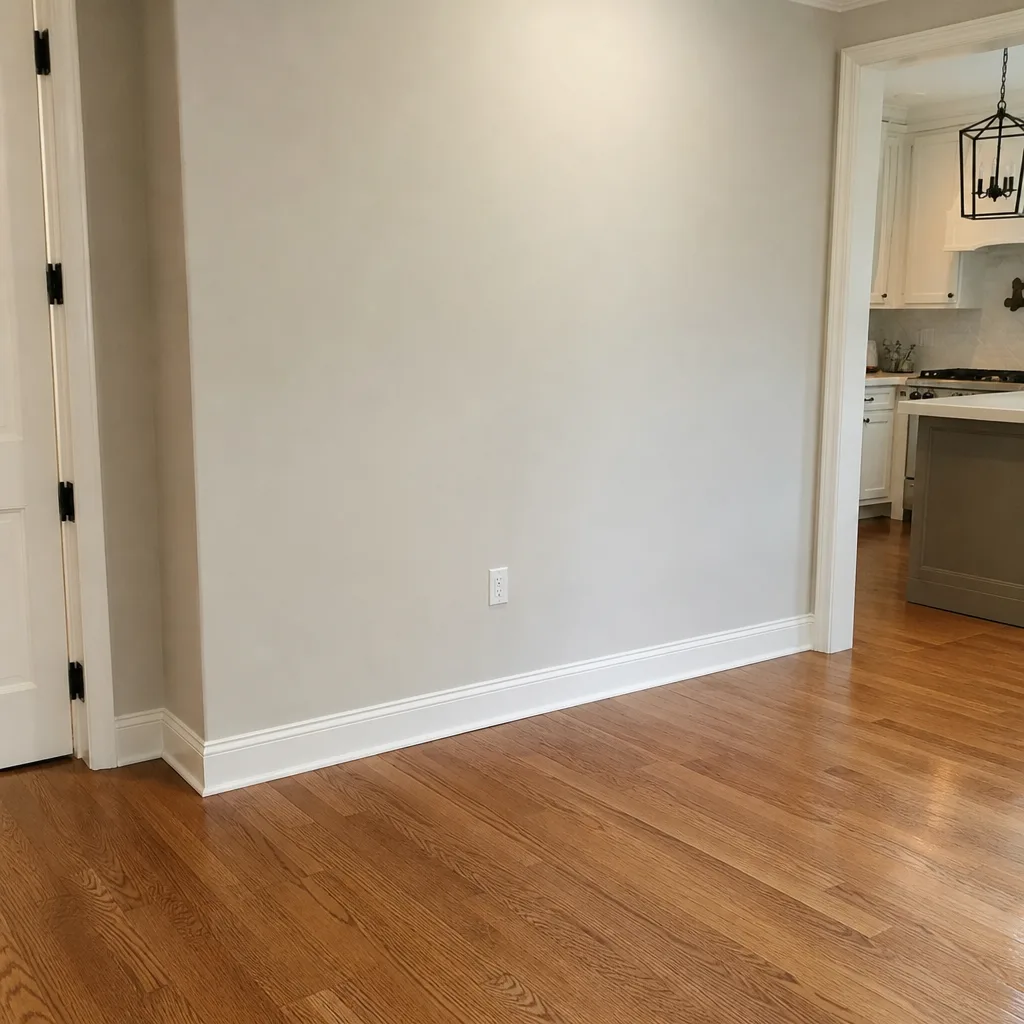 After
After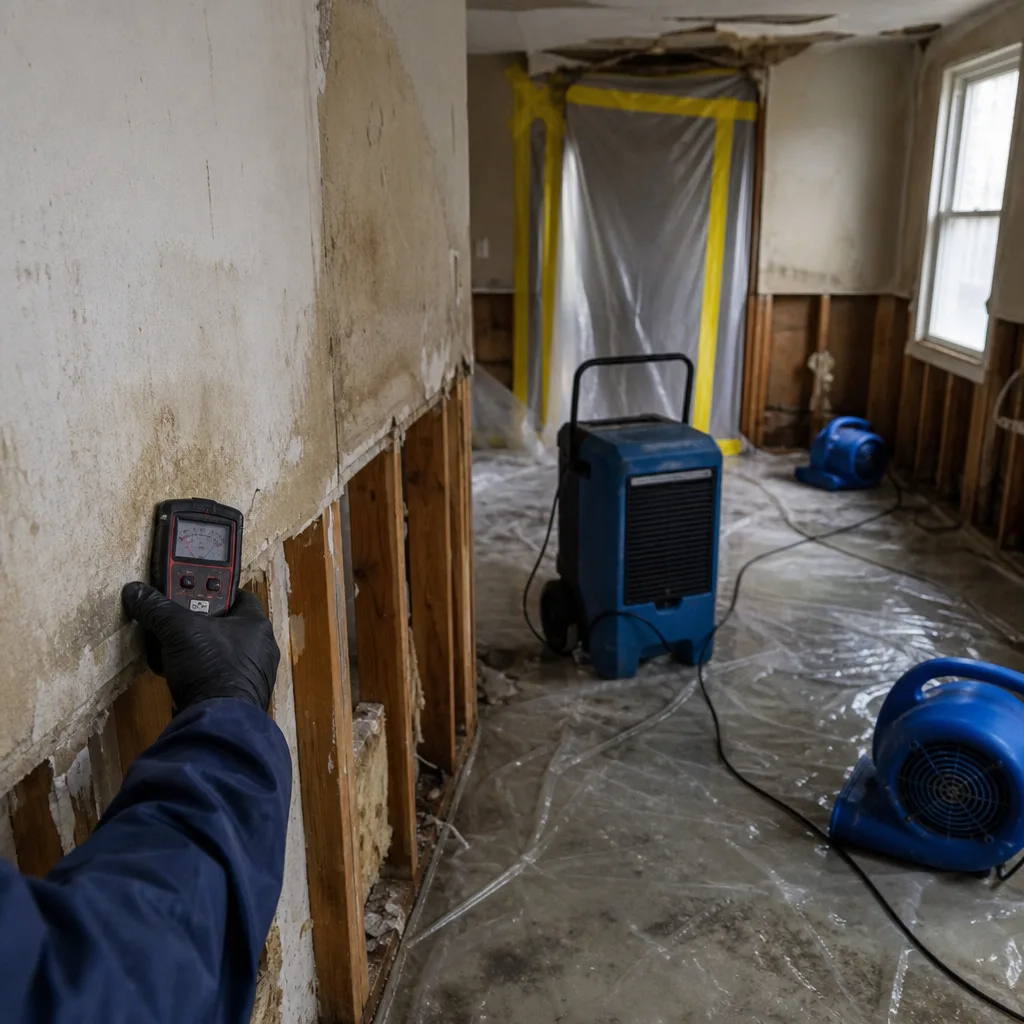 Before
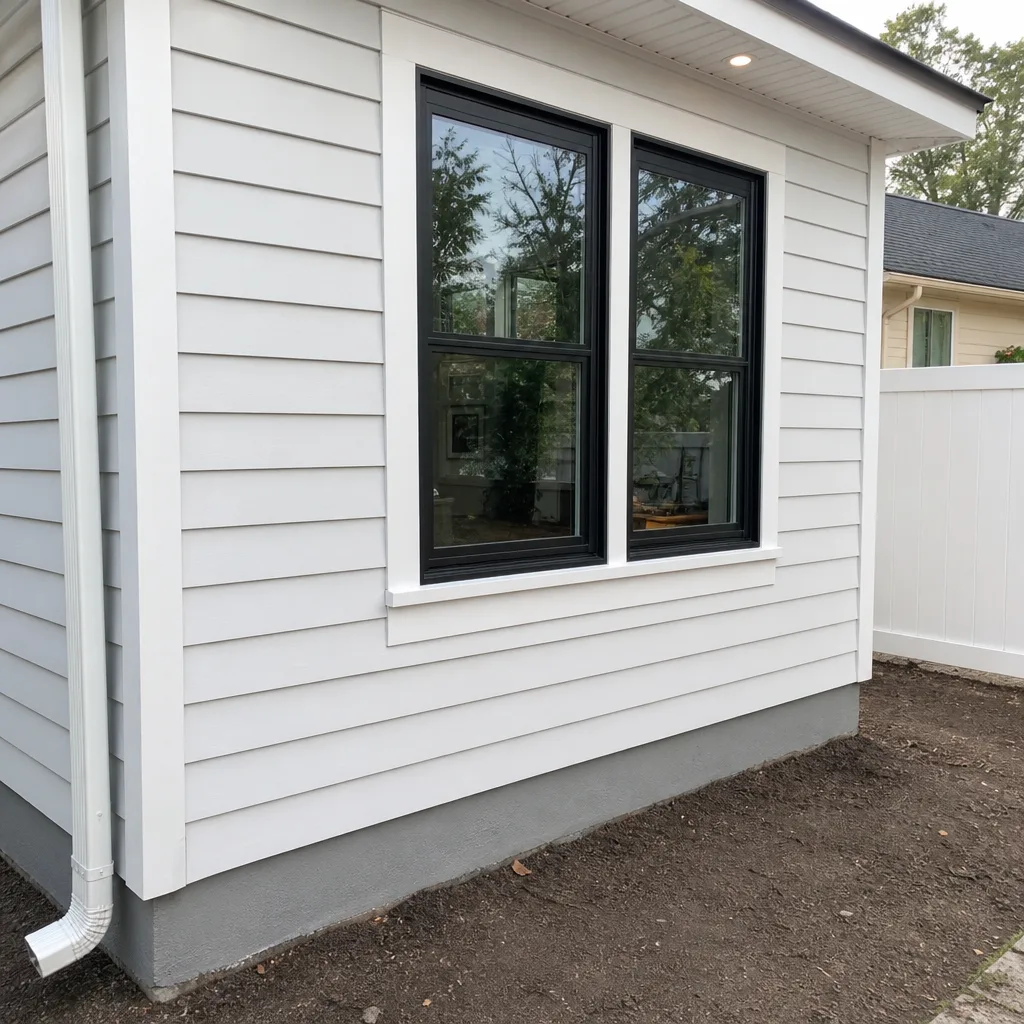 After
After24/7 Emergency Reconstruction & Cleanup in Jackson Heights
When a waste stack lets go or a supply line bursts in a pre-war co-op, Jackson Heights homeowners need a crew that understands what they’re looking at. We answer live around the clock at (363) 999-0829, and our Water Damage Restoration - Jackson Heights technicians reach most Jackson Heights addresses within 45 minutes of the call. The first hour decides how much of the original plaster, flooring, and millwork can be saved, and whether a clean water loss stays Category 1 or degrades into something harder to remediate. Our visual inspection is free, so call (363) 999-0829 the moment you see staining on a ceiling, buckling oak, or water traveling along a shared wall. We arrive with thermal imaging, moisture meters, and a plan, not a sales pitch.
Understanding Reconstruction & Cleanup Severity in Jackson Heights Properties
Jackson Heights housing stock does not dry the way drywall-and-2×4 construction does. Most buildings here went up between 1910 and 1940, and the walls are horsehair plaster over old-growth timber lath, the drains are original cast iron, and the heat is steam. That changes the severity math on every loss. Category 1 water, clean supply-line water, can usually be extracted and dried with the plaster saved if we get to it within hours. Category 2, gray water from a failed waste line or dishwasher discharge, carries contaminants and almost always means cutting out saturated plaster at least to the lath line. Category 3, which is what Hurricane Ida’s storm surge left in hundreds of below-grade Jackson Heights apartments in September 2021, is sewage and ground water. Category 3 in a cellar apartment means full containment, HEPA air scrubbing, removal of all porous material, and structural drying before any rebuild. Horsehair plaster absorbs and holds water far longer than gypsum board, often 5 to 7 days of drying time even with professional-grade Dri-Eaz and Phoenix equipment running. The building envelope in landmarked co-ops complicates every category, because a stop-work order from the Landmarks Preservation Commission costs more time than the drying itself.
Why Jackson Heights Property Owners Choose Floodline Restoration Co.
- 45-minute response commitment: From our NYC dispatch board, a live person routes the nearest certified crew into Jackson Heights immediately. You’re not waiting for a callback.
- 24/7 live answer, not a recording: At 2 a.m. after a steam pipe lets go, a human picks up. The same dispatcher stays on the job until a crew is on site.
- IICRC-certified crews: Our technicians carry WRT (Water Damage Restoration Technician), FSRT (Fire & Smoke Restoration Technician), and AMRT (Applied Microbial Remediation Technician) certifications, trained to RIA and IFA standards as well.
- Free visual inspection: We tell you what you’re dealing with before any dollar is discussed. No charge to walk the loss.
- Direct insurance billing: We bill your carrier directly and handle adjuster communication, so you never play messenger between co-op board, shareholder, and insurance company.
- One team from extraction to reconstruction: The same crew reading the moisture map on day one handles daily readings, the pack-out, the rebuild, and the final walkthrough. No mid-job handoff.
Our Reconstruction & Cleanup Process
Inspection & Assessment
We map the full loss with thermal imaging and penetrating moisture meters, tracing water migration through walls, under oak flooring, and along the cast-iron stack lines. In Jackson Heights co-ops, we note pre-loss condition and any LPC-relevant finishes before work begins.
Extraction & Stabilization
Professional-grade extraction pulls standing water from floors and wall cavities. We stabilize the structure and stop the migration, cutting off water feeding into lower shareholder units.
Structural Drying & Dehumidification
Dri-Eaz and Phoenix air movers paired with low-grain refrigerant dehumidifiers run around the clock. Hygrometers and daily moisture readings track progress until the dry standard is met, and the log goes to you and your carrier.
Cleaning & Sanitization
Affected surfaces get Mold Remediation in Jackson Heights antimicrobial treatment and HEPA vacuuming. Contents are either cleaned in place or packed out to our facility, documented room by room.
LPC-Compliant Plaster & Finish Work
Where saturated horsehair plaster must come out, we document the profile, lath condition, and plaster composition so the rebuild matches what the Historic District requires. This is not standard drywall work.
Repairs & Restoration
The same crew handles drywall, flooring, trim, paint, and final cleanup. You get one name on the ladder and one guarantee: the 90-Day Done Right Promise, given in writing.
Need Emergency Reconstruction & Cleanup in Jackson Heights Now?
Crews minutes away, answering live 24 hours a day. The sooner we start, the less it costs.
Working With Your Insurance Company
In Jackson Heights, the insurance picture gets complicated fast. A single waste stack failure can involve three or five shareholders, a co-op board, and each party’s own adjuster. We remove you from that triangle. From the first hour, we document the loss with room-by-room photography, pre-loss condition notes, moisture readings, and a line-item scope of work. Our estimates use Xactimate, the same platform carriers recognize, so the numbers reconcile cleanly. We communicate directly with every adjuster on the file and bill your carrier directly. The 90-Day Done Right Promise stays with you regardless of how the claim settles. For Jackson Heights Commercial Restoration clients and co-op boards, we also provide the documentation the board needs to file with its own master policy.
What We Provide Your Insurer
- Thorough documentation of the loss
- Photos of all damage, room by room
- Moisture readings and drying logs
- A detailed, line-item scope of work
- Direct coordination with your carrier
Built for Jackson Heights’s Loss Calendar
Jackson Heights follows a predictable loss calendar, and it is tied to the age of the buildings. January and February bring deep freezes that split supply lines in exterior walls and unheated stairwells, flooding units on three floors at once. March and April thaw sends groundwater into below-grade co-op storage rooms and cellar apartments through the aging foundation walls on Roosevelt Avenue and Northern Boulevard. Summer thunderstorms overwhelm the flat-roof drains on 6-story pre-wars along 37th Avenue, sending water down interior chase walls. Late summer into early fall is hurricane season, and Jackson Heights’s high-impervious-surface terrain makes flash flooding a genuine below-grade risk, as Ida proved. October through December is when we see steam radiator failures in units where the valves finally give out after ninety winters. Every one of these follows the same pattern: water moves down through shared structure, and the longer it sits in horsehair plaster, the bigger the scope.
Reconstruction & Cleanup Across Jackson Heights’s Neighborhoods
Jackson Heights is dense, and each section of the neighborhood has its own building rhythm. The Historic District core between 34th and 37th Avenues holds the landmarked garden apartment co-ops, mostly 6-story brick walk-ups with original cast-iron stacks, steam heat, and LPC oversight on any exterior or common-area work. We stage carefully there, because parking for a 26-foot equipment van off 35th Avenue takes planning. The larger elevator co-ops along Roosevelt Avenue and 82nd Street through 90th Street tend to be 7-story variants with the same original plumbing but more shareholders per line, so a drain backup on the fourth floor means coordination with residents on floors three, two, and one. The blocks north of Northern Boulevard near 90th Street are a mix of pre-war and slightly later construction, where original plaster gives way to early drywall, and failing windows and parapets let water in from the top down. Below-grade rental units throughout the neighborhood, many along 37th Avenue and the side streets feeding Junction Boulevard, carry the residual risk from Ida-type events. Wherever you are in Jackson Heights, our crews know the building type before they ring the bell.
Specialized Reconstruction & Cleanup Services We Offer in Jackson Heights
Full-Service Reconstruction
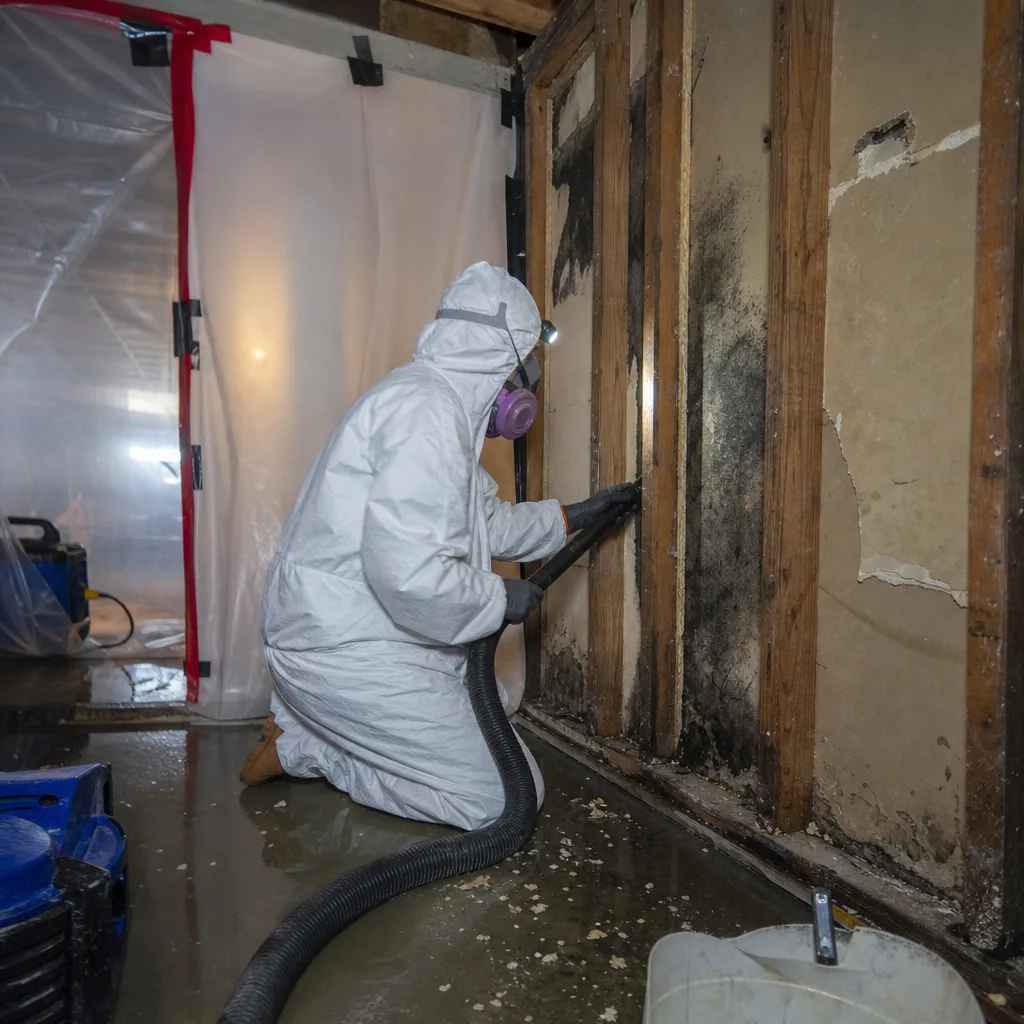
When a Jackson Heights unit needs to go back together after a loss, we handle framing, drywall, plaster matching, flooring, millwork, paint, and finish work to match the original profile. On 1910s and 1920s co-op units, that frequently means laying new tile over re-leveled floors, re-plastering to original cornice lines, and matching baseboard profiles that haven’t been milled in eighty years. The work is scoped, priced in writing, and scheduled like a remodel, not an emergency.
Drywall & Flooring Repair
Prewar units in Jackson Heights often have three layers of flooring history under the current surface. We pull saturated layers down to the subfloor, dry the structure, and rebuild with the right materials for the building. Where the Historic District is involved, we document existing conditions before removal so the co-op board has what it needs for its own LPC filing.
Contents Restoration & Pack-Out
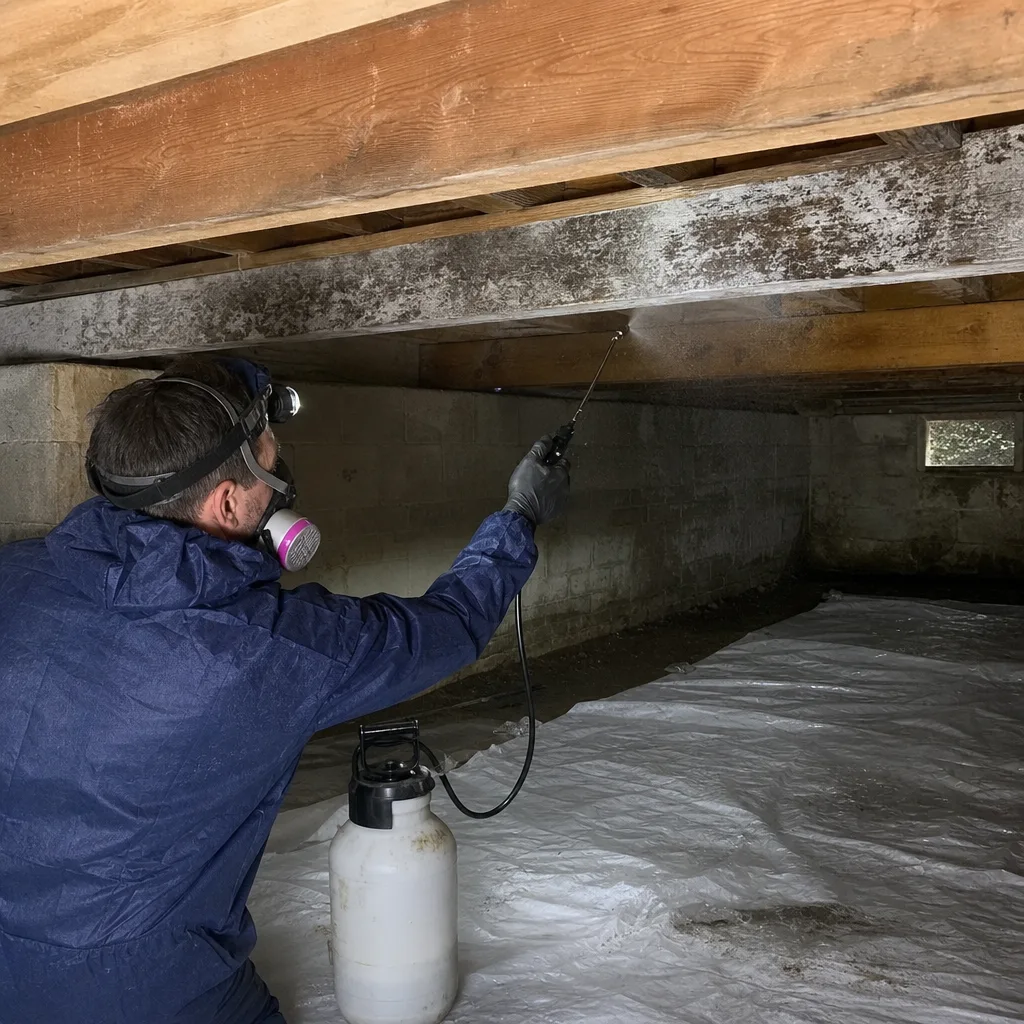
Jackson Heights apartments are full of furniture that rarely gets moved, built-in cabinetry, and radiators that make pack-out more complicated than a standard room-by-room clear. We inventory everything with photo tags, pack with specialty materials, and store off-site while structural drying runs. Steam radiators and built-in wall units get cleaned and protected in place, not shoved aside. This matters when cross-contamination from Category 2 or 3 water is in play.
Carpet & Upholstery Cleaning
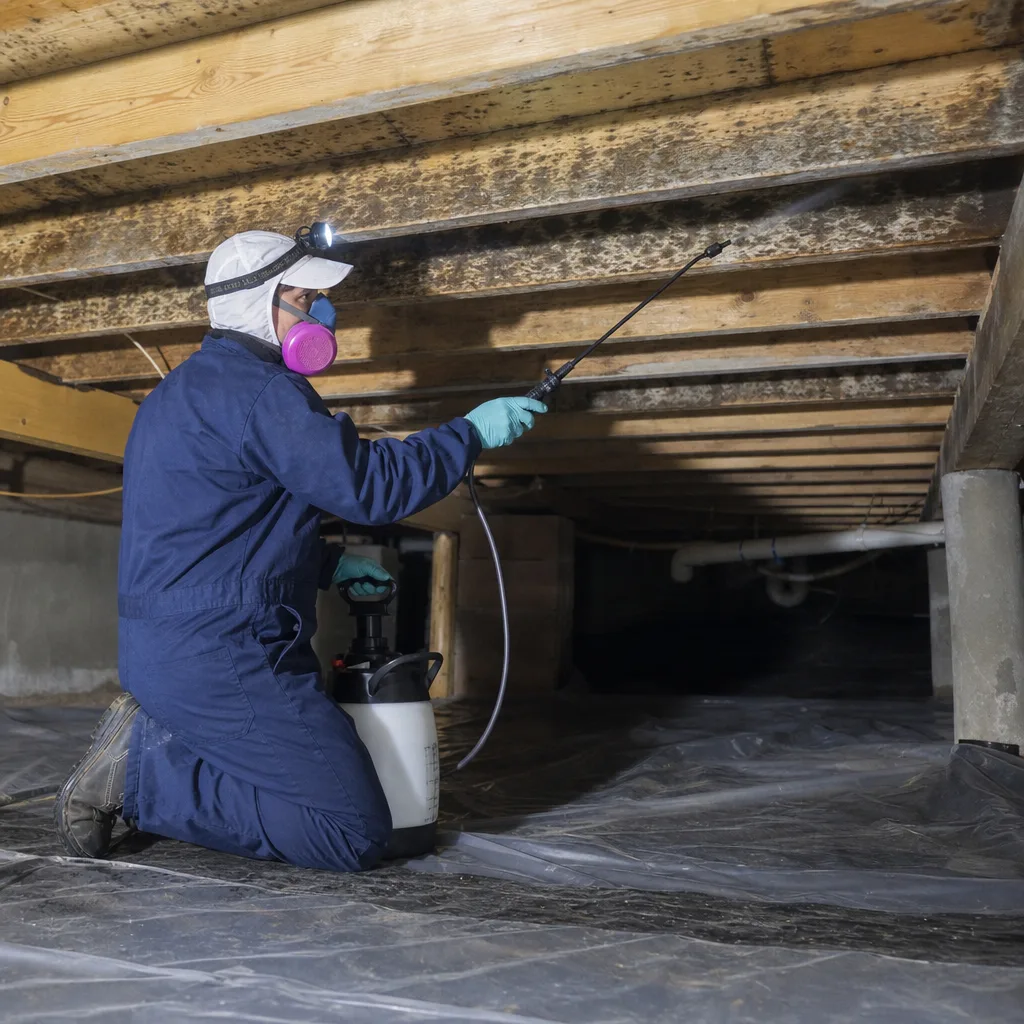
After a water loss, carpets and upholstery that were wicked up against saturated walls or flooring need professional cleaning regardless of how they look. We use truck-mounted extraction and HEPA filtration, and we treat for microbial contamination where water category demands it. For Jackson Heights units with wool carpet over original wood, we assess whether salvage or replacement is the right call, and we document that recommendation for the adjuster.
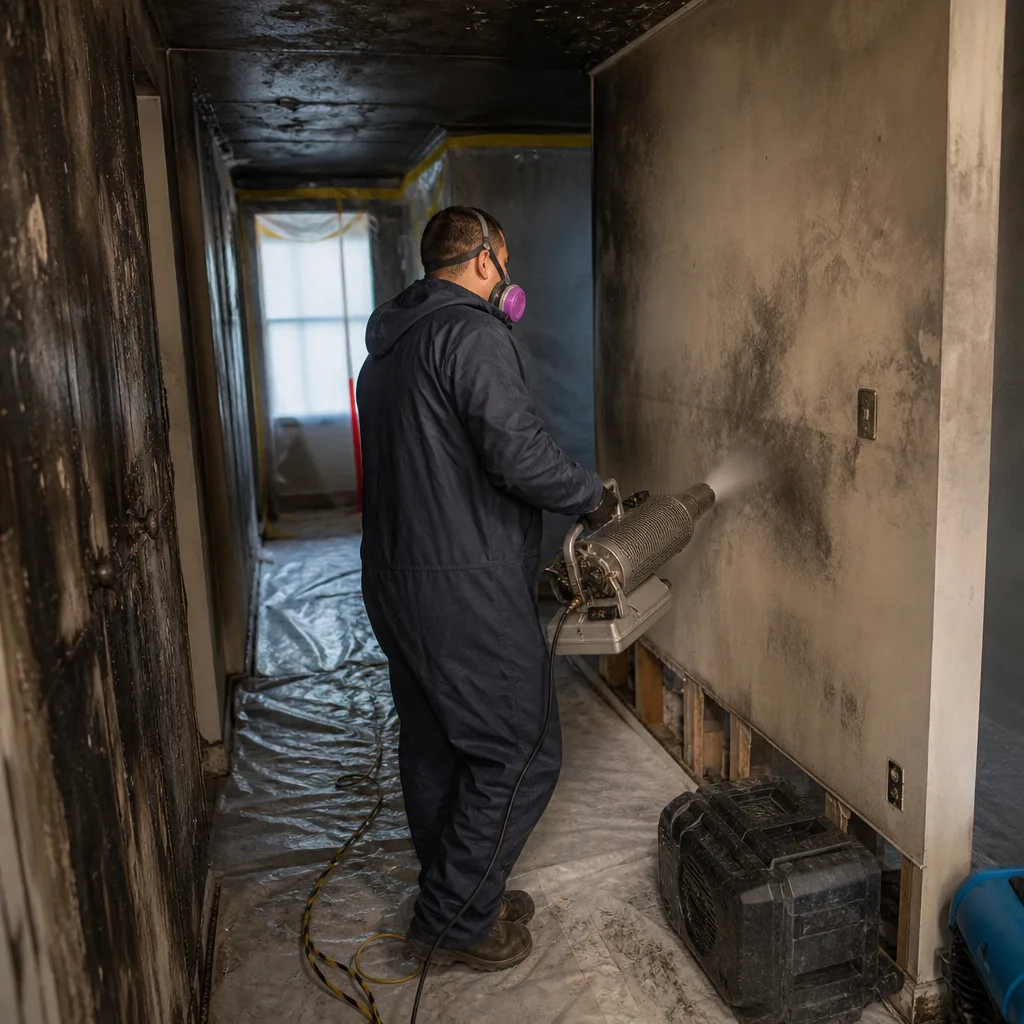
Post-Construction Cleanup
After reconstruction, the dust from lime plaster and oak sanding gets into everything, including radiator fins, steam valve mechanisms, and the gaps between floorboards that pre-war units all have. Our post-construction cleanup includes HEPA vacuuming of every surface, damp-wiping trim and sills, and clearing dust from radiator enclosures so the heat comes back on clean and safe.
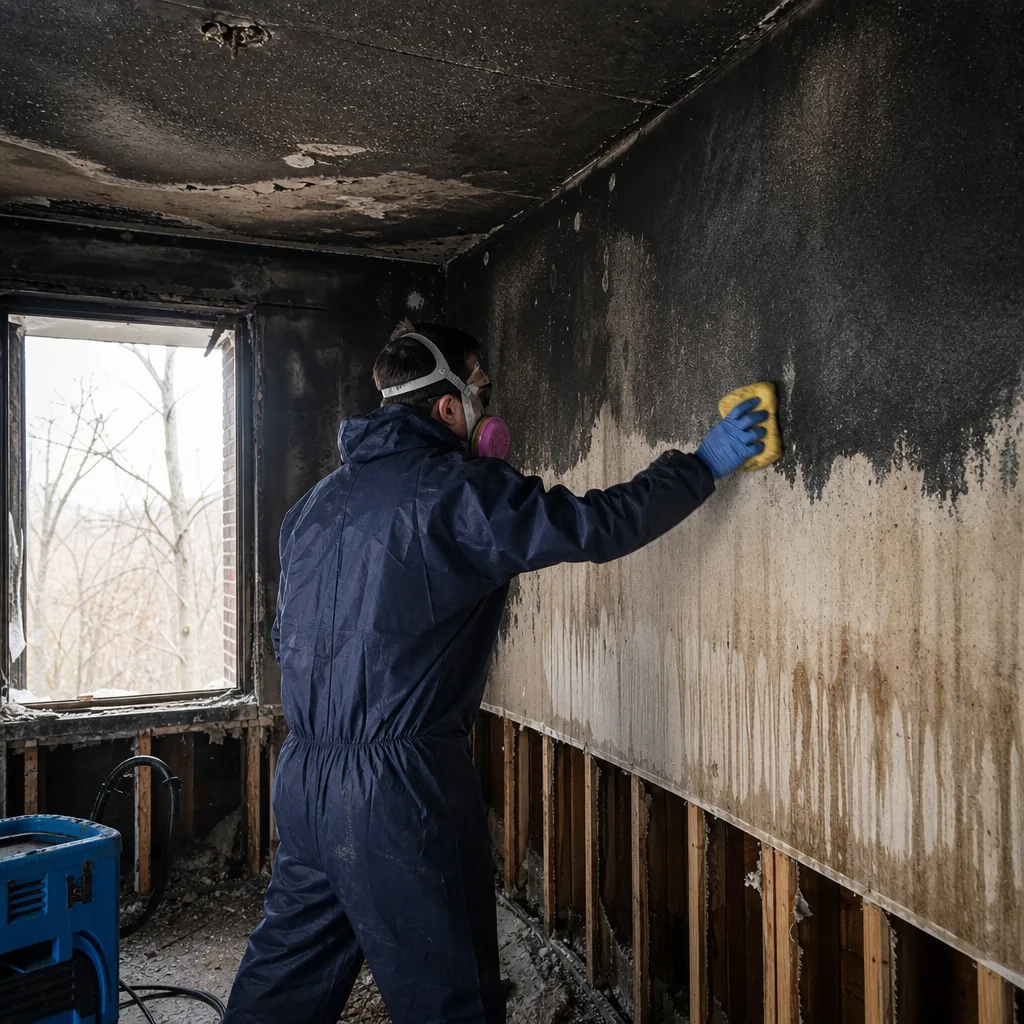
Insurance Claim Documentation
For co-op boards and shareholders alike, Jackson Heights claims live or die on documentation. We provide exactly what the carrier and the board need: pre-loss photos, moisture logs, thermal imaging captures, line-item scopes, and written rationales for LPC-related scope items like lime plaster replacement. Our Reconstruction & Cleanup team handles the entire documentation package from first reading to final invoice.
What happens when you call
- 1
A real person answersNo phone trees - you reach a local pro.
- 2
You get an upfront price rangeHonest numbers before anyone is dispatched.
- 3
A background-checked tech heads outLicensed & insured, dispatched right away.
- 4
You approve before work beginsNothing starts until you say go.
Reconstruction & Cleanup Costs in Jackson Heights, NY
Reconstruction and cleanup pricing in Jackson Heights runs higher than the national average because the buildings are older and the scopes are deeper. A contained Category 1 loss with quick extraction and dry-out in a Jackson Heights co-op unit typically runs $3,500 to $7,500. Category 2 waste-line losses requiring plaster removal, containment, and rebuild usually land between $8,000 and $18,000 depending on how many rooms and floors are involved. Category 3 losses, including Ida-type basement floods in the rental stock east of Junction Boulevard, often range from $15,000 to $40,000 once you account for full gut, structural drying, and code-compliant rebuild. LPC-mandated lime plaster work adds $8 to $14 per square foot over standard drywall line items. The free visual inspection is how you get a firm number. Call (363) 999-0829 and we’ll walk the loss, write a scope, and put the numbers in front of your adjuster. Free estimates, no obligation, and the $50-off-any-repair-over-$250 offer applies here as it does everywhere in Jackson Heights.
We Also Serve Cities Near Jackson Heights
Our crews serve the full Reconstruction & Cleanup corridor around Jackson Heights: East Elmhurst, Elmhurst, Corona, and Maspeth. Same live dispatch, same 45-minute response commitment, same written guarantees.
Jackson Heights Reconstruction & Cleanup Questions, Answered
How fast can a crew reach Jackson Heights?
Our response commitment is 45 minutes for most Jackson Heights addresses. From our NYC dispatch board, a live person routes the nearest certified crew directly to you, day or night. Call (363) 999-0829 and someone is on the phone immediately.
Does Jackson Heights Historic District approval apply to interior reconstruction after a contained water loss?
In most cases, no, not for purely interior work that doesn’t touch the building envelope, facade, or common-area elements. But when saturated plaster must come out and the building is within the landmarked district, the co-op board often requires like-for-like lime plaster replacement to maintain the building’s Landmarks Preservation Commission compliance. That scope item is real, it costs more than drywall, and standard insurance line items don’t cover it automatically, which is why we document it explicitly for adjusters. If you’re unsure whether your unit’s scope triggers LPC review, call us before opening walls.
How do you dry horsehair plaster without causing cracks that show up months later?
You dry it slowly and under controlled conditions. Horsehair plaster is hygroscopic, it pulls water deep into the wall assembly, and aggressive drying with high heat causes surface layers to dry faster than the substrate, which is where the cracking comes from. We run low-grain refrigerant dehumidifiers and carefully placed air movers at moderate temperatures, with daily moisture readings until the dry standard is met. In many cases we save the plaster. Where we cannot, we cut back to lath, document the profile, and rebuild to match. If you want to know more about our process, call (363) 999-0829.
Can original cast-iron drain stack leaks be repaired without opening walls in pre-war co-op units?
Sometimes, but not often in Jackson Heights. Original cast-iron stacks from the 1910s through 1930s are at or past their service life, and a leak at a bell joint or a rusted section usually means the pipe has failed structurally, not just at one fitting. Spot repairs without wall access are possible in limited cases of joint sealant failure. In most Jackson Heights buildings we work in, the right repair means opening the wall, replacing the failed section, and then rebuilding the plaster. A plumber can sometimes make the pipe repair, but the water damage and plaster reconstruction is our scope, and our Reconstruction & Cleanup team handles both phases so you don’t coordinate two crews.
What’s the right scope of work for a Hurricane Ida-type basement flood in an un-landmarked Jackson Heights rental building?
Category 3 water, which is what Ida’s surge water was, requires full containment, HEPA air scrubbing, removal of all porous materials including drywall, carpet, and any furnishings that wicked water, followed by structural drying and antimicrobial treatment. In Jackson Heights rental buildings east of Junction Boulevard, the below-grade units took standing water for hours, meaning subfloor and wall cavities were saturated. The right scope is a full gut to structure, drying to standard, then rebuild with code-compliant materials. A coat of paint over a dehumidifier is not remediation. If you’re unsure whether your landlord’s response is adequate, call us for a free visual inspection, and we’ll tell you the truth.
Why does our co-op board need ‘insurance claim documentation’ from a restoration company in Jackson Heights?
Because co-op boards carry master policies, and those policies have language about mitigation, documentation, and subrogation that individual shareholder policies don’t. Your board needs a restoration company’s documentation to prove the loss happened, was mitigated correctly, and was not left to worsen due to neglect. We provide exactly that: pre-loss condition photos, moisture logs, thermal imaging captures, and line-item scopes. The board files with its carrier, you file with yours, and the documentation matches. Direct coordination with every carrier on the file is part of how we work.
Can we stay in our Jackson Heights apartment during reconstruction?
For a contained Category 1 or 2 loss where containment is set up and only one or two rooms are affected, usually yes. For Category 3 losses, or any job where demolition creates significant dust from lime plaster, we recommend relocating until containment comes down and air quality clears. Pre-war dust from horsehair plaster contains fibers and should not be breathed in during active demo. We will tell you straight what the situation calls for.
What should we do in the first 30 minutes after discovering water damage in Jackson Heights?
First, shut the water if the source is a supply line or appliance, or call the super if it’s a building-line issue. Then call (363) 999-0829. Do not use a shop vac on wet horsehair plaster, do not run the unit’s heat aggressively, and do not assume the damage is limited to what you can see. Water in pre-war Jackson Heights buildings travels down inside wall cavities along the lath, often surfacing one or two floors below. The faster we arrive and start extraction, the more we save.
Serving Jackson Heights, NY - Our Local Coverage Area
We’re based in the Jackson Heights area and know this community well. Use the map below to see our service coverage - if you’re nearby, we can almost certainly help.
Call Floodline Restoration Co. in Jackson Heights, NY
If you have water moving through a pre-war wall, a waste stack leaking into three units, or a basement full of Ida-type water, call (363) 999-0829 now. A live dispatcher answers, a certified crew is on the way, and the first thing they’ll do is tell you what you’re looking at, honestly. Free visual inspection. Direct insurance billing. The 90-Day Done Right Promise in writing. We’re a local company that’s been answering the phone for over 42 years, and we’ll be there when we say. For a free estimate, call (363) 999-0829 today.
Written by Curt Bowman, Owner at Floodline Restoration Co., serving Jackson Heights and the surrounding Queens neighborhoods since 2010.