
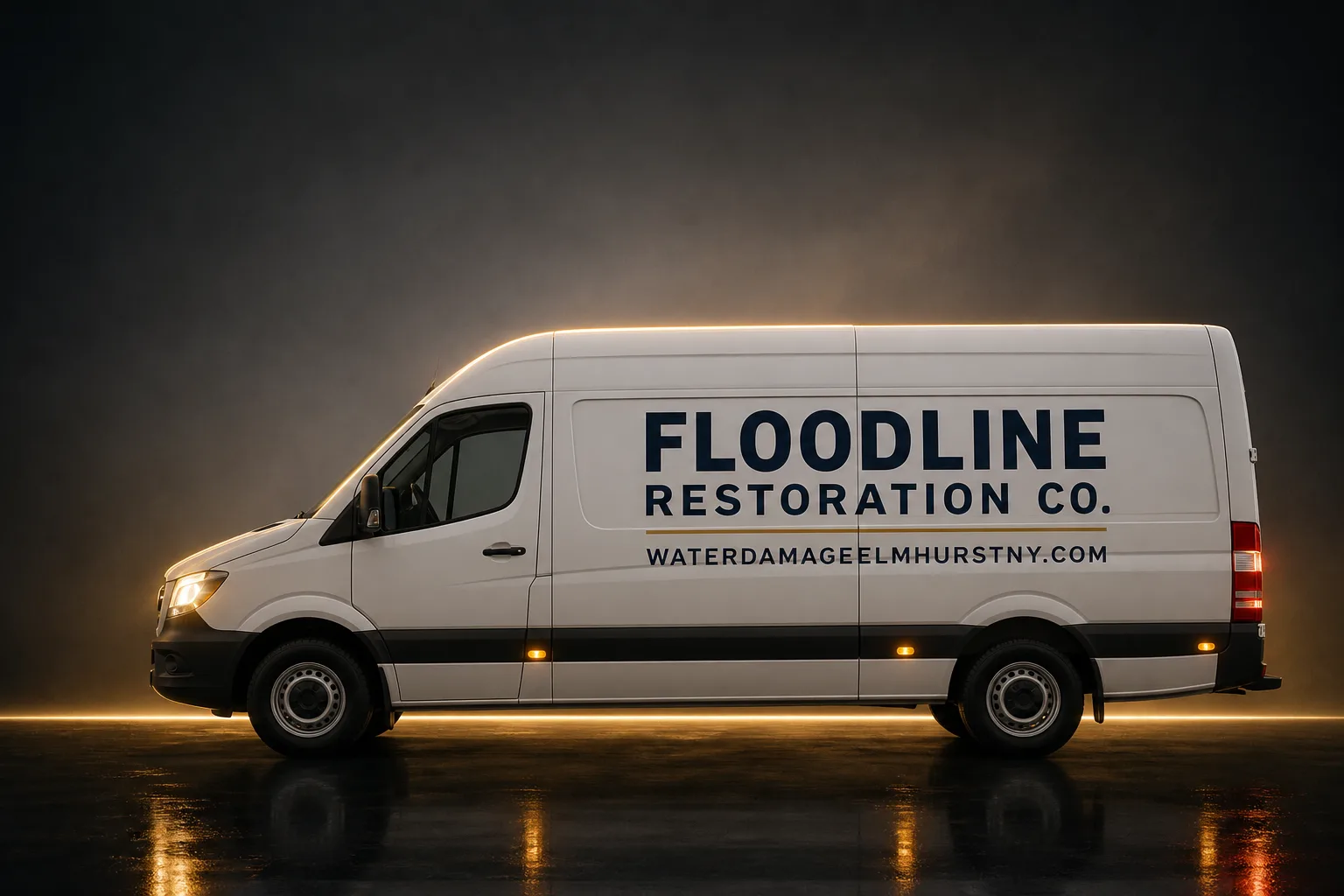
Free visual inspection and a written scope of work before any mitigation begins - photos, moisture readings, and drying logs go in your claim file
The scope we write is the scope we bill. Anything new gets shown to you, in writing, before we touch it.
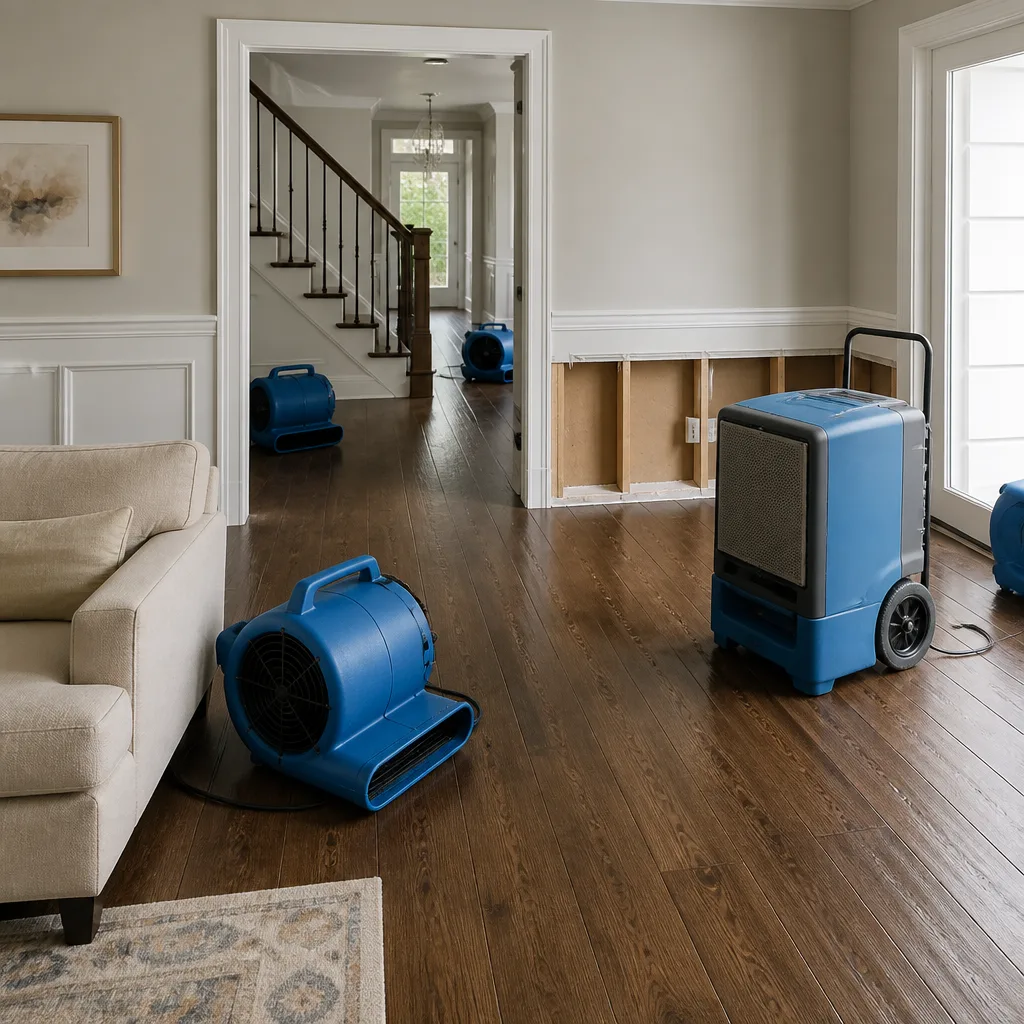
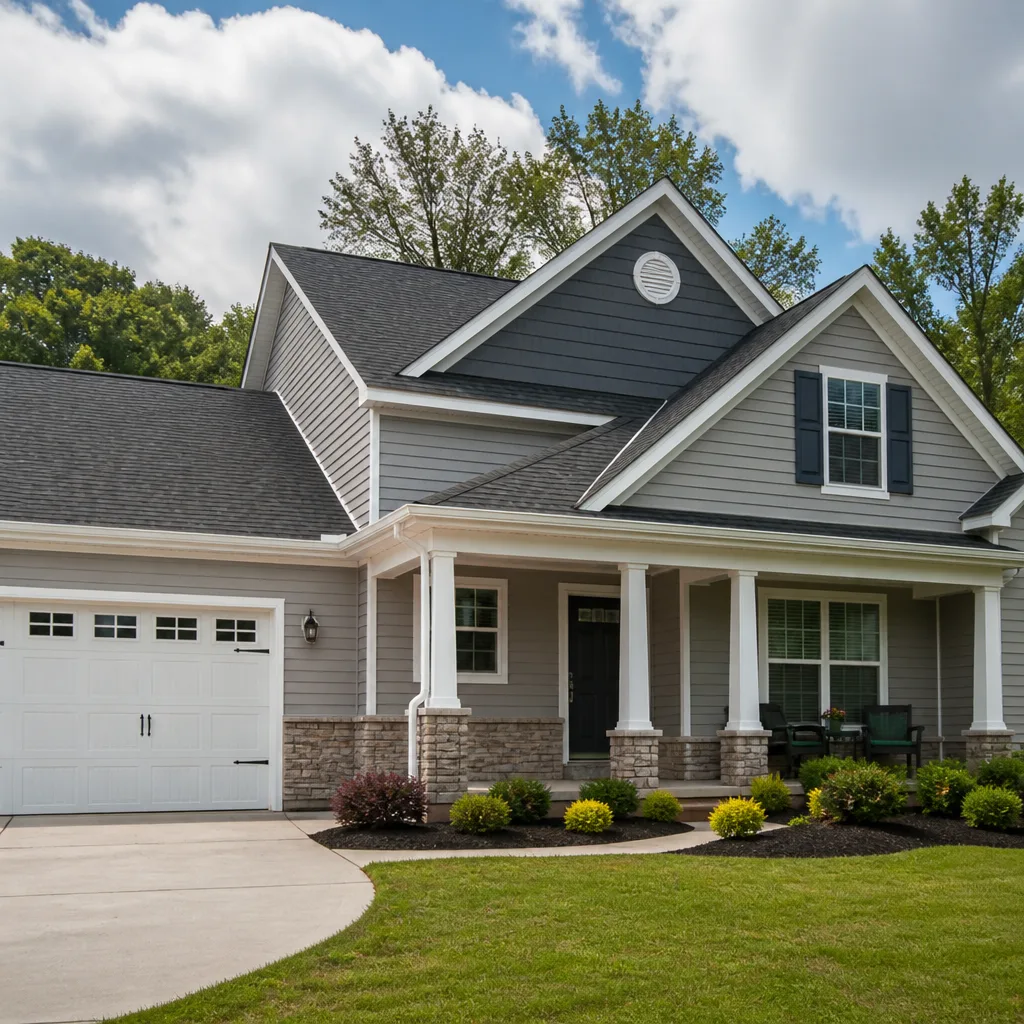
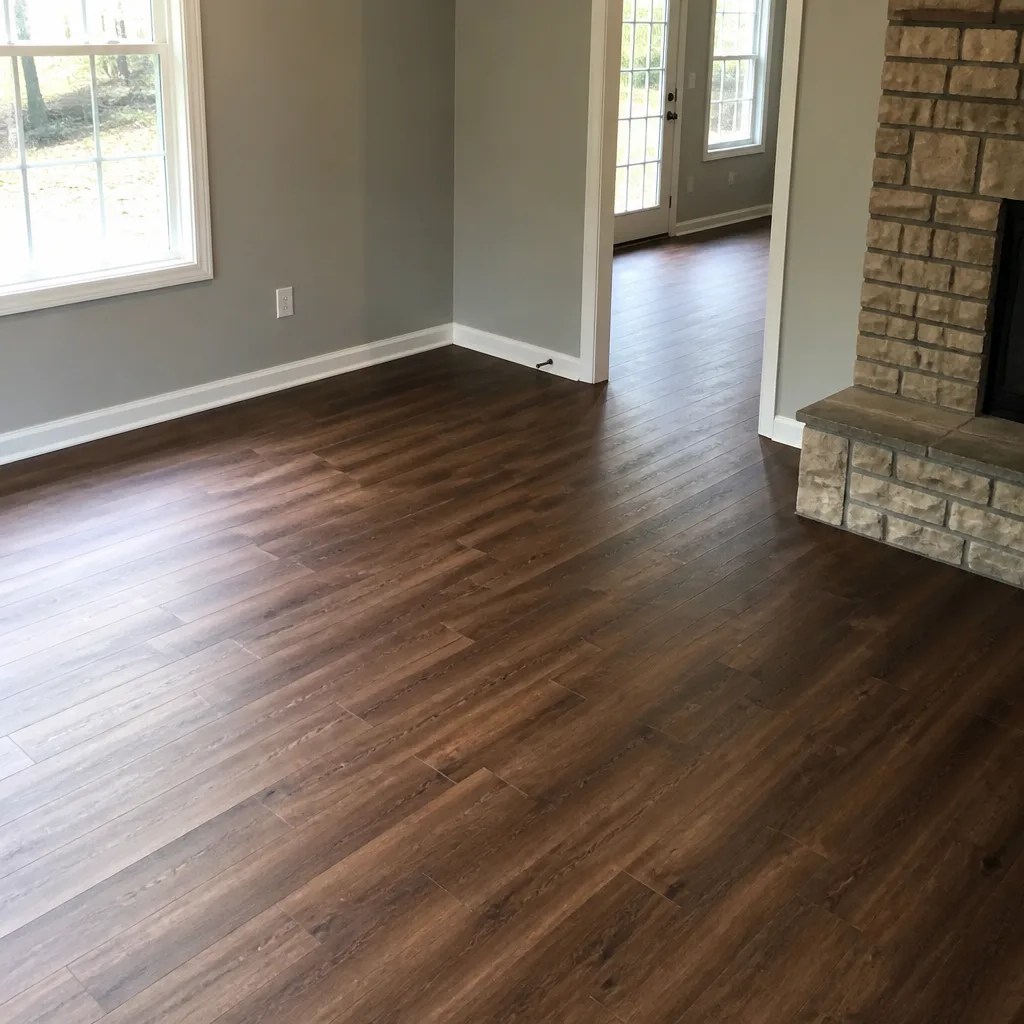
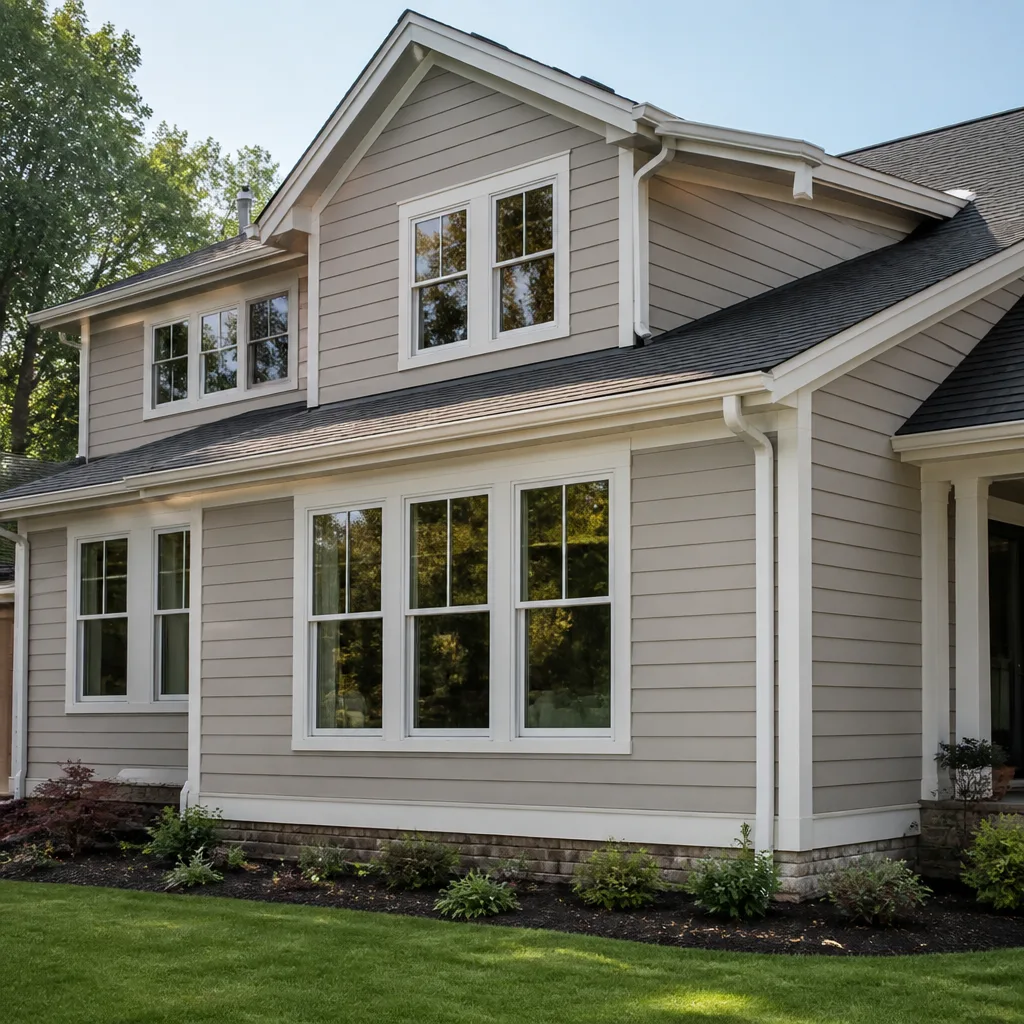
 Before
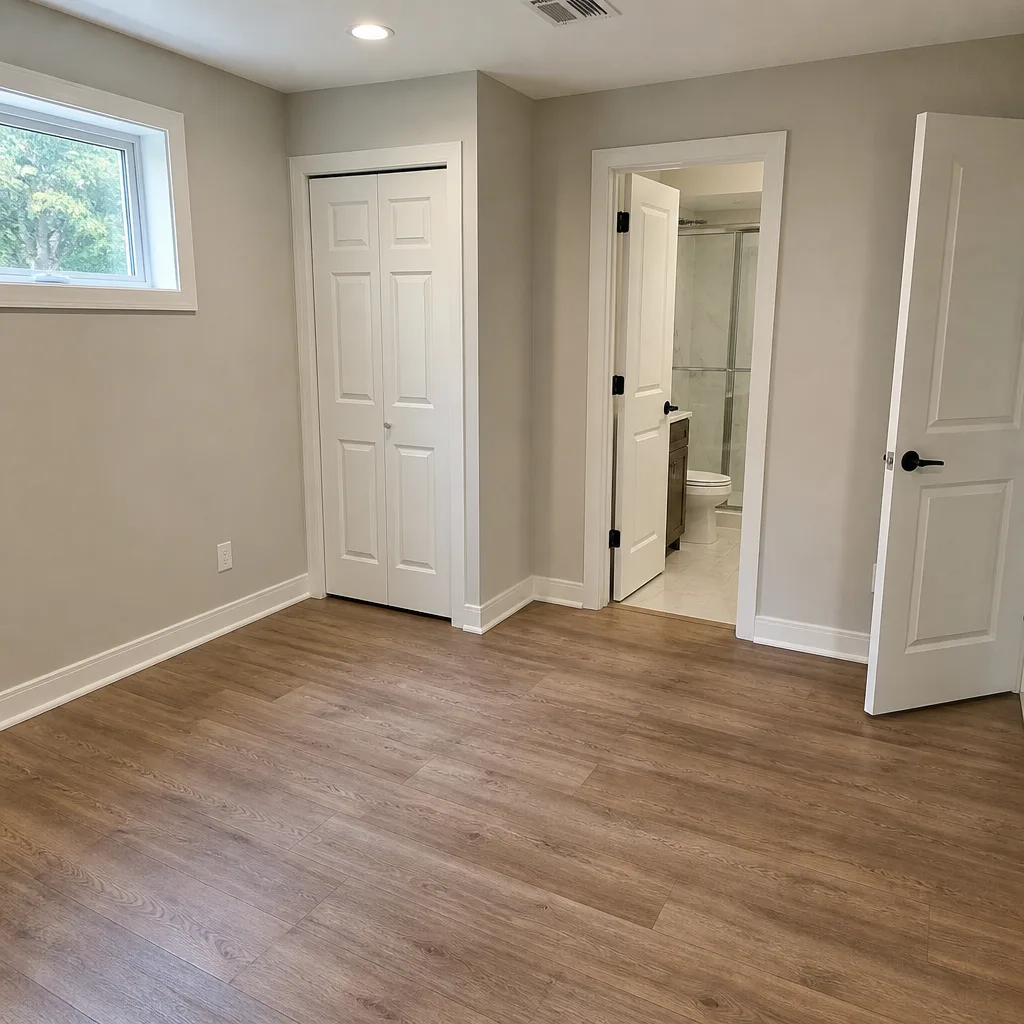 After
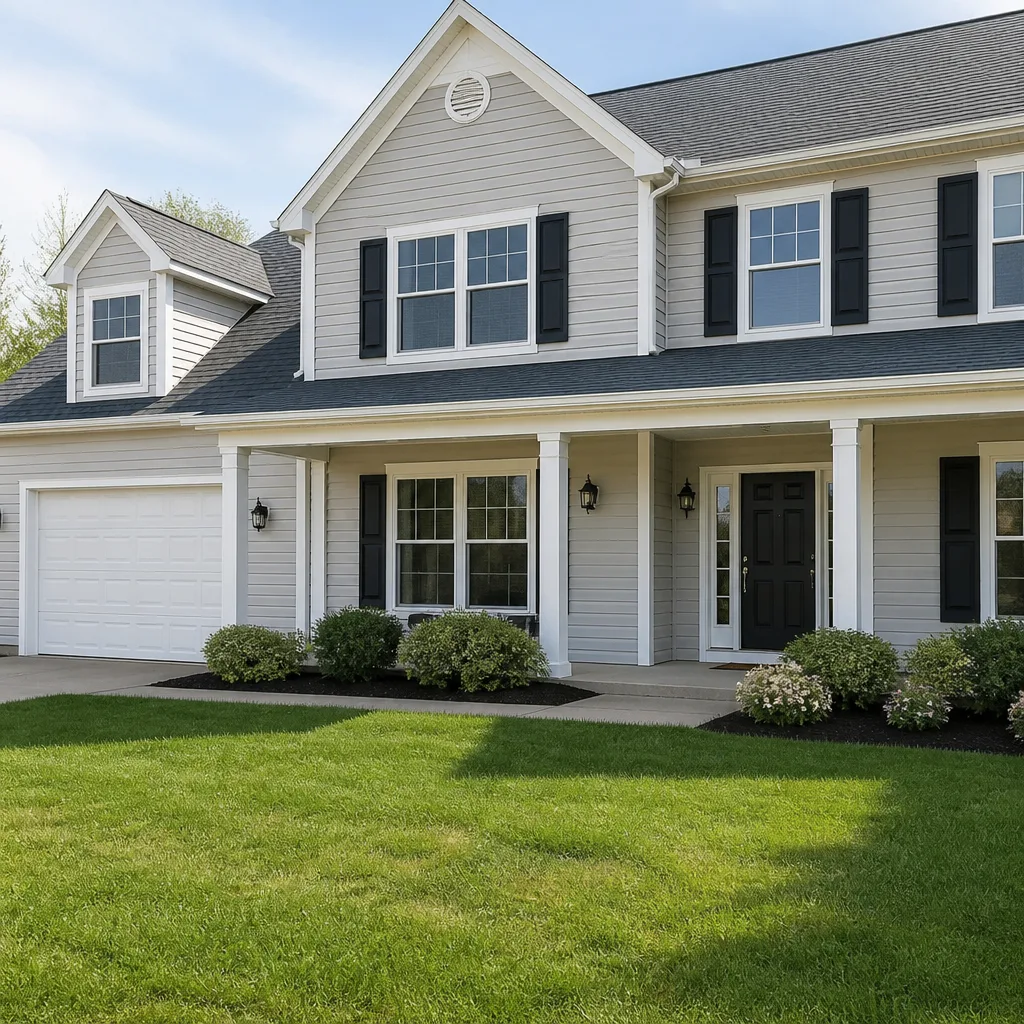
After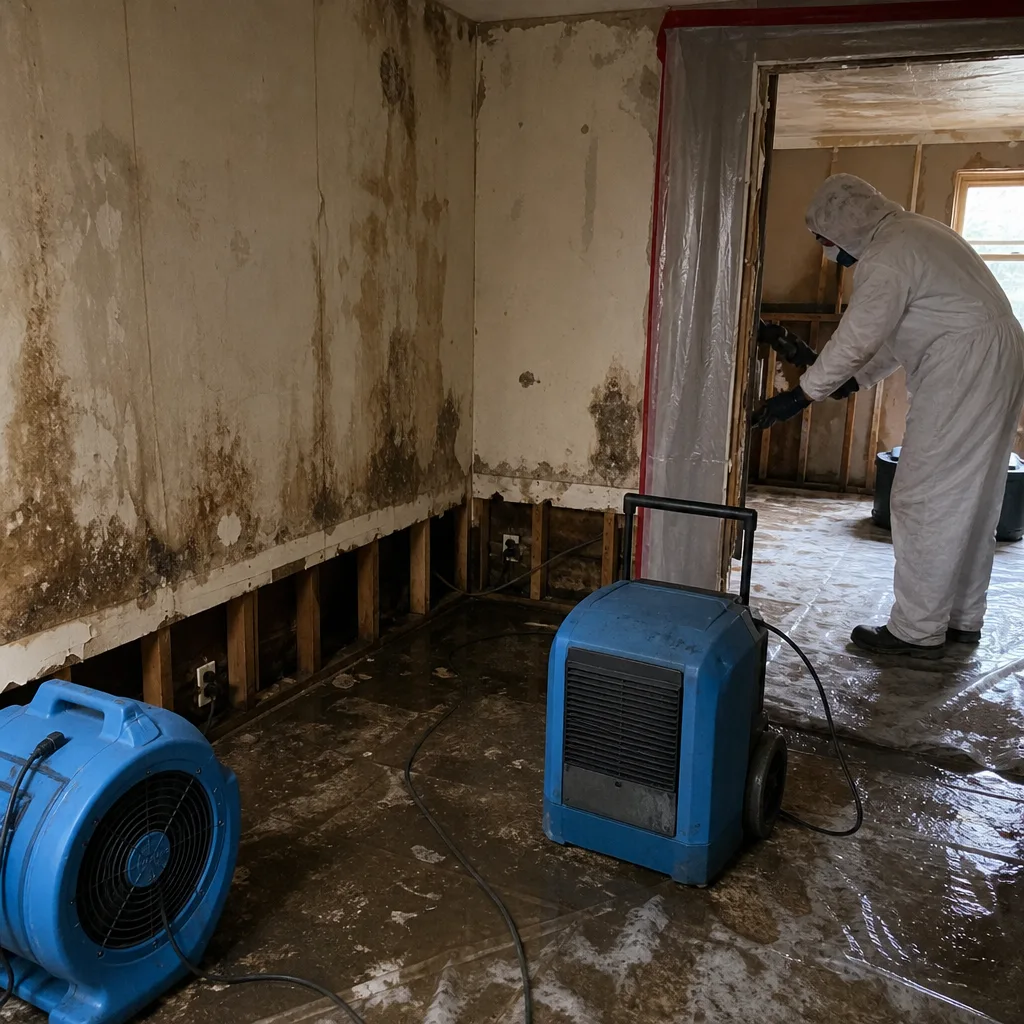 Before
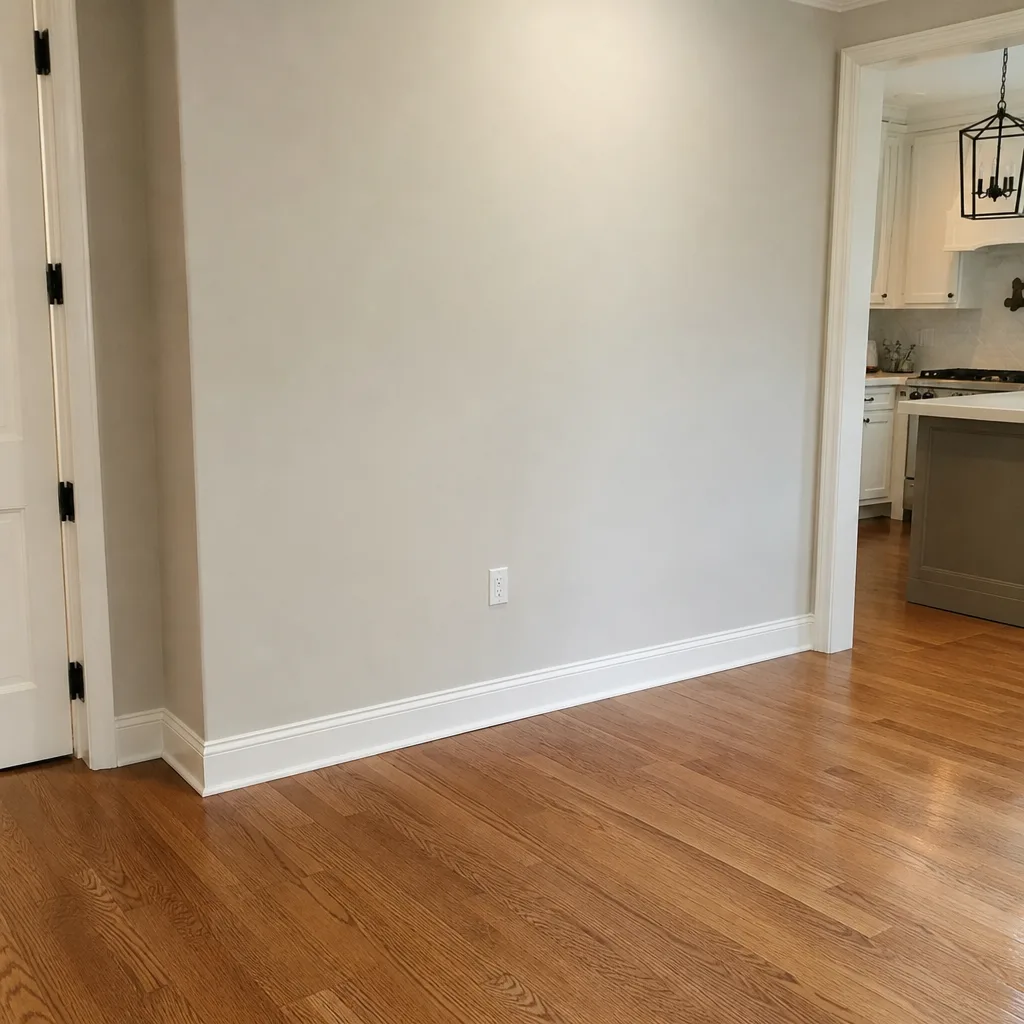 After
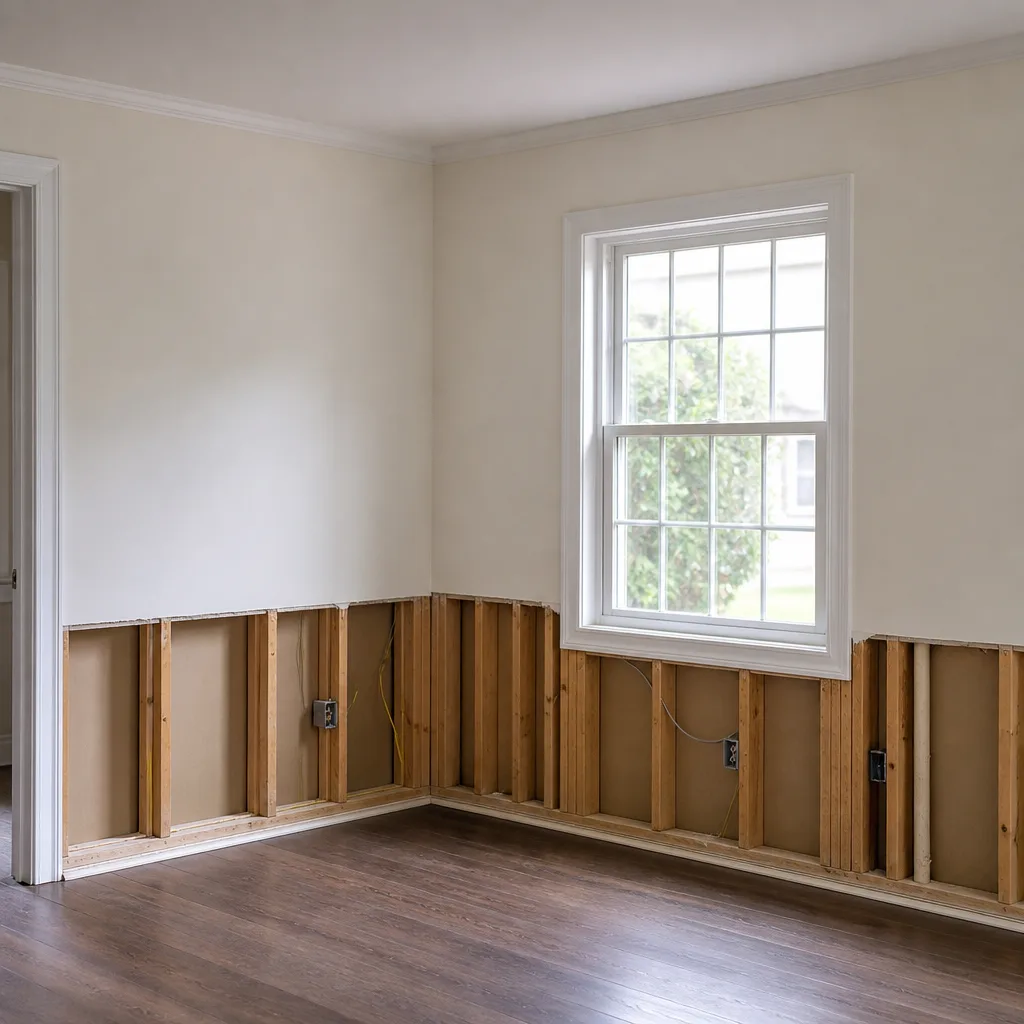
After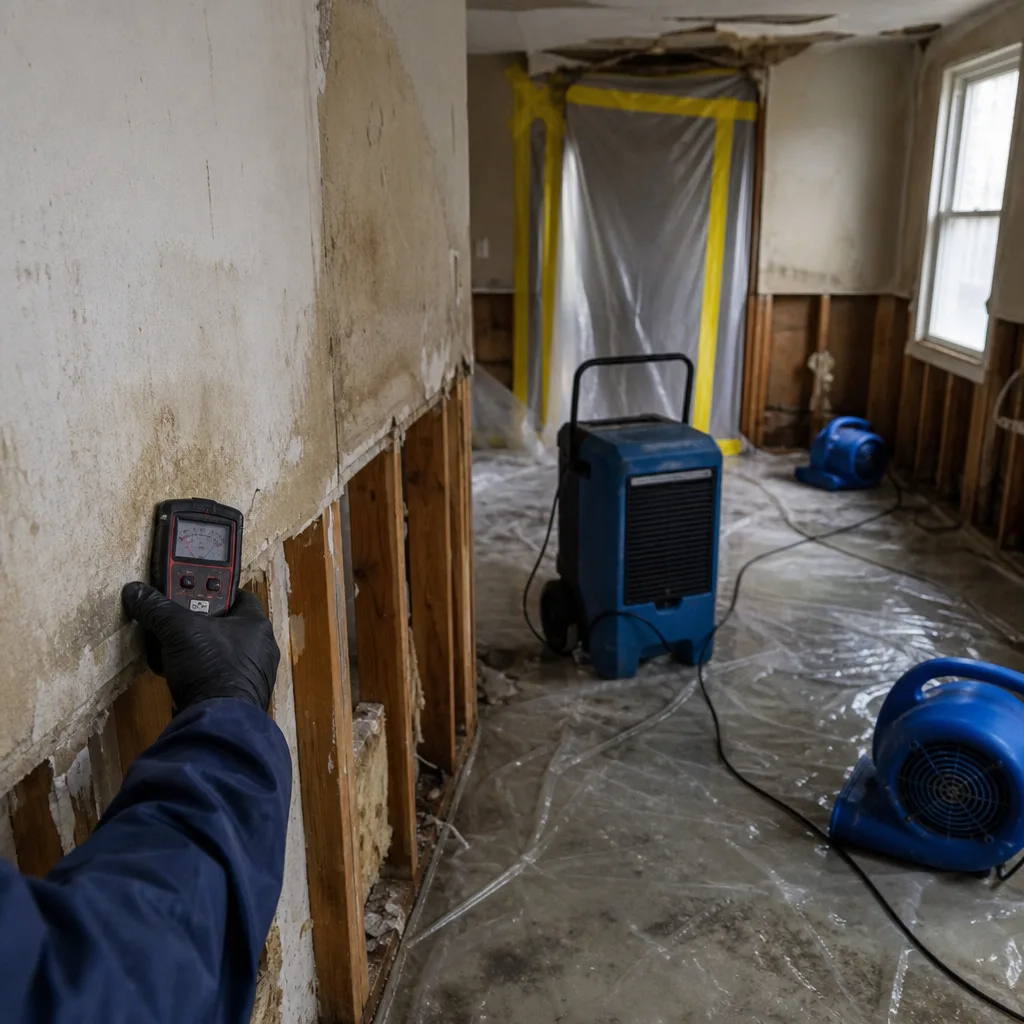 Before
 After
After24/7 Emergency Water Damage Restoration in Jackson Heights
Water damage restoration in Jackson Heights usually costs between $1,800 and $6,500 depending on the category of water, how many co-op units are involved, and whether landmarked plaster needs replacement. We answer the phone with a live person at (363) 999-0829 every hour of every day, and our crews reach most Jackson Heights addresses within 45 minutes. The first hour matters because water moves fast through horsehair plaster, cast-iron drain chases, and steam-heat risers in pre-war buildings; what starts as a single burst pipe on the fifth floor becomes a three-floor loss before dinner. Our Water Damage Restoration team starts extraction the same visit, not after a callback.
Call us the moment you see staining, bubbling plaster, or water at the baseboard. We’ll send a background-checked, uniformed crew with thermal imaging and moisture meters, and you’ll get a written scope before any work begins. No answering service, no “leave a message.” A dispatcher picks up at 2 a.m. and a certified technician is on the way.
Understanding Water Damage Restoration Severity in Jackson Heights Properties
Water damage in Jackson Heights follows patterns that outsiders miss. The neighborhood’s 6 and 7 story brick co-ops, most built between 1910 and 1940, share cast-iron drain stacks and steam-heat risers across multiple shareholders. A leak in one unit rarely stays in one unit. We categorize water the way IICRC standards demand: Category 1 is clean supply water from a burst pipe; Category 2 carries contaminants, like steam condensate or washing machine overflow; Category 3 is sewage, storm surge, or standing floodwater from the street. Each category changes the restoration sequence, the containment requirements, and what can be dried versus what must be removed.
In Jackson Heights, we routinely find Category 2 water from burst steam pipes saturating horsehair plaster walls to a depth where moisture readings climb past 25%. That plaster, original to the building, hides behind decades of paint and often carries asbestos in the skim coat. Moisture mapping tells us how far the water traveled through the wall cavity, into the shared chase, and down to the units below. Horsehair plaster dries slowly, far slower than gypsum board, and it wicks water upward into the ceiling lath. That means drying timelines stretch from 3 days to over a week in our market, and daily moisture readings are non-negotiable.
Why Jackson Heights Property Owners Choose Floodline Restoration Co.
- 45-minute response commitment. We dispatch from our New York City office and our crews know the 82nd Street corridor, 37th Avenue, and Roosevelt Avenue better than any GPS. We’re on site fast because we’re already nearby.
- 24/7 live answer, never a recording. A real dispatcher picks up at (363) 999-0829 at 3 a.m. on a holiday. You talk to a person who can send a crew, not a voicemail box.
- IICRC-certified crews, including WRT and ASD credentials. Water damage restoration and applied structural drying certifications mean our moisture mapping and drying logs hold up when adjusters review them.
- Free visual inspection with a written scope. You get a line-item breakdown before any work starts. If it’s a small Category 1 leak, we’ll tell you. No upsell, no invented scope.
- Direct insurance billing. We talk to your adjuster, send photos and drying logs, and bill the carrier. You never play messenger between us and the insurance company.
- One team from extraction to reconstruction. The same crew that sets the containment handles the drywall, the lime plaster patch, and the final coat of paint. No handoff, no inherited crew that doesn’t know the building.
Our Water Damage Restoration Process
Inspection & Assessment
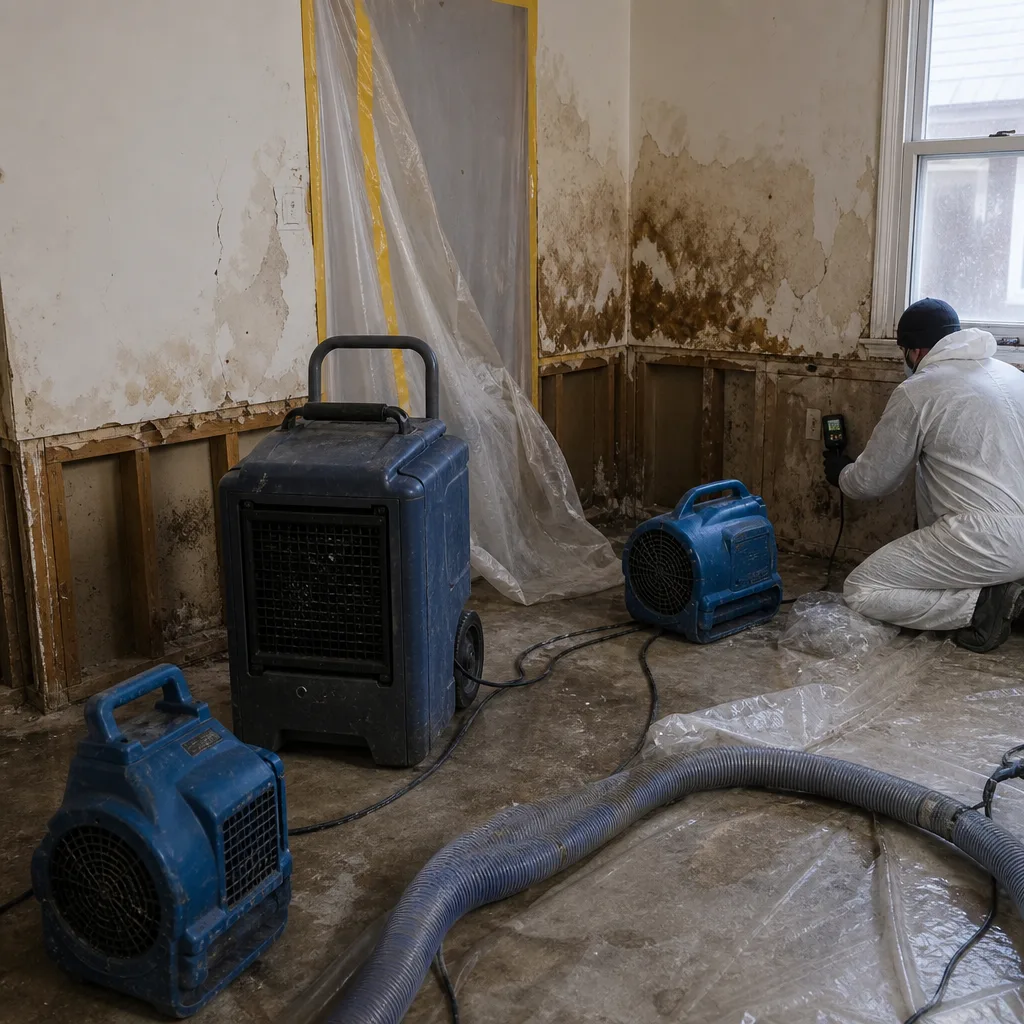
We arrive with thermal imaging cameras and penetrating moisture meters. In a Jackson Heights co-op, this means reading moisture in the affected unit’s walls, then tracing the water path through the cast-iron chase to the units above and below. You get a documented moisture map and a written scope.
Extraction & Stabilization
Standing water comes out before it spreads further. We run truck-mounted extraction on basement floods and portable units in upper-floor co-ops. If category 3 water is present, we set containment and start antimicrobial treatment on the same visit.
Drying & Dehumidification
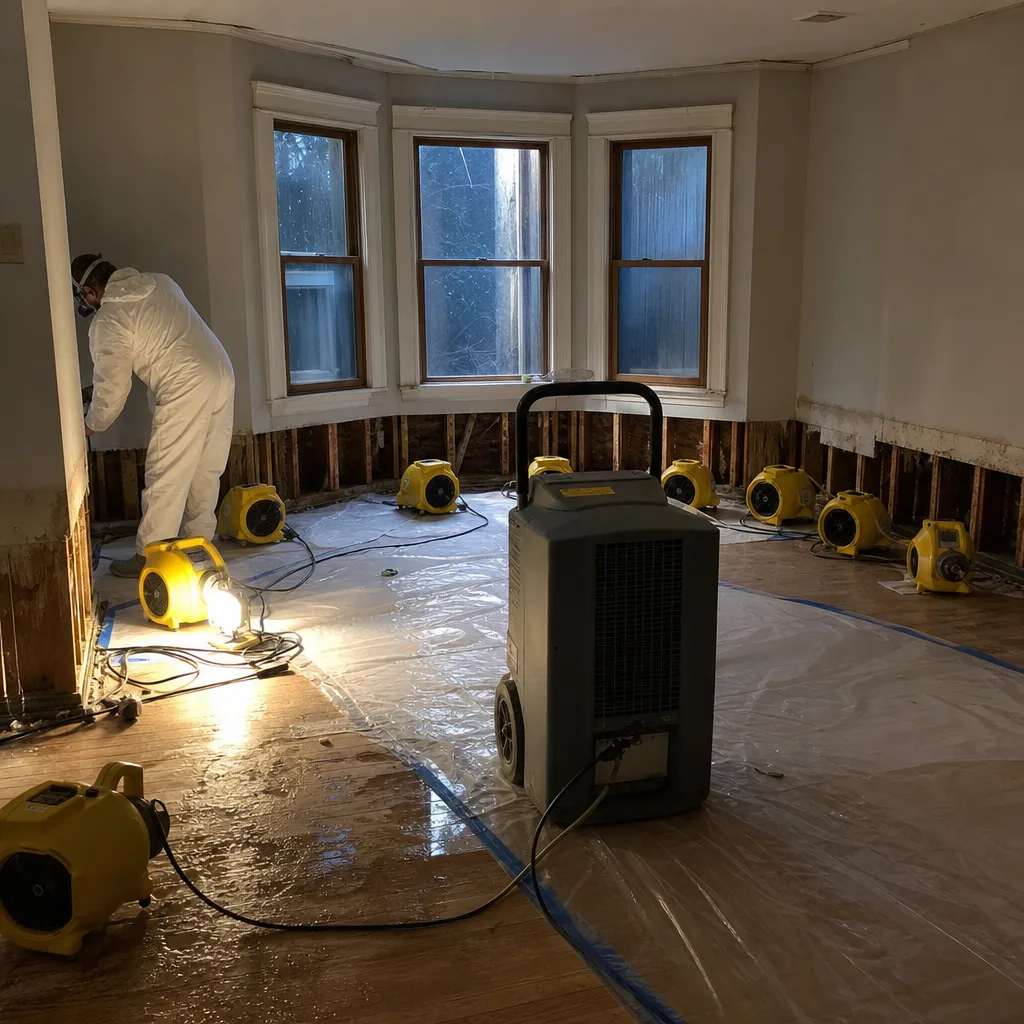
Dri-Eaz and Phoenix dehumidifiers paired with XPOWER air movers run continuously. For saturated horsehair plaster, we use Injectidry drying mats that pull moisture through the surface without tearing out the wall. We read and log moisture every 12 hours until the dry standard is met.
Cleaning & Sanitization
HEPA air scrubbers run in the affected areas to catch particulate from disturbed plaster and any mold spores. We apply EPA-registered antimicrobials where needed and clean salvageable contents. In pre-war units, this often includes steam-cleaning original wood floors and treating baseboards in the shared riser chases.
Specialty Treatment: Plaster & Landmark Work
In the Jackson Heights Historic District, this step is where we differ from every franchise. We pause after drying to sequence any LPC-required review for lime plaster replacement, matching original profiles and crown moldings. Our crews coordinate with LPC-approved plaster specialists so you don’t get a stop-work order mid-project.
Repairs & Restoration
The same Floodline crew rebuilds what needs rebuilding: new lime plaster or drywall, repointed brick, refinished floors, repainted walls. You get a 90-Day Done Right Promise in writing. If it’s not done right, we make it right, no arguing.
Need Emergency Water Damage Restoration in Jackson Heights Now?
Crews minutes away, answering live 24 hours a day. The sooner we start, the less it costs.
Working With Your Insurance Company
We’ve handled hundreds of Jackson Heights claims where a single burst steam pipe damaged three, four, or five co-op units across different shareholder policies. That’s a complicated claim, and the difference between a fair settlement and a fight is documentation. We start photographing and logging moisture readings from the first hour. Our line-item estimates follow industry-standard pricing so your adjuster recognizes every line. We communicate directly with the carrier, send the drying log, and answer their questions so you don’t get stuck on hold. Curt Bowman built Floodline Restoration Co. around a dispatch board and a direct-billing model precisely because homeowners in co-op buildings never signed up to be claims managers.
What We Provide Your Insurer
- Thorough documentation of the loss
- Photos of all damage, room by room
- Moisture readings and drying logs
- A detailed, line-item scope of work
- Direct coordination with your carrier
Built for Jackson Heights’s Loss Calendar
Jackson Heights gets hit from four directions every year. January deep freezes burst supply lines in uninsulated exterior wall cavities, especially on the top floors of 34th Avenue co-ops where original plumbing runs through cold brick. Spring thaw sends snowmelt and rain into below-grade apartments through old foundation mortar and cracked sidewalk vaults. July and August thunderstorms dump an inch an hour on Roosevelt Avenue and Junction Boulevard, and the neighborhood’s flat, paved-over terrain can’t shed water fast enough, so basement flooding returns. September brings the memory of Hurricane Ida, when standing water filled below-grade apartments along 37th Avenue and Northern Boulevard, mostly occupied by immigrant renters, and left mold entrenched behind baseboards for months.
The building systems are aging, too. Original cast-iron drain stacks from the 1920s now crack at the hub joints. Steam-heat risers corrode from the inside. Freeze-thaw cycling every winter keeps working on the brick facades and repointed mortar, opening hairline cracks that let water in months before you see the stain. We plan our Jackson Heights response around this calendar because the same buildings that make the neighborhood beautiful also make water damage harder to dry and more expensive to ignore.
Water Damage Restoration Across Jackson Heights’s Neighborhoods
The Historic District core, running roughly from 34th Avenue up toward Northern Boulevard between 70th and 90th Streets, is where we see the most LPC-sensitive losses. These are the courtyard co-ops with original lime plaster, decorative brickwork, and strict facade rules. When water moves through these buildings, the restoration sequence has to respect landmark jurisdiction, which adds time and scope that a standard Queens drywall contractor never accounts for.
Along Roosevelt Avenue and the 74th Street commercial corridor, we respond to a different profile: mixed-use buildings with commercial tenants below and residential units above. A burst supply line in a deli ceiling at 2 a.m. becomes an emergency for the apartments up top. Drain stacks here are older and often original, and we’ve traced water through three floors of a single chase more times than we can count.
The blocks between Junction Boulevard and 82nd Street hold some of the deepest below-grade apartments in the neighborhood. These garden-level and basement units flood fast during summer storms, and many are occupied by tenants who don’t own the building, which complicates insurance coordination. We work directly with owners and managing agents to keep drying moving while coverage is sorted out.
Out toward the east edge of Jackson Heights, near 90th Street and the BQE overpass, the building stock shifts to smaller frame and brick rowhouses. These homes have their own failure modes: leaky roofs over top-floor bedrooms, garage-level water intrusion after heavy rain, and older supply lines that burst in the February freeze cycle.
Specialized Water Damage Restoration Services We Offer in Jackson Heights
Emergency Water Extraction
We arrive within 45 minutes for most Jackson Heights calls, and extraction starts on the same visit. Truck-mounted units handle basement floods; portable extractors go up stairwells for upper-floor co-op units. The goal is standing water out before it crosses into the next shareholder’s unit through the floor assembly.
Structural Drying & Dehumidification
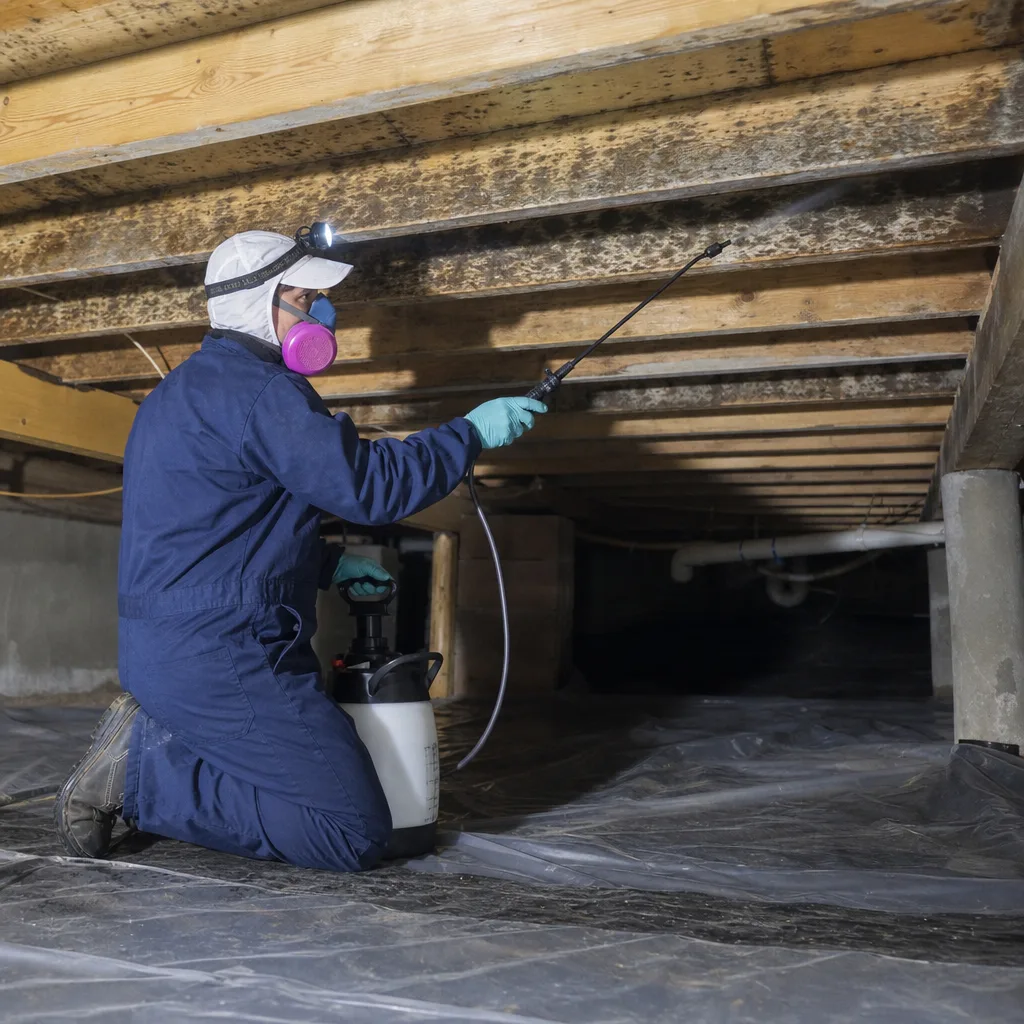
Drying a Jackson Heights pre-war wall is different from drying a sheetrock wall in a 1990s condo. We use Injectidry mats against saturated horsehair plaster, Phoenix dehumidifiers in each affected room, and Dri-Eaz air movers placed to push air through the wall cavities behind original baseboards. Daily moisture readings go to you and your carrier until the dry standard is met, and the log becomes part of the claim file.
Flood Cleanup
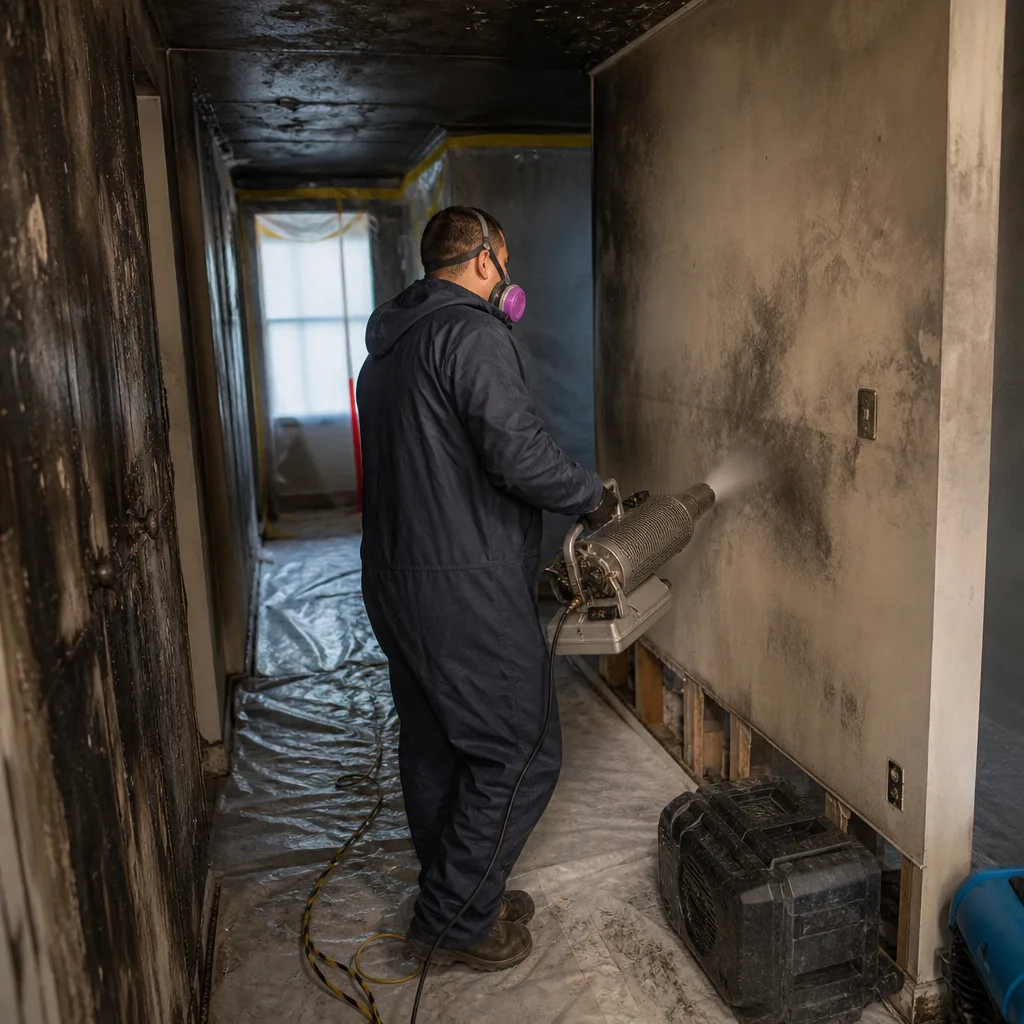
Hurricane Ida left basement apartments along 37th Avenue and Northern Boulevard with standing category 3 water and entrenched mold. We treat flood damage with full containment, antimicrobial application, and HEPA air scrubbing. If the water came from the street or the sewer, we treat it as contaminated, period. No shortcuts, no drying it and hoping.
Burst Pipe Restoration
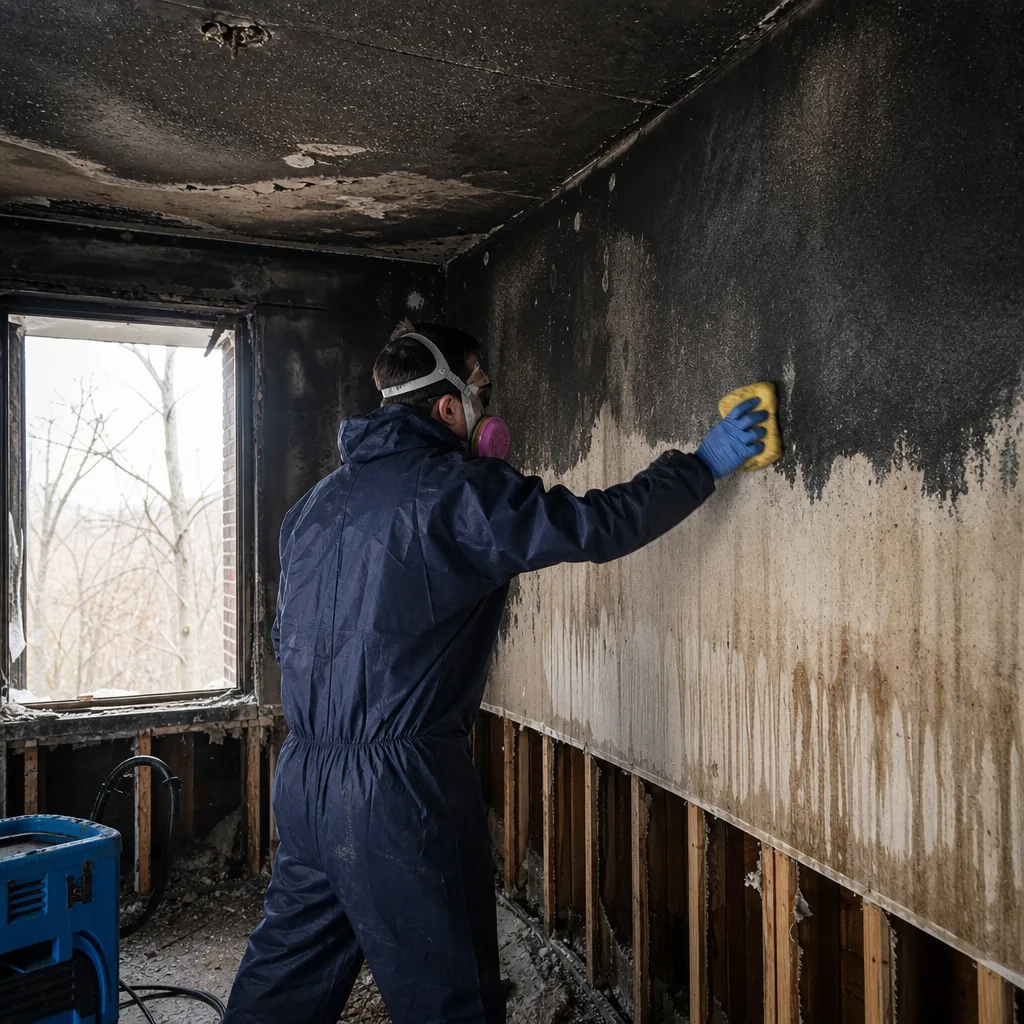
In Jackson Heights co-ops, a burst pipe is never a one-unit loss. Water follows the cast-iron chase downward through floor penetrations, and we’ve traced a single fifth-floor supply line break into three apartments below within an hour. We extract, contain, dry, and restore every affected unit, and we document each one separately for the insurance carriers involved.
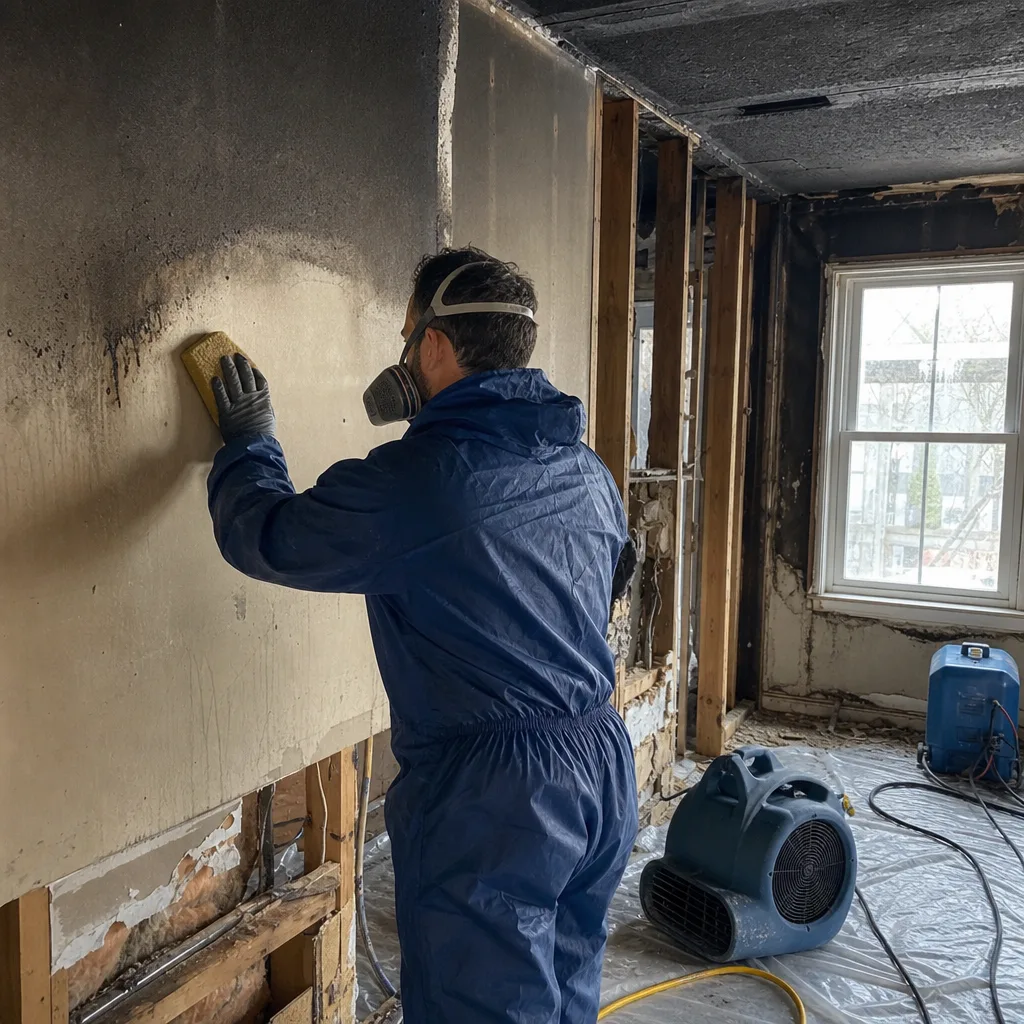
Basement Water Removal
Below-grade spaces in Jackson Heights flood from two directions: groundwater pushing through old foundation walls, and stormwater backing up through floor drains when the sewer system overloads. We extract with truck-mounted pumps, sanitize, and run dehumidifiers until the concrete and framing reach dry standard. Then we talk about what needs rebuilding.
What happens when you call
- 1
A real person answersNo phone trees - you reach a local pro.
- 2
You get an upfront price rangeHonest numbers before anyone is dispatched.
- 3
A background-checked tech heads outLicensed & insured, dispatched right away.
- 4
You approve before work beginsNothing starts until you say go.
Water Damage Restoration Costs in Jackson Heights, NY
The honest answer: most Jackson Heights water damage jobs run between $1,800 and $6,500, and the spread comes from three things.
- Category of water. A Category 1 clean water extraction in a single unit runs $1,800 to $3,200. A Category 2 steam pipe break that saturated horsehair plaster across two units runs $3,500 to $5,500. Category 3 floodwater with containment and antimicrobial treatment starts at $5,000 and climbs with the square footage.
- LPC requirements. If your building is in the Jackson Heights Historic District and the restoration touches a common-area wall or exterior facade, expect LPC review and like-for-like lime plaster matching. Standard insurance drywall line items don’t cover that. The gap is real, and we help you document the scope so the carrier has a chance to pay before the board sends a stop-work order.
- How fast extraction starts. Water left for 48 hours doubles the drying scope. Getting a crew in fast keeps a $2,000 extraction from becoming a $6,000 mold and plaster replacement.
We provide a free visual inspection and a written, line-item scope before any work begins. Senior and veteran homeowners get a 5% discount, always. Our $50 off any repair over $250 applies, and the $89 seasonal tune-up saves you money on prevention. Call (363) 999-0829 for an exact quote.
We Also Serve Cities Near Jackson Heights
Floodline Restoration Co. runs crews into East Elmhurst, Elmhurst, Corona, and Maspeth every week. If your building sits on the border of Jackson Heights, call us and we’ll tell you if you’re in our response area. Same 45-minute commitment, same live dispatcher at (363) 999-0829.
Serving Jackson Heights, NY - Our Local Coverage Area
We’re based in the Jackson Heights area and know this community well. Use the map below to see our service coverage - if you’re nearby, we can almost certainly help.
Jackson Heights Water Damage Restoration Questions, Answered
How does LPC review in the Jackson Heights Historic District change the timeline for drying out a water-damaged co-op wall?
LPC review can add 2 to 6 weeks to the restoration timeline if the work touches exterior facades or common-area elements, but emergency water extraction and initial drying start immediately. We sequence the job so extraction and containment happen on day one, drying continues with Injectidry mats that don’t alter the plaster profile, and then we pause for any LPC approval on replacement materials. Call (363) 999-0829 if you’re facing LPC complications.
What happens when a burst steam pipe in a Jackson Heights pre-war building damages multiple co-op units at once?
We treat each affected unit as a separate loss, with its own moisture map, drying log, photos, and scope of work. Water from a steam pipe is Category 2, so we contain, extract, dry, and sanitize each unit. Each shareholder’s insurance carrier gets separate documentation, and we coordinate directly with all of them.
Why do standard insurance estimates fall short for plaster restoration in Jackson Heights landmarked buildings?
Standard insurance drywall line items price for gypsum board replacement. Jackson Heights landmarked co-ops require like-for-like lime plaster matched to original profiles, which costs 3 to 5 times more per square foot. The coverage gap is real and it’s where co-op boards and shareholders get stuck. We document the LPC requirement and submit supporting documentation so your adjuster sees why the scope is what it is.
Can you dry horsehair plaster walls in a Jackson Heights co-op without tearing them out?
Yes, in most cases. We use Injectidry drying mats that pull moisture through the plaster surface without demolition. Horsehair plaster dries slowly, so expect 5 to 10 days of drying in a pre-war building. We log moisture readings every 12 hours and stop when the wall reaches dry standard. Tear-out is a last resort, not the default.
How fast can a crew actually get to my Jackson Heights apartment?
Most Jackson Heights addresses get a crew within 45 minutes of your call. We dispatch from our New York City office and our technicians know the streets: 37th Avenue, 82nd Street, Roosevelt Avenue, Northern Boulevard. Call (363) 999-0829 and a live person gives you a real ETA, not a service window.
How do you handle basement flooding in Jackson Heights below-grade apartments after heavy rain like Hurricane Ida?
We treat any below-grade flood as potentially Category 3 water until proven otherwise. That means full containment, extraction with truck-mounted pumps, antimicrobial application, and HEPA air scrubbing. Many Jackson Heights basement apartments are rentals, so we coordinate with the building owner, the managing agent, and the tenant’s insurer if needed.
How long does drying and restoration take in a Jackson Heights pre-war co-op?
Drying takes 3 to 10 days depending on the water category and the wall materials. Horsehair plaster slows things down. Restoration after drying, including LPC review if required, can add 2 to 6 weeks. We give you a written timeline at the start, and we update it as drying log readings come in.
What should I do in the first 30 minutes after I discover water damage in my Jackson Heights apartment?
Shut off the water supply if you can safely reach the valve. Move furniture and electronics out of the water path. Take photos. Then call (363) 999-0829. Do not use a household vacuum on water, and don’t open walls yourself; if the building has original plaster with a possible asbestos skim coat, you don’t want to disturb it.
Call Floodline Restoration Co. at (363) 999-0829 for a free visual inspection and a written scope. A live person answers, day or night. If your Jackson Heights building has water where it shouldn’t, we’ll start extraction the same visit and stand behind the work with the 90-Day Done Right Promise, in writing.
Written by Curt Bowman, Owner at Floodline Restoration Co., serving Jackson Heights and the surrounding Queens neighborhoods.