
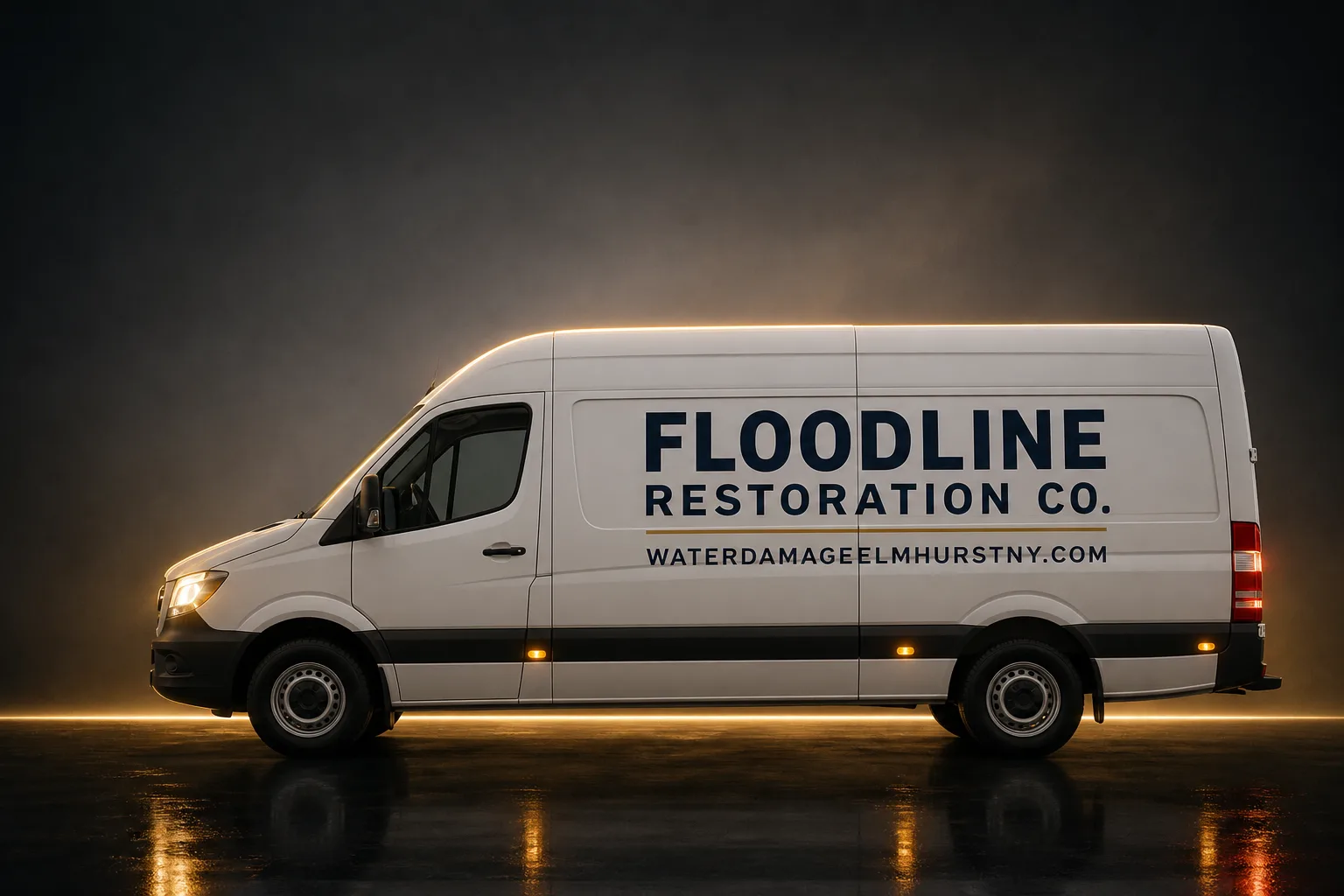
Free visual inspection and a written scope of work before any mitigation begins - photos, moisture readings, and drying logs go in your claim file
The scope we write is the scope we bill. Anything new gets shown to you, in writing, before we touch it.
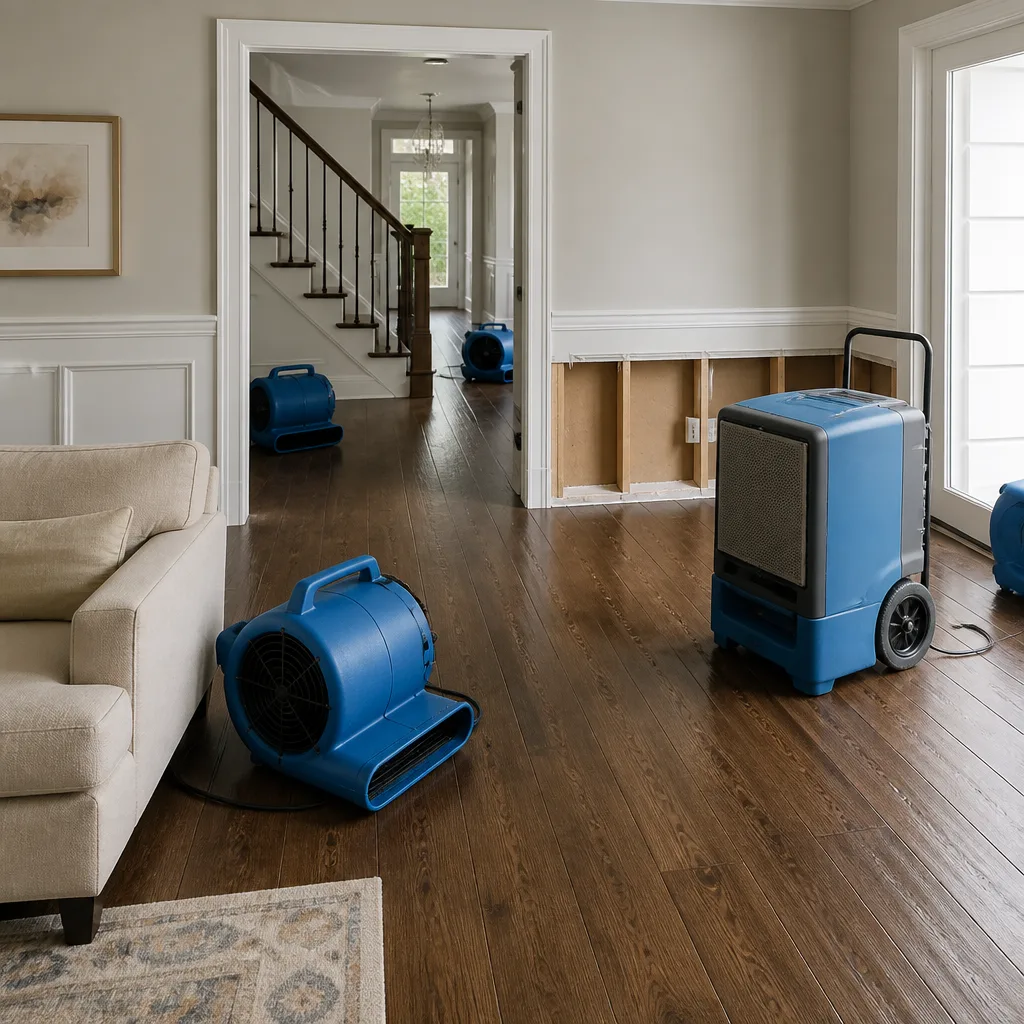
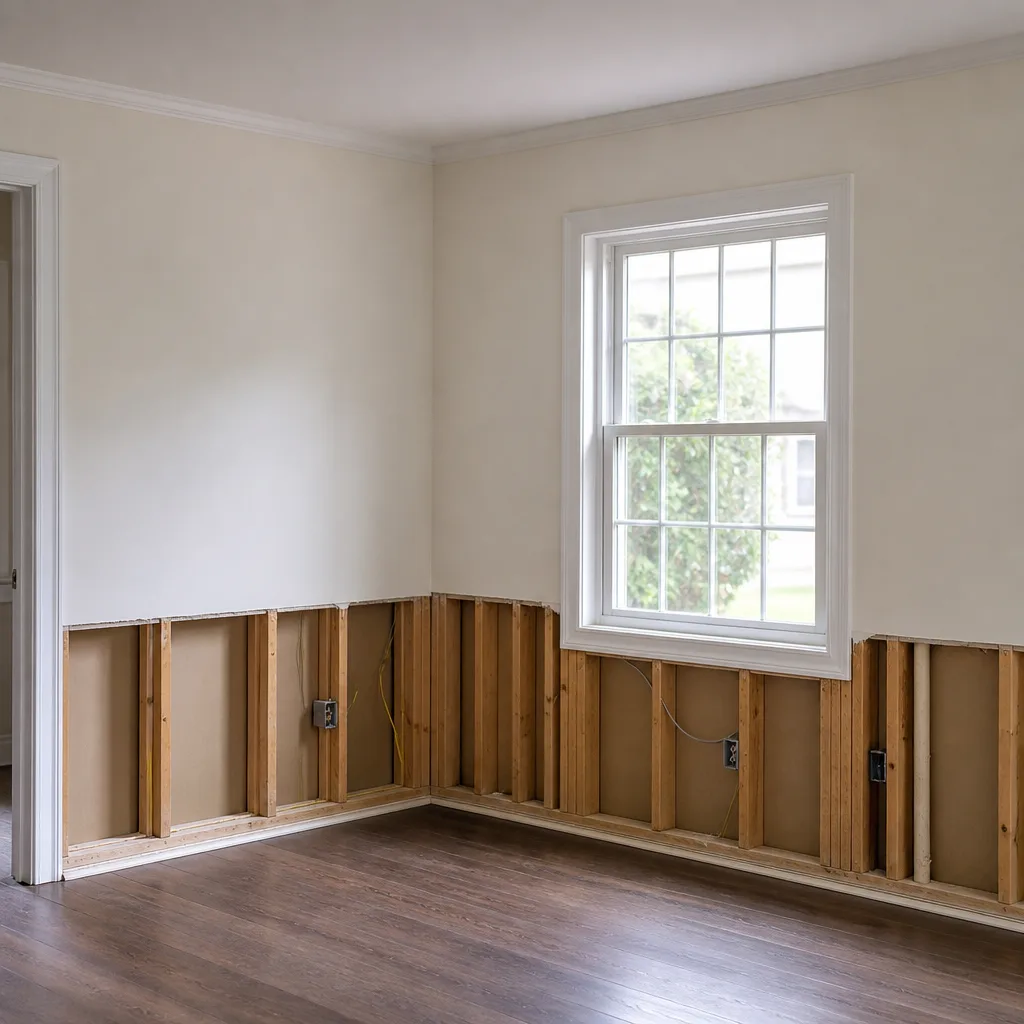
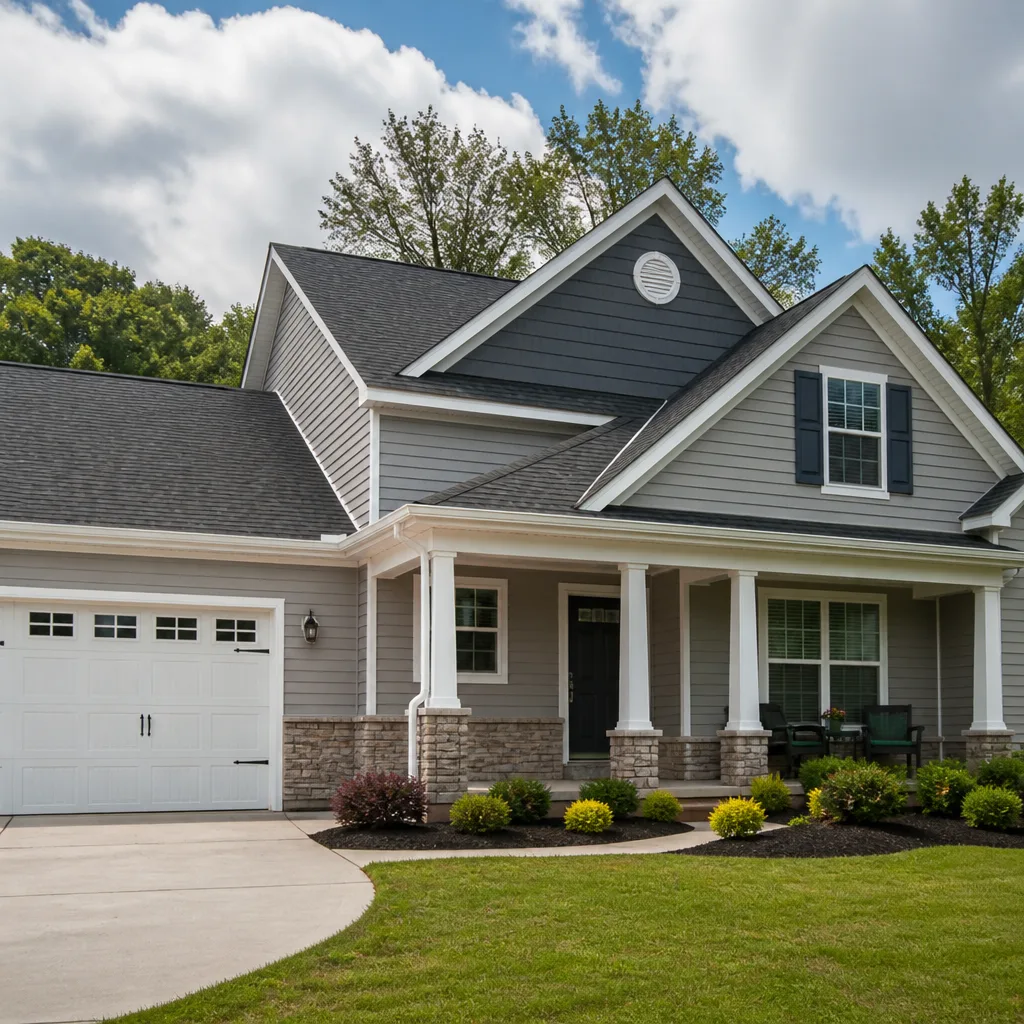
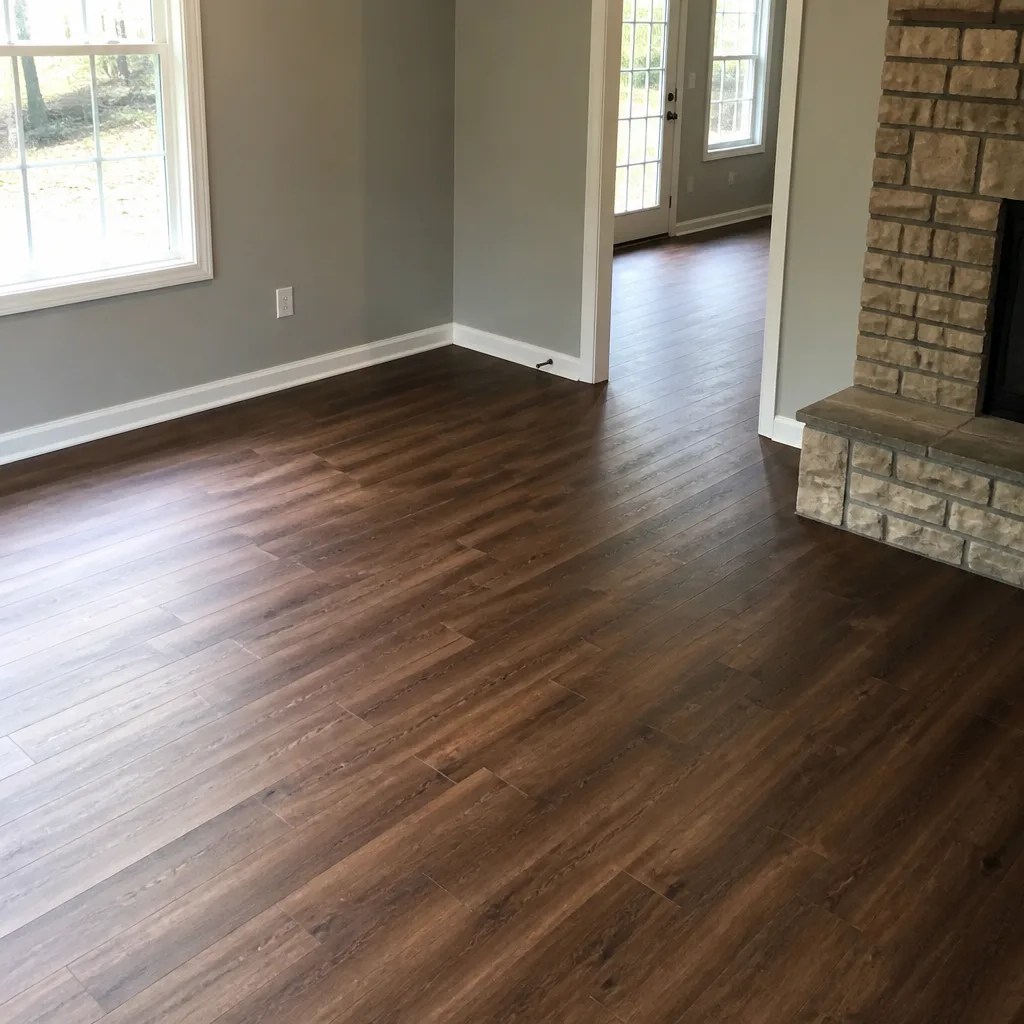
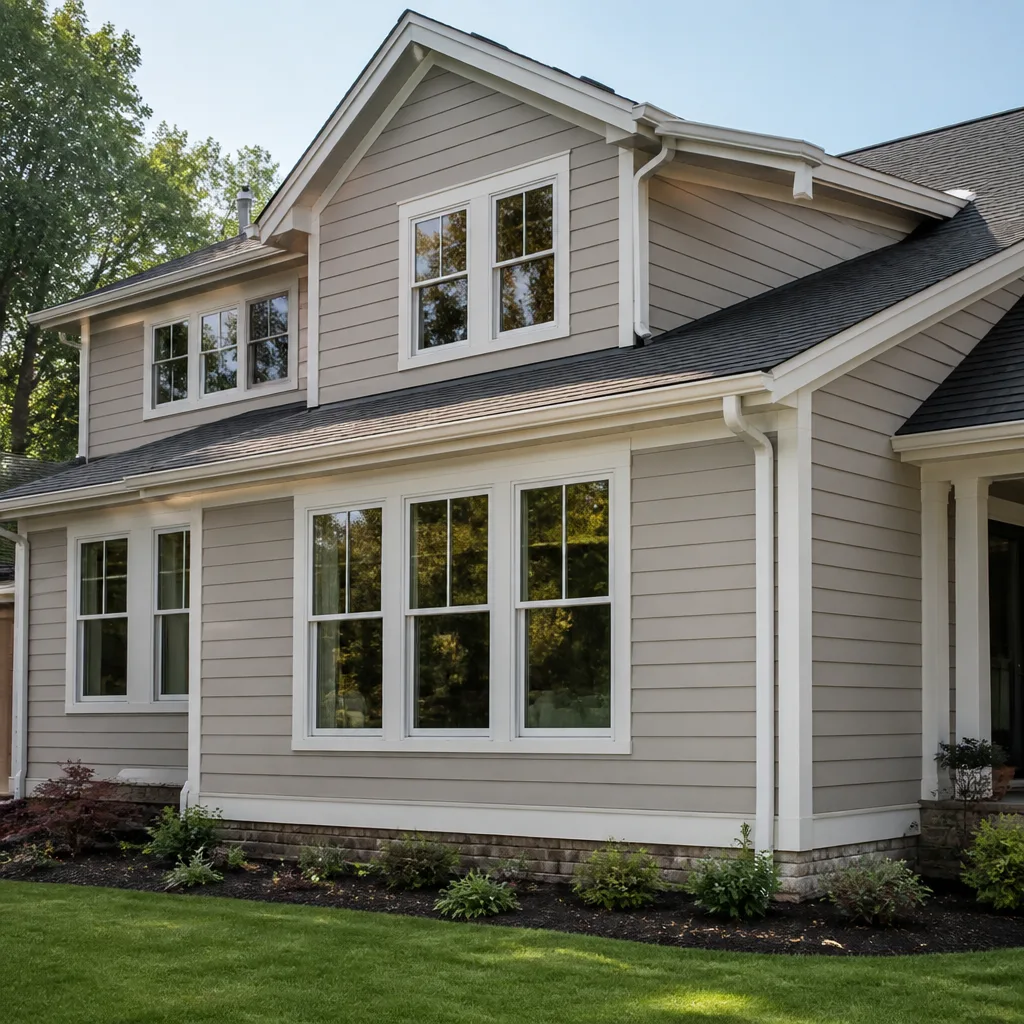
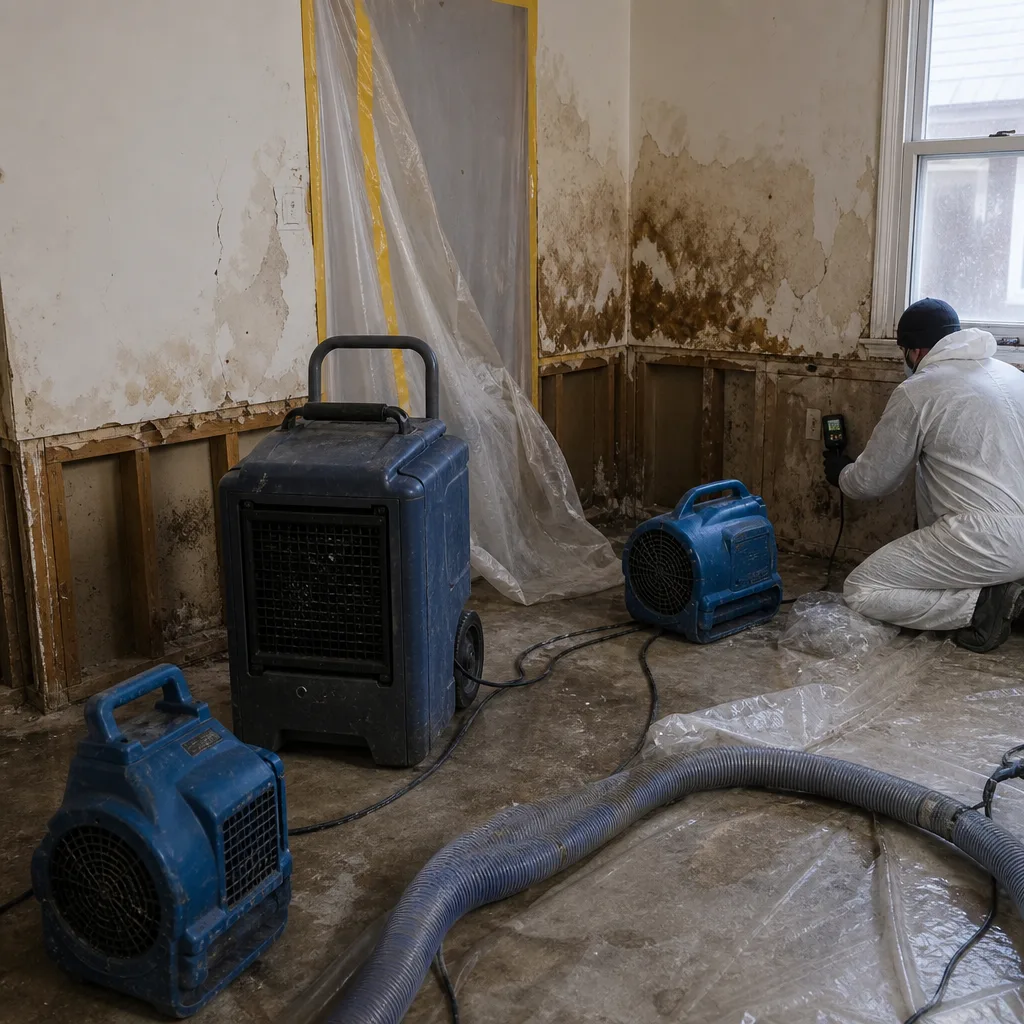 Before
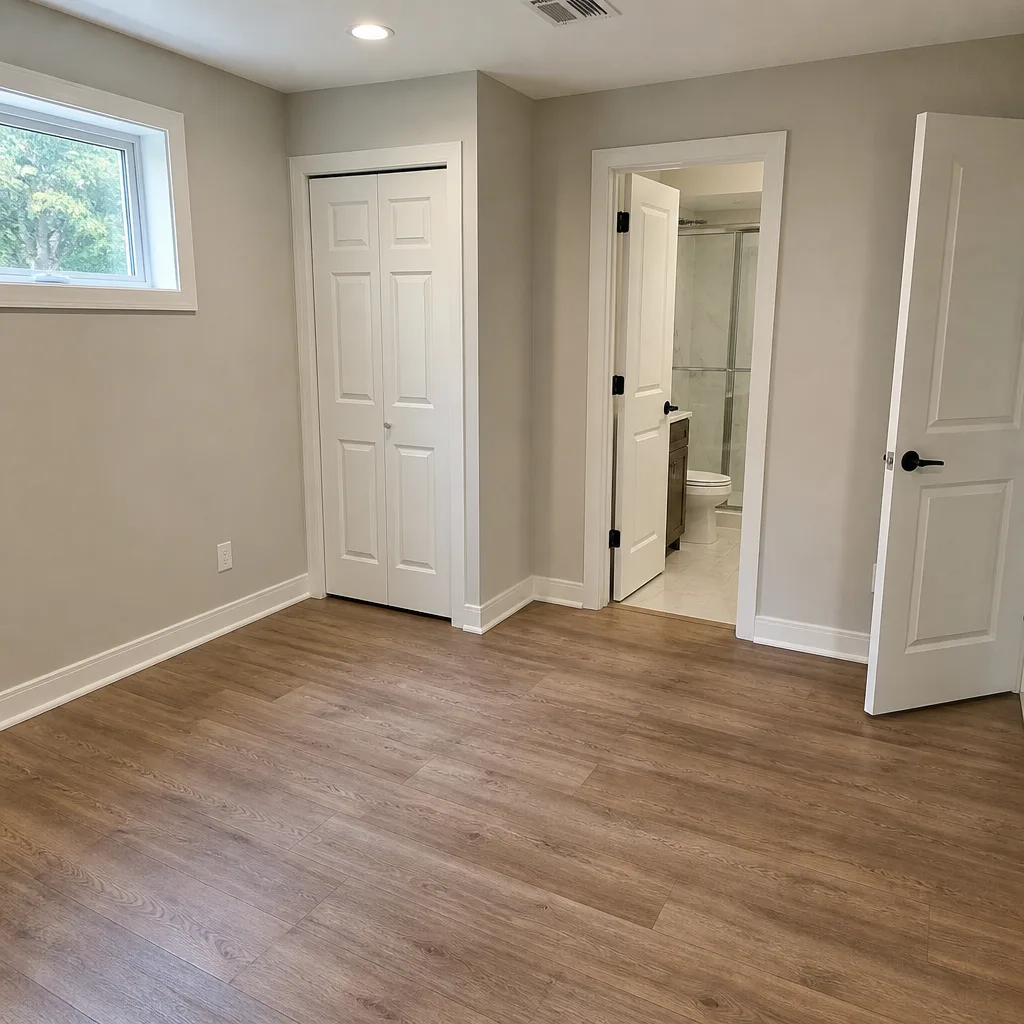 After
After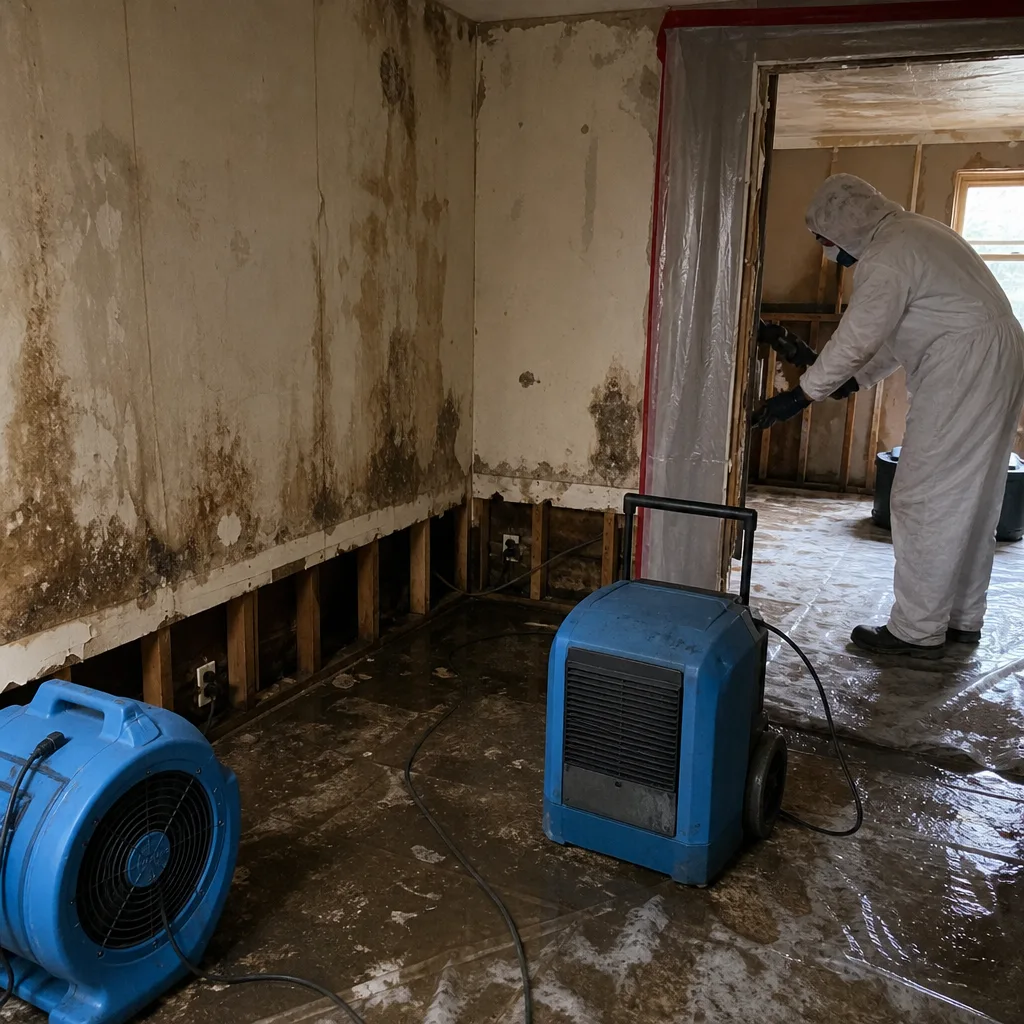 Before
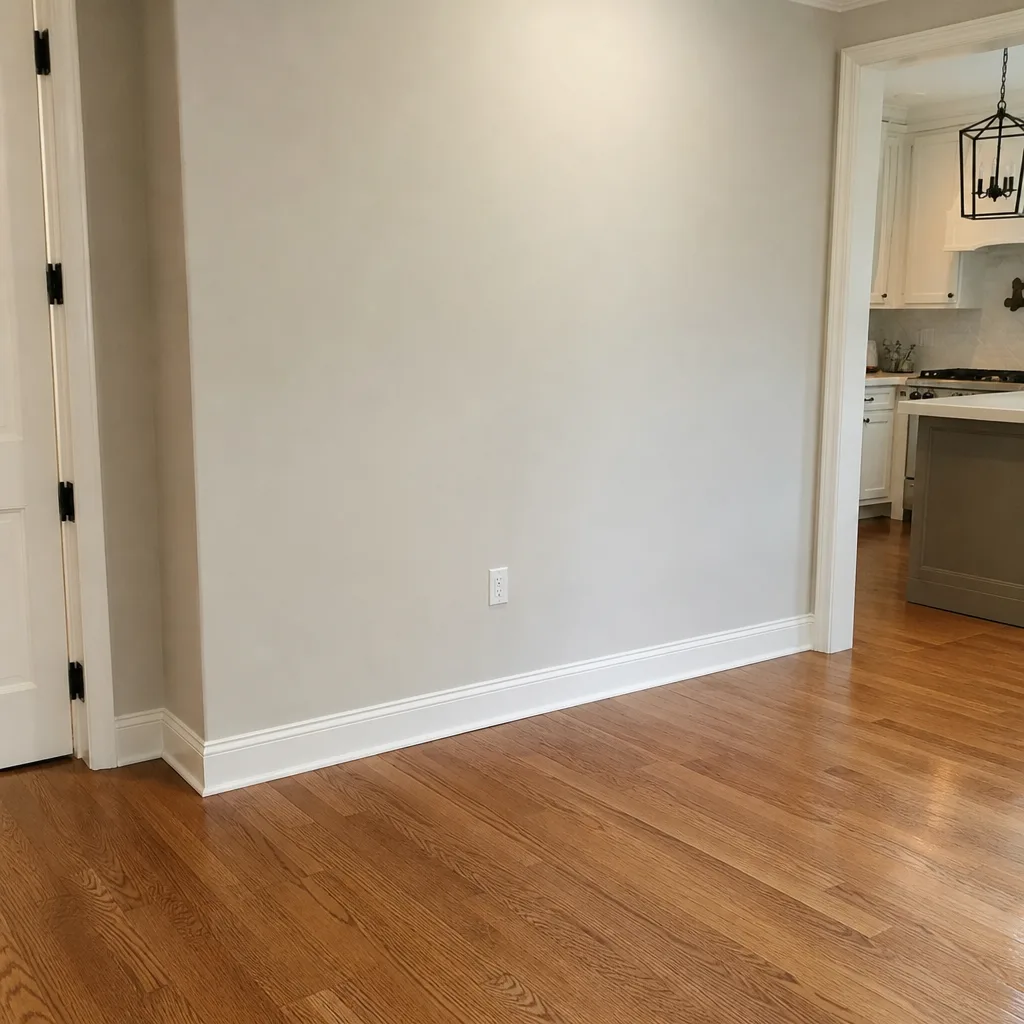 After
After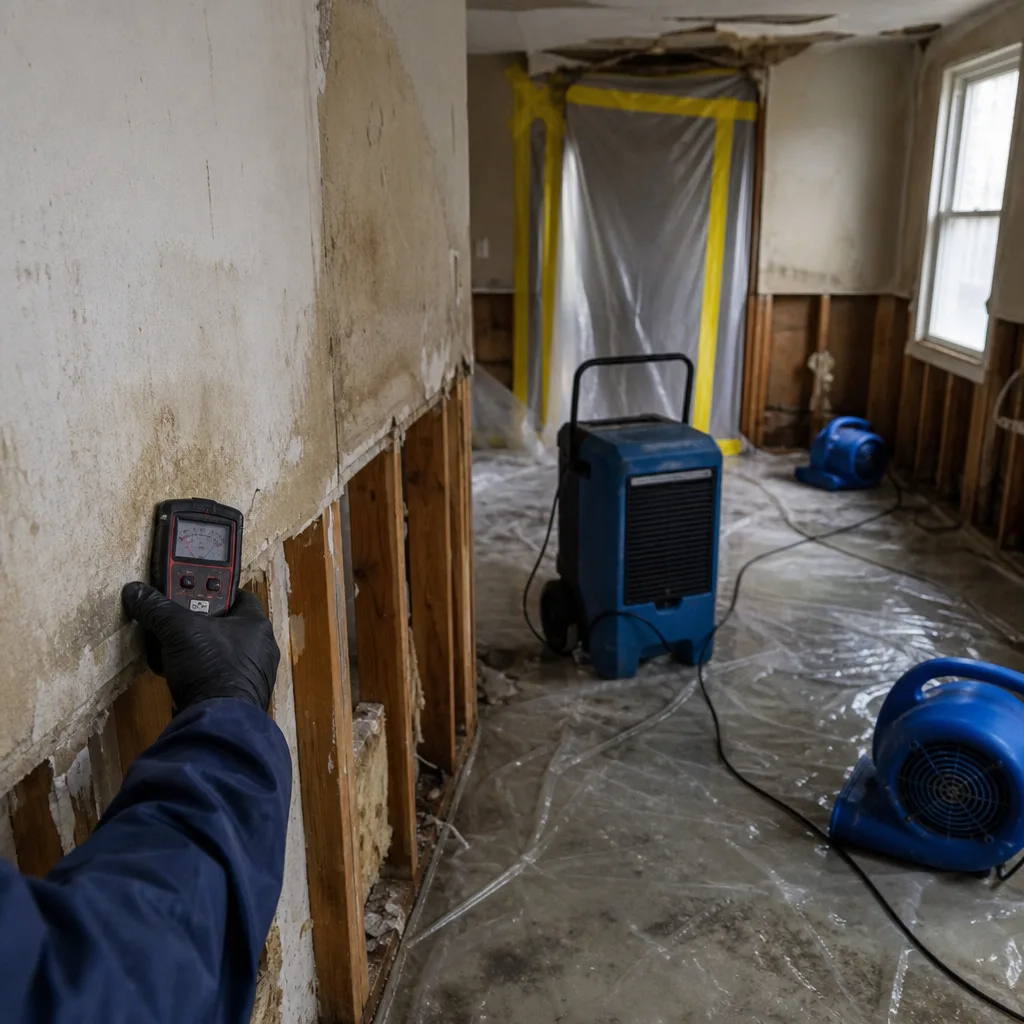 Before
 After
After24/7 Emergency Water Damage Restoration in Corona
Water damage restoration in Corona typically costs between $2,800 and $7,500 for a basement flood involving extraction, drying, and sanitization, and our crews reach most Corona blocks within 45 minutes of your call. When a combined sewer backs up into a converted basement apartment on 102nd Street or a cast-iron supply line lets go in a 1940s row house on 37th Avenue, the first hour decides whether you’re looking at drying or demolition. Call (363) 999-0829 now. A live dispatcher answers at 2 a.m. the same way she answers at 2 p.m., and a background-checked, IICRC-certified crew is dispatched from our New York City office straight into Corona.
We don’t ask you to leave a message. We don’t route you through a call center. You get a person, a truck, and a plan, usually in under an hour. The sooner extraction starts, the less drywall comes out, the fewer floors get replaced, and the lower the final bill lands.
Understanding Water Damage Restoration Severity in Corona Properties
Not all water is equal, and in Corona the difference matters more than most places. Clean water from a burst supply pipe is Category 1. Gray water from a washing machine overflow or a failed sump pump is Category 2. Sewage backflow from Corona’s combined sewer system is Category 3, and it carries bacteria, pathogens, and whatever else the neighborhood’s aging drain lines were carrying that day. Water Damage Restoration in Corona means identifying the category correctly before anyone touches a wall. Treating Category 3 water like Category 1 leaves contamination sealed inside wall cavities, and in attached row houses that contamination migrates through shared party walls into the neighbor’s unit.
Corona’s housing stock compounds the problem. The semi-detached and attached two-family brick homes built between 1920 and 1950 almost all carry original cast-iron drain lines and galvanized supply pipes. Cast iron corrodes from the inside out. Galvanized pipe closes down like a clogged artery. When either fails during a nor’easter or a July cloudburst, the water finds the lowest point in the house, which in Corona is usually the basement apartment. Moisture mapping with thermal imaging and hygrometers tells us where the water actually went, not just where it’s visible. That’s the only way to dry a structure that’s been absorbing water for decades without anyone knowing.
Why Corona Property Owners Choose Floodline Restoration Co.
- 45-minute response commitment across Corona. Our trucks are staged to reach Northern Boulevard, Roosevelt Avenue, and the blocks around Flushing Meadows-Corona Park faster than any franchise crew coming from outside Queens.
- A live person answers the phone, every call, every hour. No automated prompts, no “press 2 for emergency.” A real dispatcher picks up and starts the dispatch board moving while you’re still on the line.
- IICRC-certified crews with WRT and ASD credentials. Water restoration and applied structural drying certifications mean the readings we take on day one hold up when the adjuster reviews the file.
- Free visual inspection with no obligation. We look, we measure, we write down what we find. Then we hand you a scope in plain English before any work begins.
- Direct insurance billing. We bill your carrier, we talk to your adjuster, and you never play messenger between two parties who should be talking to each other.
- One crew from first extraction to finished rebuild. The same certified team that reads the moisture map handles daily readings and rebuilds the walls. No mid-job handoff to a different company.
Our Water Damage Restoration Process
Inspection & Assessment
We arrive, walk the damage, and document everything: photos, thermal imaging scans, moisture readings at multiple depths. In a Corona row house, we check the party walls and the basement slab, not just the visible puddle. You get a written scope before we cut anything.
Extraction / Stabilization
Standing water comes out immediately using truck-mounted and portable extraction units. For Category 3 sewage backflow, containment goes up first so aerosolized contaminants don’t spread through the house or into attached neighboring units.
Drying & Dehumidification
Professional-grade Dri-Eaz and Phoenix air movers and dehumidifiers are placed according to a psychrometric map, not guesswork. We take daily readings, log them, and keep drying until the structure meets the dry standard, not just until the surface feels dry.
Cleaning & Sanitization
Category 3 water demands antimicrobial treatment on every surface it touched. We clean, sanitize, and deodorize, then verify with post-remediation readings. For sewage losses, we use HEPA-filtered air scrubbers to pull residual particles from the air.
Specialty Treatment for Corona Basements
In converted basement apartments, we address what the water revealed: hidden mold behind finished walls, saturated insulation, asbestos floor tiles, and cast-iron drain pipes that need scoping. We document prior unreported water events so the current claim reflects what actually happened.
Repairs & Restoration
We rebuild what we removed. Drywall, flooring, trim, paint, and any plumbing repairs happen under the same roof, by the same crew. When we’re done, you get the 90-Day Done Right Promise in writing. If it’s not right, we make it right. No arguing.
Need Emergency Water Damage Restoration in Corona Now?
Crews minutes away, answering live 24 hours a day. The sooner we start, the less it costs.
Working With Your Insurance Company
Most Corona homeowners have never filed a water damage claim before the night the sewer backed up into their basement apartment. We have. We document from the first hour: photos room by room, moisture readings, thermal imaging captures, and a running log of what we removed and why. That documentation is what gets a sewage loss covered instead of disputed. We use industry-standard estimating software that adjusters recognize, and we speak their language on your behalf.
When your carrier sends an adjuster, we walk the job with them. When they ask for documentation, we send it directly. You don’t translate between us. You don’t wait on hold. That’s the square deal, and it’s been the way Curt Bowman has run Floodline Restoration Co. since 2010.
What We Provide Your Insurer
- Thorough documentation of the loss
- Photos of all damage, room by room
- Moisture readings and drying logs
- A detailed, line-item scope of work
- Direct coordination with your carrier
Built for Corona’s Loss Calendar
Corona’s water damage year has a rhythm, and homeowners who’ve lived here twenty years know it. January and February bring deep freezes that split galvanized supply pipes in unheated basements and crawl spaces. March and April bring thaw and spring rain, when the water table rises and seepage finds its way through fieldstone foundations and cracked basement slabs. June through August delivers those sudden, heavy convective storms that overwhelm Corona’s drainage in minutes, not hours, and push the combined sewer back into the lowest basements in the neighborhood. September through November is nor’easter season, when three days of steady rain saturate the ground until every foundation crack becomes a slow leak.
The pattern that catches people is how little rain it takes. A storm that leaves Elmhurst basements dry has been known to put six inches of sewage water into Corona basements, because Corona sits in one of the lowest-lying pockets of Queens, surrounded by dense brick and asphalt with nowhere for the water to go but down. That’s why basement flood response here is nearly seasonal, not exceptional. The good news is that every one of these failures is something we’ve seen before, and something we can usually dry and repair in a single visit, with a moisture log in your hand when we leave.
Water Damage Restoration Across Corona’s Neighborhoods
The homes along 37th Avenue and 102nd Street are mostly 1930s semi-detached brick, two families each, with original cast-iron waste lines that have been in the ground for ninety years. When a sewer backup hits there, it usually hits the converted basement apartment first, and it usually reveals that someone cleaned up a prior flood years ago without ever drying the walls. We find the mold colony behind the drywall and we document it for the current claim.
Up near Northern Boulevard and Junction Boulevard, the housing is the same vintage but the basements are more likely to contain asbestos floor tile and original pipe insulation, which changes how we approach demolition. We’re licensed to handle asbestos-containing materials, and we know how to work around them without turning a water loss into a hazmat situation.
The blocks closer to Flushing Meadows-Corona Park catch the runoff from the park’s enormous paved areas during heavy rain. Homes there report basement seepage and drain backflow at rain totals that wouldn’t faze a home on higher ground in Jackson Heights. And the attached row houses in the low 100s, sharing party walls with identical buildings on both sides, require containment on every Category 3 job so sewage aerosol doesn’t migrate through the wall cavities to neighbors who had nothing to do with the flood.
Specialized Water Damage Restoration Services We Offer in Corona
Emergency Water Extraction
Standing water in a Corona basement doesn’t wait, and neither do we. Our extraction units pull hundreds of gallons per hour, and we typically have water lifted before the adjuster has even returned your call. Speed is what keeps a basement flood from becoming a gut remodel.
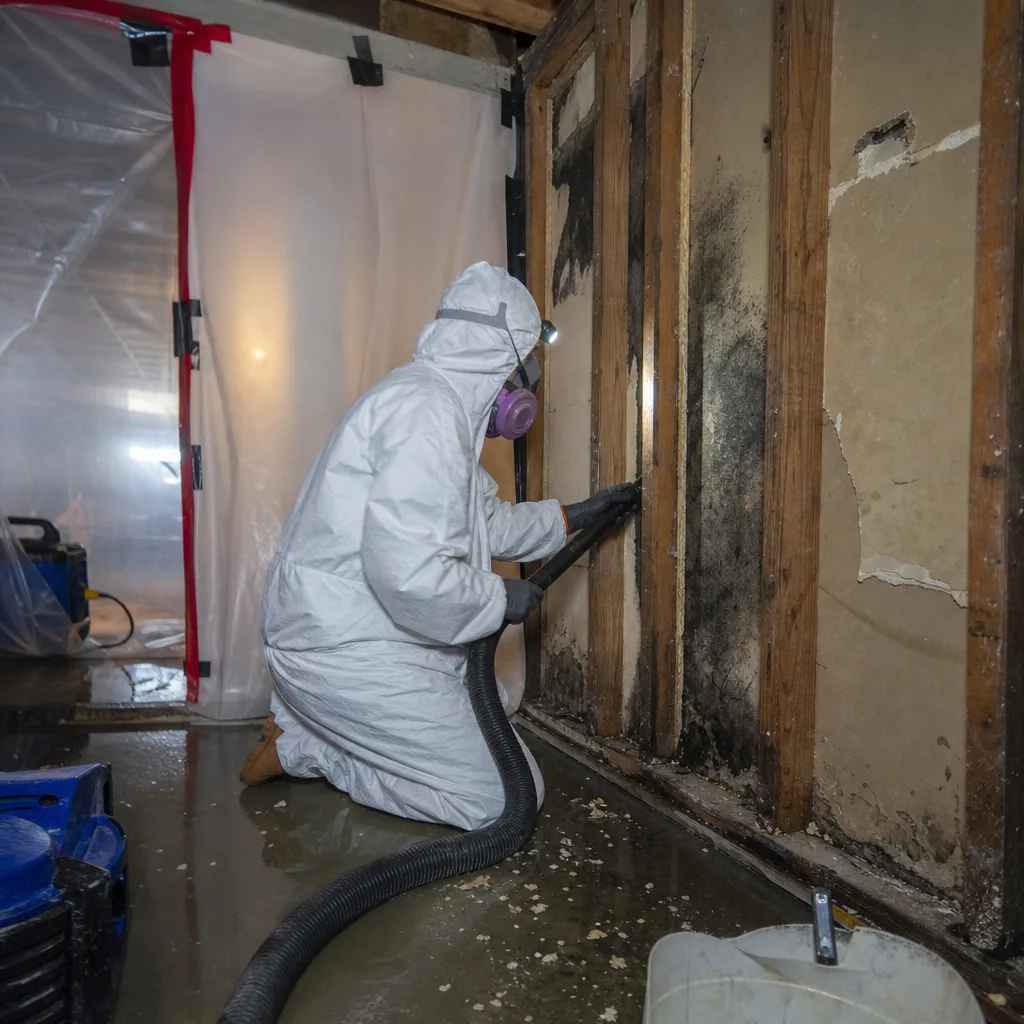
Basement Water Removal
Most of Corona’s basements are occupied living space, not storage. That changes the stakes. We remove water from finished basement apartments with the same care we’d use in a ground-floor living room, because in Corona, that’s exactly what it is. We check the slab, the finished walls, and the cast-iron drain line before we declare the space dry.
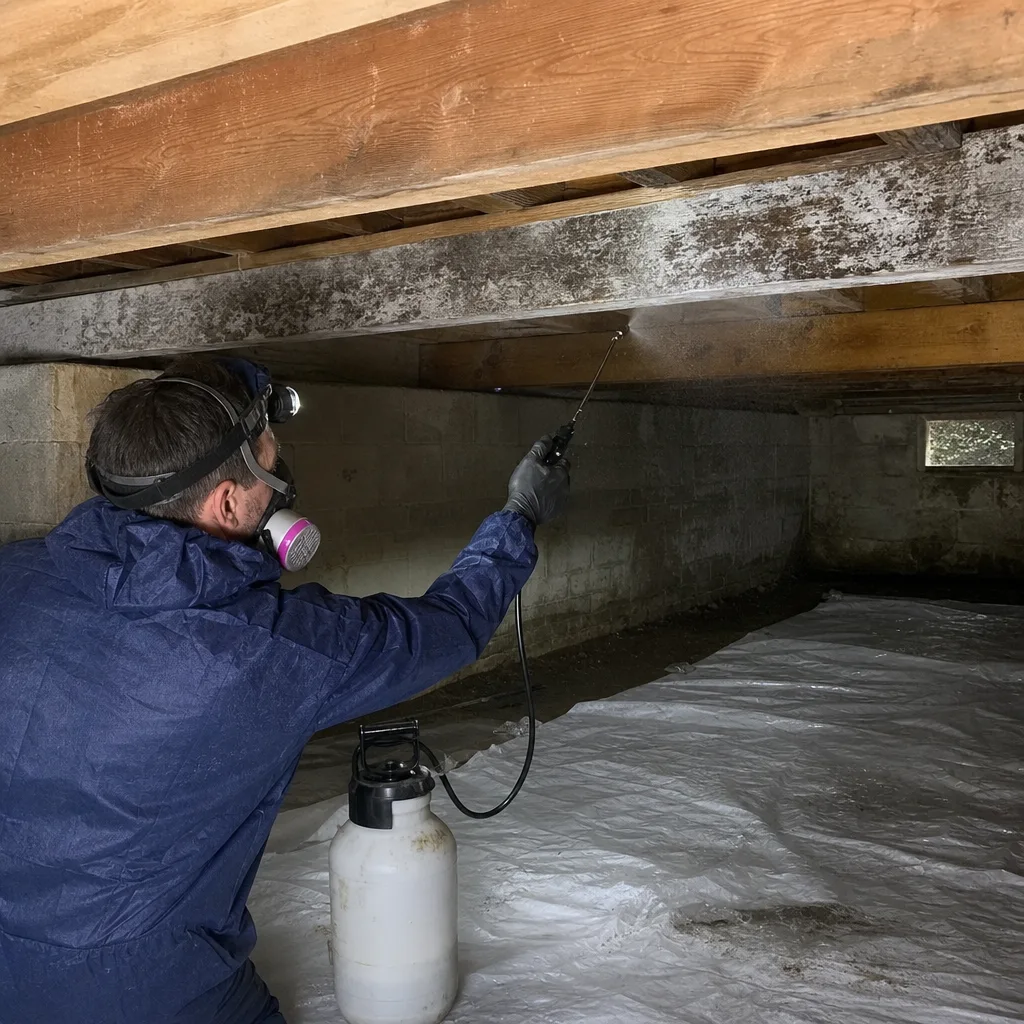
Structural Drying & Dehumidification
In a 1930s brick row house, the structure holds water differently than in a newer frame building. Brick and plaster absorb deep, and they release moisture slowly if the drying plan isn’t right. We use Phoenix and Dri-Eaz desiccant and refrigerant dehumidifiers sized to the cubic footage, not the square footage, and we log daily readings until the structure hits the dry standard. That log goes to your carrier and to you.
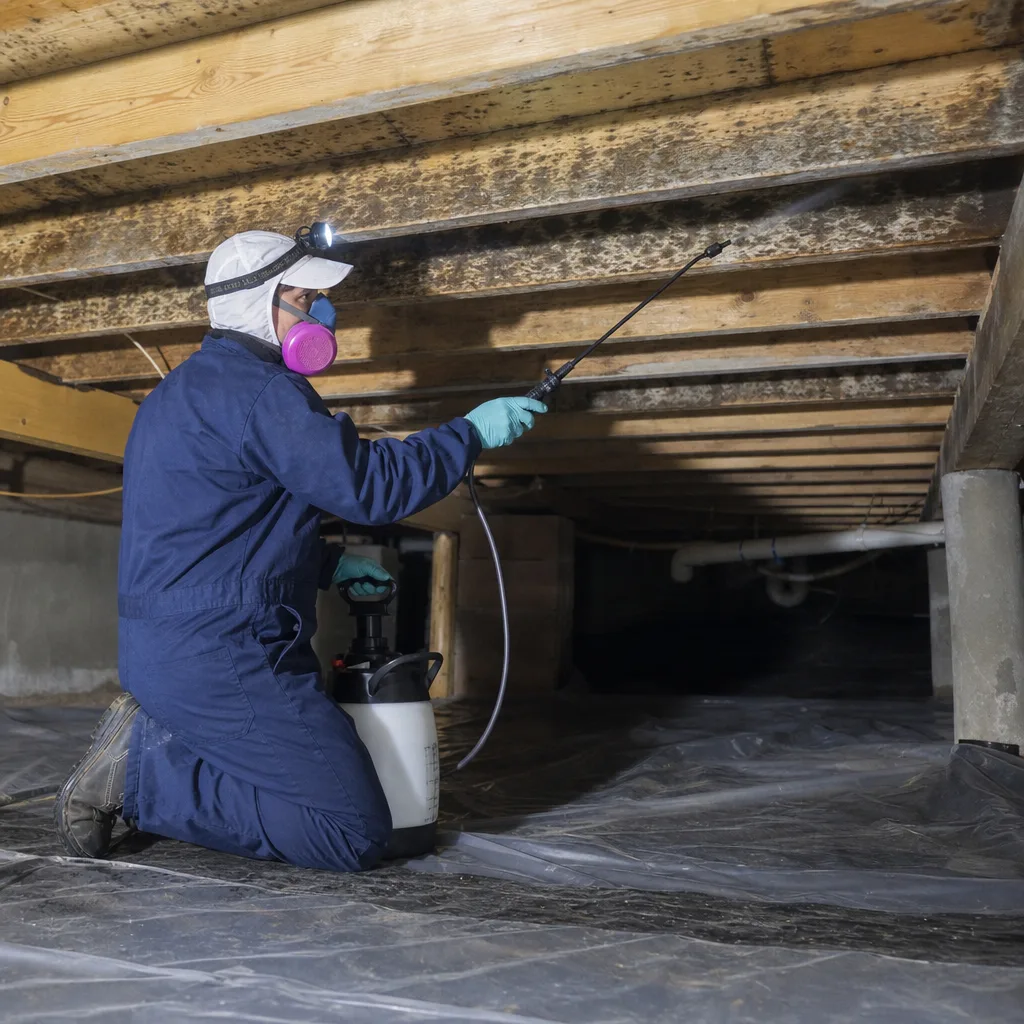
Flood Cleanup
When the sewer backs up or a storm floods the basement with contaminated water, cleanup means more than mopping. We remove contaminated materials, sanitize every surface, run HEPA air scrubbers to clear aerosolized particles, and verify the space is safe before anyone moves back in. In attached Corona homes, containment is non-negotiable.
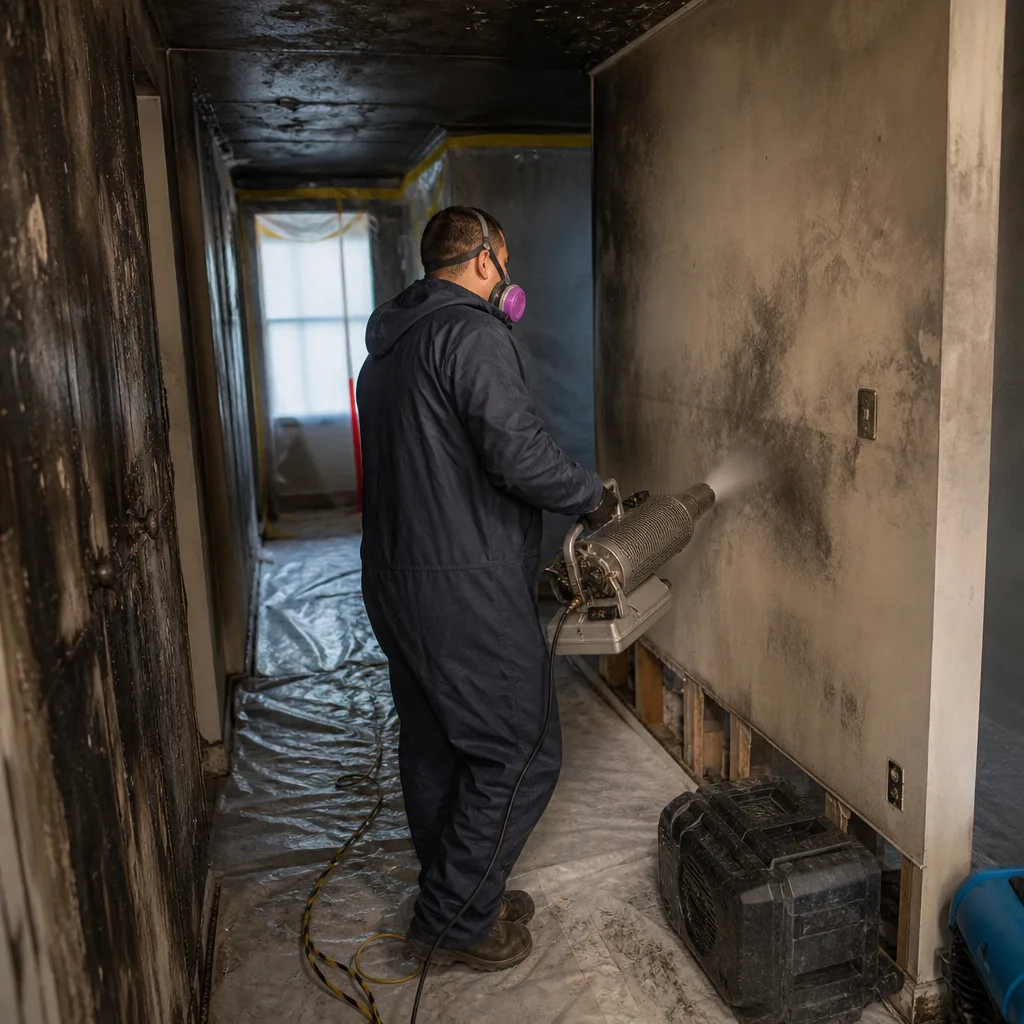
Burst Pipe Restoration
Frozen galvanized supply lines rupture in January, and by the time you notice, water has been running for hours. We handle the water, the dry-out, and the repipe, all under one scope. No calling three contractors while your basement stays wet.
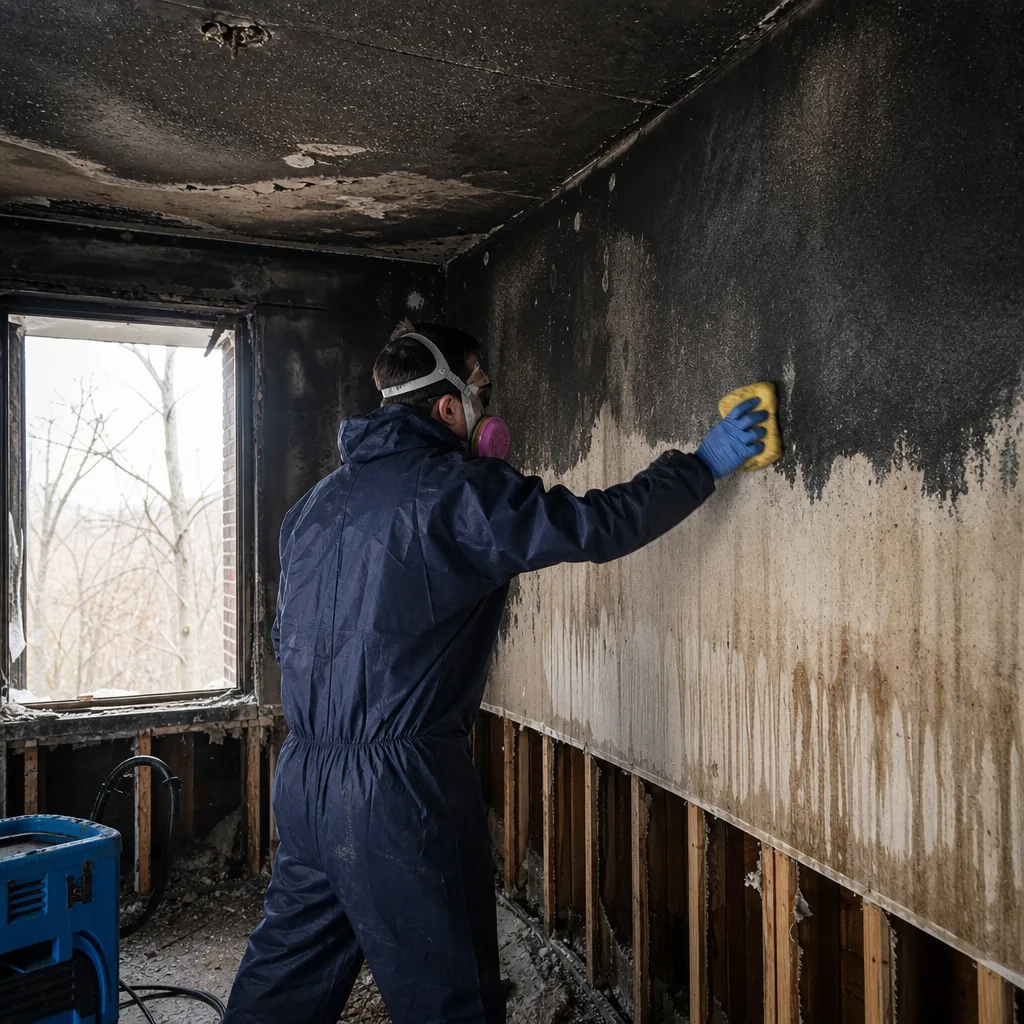
Ceiling & Roof Leak Water Damage
Flat roofs on Corona’s pre-war brick homes fail at the seams, and water travels along joists until it drips through a ceiling on the other side of the house. We trace the path with moisture meters, dry the cavity, and repair the ceiling. The roof itself we leave to a roofer, but the water damage is ours.
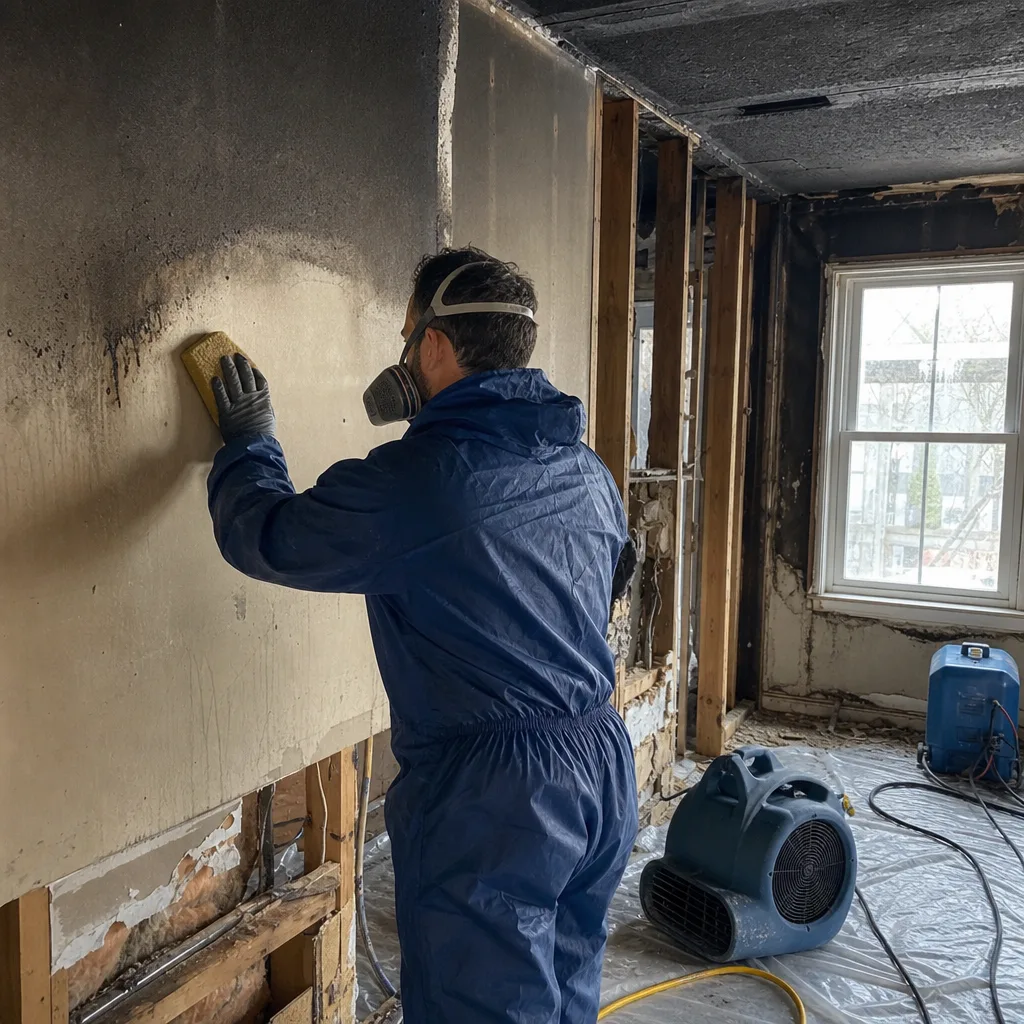
What happens when you call
- 1
A real person answersNo phone trees - you reach a local pro.
- 2
You get an upfront price rangeHonest numbers before anyone is dispatched.
- 3
A background-checked tech heads outLicensed & insured, dispatched right away.
- 4
You approve before work beginsNothing starts until you say go.
Water Damage Restoration Costs in Corona, NY
Here are honest numbers for Corona’s market. A small, contained Category 1 clean water job, caught fast, typically runs $1,800 to $3,200. A basement sewage backup with extraction, full containment, sanitization, and drying usually lands between $4,500 and $8,000 when the drywall comes out. A large Category 3 loss in a converted basement apartment with mold remediation, structural drying, and rebuild can reach $12,000 to $25,000 before insurance. These are the ranges we’ve written estimates in for Corona specifically, where finished basements and attached construction push the square footage and the containment requirements higher than in detached houses elsewhere.
The variables that move the price are how much drywall and flooring must come out, whether asbestos tile is present, how long the water sat before we arrived, and whether hidden mold requires full remediation. The free visual inspection turns those variables into a line-item scope before any work begins, so you know the number before you say yes. Most homeowners pay a deductible only, and we bill the carrier directly.
Every job qualifies for our standing offers: $50 Off Any Repair Over $250, the $89 Seasonal Tune-Up, and a Senior & Veteran 5% Discount, always. The 90-Day Done Right Promise is in writing, and it costs you nothing.
We Also Serve Cities Near Corona
Floodline Restoration Co. serves the blocks around Corona too, including Corona and the surrounding Queens neighborhoods. If you’re in Elmhurst, Jackson Heights, Flushing, or East Elmhurst and water is coming in, call the same number: (363) 999-0829. Same live answer, same fast dispatch, same written guarantee.
Serving Corona, NY - Our Local Coverage Area
We’re based in the Corona area and know this community well. Use the map below to see our service coverage - if you’re nearby, we can almost certainly help.
Corona Water Damage Restoration Questions, Answered
How do you handle Category 3 water damage in a Corona basement apartment when the slab is original concrete and the sewer line is cast iron?
We treat the concrete slab and the cast-iron line as part of the contamination zone, not the edge of it. Category 3 water penetrates the porous top layer of an original concrete slab, so we pressure-wash, sanitize, and seal the slab after removing contaminated materials. The cast-iron line gets scoped with a camera to find the actual blockage or breach, and we document what we find for your carrier. A repair that only addresses the flood without addressing the pipe that caused it will repeat itself, and we don’t write scopes that set up a second water event.
What’s the difference between water extraction and structural drying for a Corona row house with finished basement walls?
Extraction removes visible standing water. It’s the first job. Structural drying removes the water you can’t see: the moisture inside studs, behind drywall, under the base plates, and inside the concrete slab. In a finished basement, extraction alone leaves the wall cavities saturated, and within weeks you’ll smell the mold. Structural drying means we put air movers and dehumidifiers to work based on a moisture map, not a guess, and we keep daily readings until the structure itself meets the dry standard. You can’t skip it, and insurance for a properly documented job covers it.
Why does my Corona basement flood even when neighbors a few blocks away in Jackson Heights stay dry?
Corona sits in one of the lowest-lying pockets of Queens, adjacent to Flushing Meadows-Corona Park, and the land drains toward the park and the older combined sewer lines that run beneath the neighborhood. Jackson Heights and Elmhurst sit higher, with better storm-drain capacity for the same rain totals. It’s topography and infrastructure, not bad luck. That’s why we handle basement flood response in Corona as a nearly seasonal expectation and why homeowners here should treat any basement water event as a warning to have the drain line scoped before the next storm.
Can you retrofit an old cast-iron drain line instead of replacing it after repeated basement flooding?
Sometimes, but not always. A cast-iron line in a 1930s Corona house often has internal rust, scale build-up, or partial collapse that no amount of snaking will fix. We camera it to see the actual condition. If the line is structurally sound but root-intruded or scaled, we can often clear and reline it. If it’s collapsed or cracked, replacement is the honest fix, and we’ll tell you that plainly. Every option gets priced in writing before we start, no surprise excavation.
How do you handle asbestos floor tiles or pipe insulation found during water damage demolition in a 1930s Corona home?
We stop, contain the area, and alert you. Asbestos-containing materials are common in pre-1950 Corona basements, especially in 9-inch floor tiles and wrap on steam pipes. We’re licensed to handle asbestos-containing materials, and we follow the required protocols for removal or encapsulation. The water damage scope absorbs the asbestos work so you’re not stuck coordinating a separate abatement contractor. Your carrier needs to know, and we document everything for them.
How fast can you actually get to a Corona water emergency?
Our commitment is 45 minutes to most Corona blocks, 24 hours a day. The trucks are staged to reach Northern Boulevard, Roosevelt Avenue, 37th Avenue, and the blocks around the park without waiting on cross-Queens traffic in the middle of the night. A live dispatcher answers (363) 999-0829 around the clock, and the crew is moving before the call ends when it’s an active water event.
Will my insurance cover water damage restoration in Corona?
Most homeowners policies cover sudden, accidental water damage, including frozen pipe bursts and storm-related flooding, when the source is inside the home. Sewage backup is often covered under a separate endorsement, and homes in Corona’s backflow-prone blocks should carry it. We can’t adjust claims, but we can document the loss so thoroughly that your carrier sees exactly what happened and what it cost to fix. We bill the carrier directly and coordinate with the adjuster so the coverage you paid for actually pays.
What should I do in the first 30 minutes after water appears in my Corona basement?
Call (363) 999-0829. While you’re waiting for the crew, kill the power to the affected area if you can do so safely without stepping in water. Don’t enter standing water if you don’t know the source, especially in Corona, where combined sewer backflow is a real possibility. Move small valuables upstairs if you can reach them without risk. Don’t run fans on sewage water and don’t try to shop-vac it yourself. The most expensive mistake we see is a homeowner waiting overnight while contaminated water soaks into drywall, subfloor, and the party wall. Don’t wait.
Written by Curt Bowman, Owner at Floodline Restoration Co., serving Corona since 2010.