
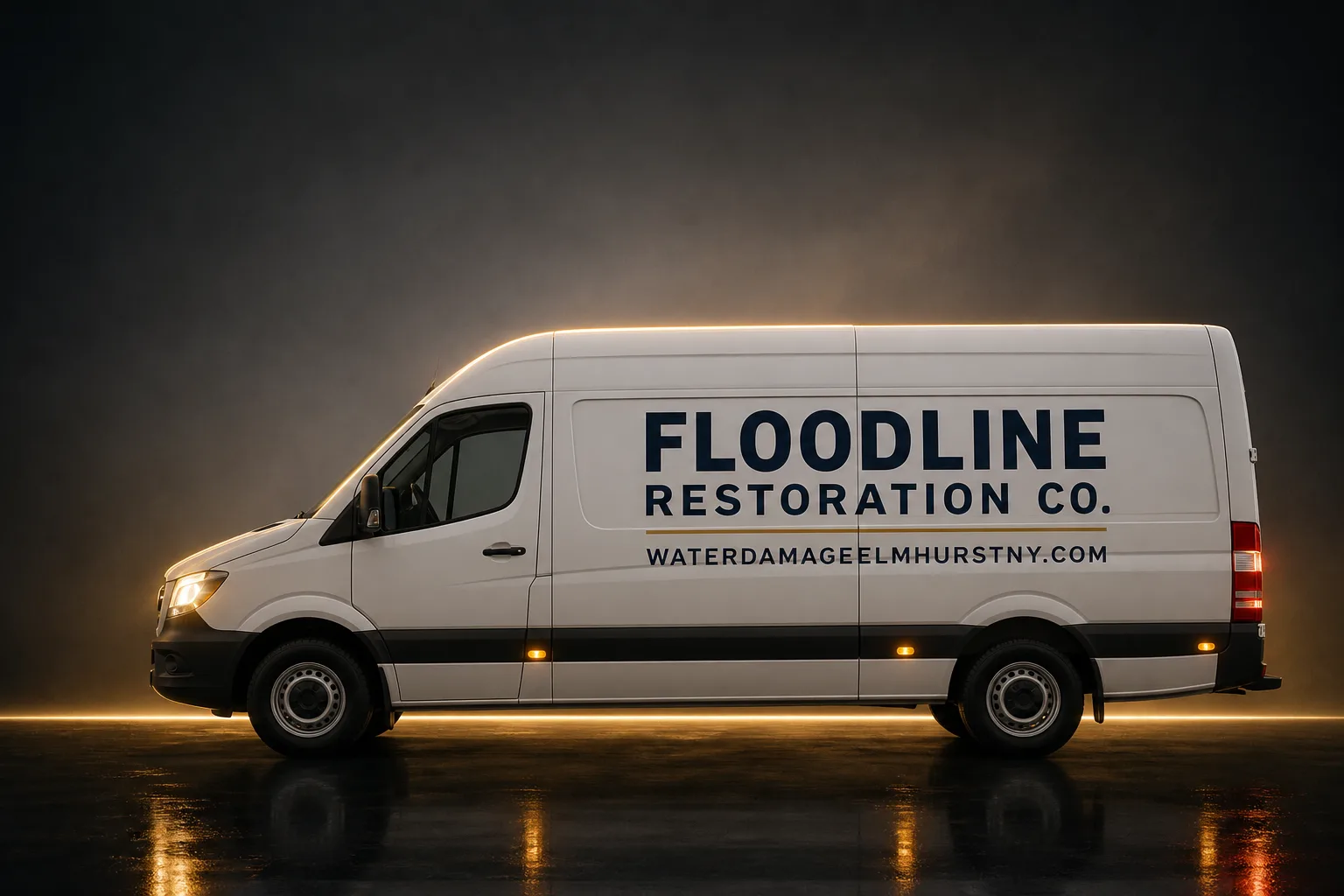
Free visual inspection and a written scope of work before any mitigation begins - photos, moisture readings, and drying logs go in your claim file
The scope we write is the scope we bill. Anything new gets shown to you, in writing, before we touch it.
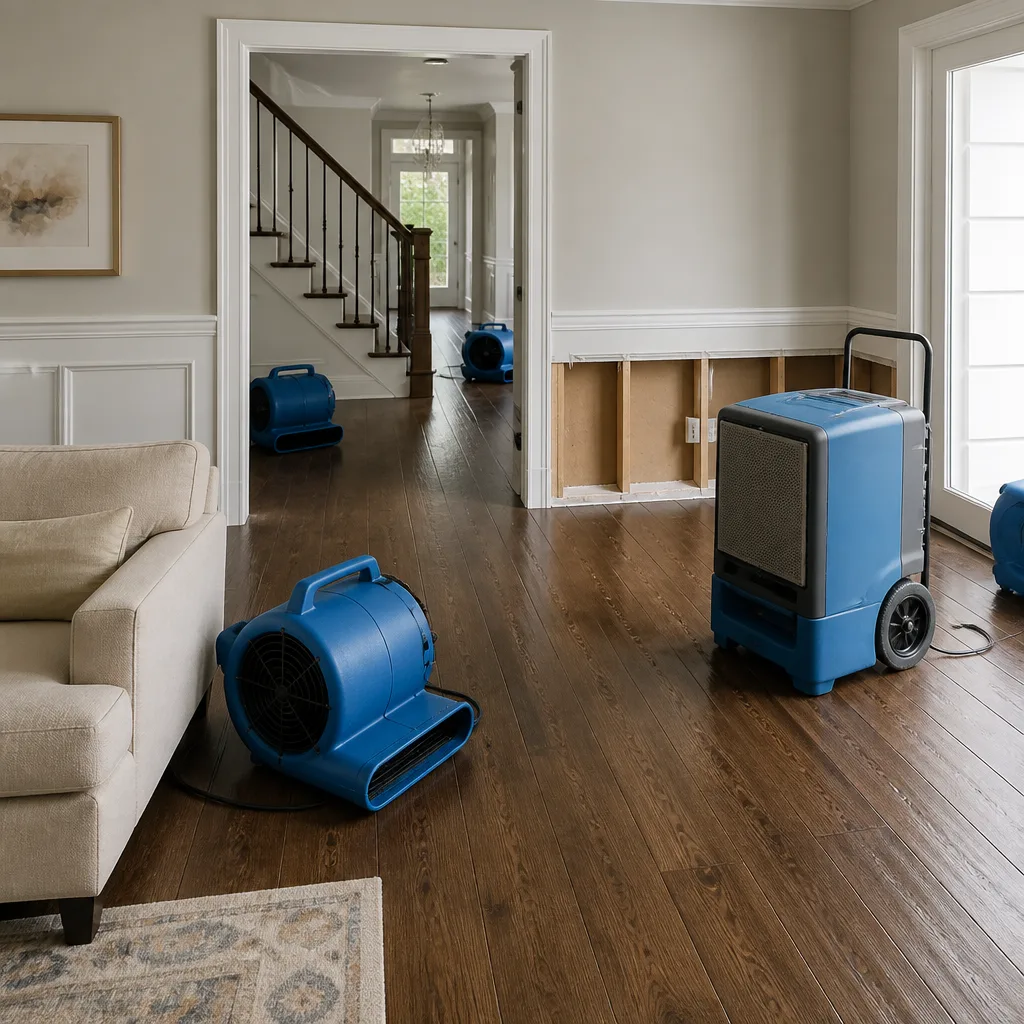
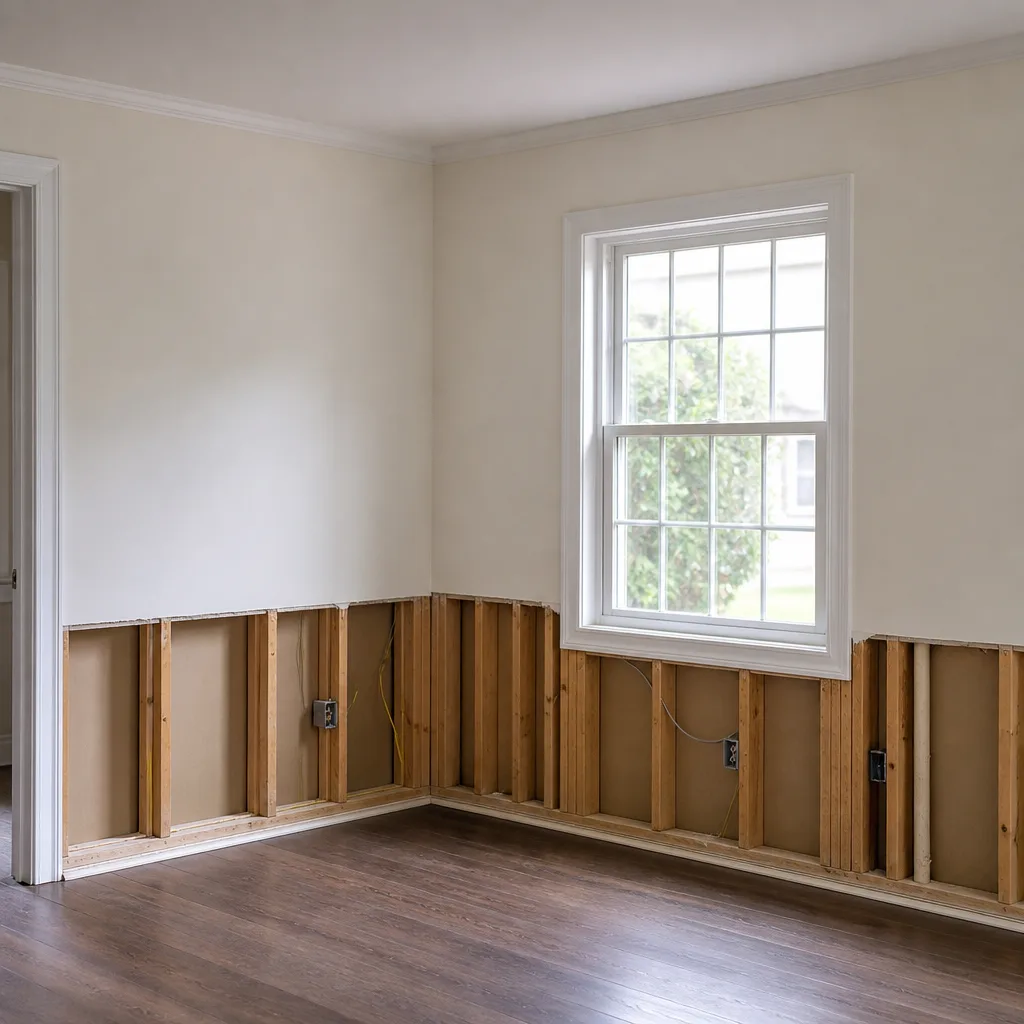
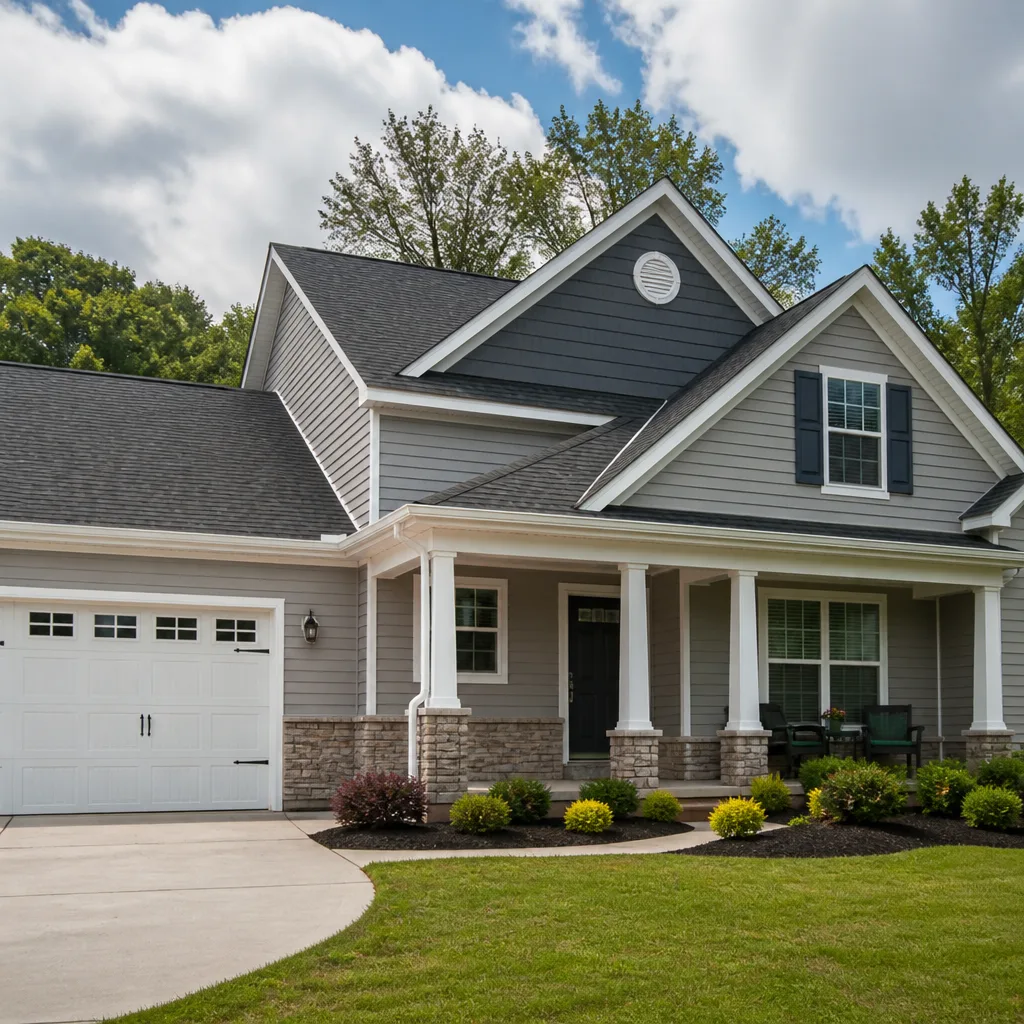
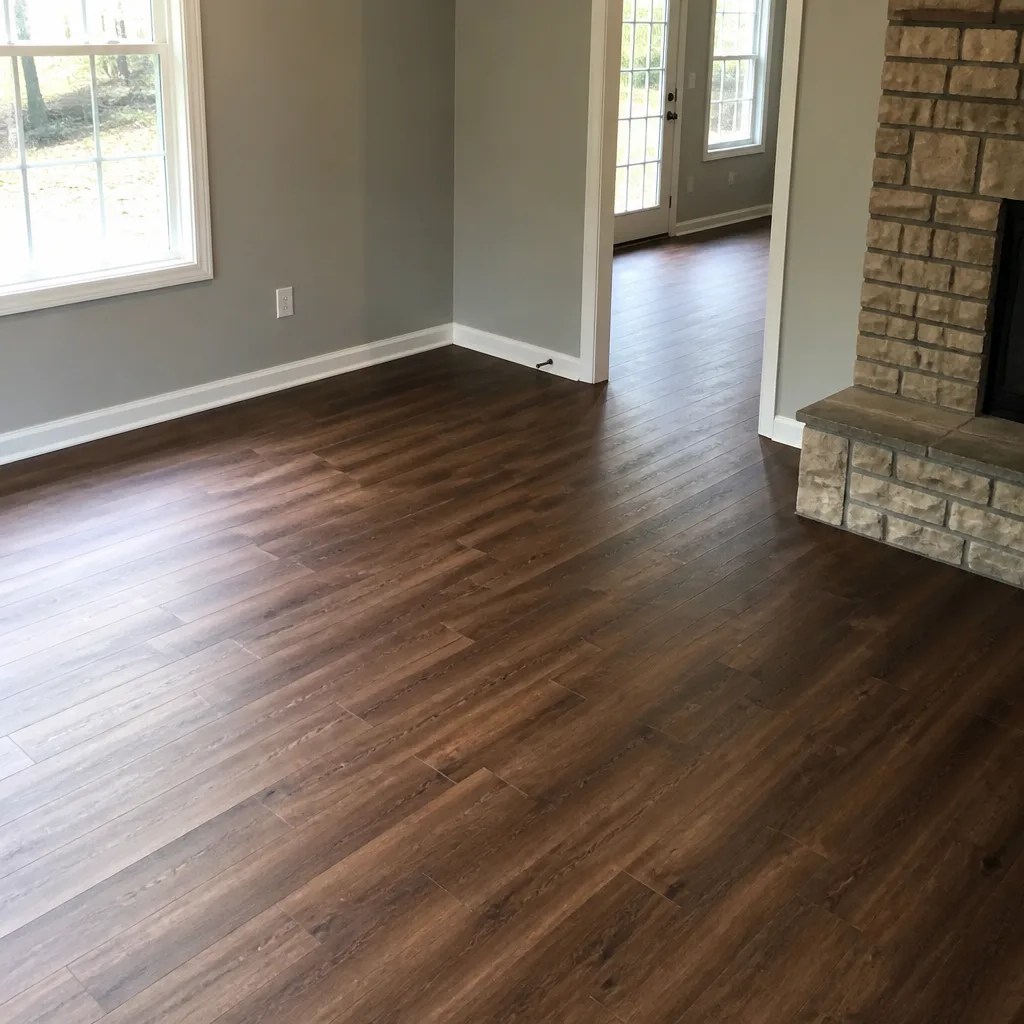
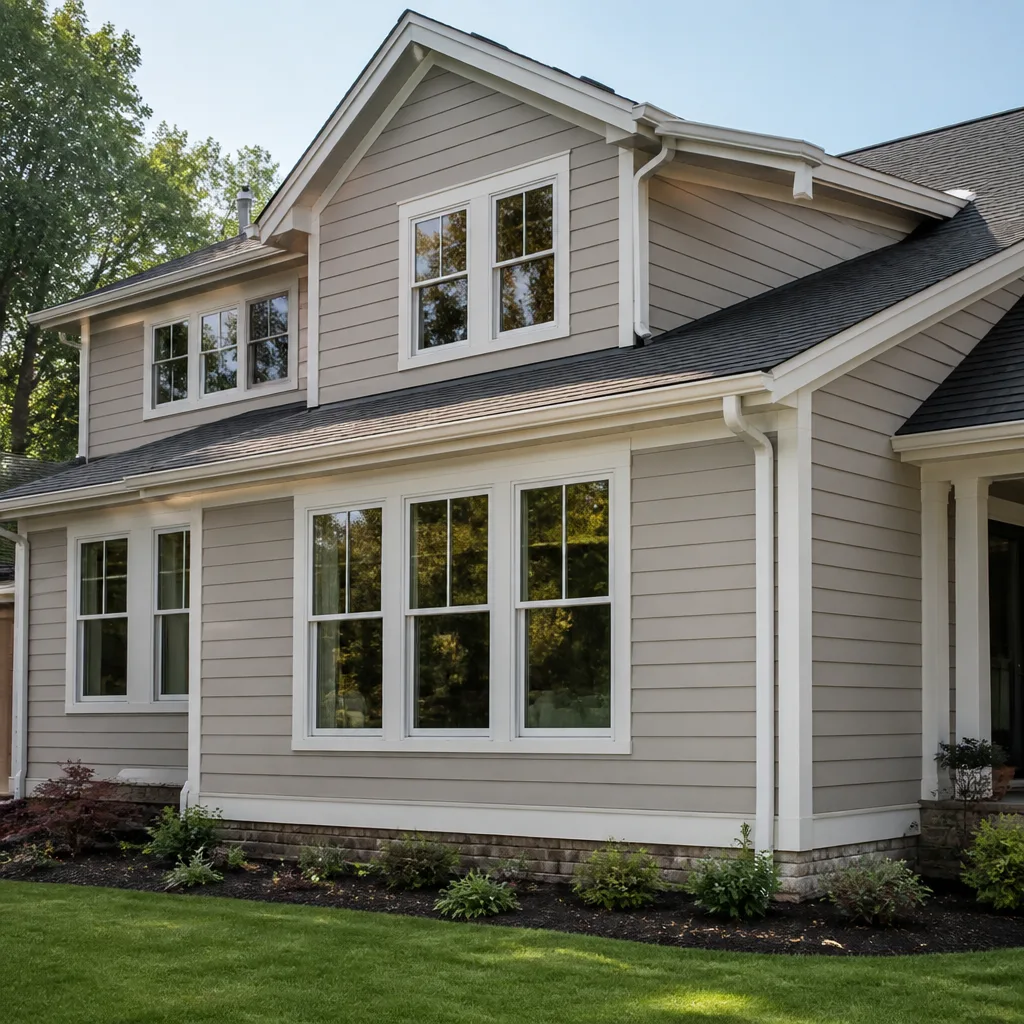
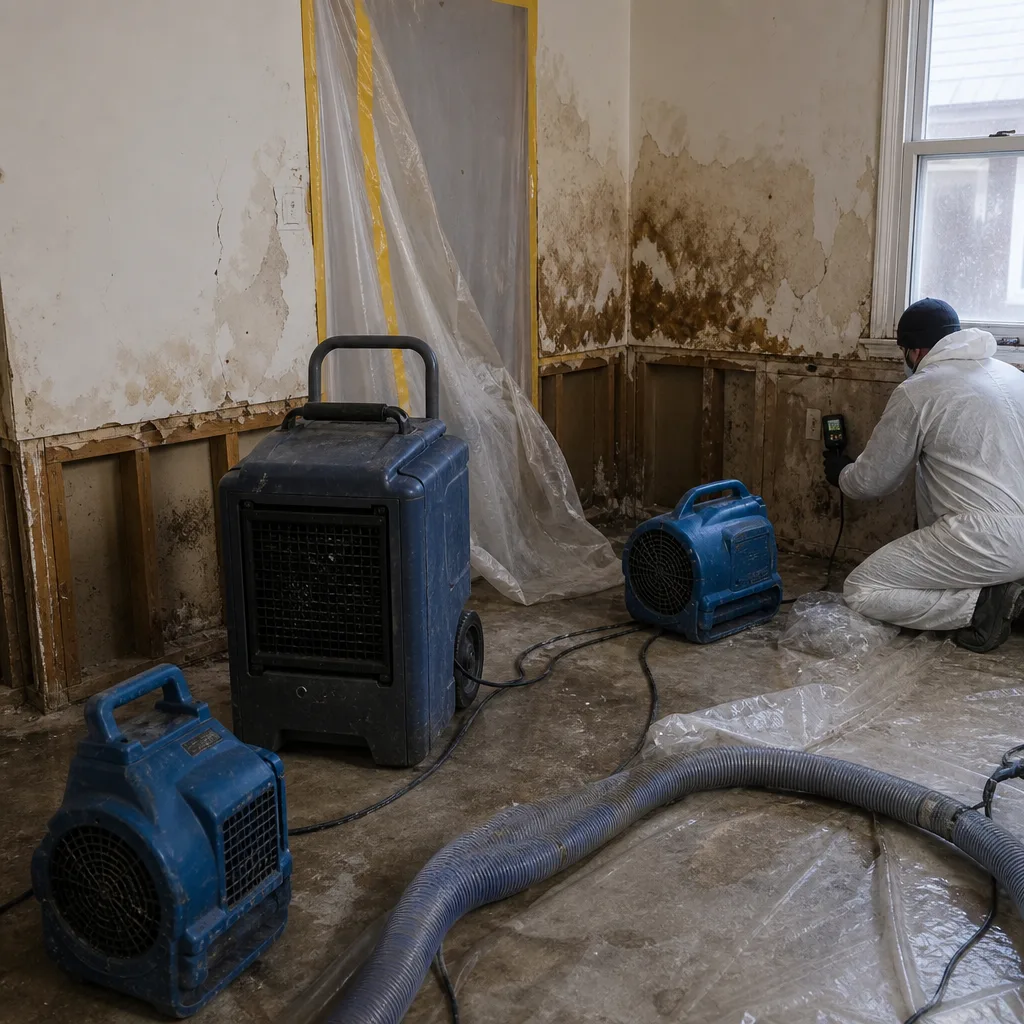 Before
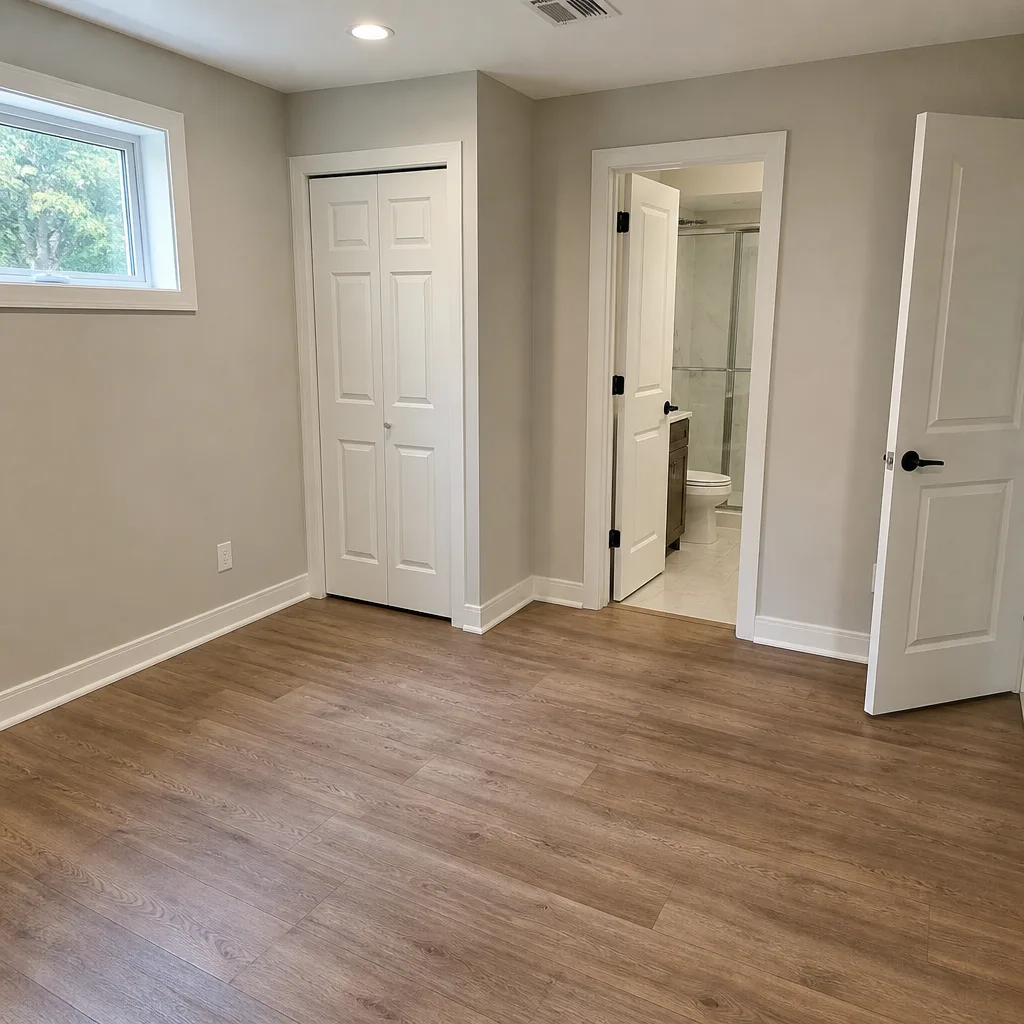 After
After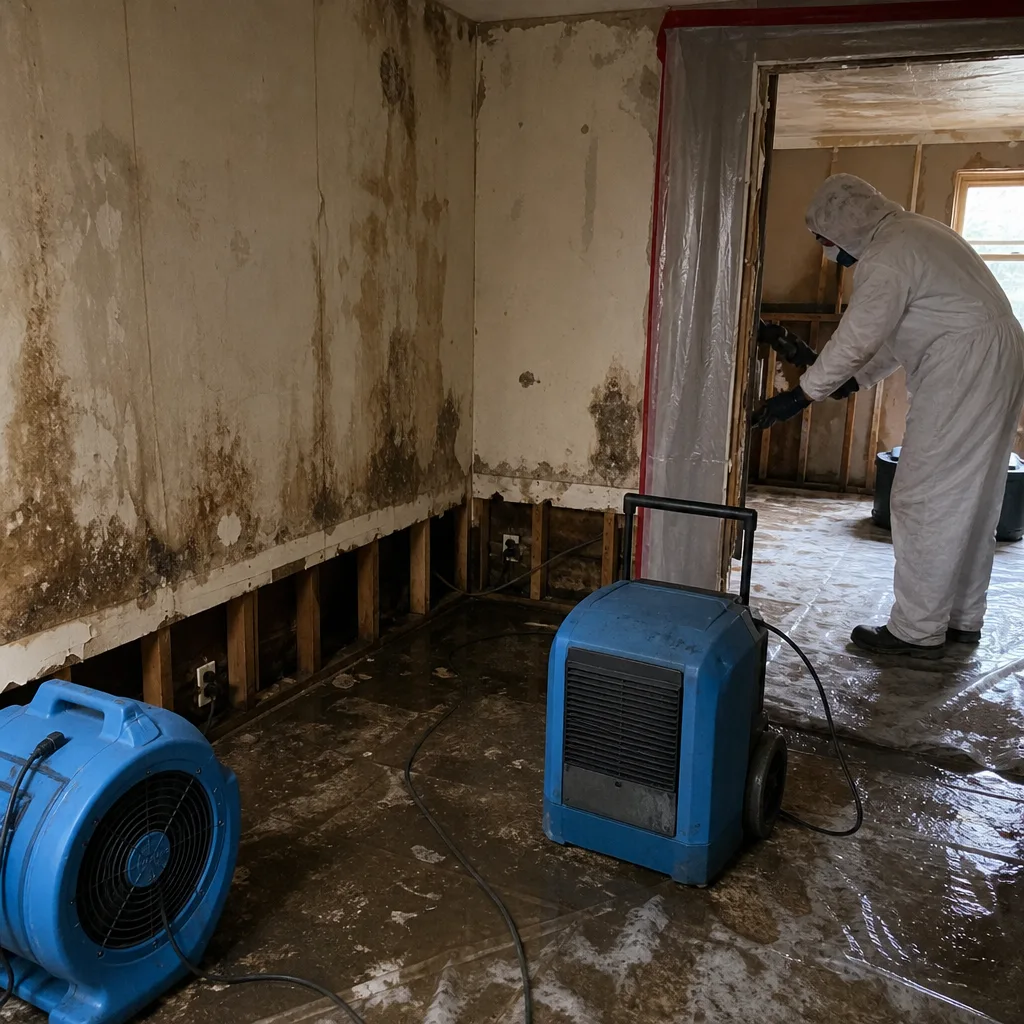 Before
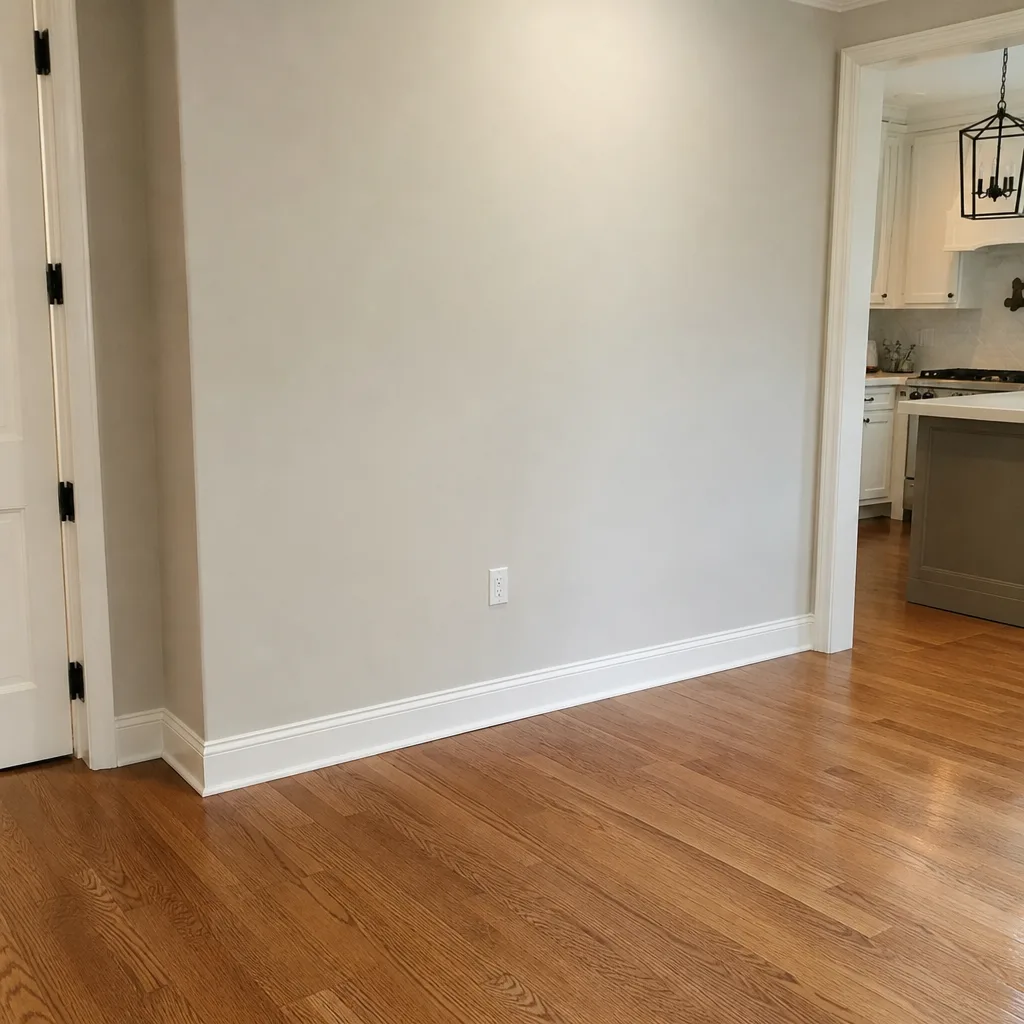 After
After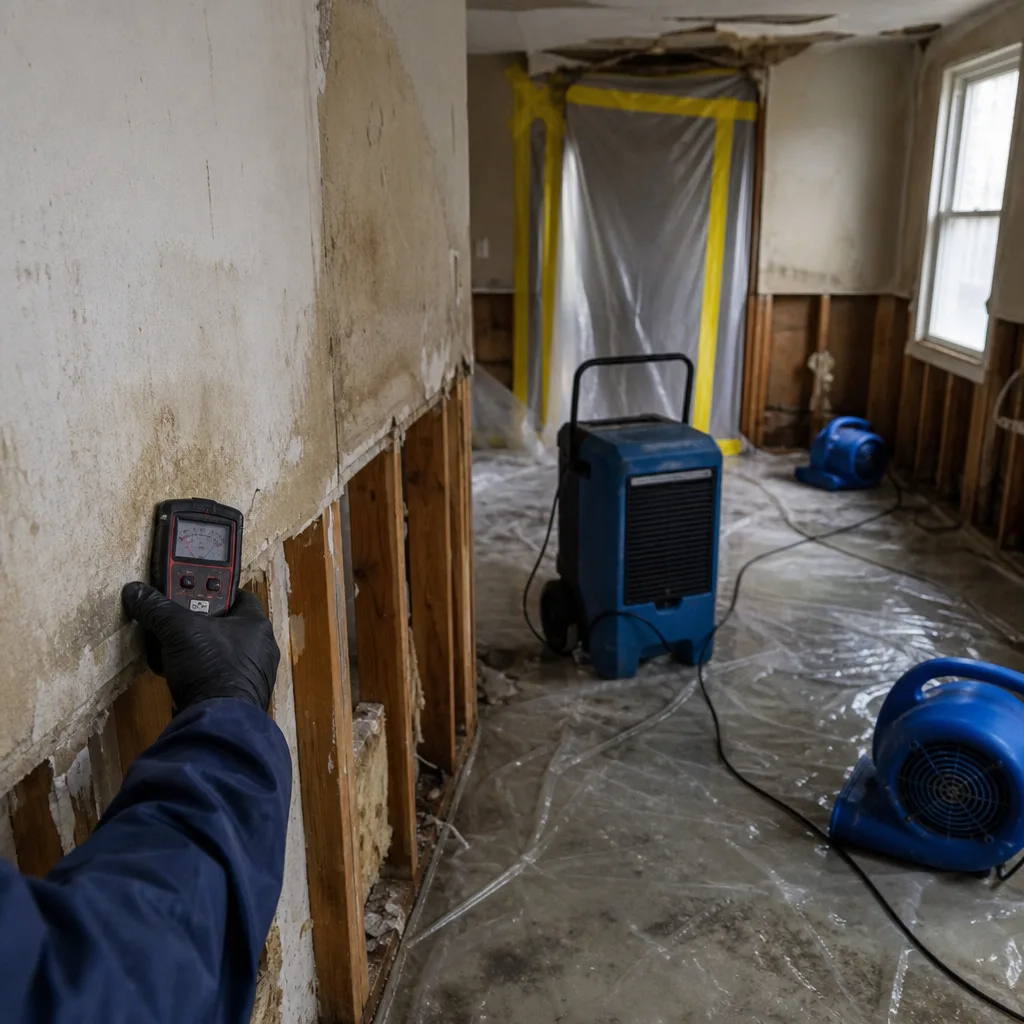 Before
 After
After24/7 Emergency Sewage Cleanup in Elmhurst
Raw sewage backing up into an Elmhurst basement is a Category 3 water event that needs immediate professional attention, not a mop and a fan. We answer live 24 hours a day at (363) 999-0829, and our certified crews reach most Elmhurst addresses within 45 minutes of your call. The first hour matters because sewage bacteria multiply quickly and begin migrating into porous materials like drywall, wood subflooring, and the shared masonry walls so common in Elmhurst’s attached brick row houses. A free visual inspection tells you in twenty minutes whether you’re looking at a contained cleanup or a full black-water remediation with structural drying. Either way, you’ll know exactly what the job involves before any work begins.
Key Takeaways
- Elmhurst’s combined sewers push raw sewage up through basement floor drains during heavy rain, making black-water protocols the default here.
- Most sewage cleanup jobs in Elmhurst run $1,800 to $6,500 depending on how far the water migrated and whether containment into adjacent units is needed.
- We bill your insurance carrier directly and document every step for a clean claim.
- Attached row houses mean your neighbor’s unit may need containment too, even if the backup started in your basement.
Understanding Sewage Cleanup Severity in Elmhurst Properties
Sewage backup is Category 3 water: it contains pathogenic, toxigenic, or otherwise harmful agents. That puts it in a different class from a burst supply line (Category 1) or a washing machine overflow (Category 2). The protocols are different, and skipping them leaves behind bacteria, viruses, and a mold bloom that starts within 48 hours in Elmhurst’s humid summers. We use moisture mapping with thermal imaging and hygrometers to find where the sewage water traveled, because in a 1920s brick row house on Judge Street or a 1950s two-family on Britton Avenue, water doesn’t just sit where you can see it. It wicks up gypsum board, travels under tile, and migrates laterally through common walls into the next unit. That’s why our crews always check the neighbor’s side when the building is attached, and why we set physical containment before we start moving air.
Why Elmhurst Property Owners Choose Floodline Restoration Co.
- 45-minute response commitment - We dispatch from our New York City office with crews that know Elmhurst’s streets, from Broadway to Queens Boulevard, and we’ll be there when we say.
- A real person answers, day or night - Live dispatch picks up at 2 a.m. during a nor’easter. No answering service, no recording, no “we’ll call you back tomorrow.”
- IICRC-certified crews - Our technicians carry WRT, FSRT, and AMRT certifications and follow the most current sewage remediation standards for Category 3 water.
- Free visual inspection - A thorough assessment of the damage, the moisture path, and the scope, with no obligation and no pressure.
- Direct insurance billing - We handle claim documentation and talk to your adjuster directly. You don’t play messenger between us and the carrier.
- One team from extraction to reconstruction - The same certified crew that extracts the sewage is the crew that rebuilds the wall, hands you the moisture log, and stands behind the work with our 90-Day Done Right Promise in writing.
Our Sewage Cleanup Process
Inspection & Assessment
We arrive, walk the loss site with you, and map the moisture. Sewage water in Elmhurst row houses moves through common walls and under flooring, so we use thermal imaging and penetrating moisture meters to find every pocket, including in the adjacent unit if the building is attached. You get a written scope and a firm price before we start.
Extraction & Stabilization
Using professional-grade extraction equipment, we remove standing sewage and contaminated solids from the affected area. For black water, we also remove saturated porous materials like carpet, pad, and damaged drywall, because those cannot be sanitized back to safe condition.
Containment & Air Filtration
Before we start drying, we set physical containment with poly barriers and run HEPA air scrubbers to stop contaminated air from spreading into living spaces or the neighbor’s side of a shared wall. In Elmhurst’s attached housing stock, this step prevents a single-unit backup from becoming a building-wide problem.
Drying & Dehumidification
We place XPOWER air movers and Dri-Eaz or Phoenix dehumidifiers to dry the structure to the dry standard, with daily moisture readings logged until the numbers are right. You get the log, and so does your carrier. No guesswork, no “should be dry by now.”
Cleaning, Sanitization & Antimicrobial Treatment
Every affected surface gets a hospital-grade antimicrobial application appropriate for Category 3 water. That includes floor drains, wall cavities we’ve opened, and the slab or subfloor under the backup point. In Elmhurst basements with finished rooms, we treat the full cavity, not just the visible surface.
Repairs & Restoration
The same Floodline crew rebuilds what we removed, from drywall and baseboards to flooring and any framing that could not be dried. Reconstruction is scoped, scheduled, and priced in writing like a remodel. When the job is done, it’s done-and the 90-Day Done Right Promise covers it.
Need Emergency Sewage Cleanup in Elmhurst Now?
Crews minutes away, answering live 24 hours a day. The sooner we start, the less it costs.
Working With Your Insurance Company
Most Elmhurst homeowner policies cover sudden and accidental sewage backup, but the claim has to be documented properly from the first hour. We photograph everything, room by room, before we move a single piece of equipment. We take moisture readings, log them daily, and submit a detailed, line-item scope of work your adjuster can read without asking a dozen follow-up questions. Direct adjuster communication is standard for our Sewage Cleanup team, so you’re not stuck translating between us and the carrier. If your policy has a backup endorsement or a specific sewage rider, we’ll work within those terms and bill the carrier directly wherever your coverage allows.
What We Provide Your Insurer
- Thorough documentation of the loss
- Photos of all damage, room by room
- Moisture readings and drying logs
- A detailed, line-item scope of work
- Direct coordination with your carrier
Built for Elmhurst’s Loss Calendar
Elmhurst doesn’t have a flood season. It has a sewer backup season, and that season is year-round. Intense summer thunderstorms hit the neighborhood’s nearly impervious pavement and overwhelm the combined sewer system within minutes, sending Category 3 water up through basement floor drains across the neighborhood, from the rowhouse blocks near Elmhurst Avenue to the apartment buildings around the Queens Center Mall corridor. Nor’easters in fall and winter bring the same failure mode with longer duration, because the ground is saturated and the city’s aged combined sewers simply don’t have the capacity. Winter adds another layer: a frozen or thawing service line on a property built before 1950 can crack and leak, and then the first heavy rain pushes sewage into the same low point. We respond to Elmhurst sewage backups in August heat and February freezes. The protocol doesn’t change by season; the urgency does, because mold moves faster in July humidity than it does in January.
Sewage Cleanup Across Elmhurst’s Neighborhoods
Elmhurst’s housing stock changes block by block, and so does the way a sewage backup behaves. In the dense two- and three-story brick rowhouses south of Queens Boulevard near the Newtown High School area, a floor-drain backup in one basement travels fast into the shared masonry wall and shows up as damp baseboards next door. Around the commercial corridor near the Queens Center Mall, we see more mixed-use buildings where a toilet overflow in a second-floor apartment drips into the storefront below. East of Broadway near St. James Episcopal Church and the blocks around Moore Homestead Playground, older two-family homes often have finished basements that went decades without a backup, leaving homeowners unfamiliar with how quickly Category 3 water wets out drywall. In the walk-up apartment buildings along Justice Avenue and Whitney Avenue, informal basement units mean a backup can go unreported for days, and by the time we arrive, the job is a full black-water remediation with advanced mold load rather than a quick dry-out. Our crews know the streets, the building ages, and the failure patterns. That local knowledge cuts hours off the response.
Specialized Sewage Cleanup Services We Offer in Elmhurst
Sewage Backup Cleanup
The most common call in Elmhurst after heavy rain: a floor drain in a basement or cellar starts gurgling, then pushing up black water. We extract, remove contaminated materials, sanitize the drain and surrounding surfaces, and dry to the standard, with containment if the building shares a wall. This is not a mop-and-fan job. It’s a Category 3 remediation, done to IICRC standards.
Black Water Extraction
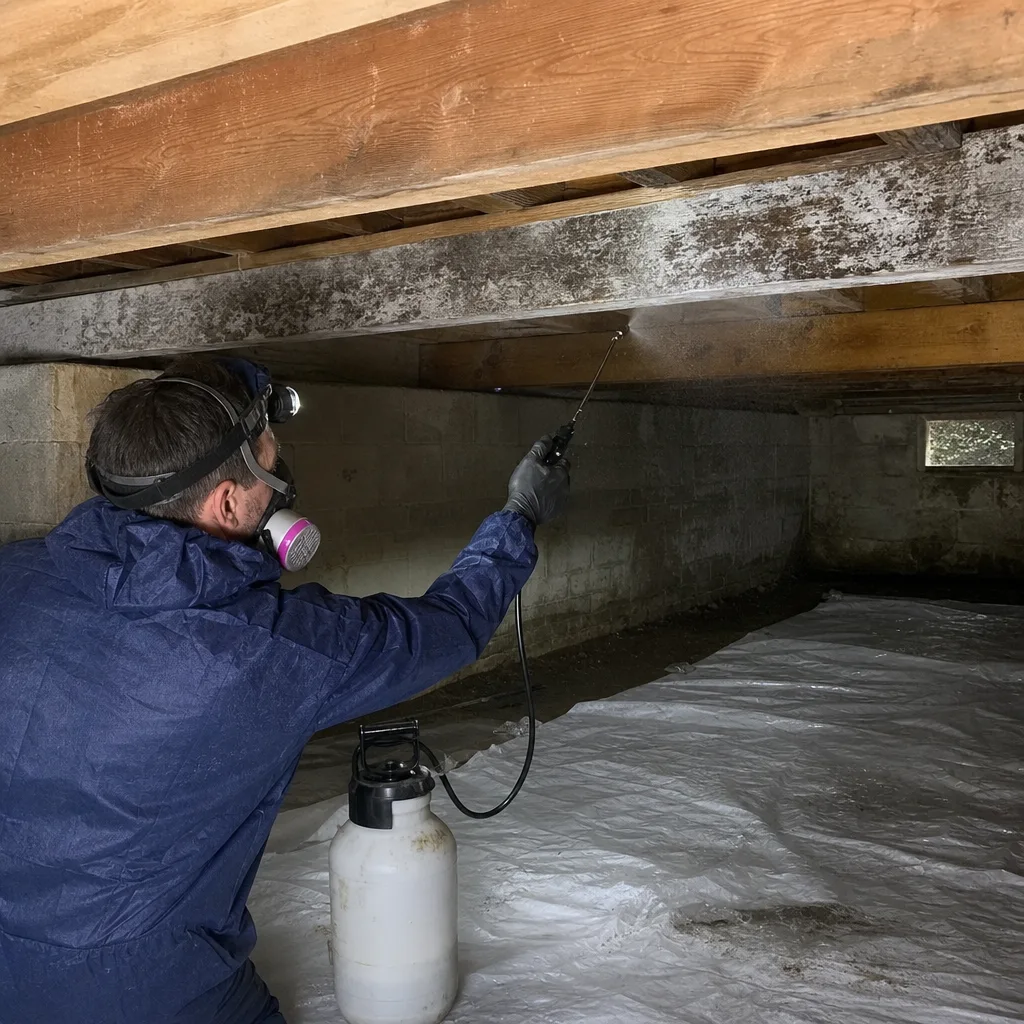
Black water is sewage water: it carries pathogens and cannot be treated like clean water. We extract standing black water with professional-grade pumps and vacuums, then remove the porous materials it touched. In Elmhurst basements with old tile over concrete, that often means extracting from the low spots, popping the tile, and treating the slab underneath because the sewage found its way under the floor.
Sanitization & Disinfection
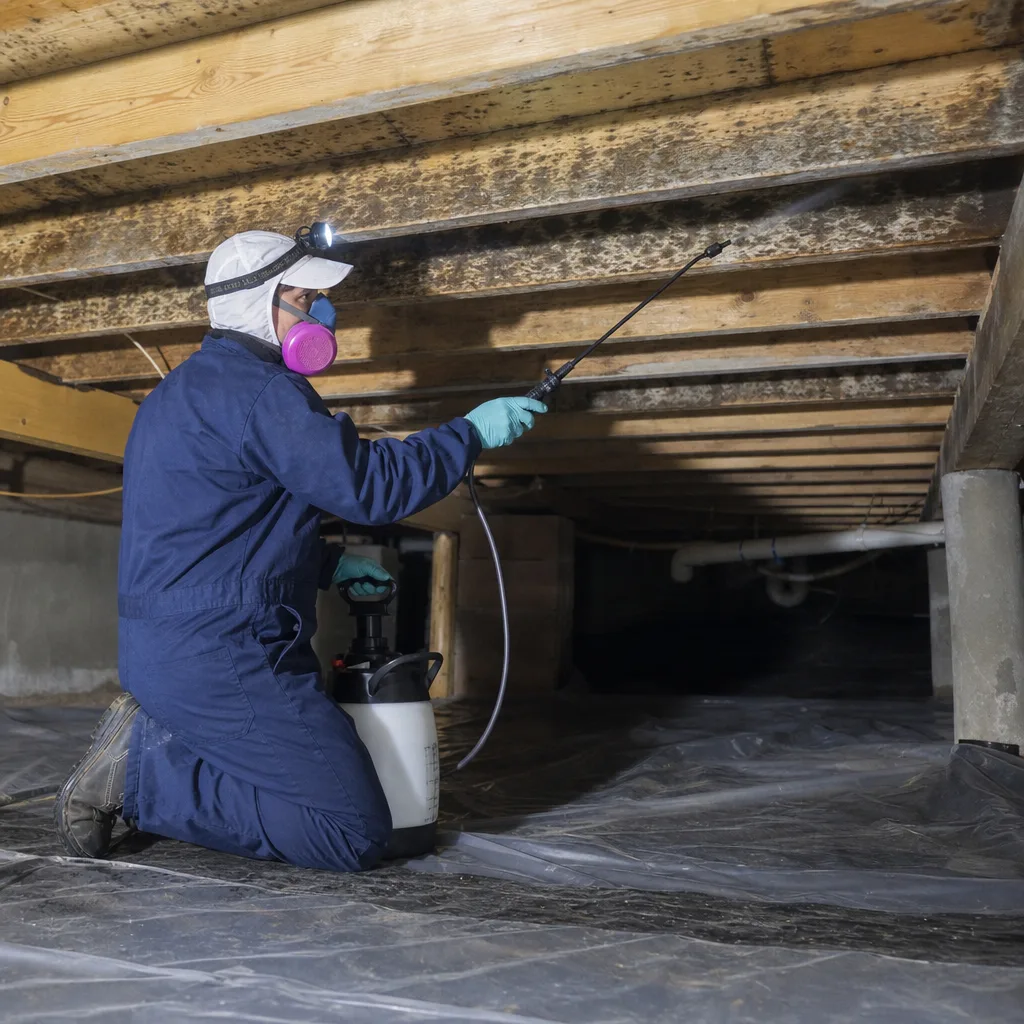
After extraction and removal, every remaining surface gets an antimicrobial treatment rated for use on Category 3 affected areas. We treat floor drains, wall cavities, subflooring, and any framing exposed during demolition. This step is what separates a real sewage cleanup from a cosmetic one that leaves a mold problem behind the baseboards.
Toilet Overflow Cleanup
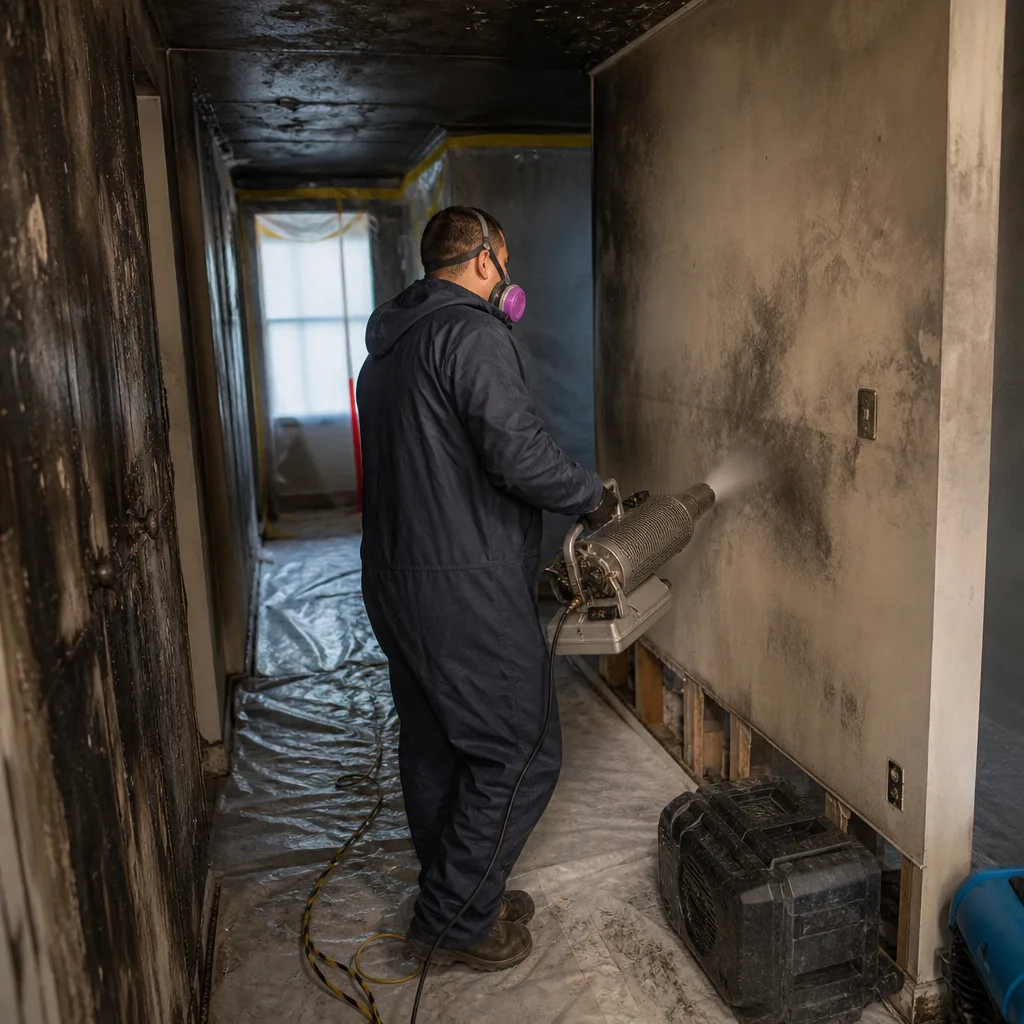
Not every overflow is a full-scale sewer backup, but every toilet overflow in a basement or first-floor bathroom involves Category 3 water. We clean, sanitize, and dry the affected room quickly, and if the overflow traveled into an adjacent wall or below-grade space, we map the moisture and treat the full path.
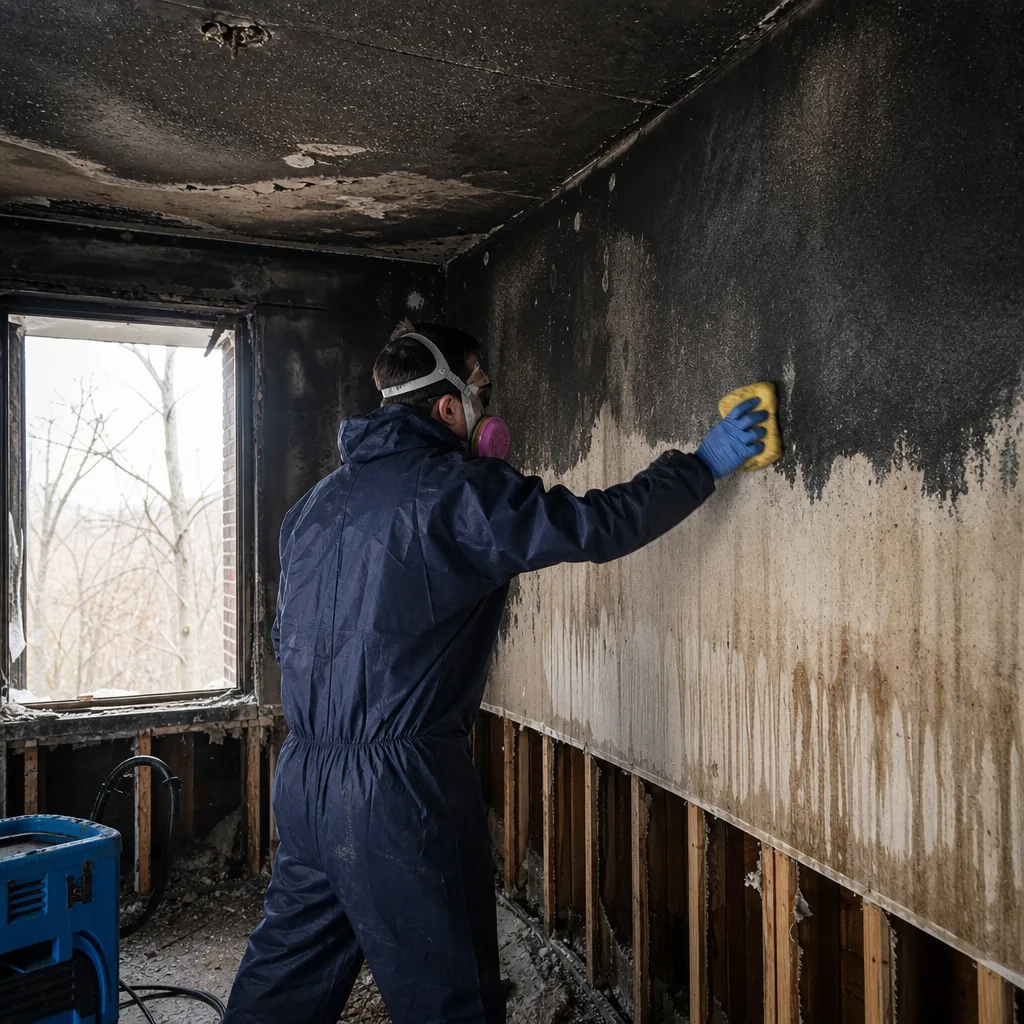
Septic Failure Cleanup
Less common in Elmhurst than combined-sewer backups, septic failures do occur in the few properties with on-site systems further from the main sewers. A failed septic line can saturate soil and wick moisture into foundation walls, and cleanup means more than pumping: it means addressing the contaminated soil contact and drying the affected structure correctly.
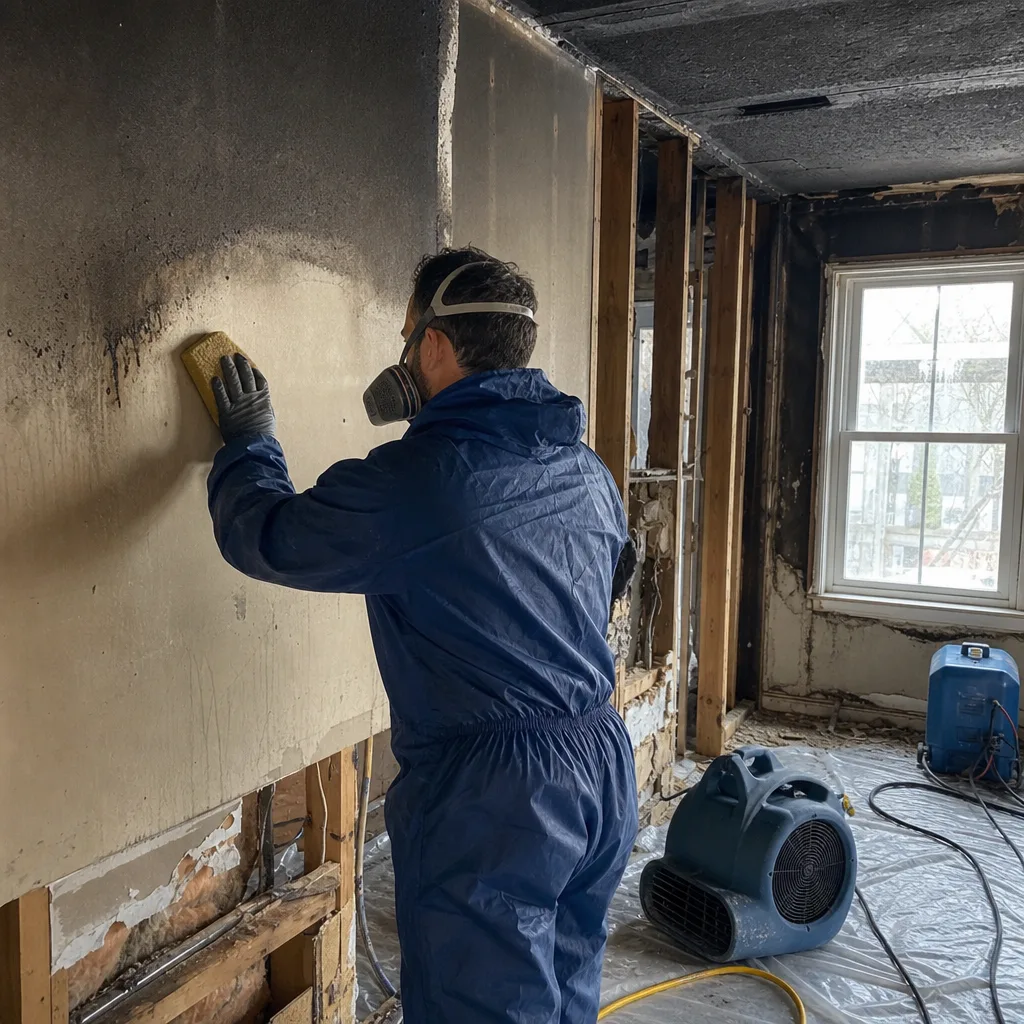
What happens when you call
- 1
A real person answersNo phone trees - you reach a local pro.
- 2
You get an upfront price rangeHonest numbers before anyone is dispatched.
- 3
A background-checked tech heads outLicensed & insured, dispatched right away.
- 4
You approve before work beginsNothing starts until you say go.
Sewage Cleanup Costs in Elmhurst, NY
A typical sewage backup cleanup in Elmhurst runs $1,800 to $4,500 for a contained single-room basement event where the backup was caught within hours and the affected area is mostly unfinished. Finished basements and apartments with drywall, flooring, and insulation to remove run $3,500 to $6,500. Full black-water remediations in attached brick row houses where sewage migrated into a shared wall or a neighbor’s unit run $6,000 to $12,000+, because containment, moisture mapping, and multi-party dry-out add real hours and real equipment. What moves the price most in Elmhurst is timing: a backup reported within the hour costs far less than one that sat for two days and grew a mold load. Insurance often covers the majority of a sudden and accidental backup claim, subject to your policy’s backup endorsement and deductible. We offer a free visual inspection so you know the firm number before work starts. No surprises on the bill.
Current offers: $50 Off Any Repair Over $250, the $89 Seasonal Tune-Up, and the Senior & Veteran 5% Discount always apply to qualifying work. Mention any of them when you call (363) 999-0829.
We Also Serve Cities Near Elmhurst
Our crews work throughout central Queens, including Corona, Jackson Heights, Middle Village, and Maspeth. If you’re in one of those neighborhoods and dealing with a sewage backup, the same certified team, the same 45-minute response commitment, and the same written 90-Day Done Right Promise apply. Call (363) 999-0829 and a live dispatcher picks up.
Elmhurst Sewage Cleanup Questions, Answered
What makes sewage cleanup in Elmhurst different from water damage from a burst pipe?
Sewage cleanup in Elmhurst involves Category 3 water, which means pathogens, not just moisture. The difference is that a burst supply line leaks clean water that can often be dried in place, while a sewer backup requires removal of contaminated porous materials, antimicrobial treatment, and containment. Elmhurst’s combined sewer system makes these backups a recurring event, so our crews start with black-water protocols, not standard water-loss procedures. Call (363) 999-0829 to talk through what you’re seeing.
If my basement floor drain backed up during a storm but the water drained away after an hour, is the cleanup still urgent?
Yes, because what’s left behind is sewage residue, not clean water. Even after the water drains, pathogens remain on the floor, in the drain trap, and in any porous material the water touched. In Elmhurst’s humid summers, mold starts within 48 hours. The right move is a sanitization and a quick moisture check, which is far cheaper than a full remediation two weeks later. Call us for a free visual inspection.
Why do Elmhurst basement apartments often need more than just a quick dry-out after sewage backup?
Because many of Elmhurst’s basement apartments are informal units with limited ventilation, finished drywall, and delayed reporting. By the time we arrive, the sewage has typically sat long enough to be absorbed into drywall, carpet, and sometimes the framing. That means full removal of porous materials, cavity treatment, and structural drying, not just extraction and fans. The moisture log we keep through the process documents every reading until the dry standard is met.
Do I need a permit in Elmhurst for sewage cleanup or structural drying?
In most cases, cleanup, extraction, and drying do not require a permit. But if the sewage damage compromises structural framing or requires replacing walls and flooring, that restoration work falls under standard NYC Department of Buildings rules, and permits may be required. We handle the paperwork and coordinate with the city, so you don’t have to sort out DOB requirements yourself. During our inspection we’ll tell you exactly what the job needs.
How do you keep sewage water from spreading into my neighbor’s attached row house in Elmhurst?
Attached brick row houses share common walls, and sewage water migrates laterally through masonry and floor assemblies. We set physical containment on our side, check the neighbor’s side with moisture meters, and document any readings that suggest migration. If the water has crossed the property line, we coordinate with the neighbor and the carrier on a proper multi-party dry-out. That’s standard practice for our Elmhurst crew.
How fast can you actually get to my Elmhurst address?
Most Elmhurst responses happen within 45 minutes of your call, day or night. We dispatch from our New York City office and our crews know the routes through Corona, Jackson Heights, and Middle Village into Elmhurst. A live dispatcher answers at (363) 999-0829 and gets a certified crew moving immediately.
Will my insurance cover sewage backup cleanup?
Most Elmhurst homeowner policies cover sudden and accidental sewage backup, but the coverage is usually tied to a specific backup endorsement or sewer rider, and deductibles apply. We document everything from the first hour, photograph the damage room by room, and bill your carrier directly wherever coverage allows. You won’t be left arguing with an adjuster about what happened.
What should I do in the first 30 minutes after a sewage backup in Elmhurst?
Keep everyone out of the affected area, shut off power to that part of the home if you can do so safely without stepping through sewage, and call (363) 999-0829. Don’t run fans, don’t try to vacuum the water, and don’t pour bleach on it; those actions spread contamination and make the cleanup harder. Keep pets and children away from the area and any surfaces the water touched. A live dispatcher will talk you through the next steps.
Serving Elmhurst, NY - Our Local Coverage Area
We’re based in the Elmhurst area and know this community well. Use the map below to see our service coverage - if you’re nearby, we can almost certainly help.
Elmhurst’s Combined Sewers: The Real Story Behind the Backups
Elmhurst’s flat, low-lying topography and aging combined sewer infrastructure made it one of the hardest-hit interior Queens neighborhoods during Hurricane Ida in September 2021, when sewer backflow, not coastal surge, inundated basement apartments with Category 3 sewage-contaminated water. Unlike nearby beachfront neighborhoods where the damage source is storm surge, Elmhurst’s recurring threat is underground: combined sewers overwhelmed by intense rainfall events that push raw sewage up through floor drains. That single fact changes how every cleanup here should be handled. It means black-water remediation is the default protocol, not the exception, and it means mold follow-up is part of every job because the water sat in finished spaces, not open cellars. Crowded blocks near Elmhurst Hospital, the rowhouse grid around Grand Avenue and 45th Avenue, the apartment buildings near the Grand Avenue-Newtown subway stop; the pattern repeats across the neighborhood whenever the rain comes down hard enough, fast enough.
Last September after a nor’easter, our crew was called to a 1940s brick row house on 45th Avenue near Whitney Avenue where a basement apartment had backed-up sewage through the floor drain for two days before the tenant reported it. By then the water had soaked drywall, the carpet was saturated, and the shared masonry wall was reading wet on our moisture meters three feet up from the slab. Using XPOWER air movers and a Dri-Eaz dehumidifier, we set containment, removed the soaked drywall, and applied antimicrobial treatment. Then we ran moisture mapping with an Injectidry system to track lateral migration into the common wall, which was also damp on the neighbor’s side. That job took a full week of drying, plus reconstruction. A same-day call would have cut the scope by half. In Elmhurst’s attached row houses, sewage water doesn’t stay put. It moves through the building. Our job is to find every inch of where it went, dry it, treat it, and document the whole thing so the claim is solid and the neighbor’s wall isn’t growing mold six months from now.
Elmhurst is dense, with attached two- and three-story brick row houses and small apartment buildings constructed primarily between the 1920s and 1950s. Many have finished or informally occupied below-grade units. This shared-masonry construction means water intrusion and mold routinely migrate laterally through common walls and floor assemblies into adjacent units, complicating containment and creating multi-party restoration jobs even from a single-unit loss. A large share of Elmhurst’s below-grade living spaces are informal basement apartments common in the neighborhood’s dense immigrant community, units with makeshift electrical panels, limited egress, and tenants hesitant to vacate or report damage. Restoration crews working here routinely discover Category 3 sewage events that went unreported for days, producing advanced mold loads that require NYC DEP-compliant large-scale remediation protocols rather than the quick dry-out jobs typical just across the Nassau County line. That’s the reality on the ground in Elmhurst, and it’s why our crews are trained to RIA and IFA standards for exactly these conditions.
If you’re in Elmhurst and you’ve got sewage backing up, a floor drain that isn’t draining, or a basement that flooded during the last storm and has smelled off ever since, call (363) 999-0829 now. A live person answers. A certified crew arrives. And the job gets done right, and backed in writing.
Written by Curt Bowman, Owner at Floodline Restoration Co., serving Elmhurst, NY.