
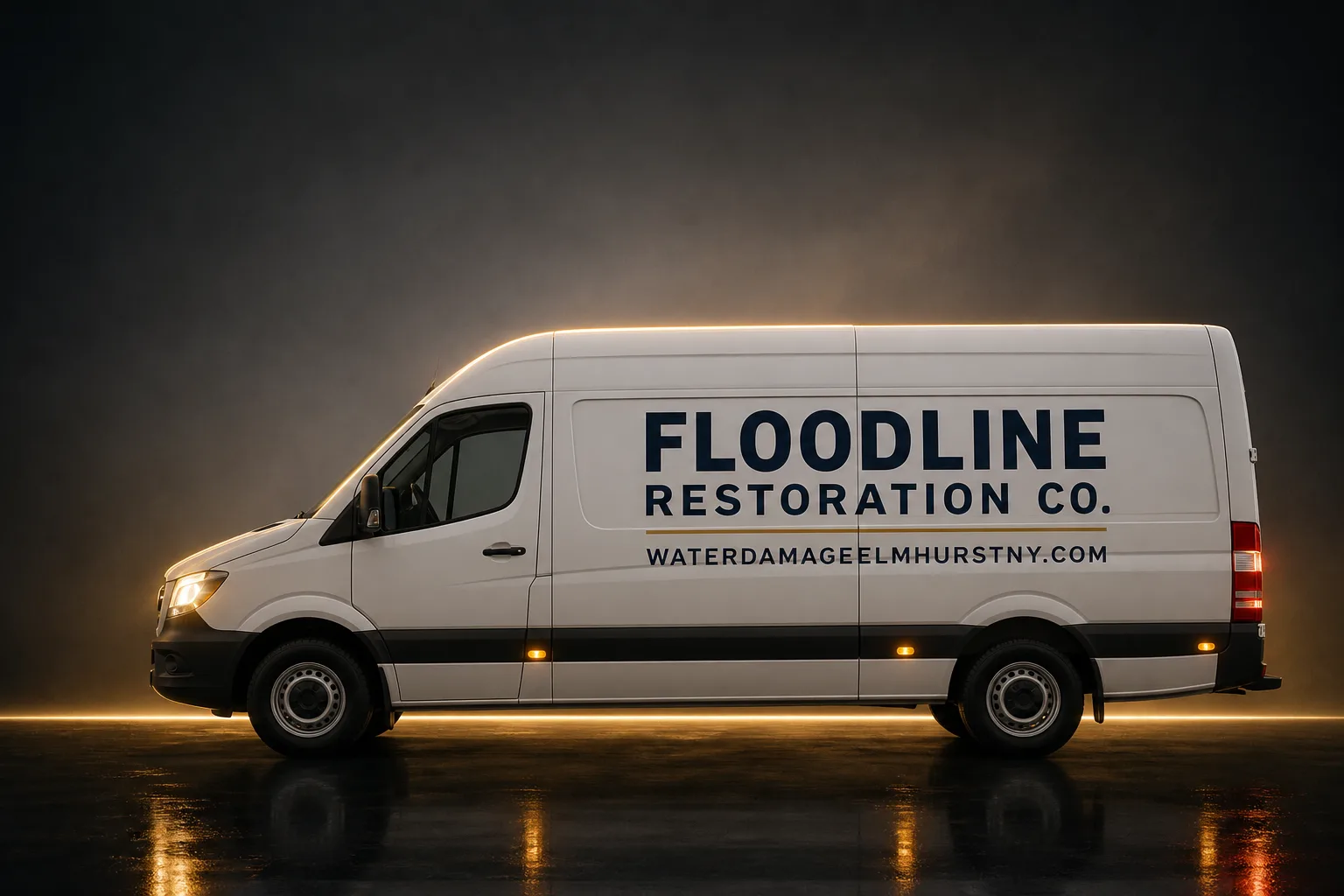
Free visual inspection and a written scope of work before any mitigation begins - photos, moisture readings, and drying logs go in your claim file
The scope we write is the scope we bill. Anything new gets shown to you, in writing, before we touch it.
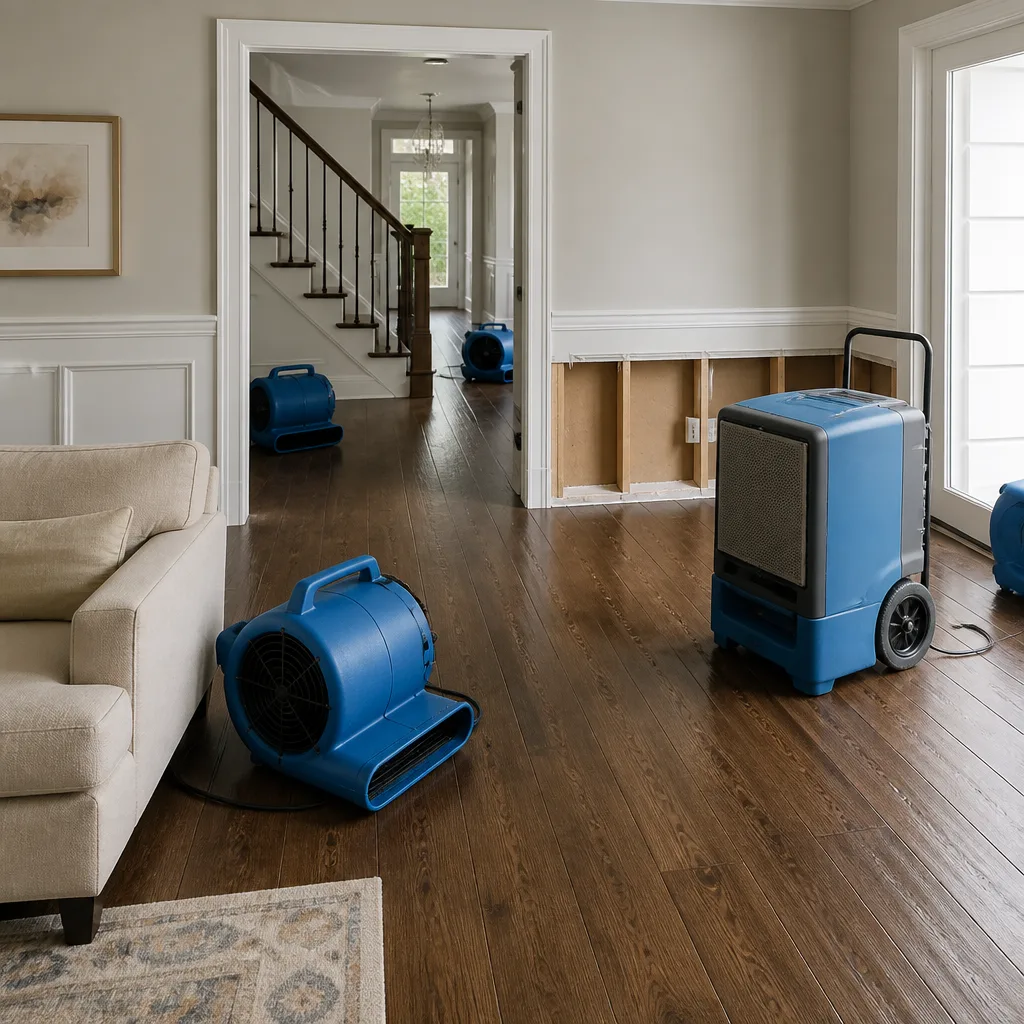
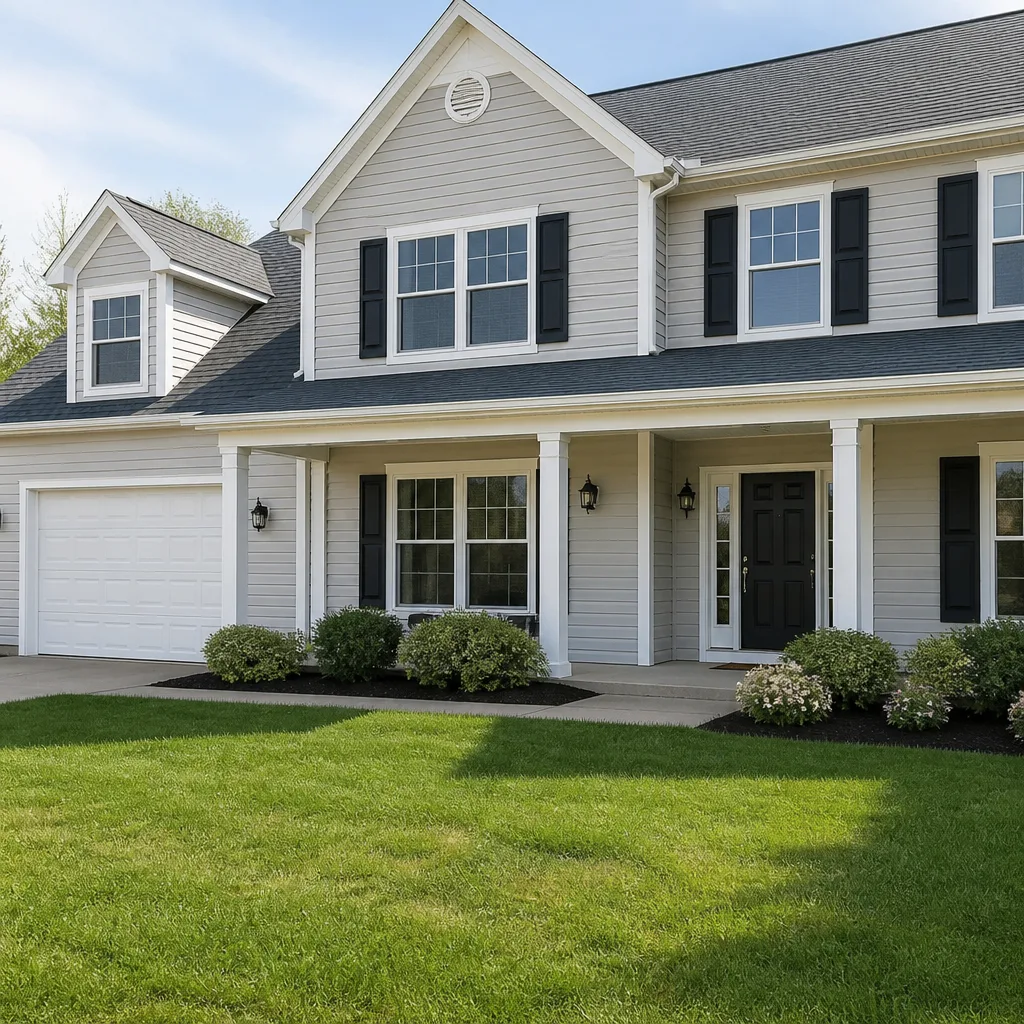
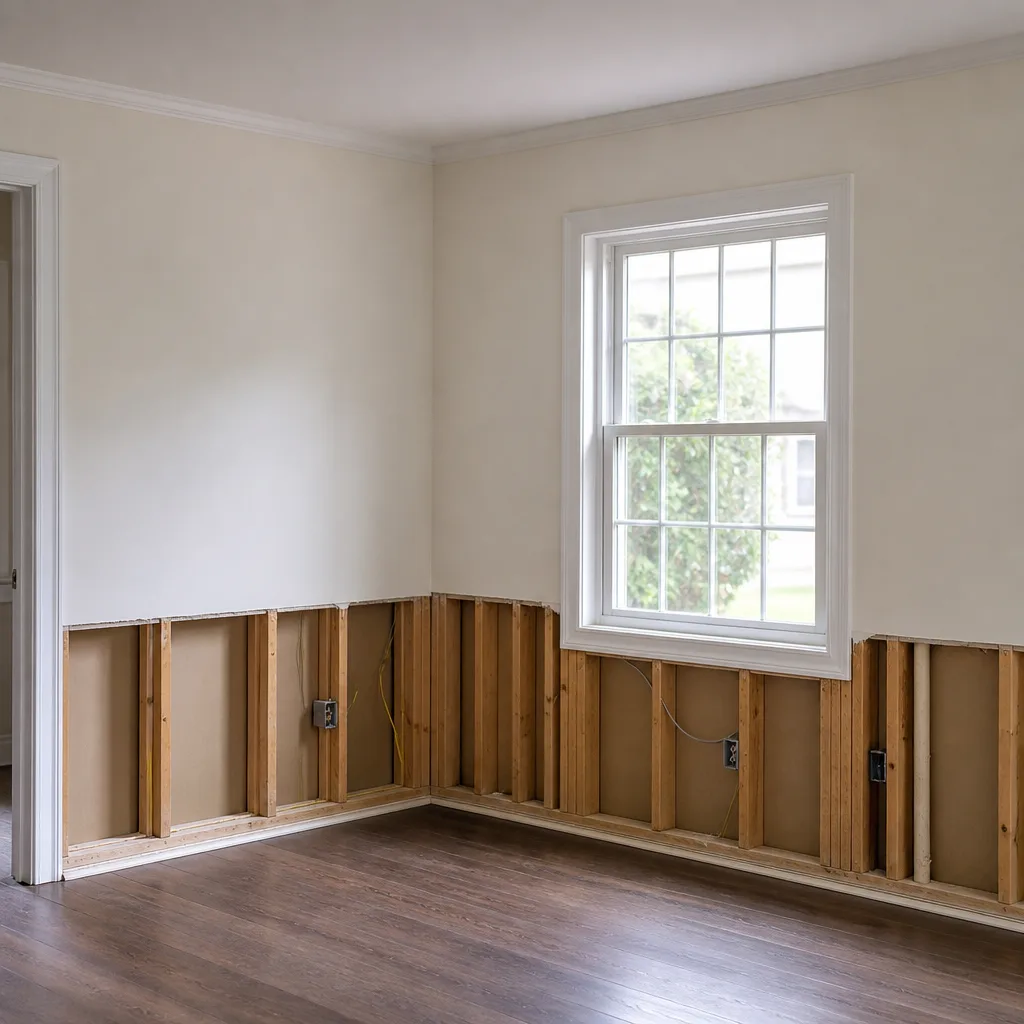
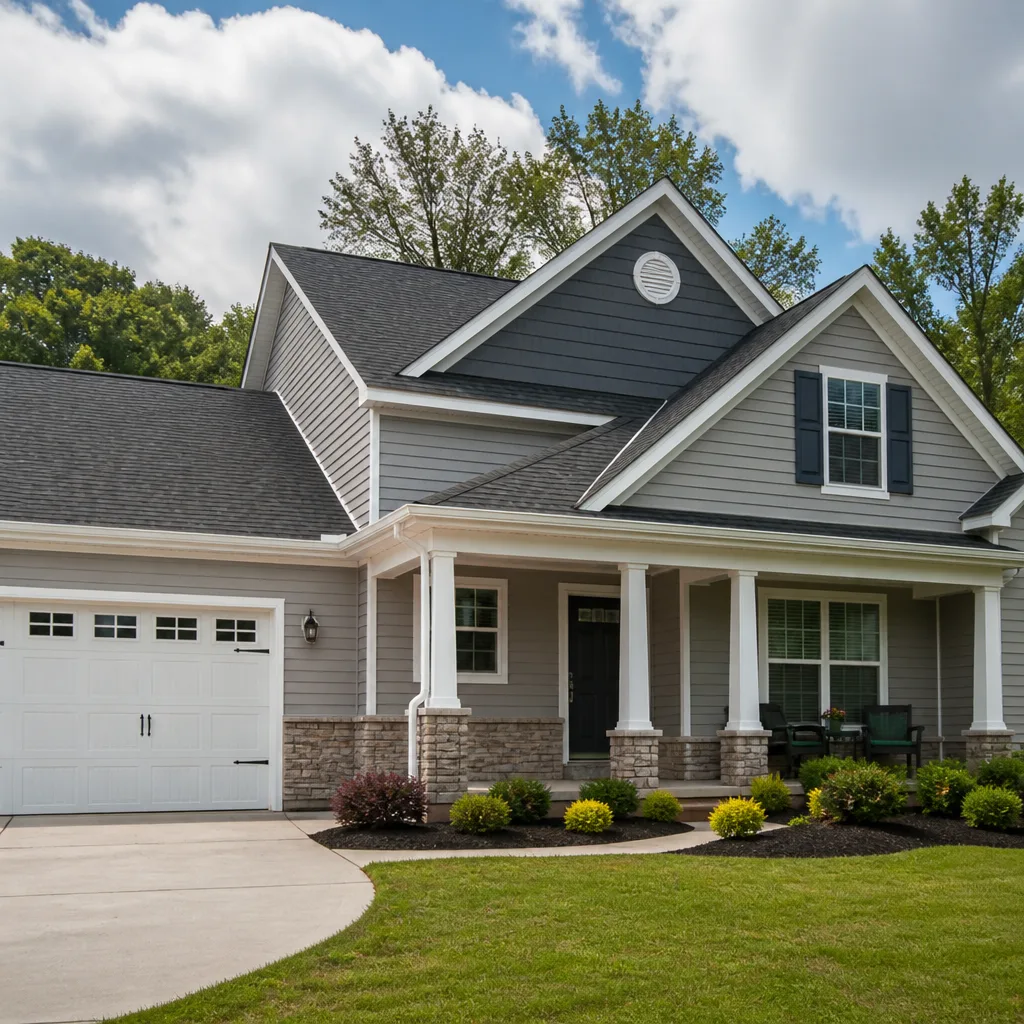
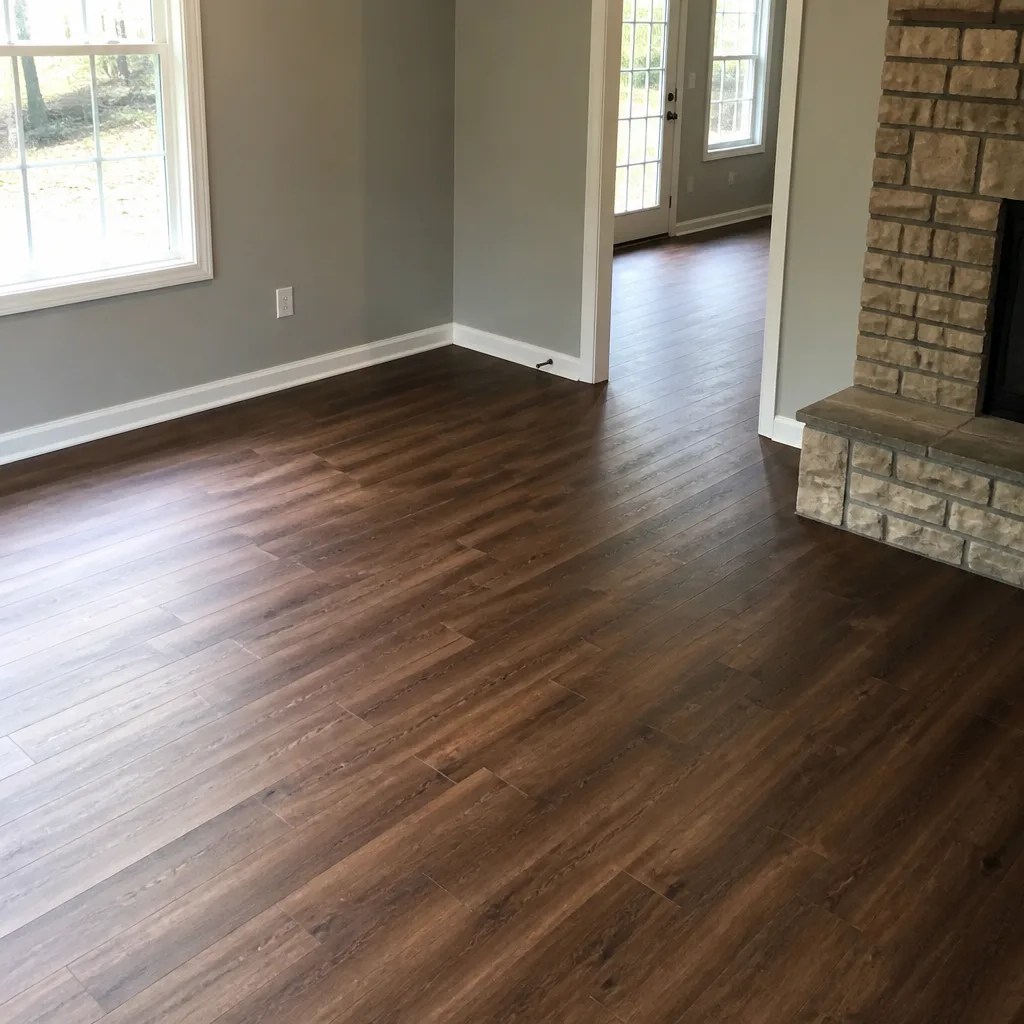
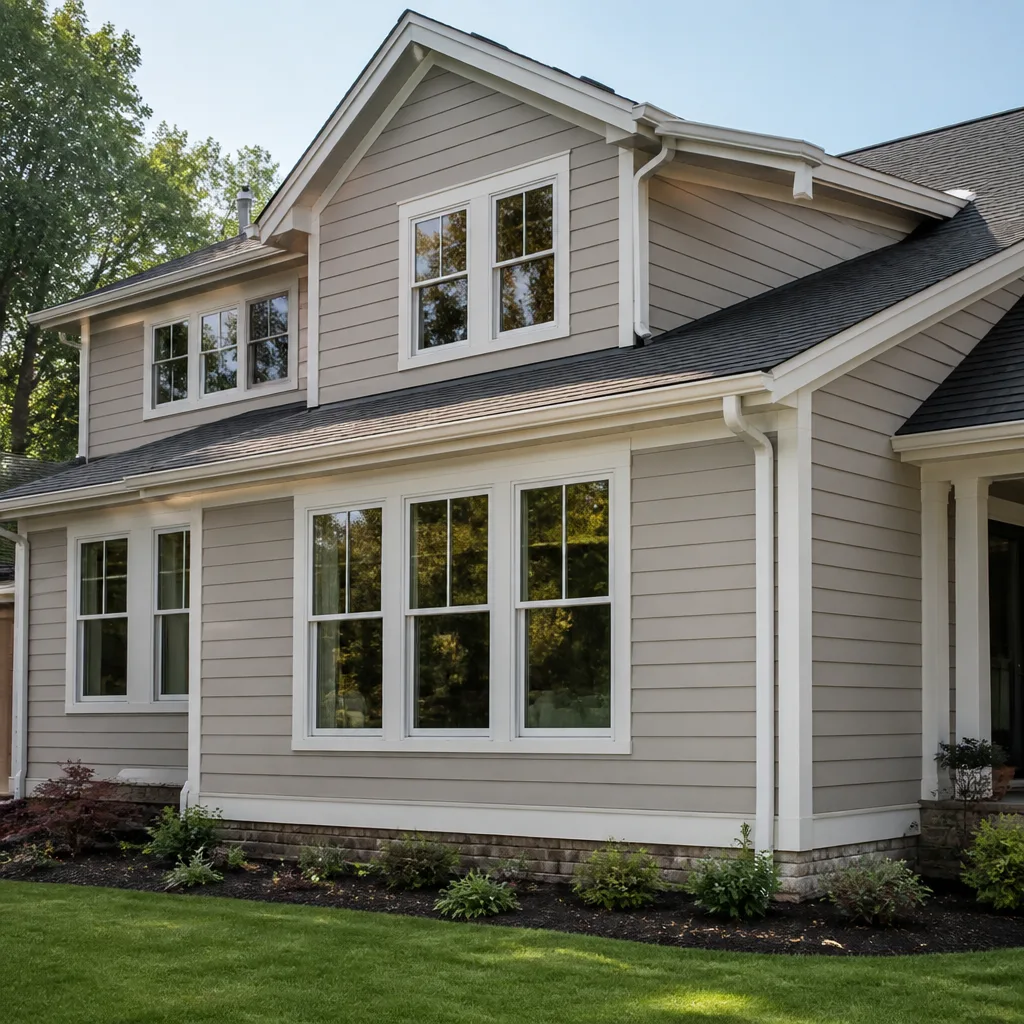
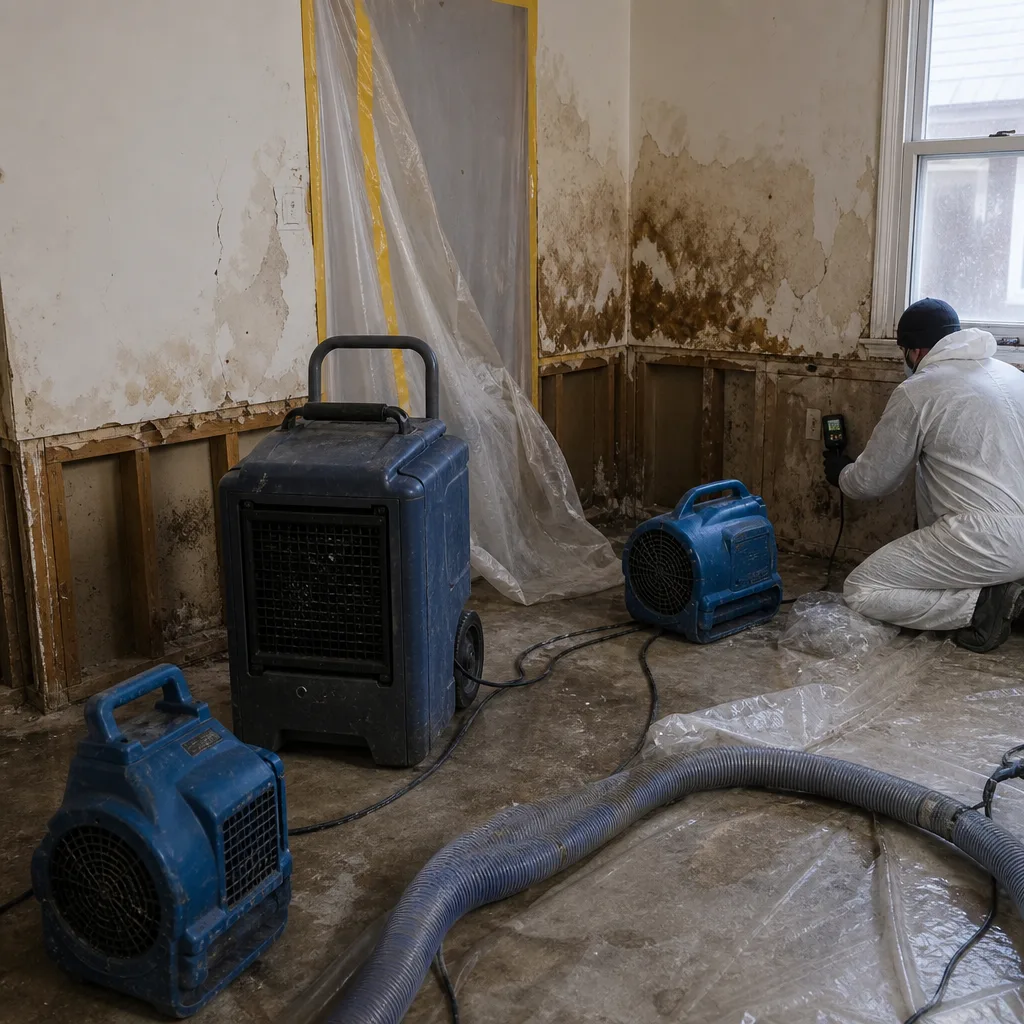 Before
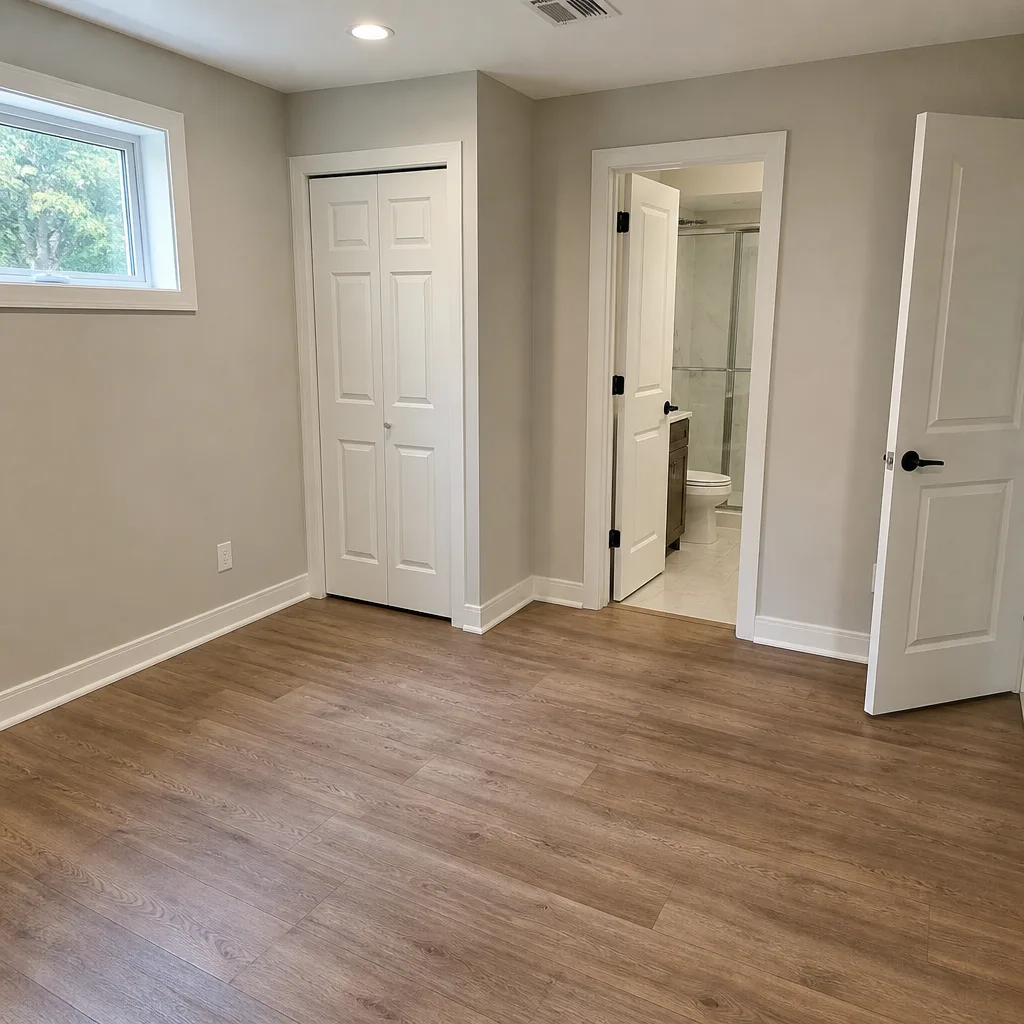 After
After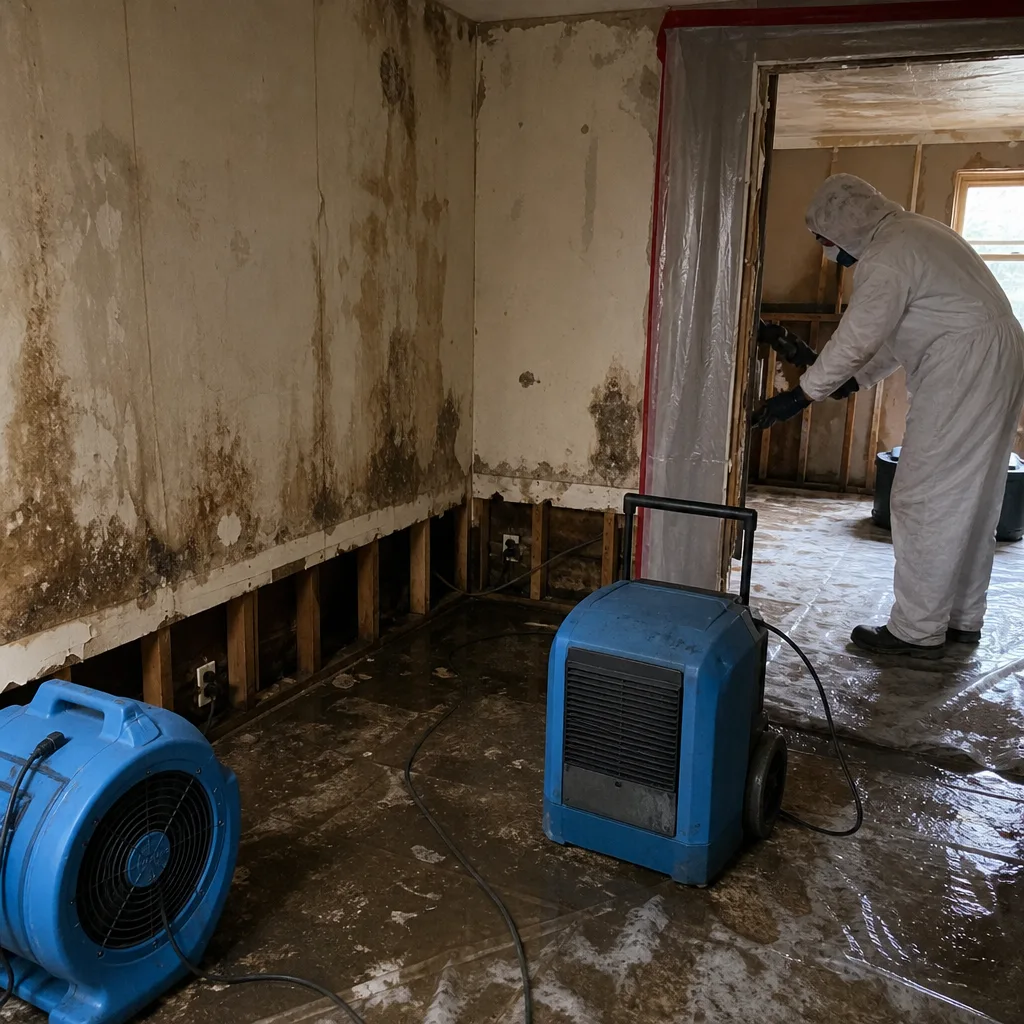 Before
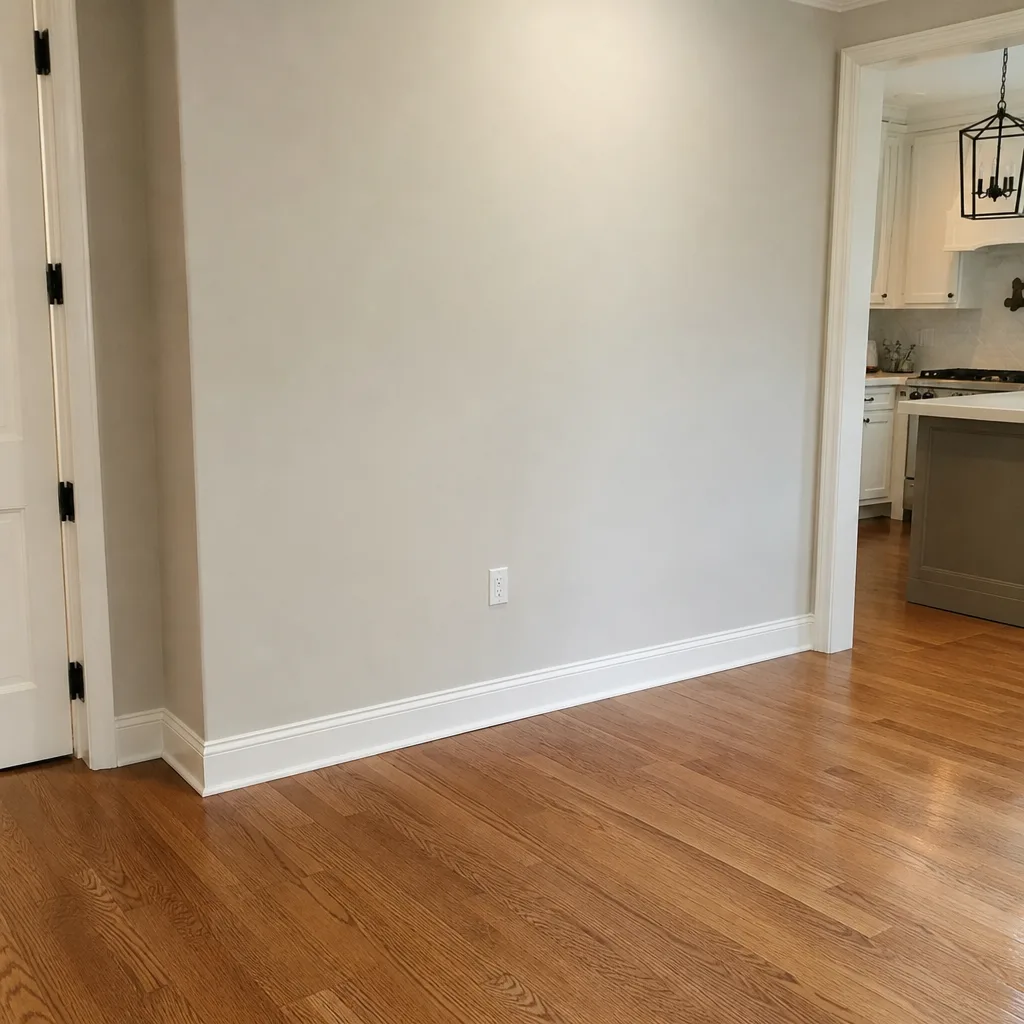 After
After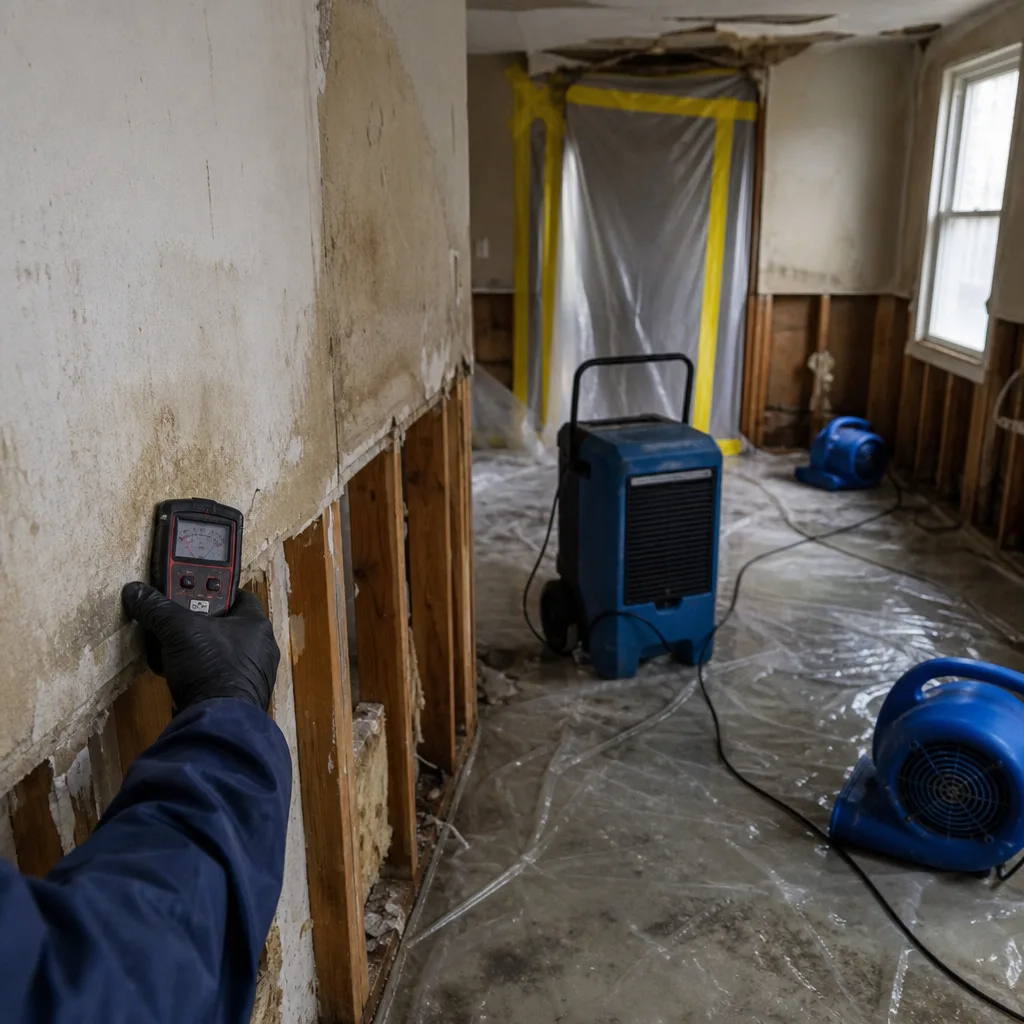 Before
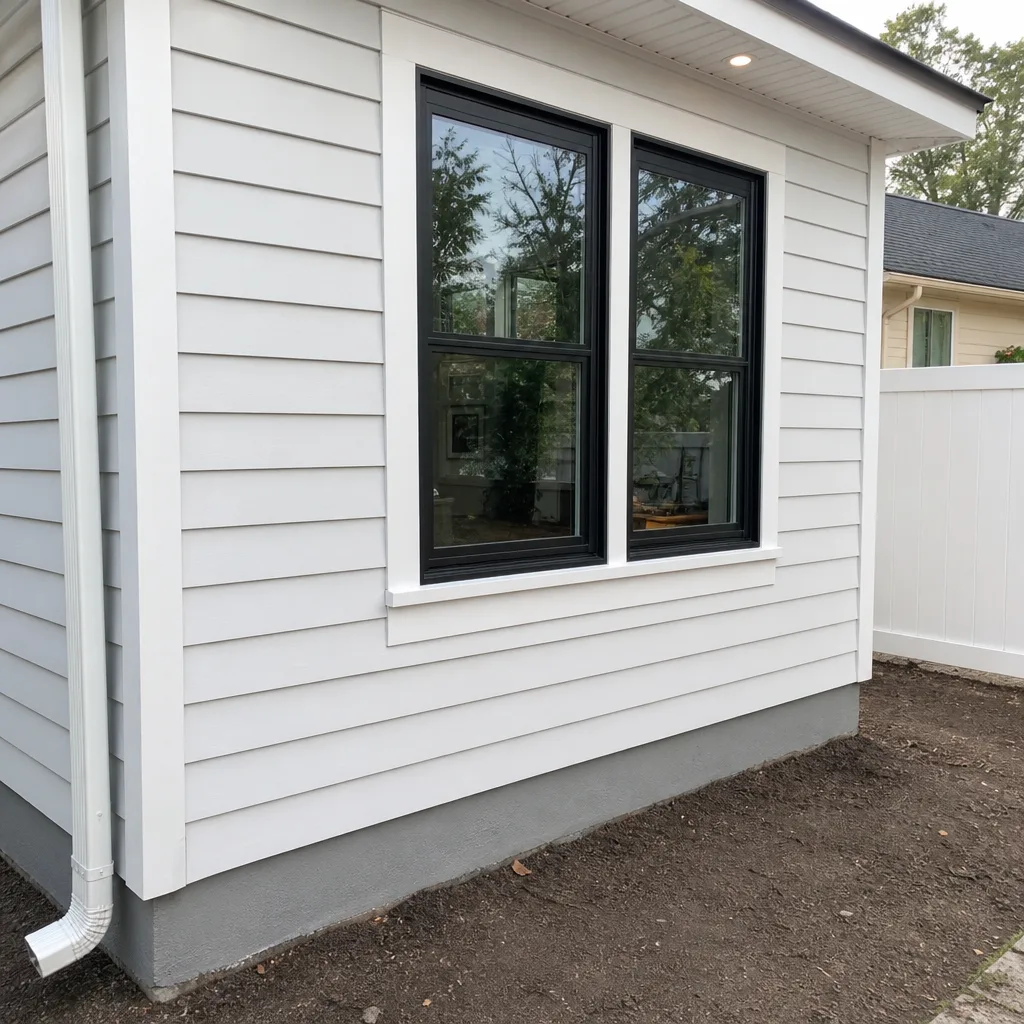 After
After24/7 Emergency Mold Remediation in Forest Hills
Mold remediation in Forest Hills typically costs between $1,800 and $6,500 for a contained removal, and our crews are dispatched into the neighborhood around the clock. Call (363) 999-0829 any hour and you’ll reach a live dispatcher, not a recording. We can have a certified technician on-site within 45 minutes for a free visual inspection, because the first hour after you spot mold is when the problem is smallest and cheapest to fix.
Here’s what most Forest Hills homeowners don’t realize until it happens to them: mold behind a wall in a Tudor Revival or pre-war co-op has usually been growing for weeks or months before you see it. The visible staining is the tail end of a moisture problem. Every day it goes untreated, the colony spreads deeper into plaster, lath, and framing. Our Mold Remediation team starts with moisture mapping, not guesswork, and we keep a written drying log until the job is done right and backed in writing.
Understanding Mold Remediation Severity in Forest Hills Properties
Mold severity comes down to three factors: the size of the affected area, the type of surface it’s rooted in, and the moisture source feeding it. In Forest Hills, we categorize jobs the way the IICRC teaches: under 10 square feet of surface mold on painted drywall is a cleanup job; mold running through plaster, lathe, or behind built-in cabinetry needs containment and full remediation. The distinction matters because surface cleaning without addressing the moisture source means the mold returns within months, usually worse.
Forest Hills’s housing stock makes severity assessment trickier than in newer construction. In the Forest Hills Gardens enclave, century-old Tudor Revival homes have dense lime plaster walls that hold moisture differently than modern drywall. A small discoloration on a plaster wall can signal water traveling down from a failed slate roof valley, with mold spreading through the wall cavity well beyond what’s visible. In the pre-war brick co-ops along Queens Boulevard, we frequently find mold in bathroom and kitchen riser walls where original galvanized pipe has sweated or failed over decades. Both situations require opening walls to know the true scope. A trained eye reads the water damage pattern before making the first cut.
Why Forest Hills Property Owners Choose Floodline Restoration Co.
- 45-minute response commitment - when you call, a real person picks up and a crew is dispatched from our New York City office into Forest Hills immediately, not “sometime this week.”
- 24/7 live answer, always - two in the morning or Sunday afternoon, you get a live dispatcher on the phone, never a voicemail tree. We’ll be there when we say.
- IICRC, RIA, and IFA-certified crews - our techs hold WRT, FSRT, and AMRT certifications, and they’re background-checked and uniformed on every job.
- Free visual inspection - before you spend a dollar, we look, measure, and give you a straight answer about what’s actually needed. A square deal: no surprises on the bill.
- Direct insurance billing - we document everything from hour one and bill your carrier directly. You don’t play messenger between us and the adjuster.
- One team from containment to reconstruction - the same Floodline crew that reads the moisture map on day one rebuilds what needs rebuilding. No mid-job handoff to a stranger.
Our Mold Remediation Process
Inspection & Assessment
We start with a free visual inspection, then use thermal imaging and hygrometers to map moisture behind walls, ceilings, and floors in your Forest Hills home. You get a written scope of work before any wall is opened or any dollar is committed. No surprises.
Containment & Stabilization
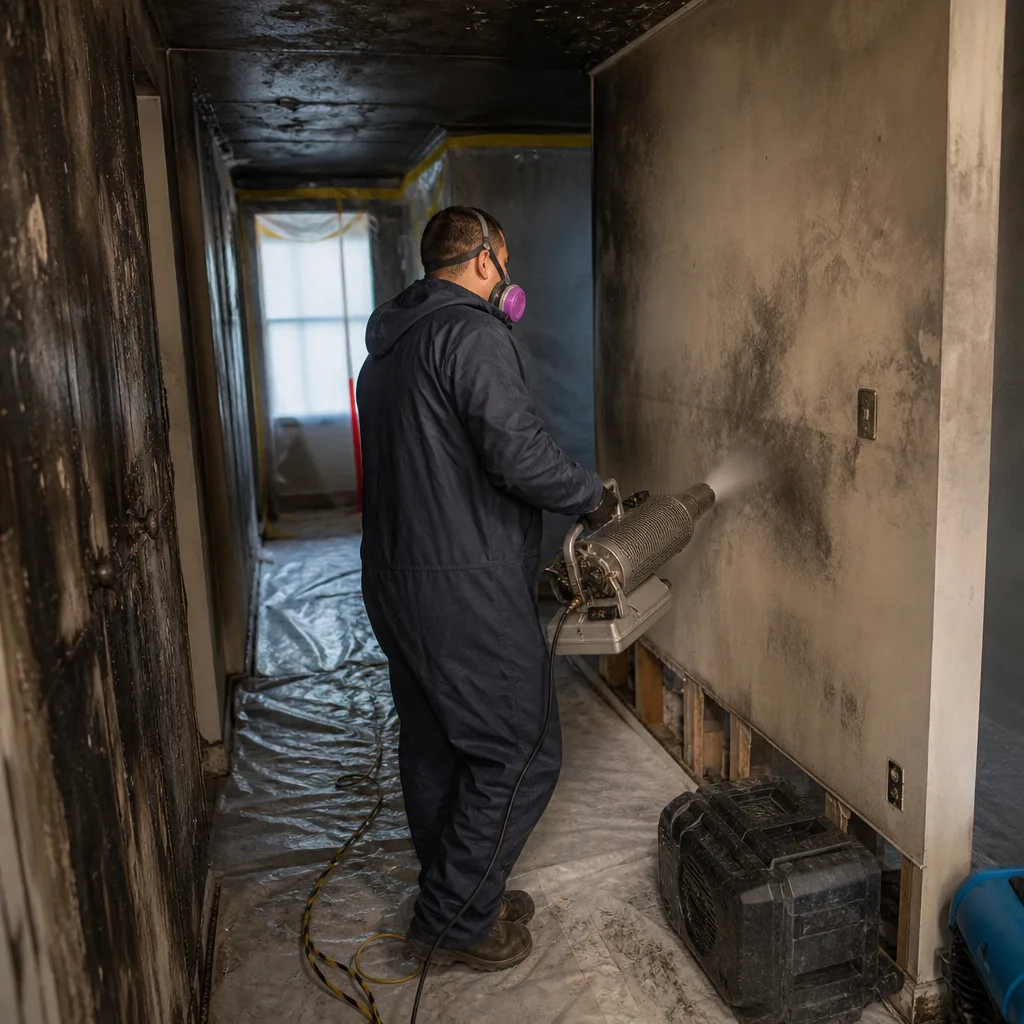
For any job over 10 square feet or involving black mold, we seal the work area with 6-mil polyethylene and run HEPA air scrubbers under negative air pressure. This keeps mold spores from drifting through the rest of your home while we work. In attached homes with no side yard, we route containment through a single access point and protect the path with floor and stair coverings.
Drying & Dehumidification
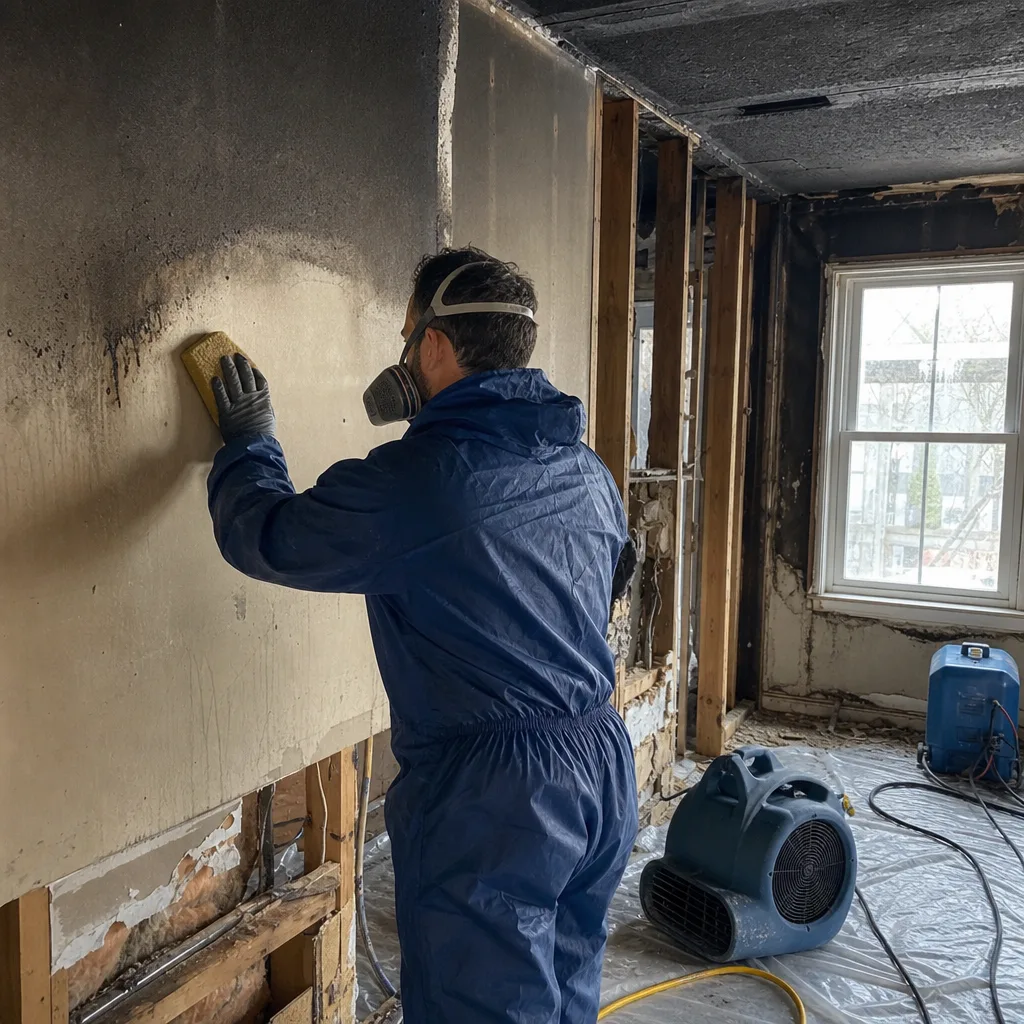
Mold can’t survive in dry materials. We deploy Dri-Eaz and Phoenix dehumidifiers and air movers sized to the affected cubic footage, not a generic rental unit. Daily moisture readings are logged until every surface reads below the dry standard, and you and your insurer get that log in writing.
Removal & Sanitization
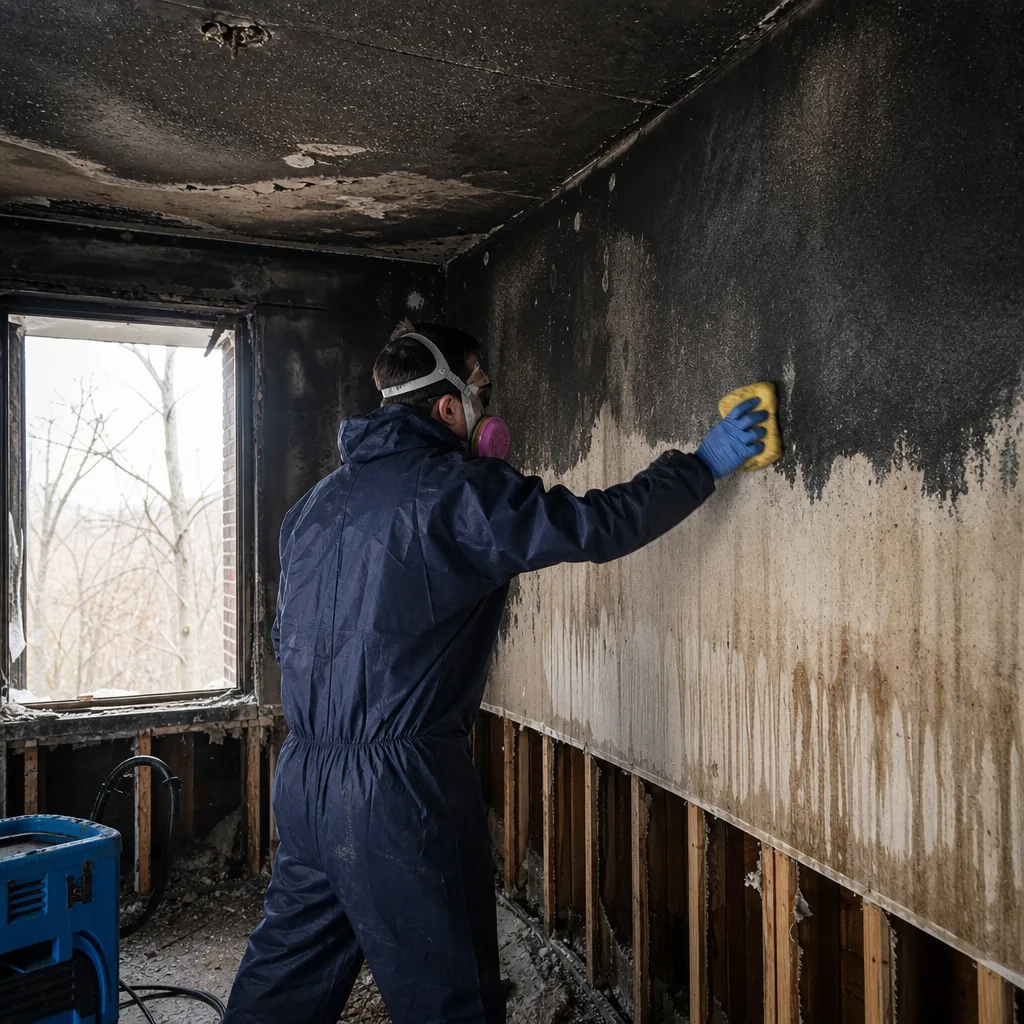
Affected plaster, drywall, insulation, and trim are cut out and bagged on site. We apply antimicrobial treatment to remaining framing and surfaces, and HEPA-vacuum every square inch of the contained area. For black mold, we double-bag all debris and document the process with photos.
Moisture & Humidity Control
Before we close any wall, we identify and correct the moisture source that fed the mold: a leaking pipe, a failed roof valley, or persistent condensation. In Forest Hills Gardens homes with lime stucco walls, this step matters more than anywhere else we work. Freeze-thaw driven infiltration must be solved before remediation is finished.
Repairs & Restoration
The same Floodline crew rebuilds what we removed: new drywall or lime plaster matched to the original texture, trim, paint, and insulation. In Forest Hills Gardens, we source period-appropriate materials where required. The job isn’t done until the space looks like it did before, with moisture logs in your hand.
Need Emergency Mold Remediation in Forest Hills Now?
Crews minutes away, answering live 24 hours a day. The sooner we start, the less it costs.
Working With Your Insurance Company
Mold claims are where insurance carriers dig in their heels, and we’ve spent over a decade learning exactly what documentation they’ll actually accept. From the first hour, we photograph damage room by room, log moisture readings daily, and write a line-item scope of work in the format adjusters expect. You don’t chase your carrier; we coordinate directly with them. If you’ve ever been burned by a contractor who disappeared mid-claim, know this: our 90-Day Done Right Promise is in writing, and we stand behind it. No arguing, no paperwork battles, no excuses. When the adjuster calls, we answer with facts and documentation.
What We Provide Your Insurer
- Thorough documentation of the loss
- Photos of all damage, room by room
- Moisture readings and drying logs
- A detailed, line-item scope of work
- Direct coordination with your carrier
Built for Forest Hills’s Loss Calendar
Queens sits in the coastal freeze-thaw corridor, and Forest Hills’s brick and lime-stucco masonry takes the worst of it. Every January deep freeze pushes water into hairline cracks, then a thaw pulls it deeper. Freeze-thaw cycling is the single biggest driver of hidden mold in Forest Hills Gardens homes, where original slate roofs and dense plaster walls give water a slow, quiet path from the roofline to the basement. By spring, that water shows up as mold behind plaster, usually near the ceiling line on the north and east walls.
Summer brings a different problem: sustained humidity above 65% in poorly ventilated basements and crawl spaces, especially in pre-war co-ops on Queens Boulevard where central air was never part of the design. Basement seepage after heavy summer thunderstorms is common in attached Tudor homes whose foundations have settled out of square over a century. Our moisture and humidity control service exists because Forest Hills basements are not newer basements, and they need a plan, not a fan. When a nor’easter hits in the fall, we see the same pattern year after year: gutters backing up, water pooling at the roofline, and mold starting inside exterior walls within two to three weeks. We built our dispatch around that calendar.
Mold Remediation Across Forest Hills’s Neighborhoods
Forest Hills isn’t one housing type; it’s several, and each responds to moisture differently. In Forest Hills Gardens, the roughly 800 Tudor Revival homes governed by the Forest Hills Gardens Corporation require approval before mold remediation begins. We handle that paperwork before the first truck arrives, because showing up without it risks a stop-work order. Along Queens Boulevard, the pre-war co-op towers present the opposite problem: shareholder boards that need documentation and clear liability boundaries before authorizing work. We’ve sat across from enough co-op boards to write the scope in their language.
In Van Court and the blocks around Station Square, you’ll find single-family detached homes from the 1910s and 1920s, many with original basements and exterior stairwells that trap water. On Austin Street, above the storefronts, there are mixed-use buildings where a restaurant’s plumbing failure becomes the apartment above’s mold problem. And in the 108th Street corridor toward Flushing Meadows, attached brick homes with shared party walls mean water moves laterally between units, so your mold may have started next door. We know the routes and the building patterns because we answer calls in Forest Hills every week.
Specialized Mold Remediation Services We Offer in Forest Hills
Mold Inspection & Testing
Not every stain is mold, and not every mold needs a full teardown. We inspect with thermal imaging and moisture meters first, and if testing is warranted, we take air and surface samples and send them to an independent lab. In Forest Hills Gardens, a pre-work inspection is often the document that gets your Corporation approval moving. You get the lab report, the moisture map, and a straight recommendation.
Mold Removal
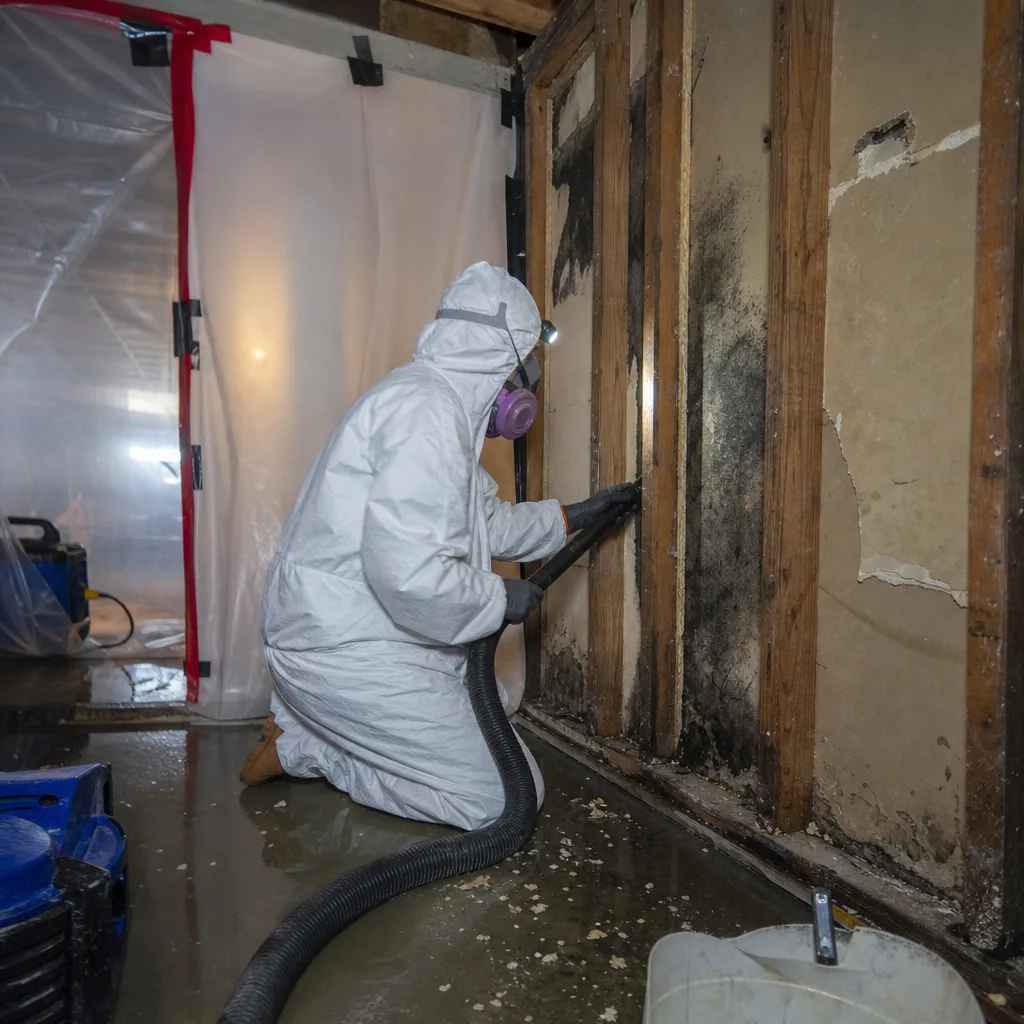
Removal means cutting out affected material and taking it out of the house, not spraying bleach on drywall and walking away. In attached homes on streets like Greenway North and Ascan Avenue, that means routing bagged debris through tight front doors and stoops without tracking contamination across your neighbor’s property. We protect the path, contain the work zone, and leave the site cleaner than we found it.
Black Mold Remediation
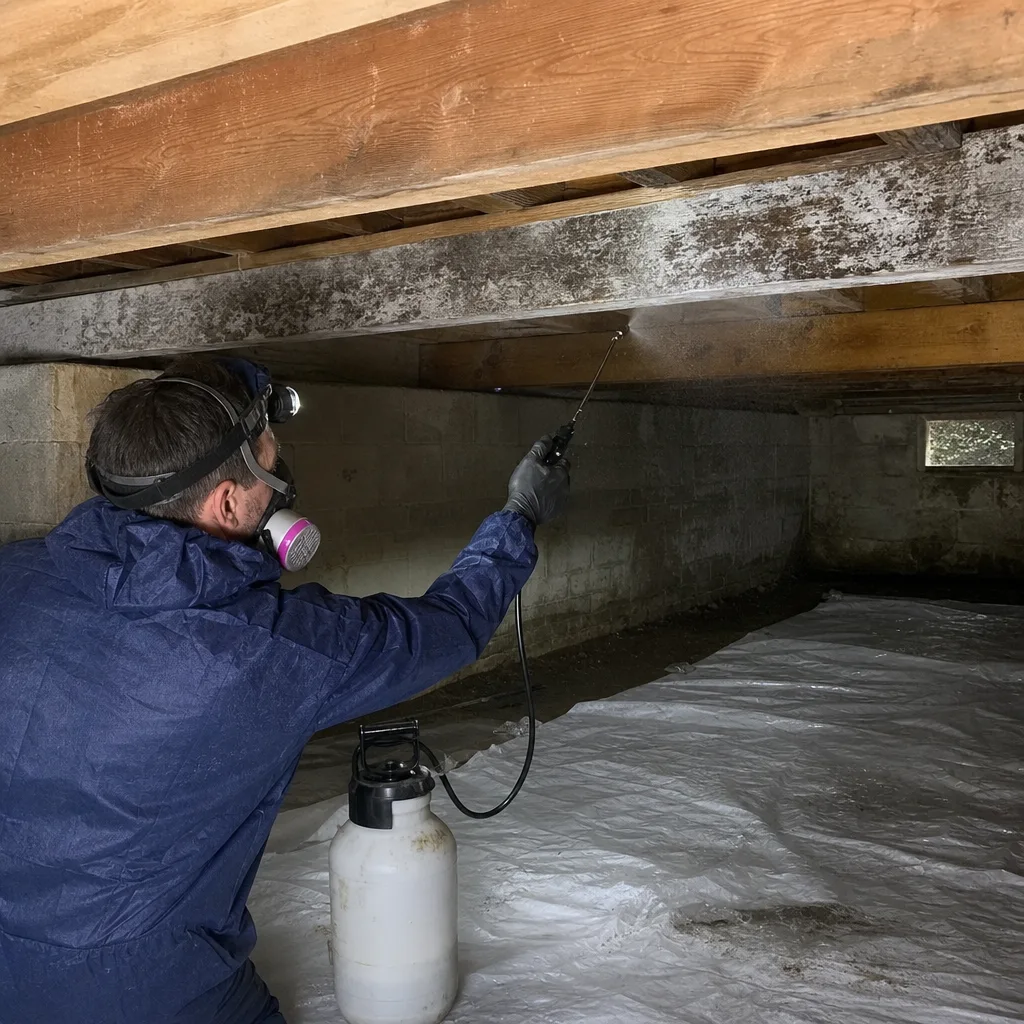
Black mold, typically Stachybotrys chartarum, requires full containment and negative air pressure, period. There is no shortcut. Our crew in a Tudor Revival home on Greenway North faced exactly this, with mold behind plaster walls and water tracking down from a failed slate roof valley. We contained the area, removed lime plaster to expose framing, and applied antimicrobial treatment to the structural timber. Drying logs confirmed sub-15% moisture readings before we restored surfaces with period-appropriate lime stucco, matching the pre-loss condition. Forest Hills Gardens Corporation approval was in hand before we opened the first wall.
Air Quality Restoration
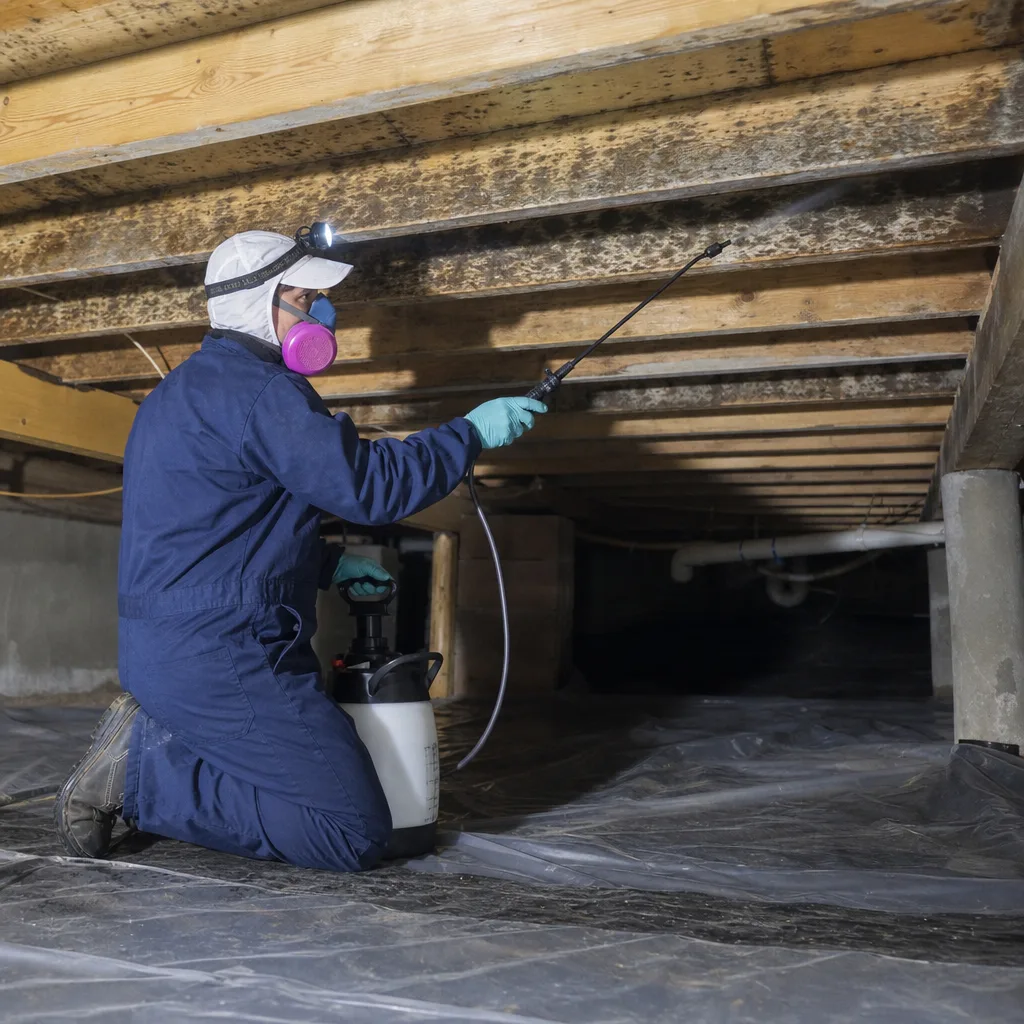
Mold spores linger long after the visible colony is removed. We run HEPA air scrubbers during the job and after, then verify with post-remediation air sampling. In pre-war co-ops where an HVAC riser may have carried spores to adjacent apartments, this step protects you from a dispute with neighbors or the board. If you have respiratory concerns, tell us during the inspection and we’ll build the air plan around them.
Crawl Space Treatment
Many Forest Hills homes built before 1940 have crawl spaces under the front or rear extension. These spaces go ignored for decades while moisture rises and mold colonizes the subfloor. We treat the source, install vapor barriers where appropriate, and dry the space to standard. The fix is often simpler than homeowners fear, but ignoring it guarantees a larger problem later.
Moisture & Humidity Control
Mold remediation that doesn’t address moisture is a temporary fix, and in Forest Hills’s freeze-thaw climate that means solving water entry from slate roofs, failing gutters, and lime-stucco exterior walls. We install dehumidification systems sized for your square footage, repair the entry point, and put controls in place so the mold doesn’t return next spring. This is the difference between a job that lasts and a job you call us about twice.
What happens when you call
- 1
A real person answersNo phone trees - you reach a local pro.
- 2
You get an upfront price rangeHonest numbers before anyone is dispatched.
- 3
A background-checked tech heads outLicensed & insured, dispatched right away.
- 4
You approve before work beginsNothing starts until you say go.
Mold Remediation Costs in Forest Hills, NY
Mold remediation costs in Forest Hills reflect the age and construction of the housing stock. Here’s what we see across the neighborhood’s market:
- Mold inspection with moisture mapping: Free (visual) or $350-$600 with lab testing
- Small surface mold cleanup under 10 sq ft: $800-$1,500
- Contained mold removal in one room: $1,800-$4,500
- Black mold remediation with structural treatment: $3,000-$6,500
- Full basement or multi-room remediation: $5,500-$12,000+
- Crawl space treatment and encapsulation: $2,500-$6,000
What moves the price: whether Forest Hills Gardens Corporation approval and period-appropriate materials are required, how far the moisture source has spread behind lime plaster, and whether co-op board documentation adds time. Insurance often covers mold remediation when it stems from a sudden covered event like a burst pipe or roof failure. If your mold is from long-term humidity, it’s typically out of pocket. The free inspection settles the question without a bill. Call (363) 999-0829 and we’ll give you a firm scope in writing.
We Also Serve Cities Near Forest Hills
Our crews cover the neighborhoods around Forest Hills daily, including Flushing to the north, Corona to the northwest, Middle Village to the west, and Elmhurst toward the city. Same dispatch board, same 45-minute response commitment, same 90-Day Done Right Promise in writing. If you own property in any of these areas, call the same number and ask for the restoration team.
Serving Forest Hills, NY - Our Local Coverage Area
We’re based in the Forest Hills area and know this community well. Use the map below to see our service coverage - if you’re nearby, we can almost certainly help.
Forest Hills Mold Remediation Questions, Answered
Do I need Forest Hills Gardens Corporation approval for mold remediation inside my home?
Yes, if your home is within the Forest Hills Gardens planned district and the work involves any change to exterior surfaces or structural materials. Interior mold removal where you’re restoring the original plaster or woodwork may still require approval if the Corporation’s architectural code applies. We handle the application and approval process before work starts, so you don’t get a stop-work order halfway through. Call (363) 999-0829 if you’re not sure whether your address falls under Corporation jurisdiction.
Can you remediate mold in a pre-war co-op on Queens Boulevard without board sign-off?
No, but we know how to work with boards. The shareholder owns from the plaster inward, the co-op owns the building systems, and mold in a riser wall is usually both of your problem. We produce documentation in the format co-op boards and their insurers expect, and we bill the correct party directly. Most boards respond faster when a certified remediation crew gives them written scope, photos, and a moisture log. We’ll prepare the package.
How do you handle containment in attached Tudor homes with no side yard or alley?
We route a single access path through the front door, seal it with floor protection and plastic sheeting, and run negative air pressure so contaminated air exits through a HEPA-filtered exhaust, not through your living room. Debris is double-bagged inside the containment zone and carried out the same path. It’s slower and more deliberate than a suburban job, but it protects your home and your neighbor’s. We’ve done it hundreds of times on streets like Greenway North and Ascan Avenue.
What’s different about mold in Forest Hills Gardens versus newer construction nearby?
Lime plaster and original slate roofs don’t behave like drywall and asphalt shingles. Water moves slowly through lime stucco and dense plaster, which means mold can be extensive behind a wall before you see anything. Newer construction with drywall shows water damage within days. In Forest Hills Gardens, the problem often goes undetected for a season or more, and repairs must match period materials. That’s a different kind of job, and we staff for it.
Can you match original plaster textures after mold removal in a century-old Tudor?
Yes. We’ve matched lime plaster textures on Tudor Revival walls in Forest Hills Gardens, including the subtle hand-troweled variation that modern drywall can’t replicate. On the Greenway North job, we restored surfaces with period-appropriate lime stucco after drying logs confirmed sub-15% moisture readings. The goal is that the repaired wall looks like it was never opened. We’ll show you photos of similar restorations before you decide.
How fast can someone actually get here for mold in Forest Hills?
We commit to 45 minutes from your call to a technician at your door, day or night. A live dispatcher answers at (363) 999-0829, and the same dispatch board that routes our water and fire crews routes our mold response. If you’re seeing visible mold growth, don’t wait for a callback. The crew can be containment-setup before most companies return your voicemail.
Will insurance cover mold remediation in my Forest Hills home?
It depends on the cause. Sudden events like a burst pipe, a failed roof valley, or a storm opening-those are typically covered. Long-term humidity or neglected maintenance is usually not. The fastest way to know is to let us document the source during the free inspection and present it to your adjuster in the correct format. We’ve handled enough denied claims to know that documentation from the first hour is what changes the outcome. We bill your carrier directly.
Should I stay in my home during mold remediation?
For small surface jobs under 10 square feet where we can set up localized containment, yes, you can usually stay. For black mold or jobs requiring full-room negative air pressure, we recommend staying elsewhere until we’ve run post-remediation air sampling. We’ll tell you upfront, not after the plastic goes up. Your health matters more than the scheduling convenience, and the air sample is what proves it’s safe to return.
Written by Curt Bowman, Owner at Floodline Restoration Co., serving Forest Hills with mold remediation, water damage restoration, and reconstruction. Founded in 2010, we’ve built our reputation on answering the phone with a person and standing behind the work in writing with the 90-Day Done Right Promise.