
Free visual inspection and a written scope of work before any mitigation begins - photos, moisture readings, and drying logs go in your claim file
The scope we write is the scope we bill. Anything new gets shown to you, in writing, before we touch it.
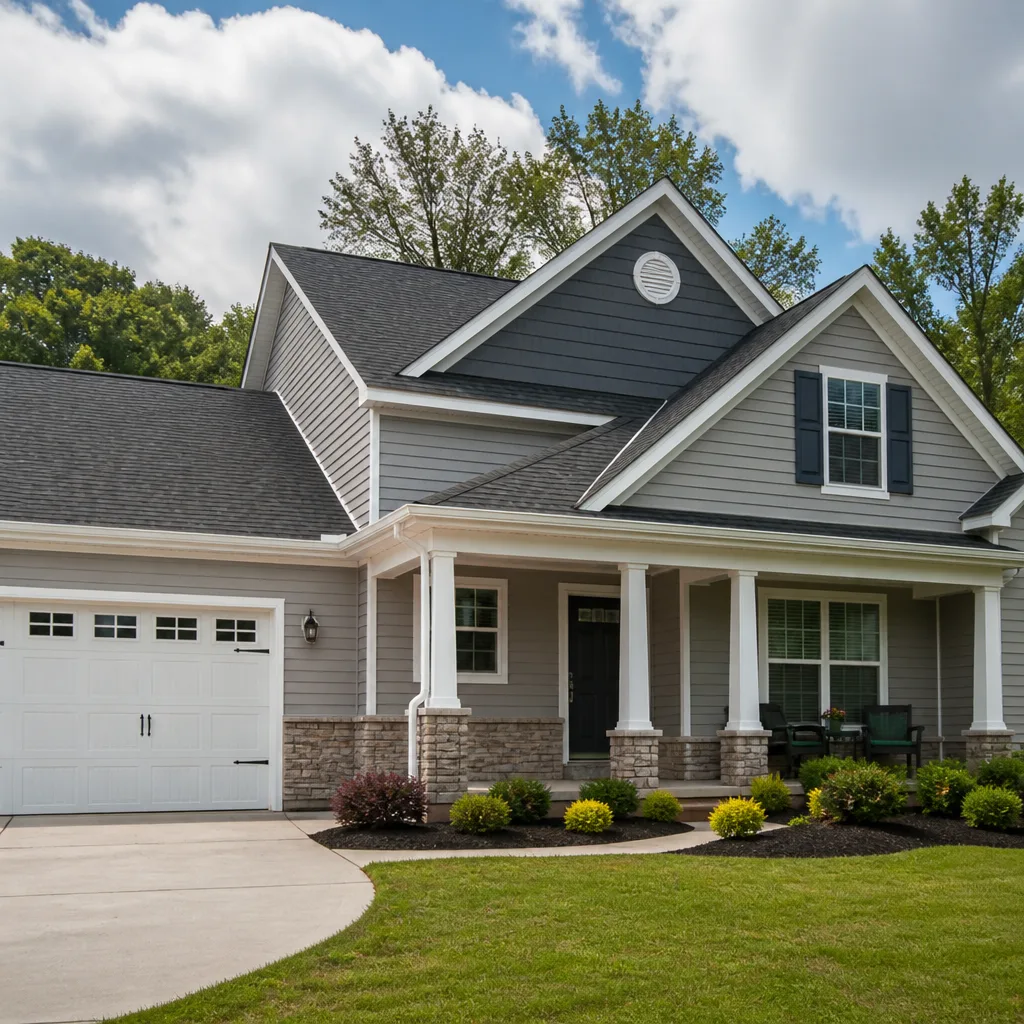
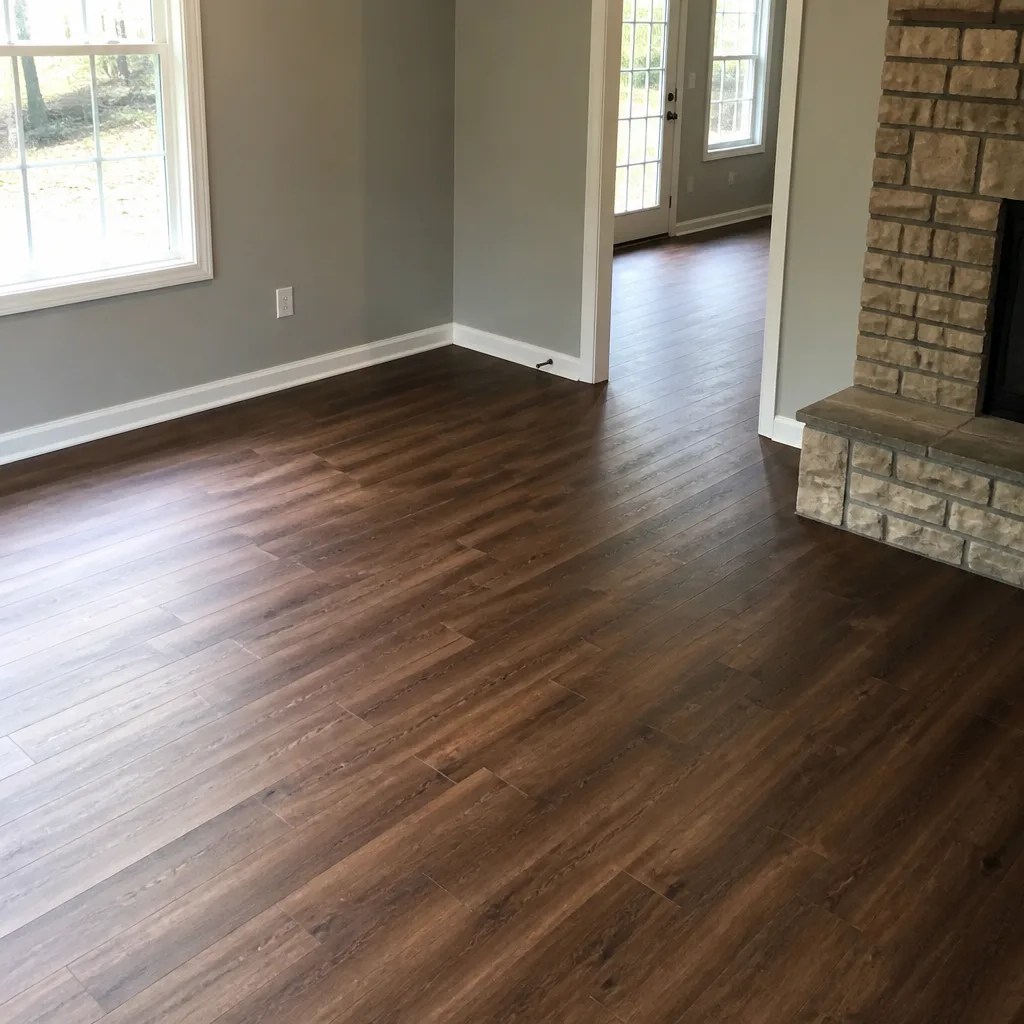
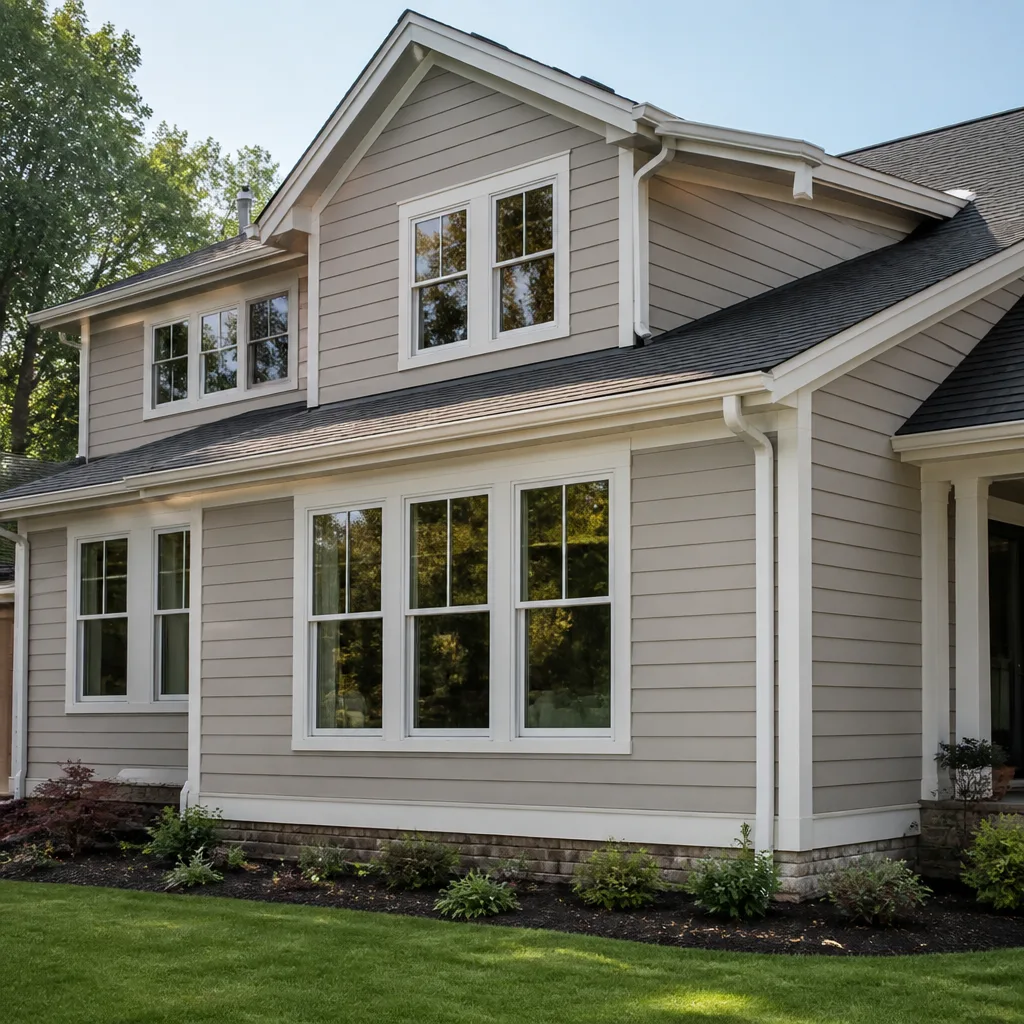
 Before
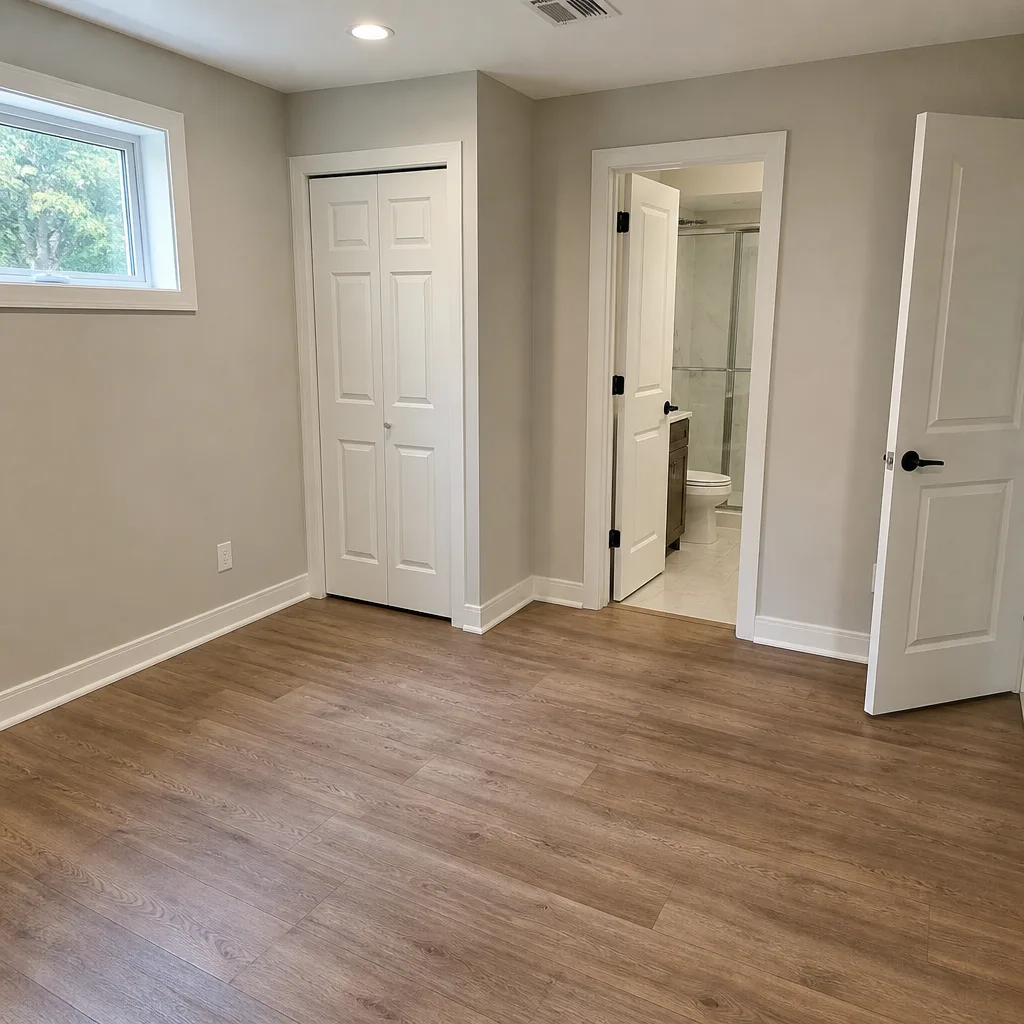 After
After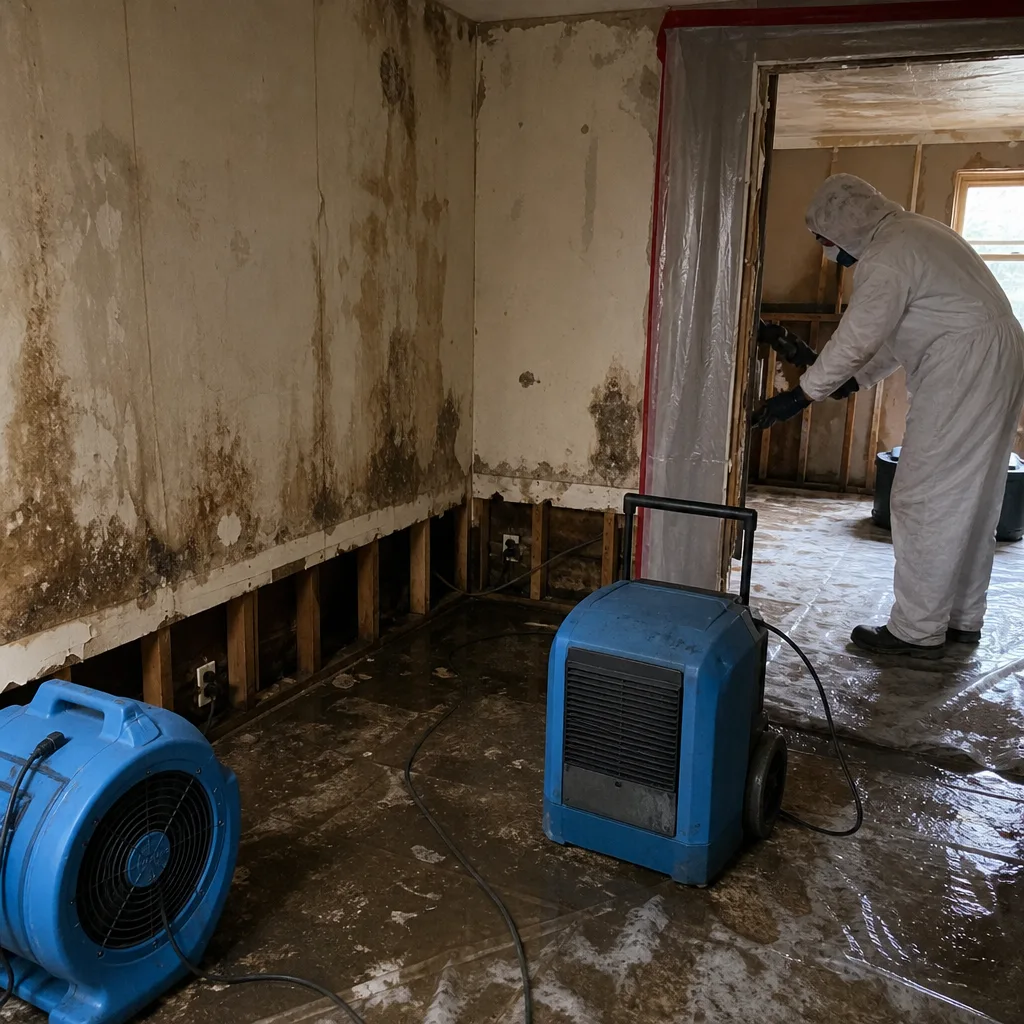 Before
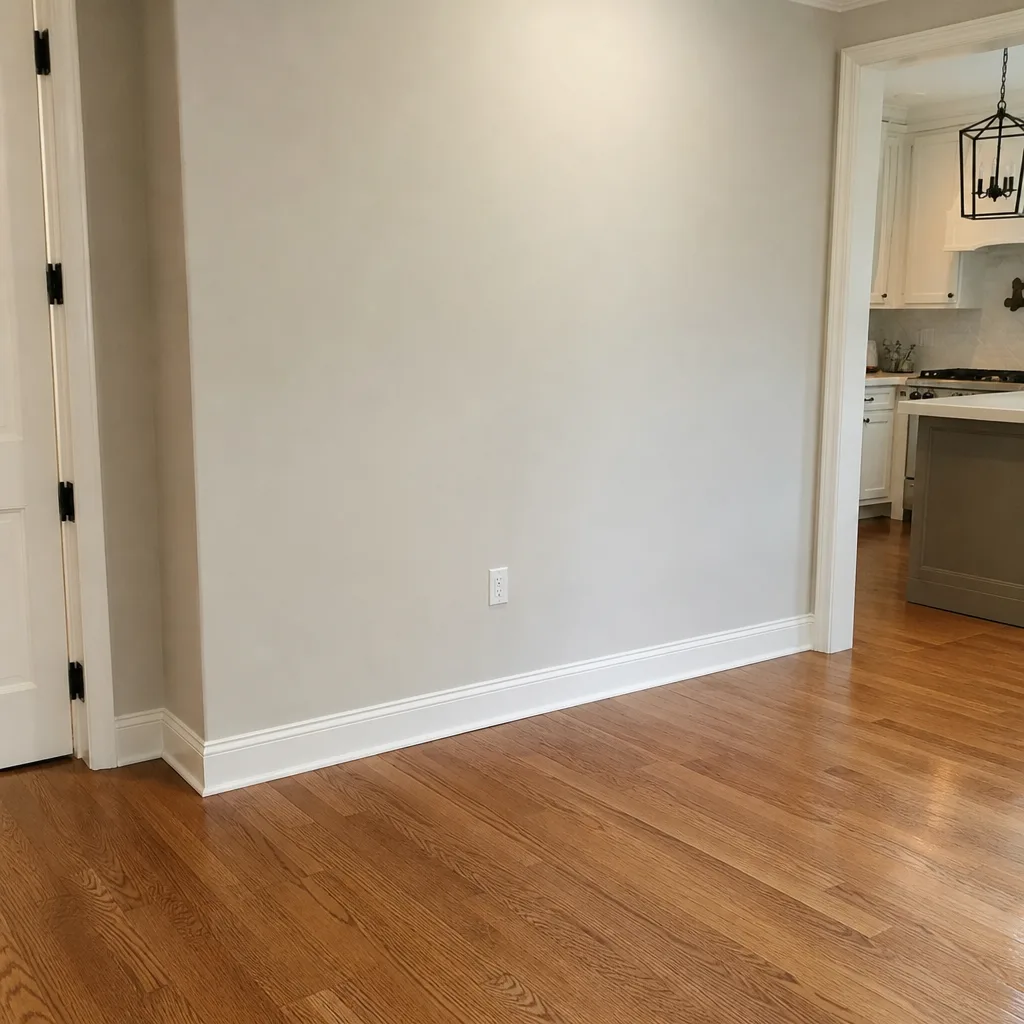 After
After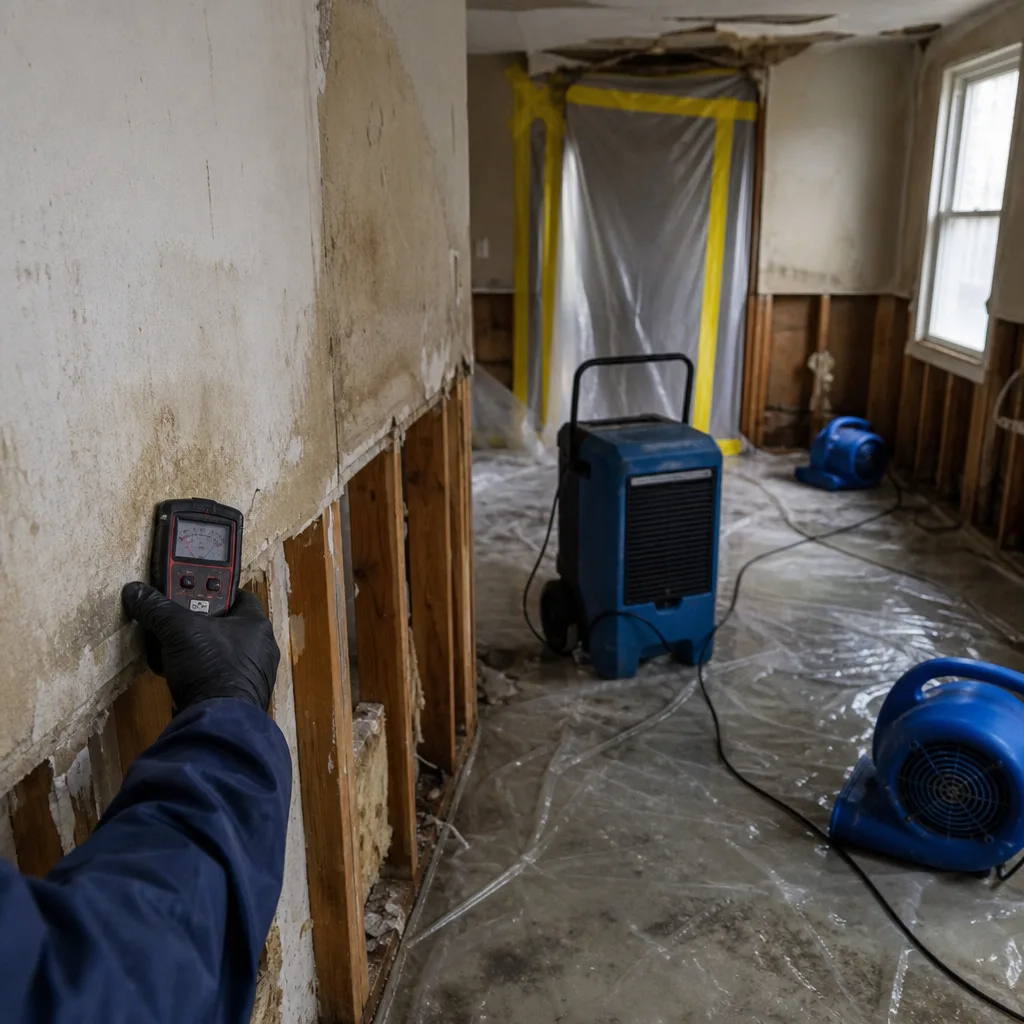 Before
 After
After24/7 Emergency Storm & Disaster Restoration in Corona
When a nor’easter pushes storm surge into Corona’s low-lying streets or a summer downpour overpowers the combined sewer system along Roosevelt Avenue, damage moves fast. We answer calls live at (363) 999-0829 at any hour, with crews dispatched into Corona the same visit. The first hour matters most: Category 3 water pulled into basement apartments off Junction Boulevard carries sewage and bacteria that penetrates drywall and flooring within minutes. We start extraction the same visit, run professional-grade Dri-Eaz and XPOWER equipment, and stop the damage from spreading while your family or tenants wait.
Understanding Storm & Disaster Restoration Severity in Corona Properties
Storm damage in Corona lands differently than in most of Queens. Our crews classify water by contamination level on every job. Category 1 is clean water from a burst supply line. Category 2 carries detergents or debris. Category 3 means sewage, and that is the defining problem in this neighborhood’s converted basement apartments. When the combined sewer system surcharges during heavy rain, dozens of below-grade units can take on Category 3 water simultaneously. In 1920s-1940s brick row houses with original cast-iron drain lines, backflow often arrives through floor drains, washing over asbestos floor tile and saturating framed partition walls. Moisture mapping with thermal imaging tells us where the water wicked, not just where it pooled. Because original galvanized supply pipes and cast-iron drains fail under storm pressure, a “routine” flood here frequently uncovers hidden structural saturation from a prior unreported event. That changes the scope from selective drying to full containment and gut-out.
Why Corona Property Owners Choose Floodline Restoration Co.
- Live answer, 24/7: A real dispatcher picks up at two in the morning, not a recording, and a certified crew is routed from our Queens office to your Corona block the same visit.
- 45-minute response commitment: We’ll be there when we say. For Category 3 sewage backup in a tight basement apartment, that speed is the difference between drying and full tear-out.
- IICRC-certified crews: Technicians carry WRT, FSRT, and AMRT certifications, wear uniforms, pass background checks, and work to RIA standards.
- Free visual inspection: We walk the damage with you, explain what is salvageable and what is saturated, and put the scope in writing before any equipment runs.
- Direct insurance billing: We document the loss, bill your carrier directly, and handle adjuster communication so you never play messenger.
- One crew, start to finish: The same team that reads the moisture map on day one handles daily readings, hands you the log, and rebuilds what needs rebuilding. No mid-job handoff.
Our Storm & Disaster Restoration Process
Inspection & Assessment
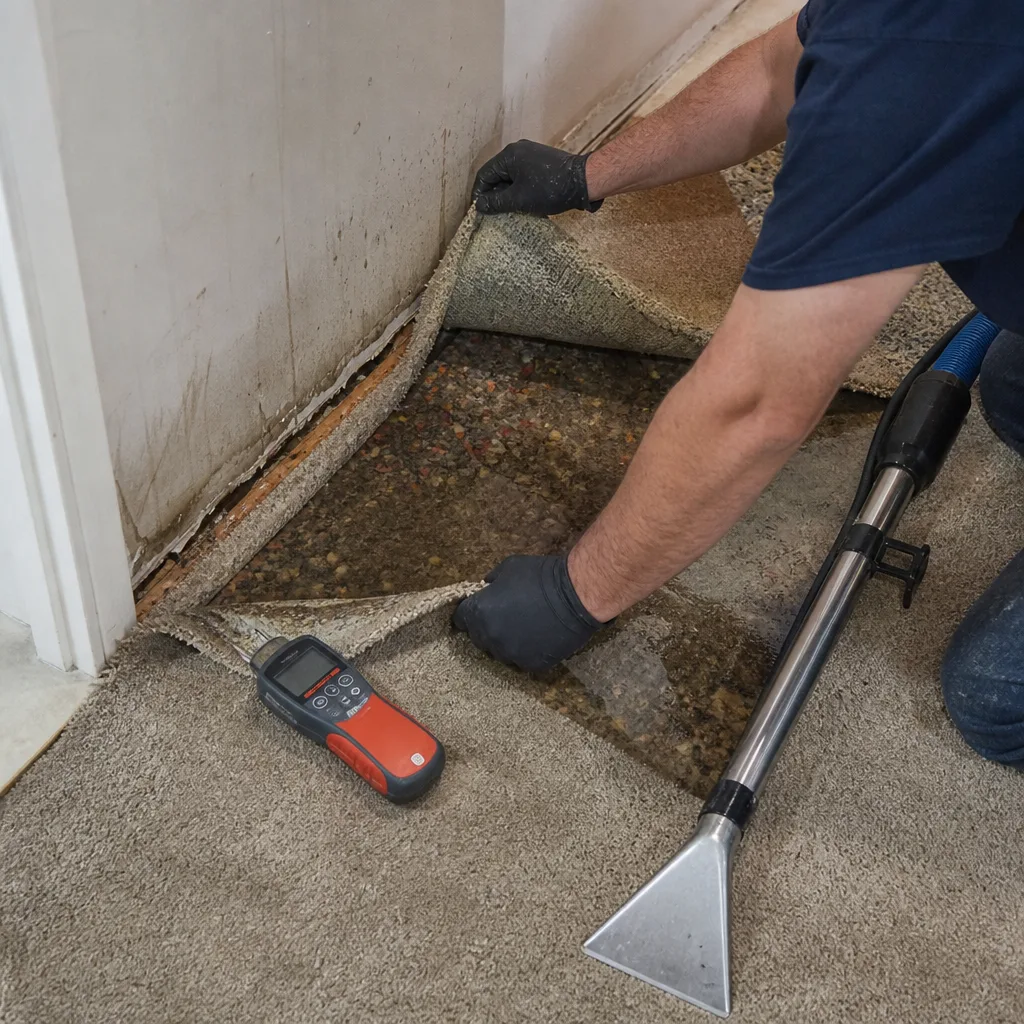
We arrive with thermal imaging cameras and hygrometers to trace moisture behind basement walls, under asbestos tile, and along cast-iron drain runs. A written scope follows the inspection, with photos and moisture readings logged from minute one.
Extraction & Stabilization
Submersible pumps and truck-mounted extraction units pull standing water from floor drains and below-grade units. We shut off compromised electrical where needed and set emergency board-up on breached windows or doorways.
Drying & Dehumidification
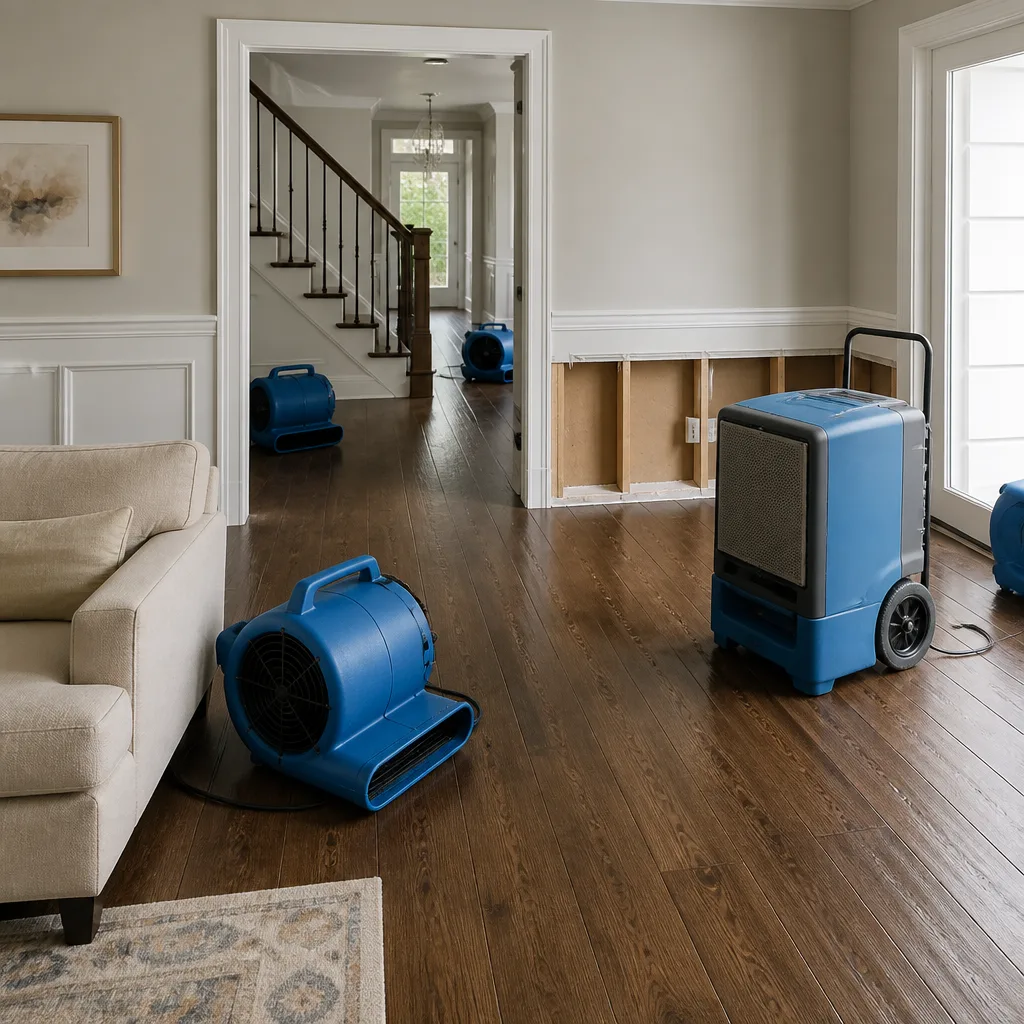
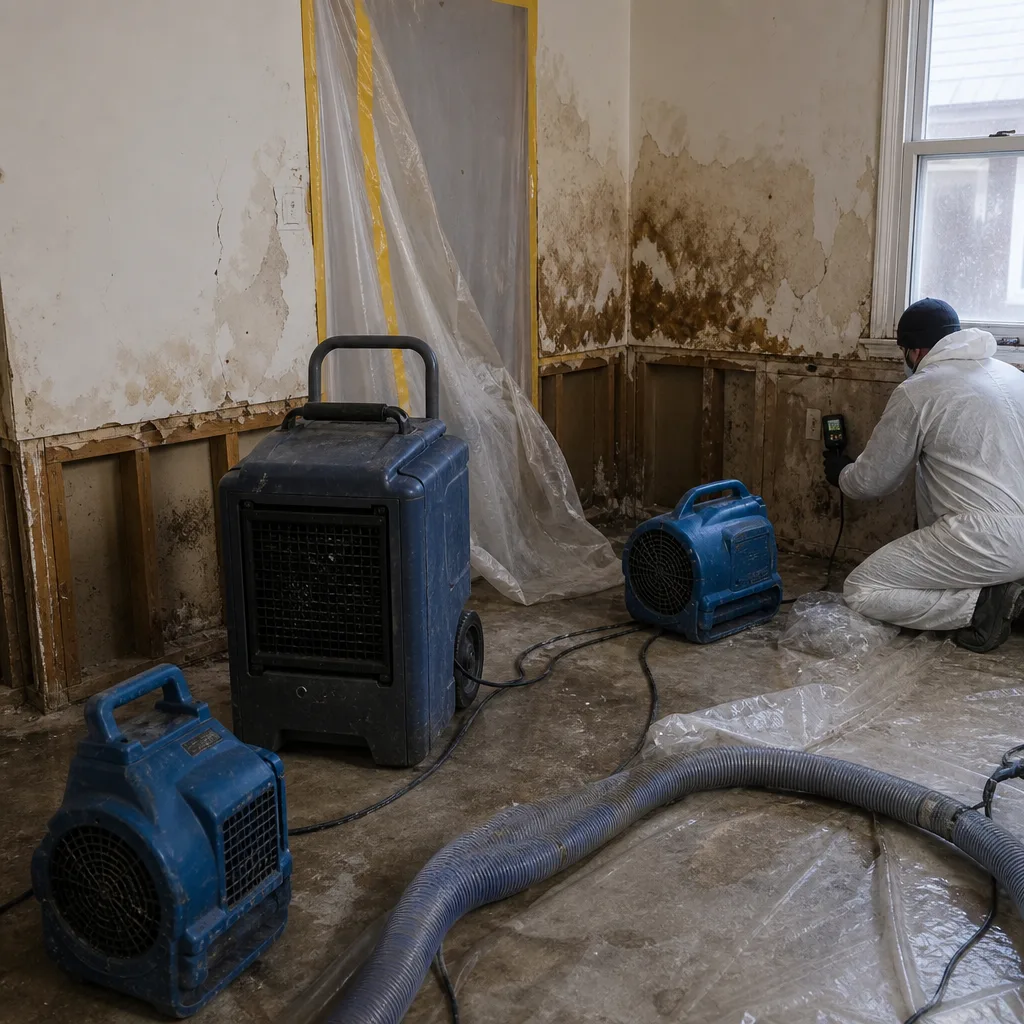
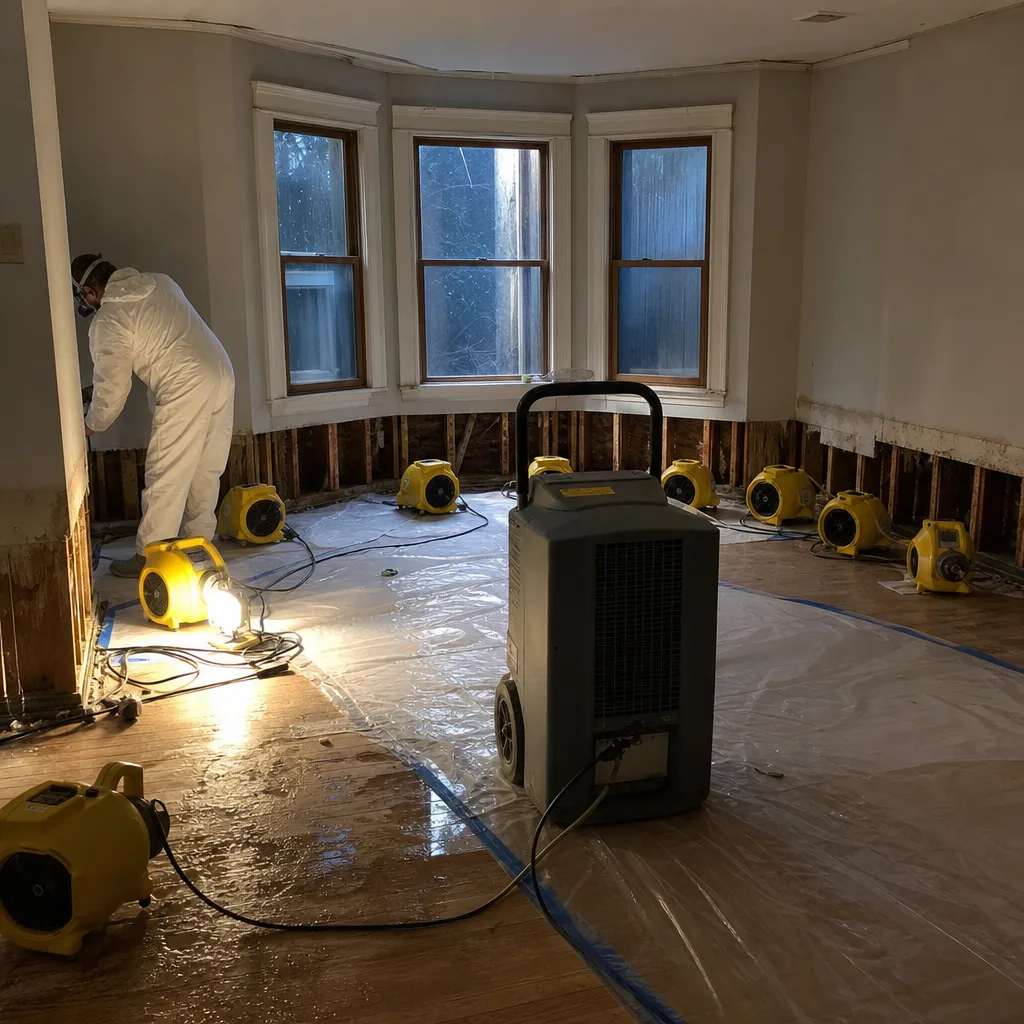
Dri-Eaz dehumidifiers and XPOWER air movers run in calculated laydowns, sized for tight doorways and low cellar ceilings common in Corona row houses. Daily moisture readings are logged until the dry standard is reached.
Cleaning & Sanitization
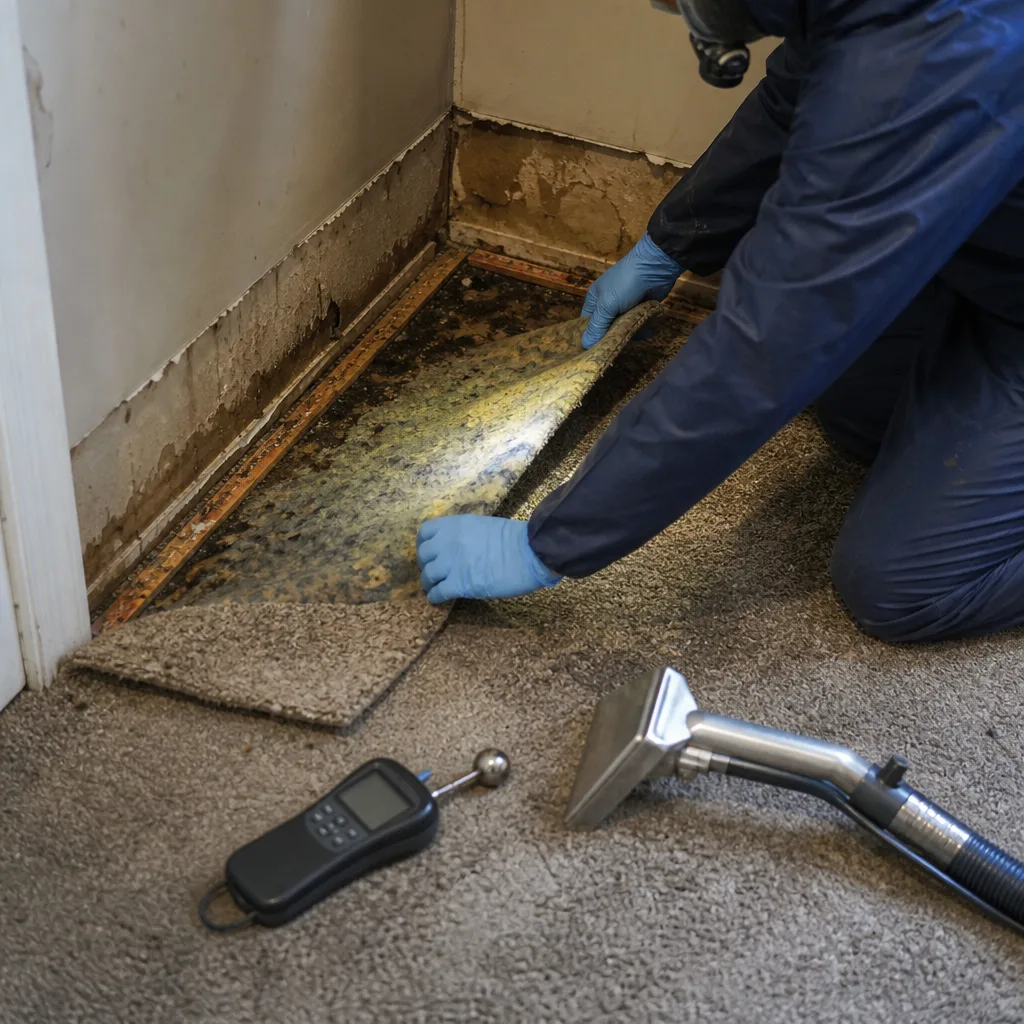
HEPA scrubbers run during demo, not after, so mold spores and sewage aerosols never migrate upstairs. Antimicrobials go on every surface water touched, and containment stays up until clearance.
Specialty Treatment for Storm Damage
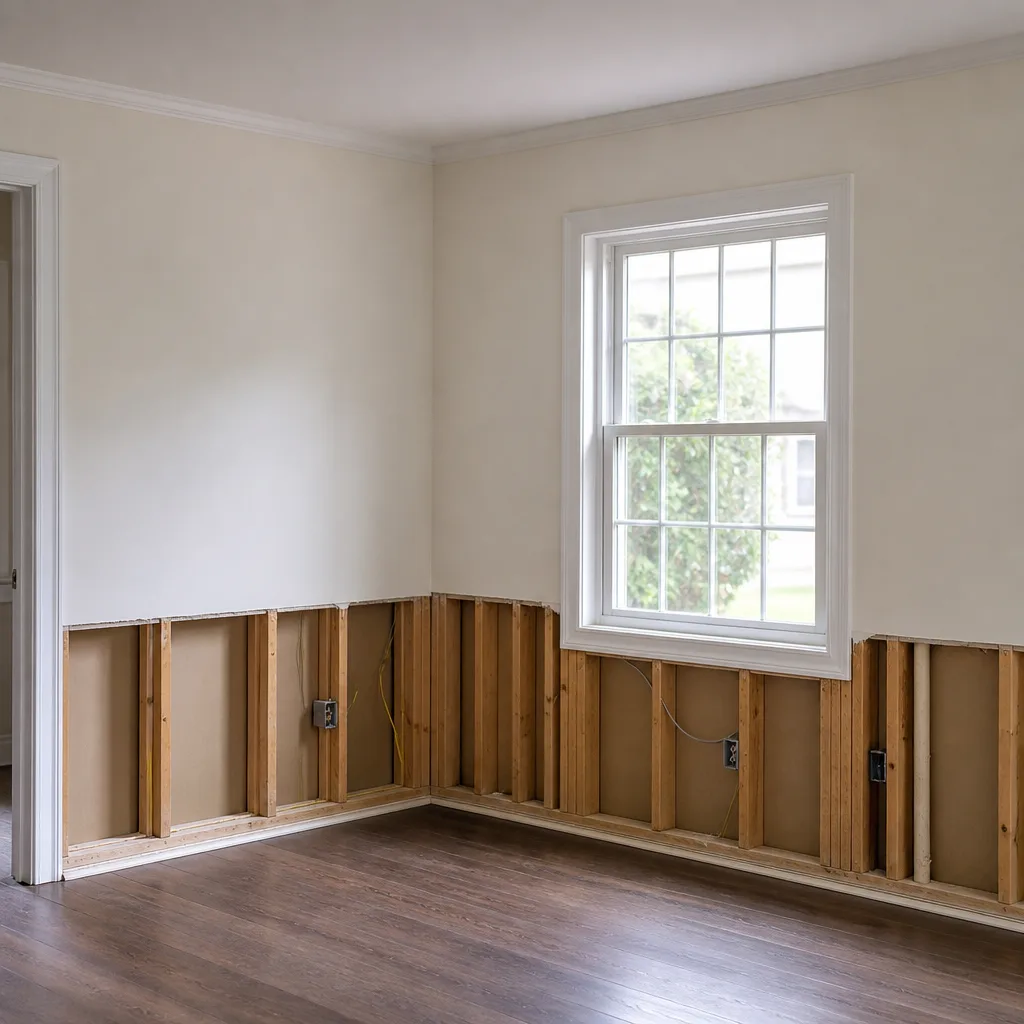
Sewage-contaminated Category 3 water requires removal of saturated drywall, baseboards, and flooring, plus injection drying behind finished walls using Injectidry equipment. Asbestos tile gets handled under protocol, not ignorance.
Repairs & Restoration
We rebuild framing, drywall, flooring, and trim, then finish with paint. The same crew that extracted on day one walks the final punch list, and the 90-Day Done Right Promise goes in your hands in writing.
Need Emergency Storm & Disaster Restoration in Corona Now?
Crews minutes away, answering live 24 hours a day. The sooner we start, the less it costs.
Working With Your Insurance Company
Insurance claims for storm damage in Corona move faster when documentation is thorough from the first hour. We photograph every affected room, log moisture readings before and after drying, and write a line-item scope your adjuster can approve without back-and-forth. When the damage is Category 3 from a combined sewer surcharge, coverage often hinges on proving the source. We document that. Our office communicates directly with your carrier and bills them directly. For basement tenant units, we coordinate with the owner, the adjuster, and the tenant so evacuation and reoccupancy happen on a known timeline. The 90-Day Done Right Promise extends to the work, not just the drying numbers.
What We Provide Your Insurer
- Thorough documentation of the loss
- Photos of all damage, room by room
- Moisture readings and drying logs
- A detailed, line-item scope of work
- Direct coordination with your carrier
Built for Corona’s Loss Calendar
Corona storms do not follow a single season. January deep freezes burst original galvanized supply lines in 1920s row houses along 37th Avenue and 104th Street, dumping clean water into finished cellars before thaw. Spring thaw and heavy rain saturate the ground around Flushing Meadows-Corona Park, forcing groundwater through hundred-year-old foundation walls into cellar apartments. Summer convective storms drop inches in an hour, and because Corona sits in one of the lowest-lying pockets of Queens with dense impervious surface, localized ponding and sewer backups happen here at rain totals that cause no flooding a mile north in Jackson Heights. Nor’easters in the fall push combined sewage backward through aging cast-iron drains. Year-round, the same failure pattern repeats: unreported prior water events leave hidden mold behind finished basement walls, and the next storm reveals what the last cleanup missed. We plan our Corona response around that calendar, with equipment staged accordingly and crews who know these blocks.
Storm & Disaster Restoration Across Corona’s Neighborhoods
Corona stretches from Roosevelt Avenue north to the Grand Central Parkway, and the damage patterns shift block by block. Around Flushing Meadows-Corona Park, clay-heavy soil holds groundwater against foundation walls, so storm seepage through pre-war brick and fieldstone is the recurring call. In the dense side-street blocks off Junction Boulevard, attached two-family brick homes share party walls, meaning water in one cellar migrates into the neighbor’s basement before anyone notices. Below the elevated 7 train along Roosevelt, converted basement apartments under commercial storefronts take the worst sewage surges when the combined sewer relieves during peak rainfall. Off Northern Boulevard near the BQE, wind-driven rain breaches older window frames and rooflines, and debris removal from street trees becomes part of the same storm response. Our crews run these routes daily: double-parking a box truck on 104th Street, walking gear down narrow alleyways, and setting containment in basement units with six-foot ceilings. That is what Storm & Disaster Restoration in Corona actually means here.
Specialized Storm & Disaster Restoration Services We Offer in Corona
Flood Damage Restoration
The defining service in this neighborhood. When the combined sewer backs up into a converted cellar apartment, we extract Category 3 water, remove saturated building material, dry the structure behind finished walls, and rebuild to a standard your tenants can come home to. The moisture log goes to you and your carrier.
Emergency Board-Up
When storm winds take out a window on a Corona side street or a fallen branch opens a roofline, we board and tarp immediately. Securing the envelope stops rain entry, and just as importantly for this neighborhood, it keeps unauthorized entry out of unoccupied basement units until repairs are complete.
Debris Removal
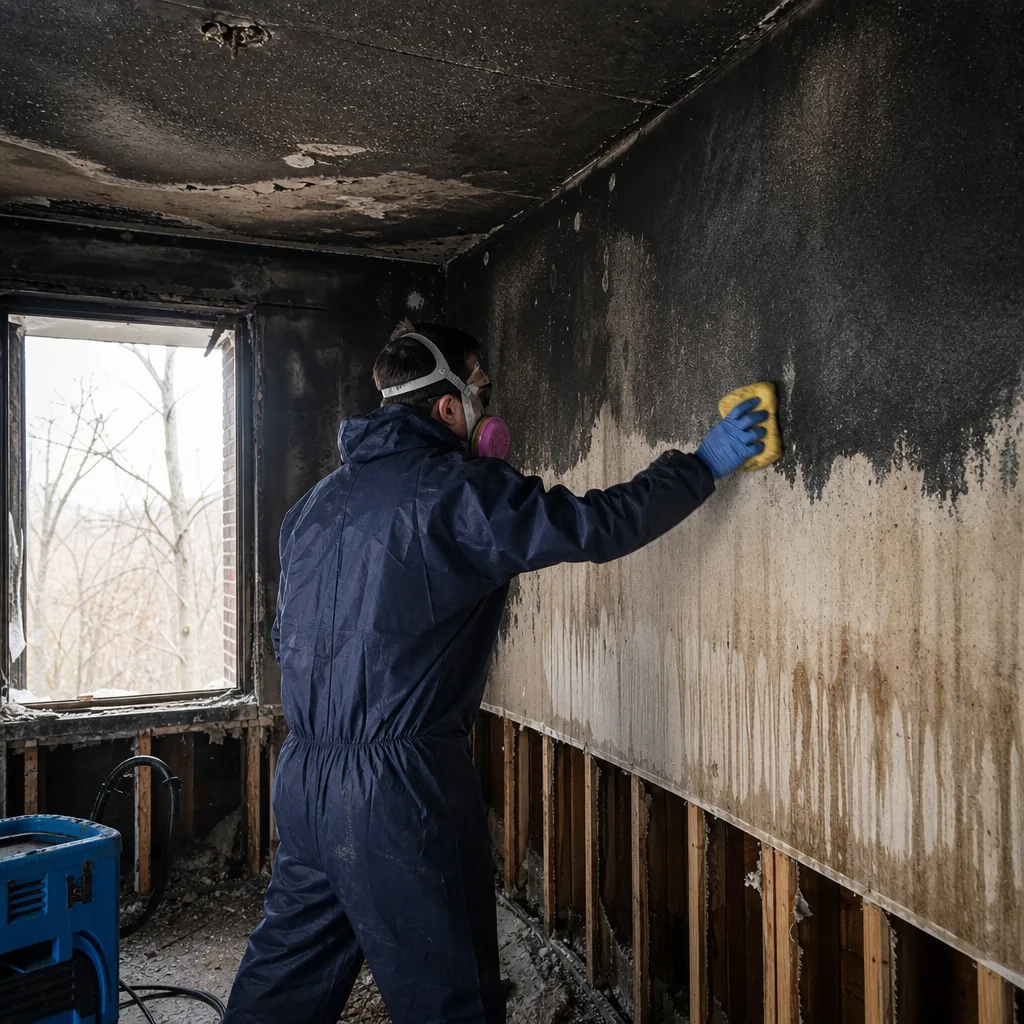
Nor’easters and summer microbursts drop tree limbs across yards, driveways, and parked cars in dense Corona blocks. We clear the debris, document the damage, and coordinate with your carrier so the rebuild starts clean, not cluttered.
Storm Damage Cleanup
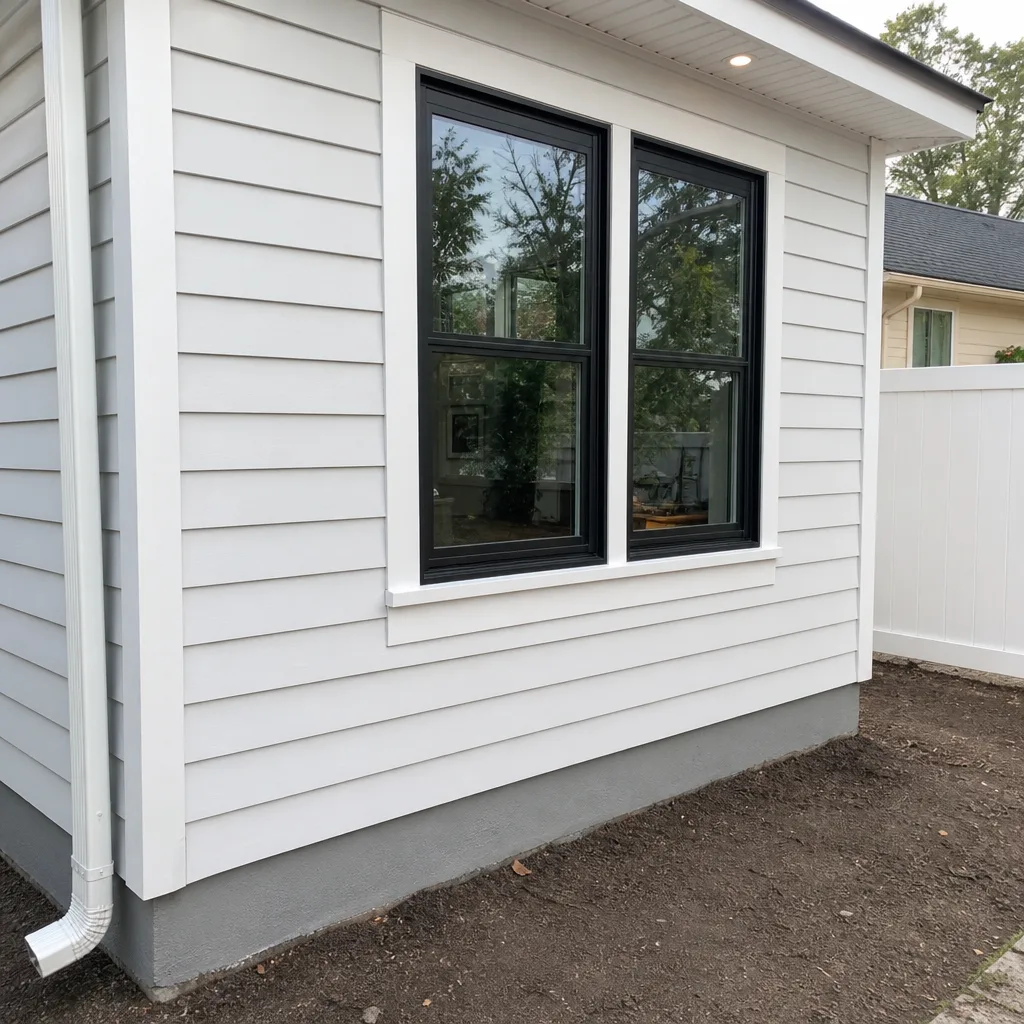
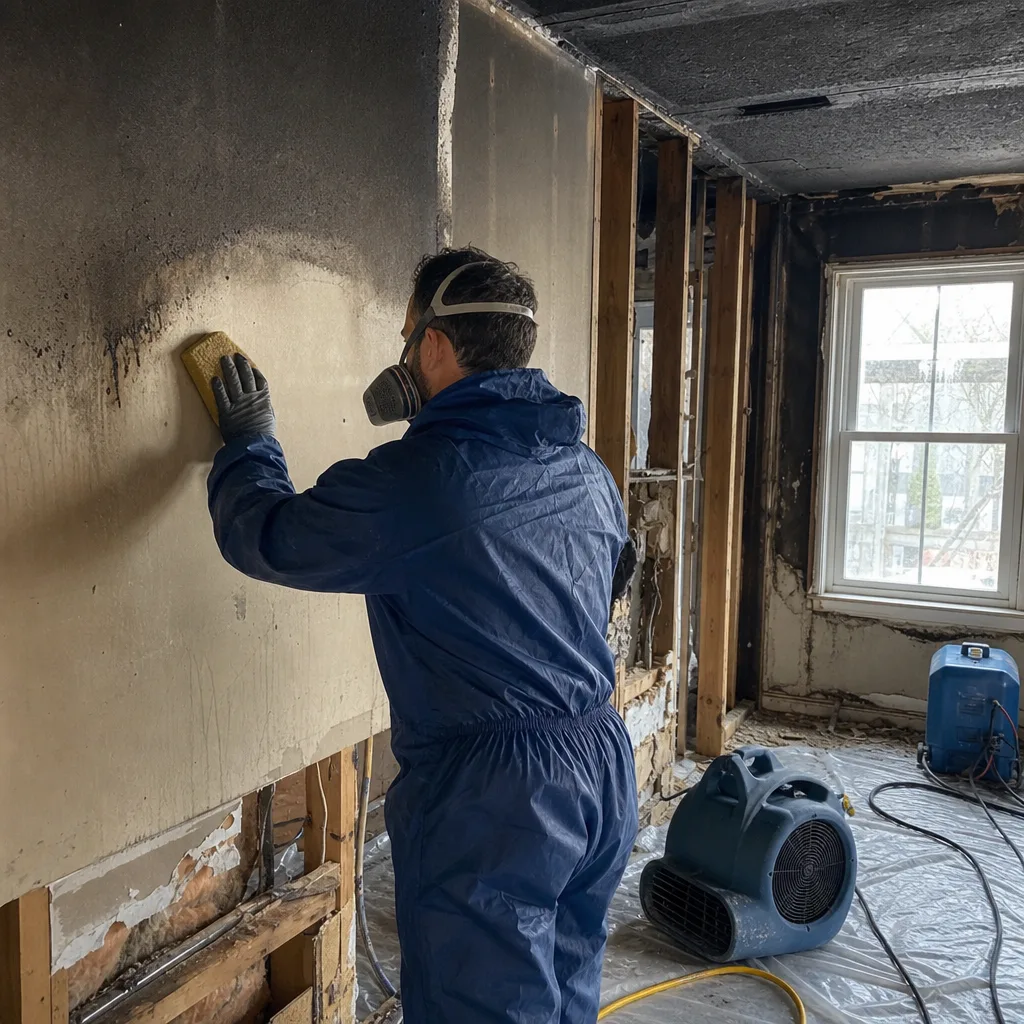
Wind-driven rain through original 1920s window frames, roof leaks over attached garages, and surface water that finds its way under side doors: we find the water path, dry the materials, and repair the breach.
Roof Tarping
When a storm tears flashing or opens a section of an older flat roof common on Corona row houses, we tarp to limit interior water damage. Permanent roof repair follows once the structure dries.
What happens when you call
- 1
A real person answersNo phone trees - you reach a local pro.
- 2
You get an upfront price rangeHonest numbers before anyone is dispatched.
- 3
A background-checked tech heads outLicensed & insured, dispatched right away.
- 4
You approve before work beginsNothing starts until you say go.
Storm & Disaster Restoration Costs in Corona, NY
Straight numbers help when you are deciding whether to call. In Corona’s market, a typical Category 1 water extraction and drying job in a 600-800 square foot basement runs $1,800-$3,400. Category 3 sewage backup, which is the most common storm call here, generally lands between $4,000 and $9,500 because it requires sanitization, containment, removal of saturated drywall and flooring, and confirmation drying. Emergency board-up runs $350-$800 per opening. Roof tarping typically costs $450-$900. Debris removal starts around $300 and scales with volume. A full gut-and-rebuild of a finished basement apartment after repeated sewage floods commonly reaches $15,000-$30,000, depending on finishes. Insurance covers most storm and sewer backup losses when source documentation is clean, as does your carrier’s direct billing. Call (363) 999-0829 for a free inspection and a line-item scope before you commit to anything.
We Also Serve Cities Near Corona
Our crews respond to storm and disaster restoration calls throughout western Queens, including Elmhurst, Jackson Heights, Flushing, and East Elmhurst. If your property sits just outside Corona, call us and we will route the nearest certified crew.
Corona Storm & Disaster Restoration Questions, Answered
Why does storm flooding in Corona basements often involve sewage, not just rainwater?
Corona sits in a low-lying pocket of Queens served by an aging combined sewer system. During heavy rain, stormwater and raw sewage share the same pipes, and when they surcharge, the mixture backs up through floor drains into the lowest point available, which is usually a converted basement apartment. That is Category 3 water, and it requires containment and sanitization, not just drying. Call us at (363) 999-0829 for a free inspection.
Can you dry out a finished basement in a Corona row house, or is tear-out always required?
It depends on the water category and what is behind the walls. Clean-water leaks can often be dried in place with Dri-Eaz dehumidifiers and XPOWER air movers. Category 3 sewage backup requires removing saturated drywall, baseboards, and flooring because the contamination cannot be sanitized in place. Our free inspection identifies which path applies before we write the scope.
How do you handle parking and access for storm cleanup on Corona’s narrow streets?
We stage our trucks on wider avenues where possible and walk equipment in. Crews are used to working down 104th Street and Junction Boulevard with tight clearance, double-parked cars, and basement entrances under stoops. We carry gear sized for six-foot ceilings and narrow stairwells, and we plan the laydown so air movers and dehumidifiers work effectively without blocking your access.
What hidden damage should Corona homeowners expect after a storm flood?
The biggest hidden issue is unreported water from a prior event. Many Corona basements have mold already established behind finished walls when we arrive for what the owner calls a first-time flood. Storm pressure on original cast-iron drains and galvanized pipes also causes backflow points that are invisible until the next heavy rain. Our thermal imaging and moisture mapping find those before they re-flood your unit. The 90-Day Done Right Promise backs the work.
Will my Corona basement apartment be safe to reoccupy after sewage backup?
Yes, once containment, sanitization, drying, and clearance testing are complete. We run HEPA scrubbers during demo, apply antimicrobials to every affected surface, and document daily moisture readings until the structure meets the dry standard. We will tell you and your tenants when it is safe, in writing.
How fast can you actually get to a Corona property?
We commit to a 45-minute response for emergency storm calls in Corona. A live dispatcher answers 24/7 at (363) 999-0829, not an answering service, and the closest certified crew is routed immediately from our Queens dispatch.
Will my insurance cover storm and sewer backup damage?
Most homeowners policies cover storm wind and water damage, and sewer backup coverage is common in Queens. We document the source, photograph the loss, and bill your carrier directly, coordinating with your adjuster from the first hour. We never send you to negotiate alone.
What should I do in the first 30 minutes after a storm floods my Corona basement?
Stay out of standing water if there is any chance it contains sewage. Do not run appliances or touch electrical panels in wet areas. Call us at (363) 999-0829 while the water level is still visible; our free inspection will determine the water category and the right scope. The sooner extraction starts, the more we can dry in place instead of tearing out.
Serving Corona, NY - Our Local Coverage Area
We’re based in the Corona area and know this community well. Use the map below to see our service coverage - if you’re nearby, we can almost certainly help.
Get Storm & Disaster Restoration in Corona Started Today
If water is standing in a Corona basement apartment right now, call (363) 999-0829. A live dispatcher answers, a certified crew gets routed to your block, and extraction starts the same visit. We document everything your carrier needs, bill them directly, and hand you a written scope before any work begins. The 90-Day Done Right Promise comes with every job in writing. That is the deal. No surprises on the bill. We’ll be there when we say.
Written by Curt Bowman, Owner at Floodline Restoration Co., serving Corona, NY.