
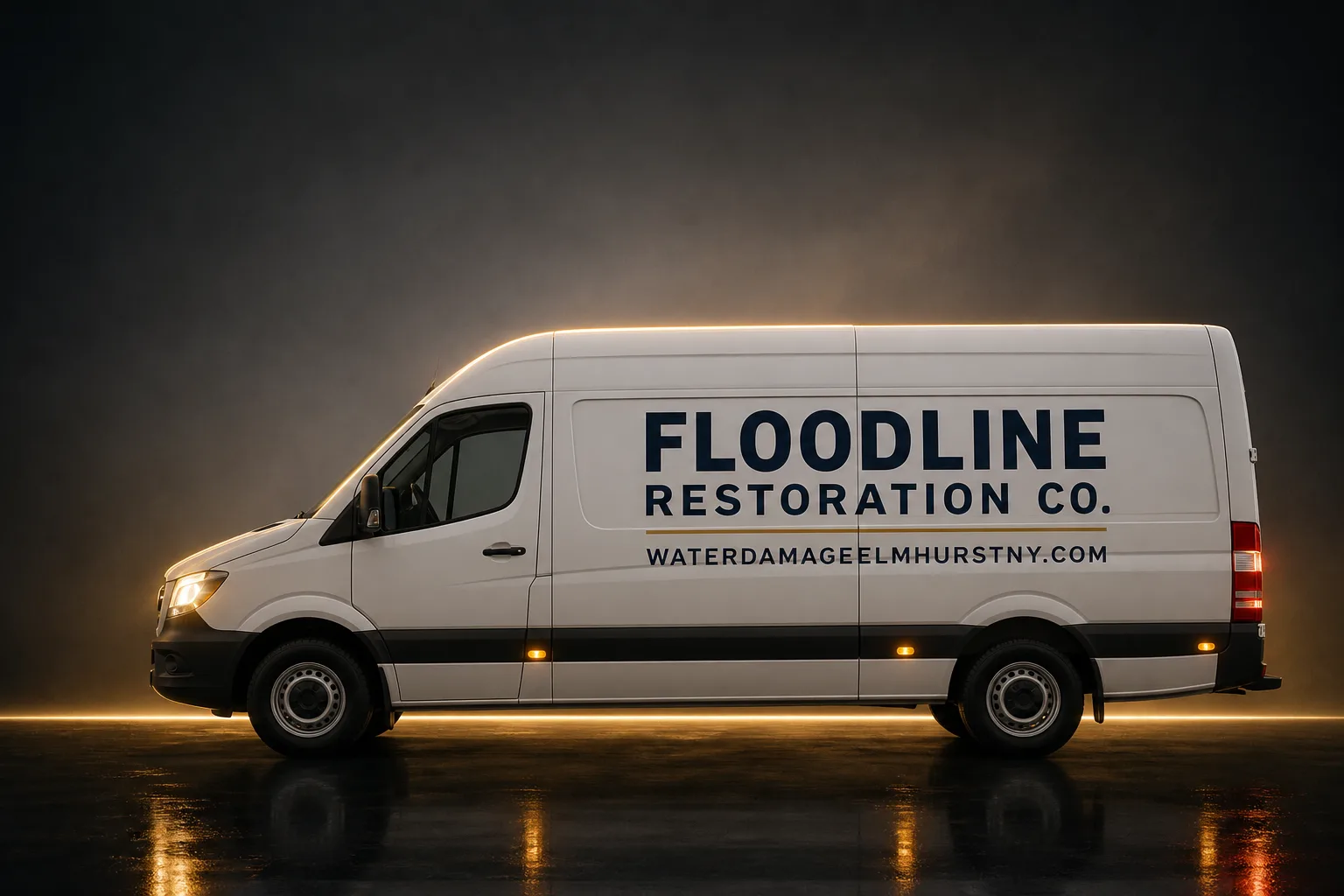
Free visual inspection and a written scope of work before any mitigation begins - photos, moisture readings, and drying logs go in your claim file
The scope we write is the scope we bill. Anything new gets shown to you, in writing, before we touch it.
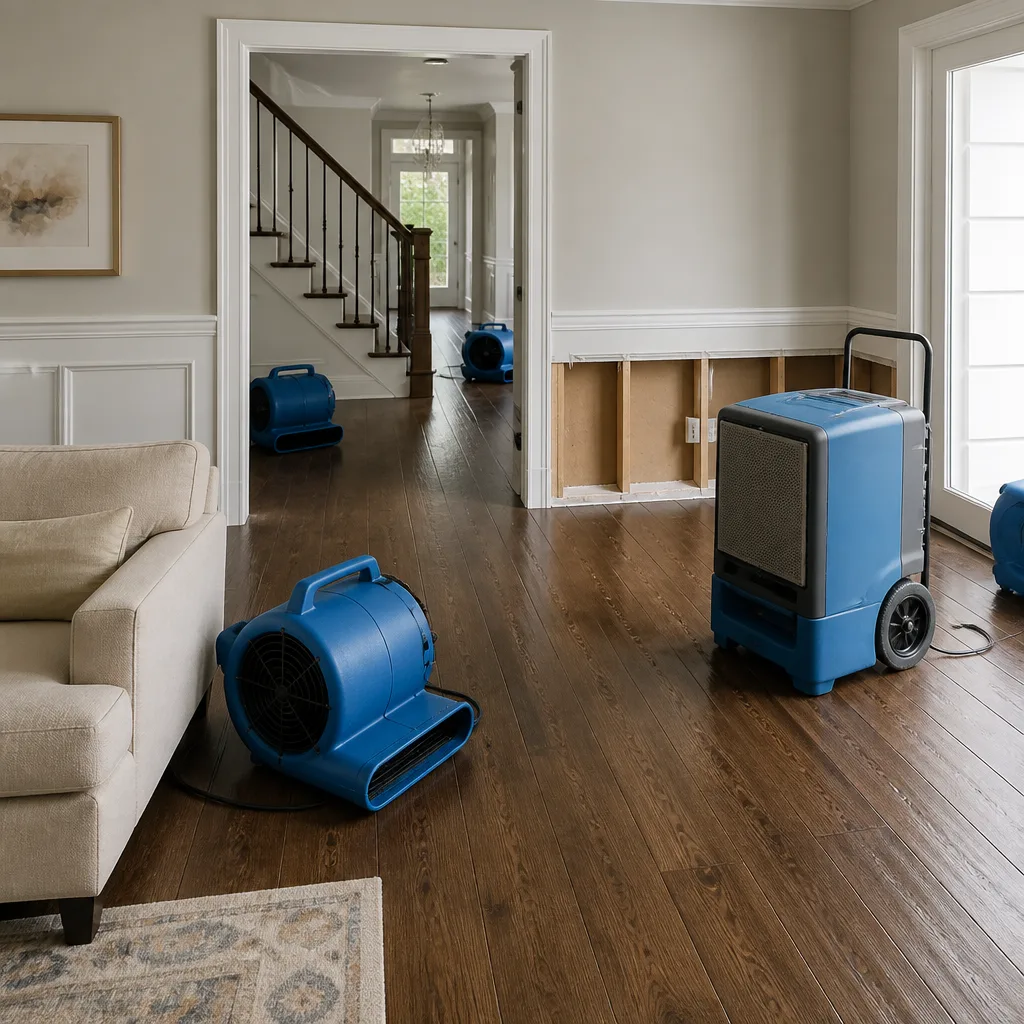
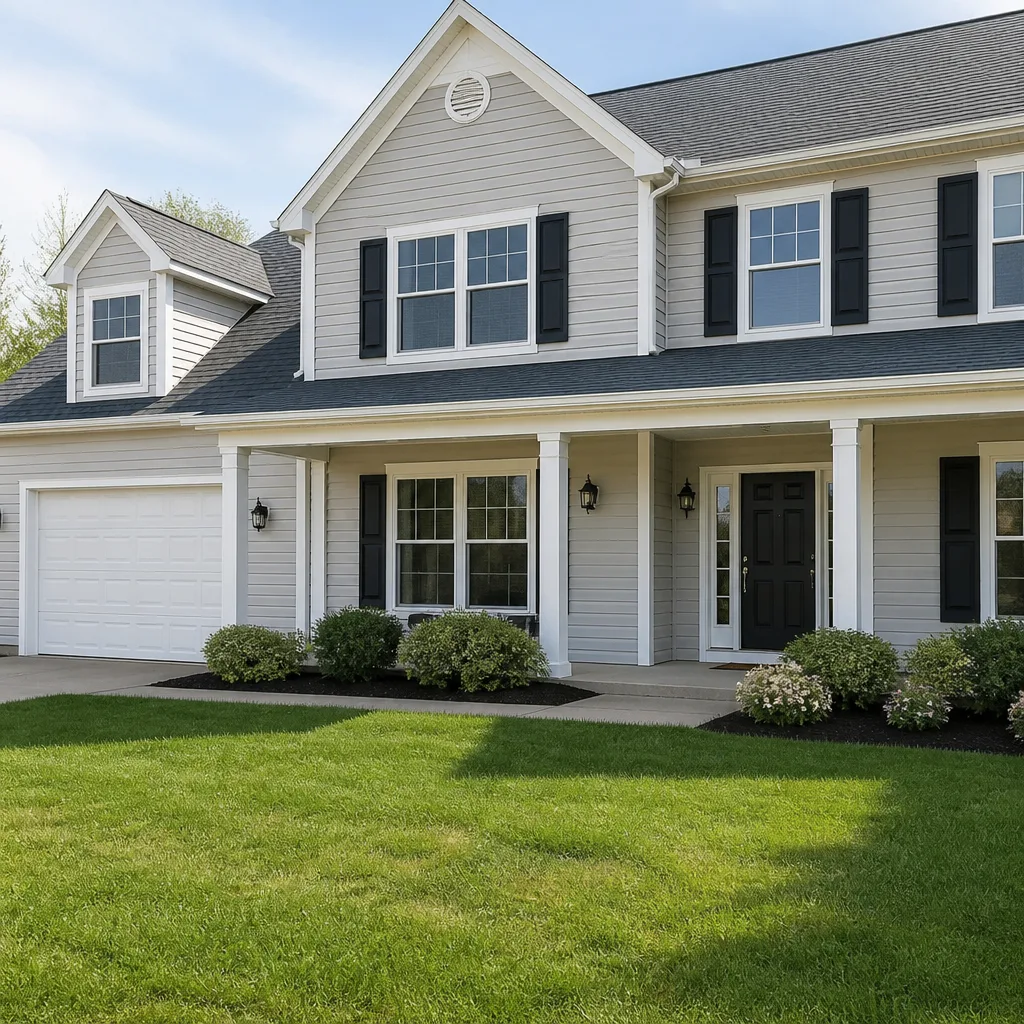
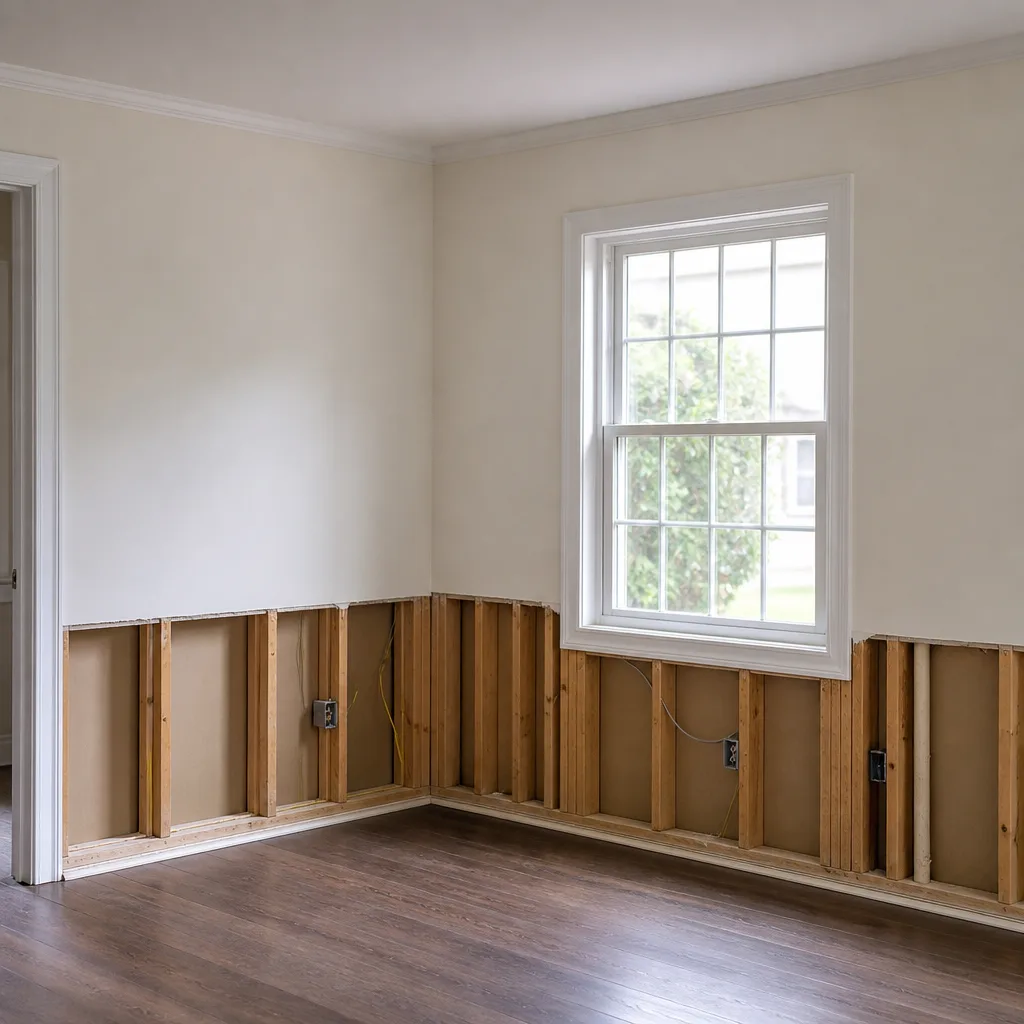
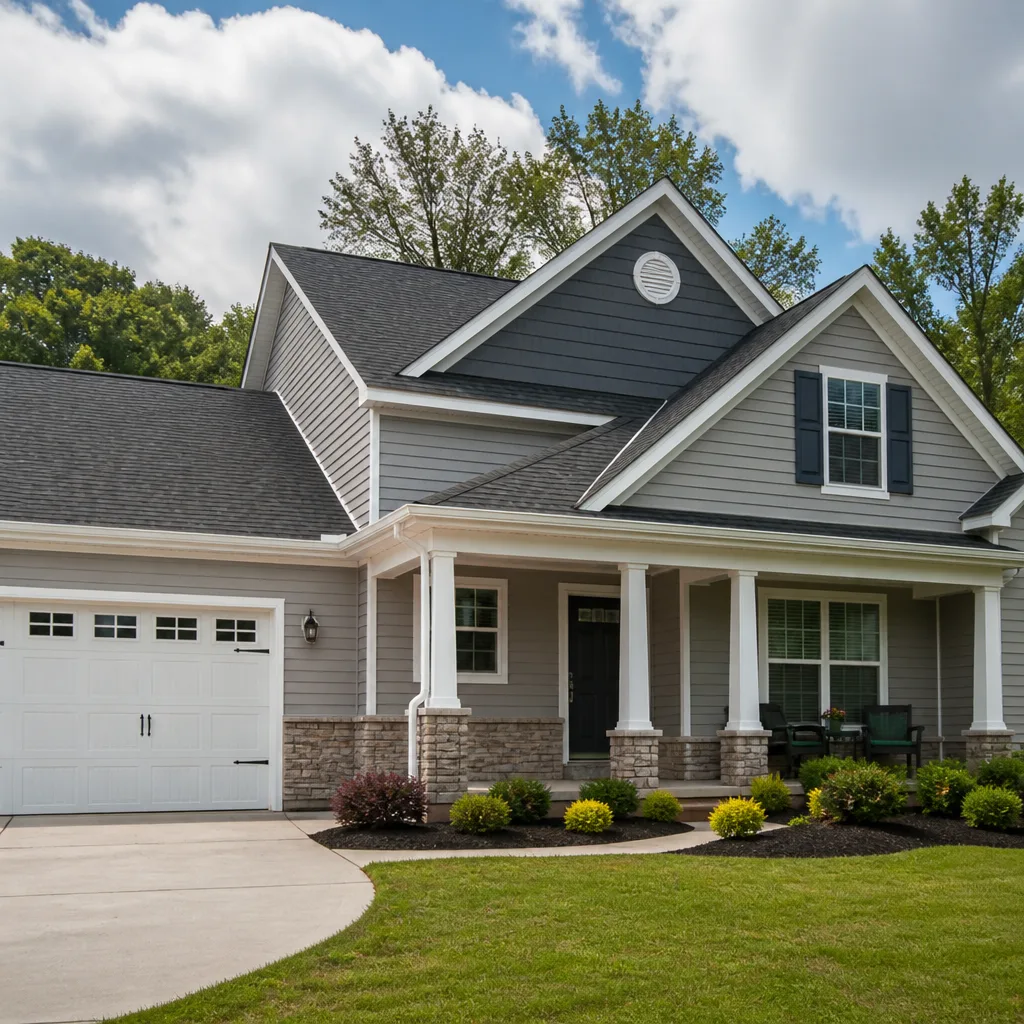
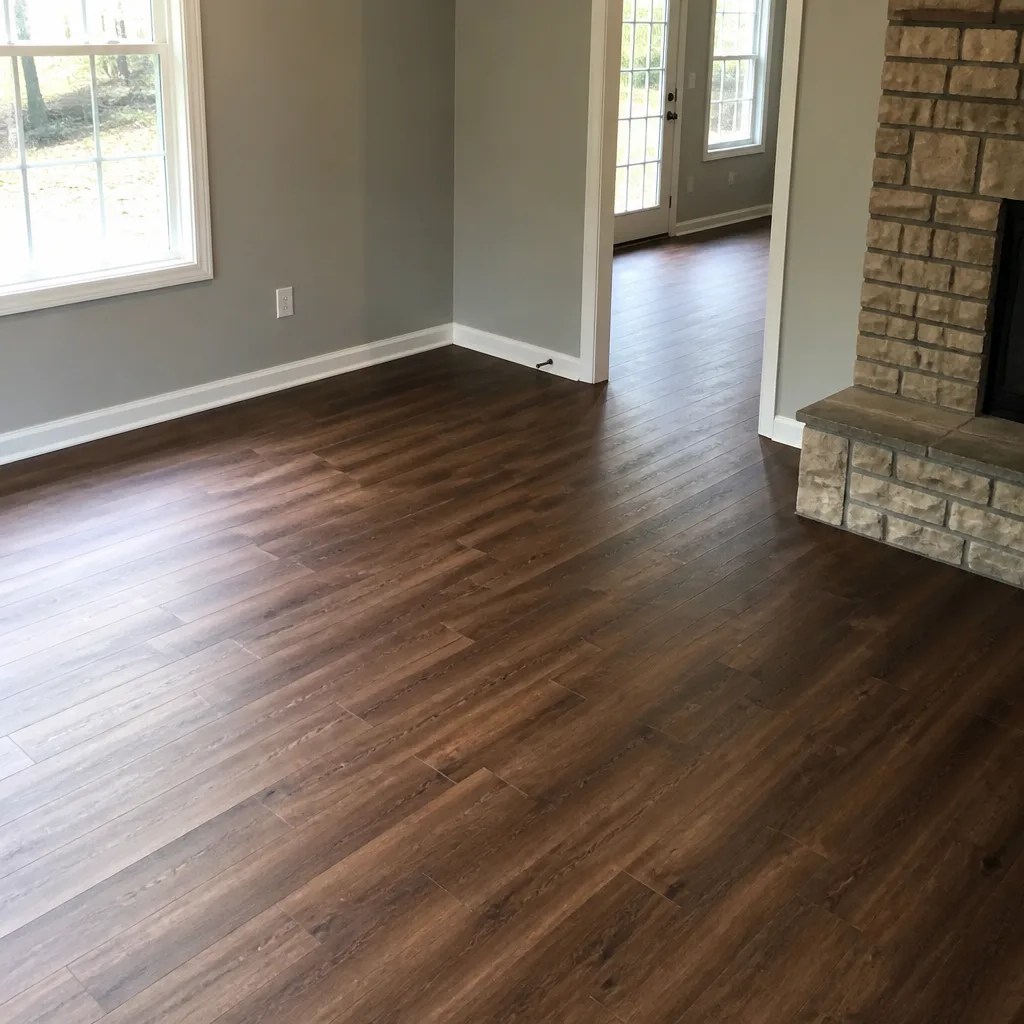
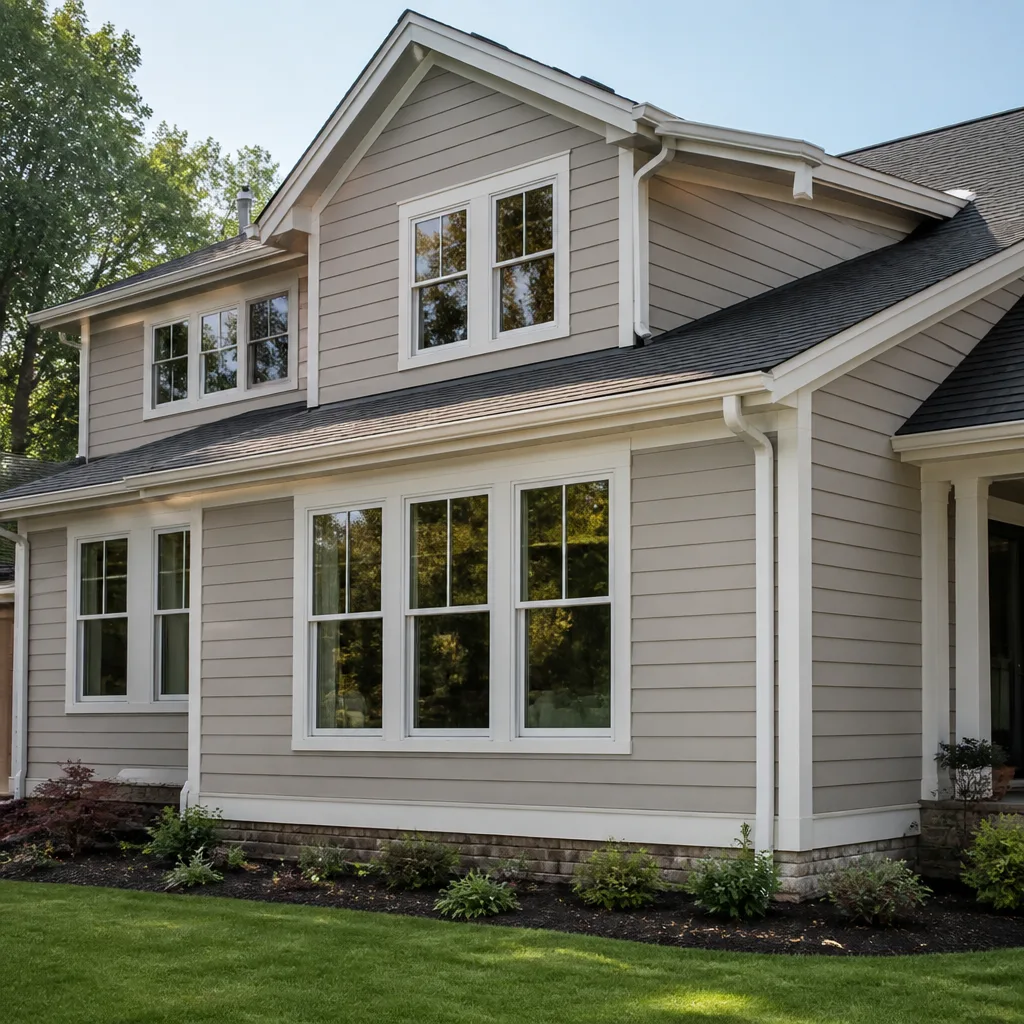
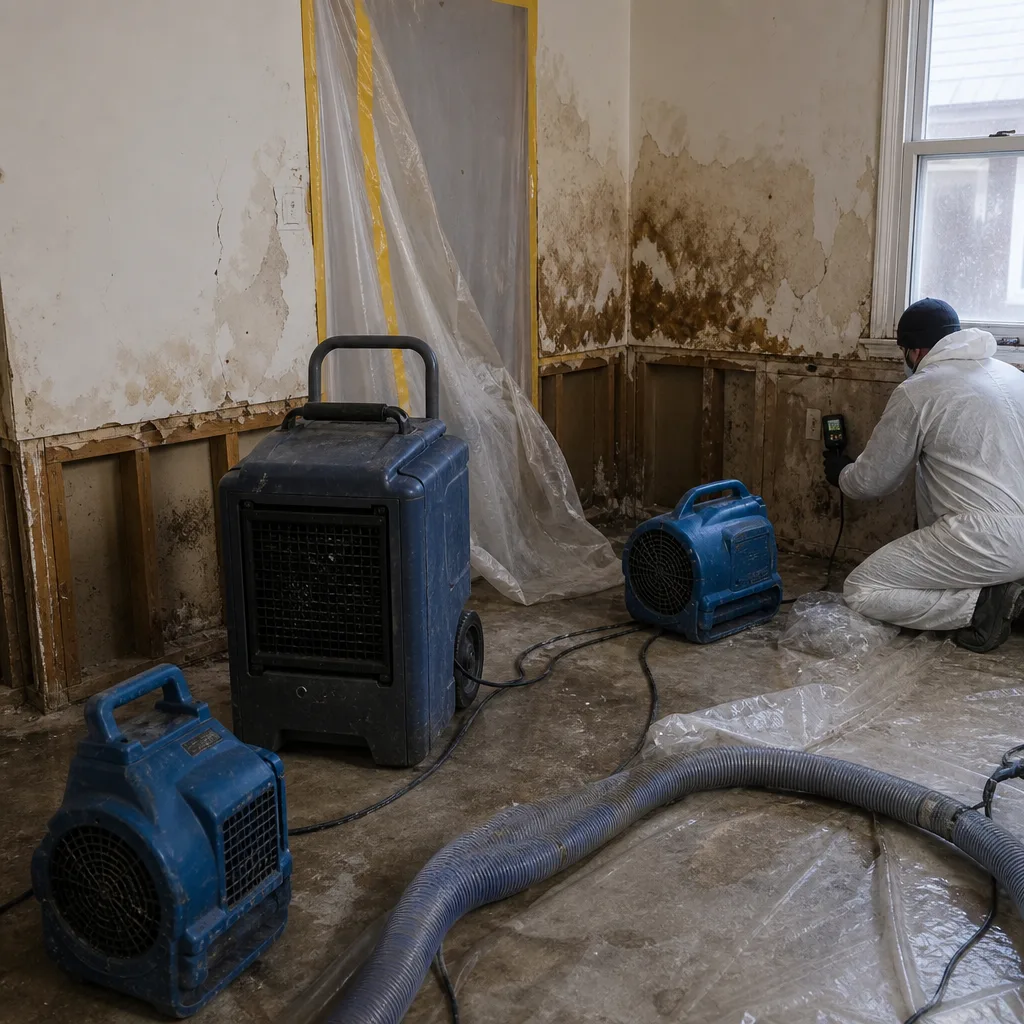 Before
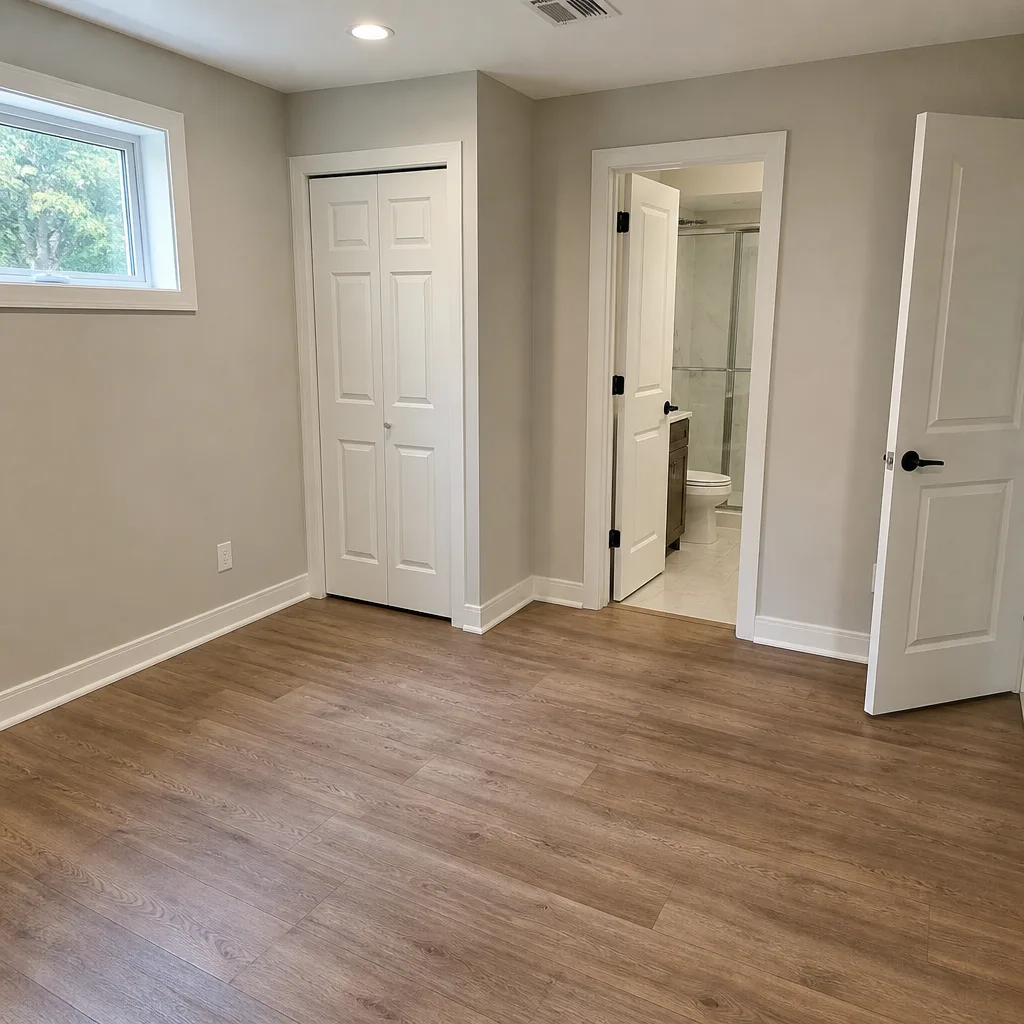 After
After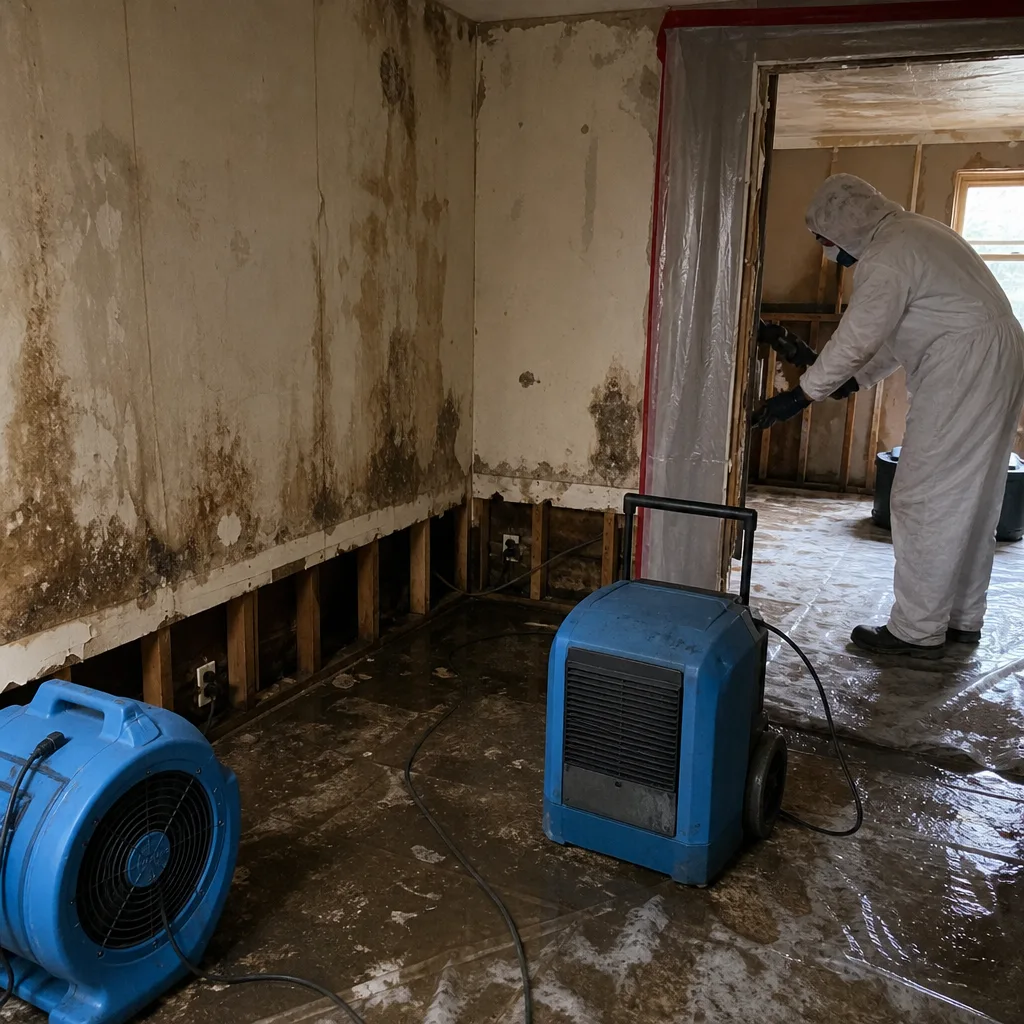 Before
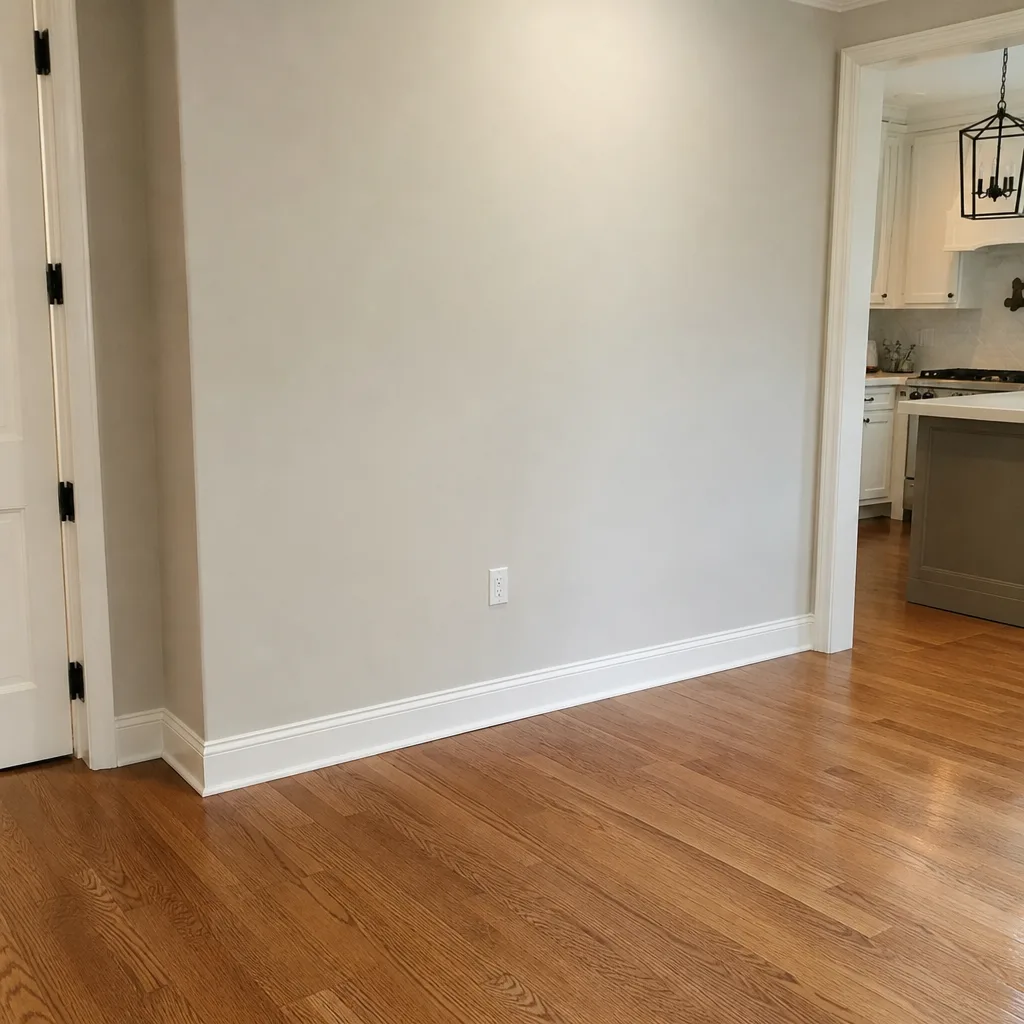 After
After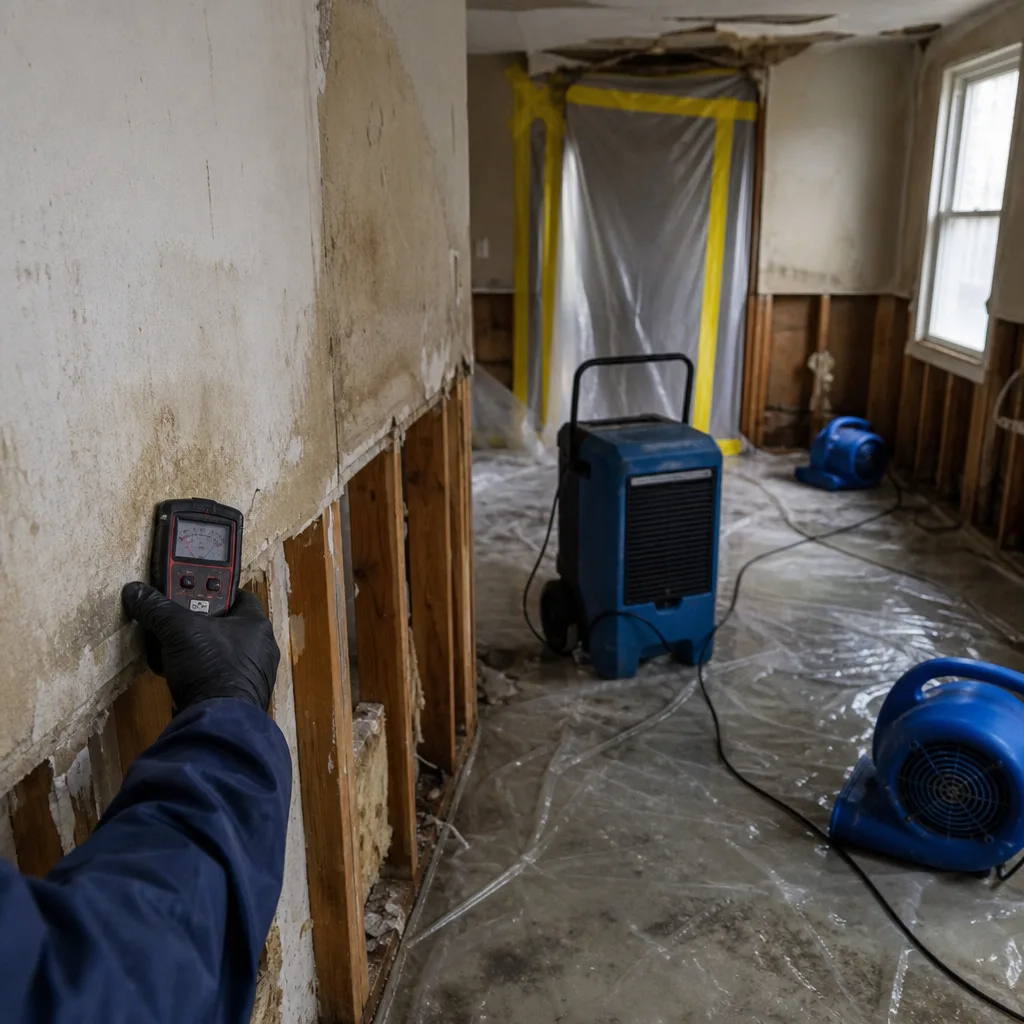 Before
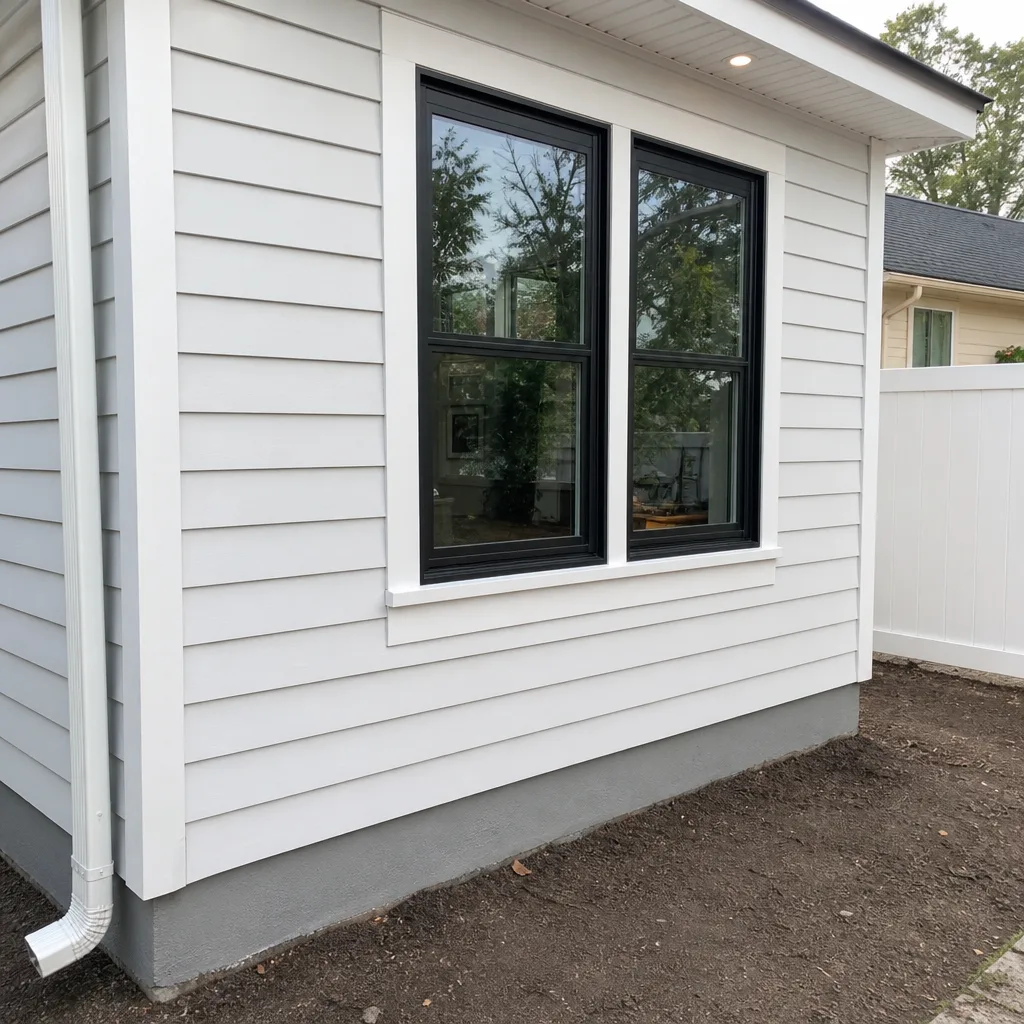 After
After24/7 Emergency Storm & Disaster Restoration in East Elmhurst
Storm surge off Flushing Bay doesn’t wait for business hours, and neither do we. Floodline Restoration Co. answers every call with a live dispatcher, 24 hours a day, every day of the year. When a nor’easter pushes bay water into a basement on Ditmars Boulevard or a wind event tears roofing off a rowhouse near Northern Boulevard, our certified crews are dispatched inside East Elmhurst within the hour. The first 60 minutes after a storm breach decides how much of your home can be saved versus replaced. Category 3 water from Flushing Bay carries sewage, fuel residue, and organic matter that soaks into drywall, framing, and flooring fast. Call (363) 999-0829 the moment you see standing water, a fallen tree against the house, or daylight through your roof. We’ll do a free visual inspection the same visit and get extraction running before you’ve finished making coffee.
Understanding Storm & Disaster Restoration Severity in East Elmhurst Properties
East Elmhurst presents a specific problem set that inland Queens neighborhoods simply don’t face. The housing stock here, mostly brick Cape Cods, detached single-families, and attached rowhouses built between 1940 and 1965, sits on a high water table with finished below-grade basements everywhere you look. When Flushing Bay surges, that water doesn’t just sit on top of the floor. It comes up through the slab, through hairline cracks in foundation walls, and through mortar joints that have been quietly failing for decades. We classify storm water into three categories. Category 1 is clean water from a broken supply line or rainwater that hasn’t touched building materials. Category 2 carries contaminants, the kind of water you get when a sump fails and groundwater mixed with soil and detergent backs up. Category 3 is what we see most often in East Elmhurst after a real coastal event: bay water, sewage, and street runoff. Category 3 means saturated drywall, insulation, and carpet are removed, not dried. Moisture mapping with thermal imaging tells us where water traveled inside wall cavities and under finished flooring. Structural drying then uses Dri-Eaz and Phoenix air movers and dehumidifiers with daily readings logged until materials reach their established dry standard. In these older brick homes, that drying curve runs longer than a newer wood-frame build would, because masonry holds moisture and releases it slowly.
Why East Elmhurst Property Owners Choose Floodline Restoration Co.
- 45-minute response commitment: We dispatch crews stationed around East Elmhurst, with a target arrival time of 45 minutes for emergency storm calls inside the 11369 and 11370 zip codes.
- 24/7 live answer, never an automated system: A real dispatcher picks up at 2 a.m. on a Sunday. You’ll never press buttons or leave a voicemail during a storm event.
- IICRC-certified crews: Our technicians hold WRT, FSRT, and AMRT certifications. That means water damage, fire and smoke, and applied microbial remediation are handled to a documented industry standard.
- Free visual inspection: Before anything gets torn out, we walk the loss with you, explain what we’re seeing, and give you a straight read on what needs to happen.
- Direct insurance billing: We bill your carrier directly and talk to your adjuster ourselves. You don’t play messenger between us and the claims desk.
- One team, start to finish: The same Floodline crew that extracts the water also handles drying, documentation, mitigation, and the rebuild. No mid-job handoff to a subcontractor you’ve never met.
Our Storm & Disaster Restoration Process
Inspection & Assessment
We arrive with thermal imaging cameras and moisture meters to map the full reach of the water or structural damage. For East Elmhurst homes under LaGuardia flight paths, our inspectors specifically check mortar joints and masonry for vibration fatigue that may have pre-dated the storm event.
Extraction & Stabilization
Standing water comes out first, using submersible pumps and truck-mounted extraction units. If the roof or a wall is compromised, we board up, tarp, and stabilize before interior work begins so the structure doesn’t take on more weather.
Drying & Dehumidification
Dri-Eaz and Phoenix air movers and dehumidifiers run continuously, with hygrometers tracking relative humidity. We log readings daily and don’t sign off until materials hit their dry standard, not just when the floor feels dry to the touch.
Cleaning & Sanitization
After a Flushing Bay surge, surfaces that remain in place get antimicrobial treatment and HEPA vacuuming. Category 3 loss means soft goods and saturated porous materials are removed rather than cosmetically cleaned.
Specialty Treatment: Flood-Zone Compliance Review
If your East Elmhurst home sits in a FEMA flood zone and damage totals more than 50% of pre-storm market value, NYC’s substantial damage rule applies. We review the loss against elevation certificate requirements and flood-resistant construction standards before reconstruction begins, so your repair doesn’t stall at the permit counter.
Repairs & Restoration
The same certified crew handles the rebuild, from drywall and flooring to custom millwork that matches your 1950s rowhouse. The 90-Day Done Right Promise applies to all of it, in writing.
Need Emergency Storm & Disaster Restoration in East Elmhurst Now?
Crews minutes away, answering live 24 hours a day. The sooner we start, the less it costs.
Working With Your Insurance Company
We don’t ask you to figure out your policy language before we start work. Floodline Restoration Co. handles claims the way a restoration company should: with documentation that holds up. From the first hour on site, we photograph every affected room, measure moisture levels, and record what we removed and why. Your adjuster gets a line-item scope of work written in the estimating language carriers use, not a vague paragraph. We coordinate directly with your adjuster, send the drying logs and photos without being asked twice, and bill your carrier for covered work. If the claim involves the substantial damage rule, we can talk through what that means for your specific house and whether your policy or FEMA programs apply. Curt Bowman built this company on the idea that the homeowner should never be the one chasing paper during a disaster.
What We Provide Your Insurer
- Thorough documentation of the loss
- Photos of all damage, room by room
- Moisture readings and drying logs
- A detailed, line-item scope of work
- Direct coordination with your carrier
Built for East Elmhurst’s Loss Calendar
East Elmhurst’s storm damage season isn’t a single month, it’s a rolling cycle that follows the borough’s geography. January and February bring deep freezes that burst galvanized supply lines in those 1940s and 1950s basements, and because the ground here sits so close to the water table, a burst pipe quickly becomes a groundwater intrusion problem too. March through May is thaw season, when melted snow and spring rain find every hairline crack in a foundation wall. June through August brings the summer thunderstorm pattern: intense, short-duration downpours that overwhelm the catch basins around Astoria Boulevard and leave street water pushing up over curbs along 31st Avenue. September through November is nor’easter season, the one East Elmhurst homeowners know best. A coastal storm that tracks up the Atlantic with an east wind pushes Flushing Bay into the neighborhood’s lowest blocks, which is why so many longtime residents on the blocks near the water keep sandbags and sump backups in the garage. December sees the first hard freeze again, often before the ground has fully dried from autumn, so foundation water expands and cracks widen. Every season has a failure mode here, and we’ve answered calls in all of them for over a decade as a company. Our Storm & Disaster Restoration team plans for the geography of each season, not a generic storm response calendar.
Storm & Disaster Restoration Across East Elmhurst’s Neighborhoods
Response routes matter in this neighborhood, and the building types change block by block. In the blocks east of 94th Street near the Grand Central Parkway, you get the classic post-WWII brick rowhouses, attached, with shared party walls and basements that slope toward the rear yard. Water moves through those party walls fast, which means a neighbor’s flooded basement can become your flooded basement within a day. Over in the section between Ditmars Boulevard and 23rd Avenue, the housing shifts to detached single-families with a little more breathing room, but many still have the original galvanized supply lines in the basement ceiling. Near Northern Boulevard, you’ll find some older attached homes where the elevation runs just slightly higher, but proximity to the Flushing Bay shoreline overrides elevation when a nor’easter tracks in from the Atlantic. The blocks nearest LaGuardia Airport, roughly between 23rd Avenue and the water, live under the constant vibration of low-altitude aircraft, and masonry there shows more fatigue than anywhere else in the neighborhood. When we get a Storm & Disaster Restoration call from those blocks, our first look always includes a check for vibration-cracked mortar joints, because water that gets behind brick in a 1950s rowhouse doesn’t present itself until the damage is already deep. East Elmhurst is not one neighborhood, it’s a collection of distinct building eras and exposure levels, and our response planning treats it that way.
Specialized Storm & Disaster Restoration Services We Offer in East Elmhurst
Flood Damage Restoration
Flooding in East Elmhurst is rarely clean water. A Flushing Bay surge brings Category 3 water into basements and ground-floor units, and we treat it as a contamination event from the first hour. We remove the water, cut out saturated drywall and insulation, sanitize the cavity, and run structural drying with Dri-Eaz and Phoenix equipment until the framing hits its dry standard. If the home is in a FEMA flood zone, we flag the claim for substantial damage review immediately, because that rule changes what a repair looks like.
Storm Damage Cleanup
After a wind event or heavy rain, the damage is often spread across the property: shingles in the yard, a section of fence down, a soffit pulled loose, water already in the basement from a leak that opened up hours ago. We clear the debris, document everything for your claim, stabilize the openings, and start extraction the same visit. You won’t get a separate crew for the yard and another for the basement. It’s one Floodline team on one work order.
Roof Tarping
A compromised roof is a clock running against you. Every hour of rain through an open deck saturates the insulation, the ceiling, and everything below. We tarp to stop the intrusion, using fasteners that hold against the wind we actually get near Flushing Bay, not just the calm-day forecast. Tarping is a temporary measure, but done right it buys you the time to work through a proper repair scope with your insurer instead of rushing a patch.
Emergency Board-Up
When a tree limb goes through a window or wind pressure blows out a patio door, the opening is an invitation to weather, pests, and theft. We board up with plywood cut to the opening, fastened securely, and documented for your claim. The board-up is structural and done to keep the interior dry until glazing can be replaced.
Debris Removal
Storm debris in East Elmhurst often includes construction materials from older homes: asphalt shingles from the 1960s, broken brick, sections of cedar fence. We haul it, separate what can be recycled, and photograph the load for your claim documentation. You’re not left with a pile in the driveway for the adjuster to guess at.
What happens when you call
- 1
A real person answersNo phone trees - you reach a local pro.
- 2
You get an upfront price rangeHonest numbers before anyone is dispatched.
- 3
A background-checked tech heads outLicensed & insured, dispatched right away.
- 4
You approve before work beginsNothing starts until you say go.
Storm & Disaster Restoration Costs in East Elmhurst, NY
Costs in East Elmhurst track the age of the housing stock and the specific complexity of coastal flood damage. A straightforward Category 1 water extraction and drying job in a 1,200-square-foot basement typically runs $2,800 to $5,400. A Category 3 storm surge loss with drywall removal, sanitization, and structural drying usually lands between $6,000 and $14,000 depending on how much square footage is involved and whether finished flooring comes out. Roof tarping runs $600 to $1,800 for most single-family and rowhouse applications in the neighborhood, with the higher end reflecting steep pitches and access complications on attached homes. If the substantial damage rule comes into play, the scope changes from mitigation to code-compliance reconstruction, which is priced as a full repair project, not a remediation. The free visual inspection is how you get from a ballpark to a firm written scope. Call (363) 999-0829 and we’ll walk the loss with you and put numbers on paper before anything gets torn out. The Senior & Veteran 5% discount and $50 off any repair over $250 apply on top of the written scope.
We Also Serve Cities Near East Elmhurst
Floodline Restoration Co. responds across the surrounding Queens communities, including East Elmhurst and neighboring Jackson Heights, Corona, Elmhurst, and Astoria. The same live-answer dispatch and 45-minute response commitment applies everywhere we run crews. If you’re one block over the 11369 line, you still get a Floodline crew, not a referral.
East Elmhurst Storm & Disaster Restoration Questions, Answered
Does NYC’s ‘substantial damage’ rule apply to my East Elmhurst home after a storm?
The substantial damage rule applies only if your home sits in a designated FEMA flood zone, which covers much of East Elmhurst along the Flushing Bay shoreline, and the repair cost meets or exceeds 50% of your pre-storm market value. If it does, the entire structure must be brought up to current flood-resistant construction standards, which usually means elevation, flood vents, and flood-resistant materials below the base flood elevation. We can review your elevation certificate and damage estimate to tell you whether the rule triggers on your house. Call (363) 999-0829 for a no-cost assessment.
How do LaGuardia Airport flight paths affect storm damage restoration in East Elmhurst?
Decades of low-altitude aircraft vibration progressively cracks mortar joints and plaster in brick rowhouses under the flight path, especially in the blocks between 23rd Avenue and Ditmars Boulevard. Those hairline cracks become water intrusion paths during a storm, and they’re often missed if the assessor isn’t looking for them. Our inspectors specifically check for vibration-induced masonry fatigue because they’ve seen how much hidden moisture those channels carry. We’d rather find it before the drywall goes back up than after you repaint.
Why is structural drying slower in East Elmhurst basements than in inland Queens?
Two reasons. First, the water table here sits close to grade, so the masonry below your slab and behind your foundation walls is perpetually damp to begin with. Second, the brick and block construction of 1940s to 1960s homes holds moisture deep in the material, and it releases it slowly. A wood-frame wall in an inland Queens home might dry in 3 to 4 days. A brick party wall in East Elmhurst can take 7 to 10 days or longer, even with Dri-Eaz and Phoenix dehumidifiers running continuously. That’s why we log moisture readings daily instead of guessing by feel.
What category of water is common in East Elmhurst storm flooding?
Storm surge from Flushing Bay is Category 3 water by the IICRC definition: grossly contaminated with sewage, marine organics, fuel residue, and street runoff. That means saturated drywall, insulation, carpet, and most soft goods are removed and disposed of, not dried. We treat Category 3 as a contamination event, with containment, HEPA air scrubbing, and antimicrobial treatment completed before reconstruction begins. If you’re not sure what category your flood water falls into, call us before you touch it.
Can storm cleanup in East Elmhurst uncover plumbing problems unrelated to the storm?
Yes, and it happens often. The original galvanized supply lines in 1940s and 1950s basements have been corroding from the inside for decades, and the repeated moisture cycling of a flood accelerates that failure. We’ll flag any supply line or drainage issue we find during extraction and drying, and we’ll tell you honestly whether it’s part of the storm claim or a pre-existing condition you’ll want to address separately. You deserve to know what you’re actually dealing with.
What should I do in the first 30 minutes after a storm hits my East Elmhurst home?
Call us at (363) 999-0829 first. Then shut off the main breaker if water is near outlets or the electrical panel. Don’t enter standing water. Don’t try to dry it with a shop vac, and don’t use a household fan on Category 3 water. If you can safely take photos from the doorway, do that. Then stay out and let the crew arrive. The first hour of documentation and extraction changes the final bill and the extent of what has to be torn out.
How fast can you actually get to East Elmhurst?
Our dispatch stations crews near the neighborhood, and our target is 45 minutes from the call for emergency storm response within the 11369 and 11370 zip codes. A live dispatcher answers immediately and tells you exactly which crew is rolling. We’re local to the borough, so we’re not routing from a regional hub two counties away.
Are your technicians certified for flood and storm restoration?
Every Floodline technician is background-checked, uniformed, and certified to IICRC, RIA, and IFA standards. For storm and flood work specifically, our crews carry WRT and AMRT certifications. That matters on a Category 3 bay-water loss in East Elmhurst, where the difference between a certified extraction and a quick pump-and-dry job determines whether mold appears in the wall cavities six weeks later.
Serving East Elmhurst, NY - Our Local Coverage Area
We’re based in the East Elmhurst area and know this community well. Use the map below to see our service coverage - if you’re nearby, we can almost certainly help.
Call Floodline Restoration Co. for Storm & Disaster Restoration in East Elmhurst
When Flushing Bay comes over the bulkhead or a nor’easter tears your roof open, you need a company that answers the phone with a person and brings certified crews who know this neighborhood’s brick and block construction, its flight-path vibration issues, and its flood-zone rules. That’s what we do. Floodline Restoration Co. has been handling storm, flood, and fire losses since 2010, with one team from first extraction to final rebuild, and the 90-Day Done Right Promise in writing on every job. The inspection is free. The scope is written before work starts. The bill goes to your carrier. Call (363) 999-0829 now and we’ll be on our way.
Written by Curt Bowman, Owner at Floodline Restoration Co., serving East Elmhurst and the surrounding Queens communities since 2010.