
Free visual inspection and a written scope of work before any mitigation begins - photos, moisture readings, and drying logs go in your claim file
The scope we write is the scope we bill. Anything new gets shown to you, in writing, before we touch it.
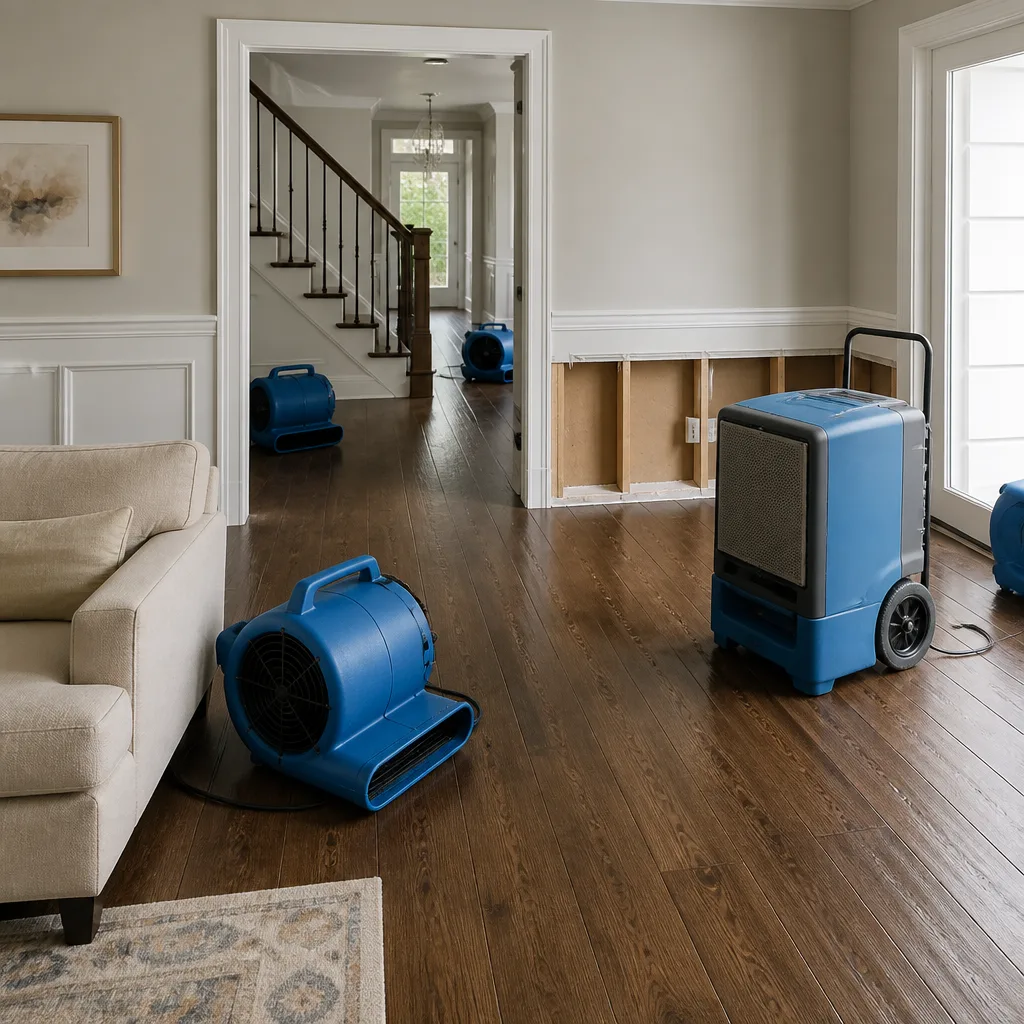
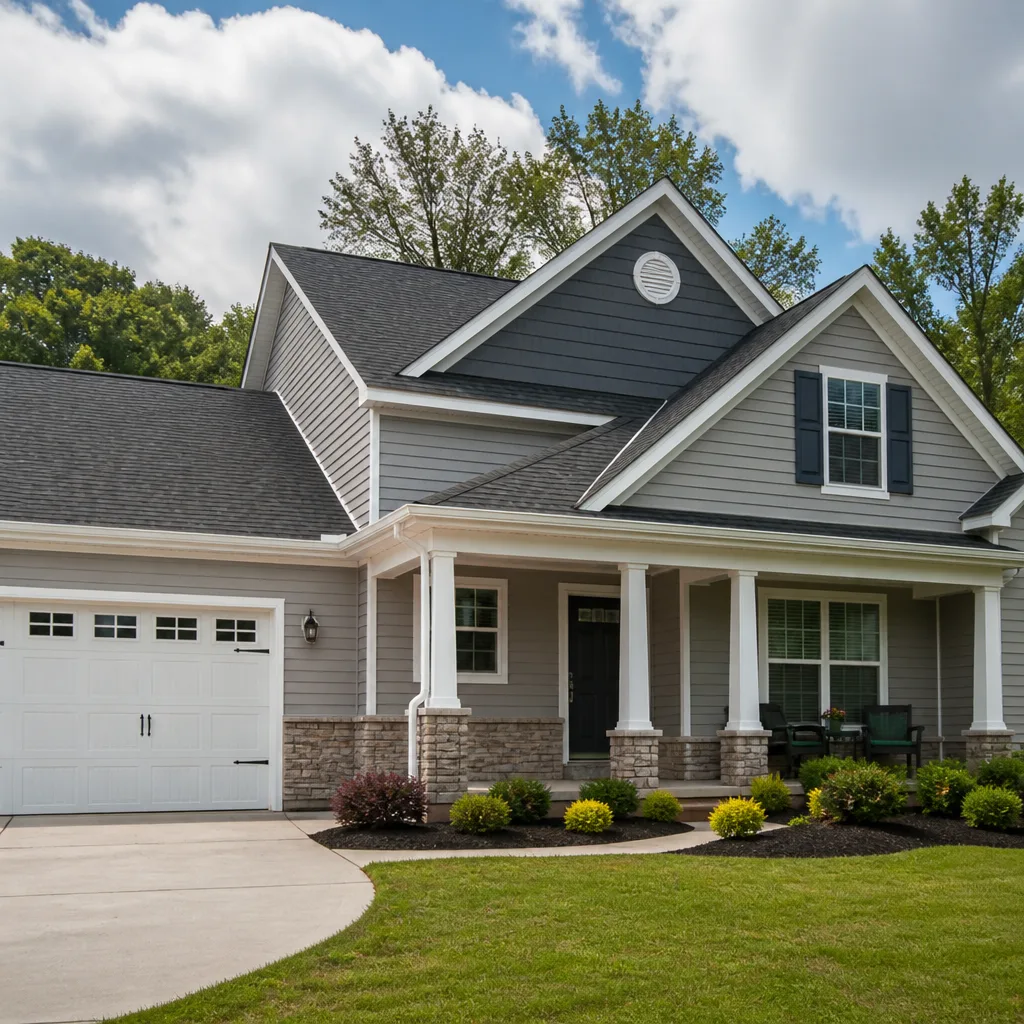
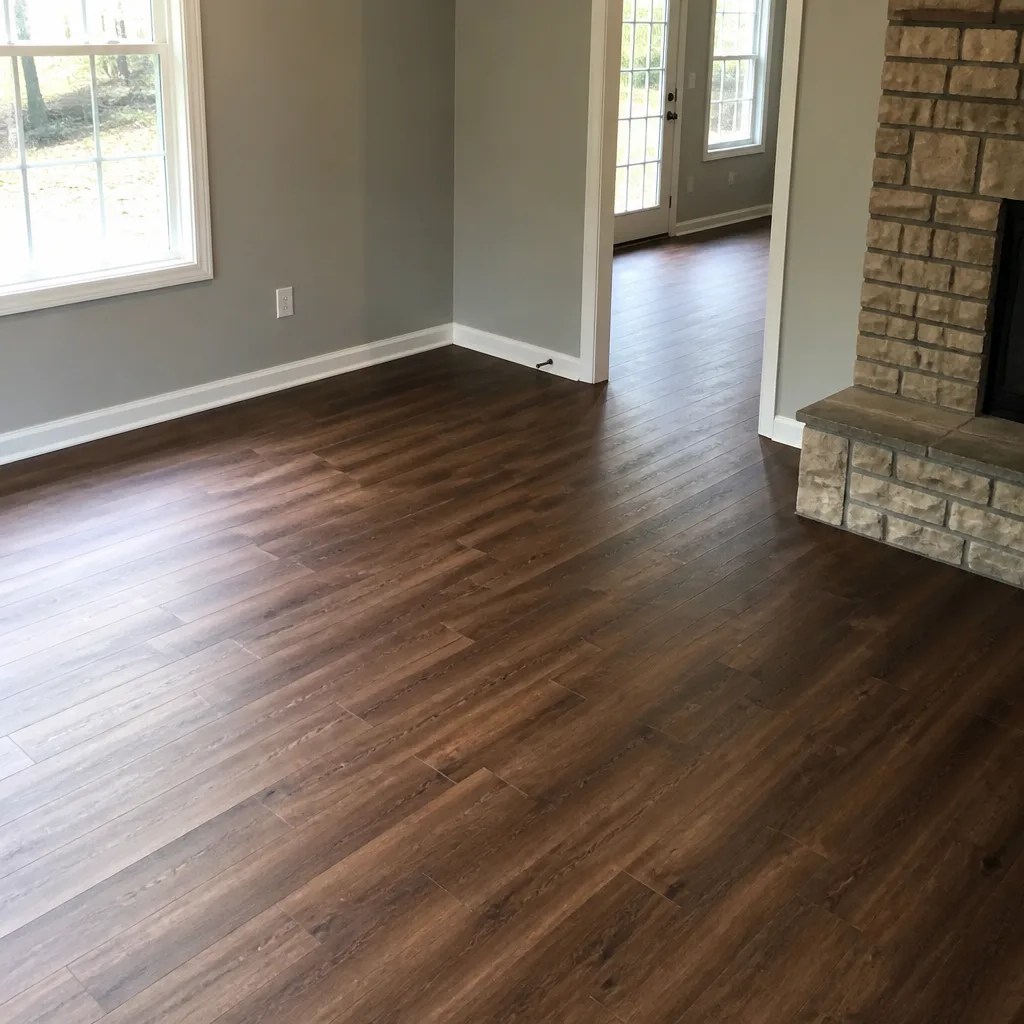
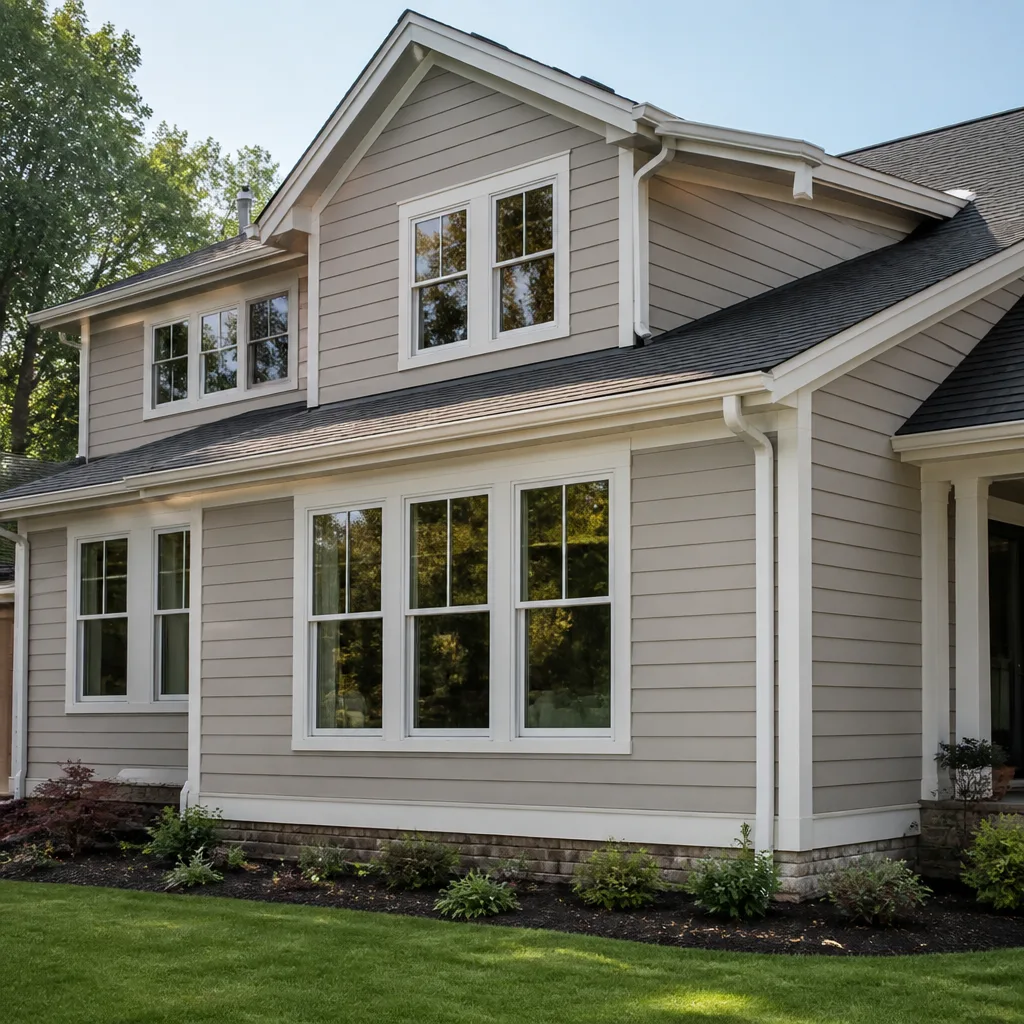
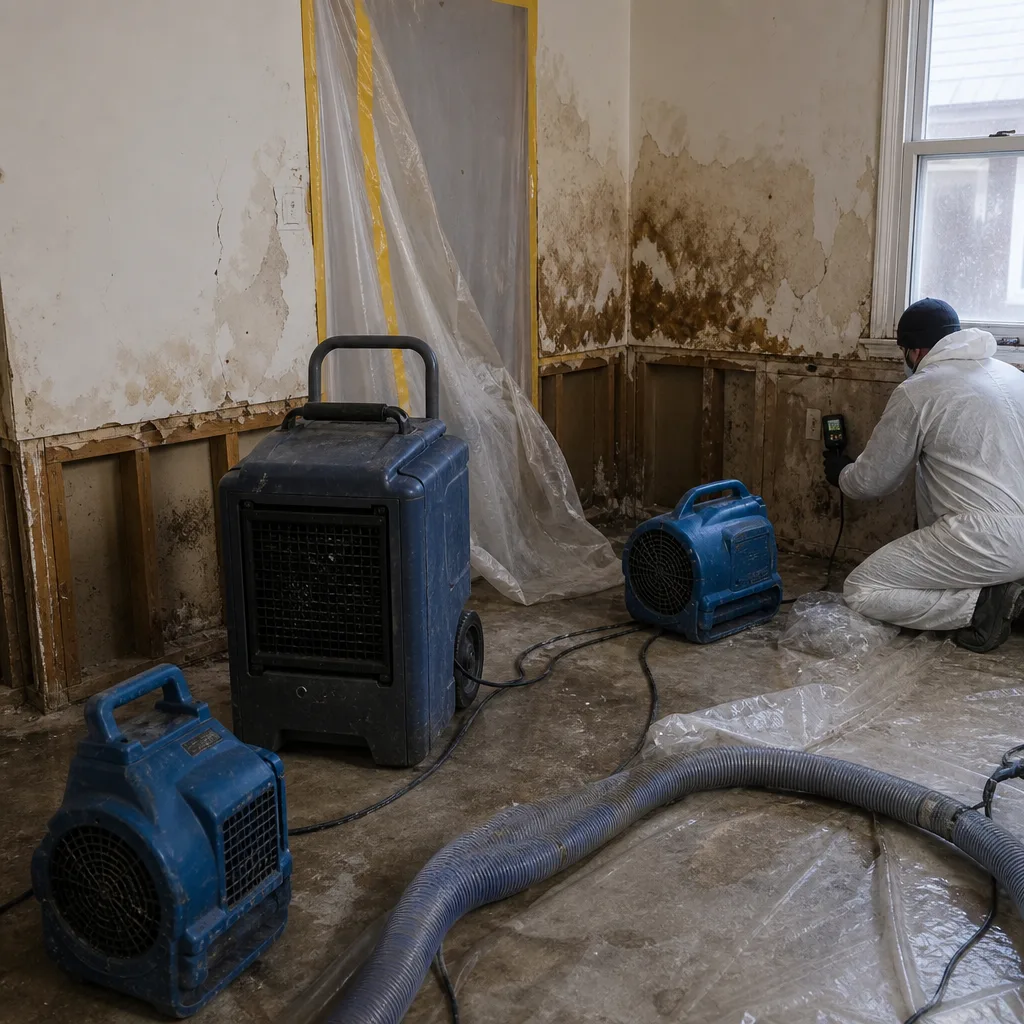 Before
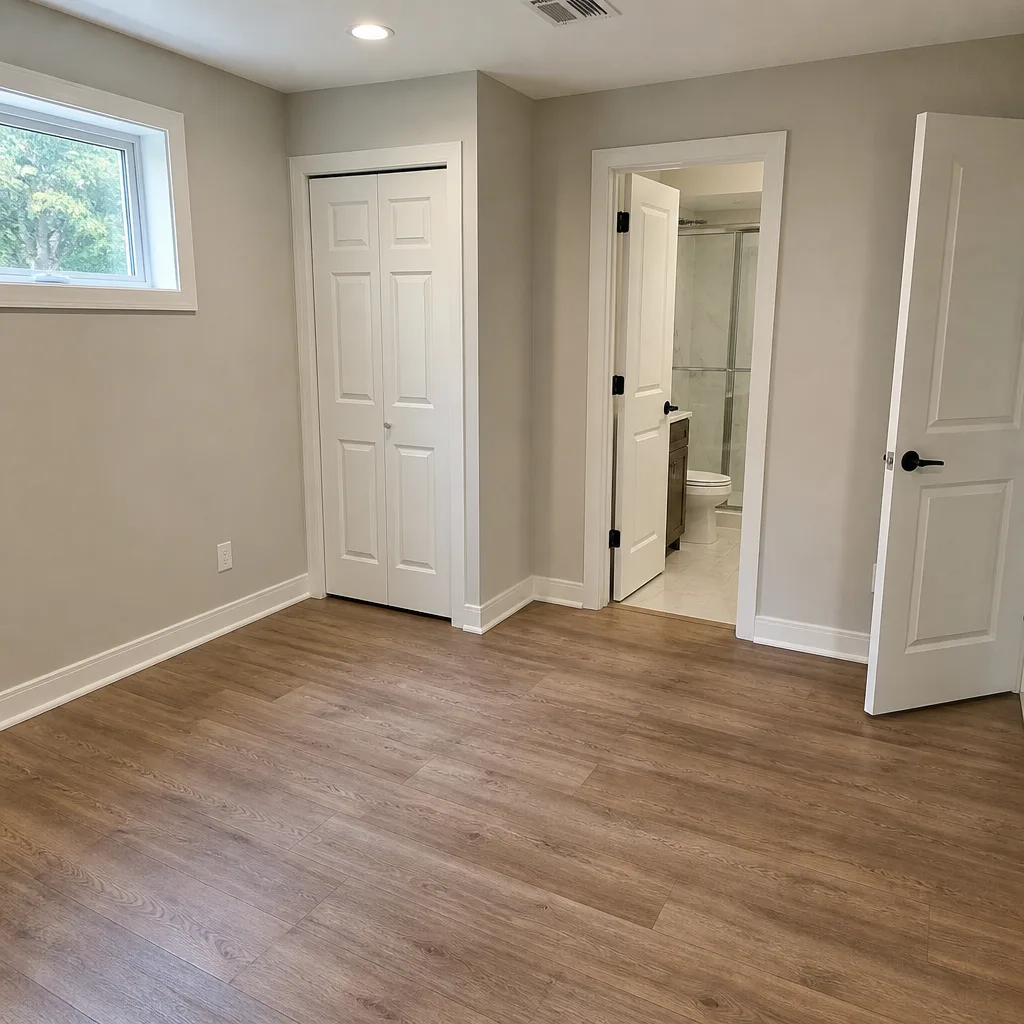 After
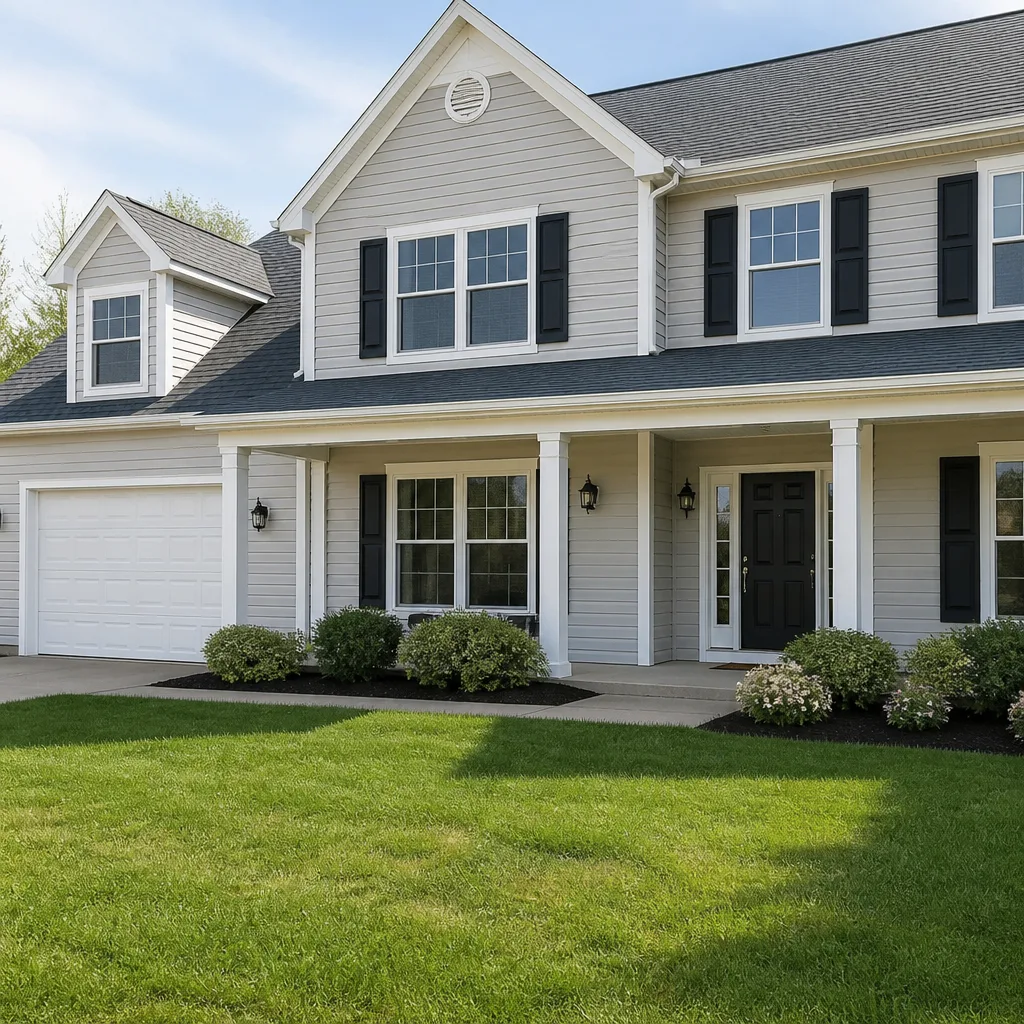
After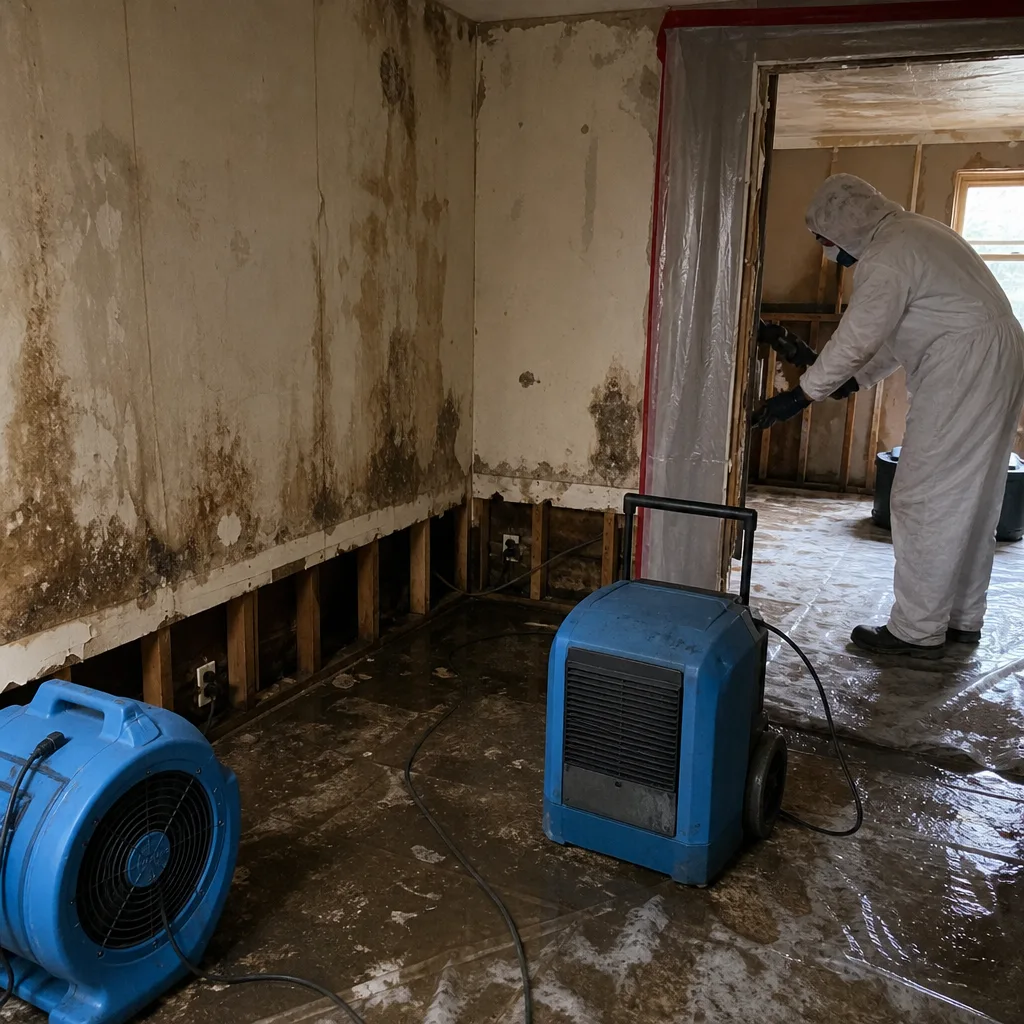 Before
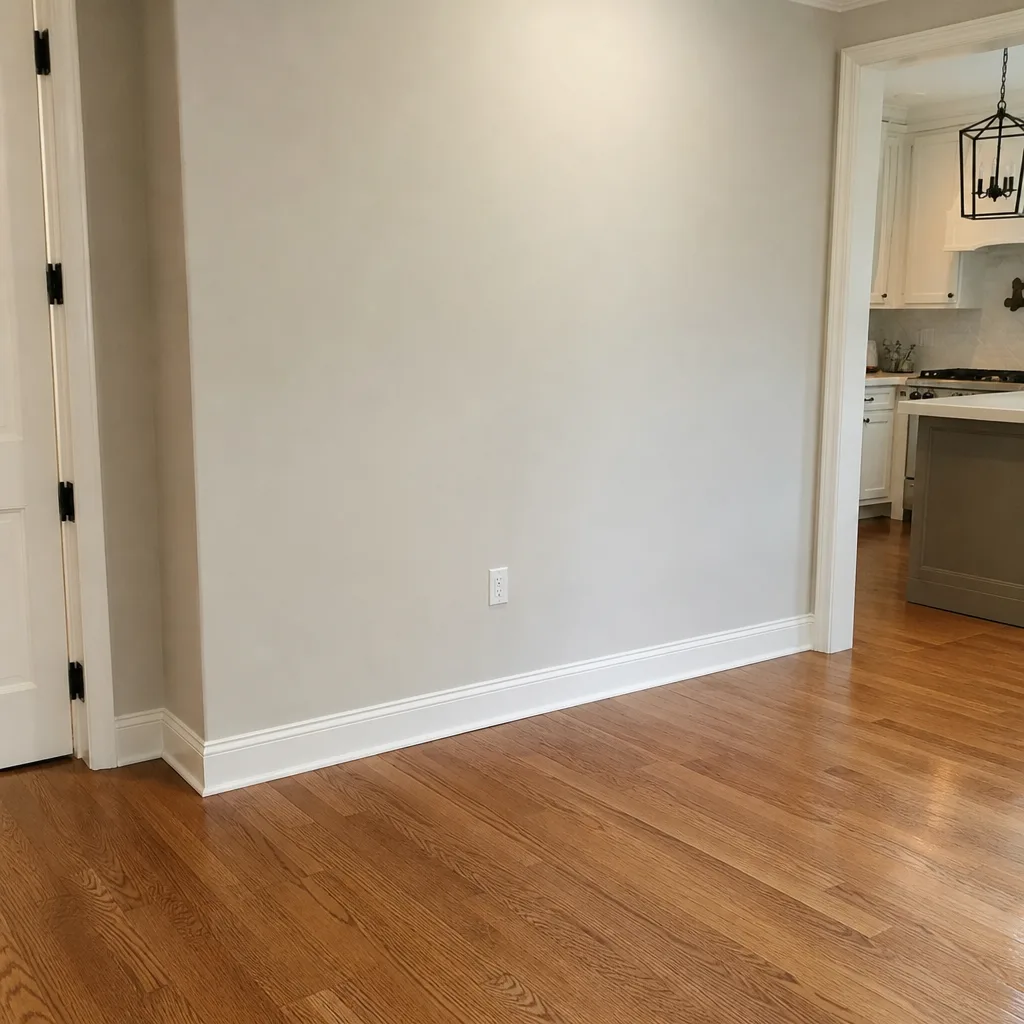 After
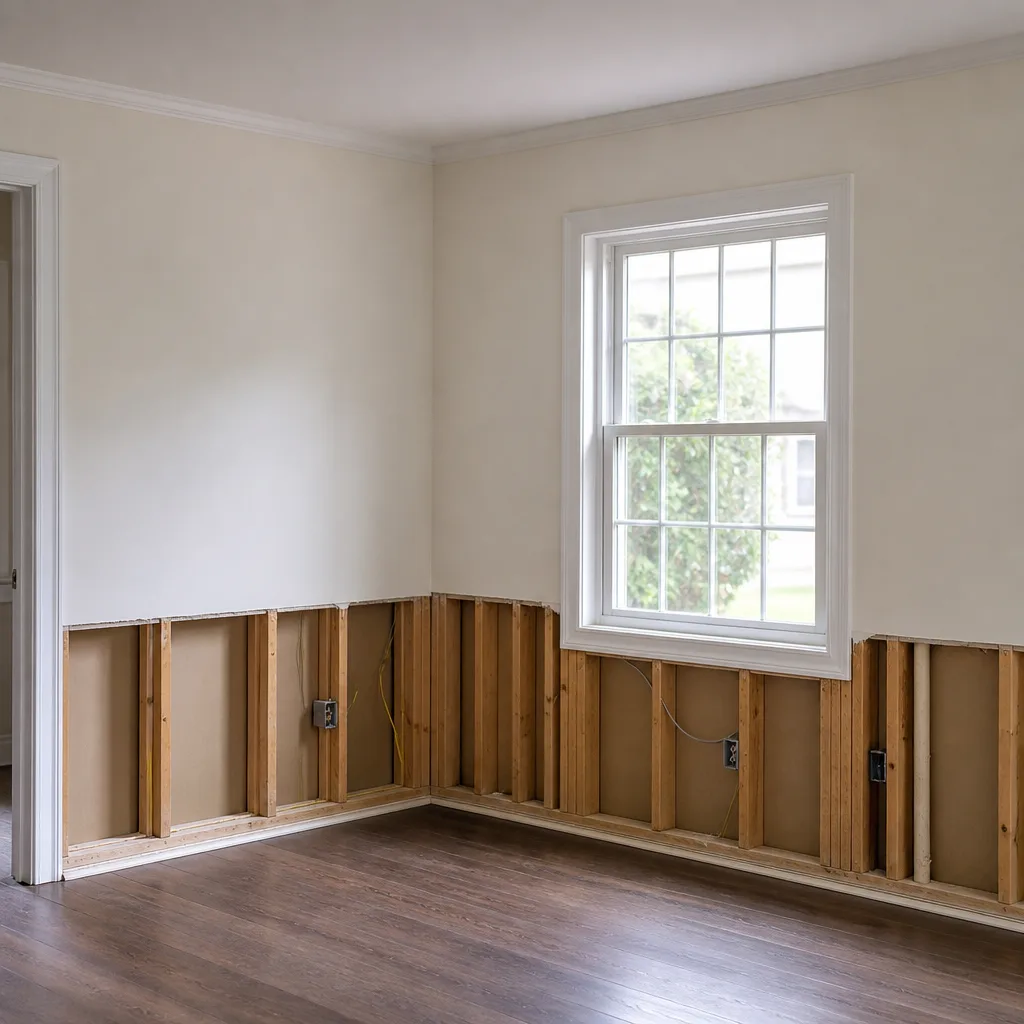
After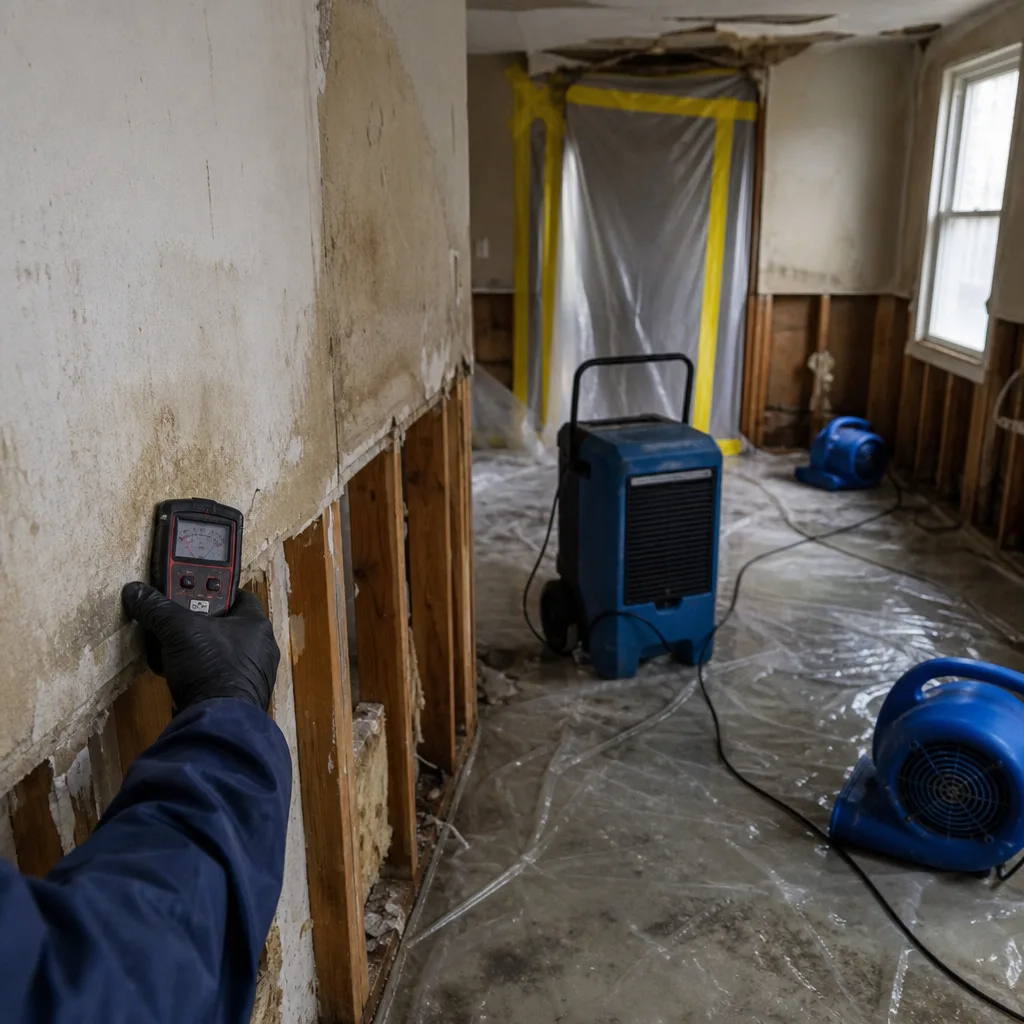 Before
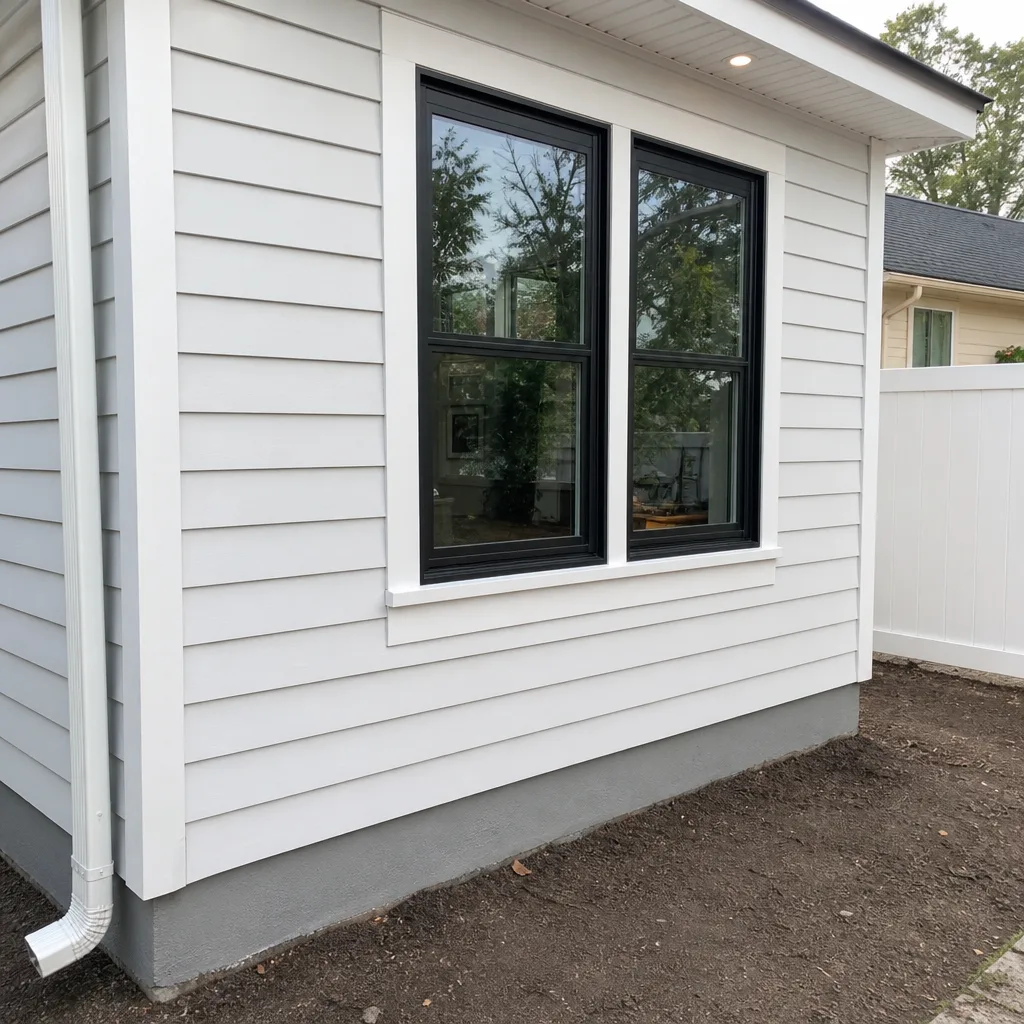 After
After24/7 Emergency Storm & Disaster Restoration in Astoria
Storm damage in Astoria moves fast, and so do we. When a nor’easter tears off a roof membrane or a cold snap bursts a supply line in a 1920s rowhouse, water starts migrating through shared party walls and continuous subfloors within the hour. Our Storm & Disaster Restoration crews answer live around the clock and dispatch into Astoria’s 11102, 11103, and 11105 zip codes the moment you call (363) 999-0829. The first hour determines whether a third-floor leak stays a single-unit cleanup or becomes a multi-building tear-out across two owners and two insurance policies. We arrive for a free visual inspection, get extraction running the same visit, and start the moisture log that keeps your claim moving without you playing messenger to a carrier.
Understanding Storm & Disaster Restoration Severity in Astoria Properties
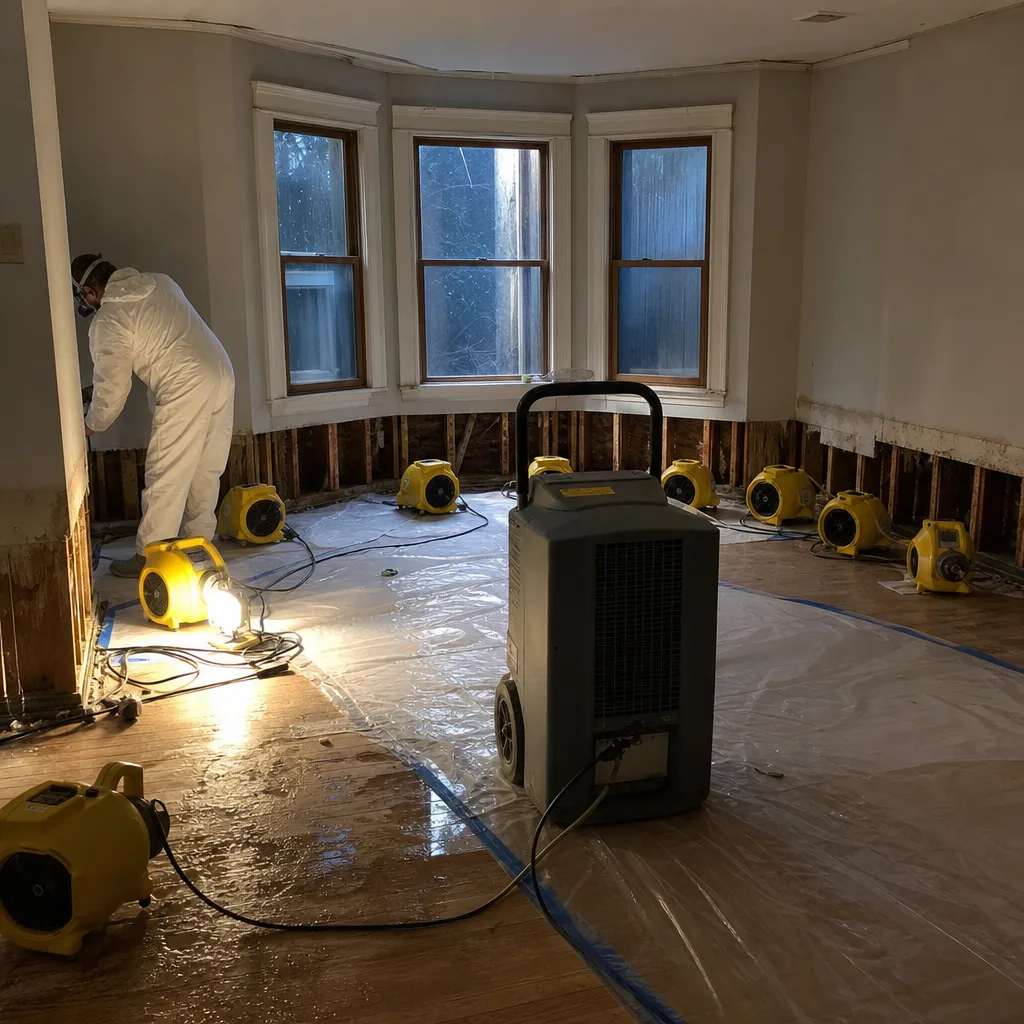
Astoria’s pre-war housing stock concentrates storm damage in ways that newer construction never does. Those attached brick rowhouses and five-to-six-story walk-ups built between 1910 and 1950 share single-wythe party walls. A Category 3 sewage surcharge from the combined sewer system backs up into a ground-floor unit on 31st Avenue and immediately contaminates plaster-and-lath, wood subfloor, and the open wall cavities of the adjoining building next door. Category 2 water from a flat-roof leak ponds after every nor’easter, saturates top-floor ceilings, and travels downward through continuous floor assemblies that run under the party wall with no true fire or moisture separation. We run moisture mapping with thermal imaging and penetrating meters, set containment, and hold structural drying with Dri-Eaz and Phoenix equipment until every cavity reads dry-to-standard. In these buildings, “drywall patch and paint” is never the whole job. The wall cavity is the job.
Why Astoria Property Owners Choose Floodline Restoration Co.
- 45-minute response commitment: Our Astoria-dedicated crews dispatch from the metro office with a live ETA, not a call-back promise. Extraction starts the same visit, not the next morning.
- 24/7 live answer: A real dispatcher picks up at 2 a.m. during a January pipe burst. No recording, no triage service, no “leave a message and we’ll get back to you.”
- IICRC-certified crews: Our water techs carry WRT and ASD certifications, our fire techs hold FSRT, and our mold team runs AMRT containment protocols. Background-checked, uniformed, and trained to RIA and IFA standards as well.
- Free visual inspection: Before we touch anything, you get eyes on the actual scope. A written scope, in plain language, with line items you can read and question.
- Direct insurance billing: We submit the estimate, the photos, the moisture logs, and the drying records directly to your carrier. You are never the go-between.
- One team from extraction to reconstruction: The same certified crew that cuts open the floor on day one rebuilds the subfloor and patches the plaster on day ten. No mid-job handoff to strangers.
Our Storm & Disaster Restoration Process
Inspection & Assessment
We arrive, walk the damage path, and map every wet surface with penetrating moisture meters and thermal imaging. In Astoria’s attached buildings, that means knocking on the neighbor’s door before scoping the job. We check the adjoining unit’s shared wall and subfloor.
Extraction & Stabilization
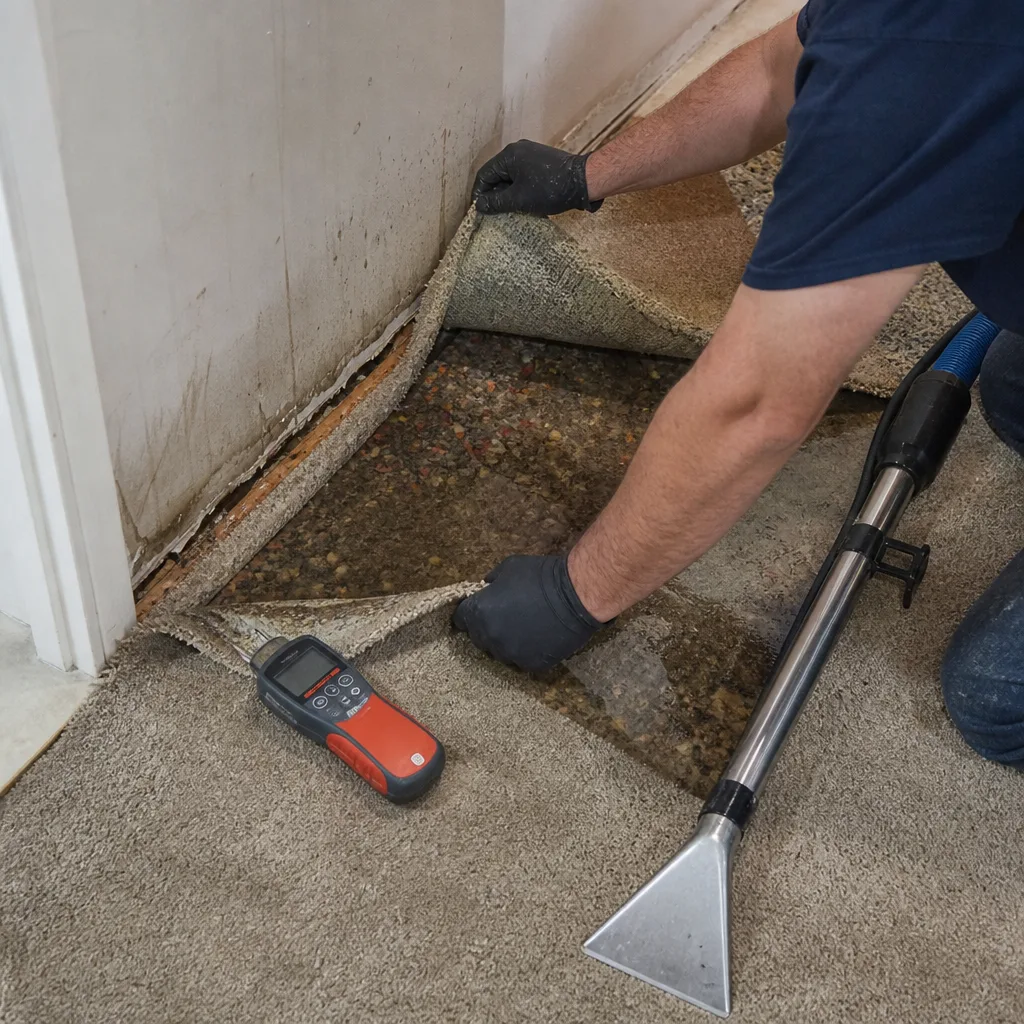
Truck-mounted extraction pulls standing water from floors, wall cavities, and basements. If wind or debris has opened the building envelope, we board up windows and tarp the roof before another rain event adds to the loss.
Drying & Dehumidification
We set Dri-Eaz and Phoenix air movers, LGR dehumidifiers, and Injectidry floor-drying mats on day one. Daily readings are logged every day until every cavity hits the dry standard. That log goes to you and your carrier in writing.
Cleaning & Sanitization
After drying, we clean the affected surfaces and apply antimicrobial treatments where the water category demands it. For sewage surcharges, that means full Category 3 containment, HEPA air scrubbing, and tear-out of saturated porous materials.
Specialty Treatment
Astoria’s pre-war buildings add a regulatory step: when storm tear-out encounters asbestos pipe insulation or lead paint, we coordinate the NYC DOB-mandated abatement before restoration continues. You get one accountable team managing the whole sequence.
Repairs & Restoration
The same crew that pulled the water rebuilds the subfloor, patches plaster, primes, and paints. We close the job with a written scope-of-work signoff and the 90-Day Done Right Promise in your hands. If it’s not done right, we make it right. In writing.
Need Emergency Storm & Disaster Restoration in Astoria Now?
Crews minutes away, answering live 24 hours a day. The sooner we start, the less it costs.
Working With Your Insurance Company
Let’s be plain about how this works in Astoria. When a flat-roof leak soaks two units in two different buildings, there are often two owners and two policies on the same loss. You do not need to be the messenger. We document from the first hour: room-by-room photos, moisture readings with dates and times, a detailed line-item scope, and daily drying logs. We communicate with your adjuster directly, answer their questions, and submit everything in the format carriers expect. Our direct insurance billing means you are not fronting five figures and waiting for reimbursement. You pay your deductible. We handle the carrier. That’s the square deal.
What We Provide Your Insurer
- Thorough documentation of the loss
- Photos of all damage, room by room
- Moisture readings and drying logs
- A detailed, line-item scope of work
- Direct coordination with your carrier
Built for Astoria’s Loss Calendar
We know exactly when the phone rings in Astoria because we’ve answered it for over 42 years as a company. January and February: deep freezes burst galvanized supply lines in uninsulated exterior walls and steam radiator lines snap, flooding upper-floor units before anyone gets home. March and April: spring thaw finds every flat roof that winter cracked at the parapet flashing. June through August: afternoon thunderstorms overwhelm the combined sewer, sending Category 3 sewage backflow into ground-floor units and basements from 31st Avenue to Ditmars Boulevard. September through November: nor’easters peel bituminous roof membranes, and wind-driven rain pushes through aging brick wythes. The calendar in Astoria does not have a quiet season. That’s why our crews are on call 24 hours a day, every day.
Storm & Disaster Restoration Across Astoria’s Neighborhoods
We work every corner of Astoria. Around Ditmars-Steinway and the blocks near Astoria Park, the pre-war six-story walk-ups along the waterfront catch west-facing wind and rain off the East River, and flat roofs with aging bituminous membranes pond water after every nor’easter. Along 30th Avenue and Broadway, the attached brick rowhouses with storefronts below need debris removal and emergency board-up fast after wind events, because a broken window on the avenue becomes a liability by morning. Near Steinway Street and 28th Avenue, the three-family rowhouses with original cast-iron pipes keep us busy with hidden galvanized supply line failures that saturate plaster-and-lath before anyone notices. And in the blocks between 36th Avenue and Northern Boulevard, combined-sewer surcharging during heavy rain makes Category 3 sewage remediation a recurring call type, not an exceptional one. Wherever you are in Astoria, we know the building stock and we know how water moves through it.
Specialized Storm & Disaster Restoration Services We Offer in Astoria
Flood Damage Restoration
Flood water in Astoria rarely stays where it started. A burst radiator line on the second floor of a rowhouse on 33rd Street will find its way under the continuous subfloor, through the shared party wall, and into the kitchen ceiling next door. We extract, contain, dry, and rebuild across every affected unit, with moisture logs that document the full migration path for every policy involved.
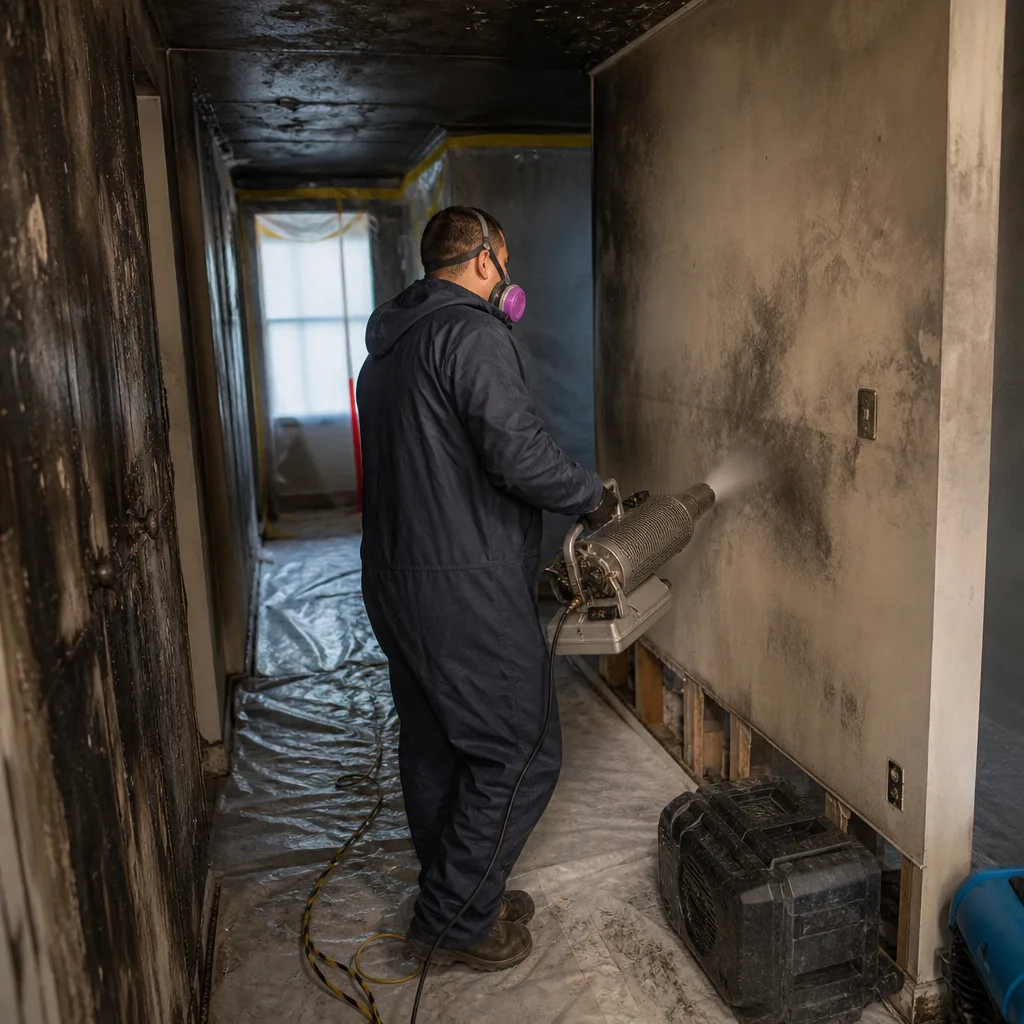
Emergency Board-Up
After a wind event on a commercial stretch like Steinway Street or a broken window on a second-floor apartment near Astoria Boulevard, the opening has to be secured immediately. We board up with plywood and fasteners rated for the exposure, not just a nail and hope. The goal is no further water intrusion, no liability, and a building that stays secure until permanent repair.
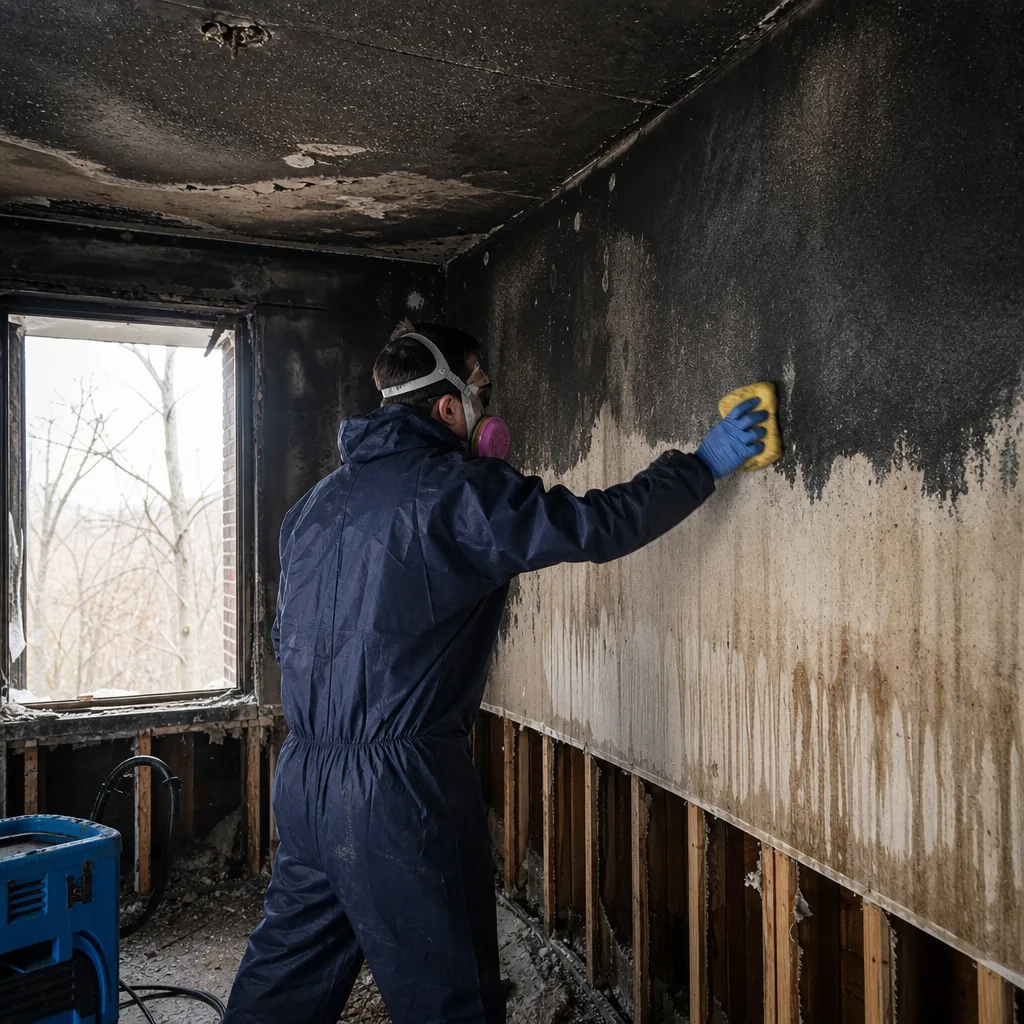
Roof Tarping
Astoria’s flat and minimally-sloped roofs crack at parapet flashings, and a torn membrane after a nor’easter becomes a waterfall into top-floor units. We tarp with heavy-duty reinforced polyethylene, secured along the parapet and weighted to hold through the next storm. The tarp buys time to run the drying, get the claim moving, and schedule the permanent membrane repair.
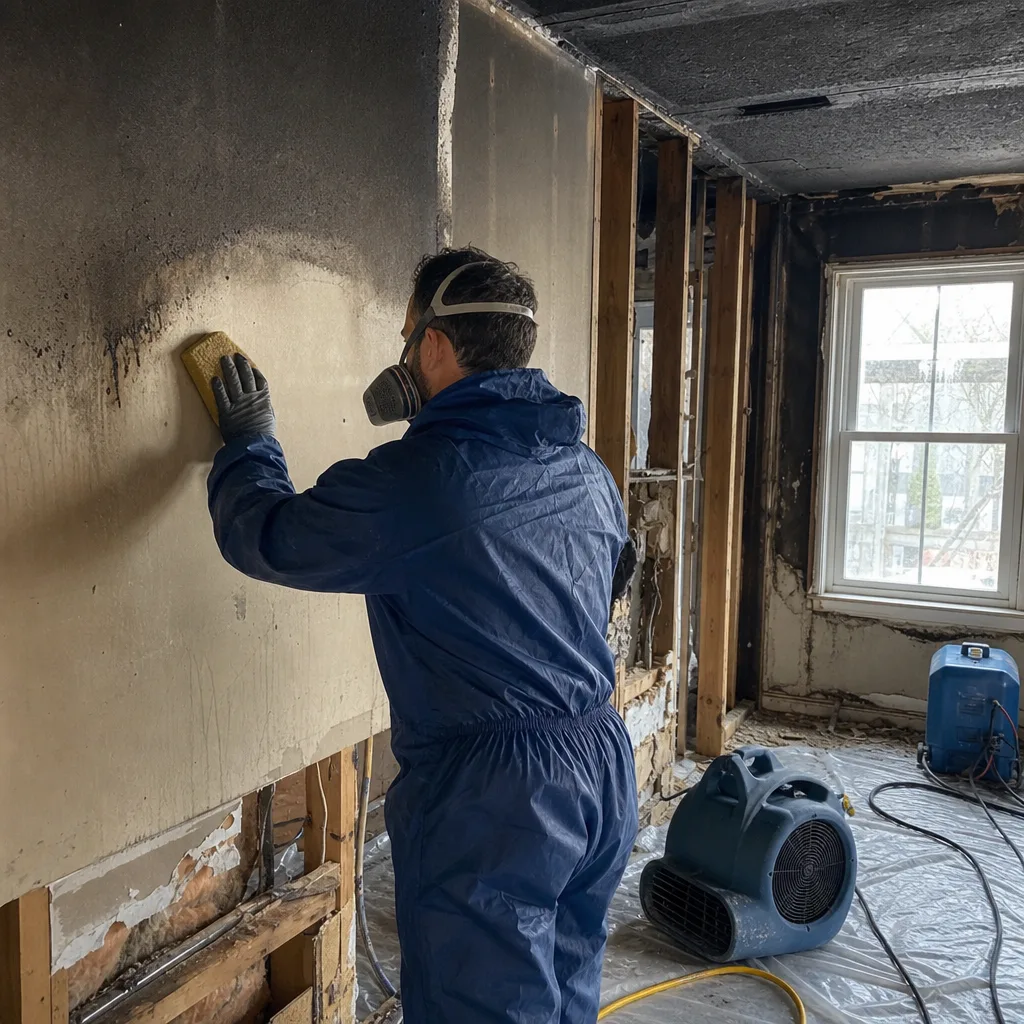
Storm Damage Cleanup
Debris, glass, saturated drywall, collapsed ceilings, and waterlogged insulation all have to come out before drying can work. We handle the tear-out with containment, HEPA air scrubbers where needed, and controlled demolition that protects the unaffected parts of the building. In Astoria’s attached rowhouses, that control matters because the dry side of the wall belongs to a neighbor.
Debris Removal
A downed tree branch through a back window, wind-strewn roofing material, flood-damaged furniture on a curb along 30th Drive. We haul it out, separate what can be saved, and document everything for the insurance claim. You’re not left with a dumpster in the alley and no clear path forward.
What happens when you call
- 1
A real person answersNo phone trees - you reach a local pro.
- 2
You get an upfront price rangeHonest numbers before anyone is dispatched.
- 3
A background-checked tech heads outLicensed & insured, dispatched right away.
- 4
You approve before work beginsNothing starts until you say go.
Storm & Disaster Restoration Costs in Astoria, NY
An honest number always beats a vague one. In Astoria’s market, emergency board-up after wind damage typically runs $325-$650 per opening, roof tarping for a flat-roof parapet leak runs $450-$1,200 depending on square footage and parapet condition, and flood damage restoration with extraction and structural drying runs $3,800-$12,000 for a typical single-unit loss, with sewage surcharges landing on the higher end due to Category 3 containment and tear-out. When damage migrates through a party wall into the adjoining building, you’re looking at two scopes, two policies, and two sets of line items. The fastest way to a firm number is a free visual inspection. We walk the damage, map the moisture, and hand you a written scope before any work starts. A square deal: no surprises on the bill.
We Also Serve Cities Near Astoria
Floodline Restoration Co. serves the entire Astoria area and the surrounding Queens neighborhoods. If your property is in East Elmhurst, Jackson Heights, Elmhurst, or Maspeth, the same certified crews and the same 45-minute response commitment apply. Call (363) 999-0829 and a live dispatcher will route the nearest team to you.
Serving Astoria, NY - Our Local Coverage Area
We’re based in the Astoria area and know this community well. Use the map below to see our service coverage - if you’re nearby, we can almost certainly help.
Astoria Storm & Disaster Restoration Questions, Answered
How does water from one Astoria rowhouse get into the attached building next door?
It moves through the shared single-wythe party wall and the continuous subfloor that runs underneath it. In Astoria’s attached brick rowhouses, the wall between buildings is often just one brick thick with no true separation, and the subfloor spans both structures. A third-floor washing-machine hose failure on 28th Avenue can soak the kitchen ceiling of the building next door by day two. We document every unit affected and coordinate the claim across all policies involved.
Why did my neighbor’s water restoration job require me to move out for a few days?
If your neighbor’s water migrated through the party wall into your unit, your wall cavities and floor assembly may need to be opened and dried. That means containment, air movers, dehumidifiers, and exposed subfloor. It’s not safe to live around open wall cavities with drying equipment running 24 hours a day. We scope the relocation needs, document them, and include them in the insurance claim when the loss warrants it.
What happens when sewage backs up into my Astoria basement during a heavy rain?
Category 3 water requires full contamination containment. The combined sewer system in Astoria surcharges during heavy rain, sending raw sewage backflow into ground-floor and basement units. We set containment, run HEPA air scrubbing, tear out saturated porous materials like drywall, carpet, and insulation, then sanitize the remaining structure. This is not a mop-and-air-out job. Call (363) 999-0829 the moment you see it.
How quickly must I start drying after a flat-roof leak in a pre-war Astoria building?
Within 24 to 48 hours. After that, Category 2 water becomes fungal growth, and plaster-and-lath absorbs and holds water far longer than drywall. Every day of delay expands both the tear-out area and the claim cost. We arrive with a 45-minute response commitment, get extraction running the same visit, and keep recording moisture readings daily until the dry standard is met.
Will my pre-war Astoria apartment need asbestos abatement before storm restoration can begin?
It often does. Virtually every structural tear-out in buildings constructed between 1910 and 1950 encounters asbestos pipe insulation or lead paint. NYC DOB requires abatement protocols before restoration work in those cavities. We coordinate that sequence for you, so you’re not stuck finding a separate abatement contractor and then finding us again afterward. One team manages the whole job.
How long does the full restoration process take?
Most single-unit water losses in Astoria run five to nine days from extraction to final drying and rebuild, depending on how far the water migrated. Sewage surcharges and multi-unit party-wall losses take longer because of containment, tear-out, and the abatement steps. Your scope of work includes a clear timeline so you know what to expect from day one.
Can we stay in the home during the restoration work?
Often yes, if the damage is contained to a single room or floor and the drying equipment is isolated from living space. When destruction requires opening shared walls and floor assemblies, or when sewage contamination is involved, temporary relocation is usually necessary. We document everything for the insurance claim, including the reasons relocation was required.
What should I do in the first 30 minutes after storm damage?
Shut off the water at the main if there’s an active leak. Kill power to the affected area if water has reached electrical outlets or the panel. Do not enter standing water that may be sewage. Then call (363) 999-0829. A live dispatcher will answer and route the nearest Astoria crew to you immediately. The first hour determines whether you’re dealing with a cleanup or a full tear-out.
Written by Curt Bowman, Owner at Floodline Restoration Co., serving Astoria and the surrounding Queens neighborhoods since the company’s founding in 2010.