
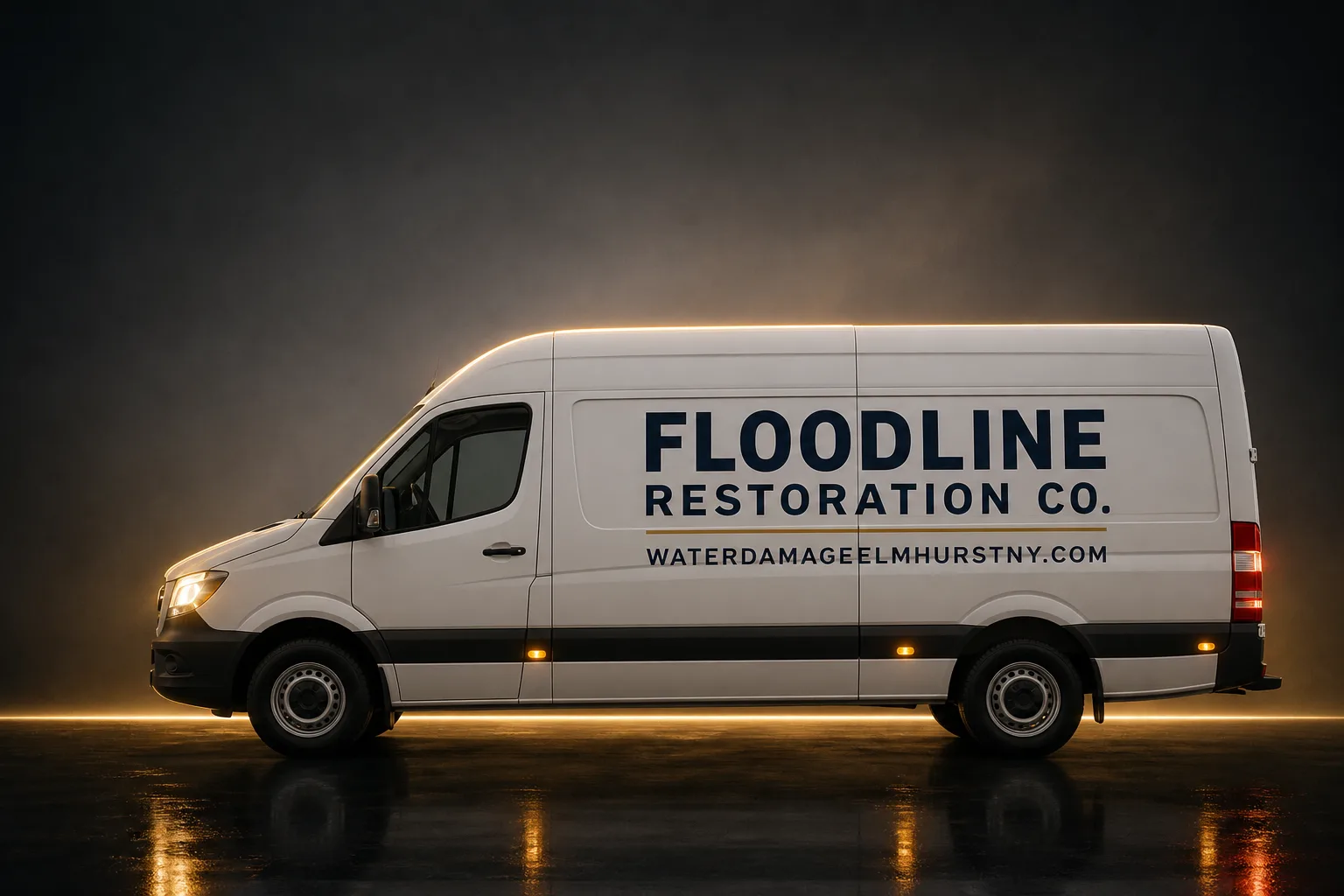
Free visual inspection and a written scope of work before any mitigation begins - photos, moisture readings, and drying logs go in your claim file
The scope we write is the scope we bill. Anything new gets shown to you, in writing, before we touch it.
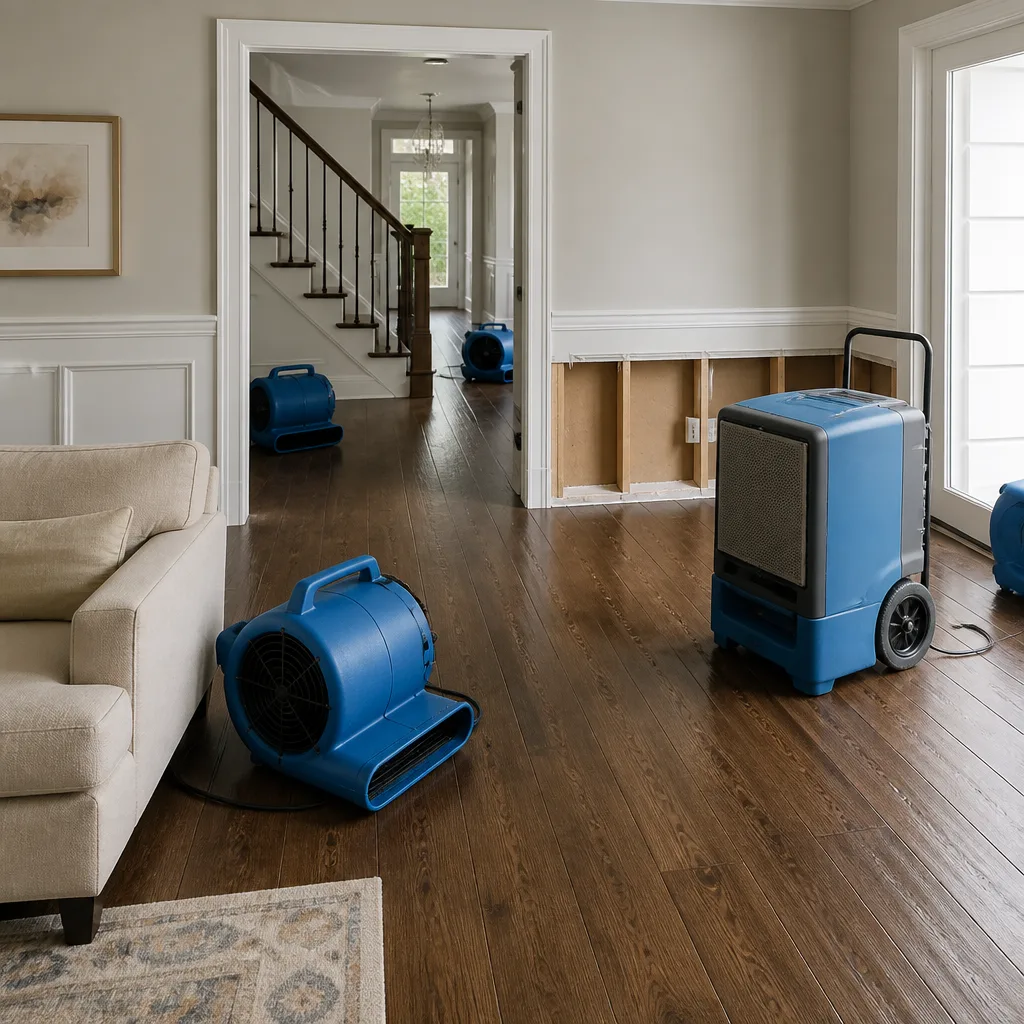
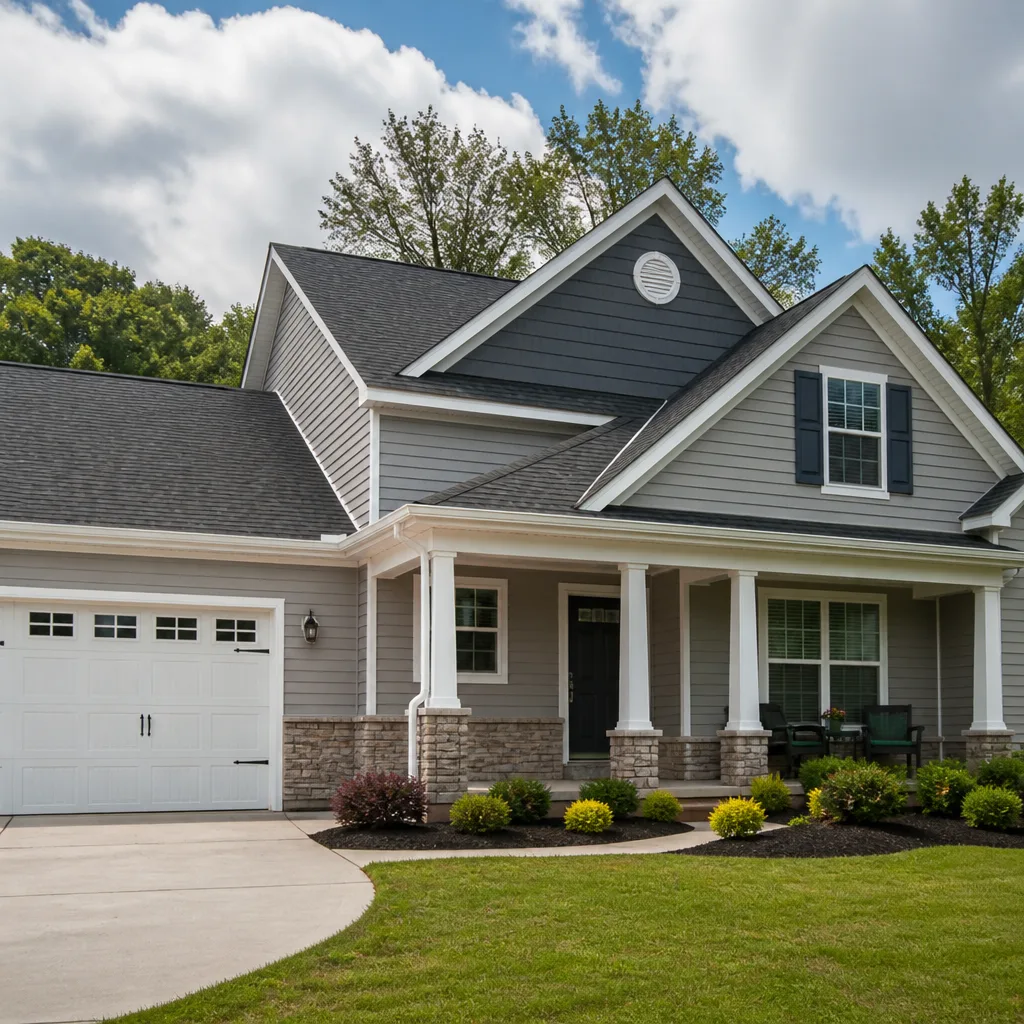
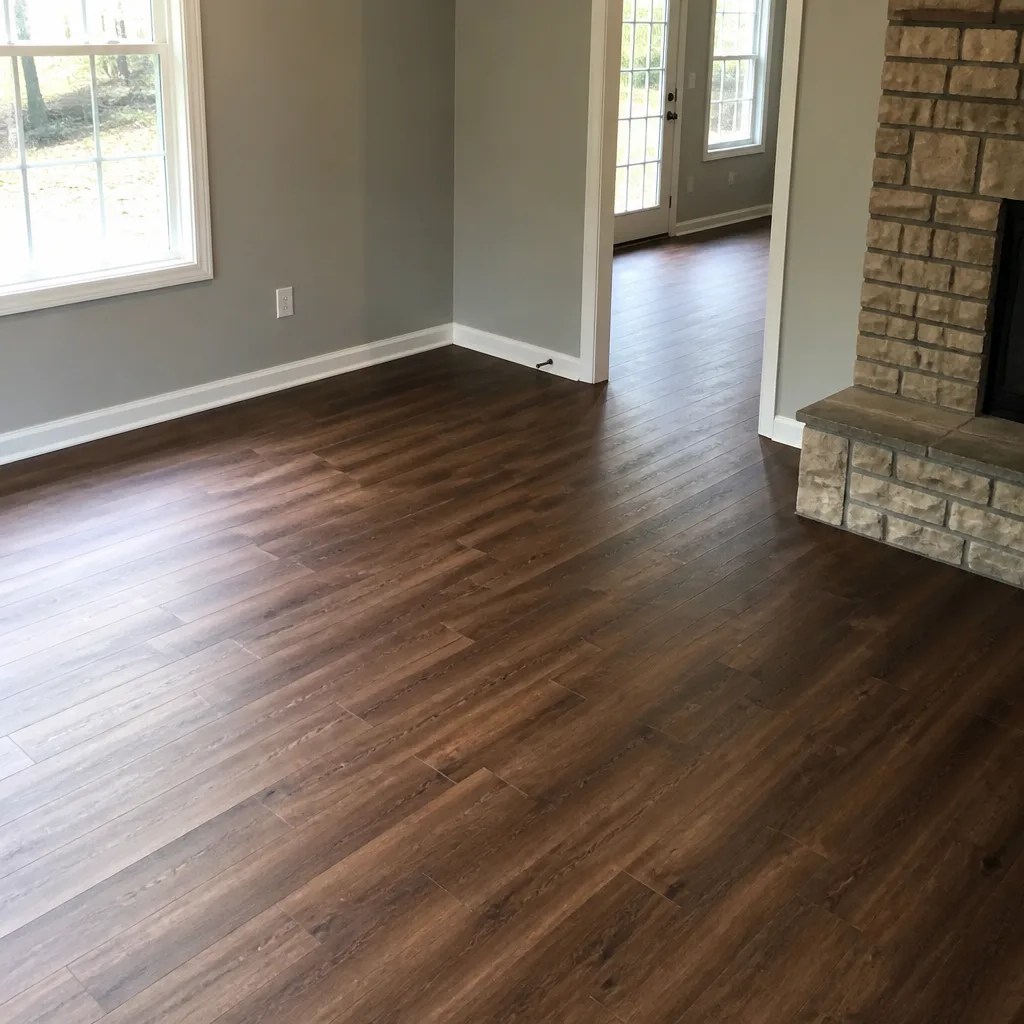
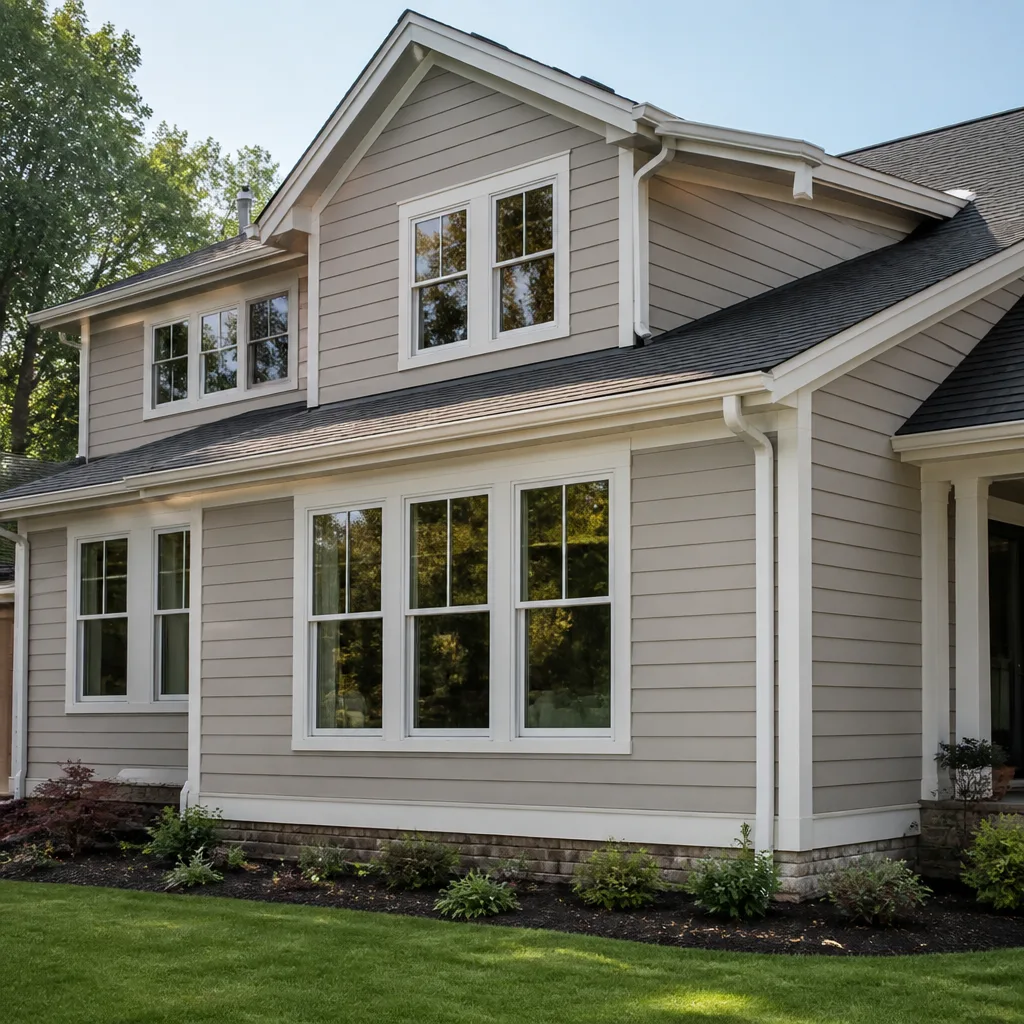
 Before
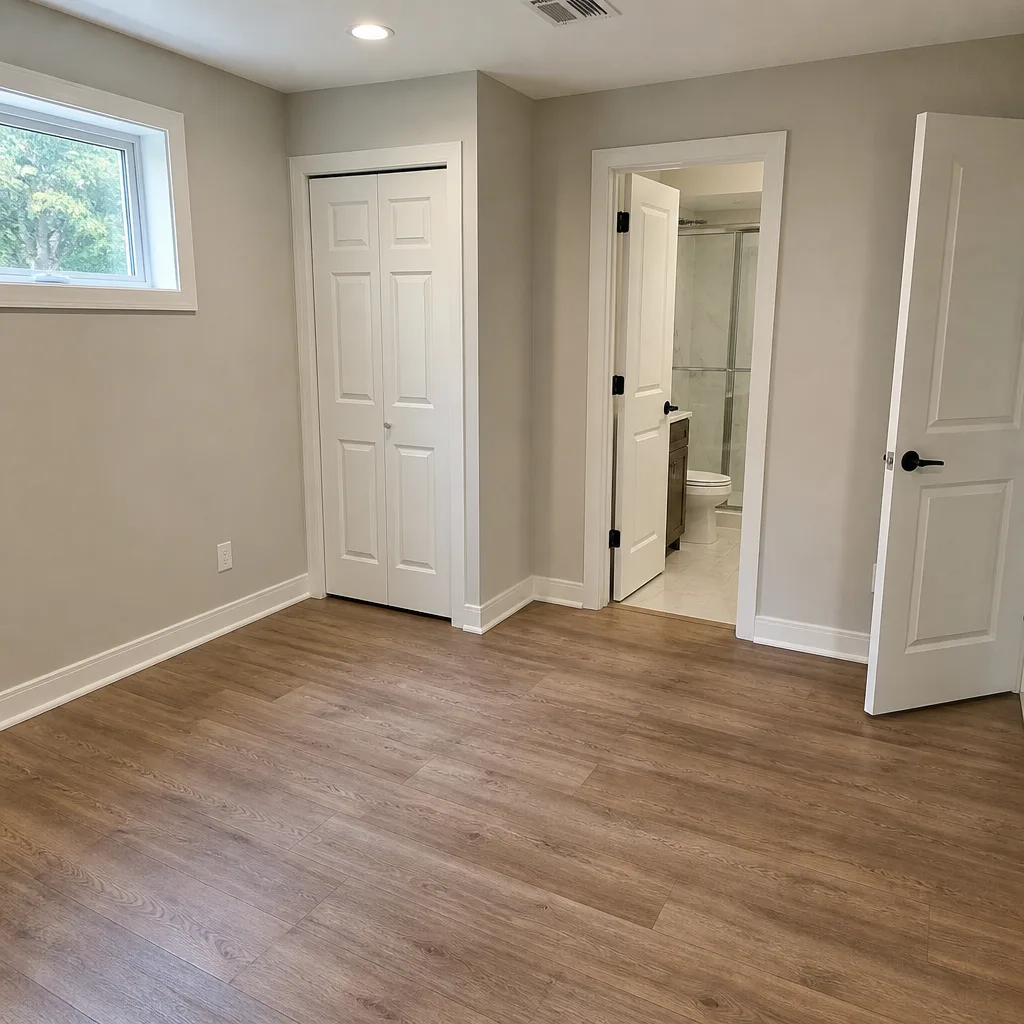 After
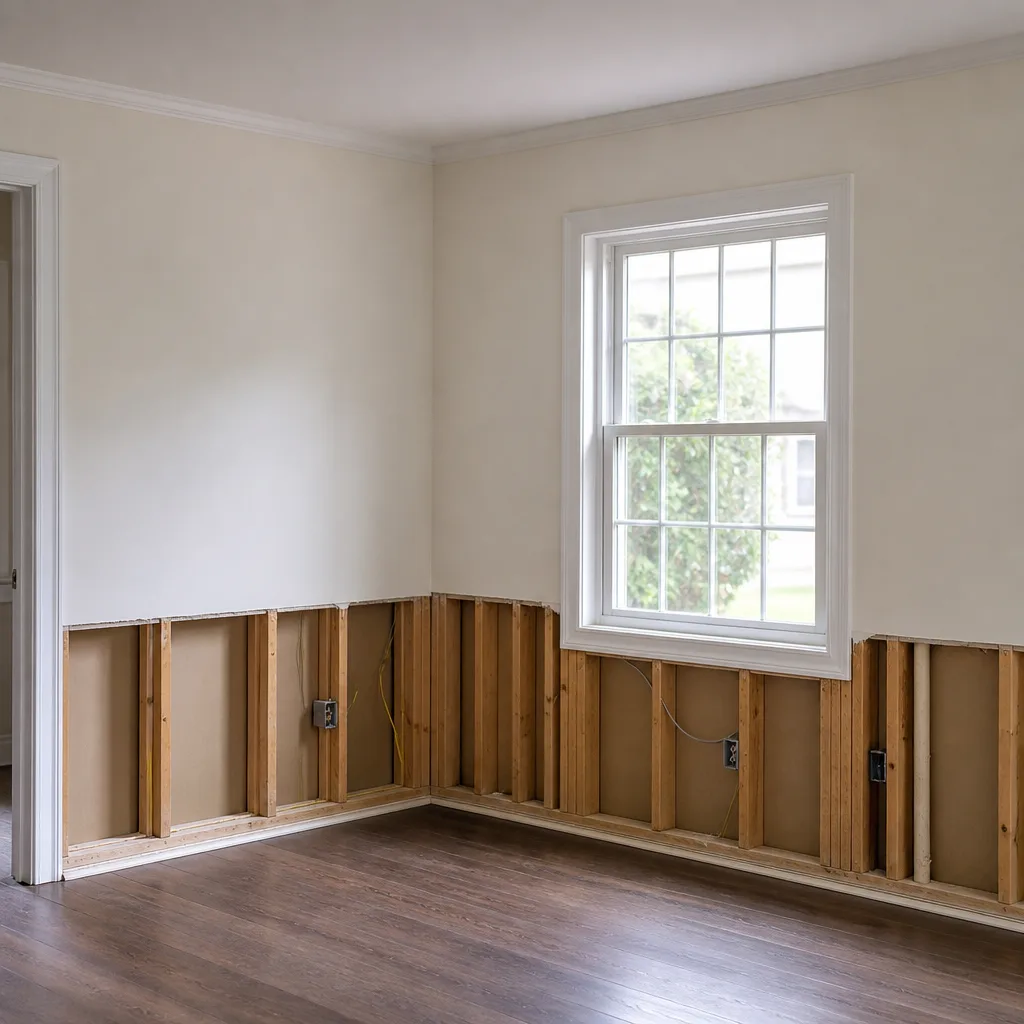
After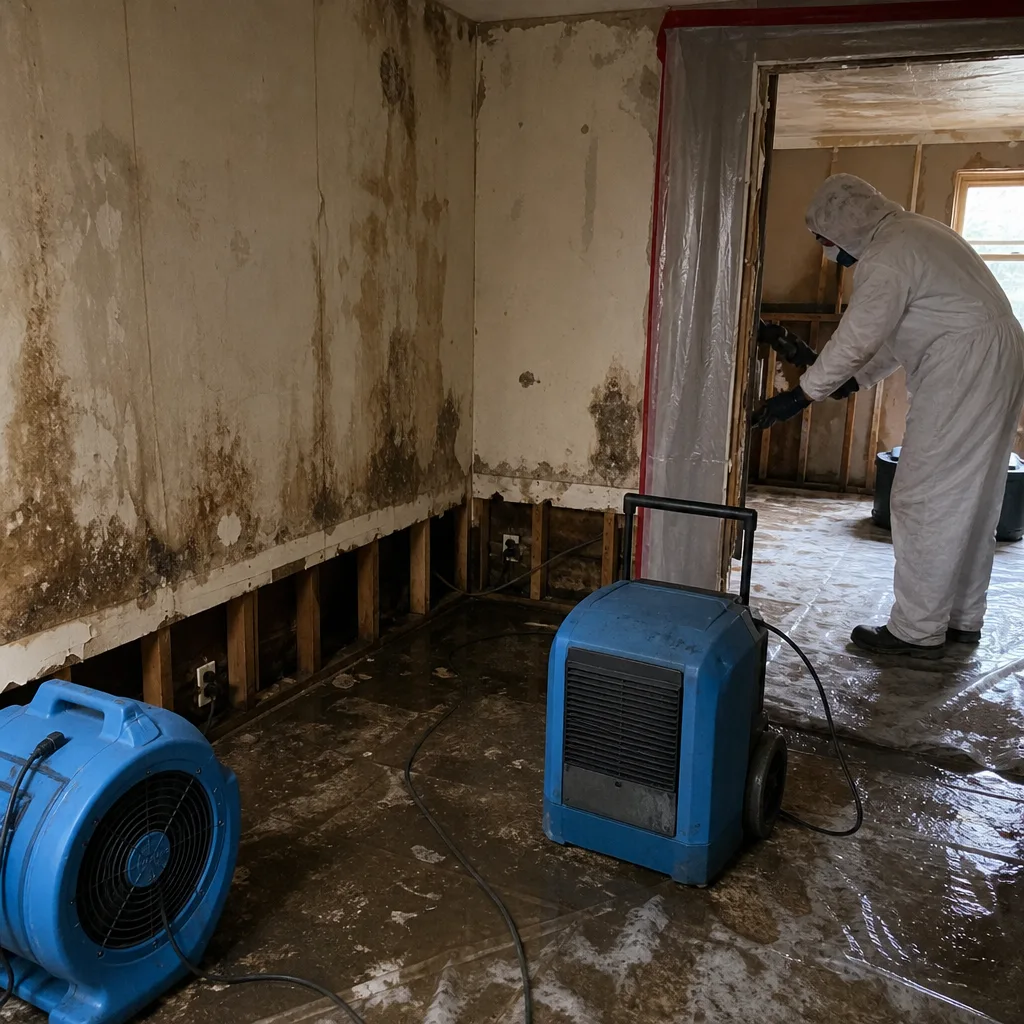 Before
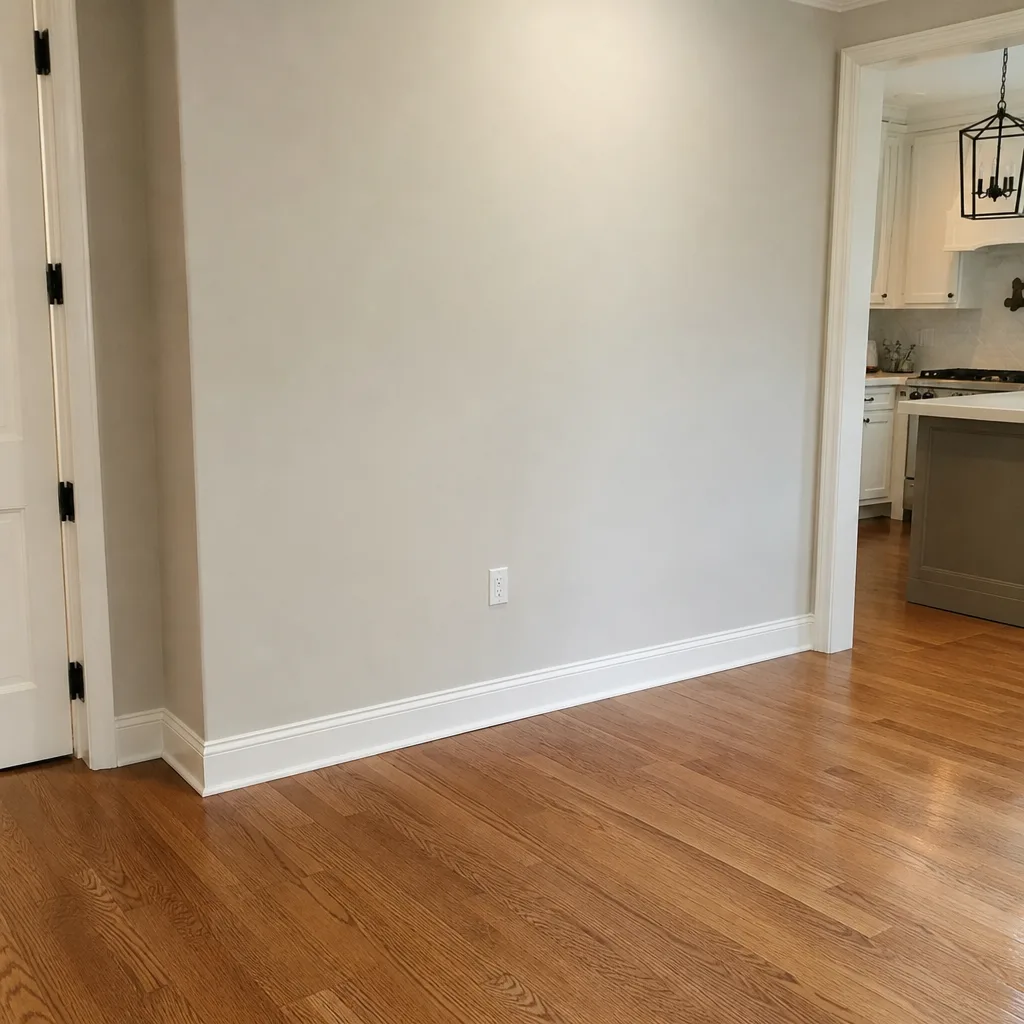 After
After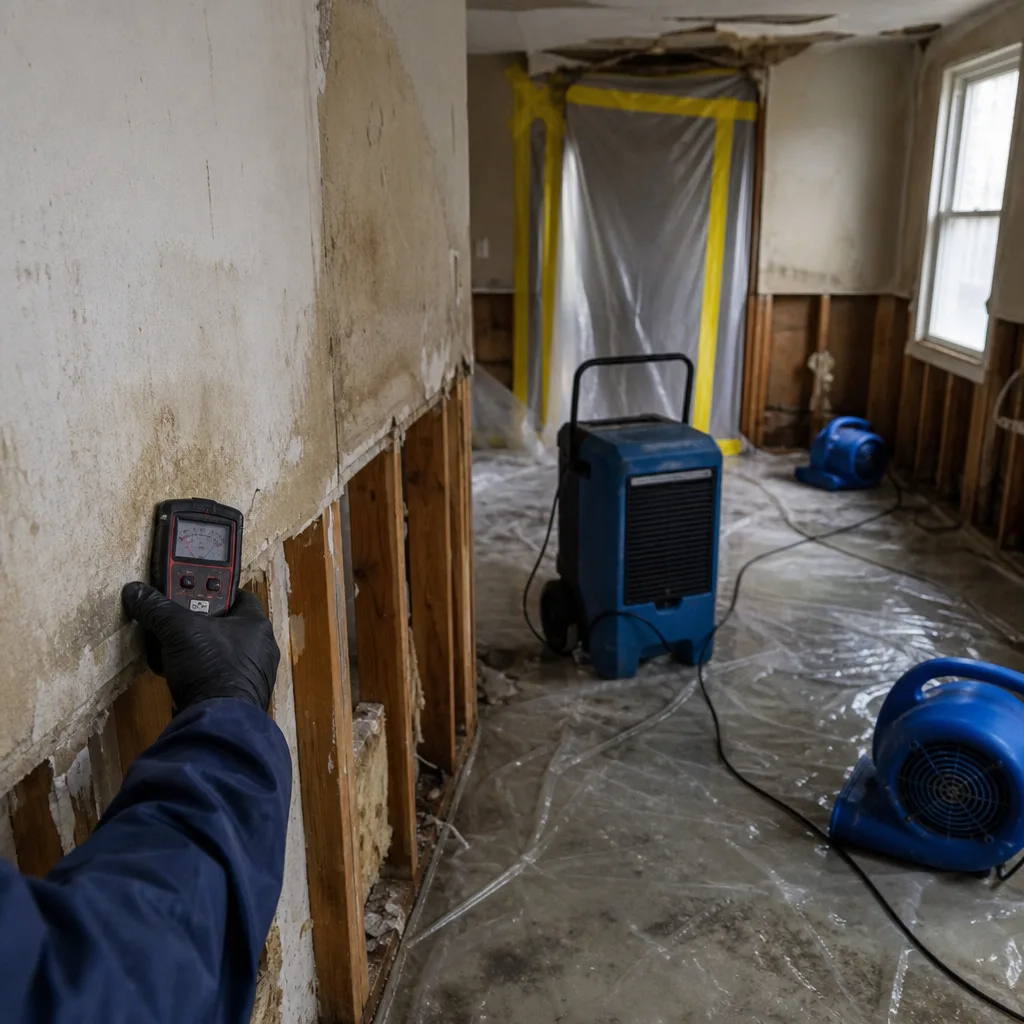 Before
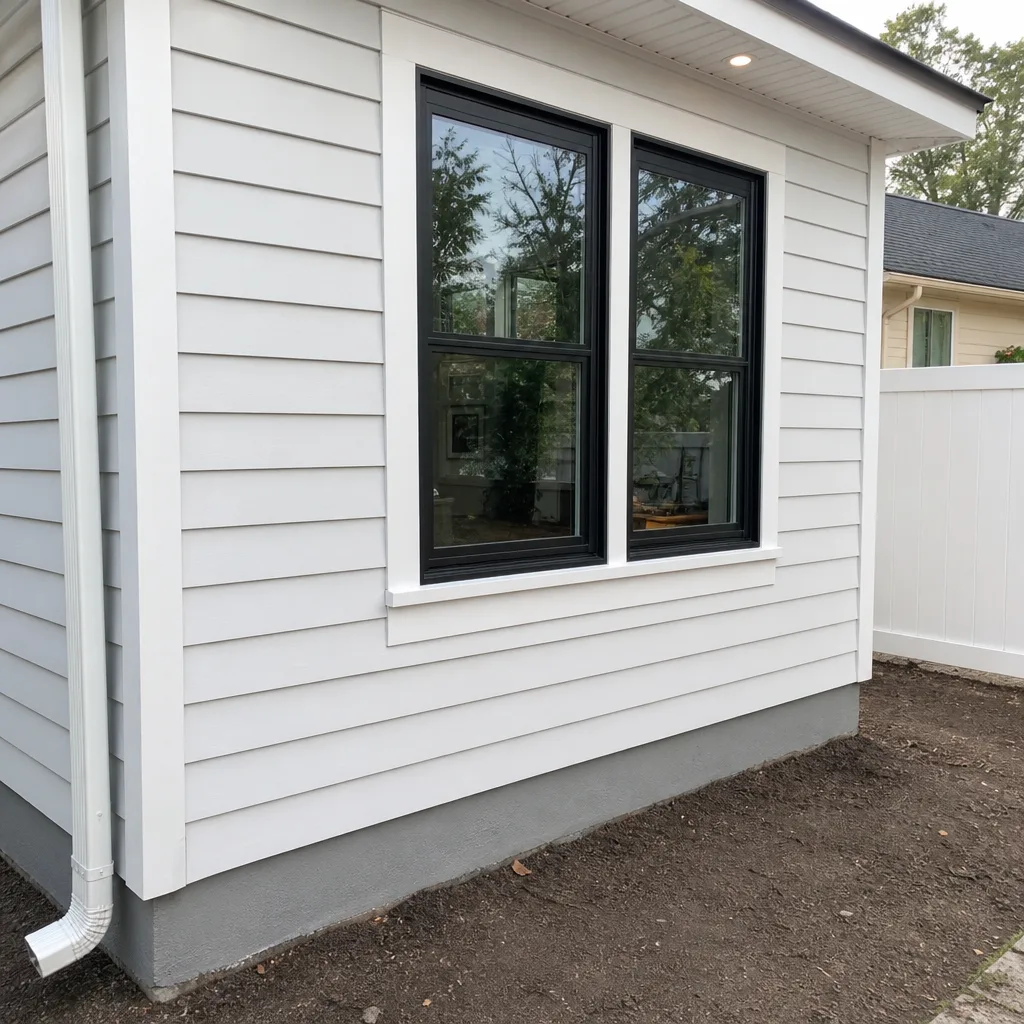 After
After24/7 Emergency Storm & Disaster Restoration in Jackson Heights
Storm damage in Jackson Heights moves fast. A tree limb through a pre-war co-op window on 35th Avenue will soak original horsehair plaster within an hour. Water traveling down a shared cast-iron drain stack from a roof breach on 34th Avenue reaches three or four shareholder units before anyone notices a wet ceiling. When that happens, call (363) 999-0829. A live dispatcher answers at 2 a.m., not a recording, and a certified crew is dispatched into Jackson Heights immediately. The first hour determines whether you’re looking at extraction and drying or a full gut-and-restore through landmarked walls. We’re Floodline Restoration Co., and we’ve been answering this phone around the clock since 2010.
Understanding Storm & Disaster Restoration Severity in Jackson Heights Properties
Storm water is not all the same, and Jackson Heights’s housing stock makes the distinctions matter more than they do almost anywhere else in Queens. Category 1 water comes from a clean source like a supply line shaken loose in a high-wind event. Category 2 carries contaminants from roof runoff, soil, or laundry overflows. Category 3 – what a nor’easter pushes through a failed brick facade or what Hurricane Ida sent pouring into below-grade units in 2021 – carries sewage, street debris, and pathogens. We classify every loss before we touch it, because the classification decides whether plaster gets dried or removed, whether soft goods can be saved, and whether containment is mandatory. In a 1920s brick co-op on 83rd Street, that classification happens against a backdrop of horsehair plaster, old-growth timber framing, and steam-heat chases that move water between floors in ways a moisture meter on a single wall never reveals. We map the full path, not just the visible stain, because storm water in Jackson Heights doesn’t stay where it lands.
Why Jackson Heights Property Owners Choose Floodline Restoration Co.
- 45-minute response commitment. When you call (363) 999-0829, a Jackson Heights-area crew is dispatched immediately. We give you a real arrival window, not a vague promise.
- A live person answers, 24/7. You will never reach a machine. At any hour, a dispatcher picks up and starts coordinating crews.
- IICRC-certified crews with the right credentials. Our technicians carry WRT (Water Damage Restoration Technician), FSRT (Fire & Smoke Restoration Technician), and AMRT (Applied Microbial Remediation Technician) certifications. In Jackson Heights co-ops, AMRT matters because storm water in shared walls is a mold clock that starts ticking immediately.
- Free visual inspection. A background-checked, uniformed technician assesses the loss on site, with thermal imaging and moisture meters. No charge for the inspection, and no obligation.
- Direct insurance billing. We document everything, coordinate with your adjuster, and bill the carrier directly. You are not the messenger.
- One crew from first extraction to finished rebuild. The same Floodline team that reads the moisture map on day one handles daily readings, drying logs, plaster restoration, and any carpentry required. No mid-job handoff to a stranger.
Our Storm & Disaster Restoration Process
Inspection & Assessment
We start with a full visual and moisture assessment using thermal imaging and hygrometers. In Jackson Heights co-ops, this means mapping water travel through shared walls, steam-heat chases, and cast-iron drain stacks, not just the unit where the stain appeared.
Extraction & Stabilization
Standing water comes out first, using truck-mounted extraction and sub-surface vacuum tools. We also stabilize the site – emergency board-up, roof tarping, or temporary shoring – so the storm doesn’t keep doing damage while we work.
Drying & Dehumidification
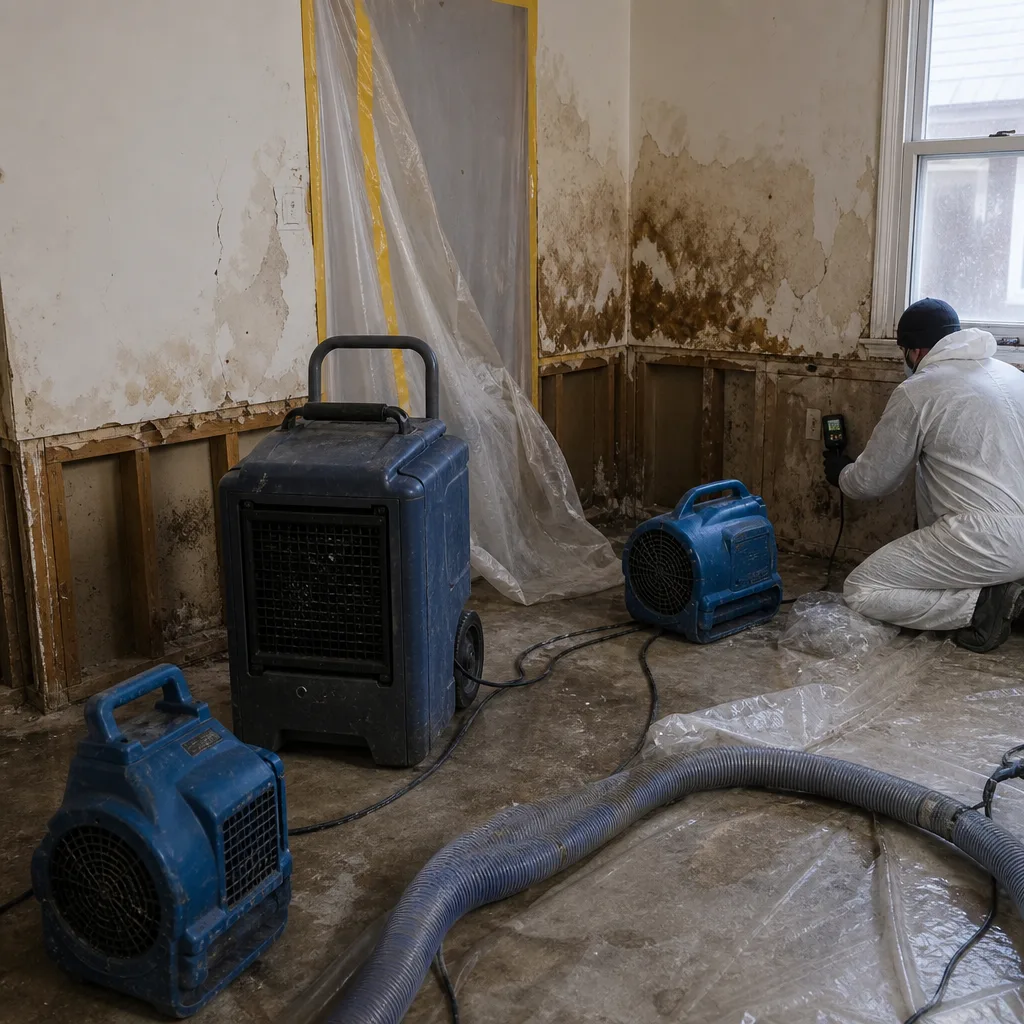
Dri-Eaz and Phoenix air movers and dehumidifiers run continuously, with daily moisture readings logged until the dry standard is met. In pre-war buildings with horsehair plaster, this phase takes longer than in drywalled postwar construction. We tell you that on day one.
Cleaning & Sanitization
Contaminated surfaces get antimicrobial treatment, HEPA vacuuming, and air scrubbing. Category 3 water means this step is non-negotiable. In shared co-op walls, we treat the cavity, not just the visible surface.
Specialty Treatment for Storm Losses
This is where Jackson Heights differs from every other area. We coordinate with LPC consultants, match original lime plaster profiles, and address old-growth timber framing hidden behind walls. We’ll work directly with your co-op board and property manager so the scope stands up to landmark review.
Repairs & Restoration
The same crew handles reconstruction: plaster repair, trim carpentry, painting, and any structural work. You don’t inherit a third-party contractor. When we’re done, you get the moisture log, the scope of work, and the 90-Day Done Right Promise in writing.
Need Emergency Storm & Disaster Restoration in Jackson Heights Now?
Crews minutes away, answering live 24 hours a day. The sooner we start, the less it costs.
Working With Your Insurance Company
Storm losses in Jackson Heights co-ops almost always involve a carrier, and often two or three: the shareholder’s policy, the co-op’s master policy, and sometimes the unit above or below. We’ve handled enough of these to know that the claim lives or dies on documentation from the first hour. We photograph everything before we move anything. We log daily moisture readings. We write line-item scopes that match what actually happened, not what a software template says should have happened. And we communicate directly with adjusters, including the ones assigned to LPC-related scopes. Curt Bowman built this company around a dispatch board, not a sales desk, which means our claims process is built around facts a carrier can verify.
What We Provide Your Insurer
- Thorough documentation of the loss
- Photos of all damage, room by room
- Moisture readings and drying logs
- A detailed, line-item scope of work
- Direct coordination with your carrier
Built for Jackson Heights’s Loss Calendar
Storm and disaster restoration in Jackson Heights is a seasonal business, and the season dictates the damage. January and February bring deep freezes that stress the aging brick and repointed mortar joints on pre-war facades along 34th, 35th, and 37th Avenues. Water enters through hairline mortar cracks, freezes, expands, and opens larger fissures. By March, those entry points are interior stains. Spring thaw runs water straight into basement-level units on the neighborhood’s flat, high-impervious-surface terrain. Summer thunderstorms overwhelm roof drains on six-and-seven-story co-ops, sending water down original cast-iron stacks into kitchens and bathrooms on every floor below. Nor’easters hit in the fall and early winter, driving wind-driven rain through window frames and parapet walls. And September’s hurricane season is a quiet threat until it isn’t. We plan around this calendar because the buildings of Jackson Heights have been telling the same story for a century.
Storm & Disaster Restoration Across Jackson Heights’s Neighborhoods
Jackson Heights is a neighborhood of distinct pockets, and each has its own loss pattern. The landmarked co-op corridor along 34th and 35th Avenues, from 72nd Street east to 90th Street, is six-and-seven-story brick from the 1920s and 1930s. Storm water there moves through shared walls and original plumbing. The garden apartment sections between 79th and 84th Streets, including the landmarked blocks with interior courtyards, carry the added complication of facade work that requires LPC review before any exterior restoration can proceed. Roosevelt Avenue, the neighborhood’s commercial spine, sees wind-driven damage to storefront glazing and signage that sends water into first-floor retail and the units above. The blocks around Travers Park and Northern Boulevard tend toward larger post-war buildings with flat roofs and internal drains that clog under leaf load in the fall. And the residential side streets off Junction Boulevard, many with attached brick row houses from the 1930s, leak at party walls and parapet caps. We dispatch crews from our New York City office into all of these areas with building-specific assumptions already in hand. That’s the difference between a restoration contractor who’s worked Storm & Disaster Restoration in Jackson Heights for years and a crew from Long Island guessing at the floor plan.
Specialized Storm & Disaster Restoration Services We Offer in Jackson Heights
Storm Damage Cleanup
After a nor’easter or severe thunderstorm, Jackson Heights co-op owners are usually dealing with water, broken glass, plaster damage, and sometimes fallen tree debris from the sycamores and ginkgos that line the side streets. Our cleanup crews handle all of it in one mobilization, with HEPA vacuuming and antimicrobial treatment on every water-affected surface.
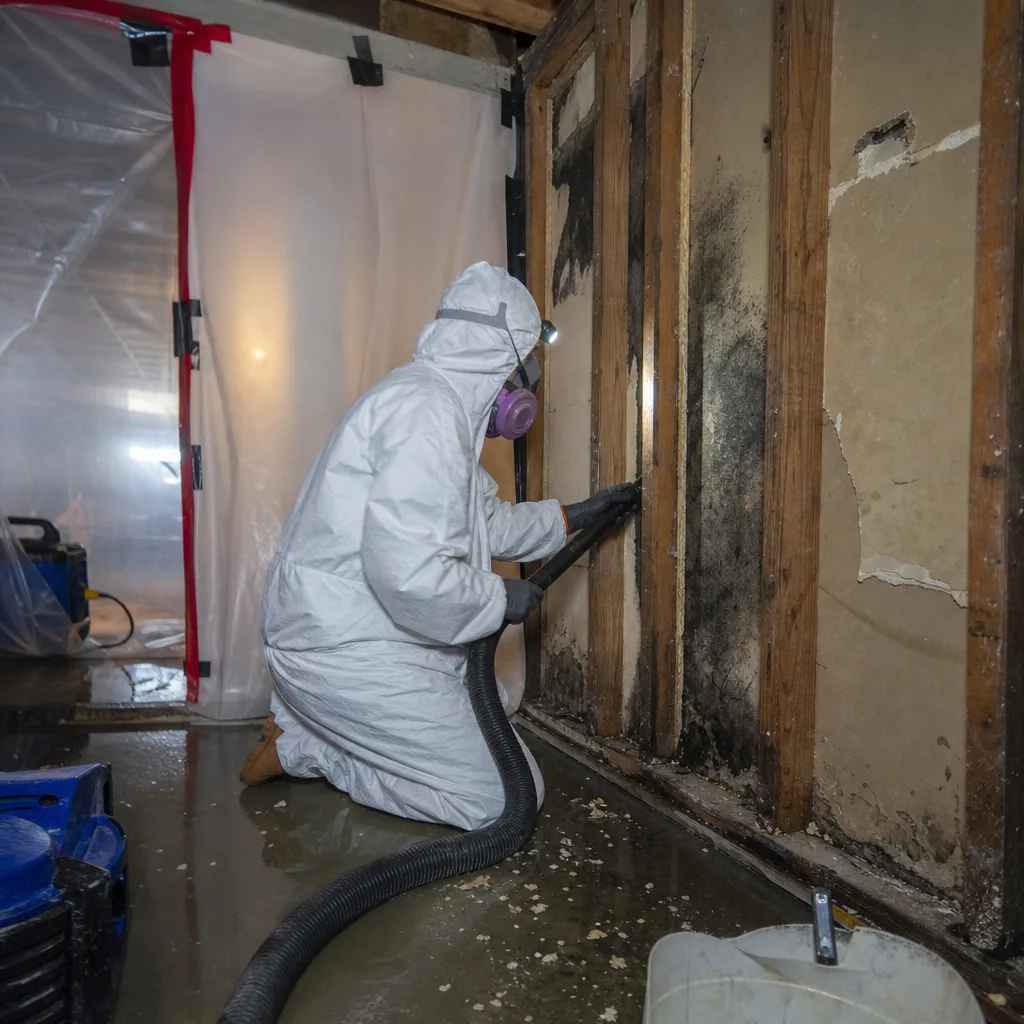
Flood Damage Restoration
Hurricane Ida left below-grade units across Jackson Heights with standing water and entrenched mold. The neighborhood’s flat terrain and high proportion of impervious surface make flash flooding a recurring threat for basement apartments and ground-floor co-op units. We extract, dry, treat, and restore – and we document everything for flood insurance claims.
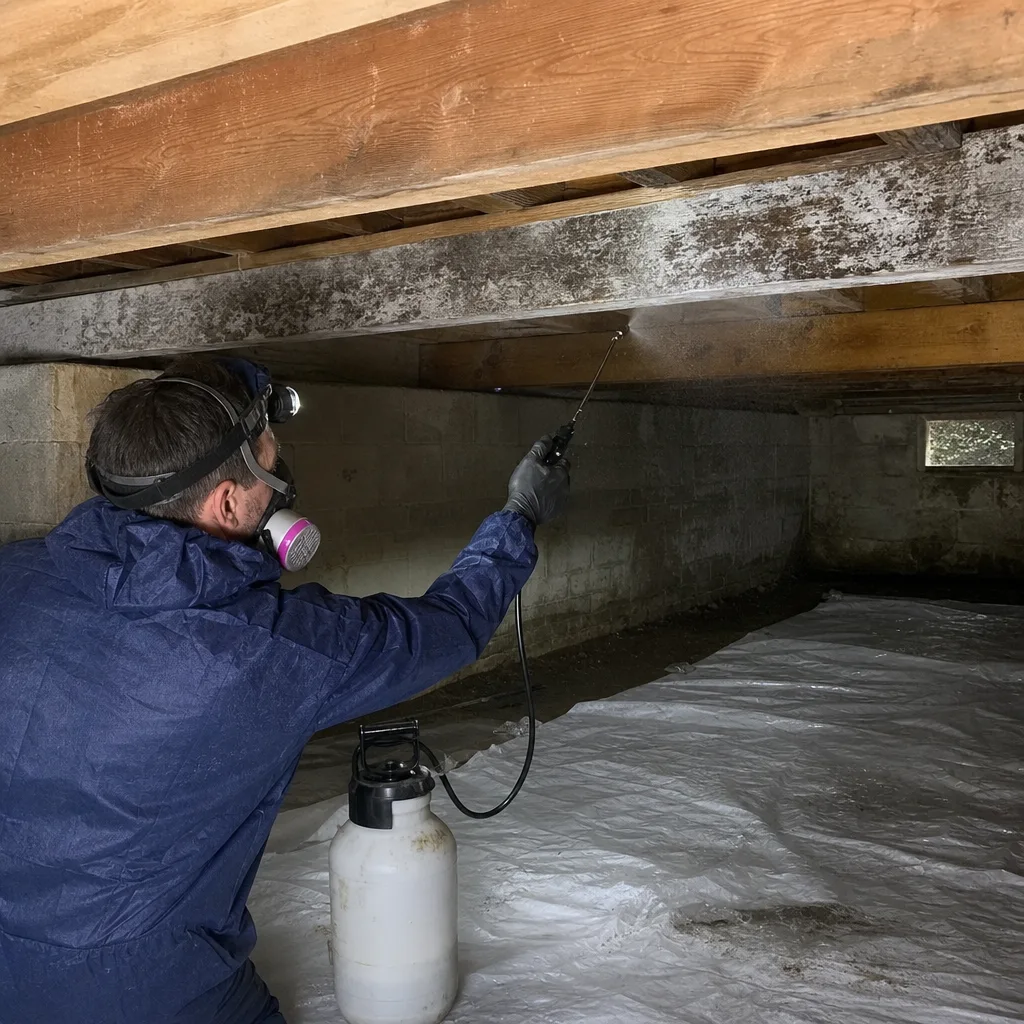
Emergency Board-Up
Broken windows and storm-damaged doors in Jackson Heights get boarded the same visit, using plywood cut to fit. In LPC-designated buildings, emergency board-up is considered a stabilization measure and does not require prior landmark review, but we photograph and document the condition so the board has a clear record when permanent repair comes up.
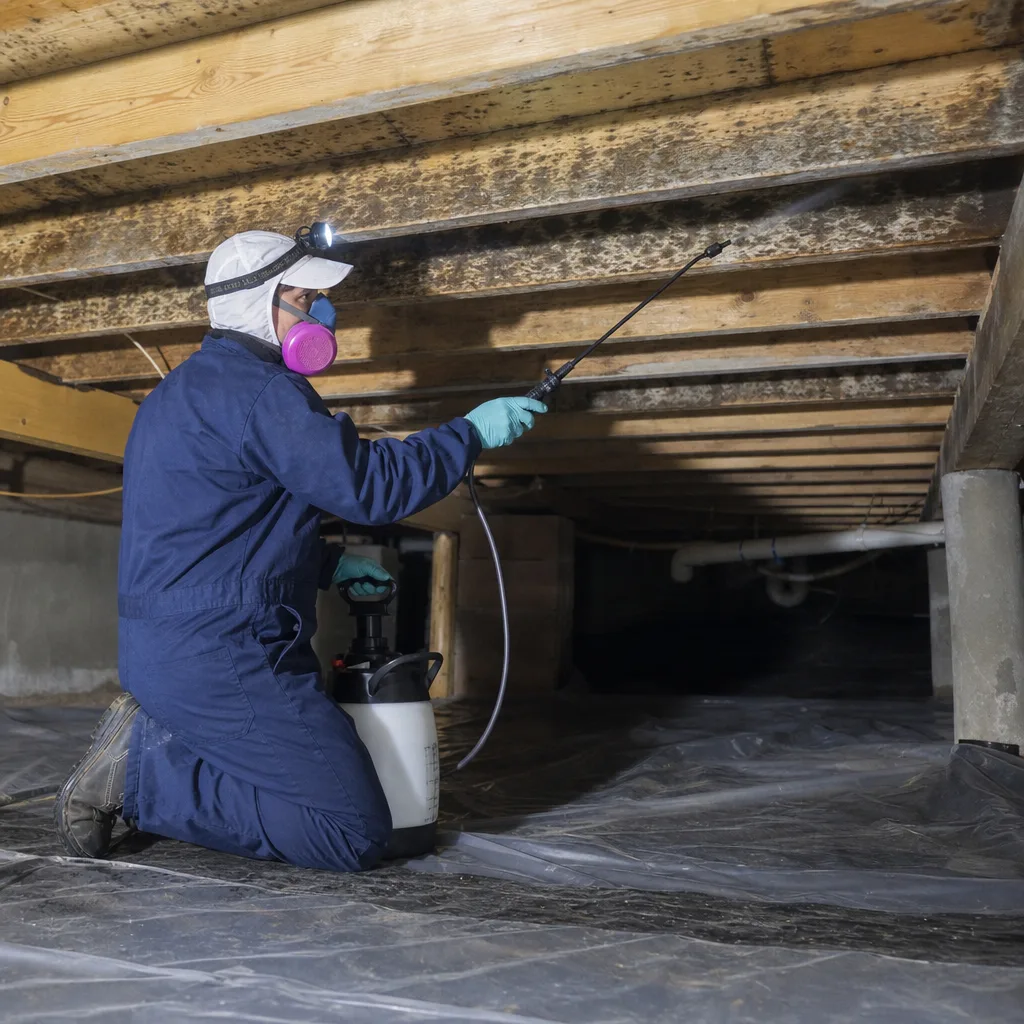
Roof Tarping
Roof breaches over six-story co-ops are the most urgent storm loss we handle, because water that enters at the roof reaches five floors of shareholders by morning. Our crews tarp immediately to stop active water entry. The tarp is temporary; the documentation we provide for your co-op board and carrier is what drives the permanent repair.
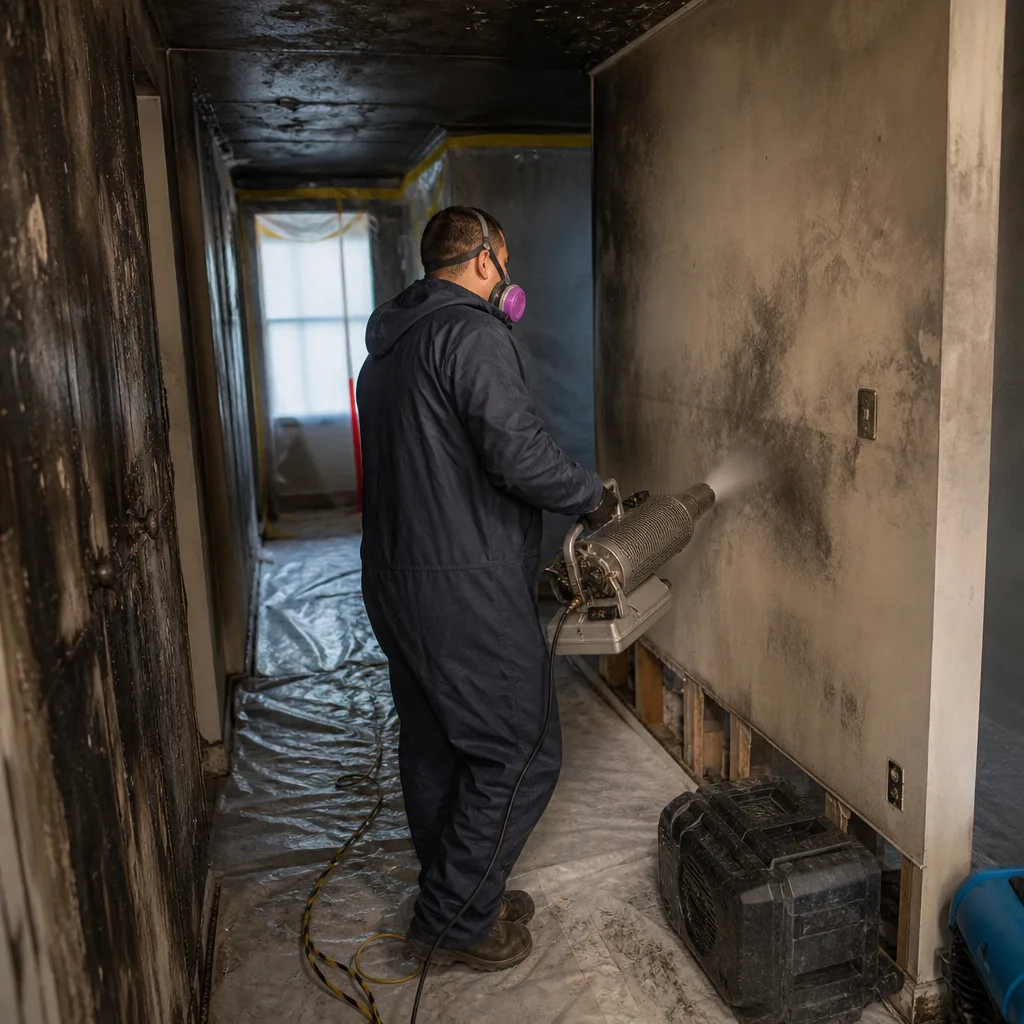
Debris Removal
Storm-toppled trees, broken masonry, and wind-borne debris are removed as part of the stabilization scope. We coordinate with co-op management for dumpster placement and with the Department of Sanitation or the building’s carting contractor. No separate contractor, no delays.
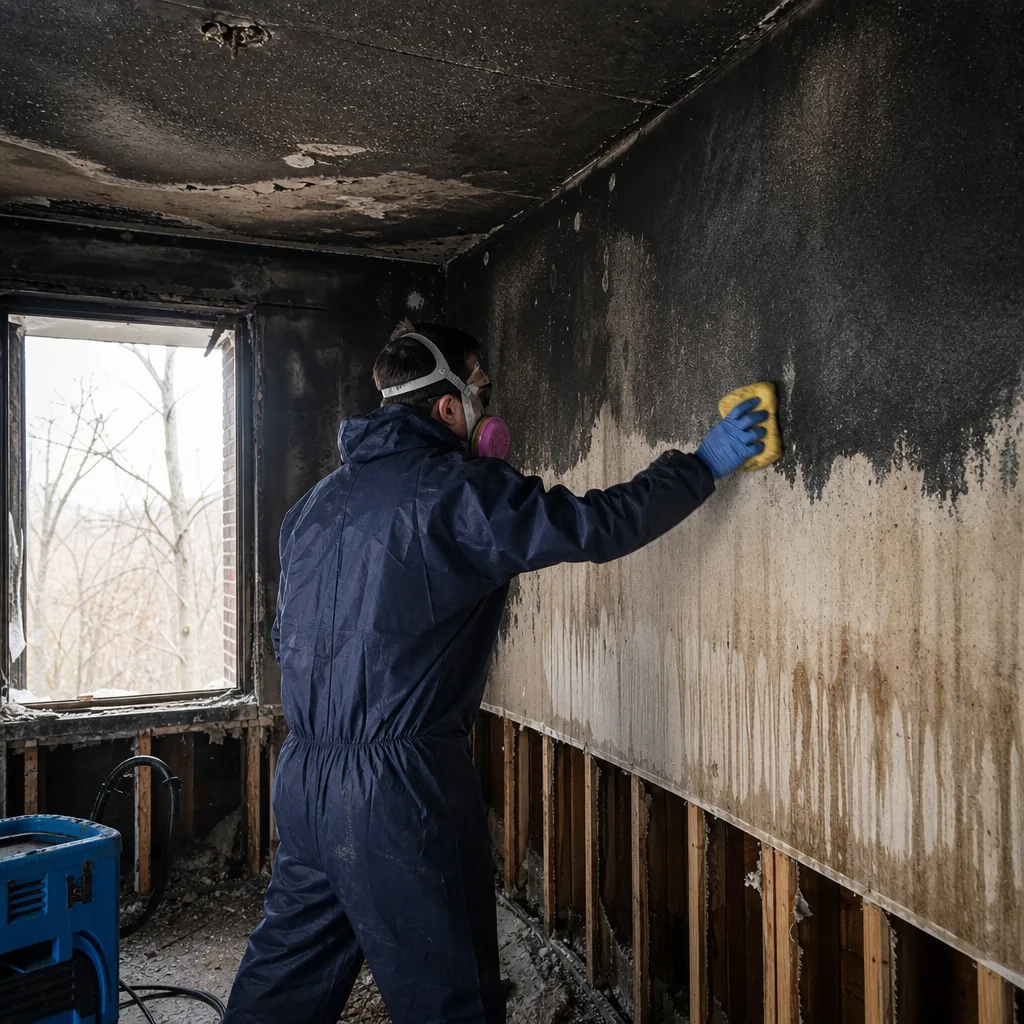
What happens when you call
- 1
A real person answersNo phone trees - you reach a local pro.
- 2
You get an upfront price rangeHonest numbers before anyone is dispatched.
- 3
A background-checked tech heads outLicensed & insured, dispatched right away.
- 4
You approve before work beginsNothing starts until you say go.
Storm & Disaster Restoration Costs in Jackson Heights, NY
Storm restoration pricing in Jackson Heights runs higher than in nearby single-family neighborhoods because the scope almost always involves multi-floor water travel and landmark-sensitive materials. A straightforward storm water extraction and drying job in a single co-op unit typically runs $2,800 to $5,500. Emergency board-up for a broken window or door runs $350 to $900, depending on the size and accessibility. Roof tarping over a breach on a six-story building runs $800 to $1,800, with most of that in labor and safety equipment. Full restoration involving lime plaster replacement, framing treatment, and LPC coordination can run $15,000 to $40,000 or more, depending on how many floors are involved. The free visual inspection we provide is the only way to get a firm, line-item scope for your specific loss. Call (363) 999-0829 and we’ll send someone who can tell you the real number, not a phone estimate.
We Also Serve Cities Near Jackson Heights
Floodline Restoration Co. answers calls from homeowners and co-op shareholders across western Queens. Our crews are regularly dispatched to East Elmhurst, Elmhurst, Corona, and Maspeth. If you’re in one of those neighborhoods and storm water is moving through your walls right now, call the same number – (363) 999-0829 – and a live person will start a crew your way.
Jackson Heights Storm & Disaster Restoration Questions, Answered
Does LPC landmark status affect emergency board-up or tarping after a storm in Jackson Heights?
Emergency stabilization work – board-up, roof tarping, and temporary shoring – does not require prior Landmarks Preservation Commission approval in the Jackson Heights Historic District. The LPC treats these as urgent protective measures. What matters is that you document the pre-stabilization condition clearly, because permanent exterior repairs will require LPC review, and the board will want evidence of what was there before the emergency. We photograph and log everything during stabilization so your co-op board has a clean record. Call (363) 999-0829 and we’ll handle the documentation as part of the stabilization scope.
How do you handle water extraction in a stacked co-op when the leak came from the unit above?
We treat every stacked co-op loss as a multi-unit event until proven otherwise. That means we map moisture across the ceiling assembly, the wall cavities, and the floor structure of the unit below. We coordinate directly with the co-op management office to access the unit above, because water that enters a shared cast-iron chase or steam-heat riser travels down through multiple shareholders’ apartments. The extraction and drying scope covers every unit on the water’s path, not just the one that called us. Call (363) 999-0829 for a free visual inspection of the full water path.
What does category 2 or 3 storm water mean for original horsehair plaster walls in a Jackson Heights co-op?
Category 2 water (roof runoff, soil, overflow) and category 3 water (sewage, street flooding) both contaminate horsehair plaster, which is porous and holds water far longer than drywall. In most cases, saturated original plaster in a category 2 or 3 loss must be cut out and removed, not dried in place. Where LPC rules require like-for-like replacement, we match the original lime plaster profile and coordinate with the co-op’s landmark consultant. If the affected walls are in an LPC-designated building, standard drywall line items will not pass review. We write the scope correctly the first time. Call (363) 999-0829 to talk through your specific walls.
How long does structural drying take in a 1920s Jackson Heights brick co-op after roof damage?
Structural drying in a 1920s Jackson Heights brick co-op typically takes five to ten days, versus three to five in a drywalled postwar building. The horsehair plaster, old-growth timber framing, and dense brick walls hold moisture and release it slowly. We set the dry standard using daily moisture readings with Dri-Eaz and Phoenix equipment, and we log every reading until the structure meets that standard. We’ll tell you on day one how long your building type is likely to take. Call (363) 999-0829 and a certified technician can assess your unit in person.
Can I stay in my unit during storm restoration of shared walls in a landmarked Jackson Heights building?
Sometimes, but not always. If we’re containing and drying a single room, you can usually stay. If category 3 water moved through shared walls and we need to cut out plaster, run air scrubbers, and treat framing, the unit may not be habitable for a few days. We’ll tell you straight, because a square deal means you know the truth before you decide. Where you need alternate lodging, your loss-of-use coverage may apply, and we’ll document the conditions your adjuster needs to approve it. Call (363) 999-0829 to talk through your situation.
How fast can you actually get to Jackson Heights after I call?
In most cases, a crew reaches Jackson Heights within 45 minutes of your call. We dispatch from our New York City office and maintain crews near western Queens specifically because storm responses on Roosevelt Avenue, 34th Avenue, and Northern Boulevard can’t wait for a crew from Manhattan to cross the bridge. The dispatcher who answers (363) 999-0829 will give you a real arrival window and a crew leader’s name.
Will my co-op board or insurance carrier need special documentation for landmark restoration work?
Yes. LPC-designated buildings in Jackson Heights require documentation that proves the original material and profile, and the replacement must match. We photograph the existing plaster, molding, and profiles before removal, and we write the line-item scope with the LPC requirements built in. That’s the difference between a claim that gets approved and one that ends up in a dispute between the co-op board, the shareholder, and the adjuster. We’ve been in the middle of enough of those disputes to know how to prevent them. Call (363) 999-0829 and we’ll walk you through what your specific building needs.
What should I do in the first 30 minutes after storm water enters my Jackson Heights co-op?
Call (363) 999-0829 first. Then, if it’s safe, shut off power to the affected area, move what you can out of the water’s path, and photograph the visible damage. Do not attempt to open walls or remove plaster yourself. Storm water moves through pre-war building cavities fast, and the longer it sits in horsehair plaster and old framing, the larger the mold risk and the more expensive the restoration. We’ll be there within the hour to start extraction and mapping.
Serving Jackson Heights, NY - Our Local Coverage Area
We’re based in the Jackson Heights area and know this community well. Use the map below to see our service coverage - if you’re nearby, we can almost certainly help.
Storm Restoration That Respects the Building
Jackson Heights is not a neighborhood of interchangeable drywall boxes. The co-ops along 34th and 35th Avenues were built by the Queensboro Corporation in the 1920s with a level of material quality that no one reproduces cheaply today. When storm water gets into those buildings, the right response is not the fastest demo crew. It’s a restoration contractor who knows that original lime plaster dries differently than Sheetrock, that a shared cast-iron drain stack can carry category 3 water four floors down from a single roof breach, and that a co-op board’s LPC obligations are not a paperwork detail. They’re the legal boundary around the work. That’s what our Storm & Disaster Restoration team does here, and it’s why we’ve been called back to these buildings year after year since Curt Bowman founded this company in 2010.
Last March, after a nor’easter drove water through failed repointed mortar on a pre-war co-op on 34th Avenue near 84th Street, our crew arrived to find category 3 storm water staining original horsehair plaster across three floors. We set containment and ran Dri-Eaz air movers and dehumidifiers while we coordinated with the co-op board and LPC consultant to replace saturated lime plaster like-for-like, not drywall, so the building’s landmark pre-loss condition was restored before mold could set in. That’s the standard we bring to every Jackson Heights storm loss. Done right, and backed in writing.
If storm water is moving through your unit right now, call (363) 999-0829. A live person answers, a crew is dispatched, and the first hour starts working in your favor. If you’re planning ahead, call the same number for a free visual inspection and a straight answer about your building’s risks. The 90-Day Done Right Promise comes with every job. Senior and veteran discounts always apply. No surprises on the bill, and never a handoff to a crew you didn’t agree to.
Written by Curt Bowman, Owner at Floodline Restoration Co., serving Jackson Heights since 2010.