
Free visual inspection and a written scope of work before any mitigation begins - photos, moisture readings, and drying logs go in your claim file
The scope we write is the scope we bill. Anything new gets shown to you, in writing, before we touch it.
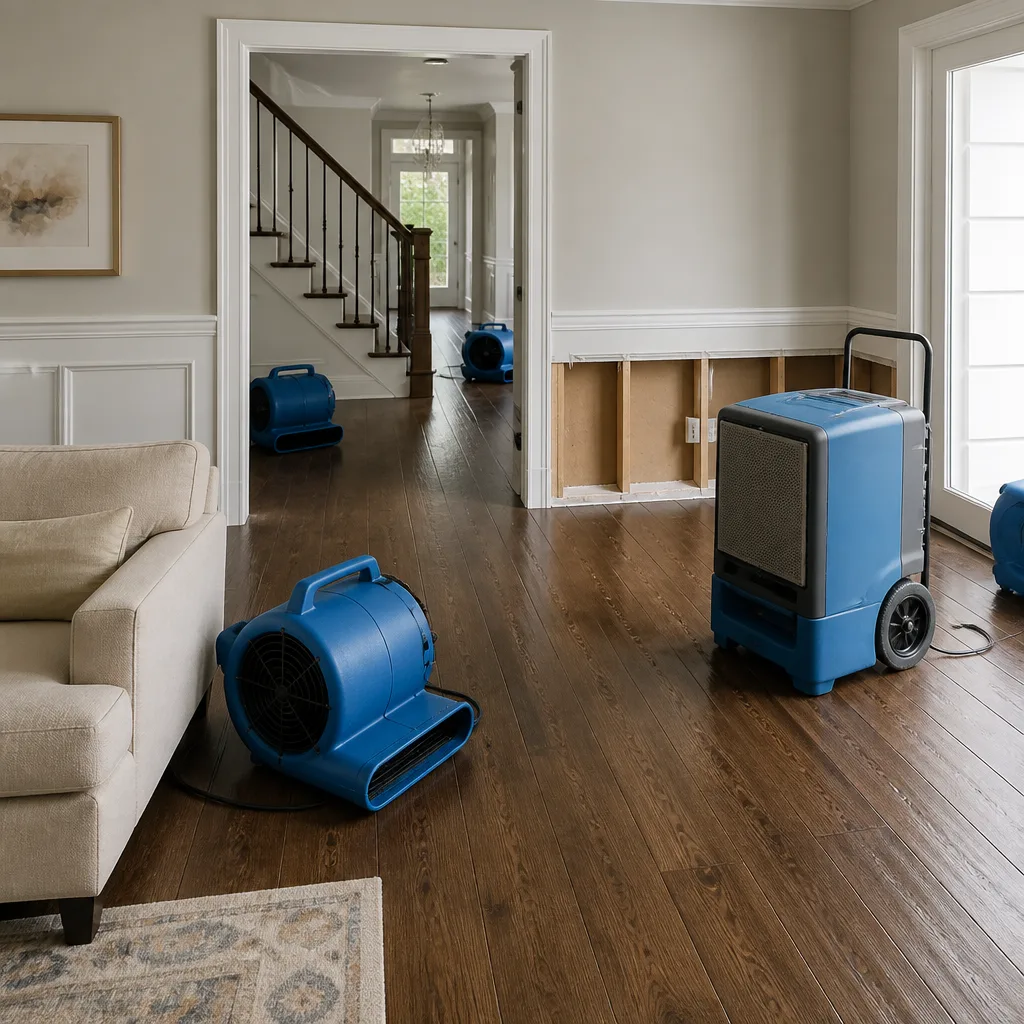
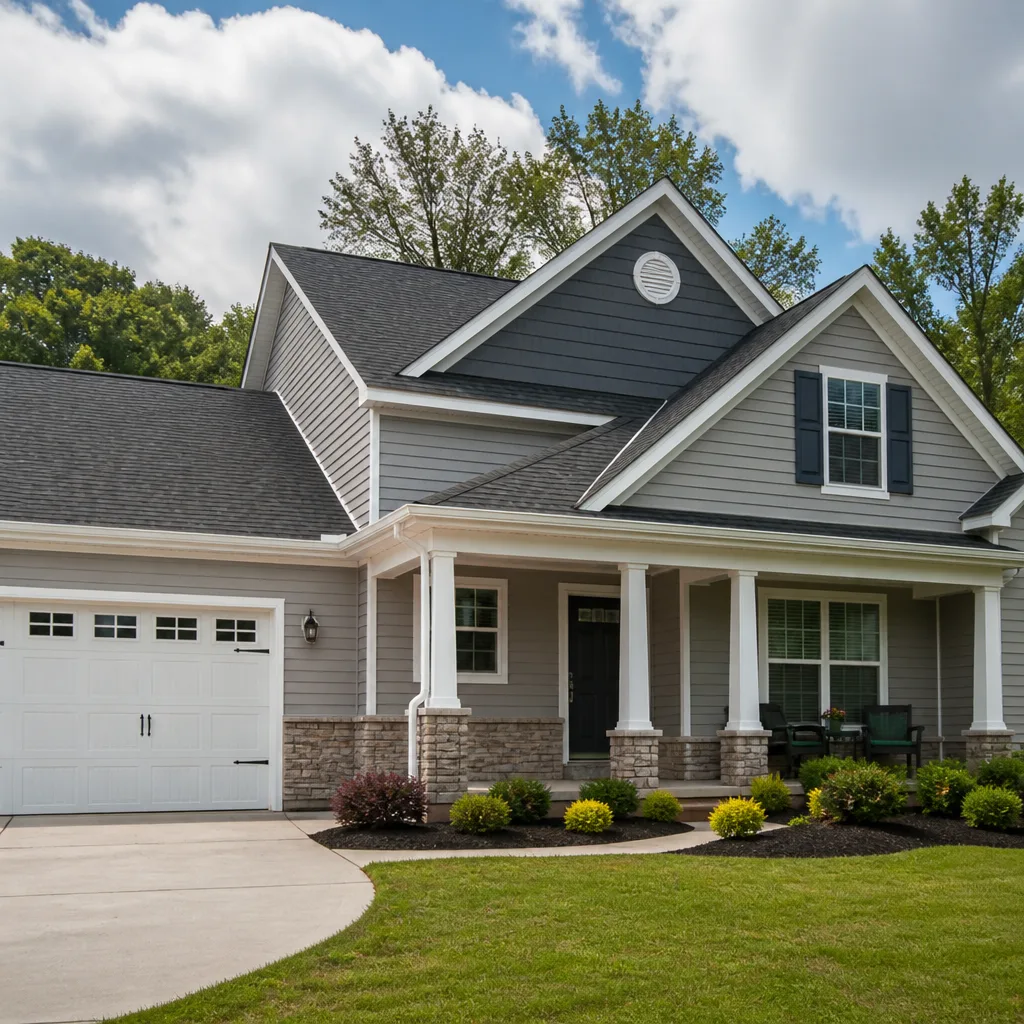
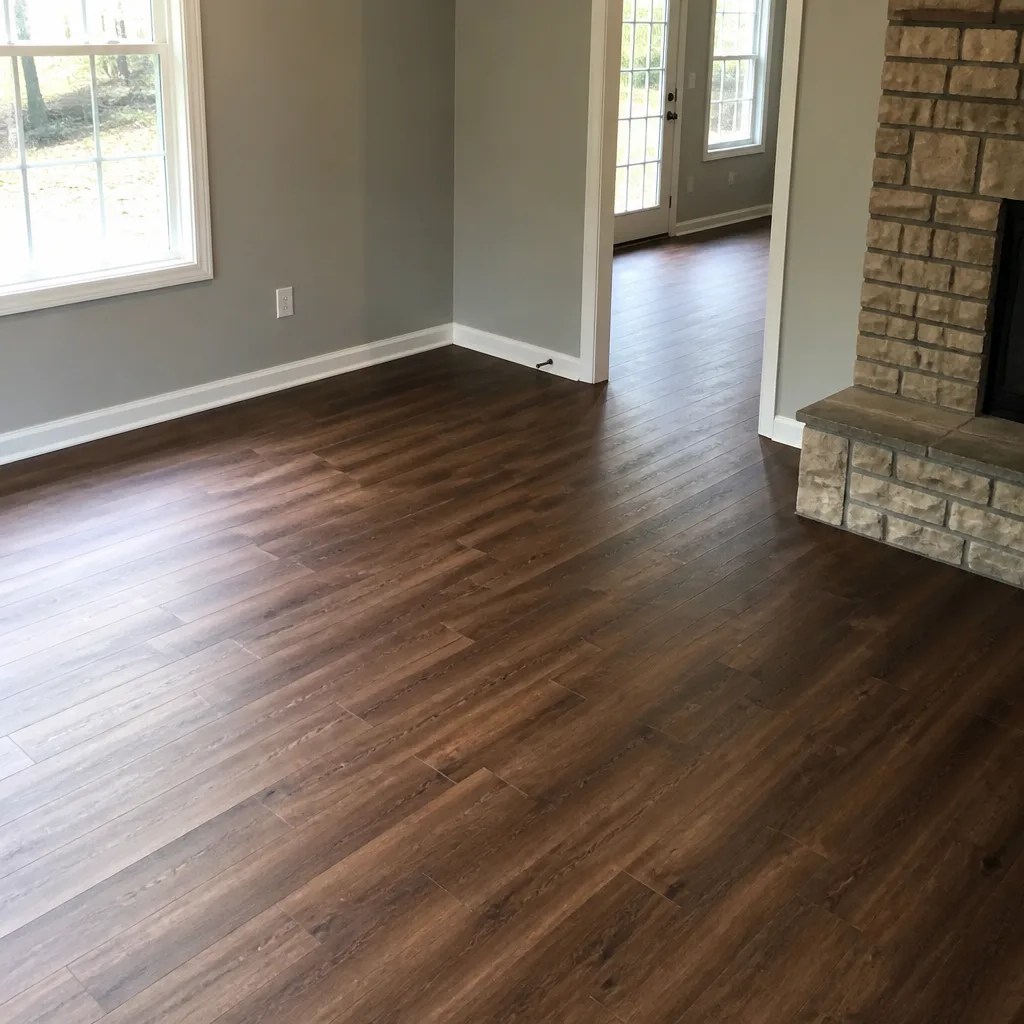
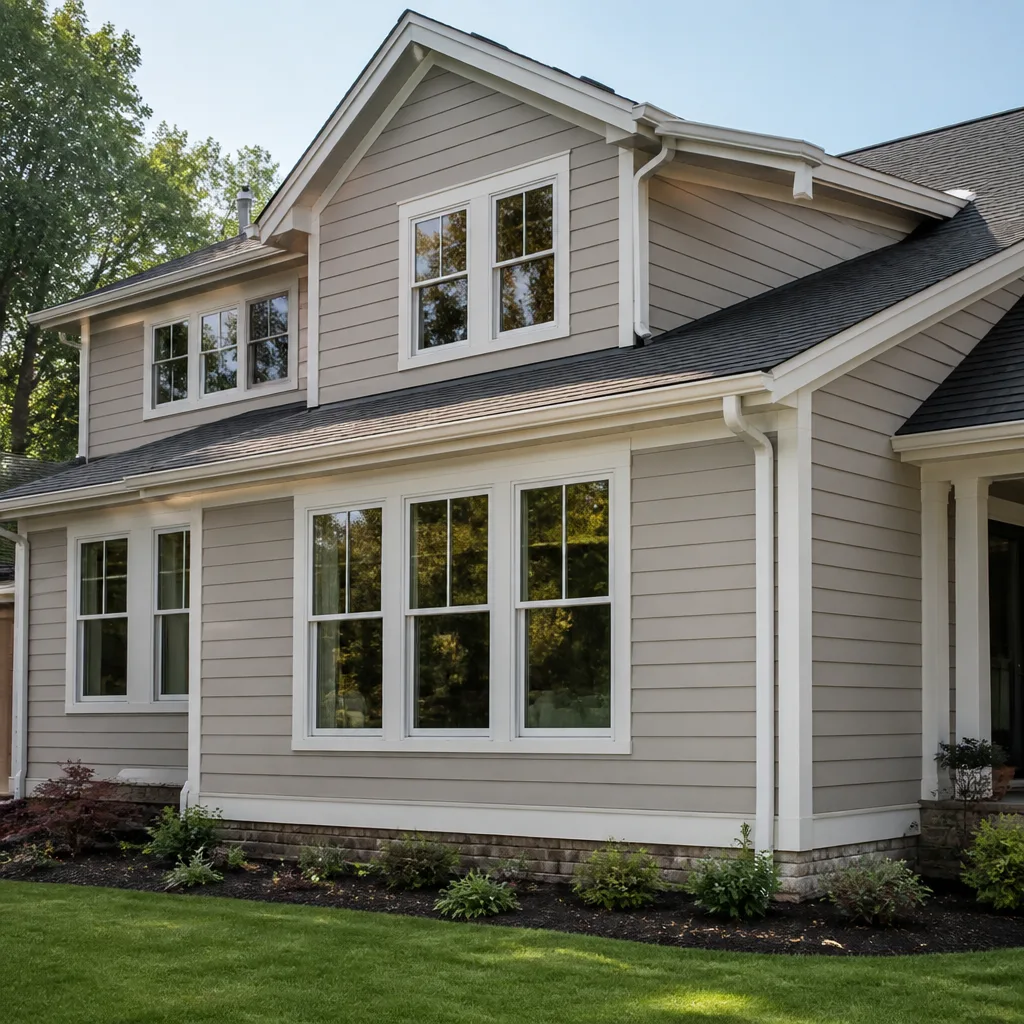
 Before
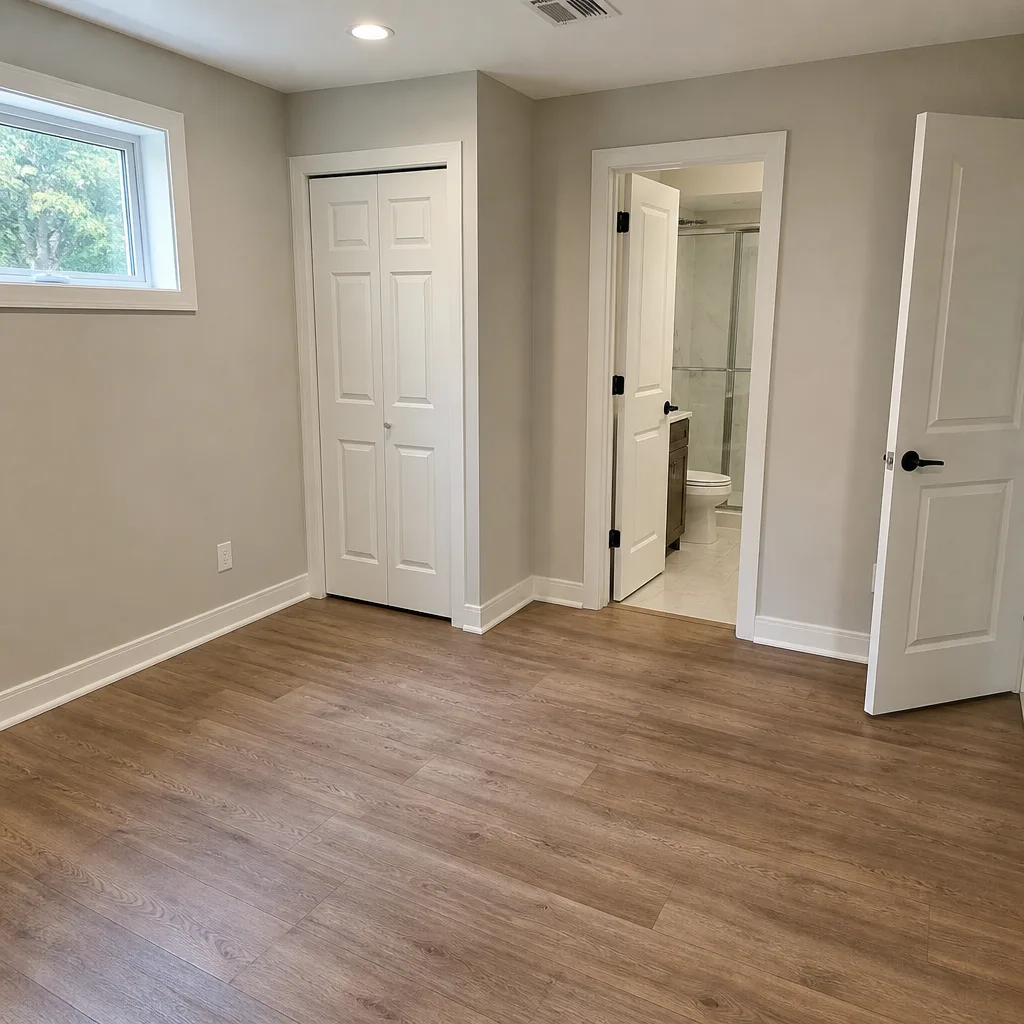 After
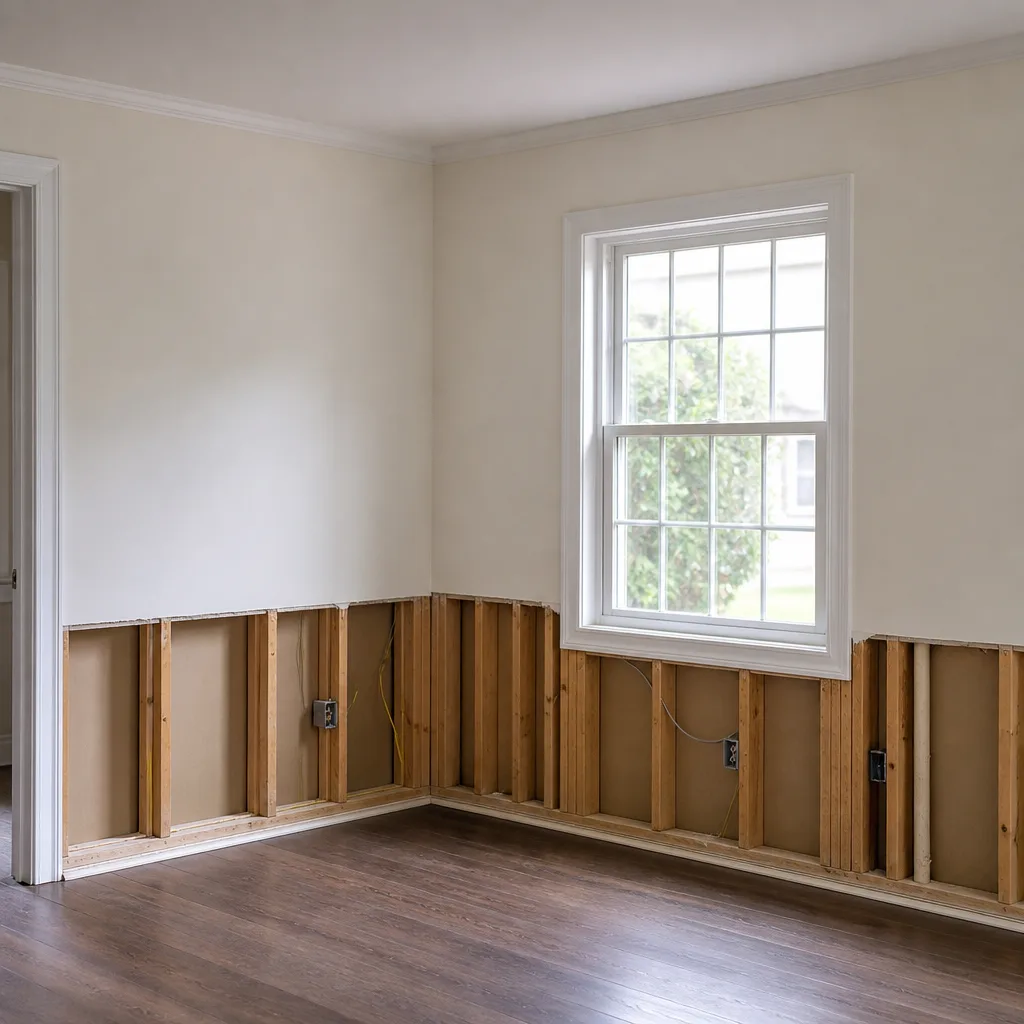
After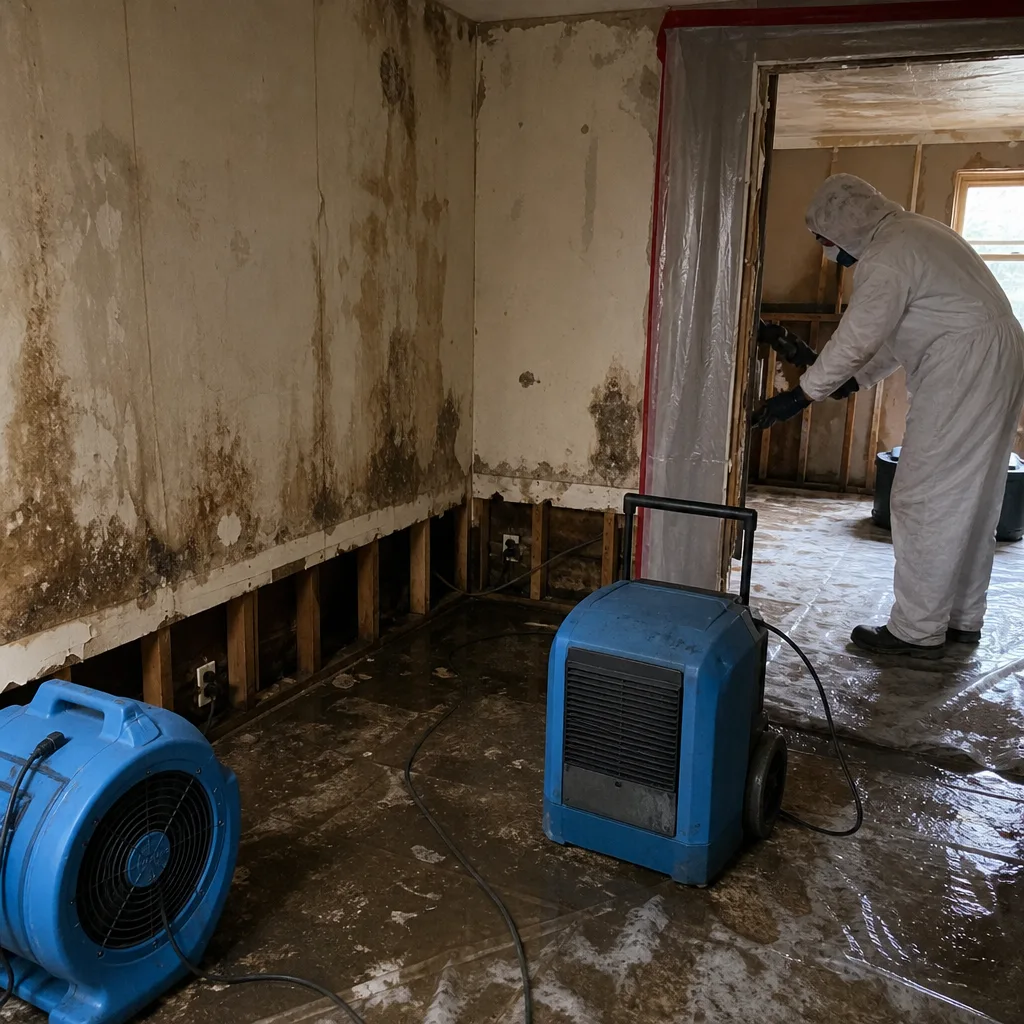 Before
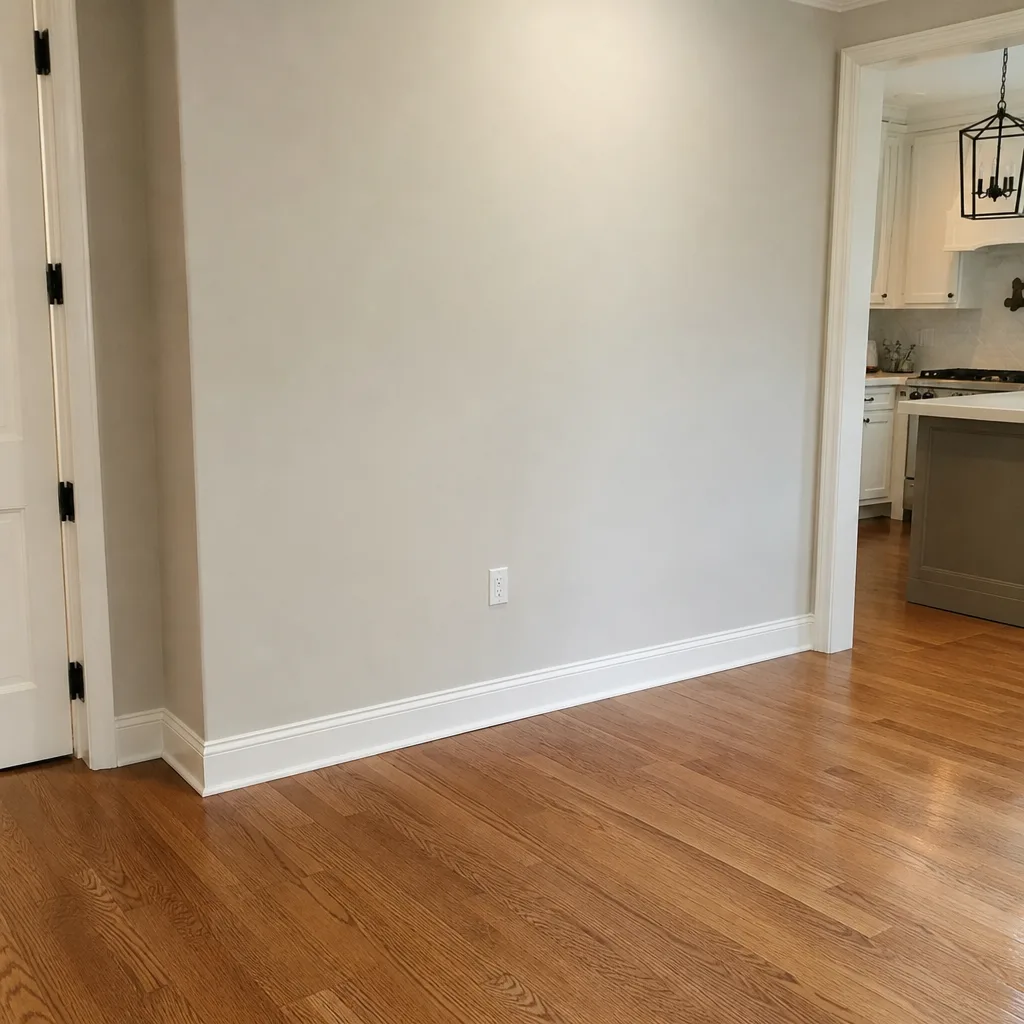 After
After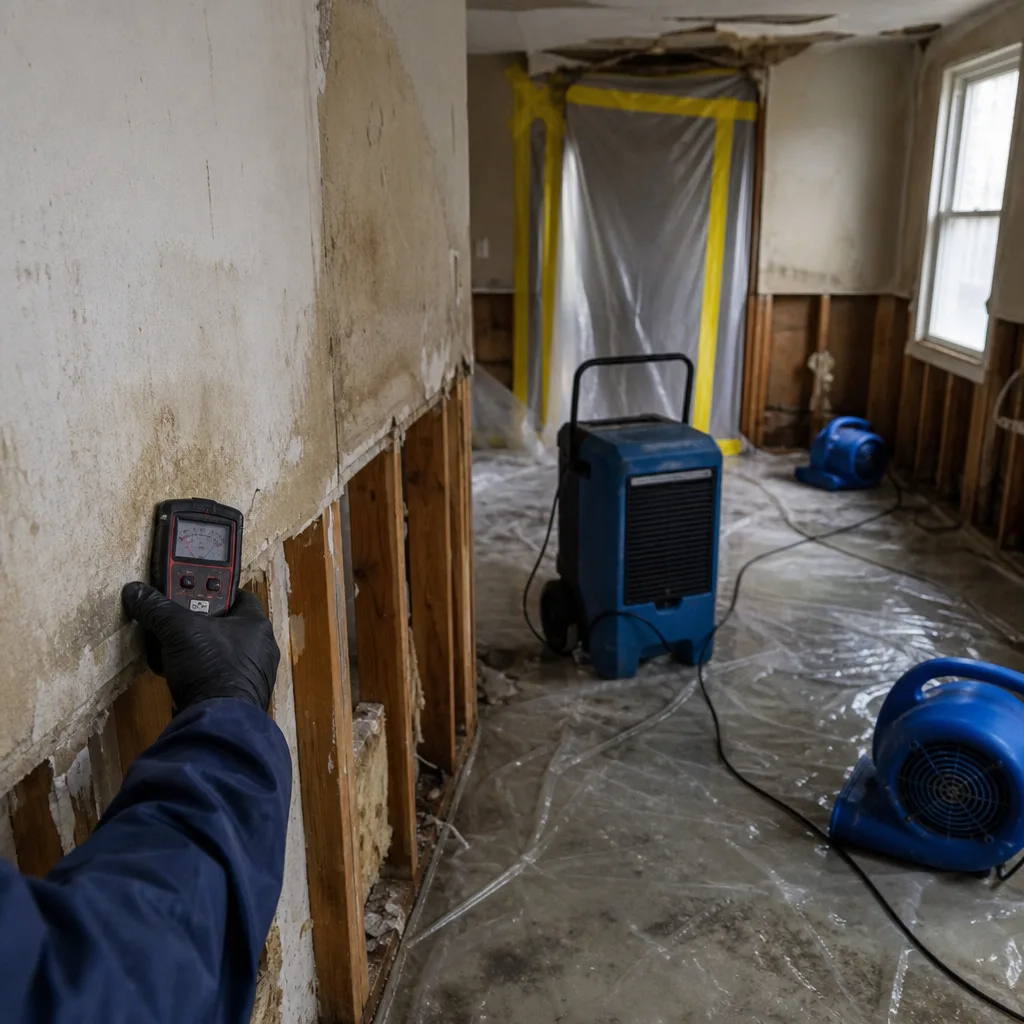 Before
 After
After24/7 Emergency Commercial Restoration in Glendale
Commercial restoration in Glendale moves on one clock: the clock that starts the minute water touches a shared party wall or smoke pushes through a common attic. Floodline Restoration Co. answers live, 24 hours a day, at (363) 999-0829, and we dispatch crews into Glendale’s attached brick row houses, storefronts, and mixed-use buildings without waiting for a callback. The first hour determines whether you’re drying plaster or replacing it, whether one storefront closes or three do. Call now and a real person picks up, schedules a free visual inspection, and gets a certified crew rolling toward your block on Myrtle Avenue, Cooper Avenue, or Central Avenue before the water line has finished rising.
Understanding Commercial Restoration Severity in Glendale Properties
In Glendale, severity is not measured in gallons alone. It’s measured in walls and what they’re made of. A category 1 supply-line break in a 1930s two-family on 68th Place behaves differently than the same break in a modern framed building. The horsehair plaster wicks moisture horizontally, the galvanized supply lines fail at threaded joints, and the shared party wall means the water does not stop at your property line. Category 2 grey water from a failed drain line adds contamination that requires antimicrobial treatment before drying can be considered complete. Category 3 black water, the kind that backs up through Queens’ combined sewer system during a cloudburst, demands full containment, disposal of affected material, and NYC DEP documentation. Our crews moisture-map every affected surface with thermal imaging and hygrometers before placing a single air mover, because in a Glendale row house, the wet map rarely matches the visible stain. The real scope hides in the wall cavity, under the original pine subfloor, and behind the neighbor’s baseboard.
Why Glendale Property Owners Choose Floodline Restoration Co.
- 45-minute response commitment to Glendale addresses. When a supply line lets go at 2 a.m. on a February night, our live dispatcher has a crew moving toward your block before most property owners finish leaving a voicemail somewhere else.
- 24/7 live answer, never an automated system. You call, a person answers. At two in the morning on a holiday. That’s the whole system.
- IICRC-certified crews holding WRT, FSRT, and AMRT credentials. The people who walk your property carry the same certifications you’d expect from any restoration contractor working a multi-owner row house claim in Queens.
- Free visual inspection with a written scope before work starts. No pressure, no surprises. We document what we see, put a number on it, and you decide. The Keystone Standard is in writing before we touch a wall.
- Direct insurance billing. We coordinate with your carrier, adjuster, and mortgage company. You don’t play messenger between us and them.
- One team from extraction to reconstruction. The same certified crew that maps the moisture reads the drying log, and when reconstruction begins, the people who know your building are the ones doing the work. No mid-job handoff to a subcontractor you’ve never met.
Our Commercial Restoration Process
Inspection & Assessment
We arrive, walk every affected room, and document the full extent of damage with photos and thermal imaging. In Glendale’s attached buildings, this includes a look at the shared wall, the basement ceiling, and the neighbor’s side. You get a clear written scope before any equipment enters the building.
Extraction & Stabilization
Standing water comes out first, using truck-mounted and portable extraction units. We stabilize the site, shut down electrical circuits where needed, and set containment to prevent cross-contamination into unaffected units. In row house work, this step is where we stop the damage from becoming the neighbor’s claim.
Drying & Dehumidification
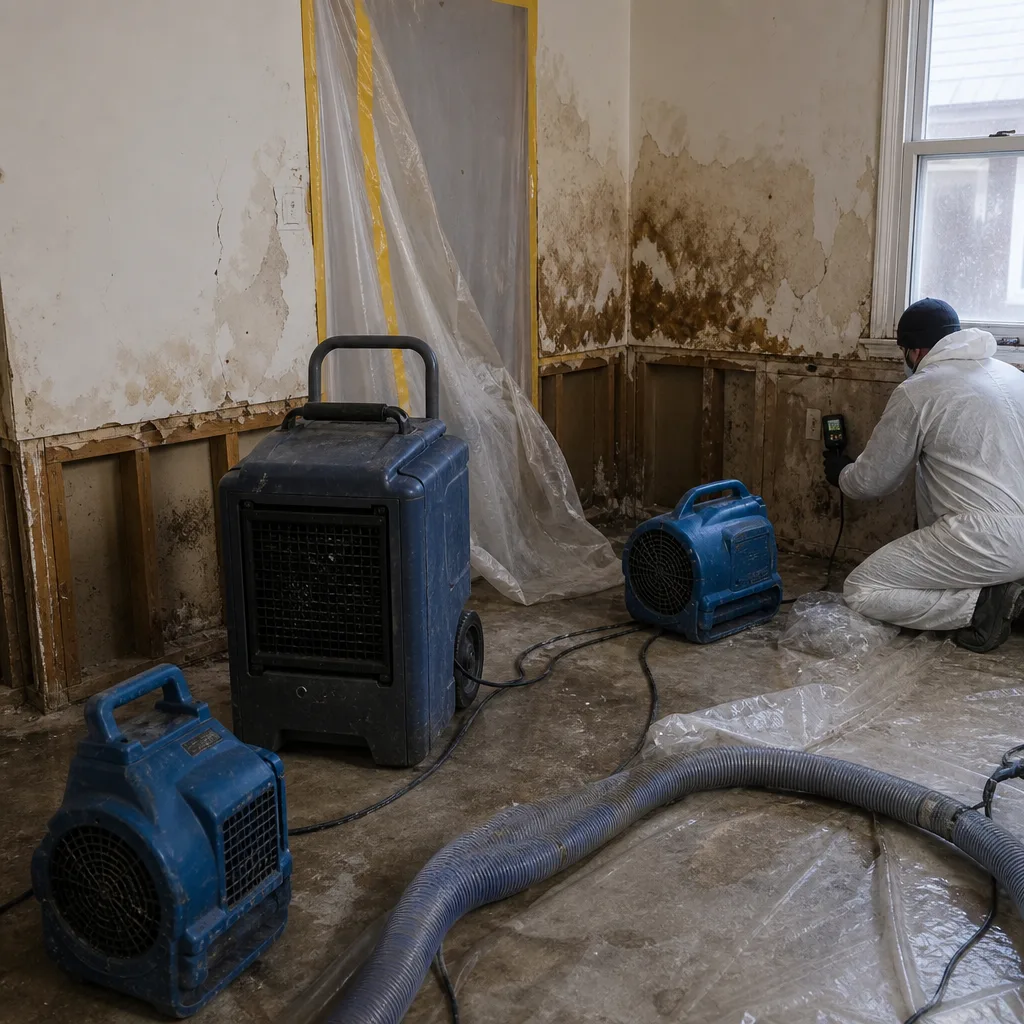
Professional-grade Dri-Eaz air movers and Phoenix dehumidifiers go in, positioned from the moisture map we built in step one. Daily readings are logged, adjusted, and shared with you and your carrier. Structural drying in plaster walls takes what it takes; we don’t rush it and we don’t pad it.
Cleaning & Sanitization
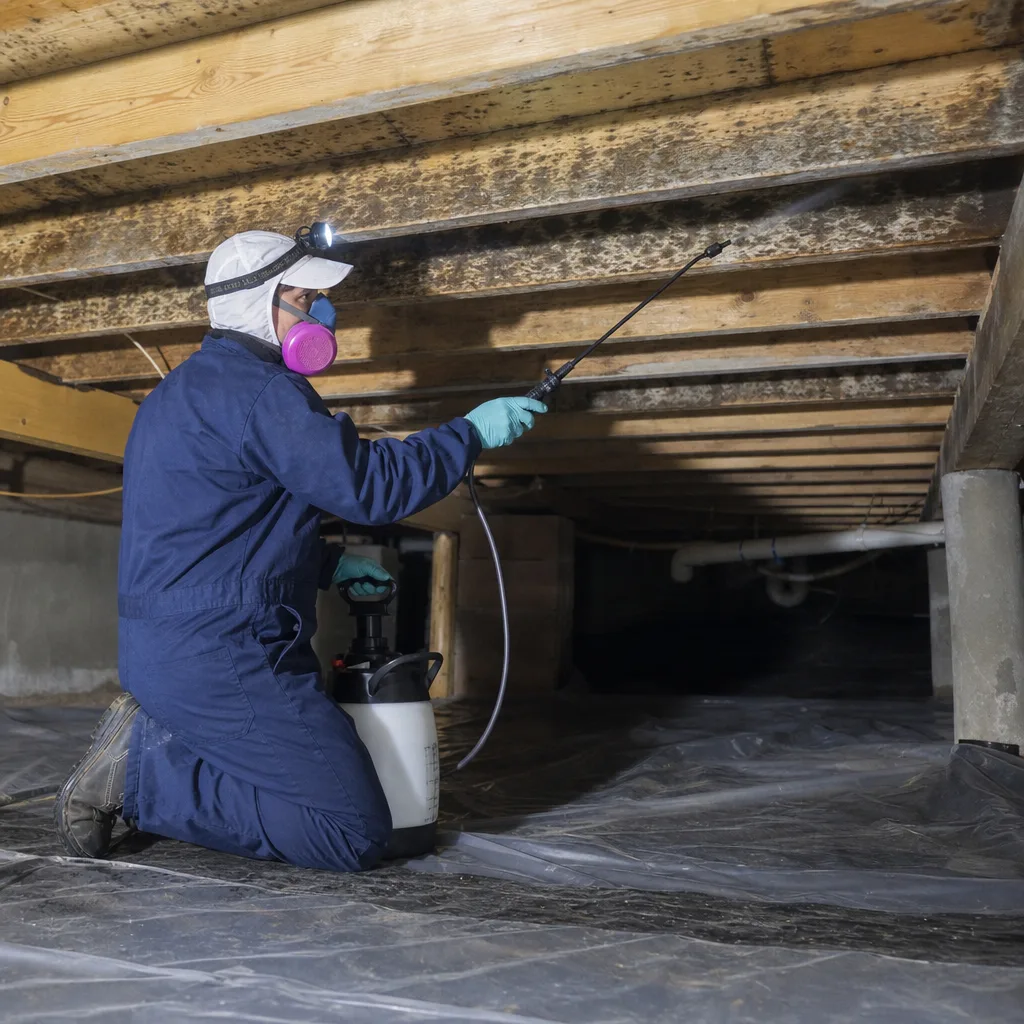
HEPA air scrubbers run throughout active work, and affected surfaces get antimicrobial treatment appropriate to the water category. For category 2 and 3 losses, this step includes disposal of contaminated material under local and state rules.
Containment & Specialty Treatment
In pre-WWII Glendale buildings, this is where asbestos and lead-paint protocols come in. If testing is positive, we coordinate abatement under NYC and NYS DEL rules before any further demolition or finish work proceeds. Skipping this step is how a three-day drying job becomes a month-long regulatory mess.
Repairs & Restoration
New drywall over dried framing, plaster repair, flooring, trim, paint. The same Floodline crew that extracted and dried now rebuilds, with the 90-Day Done Right Promise on the finished work. If it’s not done right, we make it right. In writing.
Need Emergency Commercial Restoration in Glendale Now?
Crews minutes away, answering live 24 hours a day. The sooner we start, the less it costs.
Working With Your Insurance Company
Most Glendale commercial restoration claims involve at least two parties: the property owner and the carrier, and in row house work, often three or four. We take the documentation burden off your desk from the first hour. Every Floodline Restoration Co. job produces a complete claim file: time-stamped photos of the loss, room-by-room damage documentation, daily moisture readings with drying logs, and a line-item scope of work written to the standards your adjuster expects. We speak directly with your carrier, answer their technical questions, and bill them directly where your policy allows. You get a copy of every reading, every photo, every number. No surprises on your bill and no games with your coverage.
What We Provide Your Insurer
- Thorough documentation of the loss
- Photos of all damage, room by room
- Moisture readings and drying logs
- A detailed, line-item scope of work
- Direct coordination with your carrier
Built for Glendale’s Loss Calendar
Glendale’s restoration needs follow a calendar as predictable as the Q55 bus schedule. January and February bring deep freezes that burst original galvanized supply lines in unheated basement crawl spaces, and a break in one unit soaks the neighbor’s horsehair plaster within hours. Spring thaw pushes groundwater into semi-finished basements along the lower blocks near Fresh Pond Road, where foundation seepage soaks stored inventory and sheetrock. Summer cloudbursts overload Queens’ combined sewer system, sending category 3 backups into basement-level shops and restaurants along Myrtle Avenue. Autumn nor’easters drive wind-driven rain through aging parapet walls and flat-roof flashing, and each season leaves behind a pattern of claims specific to this housing stock. The pre-war bones of these buildings don’t fail randomly; they fail on schedule. Property owners who know the schedule call us before the puddle becomes a claim.
Commercial Restoration Across Glendale’s Neighborhoods
Glendale is not one big block; it’s a patchwork of building types and loss patterns. Along Myrtle Avenue, the commercial corridor running through the heart of Glendale, storefronts sit under residential units, which means a second-floor bathroom leak becomes a first-floor ceiling collapse and a third-floor merchant’s lost inventory. Over off Cooper Avenue, the 1920s attached brick row houses share party walls from basement to roofline, so a kitchen fire’s smoke migrates through common cockloft spaces into units two doors down. Near the Atlas Park side of Glendale, where commercial storefronts meet residential side streets, a water main break floods multiple basement-level shops at once, and the restoration sequence has to account for shared water service lines and shared walls. Up by 80th Street and the Lutheran Medical Center corridor, mixed-use buildings with medical offices demand faster drying targets and stricter contamination containment, because a damp exam room can’t reopen on a promise. Our crews know the difference between a two-family off 68th Road and a six-storefront stretch on Myrtle, because that difference determines where the drying equipment goes first. We dispatch from the New York City office with crews serving Glendale locally, so we’re minutes from any of these blocks, not an hour.
Specialized Commercial Restoration Services We Offer in Glendale
Office & Retail Restoration
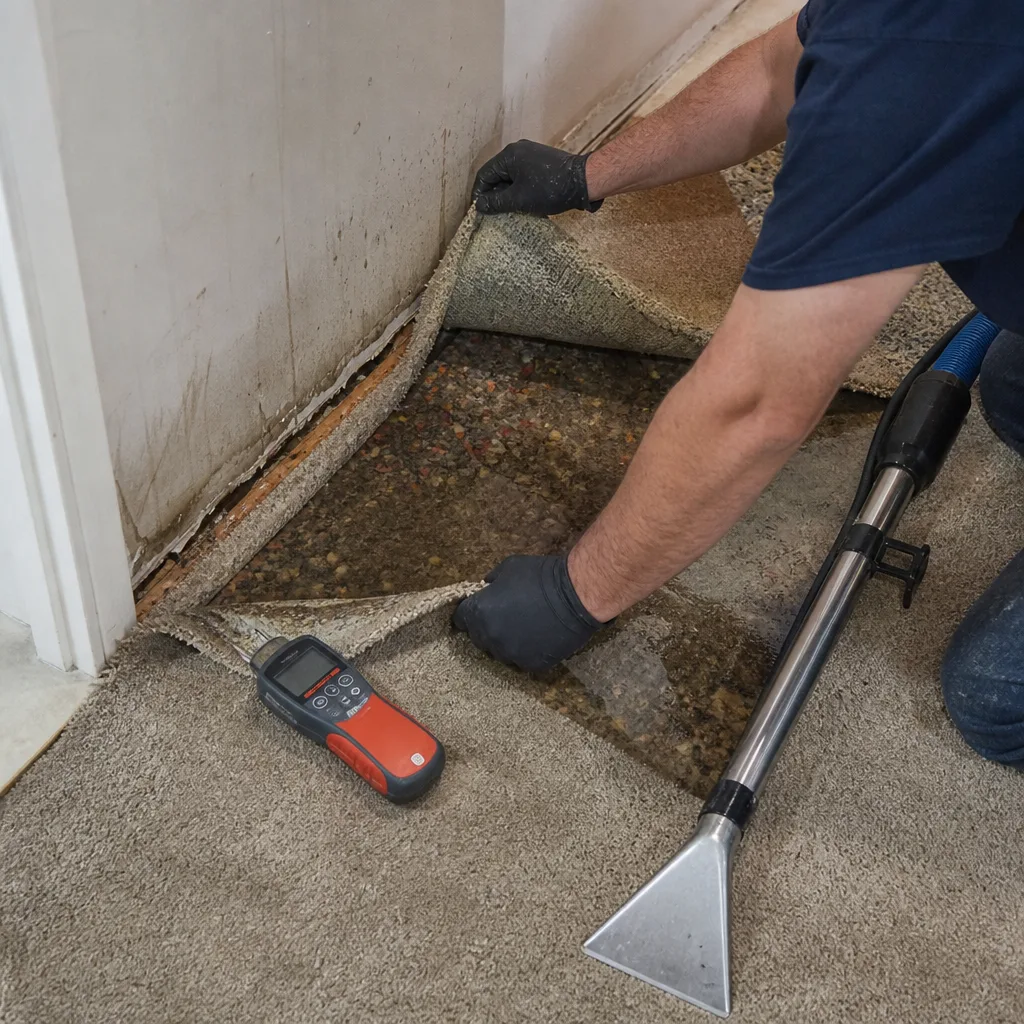
When a Glendale office or storefront takes water, the clock runs on revenue, not just drywall. We restore the space to a condition that passes inspection and reopens for business, with drying logs your landlord and carrier can review. Retail spaces along Myrtle Avenue benefit from our after-hours scheduling, which keeps equipment placement out of your customer flow.
Multi-Unit & HOA Restoration
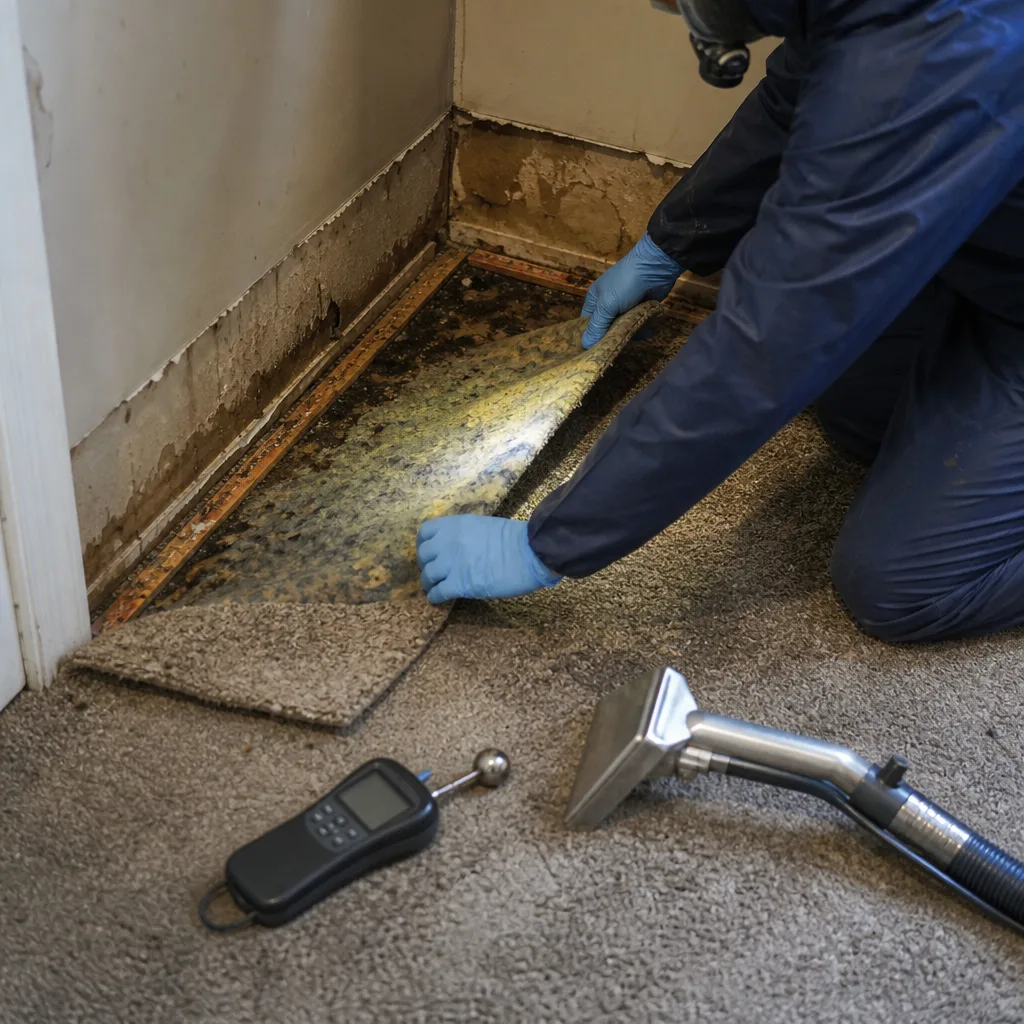
This is the service that matters most in Glendale, where the attached brick row house is the default building type. A two-family on 78th Avenue with a shared wall means two owners, two policies, and one restoration project. We manage the multi-owner scope of work, coordinate NYC DOB permits on both properties, and run a single drying plan that treats the building as one structure, not two lawsuits. HOA boards and property managers get one point of contact, one invoice structure, and one team on site.
Industrial Facility Cleanup
Warehouse and light-industrial spaces around Fresh Pond Road and the rail corridor carry different loads than storefronts: stored materials, equipment, and electrical infrastructure that can’t get wet. We extract, dry, and restore with an eye toward getting production back online, not just getting the floor dry.
Large-Loss Response
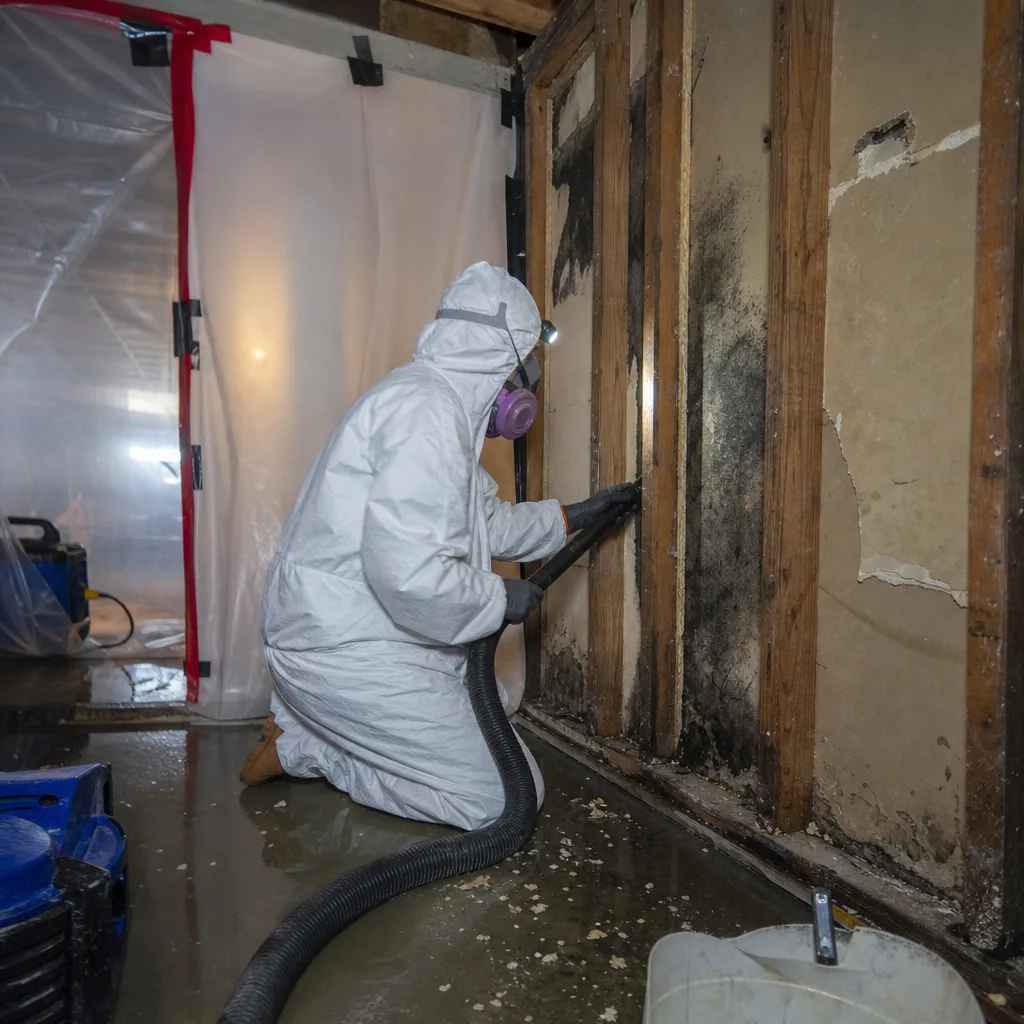
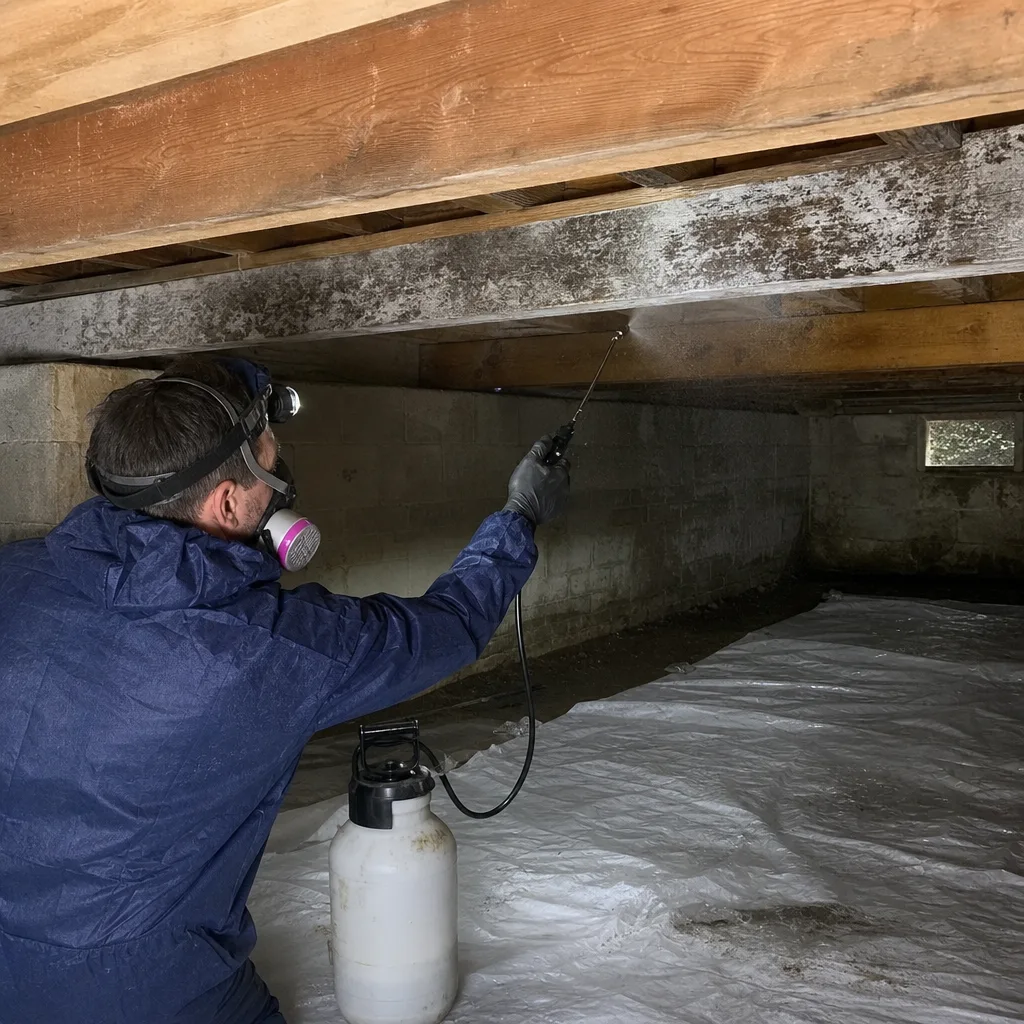
When a nor’easter floods a whole Glendale block of basement shops, or a fire jumps a party wall and takes three storefronts, this is the response. We mobilize multiple crews with professional-grade XPOWER and B-Air air movers, Phoenix dehumidifiers, and HEPA scrubbers, and we manage the scope across every affected unit. Our office coordinates with the carrier, the property manager, and each tenant separately, because on a large loss, communication is the difference between a three-week closure and a three-month one.
Business Interruption Minimization
Every day a Glendale restaurant, barbershop, or medical office stays closed is a day of revenue gone and customers lost to competitors. Our goal on every commercial job is to get you back to operating condition in the shortest defensible timeline, without cutting corners that would fail inspection or leave a hidden moisture problem. We schedule work around your operating hours where possible, document everything for your business-interruption claim, and keep you informed of the drying timeline daily.
What happens when you call
- 1
A real person answersNo phone trees - you reach a local pro.
- 2
You get an upfront price rangeHonest numbers before anyone is dispatched.
- 3
A background-checked tech heads outLicensed & insured, dispatched right away.
- 4
You approve before work beginsNothing starts until you say go.
Commercial Restoration Costs in Glendale, NY
Small water extraction and drying jobs in Glendale, a single storefront bathroom leak or a contained supply-line break with clean category 1 water, typically run $1,500 to $4,000. A mid-size commercial claim, say a category 2 grey-water loss in a basement-level shop on Myrtle Avenue with drywall removal and antimicrobial treatment, lands between $4,000 and $12,000. A full row house party-wall loss involving two or more units, category 3 sewage backup, or fire and smoke migration through shared cocklofts starts around $12,000 and scales with the number of affected units, the presence of asbestos-containing plaster or pipe insulation, and the depth of reconstruction required. What moves the number most in Glendale is the building itself: pre-war plaster, shared walls, and the permitting and abatement requirements that come with them. Most commercial policies cover the bulk of these costs after deductible; we work directly with your carrier to keep the covered scope accurate and the out-of-pocket number honest. We don’t bid low to get the job and inflate later. The free visual inspection leads to a written scope you can take to your insurer with confidence. Call (363) 999-0829 to schedule one.
We Also Serve Cities Near Glendale
Floodline Restoration Co. runs crews from the New York City office into the surrounding Queens blocks every day. The same live-answer dispatch and 45-minute response commitment applies to commercial property owners in Elmhurst, Corona, Forest Hills, and Jackson Heights. If your building sits just over the Glendale line, call the same number: (363) 999-0829.
Serving Glendale, NY - Our Local Coverage Area
We’re based in the Glendale area and know this community well. Use the map below to see our service coverage - if you’re nearby, we can almost certainly help.
Glendale Commercial Restoration Questions, Answered
If a fire in one Glendale row house damages the shared wall, do we need permits for both properties?
Yes. Any structural work on a shared party wall in New York City requires NYC DOB permits for both properties, and the scope of work must be agreed to by both owners before demolition begins. Floodline Restoration Co. coordinates this with both owners and the DOB as part of the restoration plan, because skipping the permit on the adjacent property is how a fire restoration gets a stop-work order.
How quickly can you begin structural drying in a Glendale storefront after a water main break on Myrtle Avenue?
We commit to a 45-minute response for Glendale addresses, so crews are typically on site and laying out containment and air movers within the first few hours. Structural drying starts as soon as extraction is complete and the moisture map is logged. Call (363) 999-0829 and we’ll give you a real arrival window, not a promise.
Does Floodline Restoration Co. handle the asbestos and lead-paint abatement required in pre-WWII Glendale commercial buildings?
Yes. We identify suspect plaster, flooring, and pipe insulation during the initial assessment, coordinate testing, and manage abatement under NYC and NYS DEL rules before finish work proceeds. This is a standard part of commercial restoration in Glendale’s pre-war building stock, not an add-on surprise.
What happens when a nor’easter causes sewage backup into multiple basement-level shops along the same Glendale block?
We treat it as a large-loss response. Category 3 black water requires containment, disposal of contaminated material, antimicrobial treatment, and NYC DEP documentation for each affected unit. Our crews mobilize across the block, coordinate with each tenant and owner separately, and bill each carrier directly.
Can you dry my Glendale restaurant after a category 1 supply-line break without closing the dining room?
Often, yes, if the break is contained to a prep area or utility space and the dining room is unaffected, we set containment and run drying equipment in the affected zone while you keep serving. If the water reached the dining room or the shared wall, we’ll recommend a short closure to dry properly. We’ll tell you straight which scenario you’re in.
How long does commercial drying take in Glendale’s plaster-and-lath buildings?
Plaster and lath dry slower than modern drywall, typically three to six days for a contained category 1 loss. Category 2 and 3 losses add time for sanitization and material removal. Daily moisture readings determine the exact timeline, and you get the log, not a guess.
Are your technicians certified for commercial restoration work?
Yes. Every Floodline technician is background-checked, uniformed, and certified to IICRC, RIA, and IFA standards, holding WRT, FSRT, and AMRT credentials where relevant. The same certified crew handles your job from first extraction to final coat of paint.
What should I do in the first 30 minutes after discovering water damage in my Glendale property?
Call (363) 999-0829 first. Then, if safe, shut off the water supply to the affected line and move electronics and documents out of the water’s path. Don’t enter standing water near electrical outlets. Don’t tear into walls yourself; in pre-war buildings, you may disturb asbestos-containing plaster and make a bad situation worse. We’ll walk you through the next steps on the phone.
If the water is rising or the smoke is still moving through your Glendale property, call Floodline Restoration Co. now at (363) 999-0829. A live person answers. A crew gets moving. The 90-Day Done Right Promise is in writing before we’re finished. That’s the whole deal.
Written by Curt Bowman, Owner at Floodline Restoration Co.