
Quick Summary
Nationwide flooded basement repair cost averages range from $1,500 to over $15,000 depending on water contamination levels, structural drying times, and necessary drywall or finish replacements. Floodline Restoration Co. operates as an all-in-one restoration partner that manages the complete remediation process using upfront fixed-price quotes and direct insurance billing. Property owners can call the 24/7 dispatch line to schedule a free on-site visual inspection and obtain an accurate flooded basement repair cost estimate.
Flooded Basement Repair Cost: Upfront Pricing Guide
The average flooded basement repair cost nationwide falls around $4,000, with most property owners paying between $1,500 and $15,000 depending on the volume of water, the level of contamination, and the amount of structural demolition needed. A minor clean-water supply line leak that is caught within hours sits on the lower end of that spectrum. A city sewer backup that saturates framing, drywall, and shared brick foundation walls will quickly push costs into five figures.[1]
When water sits below grade, every passing hour gives moisture more time to wick into subfloors, wall studs, and porous masonry. Understanding how restoration contractors like Floodline Restoration Co. calculate cleanup, drying, and rebuilding expenses helps you budget accurately and avoid unexpected surprises during an emergency. See also Water Damage Repair Pricing | Call Now-10% Off | On-Site in 60 Minutes | Free Estimate.
Average Basement Flood Cleanup and Repair Costs
Restoration estimates typically split into two distinct operational phases: emergency mitigation (water extraction, sanitization, and structural drying) and post-loss reconstruction (replacing drywall, insulation, subflooring, and trim). Overall costs vary depending on the severity of the flood, water contamination level, basement size, and the full scope of work. Deeper structural repairs and finish replacements serve as primary cost drivers that increase project expenses beyond basic emergency drying.
Why Standard Square-Foot Estimates Fail in Older Urban Properties
Standard per-square-foot cost metrics frequently fall short when estimating basement flooding, particularly in older attached urban architecture such as pre-war brick row houses, brownstones, and multi-unit co-ops. Actual restoration costs vary significantly based on water severity, contamination levels, basement dimensions, and the required scope of work.
In older attached buildings, several hidden structural factors drive up the real cost of remediation:
- Shared Masonry Party Walls and Capillary Action: Brick and mortar act like dense sponges. When a basement floods, water wicks upward through the masonry (capillary draw) well past the visible water line. If moisture gets trapped inside shared party walls between properties, drying requires specialized commercial injection equipment rather than basic surface fans.
- Combined Municipal Sewer Overflows: Many older urban neighborhoods run on combined stormwater and sanitary sewer systems. During severe downpours, street mains become overwhelmed and back up through basement floor drains, sinks, and toilets. This is classified as Category 3 “black water” laden with raw sewage, requiring hazardous waste disposal protocols and extensive chemical sanitization that drive up labor costs.
- Concealed Structural Voids: Older structures often feature multiple layers of renovations, such as newer drywall framed directly over old plaster or subfloors laid over original terracotta slab foundations. Trapped moisture inside these dead air spaces demands destructive investigation and deep moisture mapping, a process frequently utilized by Floodline Restoration Co. to prevent hidden mold colonies.
Key Factors That Dictate Flooded Basement Restoration Estimates
Need flooded basement repair cost?
We’re available now - call for a fast, free estimate.
When an emergency mitigation team inspects your property, their written scope of work hinges on four primary variables:
1. Water Contamination Category
The source of the water dictates the safety precautions and disposal procedures required by industry standards:
- Category 1 (Clean Water): Originates from broken supply lines, failed water heaters, or rainwater coming through windows. Porous materials can often be saved if extraction starts within 24 to 48 hours.
- Category 2 (Grey Water): Contains chemical or biological contaminants from washing machine overflows, dishwasher discharges, or sump pump failures. Saturated carpet pads and soft insulation must be discarded.
- Category 3 (Black Water): Highly contaminated water from sewer backups, rising groundwater runoff, or river flooding. Any porous material touched by black water, including drywall, baseboards, and structural insulation, must be removed and safely disposed of.
2. Structural Porosity and Flood Cuts
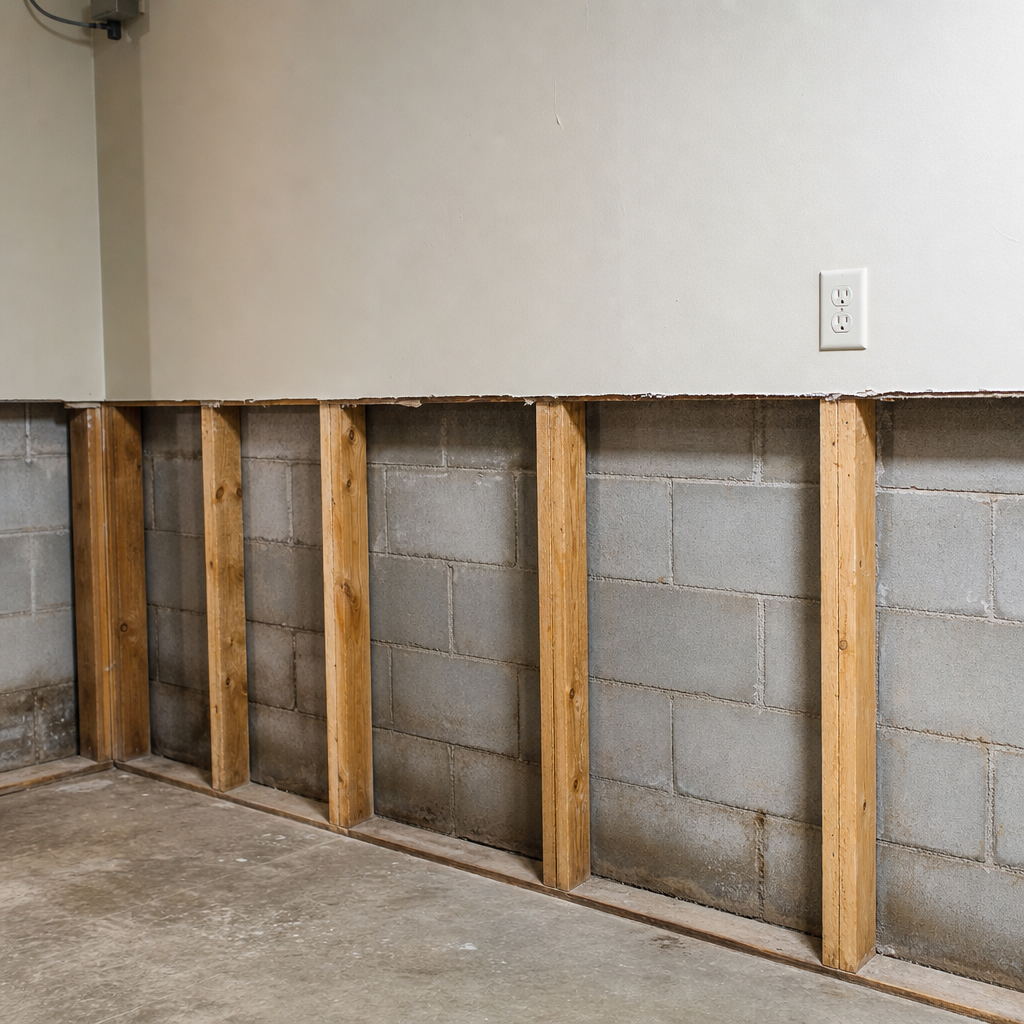
If water contacts drywall, it quickly wicks upward inside the wall cavity. Technicians must perform “flood cuts,” cutting out drywall at least 12 to 24 inches above the highest water mark. This exposes the wet framing studs and wall insulation, allowing air movers to circulate dry air through the structural skeleton. Finish replacement and structural repair for framing become key drivers of total repair costs.
3. Equipment Run Times
According to specialists at Floodline Restoration Co., industrial desiccant or LGR (low-grain refrigerant) dehumidifiers, high-velocity axial air movers, and HEPA air scrubbers typically run continuously for three to five days. Equipment costs and monitoring fees vary depending on the severity of the moisture intrusion, basement size, and the overall scope of work required to dry the structure.
4. Mold Prevention and Antimicrobial Treatments
Within 24 to 48 hours of flooding, mold spores begin colonizing organic materials like paper-faced drywall, wood studs, and subfloor adhesives. Applying EPA-registered antimicrobial washes and botanical biocides is a standard step before closing up walls. If mold becomes established prior to water removal, additional remediation increases the total scope and cost of the project depending on the severity of contamination.
Does Homeowners Insurance Cover Flooded Basement Repair Costs?
Standard homeowners insurance policies usually exclude flood damage caused by rising groundwater, overland flooding, or surface runoff. As noted by the team at Floodline Restoration Co., coverage for basement flooding depends on the source of the water and the specific terms of your policy.
- Standard Coverage: Policies typically cover sudden and accidental internal plumbing failures, such as a burst pipe.
- Policy Endorsements: Sewer backups and sump pump failures generally require a specific optional endorsement.
- Flood Insurance: Damage from rising external water requires flood insurance, though National Flood Insurance Program (NFIP) coverage for basements is limited in scope.
How to Prevent Costly Basement Floods in the Future
Repairing a flooded basement is an expensive disruption. Investing in proactive plumbing and structural defenses helps safeguard your foundation against future storms:
- Install a Sewer Backwater Valve: A mechanical check valve installed on your main sewer lateral automatically seals shut when city street sewers back up, preventing raw sewage from entering your floor drains.
- Upgrade Your Sump Pump with Battery Redundancy: Sump pumps fail most often during major storms when electrical grids cut out. A dual-pump setup with a dedicated marine battery backup ensures continuous pumping during power outages.
- Grade Soil and Extend Downspouts: Direct all gutter downspouts at least six to ten feet away from your foundation wall. Ensure surrounding walkways and soil slope gently away from the building.
- Seal Foundation Penetrations: Inspect below-grade walls for masonry cracks, old pipe penetrations, and mortar deterioration. Seal openings with hydraulic cement and high-grade polyurethane sealants.
Frequently Asked Questions
How much does it cost to pump standing water out of a basement?
The cost of emergency water extraction varies depending on the depth of standing water, the contamination level, the size of the basement, and the overall scope of equipment and labor needed.
What is the average cost to dry out a flooded basement?
Drying costs depend heavily on whether the space is finished or unfinished. Unfinished concrete spaces require basic drying equipment, whereas finished basements requiring flood cuts, insulation removal, subfloor extraction, and finish replacement face significantly higher costs driven by deeper structural repairs.
Can I clean up a flooded basement myself to save money?
If you have less than an inch of clean supply water on an unfinished concrete floor, you may be able to manage the cleanup using a shop vac, mops, and commercial fans. However, as technicians at Floodline Restoration Co. point out, if the water contains sewage, has been standing for more than 24 hours, or has soaked into drywall and framing, DIY methods almost always leave moisture trapped behind walls, resulting in hidden mold growth and long-term structural rot.
How long does it take for a basement to dry completely after a flood?
With commercial drying equipment running continuously, most basements take between three and five days to reach standard moisture equilibrium. Dense masonry foundations, subfloors, and multi-layer party walls may require up to a full week of continuous dehumidification.
Need flooded basement repair cost?
We’re available now - call for a fast, free estimate.
Sources
- Flooded Basement Cleanup and Restoration Cost (2026) – repaircostledger.com (2026)
Related reading: Basement Flood Cleanup Cost | 10% Off & Free Estimate | Same-Day Service
Related reading: Ceiling Water Damage Repair Cost | Call Now-10% Off | On-Site in 60 Minutes | Free Estimate
Related reading: Water Mitigation Cost | Call Now-10% Off | Same-Day Service | Free Estimate
Frequently Asked Questions
How can I get an accurate flooded basement repair cost estimate before work starts?
Property owners can contact the 24/7 dispatch line at Floodline Restoration Co. to schedule a free on-site visual inspection. Technicians evaluate water contamination, structural porosity, and moisture depth to provide an upfront, fixed-price estimate with no hidden fees.
How does direct insurance billing work for basement flood damage?
When dealing with covered perils like burst pipes or sewer backups, Floodline Restoration Co. handles the claims documentation and bills your insurance carrier directly. This streamlined process ensures all water extraction, drying logs, and structural repairs adhere to standard insurance pricing guidelines.
Does flooded basement restoration include repairing drywall and finished flooring?
Yes, comprehensive restoration covers both emergency water mitigation and post-loss reconstruction. Floodline Restoration Co. acts as an all-in-one partner, managing initial water removal and antimicrobial sanitization through the complete rebuilding of studs, insulation, drywall, and subfloors.
About the author
 |
Christopher Vance Christopher Vance brings over 12 years of hands-on experience in water mitigation and structural drying, holding multiple certifications from the Institute of Inspection, Cleaning and Restoration Certification (IICRC). Before shifting his focus to consumer education, he managed large-loss commercial and residential recovery operations throughout the New York metropolitan area. He specializes in breaking down complex restoration processes and pricing models to help property owners make informed decisions during high-stress situations. |
Water damage, flood, or mold emergency?
We’re available now - call for a fast, free estimate.
Call Now - Free Estimate