
Free visual inspection and a written scope of work before any mitigation begins - photos, moisture readings, and drying logs go in your claim file
The scope we write is the scope we bill. Anything new gets shown to you, in writing, before we touch it.
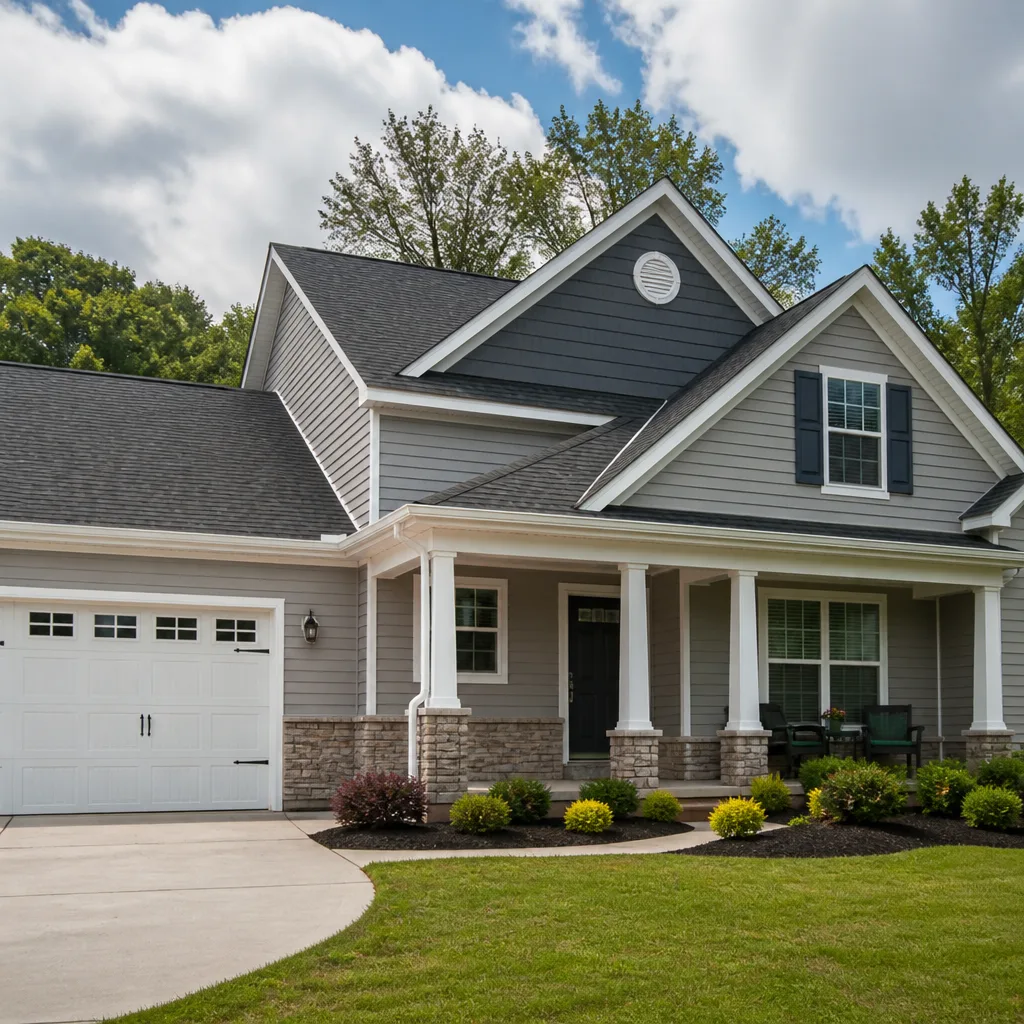
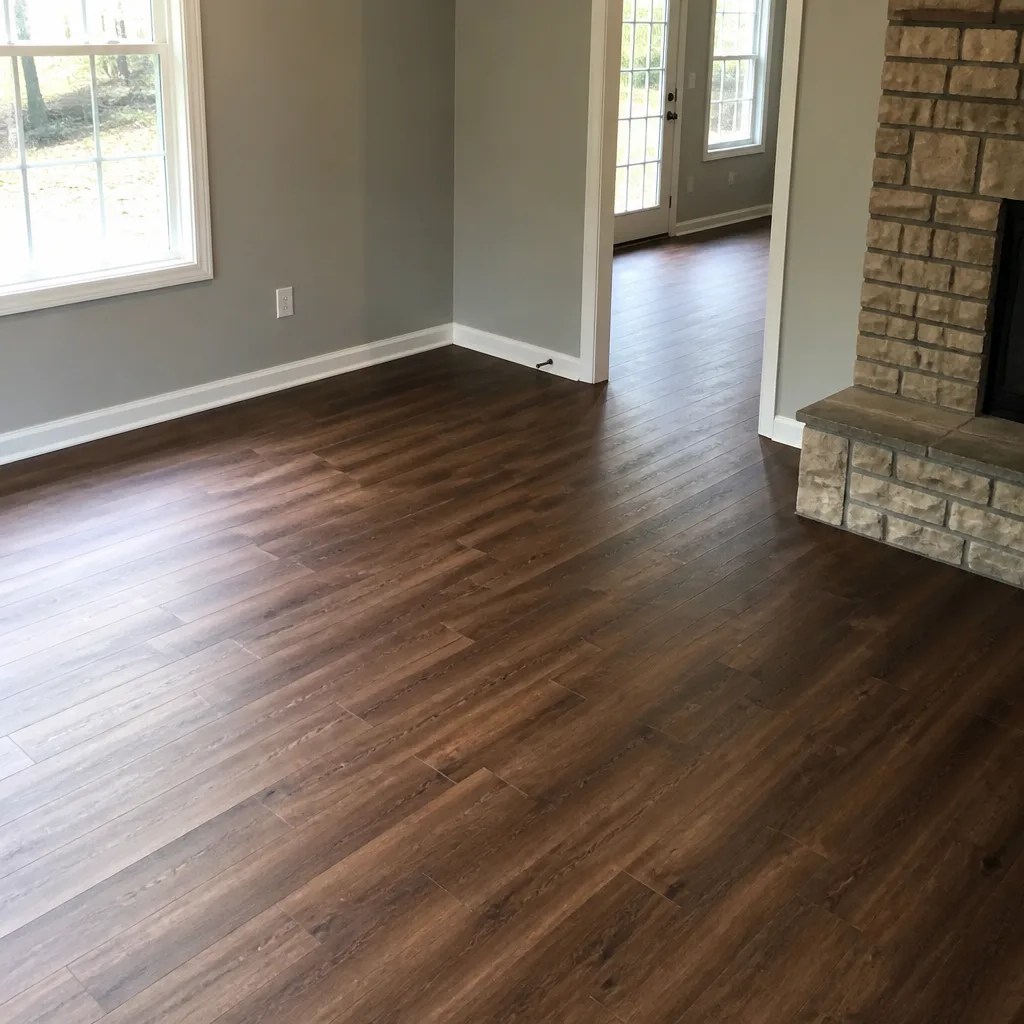
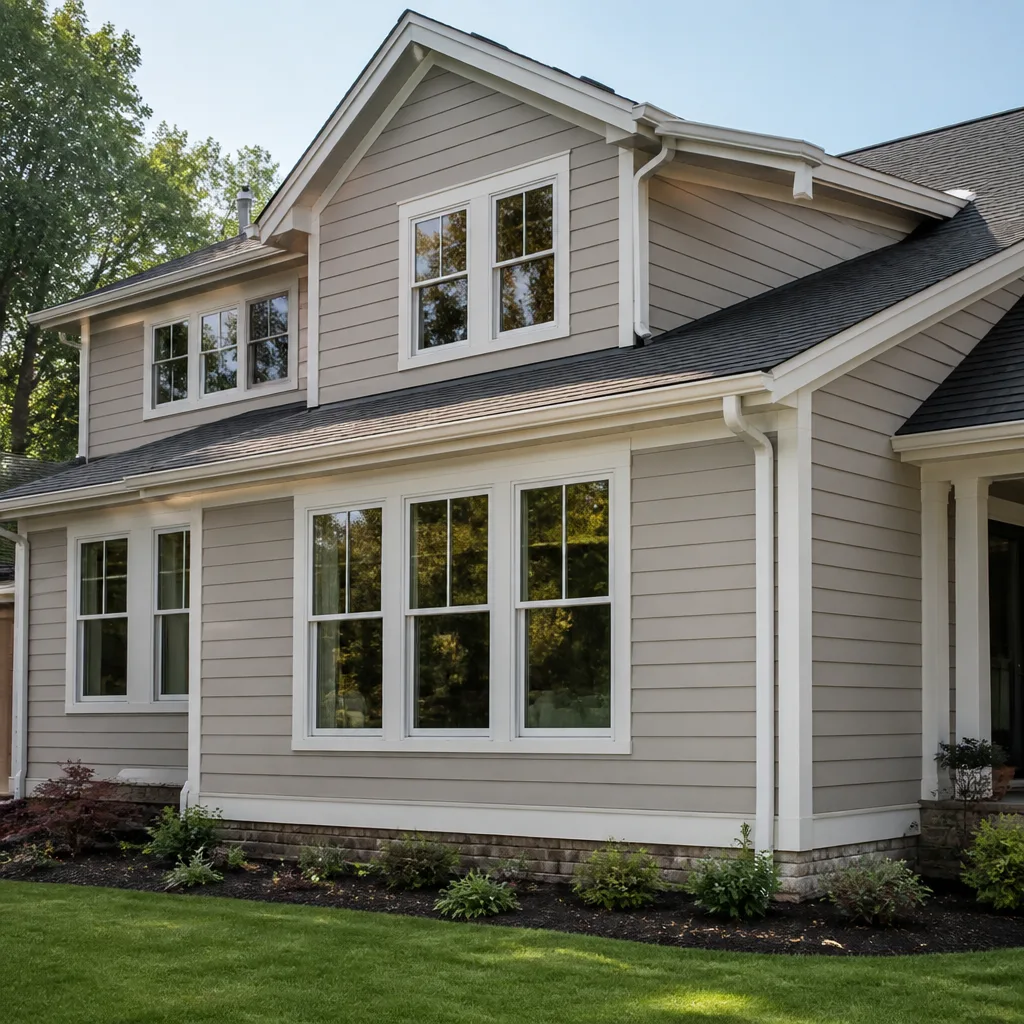
 Before
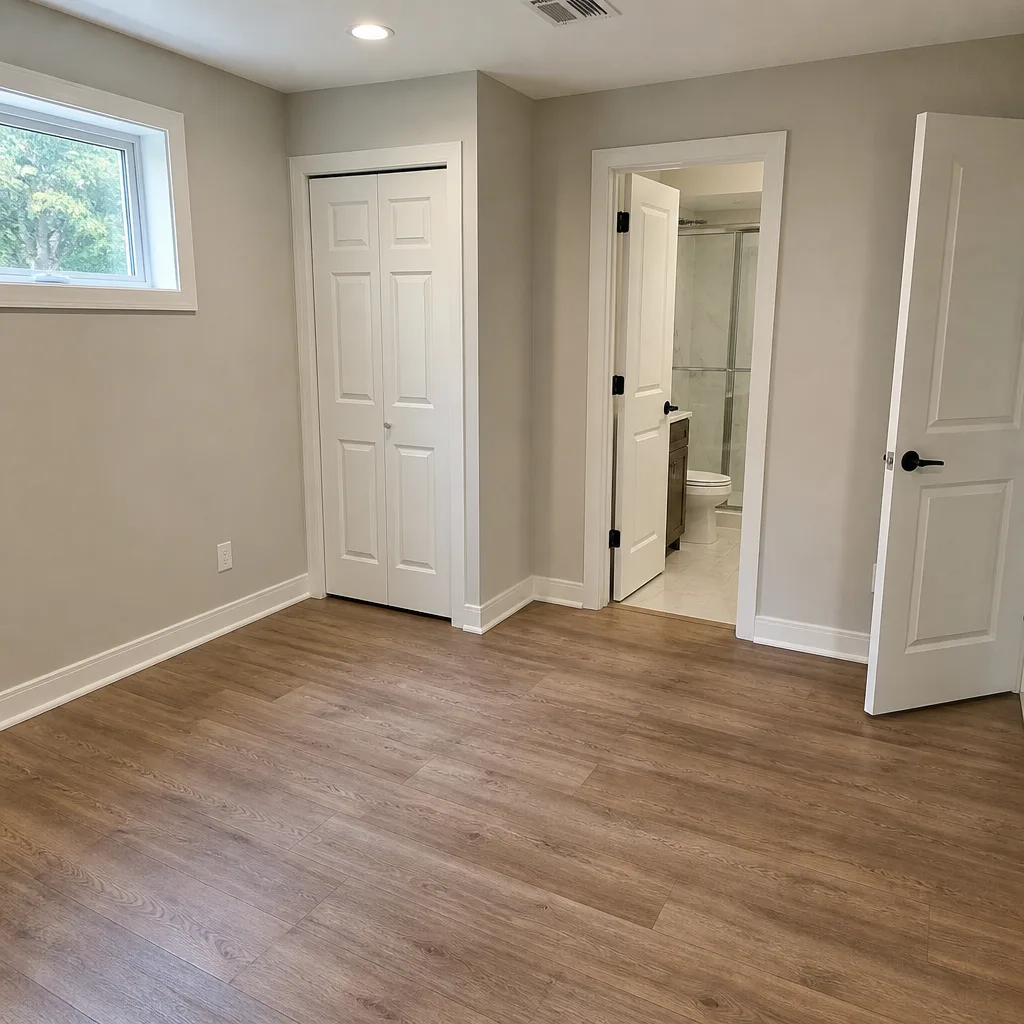 After
After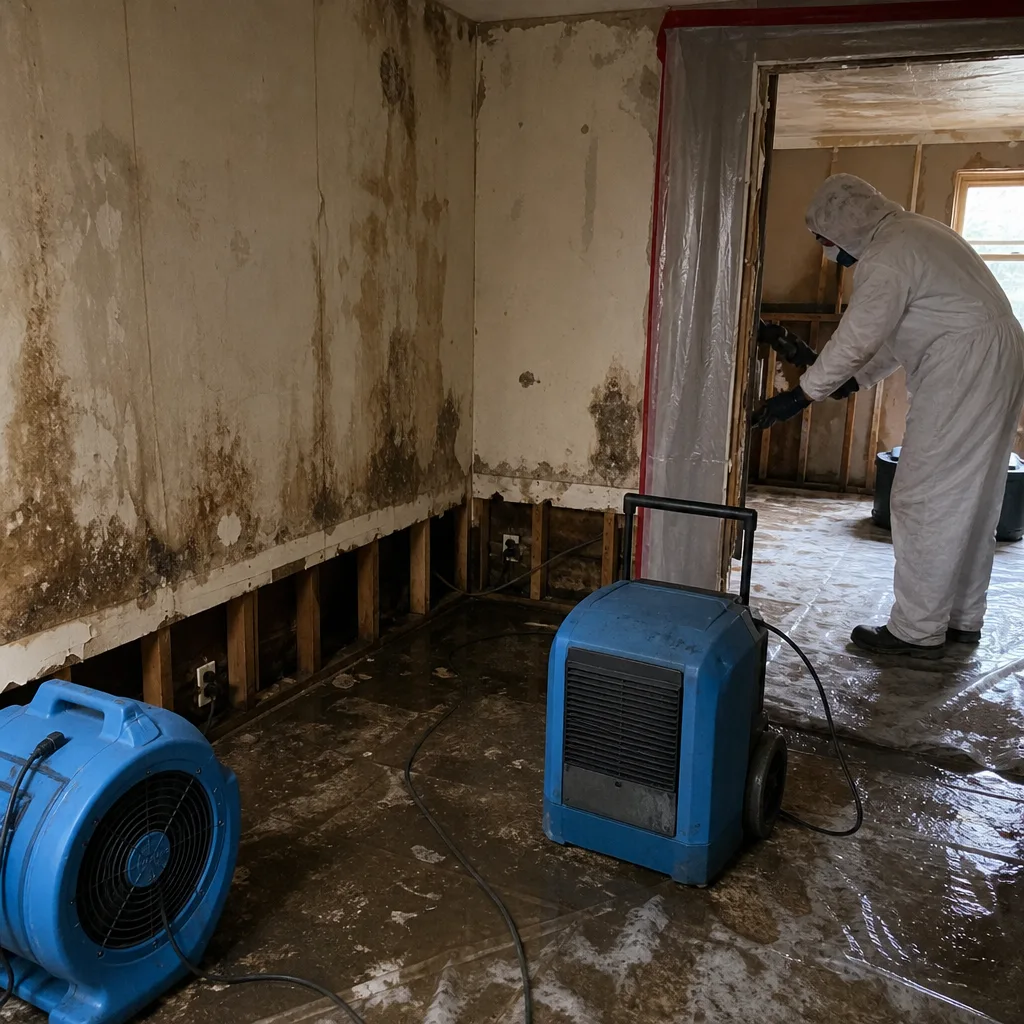 Before
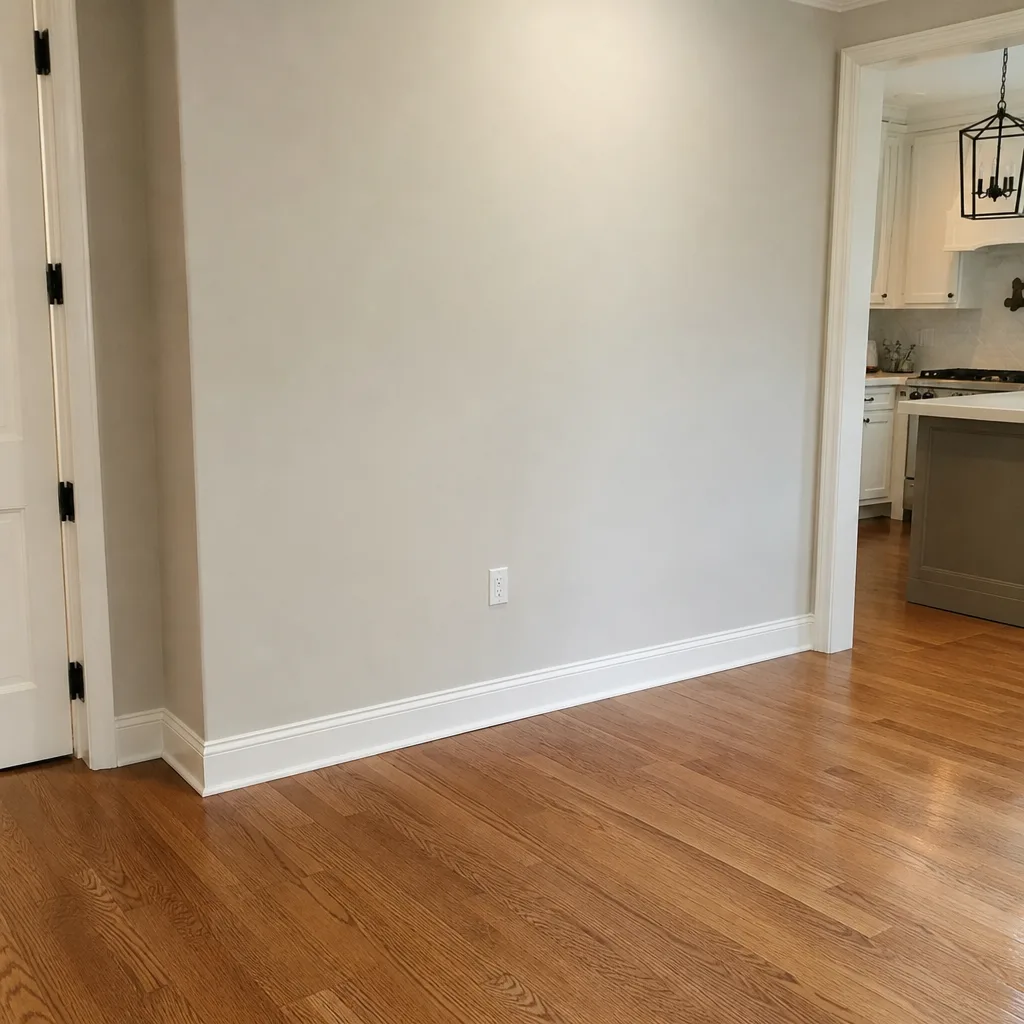 After
After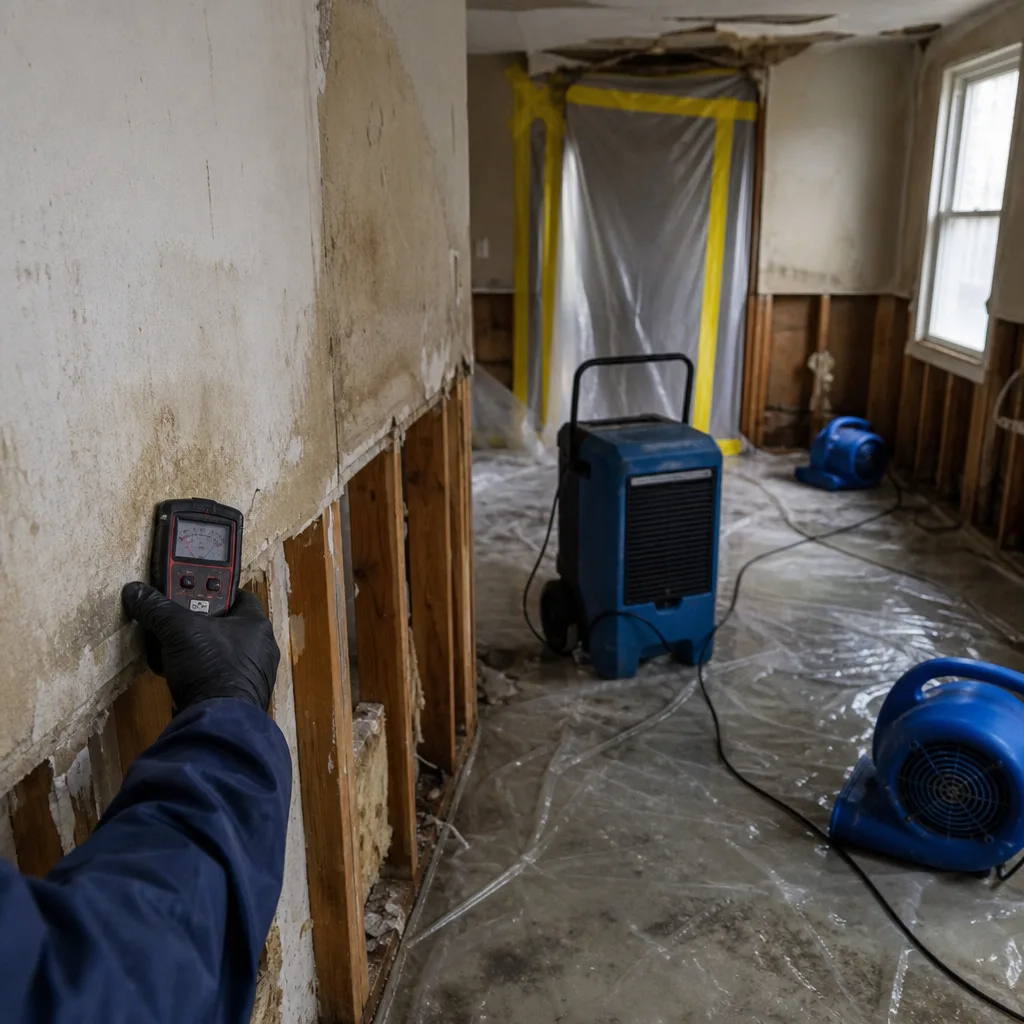 Before
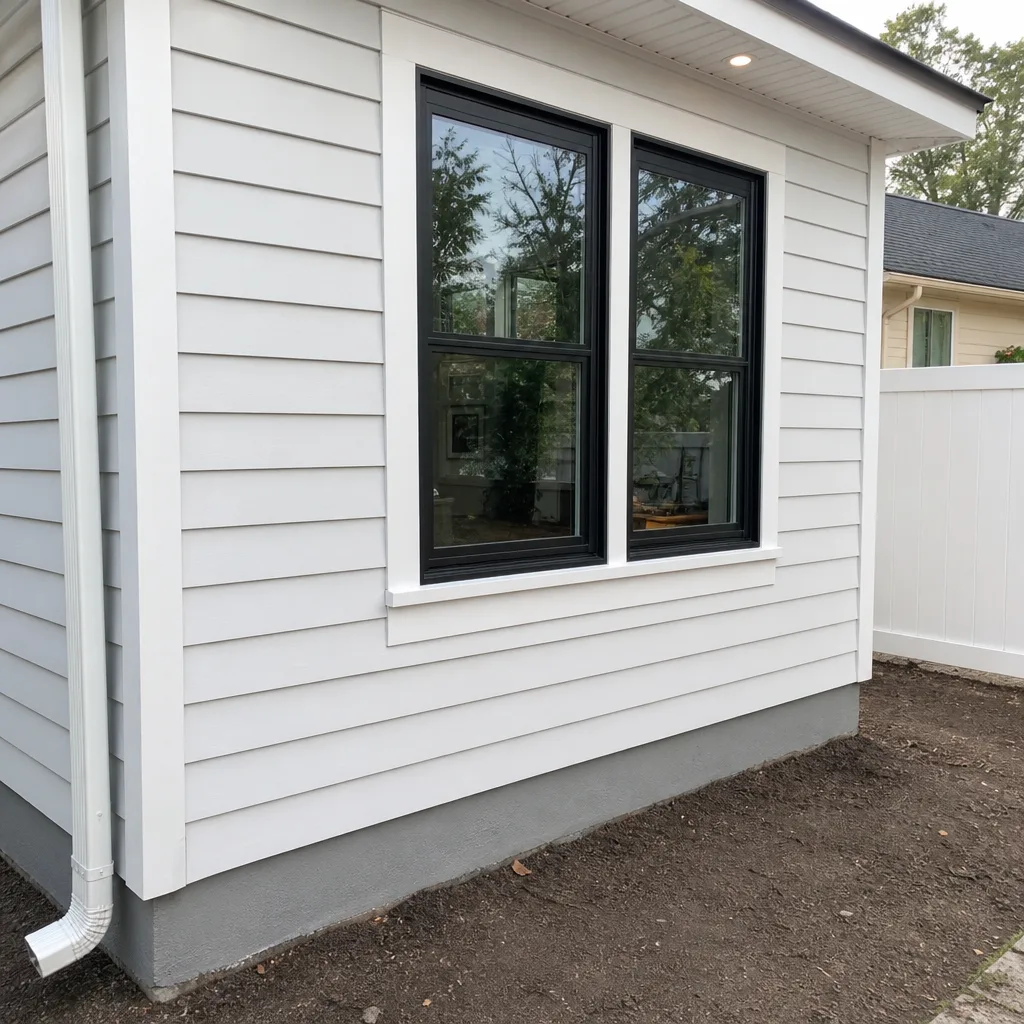 After
After24/7 Emergency Water Damage Restoration in Glendale
Water damage restoration in Glendale typically costs between $2,800 and $6,500 for a standard one-unit extraction and structural drying job, with category 3 sewer backups running higher due to antimicrobial treatment and possible drywall removal. We answer the phone live at (363) 999-0829 at any hour, and crews reach most Glendale blocks within 45 minutes. In a row house with shared walls, the first hour decides whether your neighbor’s unit stays dry or becomes part of the claim. Call while the water is still spreading. We arrive, contain, and start extraction the same visit. Our visual inspection is free, and we tell you plainly what needs drying, what needs cutting out, and what can be saved.
Understanding Water Damage Restoration Severity in Glendale Properties
Water damage falls into three categories, and the distinction matters more in Glendale than almost anywhere else because of the housing stock. Category 1 is clean water from a burst supply line or shower valve. Category 2 is gray water from washing machines or dishwashers. Category 3, sometimes called black water, comes from sewer backups or floodwater carrying sewage and bacteria. Most Glendale basements that flood during a Queens combined-sewer surcharge are category 3 events, not simple wet-carpet jobs. In a pre-WWII brick row house with horsehair plaster walls, a category 1 leak that sits overnight against a shared party wall degrades quickly. Moisture mapping with thermal imaging shows us what the eye cannot: saturation traveling horizontally through plaster, joist pockets, and under original hardwood. Structural drying in these homes means accounting for dense brick retaining moisture and slow release, not just air movement. We log readings daily until the dry standard is met, then hand you and your carrier the record.
Why Glendale Property Owners Choose Floodline Restoration Co.
- 45-minute response commitment. A live dispatcher confirms the crew’s location the moment you call, and we hold ourselves to arrival inside 45 minutes across Glendale’s blocks.
- Live answer, 24/7. A real person picks up at 2 a.m. Not a recording. Not a callback queue. You explain the situation once.
- IICRC-certified crews. Our technicians carry WRT and ASD certifications and follow IICRC, RIA, and IFA standards on every job. Background-checked, uniformed, and trained to read a moisture map, not just move fans.
- Free visual inspection. We assess the loss in person before any work begins. You get a straight assessment of what needs to happen.
- Direct insurance billing. We coordinate with your carrier, provide the documentation they require, and bill them directly when coverage applies. You do not play messenger.
- One team from extraction to rebuild. The same crew that sets up drying equipment also handles demolition and reconstruction. No mid-job handoff to strangers.
Our Water Damage Restoration Process
Inspection & Assessment
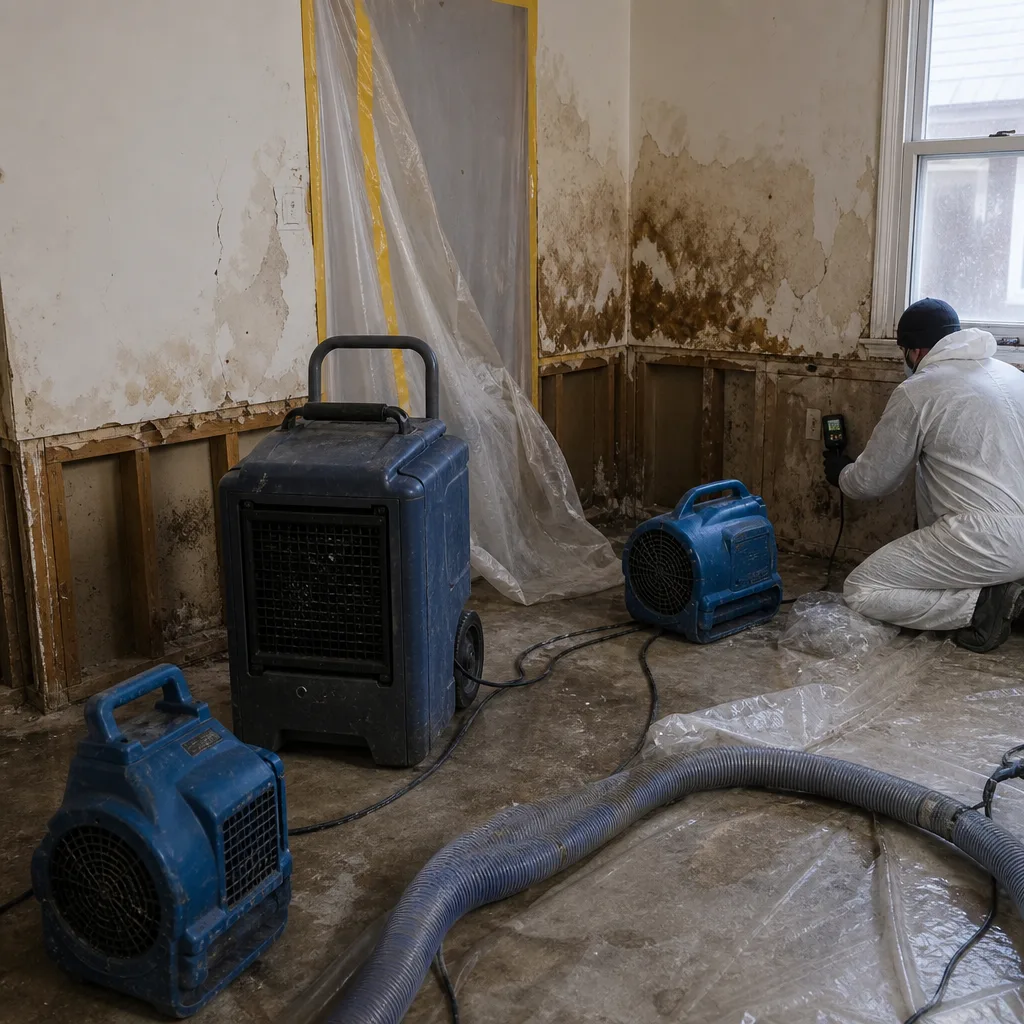
We arrive, walk the loss, and use thermal imaging plus moisture meters to map exactly how far water has traveled through walls, floors, and the shared party wall if you are in an attached row house. You get a clear scope and pricing before equipment touches the floor.
Extraction / Stabilization
We remove standing water with portable truck-mount and compact extraction units sized for Glendale’s narrow rear alleys and basement stairs. The goal is to stop saturation from spreading deeper into framing and neighboring units.
Drying & Dehumidification
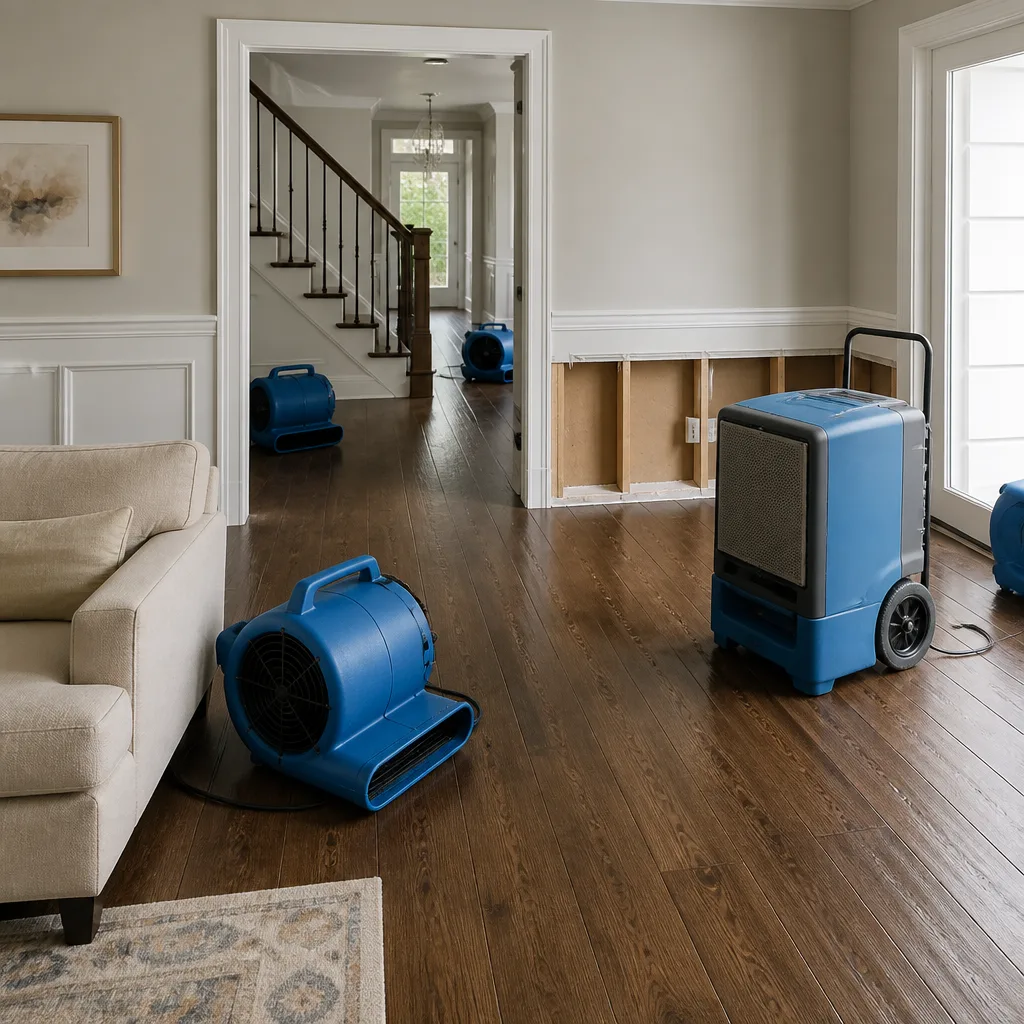
Dri-Eaz LGR dehumidifiers and Phoenix air movers are positioned according to the moisture map, not scattered randomly. We monitor daily, adjust placement, and document readings until the structural dry standard is confirmed.
Cleaning & Sanitization
For category 2 and 3 water, we clean and apply antimicrobial treatment to affected surfaces. HEPA air scrubbers run during and after demolition to capture airborne particulates, especially in pre-war homes where lead paint and asbestos may be present.
Asbestos & Lead-Safe Containment
In Glendale’s 1920s-1940s housing, demolition often triggers NYC DEP protocols for asbestos-containing plaster or pipe insulation and lead-paint safety. We set up proper containment before cutting begins, so your job does not get hit with a stop-work order halfway through.
Repairs & Restoration
Once drying is verified, the same crew rebuilds what was removed. Drywall, insulation, trim, flooring. No new contractor, no new estimate, no gap while you wait for someone else to show up.
Need Emergency Water Damage Restoration in Glendale Now?
Crews minutes away, answering live 24 hours a day. The sooner we start, the less it costs.
Working With Your Insurance Company
Insurance claims for water damage in Glendale move faster when the documentation is built from the first hour. We photograph the loss room by room before demolition begins, log moisture readings every day, and produce a line-item scope of work in the format carriers expect. Our team communicates directly with your adjuster, answers their questions, and avoids the delays that happen when a homeowner has to relay technical information back and forth. If your policy covers the loss, we bill the carrier directly. You see the same scope we send them. No surprises on your bill. The 90-Day Done Right Promise applies to every Water Damage Restoration job we complete, and that guarantee stands whether the carrier paid or you did.
What We Provide Your Insurer
- Thorough documentation of the loss
- Photos of all damage, room by room
- Moisture readings and drying logs
- A detailed, line-item scope of work
- Direct coordination with your carrier
Built for Glendale’s Loss Calendar
Glendale’s water damage season runs through the full year, but the failures change with the weather. January and February bring deep freezes that split original galvanized supply lines in unheated rear extensions and basement utility rooms. When a first-floor pipe lets go in a row house on 70th Street or Myrtle Avenue, the water does not stay put. It finds the party wall and drops into the neighbor’s finished basement within hours. Spring brings roof runoff and groundwater seepage into semi-finished basements through original fieldstone and brick foundations. Summer cloudbursts overwhelm the combined sewer system, pushing category 3 water up through floor drains in low-lying blocks near Cypress Hills Street. Autumn nor’easters drive wind-driven rain through original window headers and roof flashing on pre-war brick facades. Each season has a signature failure mode here, and we arrive ready for the one in season.
Water Damage Restoration Across Glendale’s Neighborhoods
The row house blocks between Myrtle Avenue and Cooper Avenue are dense attached brick homes from the 1920s and 1930s. A burst supply line in one unit here almost always becomes a two-owner claim, because the horsehair plaster party wall soaks through fast. Over near Forest Park, the homes are a mix of semi-detached two-families and smaller attached rows, often with finished basements used as family rooms. Water in those basements hits carpet, drywall, and stored belongings quickly. Along Central Avenue and the side streets running north toward Metropolitan Avenue, rear alley access is tight, and our crews maneuver compact Phoenix and B-Air units through gates and narrow walkways to reach the source. The blocks near Lutheran Cemetery have older infrastructure with more frequent sewer backups during heavy rain. And around The Shops at Atlas Park, commercial storefronts above residential spaces create mixed-use water claims where a ceiling leak on the first floor means coordinating with a business owner below. Knowing each area’s building type and access pattern is part of what makes cleanup faster once we arrive.
Specialized Water Damage Restoration Services We Offer in Glendale
Emergency Water Extraction
Standing water in a Glendale basement does not wait. We arrive with extraction units sized for basement stairs and rear alleys, pull the water out, and set up drying the same visit. In attached row houses, fast extraction is the difference between a one-unit claim and a neighbor’s damage.
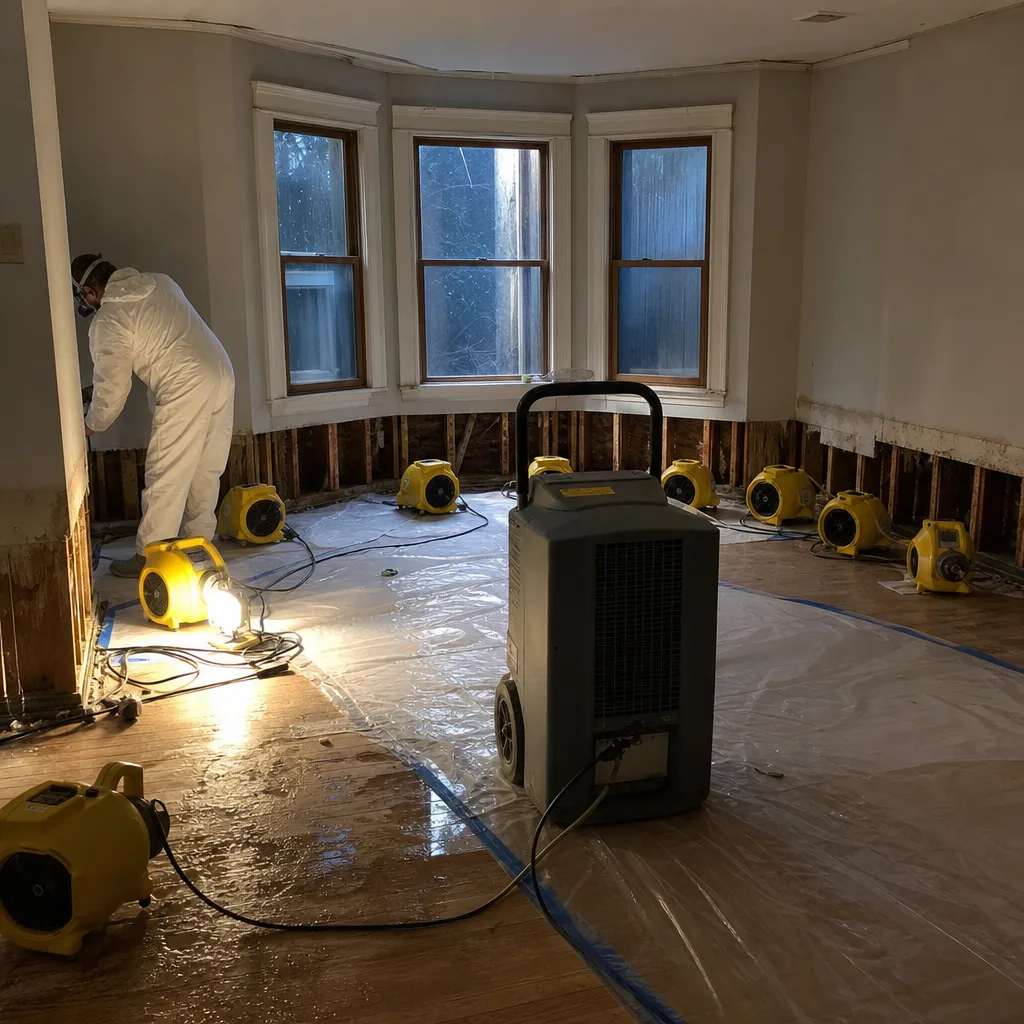
Structural Drying & Dehumidification
Glendale’s original brick and plaster construction holds moisture stubbornly. We use thermal imaging to find water inside walls and joist pockets, then position Dri-Eaz LGR dehumidifiers and air movers according to that map. Daily readings continue until the structural dry standard is met, and the log goes to you and your carrier.
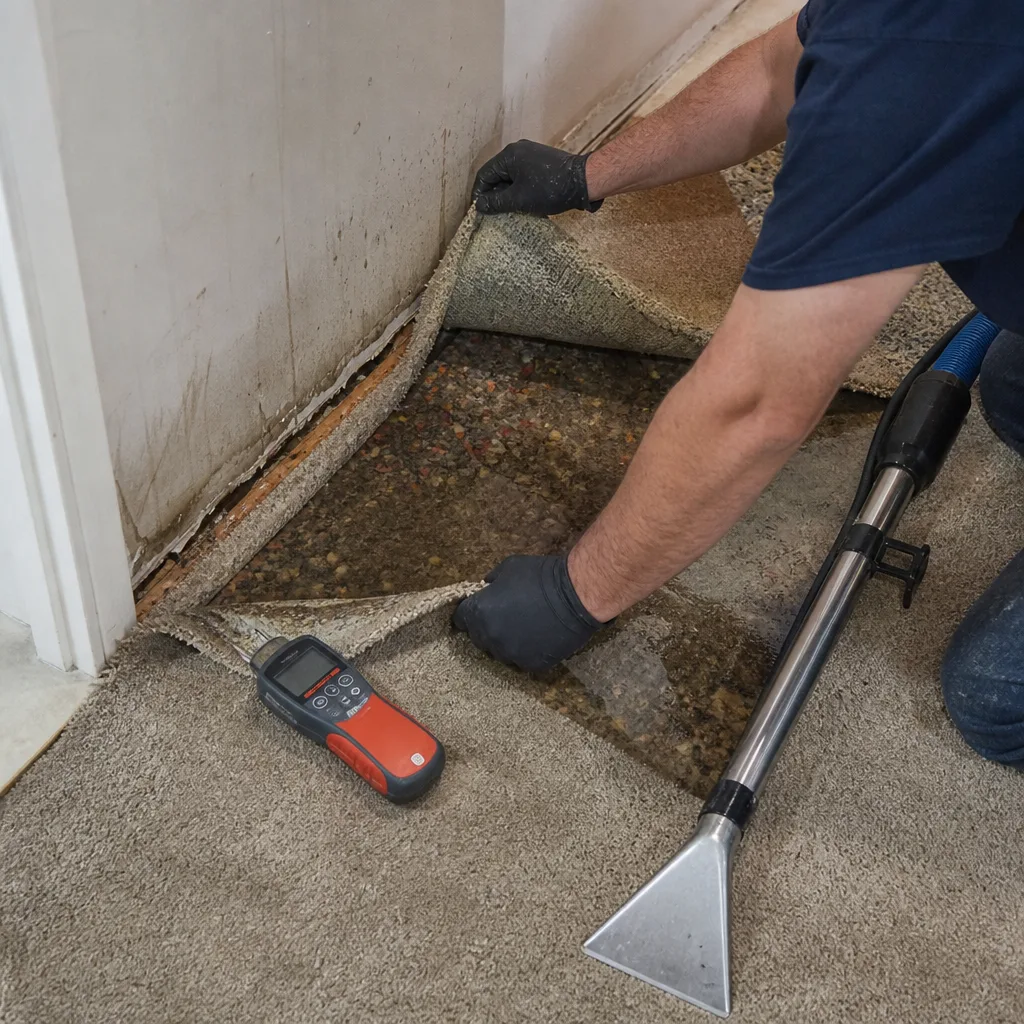
Flood Cleanup
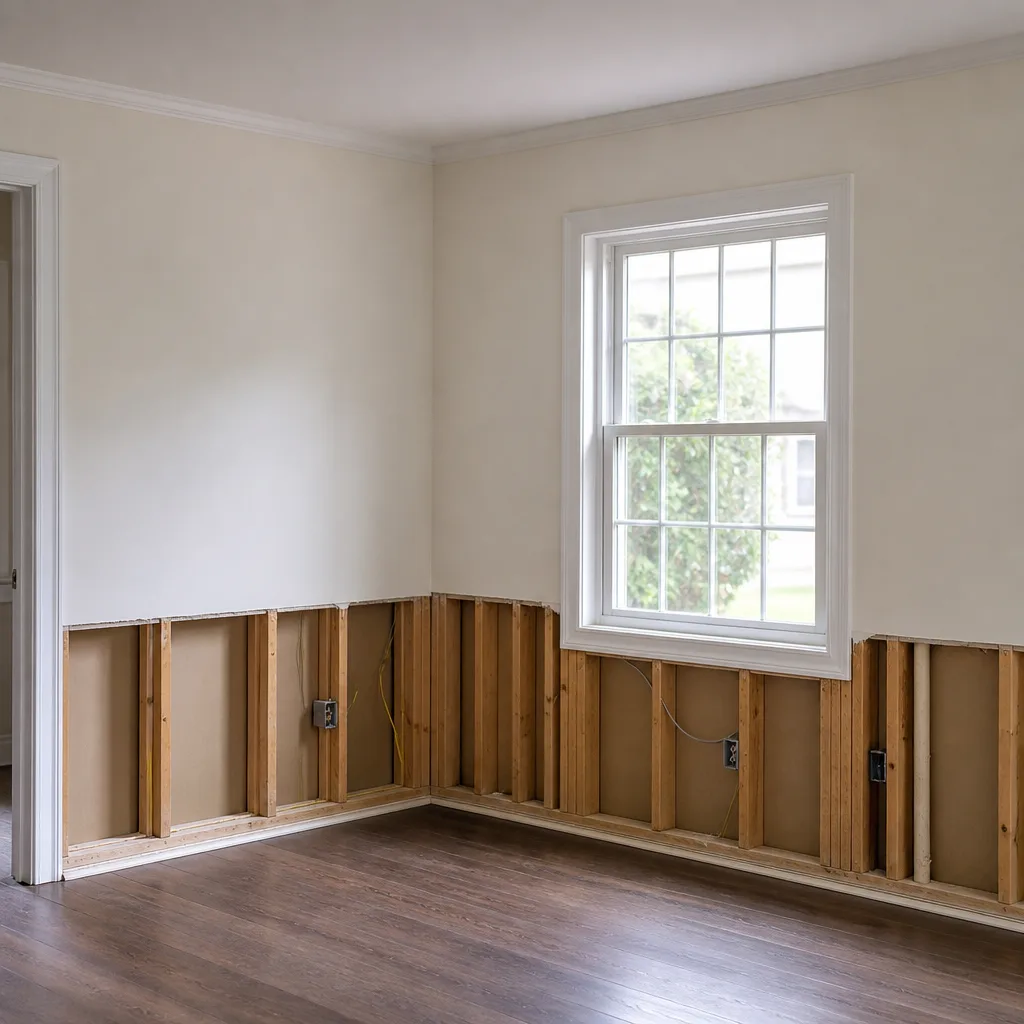
When the combined sewer system surcharges during a summer storm or nor’easter, finished basements become category 3 cleanup sites. We remove contaminated water, cut out soaked drywall and carpet, treat affected framing, and document everything for NYC DEP and your insurer.
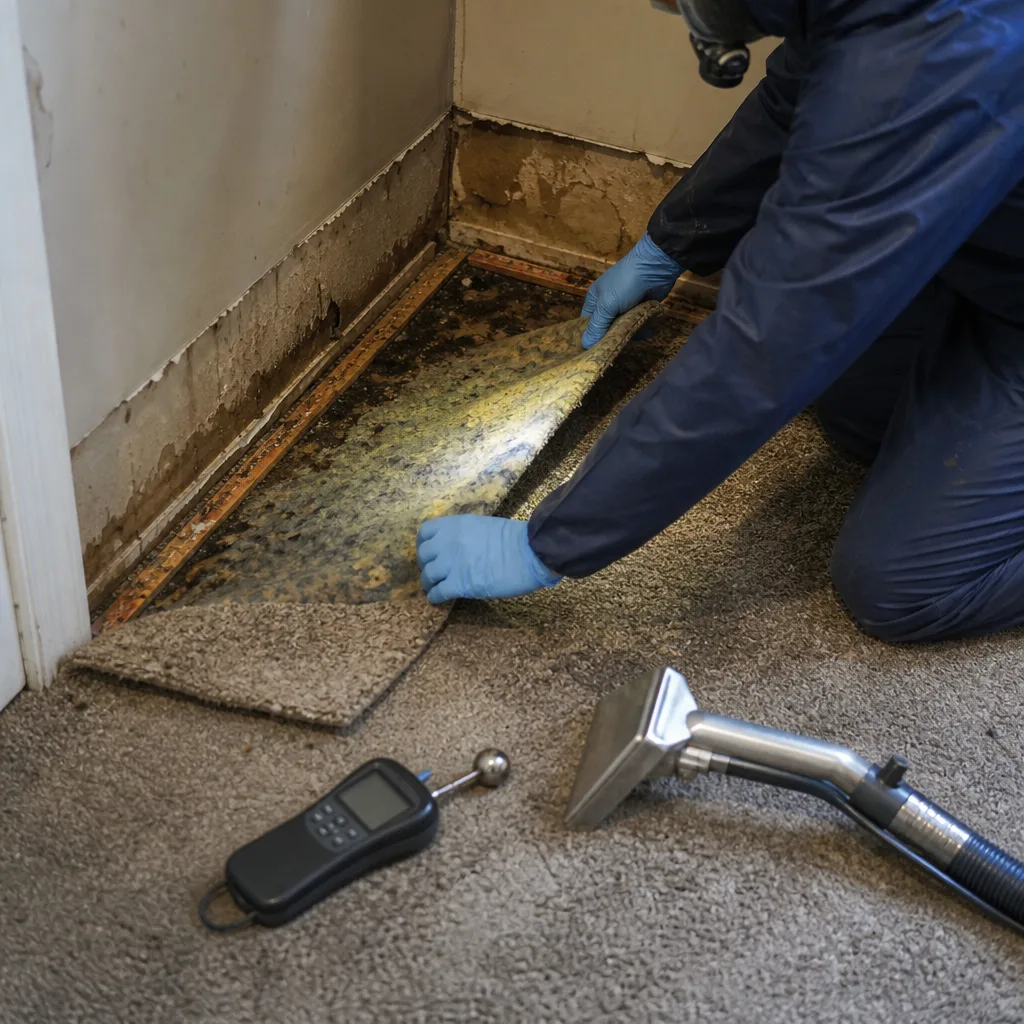
Burst Pipe Restoration
A February burst in a Glendale row house means water moving through original framing fast. We stop the source, extract, dry the affected structure, and rebuild what was removed. Asbestos-safe containment goes up before any cutting begins on pre-war plumbing and plaster.
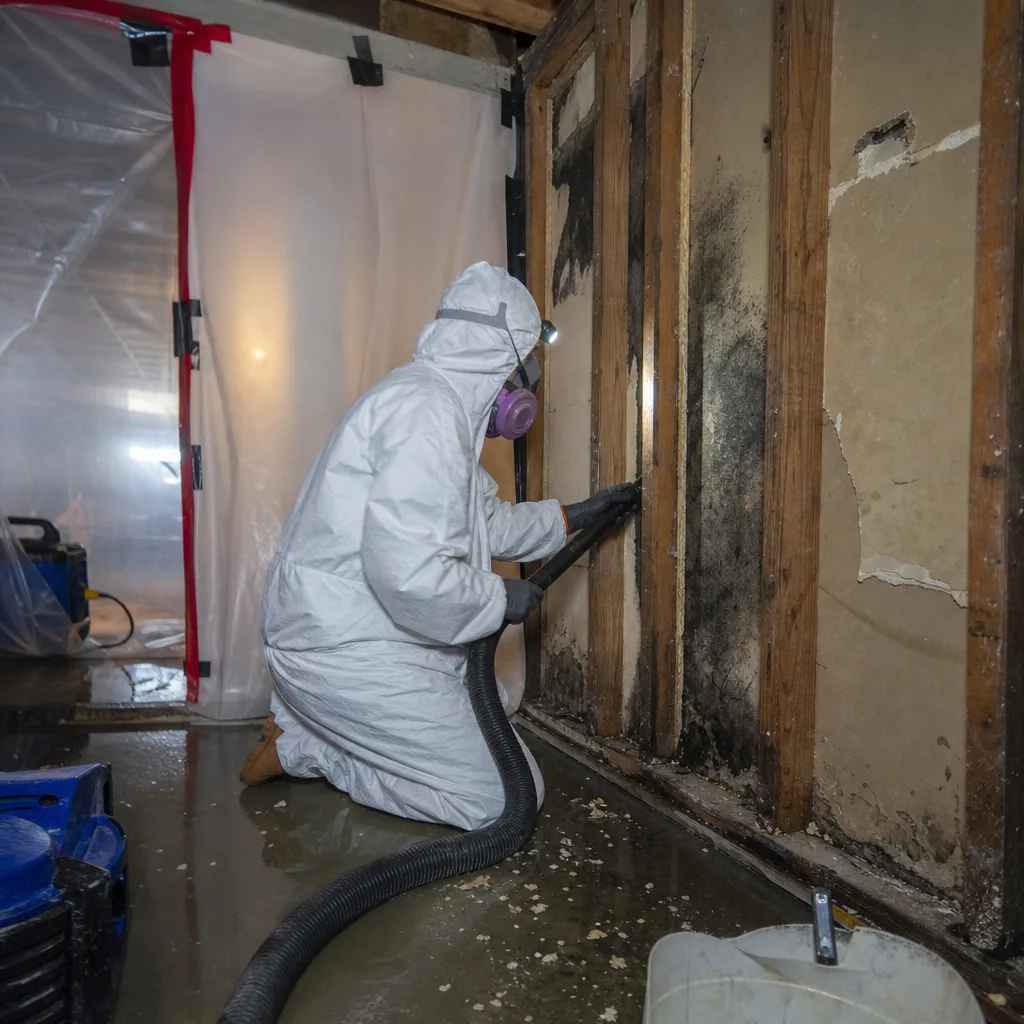
Basement Water Removal
Finished basements in Glendale are common family spaces. When water enters through a foundation crack, a failed sump, or a sewer backup, we extract quickly, dry the space, and tell you whether the flooring, drywall, or insulation needs removal or can be saved.
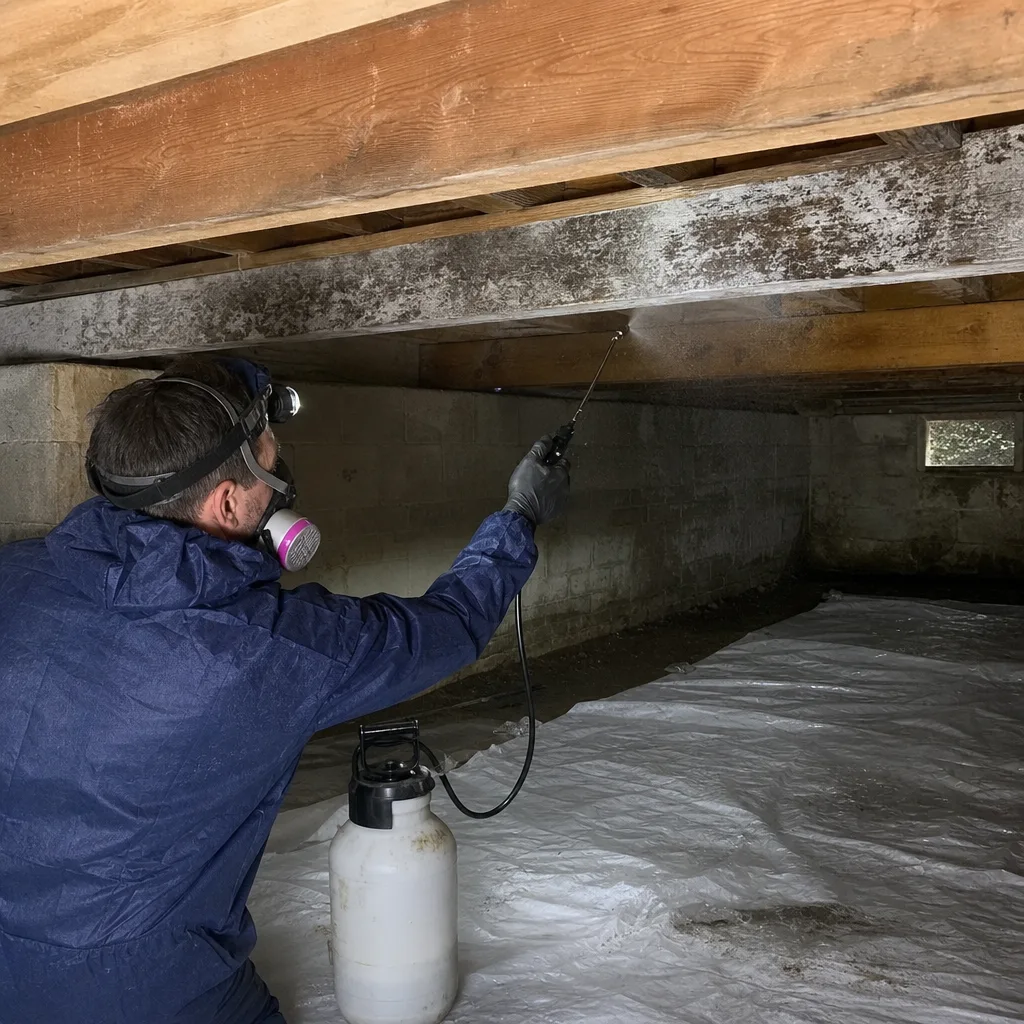
What happens when you call
- 1
A real person answersNo phone trees - you reach a local pro.
- 2
You get an upfront price rangeHonest numbers before anyone is dispatched.
- 3
A background-checked tech heads outLicensed & insured, dispatched right away.
- 4
You approve before work beginsNothing starts until you say go.
Water Damage Restoration Costs in Glendale, NY
Glendale’s market sets water damage restoration pricing in a range rather than a flat number, because the scope depends on how far the water traveled and what it touched. Water extraction alone runs $800 to $2,000. Structural drying with equipment placement, monitoring, and daily logs runs $2,000 to $4,500. Full restoration that includes demolition, drying, antimicrobial treatment, and rebuild starts around $3,500 and climbs to $8,000 or more when asbestos abatement protocols, category 3 contamination, or two-unit party wall coordination are involved. A burst pipe in a first-floor bathroom that soaks through to the neighbor’s basement is a different job than a contained washing machine overflow. We provide a free visual inspection, then a written scope with firm numbers before work begins. Insurance typically covers sudden and accidental discharge, including burst pipes and sewer backups when the right rider is in place. We bill the carrier directly and apply our standing offers: $50 off any repair over $250, an $89 seasonal tune-up, and a 5% senior and veteran discount, always. Call (363) 999-0829 for an exact quote.
We Also Serve Cities Near Glendale
Our Water Damage Restoration in Glendale crews also cover the surrounding Queens neighborhoods. We regularly respond to water losses in Elmhurst, Corona, Forest Hills, and Jackson Heights, where we bring the same live 24/7 dispatch and same-single-crew approach to row houses, co-ops, and freestanding homes.
Serving Glendale, NY - Our Local Coverage Area
We’re based in the Glendale area and know this community well. Use the map below to see our service coverage - if you’re nearby, we can almost certainly help.
Glendale Water Damage Restoration Questions, Answered
How do you handle water damage that crosses into my neighbor’s attached row house in Glendale?
We coordinate both units as one job, setting up containment on each side of the shared party wall and getting both owners to sign scope-of-work authorizations before drying begins. In Glendale row houses, waiting for neighbor sign-off while the wall stays wet is how a clean-water claim becomes a category 3 problem. We handle the coordination directly, so extraction runs while the paperwork catches up. Call (363) 999-0829 and we will walk both properties the same visit.
What is category 3 water from a Queens sewer backup, and how is it different from a clean pipe leak?
Category 3 water contains sewage, bacteria, and other contaminants from a sewer surcharge or flood. It is not safe to dry in place the way a clean pipe leak is. Category 3 requires contaminated drywall and carpet to be cut out, affected surfaces treated with antimicrobials, and full documentation for NYC DEP and your insurer. Glendale’s combined sewer system makes this a recurring event during heavy rain, not a rare one.
How fast can mold start in a Glendale row house after a water leak?
Mold can start within 24 to 48 hours, and faster in summer when humidity is high. In a Glendale row house, the shared party wall stays wet unless extraction and drying start quickly. That is why we treat the first call as the start of the mitigation, not the estimate. Call (363) 999-0829 when the water appears, not after the weekend.
Do I need asbestos abatement before you can dry out my 1930s Glendale basement?
If the affected area includes original plaster, pipe insulation, or flooring that tests positive for asbestos-containing materials, yes. NYC DEP rules require asbestos-safe containment and in many cases abatement before demolition can proceed. We test before we cut, set up proper containment, and keep your job moving without a stop-work order. Drying can often be set up immediately while the testing and containment plan is confirmed.
What is the hardest part of water damage restoration in a Glendale attached brick row house?
The party wall. When water from one unit soaks into the shared brick and plaster wall, the drying job becomes two jobs with two owners, two insurance claims, and NYC DOB permit requirements on both properties. Getting everyone to sign before mold takes hold is the real bottleneck. We have run the 70th Street row house scenario enough to have the process down, but it still requires coordination that a generic restoration company does not handle.
How fast can you actually get to my Glendale home in an emergency?
Our crews are dispatched from the New York City office and typically reach Glendale blocks within 45 minutes. A live dispatcher confirms the crew’s location while you are still on the phone. For a burst pipe actively pouring water, that is the difference between drying a room and reconstructing a party wall.
Will my insurance cover water damage restoration in Glendale?
Sudden and accidental discharge from burst pipes, appliance failures, and sewer backups with the proper rider are typically covered. Slow leaks and neglect are usually not. We document the loss from the first hour, bill your carrier directly, and provide the moisture logs and line-item scope they need to process the claim. Call (363) 999-0829 and we will walk your policy with you after the water stops.
What should I do in the first 30 minutes after discovering water damage in my Glendale home?
Call us at (363) 999-0829, shut the water at the main if you can reach it safely, and do not enter standing water in a basement where electrical panels or appliances are connected. Photograph the damage if it is safe. Then stay dry and let the crew handle extraction. The first 30 minutes of water movement through a Glendale row house can reach the neighbor’s side. Fast action matters.
Written by Curt Bowman, Owner at Floodline Restoration Co., serving Glendale with live 24/7 dispatch and full-cycle restoration.